

ICD Implant Surgery: Recovery and Living With a Defibrillator
ICD implant surgery recovery guide: learn what to expect after a defibrillator implant, daily life tips, and long-term care.
For patients and families facing the prospect of an implantable cardioverter defibrillator, the decision can feel overwhelming. ICD implant surgery is one of the most effective tools modern cardiology offers for preventing sudden cardiac arrest, yet the idea of living with a device inside your chest raises practical questions about recovery, daily activities, and long-term safety. This guide walks through every stage of the journey — from understanding why the surgery is recommended, through the procedure itself, to the reality of resuming a full and active life afterward — with the goal of replacing fear with clear, evidence-based information.
What Is ICD Implant Surgery and Who Needs It
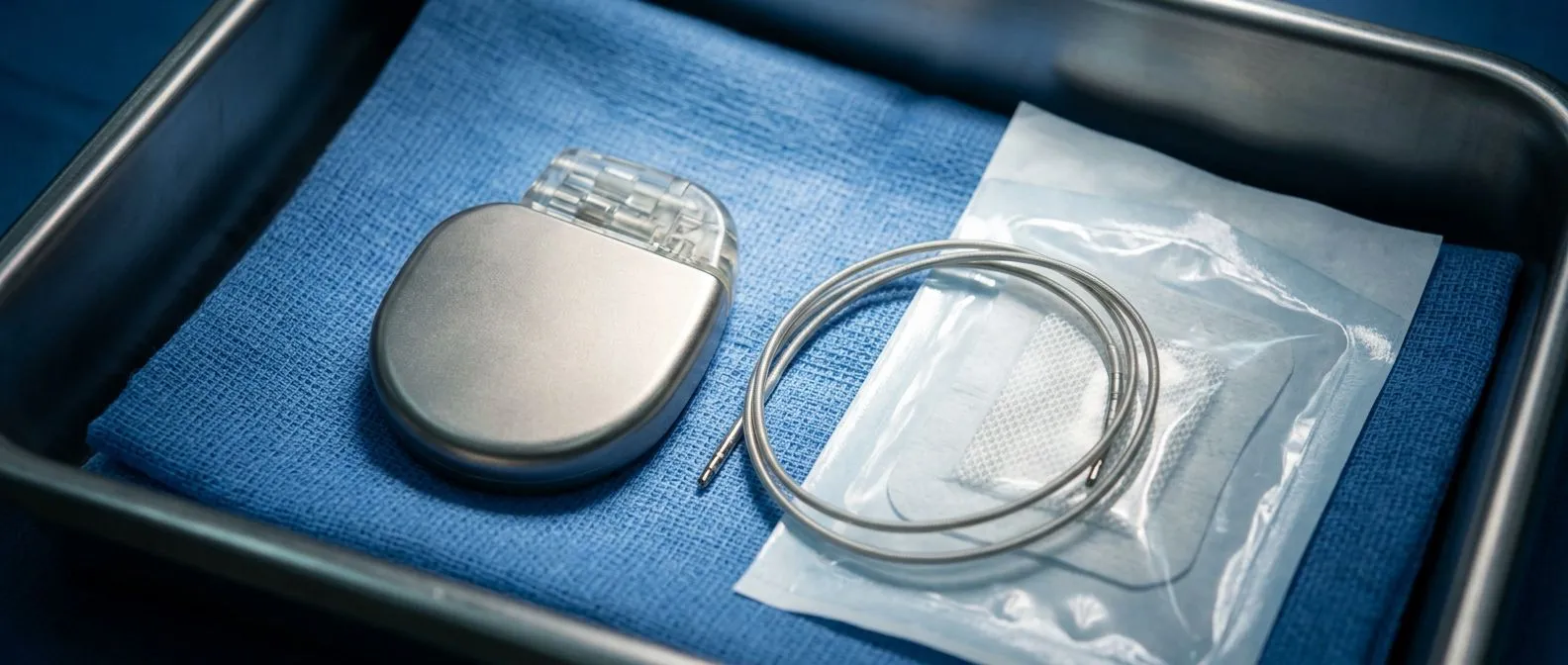
Who qualifies for a cardiac defibrillator implant? An implantable cardioverter defibrillator, or ICD, is a small electronic device placed under the skin of the upper chest, usually just below the collarbone. One or more thin wires called leads run from the device through a vein into the heart, where they continuously monitor the heart's electrical rhythm. When the ICD detects a dangerously fast or chaotic rhythm — specifically ventricular tachycardia or ventricular fibrillation — it delivers a precisely calibrated electrical shock to restore a normal heartbeat. The device is recommended for patients who have already survived a life-threatening arrhythmia or who are at high risk for one due to conditions such as a prior heart attack, severely weakened heart muscle (ejection fraction typically 35 percent or below), or inherited disorders like long QT syndrome and hypertrophic cardiomyopathy.
The decision to recommend ICD implant surgery is not made lightly. Cardiologists rely on detailed diagnostic work — including echocardiograms, electrophysiology studies, and Holter monitoring — to confirm that the heart's pumping function is impaired enough to justify a device. Guidelines such as those referenced by MedlinePlus outline the clinical thresholds that trigger consideration. For some patients, the ICD works alongside congestive heart failure treatment, where medications like beta-blockers and ACE inhibitors are already in use and the device adds a layer of protection against lethal rhythm disturbances. The conversation about whether a defibrillator is right for you should always include a frank discussion of your overall prognosis, quality of life, and the likelihood that the device will ever need to fire.
Primary prevention versus secondary prevention: ICDs are implanted for two broad reasons. In primary prevention, the patient has never had a dangerous arrhythmia but has risk factors — such as a low ejection fraction after a heart attack — that make one statistically likely. In secondary prevention, the patient has already experienced cardiac arrest or a documented episode of ventricular tachycardia and the ICD is there to guard against recurrence. Both scenarios involve the same surgical procedure, but the psychological framing differs: primary prevention patients often grapple with implanting a device for something that might never happen, while secondary prevention patients usually feel a stronger, more immediate motivation. Understanding which category you fall into helps you and your family set realistic expectations for what the device is meant to accomplish.
How ICD Implant Surgery Works Step by Step
What happens on the day of cardiac defibrillator implant surgery? The procedure is performed in a specialised cardiac catheterisation or electrophysiology laboratory, not a traditional operating theatre. Most ICD implants are done under local anaesthesia combined with conscious sedation, meaning you remain awake but relaxed and pain-free in the area of the incision. General anaesthesia is reserved for complex cases or when a subcutaneous ICD (a device with leads placed outside the heart, under the skin of the chest) is being implanted. The surgeon makes a small incision — typically five to eight centimetres — just below the left collarbone, creates a pocket beneath the skin for the generator, and threads the lead or leads through a vein (usually the subclavian or cephalic vein) into the right side of the heart, positioning the tip in the right ventricle and sometimes the atrium as well.
Once the leads are in position, the electrophysiologist tests them by sending small electrical signals to confirm they can pace the heart and reliably sense its rhythm. The generator is then connected to the leads, placed in the pocket, and the incision is closed with sutures or surgical glue. The entire procedure usually takes between one and two hours. Patients with advanced heart failure who also need cardiac resynchronization therapy receive a special type of ICD called a CRT-D, which includes an additional lead placed in a vein on the left side of the heart (the coronary sinus) to coordinate the pumping of both ventricles. Auscultation with a stethoscope and a chest X-ray confirm proper lead placement before you leave the lab. Most patients are observed in hospital overnight and discharged the following morning if no complications arise.
Preparing yourself before arriving at hospital: Practical preparation makes the day smoother and reduces anxiety for both you and your family. Your cardiac team will give you a specific checklist, but several steps are nearly universal: stop certain blood-thinning medications such as Aspirin or warfarin several days beforehand if instructed, arrange for someone to drive you home, pack loose front-buttoning clothing so the incision site is not pressed, and fast from midnight the night before. Bringing a written list of questions for your surgeon helps ensure no concern is forgotten in the stress of the day.
Pacemaker vs ICD: Which Device Does Your Heart Need
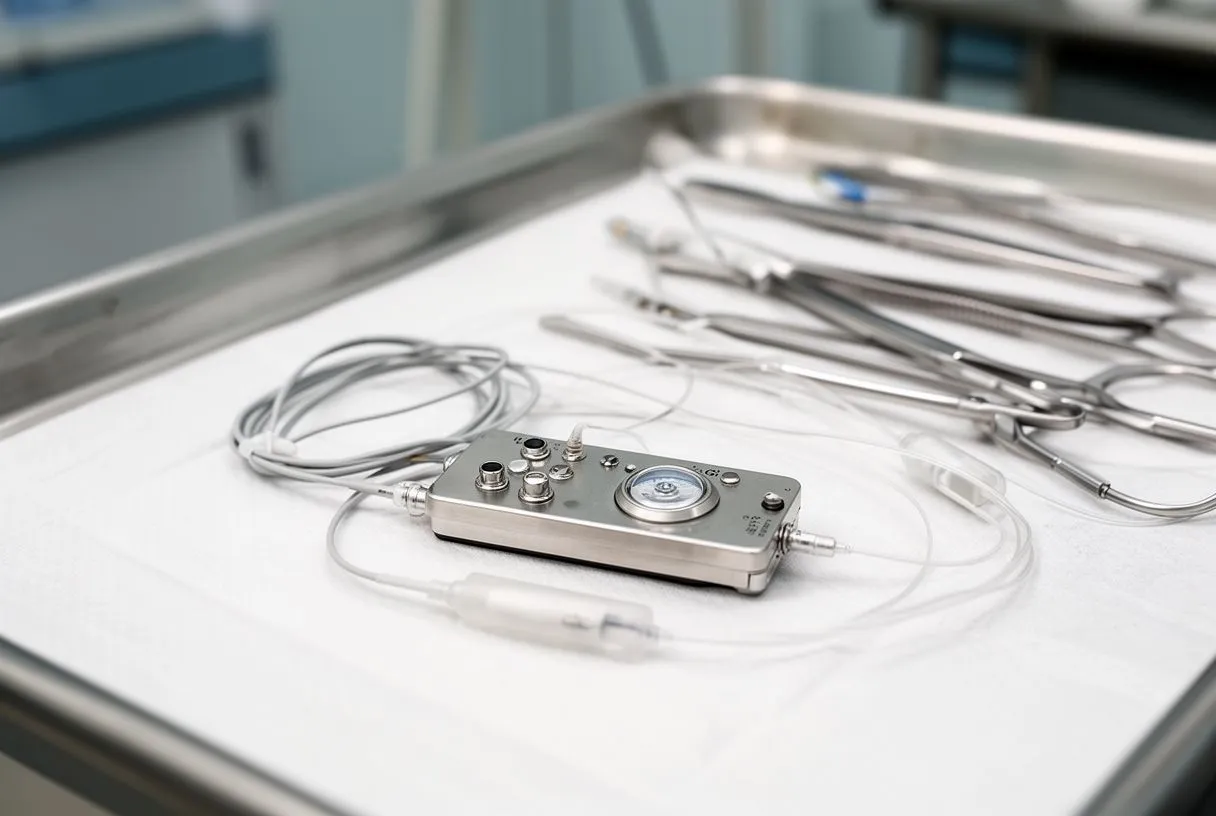
Core difference between pacing and shocking: A common source of confusion is the distinction between a pacemaker and an ICD. Both are small implanted devices that monitor heart rhythm and use leads to deliver electrical signals, but their purposes are fundamentally different. A pacemaker treats slow heart rhythms (bradycardia) by sending tiny, imperceptible electrical pulses that keep the heart beating at an adequate rate. An ICD, by contrast, includes all the pacing functions of a pacemaker but also has the capacity to deliver a high-energy shock when it detects a dangerously fast rhythm that could otherwise lead to sudden cardiac death. In practical terms, every modern ICD is also a pacemaker, but not every pacemaker is a defibrillator.
Some patients receive a device for pacing alone because their heart's natural electrical wiring is unreliable — for example, in cases of sinus node dysfunction or complete heart block. Others need the defibrillation capability because their risk profile includes ventricular arrhythmias, even if their heart rate is currently normal. A subset of patients with both problems receive an ICD with dual-chamber or biventricular pacing. The choice depends on the specific arrhythmia diagnosis, the heart's pumping strength, and the results of electrophysiology testing. A patient with atrial flutter, for instance, may need a pacemaker if the flutter is poorly controlled and leads to a slow ventricular response, but an ICD is only added if there is independent evidence of ventricular arrhythmia risk. Your electrophysiologist will explain which device is appropriate and why, using your own test results as the basis for the recommendation.
Factors that tip the decision toward an ICD: The clinical reasoning is guided by established criteria. A severely reduced ejection fraction, a prior heart attack with scarring, a history of sustained ventricular tachycardia, or certain inherited channelopathies all push the decision toward a defibrillator rather than a simple pacemaker. Additionally, patients with advanced heart failure being considered for cardiac resynchronization therapy typically receive a CRT-D device, which combines resynchronization pacing with defibrillation backup. The cost of an ICD is higher than that of a pacemaker, and the implantable cardioverter defibrillator cost varies by country and manufacturer, so the decision carries financial as well as clinical weight.
- Pacemaker: treats slow rhythms (bradycardia); sends tiny pacing pulses; no shock capability.
- ICD: includes all pacemaker functions plus high-energy shock delivery for dangerous fast rhythms.
- CRT-D: a defibrillator with an extra lead to coordinate both ventricles for heart failure patients.
ICD Surgery Risks and Potential Complications
Common ICD device complications to understand: ICD implant surgery is considered a low-risk procedure when performed by an experienced electrophysiology team, but no surgery is entirely free of risk. The most frequently reported complications include bleeding or bruising at the pocket site, infection of the generator pocket or along the lead pathway, pneumothorax (a small amount of air leaking into the space around the lung during venous access), and lead dislodgement, where a wire shifts from its original position in the days after implant. Lead dislodgement often requires a brief return to the lab to reposition the wire. Infections are the most concerning complication because they may require removing the entire system — generator and leads — and a course of intravenous antibiotics before re-implantation can be considered.
Less common but serious risks include damage to a blood vessel or nerve during lead placement, blood clots in the vein surrounding the lead, and the rare possibility of cardiac perforation, where a lead tip punctures the thin wall of the heart chamber. Perforation can cause fluid to accumulate around the heart (tamponade) and requires immediate intervention. Perioperative cardiac arrest during lead testing is extremely rare but is the reason the procedure is performed in a fully equipped electrophysiology lab with resuscitation capability immediately at hand. Research on patient awareness and preparedness, such as the Analysis of the Status Quo and Influencing Factors of Community Residents' Awareness of Basic Life Support, underscores how critical it is for patients and families to understand both routine risks and emergency responses before any cardiac intervention.
Long-term complications beyond the perioperative window: Not every problem appears in the first few weeks. Over years of use, leads can develop insulation breaks or conductor fractures, causing the system to misread rhythms or fail to deliver therapy when needed. Some patients develop Twiddler's syndrome, a condition in which the generator is unconsciously rotated within its pocket, twisting and damaging the leads. Device-related infections can also surface months or years later, presenting as redness, swelling, warmth, or erosion of the skin over the generator. Routine remote monitoring and scheduled in-person checks are designed to detect these issues before they become dangerous. If you ever notice warmth, drainage, or persistent pain at the pocket site, contact your cardiac team immediately rather than waiting for your next scheduled appointment.
ICD Recovery Time: What to Expect After Surgery
The first two weeks after cardiac defibrillator implant: ICD recovery time is shorter than many patients expect, but it does require discipline. In the first 24 to 48 hours, the most important task is keeping the arm on the surgical side relatively still to allow the leads to settle into the heart tissue. You will be asked to avoid lifting that arm above shoulder height and to resist pushing, pulling, or carrying anything heavier than a few kilograms. The incision site should be kept clean and dry; sponge baths are recommended until the wound is fully closed, typically within seven to ten days. Mild swelling, bruising, and aching at the pocket site are normal, but spreading redness, increasing pain, or fever should prompt an immediate call to your surgeon's team.
Most patients return home the day after surgery with a follow-up appointment scheduled within one to two weeks to check the incision and confirm lead function with a device interrogation. By the end of the second week, many people feel well enough to resume light daily activities and return to desk-based work. Arm Pain on the operative side is common during this period, especially when reaching or turning in bed, and usually resolves as the tissue around the pocket heals. Strenuous activity, heavy lifting, and repetitive overhead arm movements remain restricted for four to six weeks to protect the leads during the critical window when they are still embedding into the heart wall. A chest X-ray at your follow-up visit confirms that lead positions remain stable.
Setting realistic milestones for the full recovery arc: Full physical recovery from ICD implant surgery generally takes four to eight weeks, though the psychological adjustment can take longer. At your six-week check, if leads are stable and the incision is healed, your cardiologist typically lifts activity restrictions and clears you to resume exercise with guidelines. Driving restrictions may also be reviewed at this point. It is worth noting that the device itself will not deliver therapeutic shocks during the initial healing period unless a genuine life-threatening arrhythmia occurs; your team may program the device with a detection delay initially, then activate full therapy settings at the first follow-up. If you are travelling from outside Mexico, ask for a detailed written recovery plan and make sure your local cardiologist at home can access your device data after you return.
Living With a Defibrillator: Daily Life and Exercise
Returning to normal routines with an ICD: Living with a defibrillator does not mean living a restricted life. After the initial recovery period, most patients return to the activities they enjoyed before surgery, including travel, work, hobbies, and intimacy. The ICD is designed to be invisible in daily life — it sits under the skin, is not visible under most clothing, and operates silently unless it detects a problem. You will carry an identification card with details of your device, and airport security metal detectors will detect the generator, so presenting the card to security staff streamlines the process. Walking through a metal detector arch is safe; the device will not be damaged, though you may briefly set off the alarm.
Exercise with an ICD is not only permitted but encouraged, because cardiovascular fitness helps control the very conditions that led to the implant. The key is gradual reintroduction after your cardiologist clears you at the six-week mark. Aerobic activities such as walking, cycling, swimming, and jogging are generally well tolerated and beneficial. Contact sports and activities with a high risk of direct chest impact — such as boxing, martial arts, or American football — are discouraged because a blow to the generator could damage the device or dislodge leads. Strength training is allowed with reasonable limits; avoid exercises that place the shoulder of the operative arm under extreme load. Some competitive athletes with ICDs continue to participate in sports, but this decision must be individualised with your electrophysiologist.
Everyday precautions worth knowing: A few practical adjustments make life with an ICD smoother. Keep magnets away from the generator pocket — strong magnets can suspend therapy temporarily, which is why magnetic items such as large stereo speakers or industrial equipment should be handled with care. Household appliances, mobile phones, and microwave ovens are safe; modern ICDs are well shielded against everyday electromagnetic interference. When using a phone, holding it to the ear opposite the device side is a simple precaution. Medical procedures such as MRI scans are now possible with many modern ICD systems, but must be coordinated with your cardiac centre in advance. Always inform any new healthcare provider — including dentists and physiotherapists — that you have an implanted device, and carry your device card at all times.
Driving After ICD Surgery: Safety and Legal Considerations
Why driving is restricted after implant: Driving after ICD surgery is one of the most common questions patients ask, and the answer depends on why the device was implanted. The concern is not the surgery itself but the possibility of a therapeutic shock or arrhythmia causing lightheadedness or loss of consciousness while you are behind the wheel. For patients who received an ICD for primary prevention and who have never had a sustained ventricular arrhythmia, driving restrictions typically last one to two weeks after the procedure, mainly to allow the incision to heal and the leads to stabilise. For patients who received the device after a documented episode of ventricular tachycardia or fibrillation, restrictions are longer — often six months from the last arrhythmic event — because the risk of recurrence is highest during that window.

The legal framework for driving with an ICD varies by country and region. In Mexico, as in many jurisdictions, commercial driving is generally prohibited for patients with ICDs, and private driving rules follow medical guidelines similar to those published internationally. Your cardiologist will document your device implant and provide a letter specifying when it is safe to resume driving, which may be needed for insurance or licensing purposes. It is essential to be honest with your medical team about your driving habits — including how far and how often you drive — so they can give advice appropriate to your real circumstances. Driving against medical advice is not only dangerous but can affect insurance coverage if an incident occurs.
What happens if you receive a shock while driving? A defibrillator shock, if it occurs, can feel like a sudden blow to the chest and may briefly disorient you. This is why driving restrictions exist, especially in the early months after implant. If you ever receive a shock while driving, the recommended action is to pull over safely, stop the vehicle, and wait until you feel completely normal before resuming. If you receive multiple shocks in a short period, or if you feel unwell after a shock, seek emergency medical attention and do not continue driving. Some patients choose to use a medical alert bracelet in addition to carrying their device identification card, so that first responders can quickly identify their condition and device type in an emergency.
Defibrillator Shock Experience: What It Feels Like
The defibrillator shock experience described by patients: For many people, the fear of receiving a shock is worse than the reality, but it is important to have an honest description. Patients who have experienced a therapeutic shock from an ICD often describe it as a sudden, forceful kick or blow to the chest — intense enough to startle, but typically over in a fraction of a second. Some lose consciousness briefly before the shock if the underlying arrhythmia was severe, and therefore have no memory of the sensation. Those who remain awake during the event usually report that the shock is painful but brief, and that the discomfort subsides within seconds. The device logs each episode internally, and your cardiac team can download a detailed report at your next follow-up to explain what rhythm triggered it.
It is worth distinguishing between the types of therapy an ICD can deliver. Not every intervention is a full-energy shock. The device often begins with anti-tachycardia pacing (ATP), a series of rapid, low-energy pacing pulses designed to painlessly interrupt a fast rhythm before it escalates. Many patients never feel ATP at all, or experience only mild fluttering. If ATP fails or the rhythm is too disorganised, the ICD escalates to a shock. Understanding this hierarchy of responses helps reduce anxiety, because the device is designed to use the gentlest effective therapy first. Research into rare neurological complications after cardiac procedures, such as the case documented in Reversible Cortical Blindness Following Successful Surgical Repair of Two Stab Wounds in the Heart, illustrates the importance of thorough post-procedural monitoring and reporting of any unusual symptoms, however rare they may be.
Emotional response and coping strategies: Receiving a shock, even a single one, can be emotionally unsettling, and some patients develop anxiety about future episodes. This reaction is understandable and common. Practical coping strategies include keeping a diary of any symptoms you notice before a shock — such as palpitations, dizziness, or chest pressure — which can help your team identify patterns. Remote monitoring allows your device to transmit data automatically after any therapy delivery, so your cardiac centre is informed without you needing to call. If anxiety becomes persistent or begins to limit your activities, speak with your cardiologist or a counsellor familiar with cardiac device patients; psychological support is a legitimate and valuable part of recovery. Family members should also learn what a shock looks like from the outside and what to do, so they can respond calmly if the moment arrives.
ICD Battery Replacement and Generator Changes
How long does an ICD battery last? An ICD generator contains a sealed battery that typically lasts between five and nine years, depending on how much therapy the device delivers and how frequently it is interrogated. A patient whose device never fires and who is monitored remotely may see battery life closer to the upper end of that range, while a patient who receives frequent shocks or ATP may need a replacement sooner. The battery cannot be recharged from outside the body; when it depletes, the entire generator must be surgically replaced. This procedure, called a generator change, is far simpler and faster than the original implant because the leads that run into the heart are left in place and only the metal and plastic generator in the pocket is swapped out.
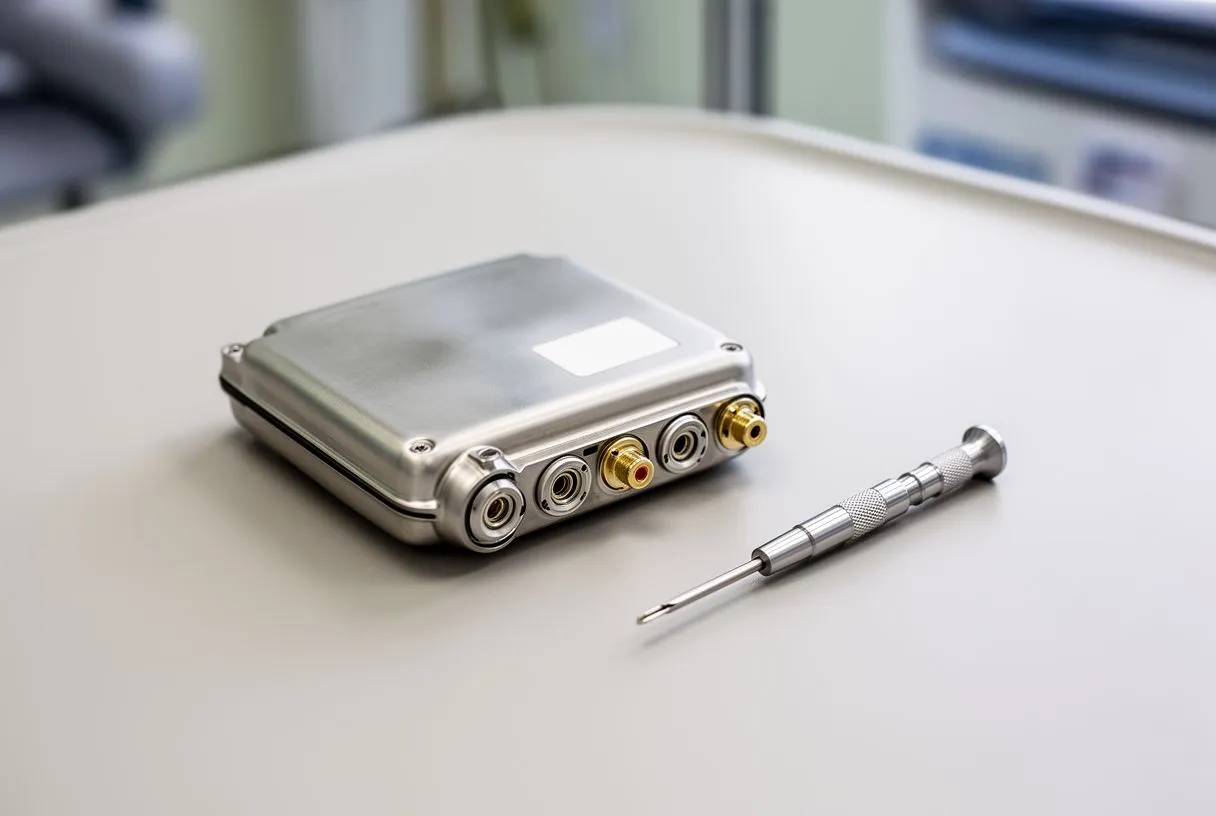
ICD battery replacement is typically a day-case or overnight procedure performed under local anaesthesia with sedation. The surgeon opens the existing pocket, disconnects the old generator from the leads, tests the leads to confirm they are still functioning reliably, connects the new generator, and closes the incision. Recovery is much quicker than the original surgery — most patients resume normal activities within a week, though heavy lifting is still avoided for a few weeks. In some cases, the leads themselves need replacement due to wear, fracture, or infection, and this is a more complex procedure that may require specialised laser or mechanical extraction tools. Your team will discuss lead status at each routine check so that there are no surprises at the time of generator change.
Planning ahead for generator replacement: Because the timing of battery depletion is predictable — your device monitors its own battery voltage and reports it at every interrogation — you will know months in advance when a replacement is needed. This advance notice is valuable for international patients, who can plan travel to their cardiac centre and coordinate with their local physician. The cost of generator replacement is lower than the initial implant because the leads are reused, but it is still a significant procedure that requires planning. Some patients use the opportunity of a generator change to discuss whether a different device — such as one compatible with MRI scanning or a smaller subcutaneous ICD — might better suit their current needs. These are conversations to have with your electrophysiologist well before the battery alarm sounds.
Sudden Cardiac Arrest Prevention: Long-Term Outlook
How effective is an ICD at preventing sudden cardiac death? The central purpose of an ICD is to detect and terminate lethal arrhythmias before they cause sudden cardiac arrest. In patients who meet the established criteria for implant, the device significantly reduces the risk of arrhythmic death compared with medication alone. However, it is important to understand that an ICD does not cure the underlying heart disease that causes dangerous rhythms. A patient with a weakened heart muscle after a heart attack still needs optimal medical therapy — including beta-blockers, ACE inhibitors or ARBs, and, where appropriate, statins targeting Apolipoprotein B levels — alongside the device. The ICD is a safety net, not a replacement for guideline-directed heart failure treatment.
The long-term outlook for patients with ICDs depends heavily on the underlying condition. Patients whose heart function improves after revascularisation procedures such as Balloon Angioplasty or whose heart failure stabilises with medication may live for many years with their device and never receive a shock. Others whose heart disease progresses may experience recurrent arrhythmias and multiple device interventions. Regular follow-up — typically every three to six months, supplemented by remote monitoring — allows the team to adjust device settings, review battery status, and assess overall cardiac health. For patients with conditions like atypical infarction or inherited arrhythmia syndromes, the device provides a constant safeguard that allows them to live with greater confidence.
- Annual cardiac review: echocardiogram, device interrogation, medication optimisation.
- Battery check every visit: voltage trend reviewed; replacement planned when threshold approached.
- Driving reassessment: after any shock, restrictions may reset for a defined period.
- Medication adherence: ICDs complement — never replace — guideline-directed drug therapy.
In summary, ICD implant surgery is a well-established, carefully refined procedure that offers life-saving protection for patients at risk of sudden cardiac arrest. Recovery is measured in weeks, not months, and living with a defibrillator — while it requires some adjustments and lifelong follow-up — is entirely compatible with an active, fulfilling life. The most important step you can take is to have an open, detailed conversation with a qualified cardiac team about your specific situation, your risk profile, and the realistic expectations for life with an ICD. They will take the time to review your records, explain your options in plain language, and help you make a decision grounded in evidence and tailored to your individual circumstances.






