
Left Ventricular Hypertrophy: Causes and Treatment
Get left ventricular hypertrophy treatment from Guadalajara heart specialists.
What is left ventricular hypertrophy?
Left ventricular hypertrophy treatment begins with understanding the basic mechanics of your heart. The left ventricle is the main pumping chamber responsible for pushing oxygen-rich blood out to your entire body. When this chamber faces persistent resistance or high pressure, the heart muscle walls thicken to compensate. This thickening is known as left ventricular hypertrophy, or LVH. While a thicker muscle might sound strong, it actually becomes stiff over time, making it harder for the heart to relax and fill with blood properly between beats.
Patients and families facing this diagnosis often feel overwhelmed, but it is a manageable condition when caught early. The thickening is a structural adaptation, but it is not a healthy one. As the muscle wall grows, the space inside the ventricle that holds blood may shrink, reducing the amount of oxygenated blood available to your organs. Left ventricular hypertrophy causes a cascade of changes that can eventually strain the entire cardiovascular system if left unaddressed.
Understanding left ventricle enlargement: An enlarged left ventricle means the heart is working too hard. Think of it like a weightlifter who only trains one muscle group until it becomes bulky and rigid. The heart needs elasticity to function well. We evaluate the degree of thickening to determine the lowest risk approach for your specific situation. The goal is always to reduce the workload on the heart before permanent damage occurs.
What are common left ventricular hypertrophy causes?
The most frequent driver of left ventricular hypertrophy causes is uncontrolled high blood pressure, or hypertension. When your blood pressure is consistently high, the heart must push against that high force with every single beat. Over years, this constant pressure forces the heart muscle to adapt by thickening. Managing hypertension is the cornerstone of preventing further heart muscle thickening and protecting your overall cardiovascular health.
Beyond blood pressure, other structural issues can trigger LVH. Aortic valve stenosis, a condition where the valve leading out of the heart narrows, forces the heart to pump harder to push blood through the smaller opening. Similarly, an atheromatous plaque buildup in major vessels can increase resistance. Metabolic factors, including high levels of Apolipoprotein B in the blood, also contribute to arterial stiffness, compounding the stress on the left ventricle. According to the Centers for Disease Control and Prevention, nearly half of adults have uncontrolled high blood pressure, making it the most preventable cause of heart remodeling.
Genetic and athletic influences: Sometimes, LVH is hereditary. Hypertrophic cardiomyopathy is a genetic condition where the heart muscle is abnormally thick from birth. Intense, prolonged athletic training can also cause a mild, often reversible thickening of the heart muscle, though this is typically benign. Determining the exact origin of the thickening is vital because the underlying cause directs the entire left ventricular hypertrophy treatment plan.
How to recognize lvh symptoms early?
Recognizing lvh symptoms early is notoriously difficult because the condition is silent in its initial stages. The heart compensates well at first, and many patients feel entirely normal. However, as the muscle thickens and stiffens, you might begin to notice subtle changes in your stamina. Shortness of breath during activities that used to be easy is often the first warning sign. You might also feel unusually fatigued or notice your heart pounding in your chest.

As the condition progresses, symptoms become more pronounced. Reduced blood flow to the brain can cause dizziness or fainting, medically known as syncope. Some patients experience chest pain, known as angina, because the thickened heart muscle demands more oxygen than the coronary arteries can supply. In some cases, this can present as atypical infarction, where symptoms do not follow the classic crushing chest pain pattern but instead manifest as vague discomfort or even isolated arm pain.
When to pay attention to warning signs: If you notice a decline in exercise tolerance, unexplained swelling in your ankles, or palpitations that feel like a fluttering in your chest, it is time to seek evaluation. These signs indicate the heart is struggling to keep up with the body's demands. Early intervention is critical to prevent progression to heart failure, where the heart can no longer pump effectively.
How is left ventricular hypertrophy diagnosis performed?
Left ventricular hypertrophy diagnosis is usually a step-by-step process. It often begins with a standard physical examination where your doctor listens to your heart. This process, called auscultation, can reveal murmurs or extra heart sounds that suggest the heart is working harder than normal. If LVH is suspected, an electrocardiogram (ECG) is typically the first diagnostic test. This painless test records the electrical activity of your heart and can detect patterns consistent with a thickened left ventricle.
While an ECG is an excellent screening tool, an echocardiogram is the gold standard for confirming LVH. An echocardiogram uses sound waves to create detailed moving pictures of your heart. It allows us to measure the exact thickness of the ventricle walls and observe how well the heart pumps and relaxes. This imaging provides crucial information about the left atrium as well, which often enlarges when the left ventricle becomes stiff, offering another clue to the severity of the condition.
Advanced imaging for complex cases: In some situations, a cardiac MRI is ordered to get highly precise images of the heart muscle and to rule out other conditions like amyloidosis, which can mimic LVH. We also look at overall heart function, checking for related issues like atrial flutter, which can complicate the clinical picture. Accurate diagnosis is the foundation of an effective treatment strategy, ensuring we target the root cause rather than just the symptoms.
What lvh medication helps with blood pressure control?
For many patients, left ventricular hypertrophy treatment centers around effective lvh medication. The goal is to lower blood pressure and reduce the workload on the heart, which can sometimes help the muscle shrink back toward a normal size. Your cardiologist typically prescribes medications that not only lower blood pressure but also help the thickened muscle regress. ACE inhibitors and ARBs are common choices, as they block hormones that cause blood vessels to constrict and the heart to thicken.

Beta-blockers are another vital tool. They slow the heart rate and reduce the force of the heart's contractions, giving the stiff muscle more time to relax and fill. Managing arrhythmias is also crucial, as an irregular heartbeat can worsen symptoms. If a patient has atrial flutter, specific medications or procedures may be needed to restore a normal rhythm. In cases where blood clots are a concern, blood thinners or Aspirin might be considered. For instance, clinical trials like the ARISTOTLE study have guided how we use anticoagulants safely in patients with arrhythmias to prevent strokes without increasing bleeding risks.
Tailoring your prescription plan: Finding the right combination of medications requires careful monitoring and adjustments. Doctors usually start with the lowest effective doses and track your blood pressure response and kidney function. It is essential to take these medications exactly as prescribed, as stopping suddenly can cause a dangerous rebound in blood pressure. Consistent medical management is the safest way to halt the progression of LVH.
Is reversing left ventricular hypertrophy possible with lifestyle changes?
Patients frequently ask if reversing left ventricular hypertrophy is possible without surgery. The answer is yes, particularly when the cause is high blood pressure and the thickening is caught early. Lifestyle changes are a powerful, non-negotiable part of any left ventricular hypertrophy treatment plan. They work in tandem with medication to reduce the strain on your heart and can genuinely help reverse the structural changes over time.
Weight loss is one of the most effective strategies. Excess body weight forces the heart to pump harder to supply oxygen to extra tissue. Adopting a heart-healthy diet, such as the DASH diet, which is low in sodium and rich in fruits, vegetables, and whole grains, directly lowers blood pressure. Limiting alcohol and quitting smoking are also critical, as both habits contribute to vascular damage and increased cardiac workload.
- Monitor blood pressure: Daily tracking at home helps identify spikes and gauge medication effectiveness.
- Regular moderate exercise: Brisk walking or swimming improves circulation without overworking a thickened heart; avoid heavy lifting without clearance.
- Sodium restriction: Keeping salt intake low prevents fluid retention, which lowers blood pressure and eases the heart's pumping burden.
- Sleep apnea treatment: Using a CPAP machine if you have sleep apnea prevents dangerous nighttime blood pressure surges that drive LVH.
When is left ventricular hypertrophy surgery necessary?
While medications and lifestyle changes are the first line of defense, left ventricular hypertrophy surgery becomes necessary when the thickening is caused by a structural obstruction. If the muscle is so thick that it blocks blood from leaving the heart—a condition known as hypertrophic obstructive cardiomyopathy—or if a narrowed valve is the root cause, surgical intervention is required to relieve the obstruction and protect the heart muscle.
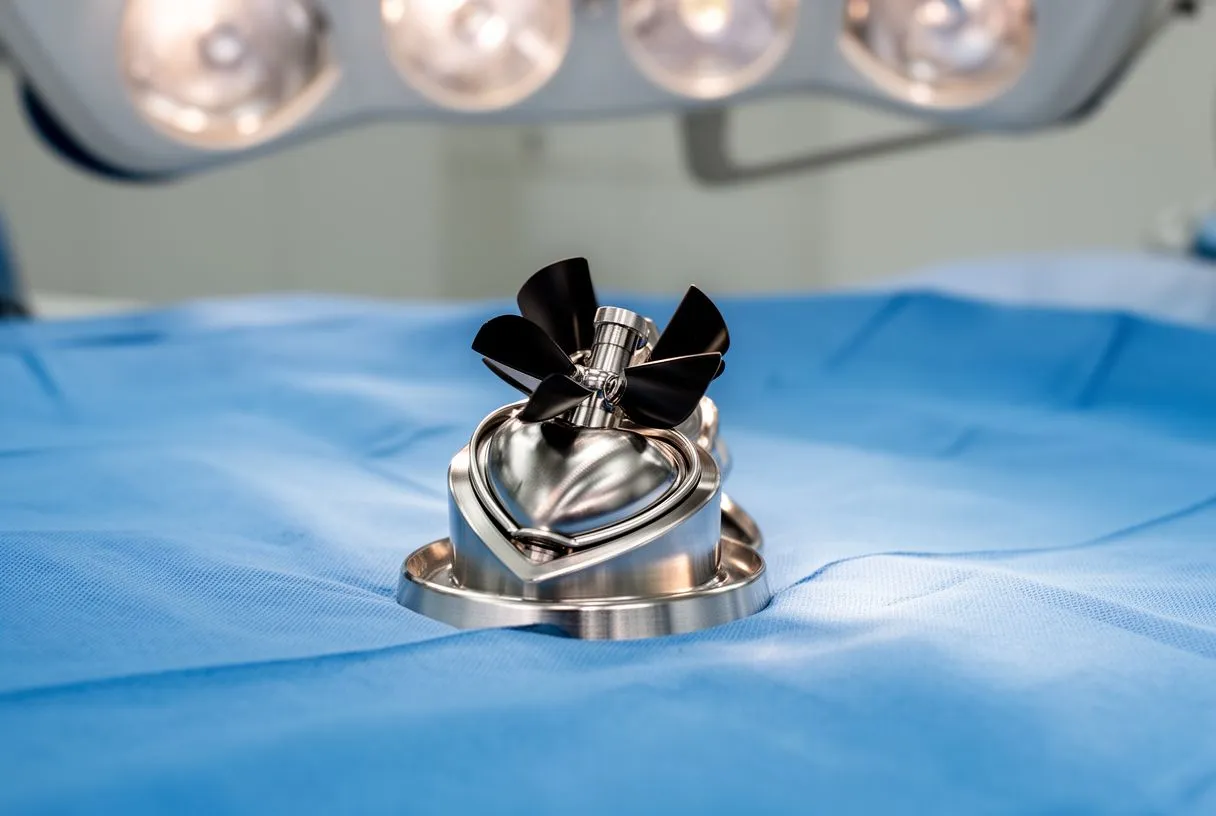
In cases of aortic stenosis driving the hypertrophy, we may need to replace the valve. For some patients who are not candidates for open surgery, transcatheter options using a balloon-expandable valve can be a lower-risk alternative. Sometimes, a less invasive procedure like balloon angioplasty is used to stretch the valve open, though this is often a temporary fix. When the mitral valve is involved and leaking due to the thickened muscle pulling on it, transcatheter edge-to-edge repair is an option. A recent Meta-analysis of two devices for transcatheter mitral edge-to-edge repair shows these minimally invasive techniques can effectively reduce leakage and improve symptoms in carefully selected patients.
Surgical myectomy for obstructed pathways: If the thickened heart muscle itself is blocking the outflow tract, a surgeon may perform a septal myectomy. This open-heart procedure involves removing a small portion of the thickened septum to widen the pathway for blood to exit the heart. This surgery is highly effective at relieving symptoms and restoring normal blood flow, and is often the definitive treatment for severe obstructive hypertrophic cardiomyopathy.
What are the risks of thickened heart muscle treatment?
Understanding the risks of thickened heart muscle treatment is vital for making informed decisions. Any procedure that involves the heart carries inherent risks. For surgeries like a septal myectomy, these include bleeding, infection, and damage to the heart's electrical system, which could require a pacemaker. The surgeon must work carefully around delicate structures, including the mitral valve apparatus and its chordae tendineae, which anchor the valve flaps. A thorough understanding of these structures, as detailed in studies on Mitral Valve Repair: The Chordae Tendineae, is essential to prevent iatrogenic valve damage.
During complex cardiac surgeries, the use of advanced life-support equipment is sometimes necessary. An arterial line monitors blood pressure continuously, while an arterial cannula might be used to connect the heart to a bypass machine. If a bypass is needed, surgeons may use an arterial graft or an autograft from the chest to maintain blood flow. In some cases, harvesting autologous blood before the procedure can minimize the need for donor transfusions. The ascending aorta is often manipulated during these procedures, requiring meticulous technique to prevent complications.
Balancing benefits and potential complications: Medications also carry risks, such as low blood pressure, kidney function changes, or electrolyte imbalances, which require regular blood tests to monitor. The decision to proceed with any treatment is always a balance between the risk of the intervention and the danger of leaving the LVH untreated. We use tools like the EuroSCORE II to calculate the predicted mortality risk for surgeries, ensuring we only recommend an operation when the benefit clearly outweighs the potential harm for your specific situation.
What does recovery and long-term management involve?
Recovery from left ventricular hypertrophy treatment depends heavily on the type of intervention. If managed with medication, recovery means adjusting to a daily routine of pills and ongoing lifestyle changes. If you undergo left ventricular hypertrophy surgery, the initial recovery takes several weeks in a monitored setting, followed by cardiac rehabilitation. The heart needs time to heal and remodel back toward a healthier state. We closely monitor your progress to ensure the heart is responding as expected.

Long-term management requires vigilance. For patients who have severe LVH, the risk of sudden cardiac arrest can be elevated due to dangerous arrhythmias. In these specific high-risk cases, an implantable cardioverter-defibrillator, similar to an automated external defibrillator but placed internally, may be recommended to monitor and correct life-threatening rhythms. In extreme situations of acute heart failure, temporary support like Awake ECMO might be used to allow the heart and lungs to rest, though this is rare and reserved for critical moments.
Building a sustainable heart health routine: Your long-term success relies on follow-up appointments. Your cardiologist may use echocardiograms to track whether the heart muscle is regressing in thickness or stabilizing. Blood pressure control remains a lifelong priority. We encourage patients to build a support system, engage in supervised exercise, and maintain open communication with their cardiac team to adjust treatments as their body ages or changes.
When should you seek cardiac care for an enlarged left ventricle?
Knowing when to seek cardiac care for an enlarged left ventricle is critical for preventing irreversible damage. If you have a family history of sudden cardiac death, hypertrophic cardiomyopathy, or severe high blood pressure, you should request a baseline cardiac evaluation even if you feel fine. Early detection of left ventricular hypertrophy causes is the most effective way to avoid complicated treatments down the line.
If you experience any acute symptoms like fainting, severe dizziness, chest pain at rest, or sudden shortness of breath, you should seek emergency medical attention immediately. These could be signs that the thickened heart muscle is failing or that a dangerous arrhythmia is present. Waiting to see if these symptoms resolve on their own is dangerous and can limit your treatment options.
- Unexplained fainting: Syncope can indicate the heart is temporarily failing to pump enough blood to the brain.
- Persistent palpitations: A racing or irregular heartbeat that lasts more than a few minutes needs prompt evaluation.
- Resistant high blood pressure: If your blood pressure remains high despite medication, your heart remains at risk for further thickening.
In conclusion, left ventricular hypertrophy is a serious but highly manageable condition when approached with the right medical strategy. Whether your left ventricular hypertrophy treatment involves careful blood pressure control, targeted lvh medication, or specialized surgery, the goal is always to reduce the strain on your heart and improve your quality of life. At Cirugía de Corazón, Dr Alejandro Molina and our dedicated team are here to help you understand your cardiac health and find the safest path forward. We encourage you to discuss your specific situation with a qualified cardiac team and book a consultation to receive a personalized evaluation rather than self-diagnosing.