Lifelong Follow-Up After Heart Valve Surgery
Lifelong follow-up valve surgery care protects your heart for decades.
Why Lifelong Follow-Up After Valve Surgery Matters
Surgery repairs the valve, but lifelong follow-up after valve surgery is what keeps the repair safe over the years. A replaced or repaired valve is a living part of your circulation, and it changes as you age. Regular check-ups catch problems while they are still easy to manage. They also give you a record of how your valve behaves, so any change is noticed quickly.
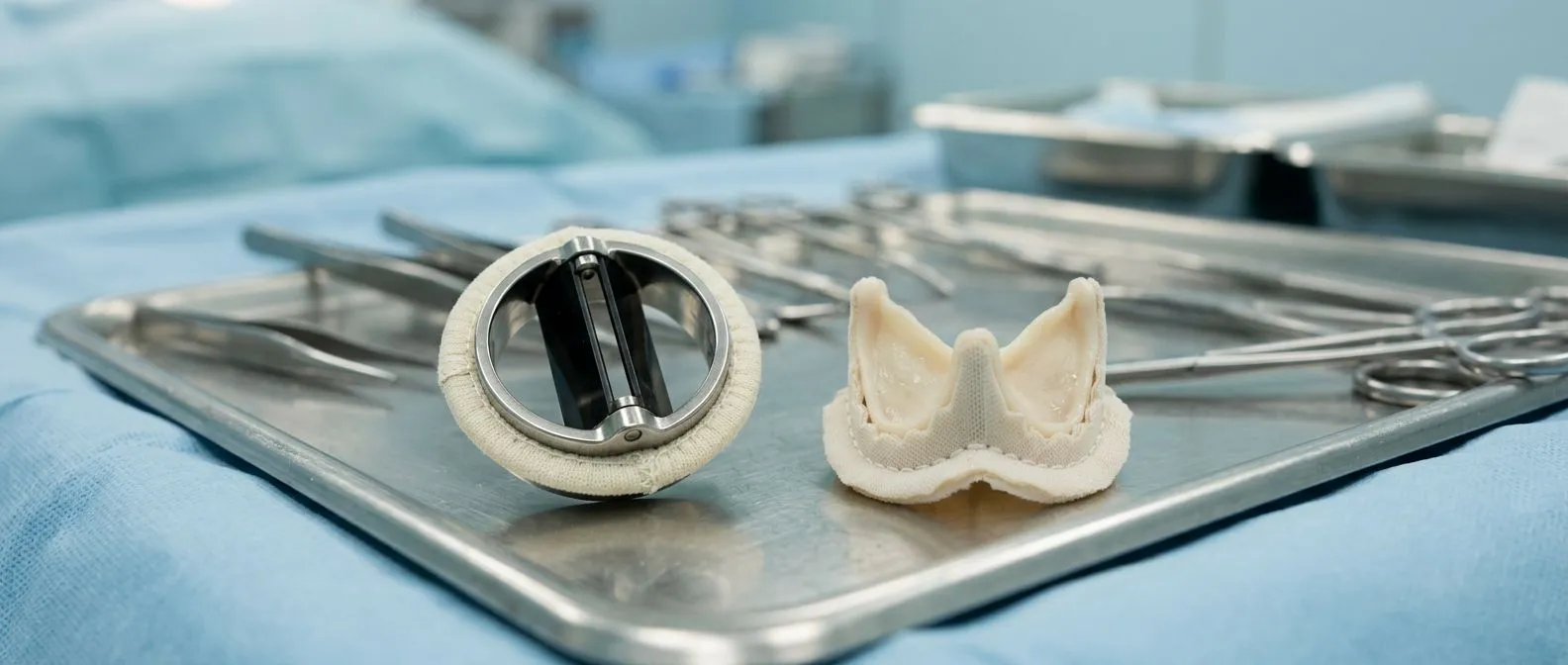
Why the valve keeps needing attention: Mechanical valves, made from durable materials, can still develop clotting on their surfaces. Tissue valves, made from animal or human tissue, slowly wear out over years. Neither problem announces itself early, which is exactly why scheduled monitoring matters more than waiting for symptoms.
The follow-up plan is not a formality. Guidelines from major cardiology societies recommend structured surveillance for every valve patient, regardless of age or how well the surgery went. Your long-term plan should be explained to you in plain words before discharge, so you leave knowing what comes next.
What Happens at Your First Follow-Up Visits
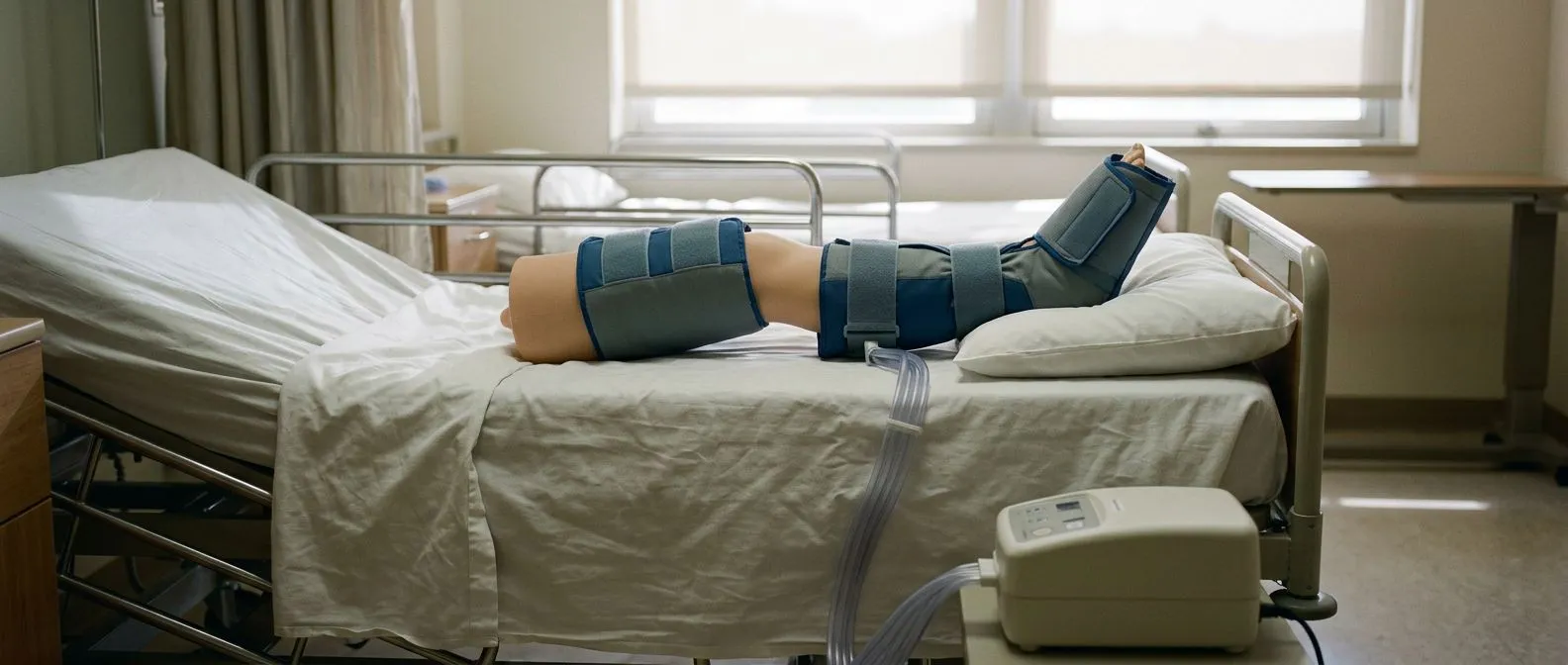
The first few weeks: Most patients see their surgical team within two to four weeks of leaving hospital. At this visit the team checks the incision, reviews medications, and confirms that the heart rhythm is stable. It is also the moment when any questions about wound healing or medication side effects get answered properly.
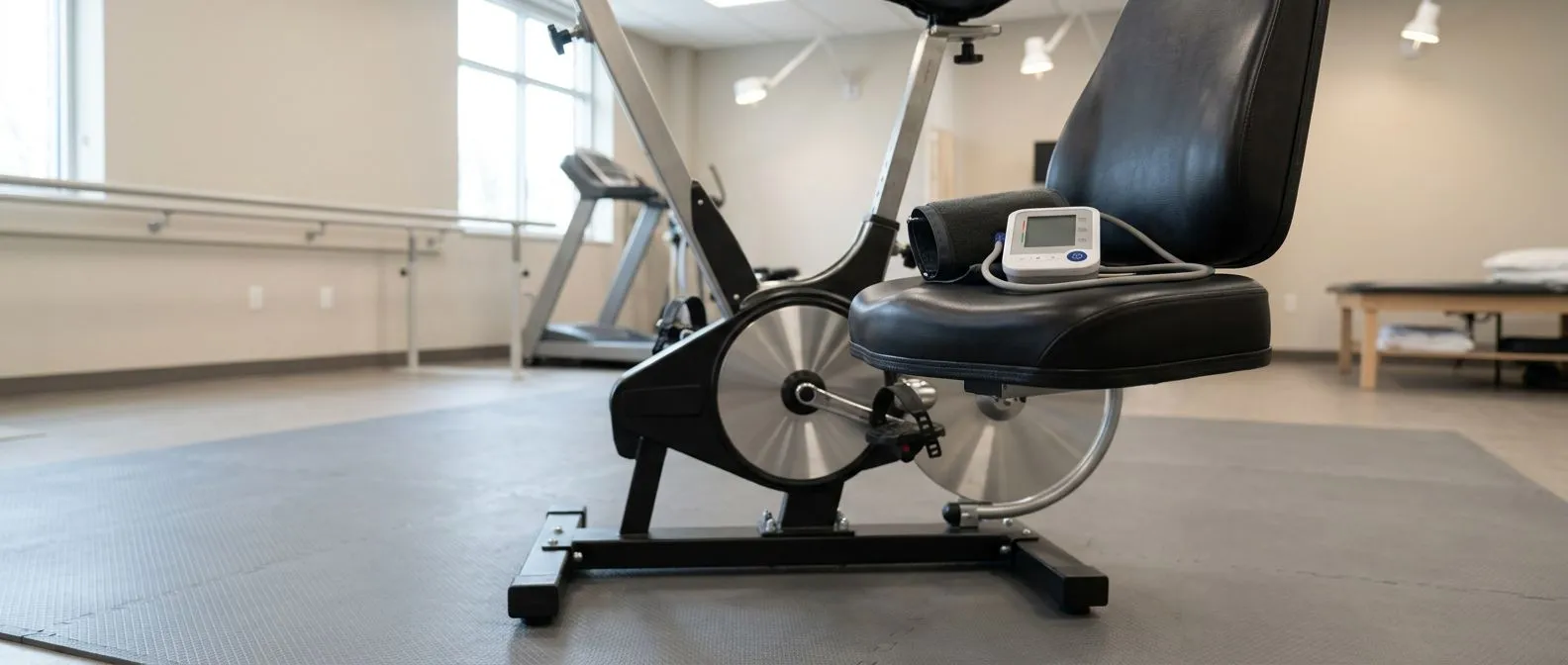
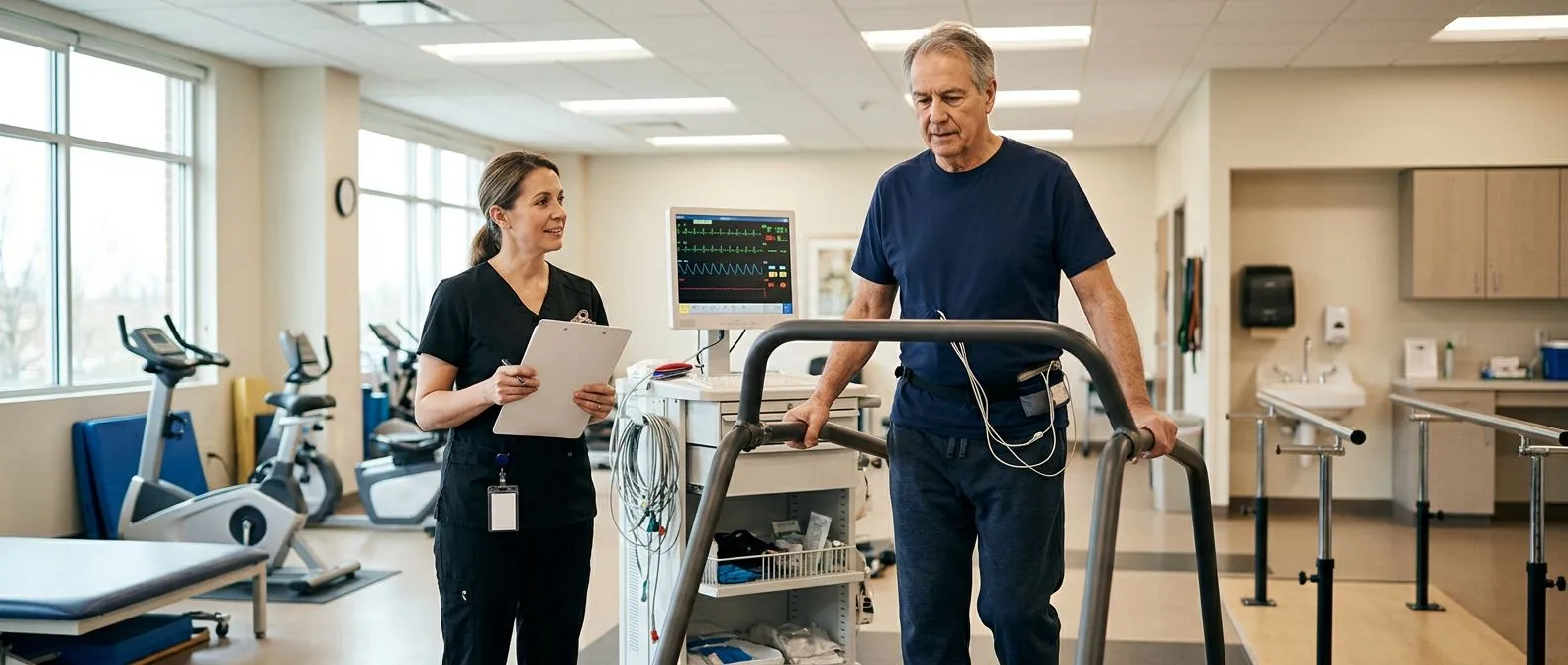
The first year: Over the following months, visits usually settle into a rhythm of assessments at around three, six, and twelve months. Each visit typically includes a physical examination, an echocardiogram at key points, and a review of how you are feeling in daily life. Cardiac rehabilitation, a supervised program of exercise and education, is often started in this period because it measurably improves recovery.
Our team schedules the first video consultation before any face-to-face visit, which lets us review your studies and explain what they show before you travel. When you come in, we take the time to answer every question before any decision is made.
Your Heart Valve Surgery Follow-Up Schedule
The standard rhythm: A typical heart valve surgery follow-up schedule looks like this: frequent visits in the first year, then a check-up every year or two once things are stable. The exact intervals depend on the type of valve, your age, and whether other conditions such as atrial fibrillation or coronary disease are present.
- First month: wound check, medication review, baseline echocardiogram and blood work.
- Months 3 to 12: visits to confirm stability, adjust anticoagulation if needed, and begin or complete cardiac rehabilitation.
- Yearly thereafter: annual echocardiogram and clinical review, sooner if any new symptom appears.
These intervals are guides, not rules. A change in symptoms always moves the appointment forward, whatever the calendar says. Your cardiologist or surgeon adjusts the plan as your circumstances change.
Echocardiogram After Valve Replacement: What It Shows
Why the echo is the workhorse test: An echocardiogram after valve replacement is an ultrasound of the heart. It uses sound waves, requires no needles or radiation, and takes about half an hour. It shows how well the new valve opens and closes, whether it is leaking, and how the heart muscle is coping with its workload.
What the numbers mean: The report will mention things like pressure gradients, which measure how easily blood flows through the valve, and any paravalvular leak, which is a small leak around the edge of the valve rather than through it. Small leaks are common and often harmless. Larger ones need watching and sometimes treatment.
When we review an echo with a patient, we explain in plain words what each measurement means for them specifically, not just what the numbers say in general. That conversation is part of every follow-up visit, because an unexplained report is only half useful.
Mechanical Valve Lifelong Monitoring and INR Testing
Why blood thinners are non-negotiable: Mechanical valves have surfaces that blood clots stick to easily. Anyone with a mechanical valve takes an anticoagulant, usually warfarin, for life. The dose is guided by the INR, a blood test that measures how long your blood takes to clot.
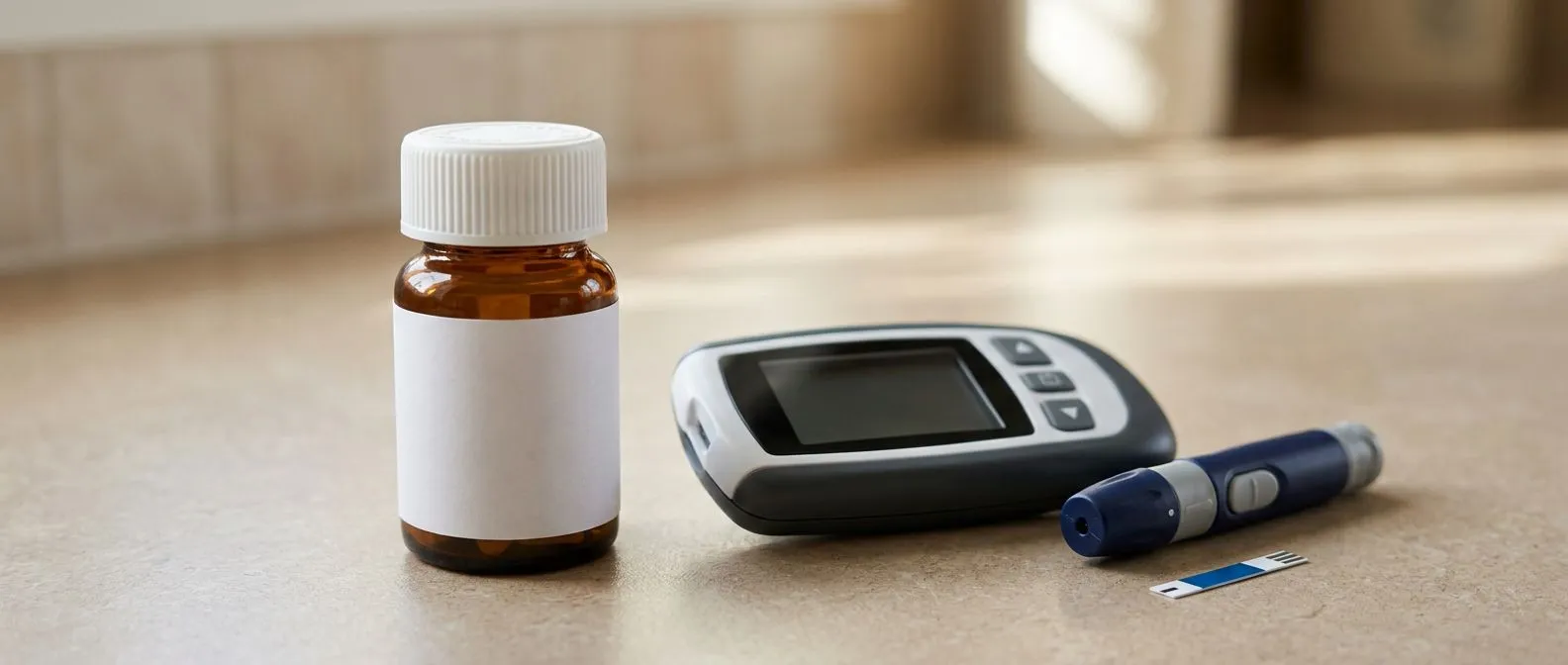
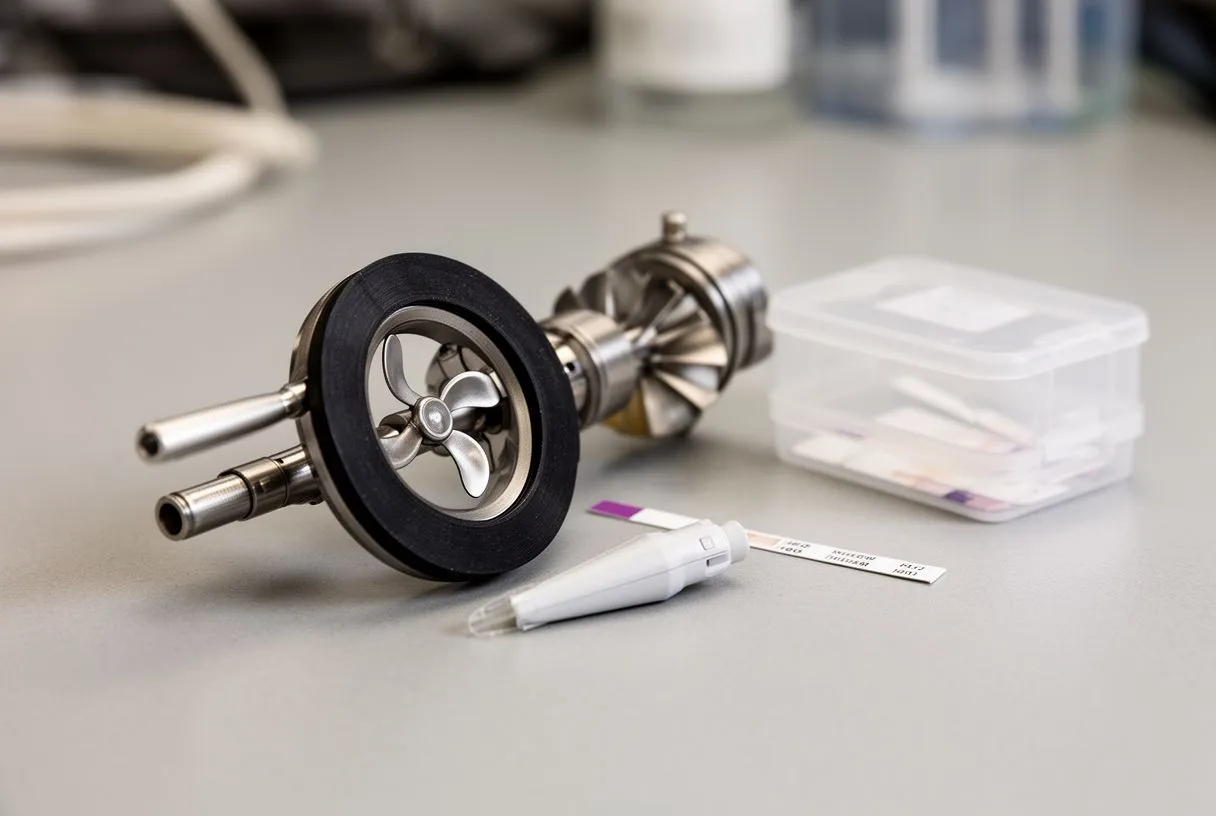
How INR monitoring works in practice: Mechanical valve lifelong monitoring means regular INR checks, often weekly at first and then every few weeks once stable. Many patients test at home with a fingerstick device, which makes the routine far easier. The target range is narrow, so consistency with diet, alcohol, and other medications matters.
Missing checks is one of the most common causes of valve-related complications years later, and it is entirely preventable. If keeping up with testing feels hard, tell your team, because home testing and adjusted schedules usually solve the problem.
Bioprosthetic Valve Surveillance: Spotting Degeneration Early
Tissue valves wear gradually: A bioprosthetic valve, also called a tissue valve, is built from animal tissue, such as a Bovine Pericardial Valve or a Porcine Valve. These valves avoid the need for lifelong blood thinners, which many patients value, but they degenerate slowly over the years. Valve Degeneration shows up first as subtle changes on echocardiography, long before symptoms appear.
What surveillance looks for: Bioprosthetic valve surveillance means a yearly or every-other-year echocardiogram that tracks valve function over time. The team compares each study with the last, watching for increasing leak, narrowing, or changes in heart size. Catching degeneration early keeps all treatment options open, including a Transcatheter Aortic Valve Implantation-style valve-in-valve procedure if the valve eventually wears out.
Each surveillance echocardiogram is best compared with earlier studies rather than read in isolation, so that a trend across several years is not missed.
Symptoms of Valve Failure After Surgery
What to watch for: Symptoms of valve failure after surgery usually creep in slowly: increasing breathlessness on activity that used to be easy, new palpitations, swelling of the ankles, or unexplained fatigue. Any of these deserves a prompt call to your cardiology team, even if your next scheduled visit is months away.
Red flags that need urgent attention: Fever that lasts more than a couple of days, especially with chills or night sweats, can signal an infection of the valve called endocarditis. Sudden severe breathlessness, chest pain, fainting, or signs of a stroke need emergency care immediately, not a scheduled appointment.
Why early reporting matters: Most valve problems are far easier to treat when caught early. A small leak found on a routine echo may need only monitoring. The same leak found after a year of ignored symptoms may need a procedure. Report anything new to your team; they can tell you whether it needs urgent review or simply reassurance.
Dental Care and Antibiotic Prophylaxis After Valve Surgery
The link between teeth and valves: Dental procedures can release bacteria into the bloodstream, and in rare cases those bacteria can settle on an artificial or repaired valve, causing endocarditis. Antibiotic prophylaxis valve surgery guidance means many valve patients take a single dose of antibiotics before certain dental or medical procedures.
- Before any dental cleaning or treatment: tell your dentist you have an artificial valve, and ask whether antibiotics are recommended for you.
- Daily oral hygiene: healthy gums are one of the best defenses against bloodstream infection, so regular brushing and dental check-ups matter.
- Carry a valve card: a card stating your valve type and anticoagulant helps any dentist, doctor, or emergency team treat you correctly.
What guidelines actually say: Current guidance from bodies such as the American Heart Association recommends antibiotics before dental procedures for patients with artificial valves, including those who have had a Valve-sparing Root Replacement or received any prosthetic material. Your own team confirms which category you fall into.
Travel After Heart Valve Surgery
Flying and long trips: Travel after heart valve surgery is usually fine once recovery is complete, but it needs a little planning. For patients on warfarin, time zone changes complicate the dosing schedule, so the adjustment plan should be worked out with your anticoagulation team before you go. Long flights call for regular movement to prevent clots.
Practical preparations: Carry your medications in hand luggage, bring copies of your most recent echocardiogram report, and know the name and model of your valve. If you have a mechanical valve, know your latest INR range. Patients with an implanted ring or device should note it, because some security scanners and medical procedures interact with implants.
When to delay travel: In the first weeks after surgery, or when INR is unstable, long trips are usually postponed. We advise patients on timing individually, based on how their recovery is actually going rather than on a fixed rule.

Aging With Heart Valve Replacement: The Long View
A replacement is a starting point, not an ending: Aging with heart valve replacement is now the norm rather than the exception. Patients with well-functioning valves live full, active lives for decades after surgery. The valve simply becomes one more part of your health picture, alongside blood pressure, cholesterol, and general fitness.
What good lifelong care includes: Beyond scheduled tests, lifelong follow-up means keeping other risk factors controlled. That includes managing blood pressure, staying physically active within your limits, and not smoking. It also means honest communication with your team when something changes.
If a valve eventually needs revising: Modern options have widened considerably. A worn tissue valve in the aortic position can often be treated without open surgery, using a valve-in-valve approach delivered by catheter. Earlier surgeries such as a Stented Valve or a Supra-annular Valve placement do not rule these options out, and in some cases a Valve Annulus that was preserved at the first operation makes future choices easier.
Getting a second opinion is normal: We actively encourage second opinions and treat them as a routine part of deciding about heart surgery, not as a sign of distrust. If you are unsure about any recommendation, hearing another team's view is worthwhile.
Lifelong follow-up after valve surgery is the quiet, steady work that protects the result of your operation. The schedule is simple: regular echocardiograms, reliable anticoagulation if you have a mechanical valve, prompt reporting of new symptoms, and good dental care. Our multidisciplinary team, led by Dr Alejandro Molina, reviews every case together before any recommendation, and the final decision is always yours. If it has been a while since your last valve check, or if something about your heart has been on your mind, a consultation with a qualified cardiac team is the right next step rather than waiting and worrying.