Living With Congestive Heart Failure: Fluids, Diet, Activity
Living with congestive heart failure starts with daily choices.
Living with congestive heart failure is not the end of an active life. It is a change in how you manage fluids, food, and movement each day. The heart muscle is still working; it simply needs help to keep blood moving without fluid backing up into the lungs, legs, or abdomen. This guide walks through what the condition actually does to the body, what a congestive heart failure diet plan looks like, how fluid limits work, and what safe activity really means. Our team at Cirugía de Corazón, led by Dr Alejandro Molina in Guadalajara, Querétaro, and Hermosillo, reviews every case together before recommending treatment, and we believe patients who understand their condition make better daily decisions.
What Is Congestive Heart Failure?
Congestive heart failure means the heart muscle is not pumping blood as efficiently as the body needs. The word "congestive" describes the result: because blood moves more slowly and pressure builds inside the heart, fluid backs up into the lungs, legs, and abdomen. This is the cause of weight gain from fluid, breathlessness, and swelling that patients notice most.
Heart failure is not a stopped heart. It is a pump that has weakened or stiffened, often over years. Common causes include coronary artery disease, high blood pressure, valve disease such as aortic stenosis, and heart rhythm problems. Identifying the exact cause matters because it changes the treatment plan entirely.
Acute heart failure can develop suddenly, after a heart attack or an infection, and needs urgent care. Chronic heart failure develops gradually and is managed with medication and lifestyle changes. Both forms of heart failure are serious, but both are manageable with a clear plan and a team that monitors you closely.
How Does Congestive Heart Failure Affect Your Body?
The heart has two sides with different jobs. The right side sends used blood to the lungs to pick up oxygen. The left side pumps that oxygen-rich blood out to the whole body. When the left side fails, fluid backs up into the lungs and you feel short of breath, especially when lying flat. When the right side fails, fluid collects in the legs, ankles, and belly.
Why the kidneys get involved. When the heart pumps less effectively, the kidneys receive less blood and interpret this as dehydration. They respond by holding onto salt and water, which adds to the fluid overload. This is why a single weak pump can cause swelling far from the chest, and why diuretics are so central to treatment.
Other organs can be affected over time. The liver may become congested, the kidneys may lose function, and in severe cases multi-organ failure can develop if the condition is left untreated. This is why doctors track your weight, kidney blood tests, and symptoms at every visit. Small changes caught early are far easier to correct than a crisis.
What Is a Normal Ejection Fraction by Age?
Ejection fraction is the percentage of blood the left ventricle pushes out with each beat. It is the single most useful number for classifying heart failure. A normal ejection fraction is generally considered to be 55% or higher, and this value does not decline significantly with age alone in a healthy heart. Values below that range fall into the categories of heart failure with reduced or mildly reduced ejection fraction.
What the numbers mean. An ejection fraction of 40% or below is called heart failure with reduced ejection fraction, where the pump is genuinely weak. A value of 50% or above with symptoms is called heart failure with preserved ejection fraction, where the muscle is stiff rather than weak. The stiffness type is more common in older adults, in women, and in people with high blood pressure or obesity.
There is no meaningful "chart by age" because ejection fraction is not expected to fall just because you get older. If your number is low, the cause matters more than the number itself. In consultation, the team explains in plain words what your echocardiogram and its ejection fraction actually show before any decision is made.
Best Congestive Heart Failure Diet Plan
The best diet for congestive heart failure is one that keeps sodium low and fluid balanced while providing enough protein and energy to maintain muscle. There is no single "heart failure menu." What matters most are the principles behind every meal, applied consistently day after day.
Core principles of a chf diet plan. Most cardiologists recommend keeping sodium below 2,000 milligrams per day, and some patients need stricter targets. Fresh foods almost always contain less salt than packaged ones. Protein helps preserve muscle strength, which directly supports your ability to stay active. Large, heavy meals force the heart to work harder during digestion, so smaller frequent meals often feel better.
- Salt discipline: Cook with herbs, lemon, and spices instead of salt; skip canned soups, deli meats, and fast food, which carry the heaviest sodium loads.
- Fresh first: Build meals around vegetables, fruits, lean proteins, and whole grains rather than processed shortcuts.
- Weigh-in habit: Step on the scale every morning at the same time, after using the bathroom and before eating, so fluid changes are caught within a day.
In our practice we see how much difference food habits make once patients understand them. It helps to translate these principles into your own kitchen and culture, because a diet you cannot live with is a diet you will not keep.
Heart Failure Sodium Intake and Fluid Limits
Salt and water work together against a failing heart. Sodium makes the body retain water to dilute it, and every extra liter of retained fluid is blood the weakened heart must move. Controlling heart failure sodium intake is therefore the first and most powerful lifestyle change most patients can make.
Reading labels honestly. A food can be labeled "low sodium" yet still contain several hundred milligrams per serving, and few people eat a single serving. Learn the numbers on the packages you buy. Restaurant food is usually far saltier than home cooking, so ask for preparations without added salt when dining out.
Fluid limits explained. Some patients with significant fluid retention are also given a fluid restriction, often around 1.5 to 2 liters per day, set individually by the cardiologist. Remember that everything liquid counts: soup, ice cream, gelatin, and even the water in fruit. If you are ever unsure whether your specific limit applies to you, ask your cardiac team rather than guessing.

How Fluid Restriction in Heart Failure Works
Fluid restriction in heart failure is exactly what it sounds like: a daily ceiling on how much liquid you take in, designed to prevent fluid from accumulating faster than your heart can remove it. The goal is not to make you dehydrated. It is to keep the total fluid volume in your circulation at a level your heart can handle.
Managing thirst without breaking the limit. Thirst is the hardest part. Sucking on ice chips, rinsing the mouth without swallowing, chewing sugar-free gum, and taking small measured sips spread across the day all help. Many patients also find that lowering sodium makes the fluid limit easier to keep, because less salt means less thirst.
Fluid restriction is not permanent for everyone. As medications bring the heart under better control, many patients can relax their limits. This is a decision your cardiologist makes based on your weight trends, kidney function, and symptoms, never something to change on your own.
Safe CHF Activity Guidelines and Heart Failure Exercise
Rest alone does not strengthen a failing heart. In fact, prolonged inactivity weakens muscles and makes symptoms worse over time. Safe chf activity guidelines exist because movement, done at the right intensity, is one of the most effective treatments for heart failure. The key is choosing the right intensity and progressing gradually.
Heart failure exercise that works. Walking is the simplest and most reliable option. Light cycling, gentle swimming, and supervised water aerobics are also well tolerated. Start with short sessions, warm up slowly, and cool down gradually. The talk test is a good guide: you should be able to hold a conversation while moving.
Cardiac rehabilitation and home-based programs. Supervised cardiac rehabilitation programs monitor your heart rhythm and oxygen levels while you exercise, which builds confidence as well as fitness. Research on nurse-coordinated home-based cardiac rehabilitation for patients with heart failure shows that structured, guided programs can also work well for patients who cannot attend a center in person. Nurse-coordinated home-based cardiac rehabilitation for patients with heart failure: A scoping review

Exercise recommendations should be matched to your own heart function, so ask your team which level of activity is right for you. If you feel chest pain, severe breathlessness, dizziness, or unusual arm pain during activity, stop and contact your doctor.
Managing CHF Symptoms Daily
Managing chf symptoms daily is what keeps patients out of the hospital. Small changes, caught early, can be corrected with a medication adjustment at a clinic visit. The same changes ignored for a week can turn into an emergency admission. Daily monitoring gives you and your team that early warning.
The daily weight is your early alarm. A gain of two to three pounds in one day, or five pounds in a week, usually means fluid is accumulating. This is the single most valuable number in your home monitoring, and it costs nothing to collect.
What else to watch. Track your breathing at night, since waking breathless or needing extra pillows signals fluid in the lungs. Check your ankles for swelling that leaves a dent when pressed. Note your energy level honestly. Keeping a simple journal of weight, symptoms, and medication makes every appointment more useful, because the team sees your real week rather than your memory of it.
Inflammation also plays a measurable role in heart failure. The relationship between cholesterol and C-reactive protein, an inflammation marker, has been studied in patients with heart failure with preserved ejection fraction, and the ratio between the two may help characterize the condition. High density lipoprotein cholesterol / C reactive protein ratio in heart failure with preserved ejection fraction This is one more reason blood markers, not just symptoms, may be tracked at follow-up visits.
What Are the Treatment Options for Heart Failure?
Treatment options for heart failure fall into two broad categories: medication that helps the heart work more efficiently, and procedures that fix the structural problem driving it. Most patients begin with medication, and many never need surgery. Others benefit enormously from a procedure that addresses the root cause.
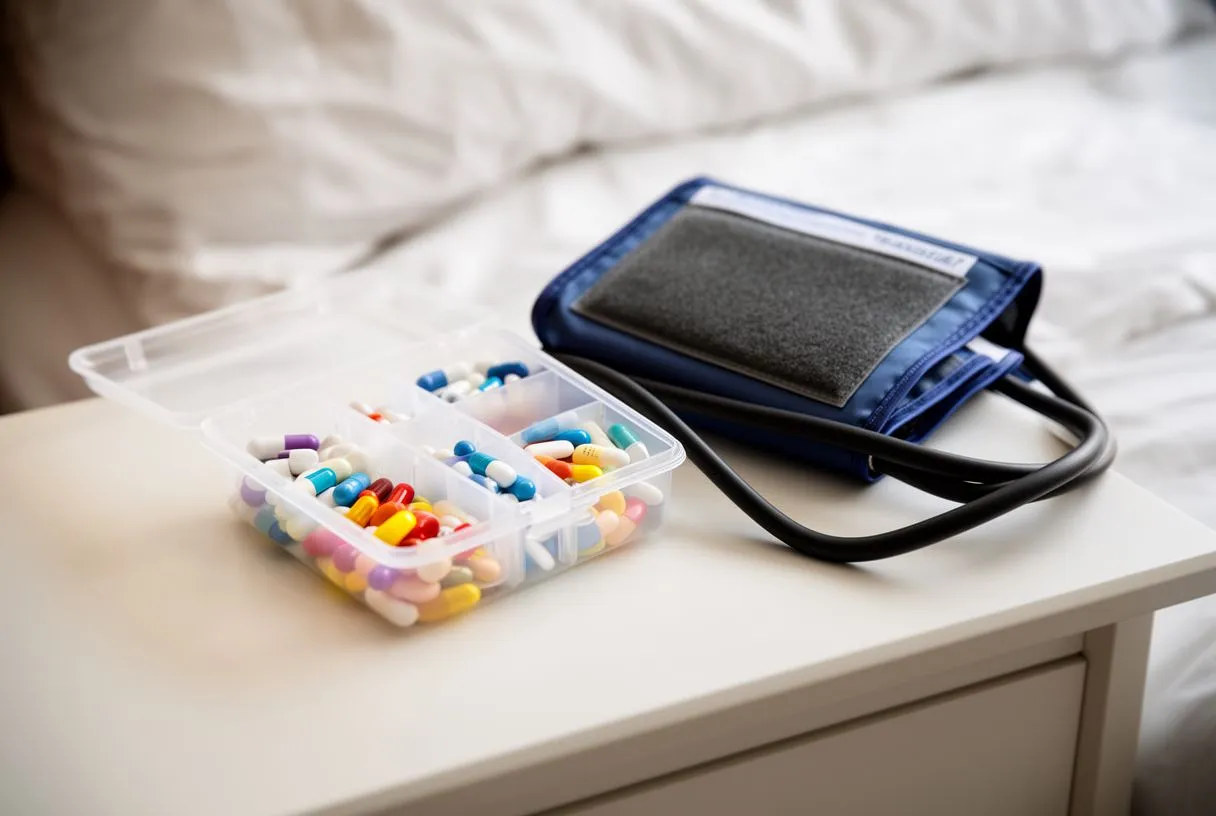
Medications. Standard regimens typically include beta-blockers to slow the heart rate and reduce workload, ACE inhibitors or similar drugs to relax blood vessels, and diuretics to remove excess fluid. Some patients also take anticoagulants to reduce stroke risk if the heart rhythm is irregular. These medications work best taken exactly as prescribed, every day, without interruption.
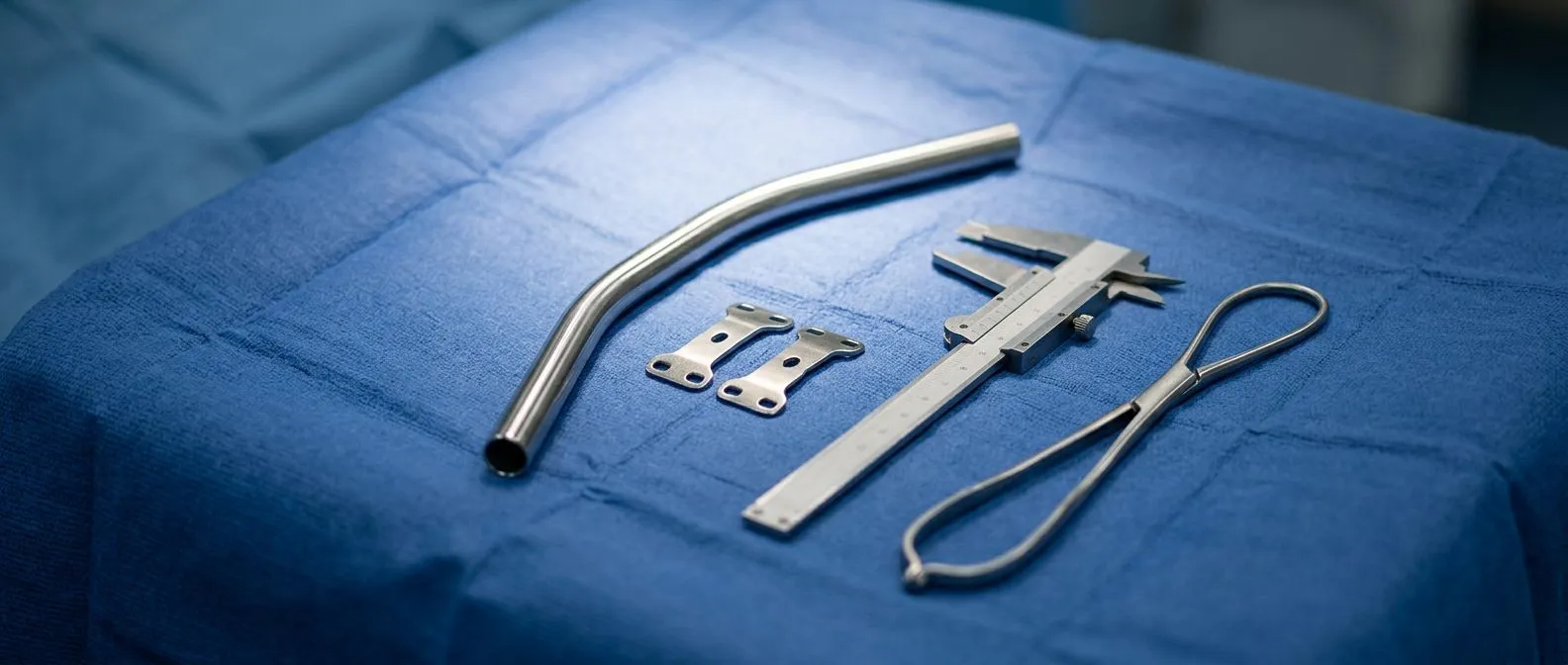
Procedures and structural fixes. When heart failure is caused by a narrowed or leaking valve, fixing the valve can transform the outlook. For severe aortic stenosis, transcatheter aortic valve replacement, known as TAVR, replaces the valve through a catheter without opening the chest. Coronary bypass surgery, conventional or minimally invasive, restores blood flow past blocked arteries. We perform conventional, minimally invasive, robotic, and transcatheter procedures, and we recommend the less invasive route only where the evidence supports it for that patient. Dr Molina performed the first robotic mitral valve repair in the Ángeles Health System and the first robotic heart surgery in Guadalajara.
Every case at our clinics is reviewed by the multidisciplinary team against international practice guidelines before a recommendation is given. You receive a clear proposal with the alternatives, and the final decision is always yours. If cost, travel, or insurance questions weigh on that decision, raise them openly. We encourage second opinions and treat seeking one as a normal part of deciding about heart surgery.
How to Live Well With CHF?
How to live well with CHF comes down to a handful of habits repeated every day, supported by a team that adjusts the plan as your heart changes. Nothing on this list requires heroism. Each one is small, concrete, and proven to help.
Your daily checklist. These are the habits that matter most:
- Morning weigh-in: Same time, same scale, every day, so fluid gain is caught within twenty-four hours.
- Sodium awareness: Stay within your sodium target and read labels on anything packaged.
- Daily movement: A walk, even short, most days of the week, within the limits your team has set.
- Medication consistency: Take every dose as prescribed, and never stop a medication on your own.
- Sleep check: Notice whether you wake breathless or need more pillows, and report changes promptly.
COVID-19 deserves a specific mention, because many patients ask about it. Serious COVID-19 infection can injure the heart muscle and, in some patients, contribute to the development or worsening of heart failure. Staying current with recommended vaccinations and treating infections early is part of protecting a heart that already has less reserve.
You do not have to manage heart failure alone, and you do not have to guess. If you are living with congestive heart failure, or caring for someone who is, the most useful next step is a conversation with a qualified cardiac team about your specific situation. Dr Alejandro Molina and the team at Cirugía de Corazón offer a first contact that is a free video consultation, where we get to know you, talk through your condition, and identify which studies are genuinely needed so no unnecessary ones are ordered. Book a consultation at our consulting rooms in Guadalajara, Querétaro, or Hermosillo, and let us help you build a plan you can actually live with.