Low Cardiac Output Syndrome After Heart Surgery
Low cardiac output syndrome after surgery explained by Guadalajara heart specialists: causes, warning signs, ICU monitoring, and treatment options.
Low cardiac output syndrome after surgery is one of the most closely watched complications in any cardiac intensive care unit. It means the heart is pumping less blood than the body needs in the first hours or days after an operation. It sounds frightening, and for families waiting outside the ICU it often is. But it is also well understood, closely monitored, and usually treatable. This guide explains what the syndrome is, why it happens, how your care team detects and treats it, and what recovery honestly looks like afterwards.
What Is Low Cardiac Output Syndrome After Surgery?
A simple definition. Low cardiac output syndrome describes a state in which the heart cannot deliver enough blood — and therefore enough oxygen — to the organs after cardiac surgery. Doctors measure this with the cardiac output, the volume of blood the heart pushes out each minute. When that volume falls below what the tissues demand, blood pressure drops, organs work harder, and the body shows clear warning signs. The condition typically appears within the first hours after the operation, sometimes after a brief period where everything looked stable.
Why the definition matters. There has been genuine scientific debate about how exactly to define the syndrome, because different intensive care teams used different thresholds for years. Reviews published in the cardiovascular literature, including work collected by the American Heart Association's journals, have pushed toward clearer criteria so that treatment starts earlier and consistently. For you as a family, the practical point is simple: it is a recognized, named condition — not a vague description — and it has established treatments.
It is a syndrome, not a disease. That word matters. A syndrome is a pattern of findings, not a single injury. The heart may be temporarily stunned by the operation itself, or the problem may come from bleeding, fluid shifts, or a valve that is not working as it should. Identifying which of these is driving the low output is the first job of the intensive care team, because each cause has a different fix.
What Causes Low Cardiac Output After Bypass?
The stunned heart. The most common reason cardiac output is low after bypass surgery is a temporary condition called myocardial stunning. During the operation, the heart is deliberately stopped and cooled so the surgeon can work on a still field. When blood flow is restored, the heart muscle wakes up slowly, like a limb that has fallen asleep. Most hearts recover this function within hours to a few days. In the meantime, the pump underperforms, and this is the single most frequent cause of the syndrome.
Bleeding and fluid shifts. Surgery changes the body's fluid balance. Blood loss during the operation, plus the natural leak of fluid from blood vessels into tissues, can leave the circulating volume too small. A heart cannot pump what it does not receive. This is why the ICU team checks filling pressures and hemoglobin repeatedly in the first hours, and why transfusions or fluids are given based on measurements rather than guesswork.
Mechanical and rhythm problems. Sometimes the pump itself is fine but the plumbing or wiring is not. A leaking valve, a kinked graft, pressure on the heart from blood collecting in the sac around it (called tamponade), or a slow, disorganized heart rhythm can all cut the output. Some patients also arrive with weakened hearts before surgery — long-standing valve disease or poor function from prior heart attacks — which lowers the reserve the heart has to get through the operation. Rarely, the stress of surgery can trigger conditions such as Takotsubo Syndrome, a temporary ballooning of the heart muscle that mimics a heart attack but usually reverses.
What Are the Common Signs of Low Cardiac Output?
What the monitors show first. In the cardiac surgery intensive care unit, the earliest signs of low cardiac output are usually numbers before they are symptoms: a falling blood pressure, a rising heart rate as the body tries to compensate, and decreasing urine output as the kidneys receive less flow. The team watches these trends minute by minute in the critical first hours. Lactate — a marker measured in blood tests that rises when tissues are short of oxygen — is another early alarm.
What you may notice as a family. Visiting families often notice things before they can name them. The patient may look pale or mottled, the hands and feet may feel cool to the touch, and the person may be drowsier than expected. These are the classic low cardiac output symptoms: the body redirecting blood away from the skin, limbs, and gut toward the brain and heart. Cool hands alone are common after surgery and not always alarming, but combined with low pressure and confusion they prompt immediate review.
Why early recognition matters. The difference between a brief, treatable episode and a serious complication usually comes down to how quickly the cause is found. This is why the first night after heart surgery is the most intensively monitored of the entire admission. Prolonged low output, left untreated, can strain the kidneys, liver, and lungs — a severe form of which is Acute Respiratory Distress Syndrome, where the lungs flood with inflammatory fluid and breathing support becomes necessary.
How Is Low Cardiac Output Syndrome Treated?
First, find the cause. Low cardiac output syndrome treatment always begins with diagnosis, not drugs. The team checks for bleeding, reviews fluids, examines the heart rhythm, and may use an ultrasound of the heart (echocardiogram) at the bedside to see the pump in action. If blood is collecting around the heart, draining it may solve the problem instantly. If the circulating volume is low, giving fluid or blood raises the output. Treating low cardiac output means treating what is driving it.
Medications that support the pump. When the heart is simply stunned and needs time, the team uses inotropic support after cardiac surgery — medications such as dobutamine or milrinone that make the heart contract more strongly or relax better between beats. Vasoconstrictor drugs can restore blood pressure by tightening blood vessels. These infusions are routine, temporary bridges. The goal is always to wean them off as the heart recovers its own strength, which most hearts do within one to three days.
When more support is needed. If medications are not enough, temporary mechanical circulatory support can take over part of the work. Devices range from an intra-aortic balloon pump, placed through the groin artery, to more powerful systems used in selected cases. These are not permanent implants; they support the heart for days while it recovers. In our practice, every case where postoperative hemodynamic management becomes complex is reviewed by the whole multidisciplinary team together, so that decisions about escalation are never made by one person alone.
How Is Cardiac Index Monitored in the ICU?
What cardiac index means. Cardiac output is often adjusted for body size and expressed as the cardiac index after heart surgery — the blood flow per minute divided by the patient's body surface area. A normal resting index for an adult is roughly 2.5 to 4 liters per minute per square meter. Values below about 2.2, especially with signs of poor organ perfusion, are what teams use to define the syndrome. Knowing your relative's index lets you understand the numbers on the monitor rather than fear them.
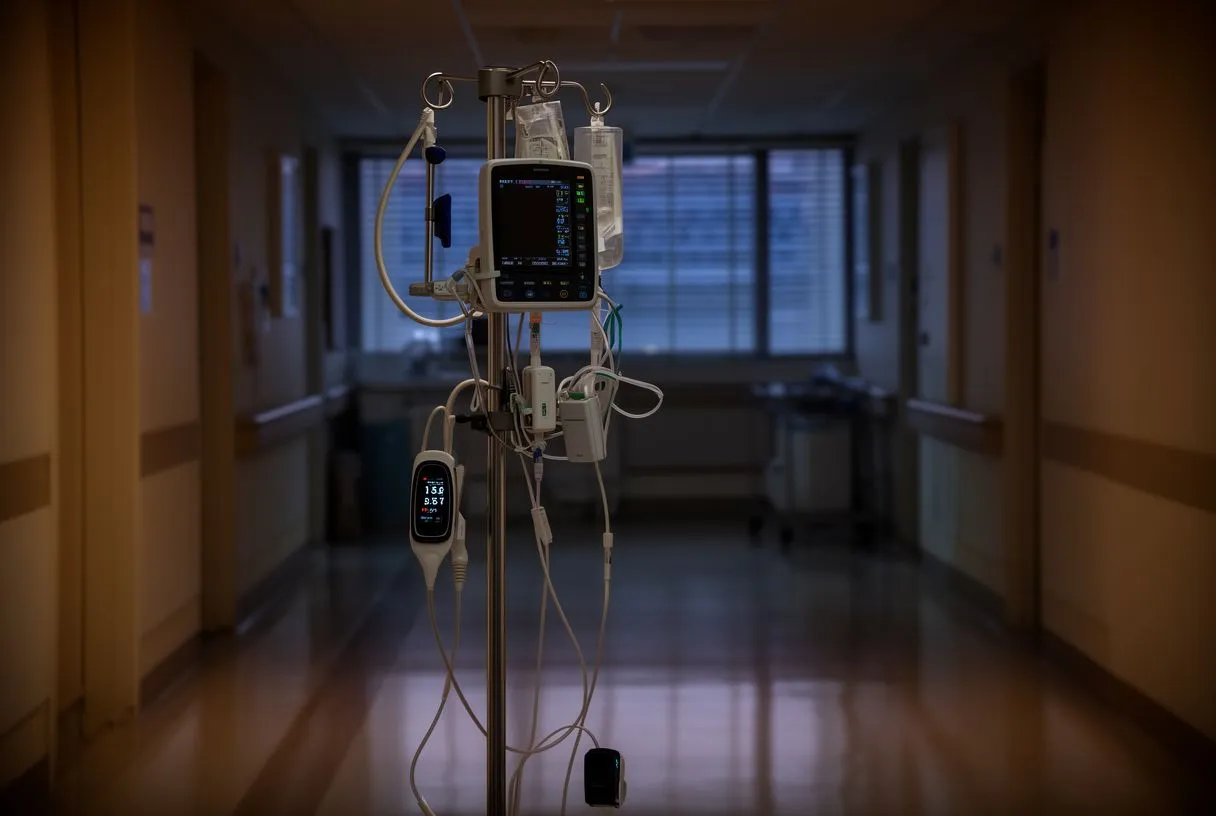
How it is measured. Heart surgery patient monitoring uses several tools. Most patients leave the operating room with an arterial line (a thin catheter in a wrist artery) for continuous blood pressure, and many have a pulmonary artery catheter or less invasive devices that calculate flow directly. Modern ICUs increasingly use pulse-wave analysis and bedside ultrasound, which provide similar information with fewer catheters. The method matters less than the trend: a stable or rising index is reassuring; a falling one triggers a search for the cause.
Mixed venous oxygen. One especially useful measurement is the oxygen content of blood returning to the heart from the body. If the tissues are extracting more oxygen than normal, that blood arrives darker and lower in oxygen — an early, elegant signal that output is not keeping up with demand. Teams use this to distinguish true low output from other causes of low blood pressure, which changes the entire treatment plan.
What Other Post Cardiac Surgery Complications Should Families Watch For?
Atrial fibrillation. The most common complication after open-heart surgery is not low output at all, but atrial fibrillation — a fast, irregular rhythm in the heart's upper chambers. It affects a substantial share of patients in the first days, often around days two to four. It rarely endangers life in the immediate setting, but it can lower the pumping efficiency of the ventricles and prolong the hospital stay. It is treated with rate control, rhythm restoration, and anticoagulation when appropriate.
Infection at the sternum. The breastbone is divided in conventional open-heart surgery and held together with sternal wires. Sternal wires infection prevention is a real discipline: antibiotics before the incision, careful skin preparation, tight glucose control in diabetic patients, and proper wound care at home. Deep sternal wound infection is uncommon but serious. Redness, discharge, fever, or a clicking instability at the breastbone should be reported immediately.
- Kidney strain: temporary kidney function dips are common after bypass and usually recover; persistent low urine output needs review.
- Lung complications: fluid accumulation or collapsed air sacs respond to breathing exercises and early mobilization.
- Bleeding and tamponade: chest drain outputs are watched closely in the first hours; sudden drainage stoppage with falling pressure is an emergency.
- Neurological changes: brief confusion is common after anesthesia; persistent weakness or speech changes need urgent assessment.
Depression and mood. One of the people-also-ask questions we hear is about depression after open-heart surgery, and it deserves a straight answer: low mood, tearfulness, and trouble concentrating are genuinely common in the weeks after cardiac surgery and are linked to the stress of the operation, medications, and disrupted sleep. Most cases improve with time and support, but persistent depression should be raised with the team rather than endured in silence. In our consultations, we take the time to explain what the studies actually show about these recovery phases, in plain words, so families know what is expected and what is not.
How Long Does Recovery Take After Cardiac Bypass Surgery?
The hospital phase. Recovery from cardiac bypass surgery follows a fairly predictable arc for most patients. Expect around five to seven days in hospital if all goes smoothly: one to two days in the intensive care or step-down unit, then ward-level care focused on walking, breathing exercises, and regaining independence. Patients who experienced low cardiac output syndrome after surgery may stay longer, because the medications supporting the heart need to be weaned gradually and any organ strain needs to resolve.
The first six weeks. The breastbone takes about six to eight weeks to knit back together, and this timeline governs many restrictions: no lifting more than a few kilograms, no driving until your surgeon clears you (commonly around four weeks), and no pushing or pulling motions. Fatigue is the norm, not a sign of failure. Most people describe a wave-like recovery — good days followed by tired days — with steady improvement from week three onward.
Three months and beyond. Full recovery from bypass surgery typically takes about three months, though energy and stamina can continue improving for six to twelve months. Structured cardiac rehabilitation accelerates this safely: supervised, progressive exercise designed for your heart's condition. Upper back pain after open-heart surgery is a common and usually benign complaint, caused by the positioning during the operation and the way the chest muscles compensate — it generally eases with time and gentle mobility work.
When Can You Fly or Sleep on Your Side After Open-Heart Surgery?
Flying after surgery. This is one of the most frequent practical questions, especially from international patients who travel to Mexico for care. There is no single universal rule, because it depends on the operation, how the chest is healing, and whether complications occurred. As a general framework, short commercial flights are often considered from around two weeks after uncomplicated surgery, but your own surgical team must clear you — cabin pressure, immobility, and access to care all matter. For long-haul flights, most teams prefer to wait until the sternum is stable and any chest drains, pacemakers, or post-surgical issues have been fully resolved.
Sleeping positions. Good news here: you can usually sleep on your side quite early, often within the first week, as long as it is comfortable and does not pull on the incision. Many patients find sleeping on the back with pillows under the arms easiest at first, then transition to side-sleeping with a pillow hugged against the chest for support. There is no medical prohibition on side-sleeping after most sternotomies — comfort and wound healing are the only real limits.
Planning travel for surgery. For our international patients, the first contact is a free video consultation: we get to know you, talk through the condition, and tell you which studies are still needed — so no unnecessary tests are ordered before you travel — and a face-to-face visit at our consulting rooms in Guadalajara, Querétaro, or Hermosillo follows when you decide to go ahead. We also build the flight-clearance question into the recovery plan from day one, so the timeline back home is never a surprise.
How to Increase Cardiac Output After Surgery
In the hospital. The intensive care team leads this phase, and the levers are medical: optimizing fluid volume so the heart has enough to pump, correcting potassium and other electrolytes the heart rhythm depends on, treating anemia, controlling rhythm, and supporting contractility with medications. Position matters too — sitting the patient up slightly reduces the work of breathing, and effective pain relief allows deeper breaths and better circulation. Each of these raises output without any single dramatic intervention.
What patients can do. Once you are on the ward, the fastest ways to increase cardiac output after surgery are movement and breathing. Early, frequent walking trains the heart muscle, improves circulation in the legs, and prevents blood pooling. Deep breathing exercises open the lung bases, improving oxygen delivery. Eating enough protein supports healing, and adequate sleep allows the hormonal recovery the heart needs. None of this is optional garnish — it is the treatment.
Protecting the heart long term. Raising output is only half the goal; protecting the repaired circulation is the other half. Research presented on ClinicalTrials.gov is examining whether intensive lipid-lowering therapy can slow coronary atherosclerotic plaque progression in young and middle-aged patients with chronic coronary syndrome — a reminder that the medicines you take after bypass are part of the operation's success, not an afterthought. Every case we treat is reviewed against international practice guidelines before a recommendation is given, and you receive a clear proposal with the alternatives — the final decision is always yours.
What Is the Prognosis After Low Cardiac Output Syndrome?
The honest answer. Low cardiac output syndrome prognosis depends on three things: how severe it was, how quickly it was treated, and the underlying state of the heart before surgery. A brief episode in a patient with good baseline heart function, corrected promptly, usually leaves no lasting trace. Prolonged or severe low output can leave the kidneys, liver, or lungs temporarily damaged, and it is associated with longer hospital stays and higher risk in frail or elderly patients. These are associations studied across large patient groups — your own outlook depends on your specifics, not on averages.
When weakness persists. In some patients, the stunned heart does not fully recover its strength, and low output heart failure after surgery becomes a longer-term condition. This is more likely in patients with pre-existing poor function or extensive coronary disease. It is manageable: modern heart-failure therapy — medications that reduce the heart's workload, devices, and careful follow-up — can stabilize function and quality of life substantially. The key is early recognition that recovery is stalling, so treatment is adjusted rather than assumed.
Follow-up that matters. After any episode of low output, structured follow-up is essential: a heart ultrasound to re-measure function, review of medications, and enrollment in cardiac rehabilitation where the heart is reconditioned safely. We encourage second opinions at any point — seeking one is a normal, sensible part of deciding about heart surgery, not a betrayal of your surgeon.

The takeaway. Low cardiac output syndrome after surgery is common enough that every cardiac ICU is built around detecting it, and treatable enough that most patients who experience it go on to full recovery. Know the warning signs — falling blood pressure, cool hands and feet, confusion, reduced urine output — and trust that the monitoring around you or your relative exists precisely to catch these early. If you are facing heart surgery and want to understand your own risk profile, the options from conventional to minimally invasive and transcatheter approaches such as TAVR, and what recovery would look like for you specifically, talk to a qualified cardiac team before deciding anything. Dr Alejandro Molina and our multidisciplinary team of cardiac surgeons offer a free first video consultation from Guadalajara, Querétaro, and Hermosillo — book one, bring your questions, and decide with clear information in hand.