

Mediastinal Drains After Heart Surgery: Care and Removal
Mediastinal drain removal after heart surgery—learn output guidelines, recovery time, warning signs, and step-by-step care.
If you or a loved one is preparing for heart surgery, one of the small details you will notice afterward is a set of tubes coming out of the chest, connected to collection bottles beside the bed. These are drainage tubes, and understanding them — including what mediastinal drain removal involves — takes away much of the anxiety around the first days of recovery. This guide walks through what these drains do, how long they typically stay in, what the removal procedure feels like, and what to watch for afterward. Our aim is that by the end, the drain site looks less like a mystery and more like a routine part of healing.
What Is a Mediastinal Drain?
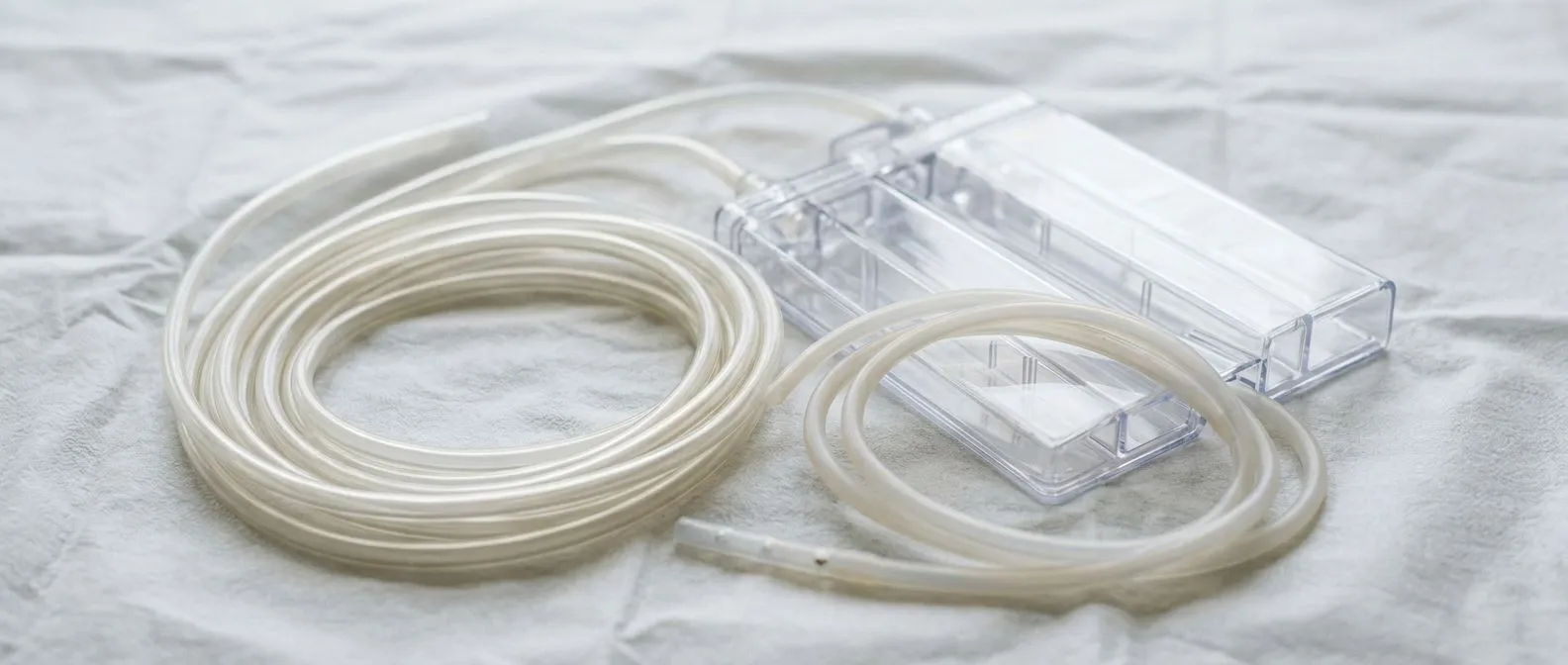
The space behind the breastbone. The mediastinum is the compartment in the middle of the chest that holds the heart, the great vessels, and other structures. When a surgeon operates on the heart — replacing a valve, bypassing a blocked artery, or repairing the aorta — the pericardium (the sac around the heart) and the surrounding tissues ooze blood and fluid for a while after the operation. A mediastinal drain is a soft plastic tube placed behind the breastbone during surgery to carry that fluid safely out of the body into a sealed collection system.
Why the fluid must leave the chest. If blood or fluid collects around the heart, it can press on the organ and stop it from filling properly — a serious complication called cardiac tamponade. The drain prevents that buildup by letting the chest stay as dry and empty as possible while it heals. In the first hours after surgery, the nursing team checks the drain frequently precisely because this early output tells them a great deal about how the healing is going.
Not just one tube. It is common for a cardiac surgery patient to wake up with two or three drains rather than one. Some sit behind the sternum (breastbone), some in the pleural space around a lung, and each serves a slightly different purpose. Together they are part of what surgeons call postoperative drain management, and the way they are handled in the first 48 hours matters as much as the operation itself. When our team reviews every case against international practice guidelines before recommending surgery, planning the drainage strategy is part of that review — it is not an afterthought.
What Is the Difference Between a Mediastinal Tube and a Chest Tube?
Location is the key distinction. A mediastinal tube sits in the space behind the breastbone, close to the heart and pericardium. A chest tube — sometimes called a pleural drain — sits higher and more to the side, in the space between the lung and the chest wall. Both are "chest drains" in everyday language, but surgeons choose the position based on where the fluid or air is likely to collect.
What each one drains. Mediastinal tubes primarily remove blood and pericardial fluid around the heart. Pleural drains remove air or fluid that has gathered around the lung, which is common after procedures where the chest cavity is opened. After cardiac surgery, a patient might have both types at once, and it is useful to know which is which when the team reports output.
Practical differences patients notice. The tubes leave the skin at slightly different points on the chest wall, and they may be removed at different times depending on how much each is draining. Because published work on pleural and mediastinal drainage after cardiothoracic surgery shows that management protocols differ widely between hospitals, it is always worth asking your own surgical team exactly which tubes you have and what the plan is for each one.
What Are the Four Types of Surgical Drains?
Classification by how they work. Surgical drains in general fall into four broad categories, and knowing them helps make sense of what you see at the bedside:
- Open (gravity) drains: fluid flows passively through the tube into a dressing or bag, driven only by gravity — simple, but less common after heart surgery.
- Closed passive drains: the tube connects to a sealed container kept below chest level; the vacuum created as fluid drains helps keep things moving.
- Closed suction drains: the container is actively kept at negative pressure (suction), so fluid is pulled out of the body — this is the standard setup for cardiac surgery drains.
- Negative-pressure wound systems: a foam dressing sealed over the wound itself, with continuous suction applied to promote healing — used more on complex wounds than routine drains.
Heart surgery drains are almost always of the closed-suction type, because the chest must remain sealed to the outside air. A chest drain, mediastinal or pleural, therefore runs to a water-seal collection system that lets fluid out while preventing air from getting in.
In our consulting rooms in Guadalajara, Querétaro and Hermosillo, we take time during the pre-surgery consultation to show patients exactly which drains to expect and what each one does — because a patient who knows what is on their chest is calmer when they wake up.
Why Do Drains Stay In After Heart Surgery?
The first hours are the most critical. Right after surgery, the tissues ooze blood despite the surgeon's best efforts at haemostasis (stopping bleeding). The drains also give the team a live readout: sudden heavy, bright-red output in the first hours can signal ongoing bleeding that needs surgical attention, while clear straw-coloured fluid later on is a normal sign of healing.
Preventing tamponade and effusion. Beyond early bleeding, the drains protect against fluid accumulating in the pericardial space over the following days. A pericardial effusion that builds up slowly can still compress the heart, so drains are kept in until output falls to a safe level and imaging — usually an ultrasound — confirms the space is dry.
Drains also re-expand the lung. Pleural drains evacuate any air that entered the chest during the operation, letting the lung re-expand fully against the chest wall. This is why you may be asked to breathe deeply and use an incentive spirometer (a breathing exercise device) while the drains are still in — it all works together.
How Long Do Mediastinal Drains Stay In?
The typical window. Most mediastinal and pleural drains after heart surgery come out within 24 to 72 hours, once output has fallen below the threshold the unit uses and the fluid has changed from bloody to serous (clear or pale yellow). Some patients go home the same day their last drain is removed; others keep them a little longer, especially after complex operations.
What can extend the time. Drains stay in longer when output remains high, when the fluid is still bloody rather than clear, when air is still leaking from the lung (an air leak), or when the patient needs strong blood-thinning medication. Each of these situations changes the risk calculation, and the team weighs them individually.
Why "one size" does not fit all. Evidence published in the New England Journal of Medicine and other journals has shown that protocols for drain removal timing vary and that earlier removal, when criteria are met, does not increase risk — in fact, prolonged drainage carries its own risks, including infection along the tube track. The lesson is that drains should come out as soon as they are no longer needed, and no later. Every case is reviewed by our multidisciplinary team against international guidelines before the removal decision, and the reasoning is explained to the patient in plain words before anything is done.
What Do Mediastinal Drain Output Guidelines Mean for You?
The numbers behind the decision. Most cardiac surgery units use an output threshold to decide when a mediastinal drain can safely come out. Commonly cited values are in the range of 20 to 50 millilitres per hour over several consecutive hours, or roughly 100 to 150 millilitres over a full 24 hours, depending on the protocol — always combined with the fluid being serous rather than bloody, and with stable vital signs.
What the output tells the team. Output is judged on three things: quantity, character, and trend. Quantity is the volume. Character means whether it is bright red (fresh blood), dark red (older blood), or straw-coloured (normal healing fluid). Trend means whether it is falling steadily. A falling trend with clear fluid is the green light for removal.
Red flags that pause the plan. The team holds off on removal if any of these appear:
- Sudden surge in output: more than about 200 ml in a single hour of fresh blood is an immediate alert for possible bleeding.
- Signs of tamponade: falling blood pressure, rising heart rate, and distended neck veins together suggest fluid is pressing on the heart.
- Cloudy or milky fluid: this can suggest a chylothorax, a leak of lymphatic fluid that needs its own management plan.
If you are a family member watching the drain bottles, the most useful thing you can do is note the colour and rough level and mention any sudden change to the nurse — you do not need to interpret the numbers yourself.
What Are the Mediastinal Drain Removal Steps?
Preparation comes first. Before removal, the team checks that output criteria have been met, orders any ultrasound needed to confirm the space is dry, and gives pain medication ahead of time so the patient is comfortable. The patient is positioned sitting up or on their side, and the dressing trolley is prepared with sterile gloves, suture removal kit, gauze, and an airtight dressing.
The removal itself. The classic sequence of mediastinal drain removal steps runs like this: the holding stitches are cut, the skin around the tube is cleaned, and the patient is asked to take a deep breath and hold it or perform a gentle Valsalva manoeuvre (bearing down slightly) — this creates positive pressure inside the chest so air cannot be sucked in as the tube slides out. The tube is withdrawn in one smooth, continuous motion, the exit site is quickly occluded, and an occlusive dressing is applied.
Afterwards. A chest X-ray is usually taken within a few hours to confirm there is no residual air or fluid collection. The dressing stays on for 24 to 48 hours, after which the site is checked and, if dry, left open to air or covered lightly. The small incision heals on its own within about a week; the holding stitches are usually removed around that time.
Good analgesia given before removal is what makes the procedure smooth — a patient who is not bracing against pain lets the tube come out cleanly in one motion.
Is Mediastinal Drain Removal Painful?
What patients actually describe. Most people report a brief pulling or dragging sensation — uncomfortable for a few seconds, but not sharp pain — as the tube slides out. Some feel a sting where the skin grips the tube, and a few describe it as the single most uncomfortable moment of their hospital stay; many others are surprised at how quick it is. Pain perception varies enormously, and both extremes are normal.
How the discomfort is managed. Good teams give analgesia 30 to 60 minutes before removal — this is standard nursing care for chest drain removal. Simple measures also help: removing the tube during a held deep breath shortens the sensation to a moment, and distraction from a nurse talking the patient through it genuinely reduces reported pain.
What to do if it hurts more than expected. Tell the team before the removal that you are nervous; asking for the strongest pre-emptive pain relief available is entirely reasonable, and there is no prize for enduring it. Persistent pain at the site after removal — beyond a day or two of mild soreness — should be reported rather than endured.
In our consultations, we tell every patient honestly what drain removal feels like rather than promising it is painless; in our experience, knowing what to expect is what makes it manageable.
What Is the Recovery Time After Mediastinal Drain Removal?
The site itself heals fast. The small opening left by the drain typically seals within 24 to 48 hours and closes fully over about a week. Mild soreness at the site for a few days is normal. Once the dressing comes off and the site is dry, patients can usually shower normally, though soaking in a bath should wait until the wound has fully closed.
Recovery of the bigger picture. Drain removal is a milestone, not the finish line. Overall recovery from open heart surgery continues for six to twelve weeks, with breastbone healing taking roughly that long. Most patients find that after the drains are out and the chest tubes are gone, breathing feels noticeably freer and the deep-breathing exercises become easier — that is the lung and mediastinum working as they should again.
Going home after removal. Many patients are discharged within a day of their last drain coming out. Before discharge, the team confirms the removal site is dry, the chest X-ray is satisfactory, pain is controlled with oral medication, and mobility is adequate.

What Are the Signs of Infection After Drain Removal?
What normal healing looks like. For the first day or two, a little pinkness around the drain site and a small amount of clear or lightly blood-tinged ooze on the dressing is expected. The skin may be tender to the touch. This settles on its own as the opening seals.
Warning signs to act on. Contact the surgical team promptly if any of the following appear, because a drain site is a direct route into the chest and infections there must be taken seriously:
- Spreading redness or swelling that grows beyond the immediate site, or skin that becomes hot to the touch.
- Cloudy, yellow, or foul-smelling discharge from the opening — pus is never normal.
- Fever above 38°C (100.4°F), chills, or generally feeling unwell alongside a wound change.
- New or worsening breathlessness, chest pain, or a return of swelling around the collarbones and neck, which can indicate fluid re-accumulating in the chest rather than infection at the skin.
When to seek urgent help. Difficulty breathing, fainting, or a rapid heartbeat with chest pressure after any cardiac procedure warrants emergency assessment the same day — do not wait for a scheduled appointment. Rarely, the drain site relates to deeper problems; a case reported in the Annals of Pediatric Cardiology described a mediastinal drain placed under CT guidance in an unusual para-aortic position, which is a reminder that chest drainage always deserves specialist attention rather than home management. For families caring for the wound, simple wound care — clean hands, dry site, no ointments unless advised — covers almost everything.
In summary, the drains you wake up with after heart surgery are temporary safety equipment: they carry fluid out of the chest, they protect the heart from pressure buildup, and they come out once the numbers say they are no longer needed. Mediastinal drain removal is a brief procedure, uncomfortable rather than agonising for most people, followed by rapid healing of the site and a discharge home within a day or two. Knowing the removal steps, the expected recovery time, and the warning signs of infection puts you in the best position to recover confidently. If you are facing heart surgery and want the drain plan — and the whole operation plan — explained clearly before you decide, we encourage you to book a consultation with a qualified cardiac team, including a second opinion if that helps you decide. Every case at our practice is reviewed by the full multidisciplinary team, you receive a clear proposal with the alternatives, and the final decision is always yours.






