


Meeting Your Anaesthetist Before Heart Surgery
Meeting your anaesthetist before heart surgery: why the visit matters for your safety, what to ask, and how to prepare.
Meeting your anaesthetist before heart surgery is one of the most reassuring steps in the whole journey, yet it is the part patients often know least about. The anaesthetist is the specialist who keeps you safe, still and pain-free while the surgical team works on your heart. This guide explains who they are, what happens when you meet them, the questions worth asking, and what recovery from anaesthesia actually feels like — in plain language, with no jargon left unexplained.
What Is an Anaesthetist and What Do They Do During Heart Surgery?
An anaesthetist is a fully qualified doctor who specializes in anaesthesia — the medicines and techniques that remove sensation and consciousness during an operation. In many countries the terms anaesthetist and anaesthesiologist are used interchangeably; both describe a physician. During heart surgery, this doctor does far more than "put you to sleep". They manage your breathing, blood pressure, heart rhythm and temperature minute by minute while the cardiac surgeon works.
The anaesthetist role in open heart surgery is continuous and critical. Before the operation they place monitoring lines, often including a thin catheter in an artery and a larger line near the heart to measure pressures directly. During surgery they operate the ventilator, adjust anaesthetic drugs, and manage blood transfusions. After surgery they supervise the transfer to intensive care, where a different team usually takes over your sedation and breathing tube removal.
Cardiac anaesthesia is a subspecialty. A cardiovascular anaesthetist has extra training in the physiology of patients whose hearts are the very organ being operated on. They understand valve disease, coronary blockages and aortic conditions from the inside out, and they plan anaesthesia around exactly what the surgeon will find.
Is an Anaesthetist a Doctor? Understanding the Difference
One of the most common questions patients ask is simply: is an anaesthetist a doctor? The answer in hospital cardiac surgery is almost always yes. A physician anaesthetist completes medical school, then several years of specialist residency in anaesthesiology, often followed by fellowship training in cardiac anaesthesia. In some countries, nurses or technicians called anaesthetists also exist, but they work under physician supervision and are not the norm for open heart surgery.
Anaesthesiologist versus anaesthetist: in everyday use there is no meaningful difference in most English-speaking countries — both words describe the same medical specialist. The distinction matters mainly in the United Kingdom and some Commonwealth countries, where "anaesthetist" is the standard term, versus the United States, where "anesthesiologist" is preferred. The person overseeing your heart surgery anaesthesia should be a physician either way.
Patients also ask how this field differs from surgery itself. Anaesthesiology is the medical specialty; anaesthesia is the treatment that specialty delivers — the same distinction as between cardiology and a heart medication. So an anaesthetist is not a surgeon, but during a cardiac operation the two roles work side by side, each absolutely dependent on the other. It is also worth knowing why anaesthetists are highly paid: they carry moment-to-moment responsibility for your vital functions, a responsibility that begins before the first incision and ends after the last stitch.
What Are the Different Types of Anaesthesia for Cardiac Surgery?
There are four broad cardiac surgery anaesthesia types, and understanding them helps you follow the conversation at your consultation. The choice depends on the operation, your condition and, in some cases, your preference.
- General anaesthesia: you are fully unconscious with a breathing tube in place. This is the standard for open heart procedures such as valve replacement, coronary bypass and aortic surgery.
- Sedation with regional blocks: lighter sedation combined with nerve or spine injections. Used for some less invasive and structural procedures, including many TAVR (transcatheter aortic valve replacement) cases.
- Regional anaesthesia alone: numbness of a region of the body with the patient awake. Rarely sufficient on its own for cardiac surgery, but sometimes part of a combined plan.
- Local anaesthesia: numbing of a small area, used for minor access procedures rather than heart operations themselves.
Sedation options for heart surgery have expanded considerably in the last decade. Where the procedure allows — particularly transcatheter valve work — avoiding general anaesthesia can mean a lighter recovery and a shorter stay. In our practice we recommend the less invasive route, including lighter anaesthesia, only where the evidence supports it for that specific patient; every case is reviewed by the multidisciplinary team before a proposal is made.
The anaesthetic plan is always individual. Your age, lung function, other medications and the specific operation — a mitral repair through a small chest incision differs from a full sternotomy — all shape the choice. Nothing is decided without you understanding the reasoning first.
What Happens in a Preoperative Anaesthesia Evaluation?
The preoperative anaesthesia evaluation — sometimes called a pre-surgery anaesthetic assessment — is the formal meeting where the anaesthetist reviews your health before the operation. It usually happens days or weeks before surgery, either in person or by video. This is the meeting where risks are weighed and the anaesthetic plan is tailored to you.
Expect a detailed conversation. The anaesthetist will ask about your heart condition, previous operations, medications (especially blood thinners), allergies, smoking, alcohol, sleep apnoea, and how you have reacted to anaesthesia in the past. They will examine your airway, listen to your heart and lungs, and review your echocardiogram, angiogram and blood tests. Recent research published in The Lancet has reinforced how much preoperative optimization — controlling blood pressure, blood sugar and anaemia before surgery — improves outcomes, which is why this assessment matters so much.
Why the anaesthetist visit before bypass or valve surgery matters: problems found here can be fixed in advance rather than discovered mid-operation. When a patient first contacts us, we use a free video consultation to get to know them, talk through the condition, and identify which studies are genuinely needed — so no unnecessary tests are ordered — before any face-to-face visit at our consulting rooms. The anaesthetic assessment fits naturally into that same careful preparation.

What to Ask Your Anaesthetist Before Heart Surgery
Most patients arrive at this meeting with questions they forget the moment they sit down. Writing them down beforehand is the single most useful thing you can do. An anaesthetist consultation for heart surgery is your time — a good specialist welcomes questions and answers them in plain words.
- What type of anaesthesia will I have, and why that one for my operation?
- How will you manage pain in the first days after surgery?
- Will I have a breathing tube, and when will it come out?
- What should I do about my medications, especially blood thinners, in the days before?
- What are the specific risks for someone like me, given my age and my other conditions?
- Will I remember anything, and how is awareness during anaesthesia prevented?
Meeting the anaesthetist before cardiac surgery should leave you feeling informed, not frightened. In our consultations we take the time to explain what the studies actually show in plain words, and we answer every question before any decision is made. We also encourage second opinions and treat seeking one as a normal, sensible part of deciding about heart surgery — the final decision is always the patient's.
Do not worry about asking something that sounds obvious. The questions above come up in almost every assessment, and anaesthetists are used to them. If English or Spanish is not your first language, say so; interpreters and translated materials are standard parts of good preoperative care.
Will You Be Awake During Heart Surgery?
Fear of being awake during an operation is one of the most common anxieties patients bring to a preoperative assessment. The honest answer: accidental awareness during general anaesthesia for heart surgery is exceedingly rare, and cardiac anaesthesia is specifically designed to prevent it. Monitoring depth of anaesthesia with processed brain signals adds a further layer of safety in many centres.
Awake during heart surgery — when it is planned: there is one situation where staying conscious is deliberate. In many transcatheter procedures, such as TAVR for aortic stenosis, the patient receives light sedation rather than full general anaesthesia. You may drift in and out of sleep, but you are comfortable, monitored continuously, and you do not feel the procedure. Recovery tends to be faster this way, and some patients are home within a day or two.
Awake during open heart surgery — when it is not: for conventional operations on the valves, coronary arteries or aorta, general anaesthesia is the rule. You will be unconscious before anything begins and unaware until you are in intensive care. In our team's experience, patients who feared awareness usually describe the anaesthetic afterwards as the least dramatic part of the whole admission — one deep sleep, then waking with a nurse beside them.
How Real Are Heart Surgery Anaesthesia Risks?
Heart surgery anaesthesia risks deserve a candid discussion, because pretending they do not exist helps nobody. For patients having cardiac operations, the risks come from two overlapping sources: the disease itself and the operation. Modern cardiac anaesthesia has made the anaesthetic contribution to complications small, but not zero. Nausea, sore throat and confusion in the first days are common and usually temporary. Serious events such as stroke, kidney injury or prolonged ventilation are less common and depend heavily on each patient's starting condition.
Anaesthesia complications in heart surgery — what shapes your risk: age, lung disease, kidney function, diabetes, frailty and how urgently surgery is needed all matter. This is precisely why the preoperative evaluation exists: to find and treat what can be treated beforehand. Risk scores such as EuroSCORE II, which estimates operative risk from several factors, are used by teams to have an honest conversation rather than a vague one.
In our practice every case is reviewed by the multidisciplinary team against international practice guidelines before a recommendation is given, and part of that review is a realistic look at anaesthetic risk for the individual — not a population average. We would rather tell a patient plainly where the risks sit than offer reassurance without evidence behind it.
What Is Recovery After Cardiac Anaesthesia Really Like?
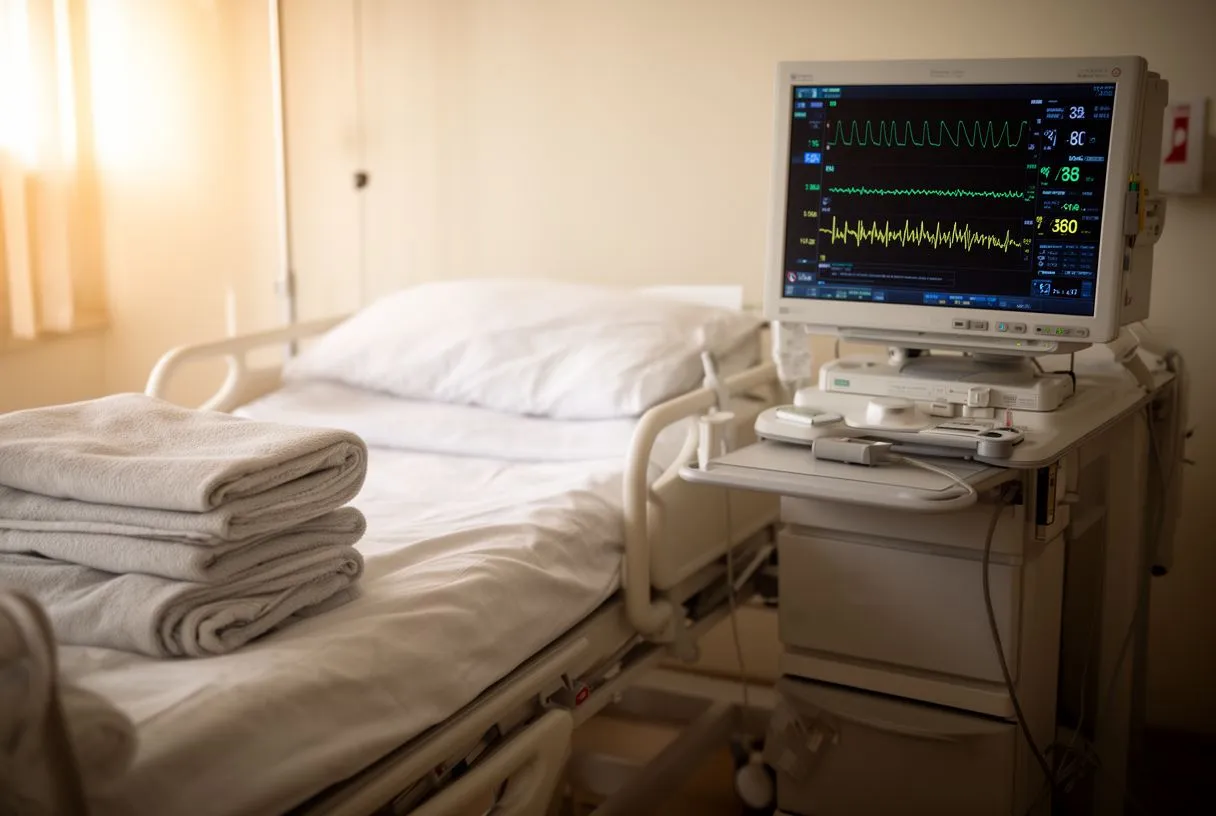
Recovery after cardiac anaesthesia follows a fairly predictable arc, and knowing it in advance removes much of the fear. You will wake in an intensive care unit or recovery area with a breathing tube still in place at first. Once it is removed — usually within hours — the most common sensations are a sore throat, thirst, and the pressure of the dressings on your chest. Discomfort is managed with medication; the aim is control, not elimination.
The first 48 hours: expect drowsiness, a hoarse voice, and some confusion or vivid dreams, especially in older patients. These settle. Blood pressure and heart rhythm are monitored continuously, and the intensive care team — often guided by the anaesthetist's notes from theatre — manages your fluids and pain relief closely. Most patients are sitting in a chair by the second day and walking short distances soon after.
The weeks that follow: fatigue is the lasting signature of both the anaesthetic and the operation itself, and it can take six weeks or more to fade. Memory and concentration may feel slightly dull for a while; this is well described after heart surgery and usually resolves. If you had sedation-based anaesthesia, recovery is typically quicker. Listen to your surgical team's instructions, and report anything that worries you — breathlessness that worsens, chest pain, or fever — rather than waiting.
Choosing a Cardiac Anaesthetist in Mexico: What Matters
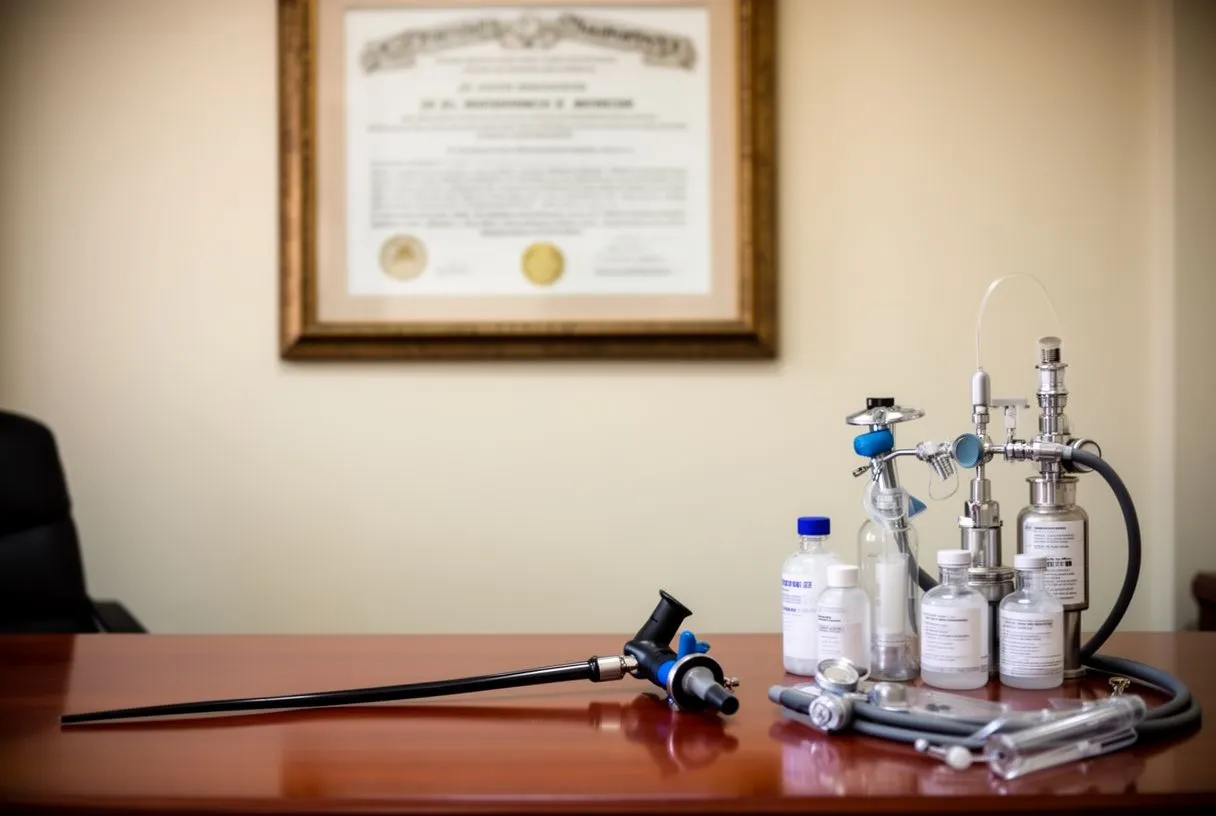
For patients travelling to Mexico for heart surgery, the anaesthetist is part of what you are choosing, not just the surgeon. A cardiac anaesthetist in Guadalajara or anywhere else should be a physician with formal anaesthesiology training and, ideally, specific cardiac experience. Do not hesitate to ask directly about qualifications, case volume and hospital resources — reputable teams answer these questions gladly.
Choosing a cardiac anaesthetist in Mexico — what to check: certification by the national anaesthesiology board, experience with the specific operation you need, and the intensive care facilities of the hospital where the procedure will take place. Anaesthesia and intensive care are two halves of the same safety system; a strong operating theatre with a weak ICU is a poor combination for cardiac patients.
In our practice, Dr Alejandro Molina trained in cardiothoracic surgery at the Universidad de Guadalajara, in cardiac, minimally invasive, robotic and structural surgery at the University of Montreal, and in structural cardiology and TAVR at CHU Bordeaux, and the wider team trained in Jena, Bad Berka and Buffalo.
How to Prepare for Cardiac Anaesthesia: A Practical Guide
Preparing for cardiac anaesthesia is mostly about giving your body the best possible starting point and giving your team complete information. None of it is complicated, and all of it helps.
- Stop smoking well before surgery if you smoke — even a few smoke-free weeks improves lung function and healing.
- Bring a complete medication list, including supplements and herbal remedies; some, like certain painkillers and herbal products, affect bleeding.
- Follow fasting instructions exactly — usually no food for several hours before anaesthesia, though some medications are taken with a sip of water as instructed.
- Tell the team about recent infections, dental problems or fevers, which can change the timing of surgery.
- Arrange practical support: a companion for travel, documents translated if needed, and comfortable clothing for the hospital stay.
- Treat sleep apnoea if you have it, and bring your CPAP machine to hospital if you use one.
Prepare for cardiac anaesthesia by preparing your questions too. Write down what you want to ask, bring a family member if it helps you remember the answers, and be honest about everything — alcohol, smoking, previous anaesthetic problems. Honesty in this meeting is a safety tool, not a confession.
Finally, remember that this whole process exists around one decision that belongs to you. The team's job is to explain, recommend and operate safely; your job is to understand and choose. When you meet your anaesthetist before heart surgery, you are not a passive passenger — you are the most important member of your own care team. Take the time, ask the questions, and step into the operating theatre knowing exactly who is standing beside you.
Heart surgery is a major event, but every part of it — the evaluation, the anaesthetic, the recovery — follows a well-mapped path that thousands of patients walk each year. If you are considering treatment, the best next step is a conversation with a qualified cardiac team rather than a search engine. We offer a free first video consultation where we get to know you, review what your studies show in plain language, and lay out the options clearly, with the final decision always in your hands.






