Myocarditis Recovery: Rest, Exercise and Follow-Up
Myocarditis recovery requires proper rest, gradual exercise, and cardiac follow-up.
What Is Myocarditis Recovery and Why It Matters
Myocarditis recovery begins the moment the acute inflammation in your heart muscle starts to subside, but it is not a single event — it is a staged process that unfolds over weeks and sometimes months. When the myocardium, the muscular wall of the heart, becomes inflamed by a viral infection or another trigger, the tissue swells, the pumping action weakens, and the electrical system that coordinates each heartbeat can become irritable. Recovery means giving that inflamed muscle time to heal, monitoring for complications, and gradually returning to physical activity only when your cardiac team confirms it is safe.
Understanding the healing timeline: Most mild cases of myocarditis improve within two to four weeks, but deeper inflammation or involvement of the heart's pumping chambers can extend the process to three to six months. During this window, the heart muscle cells repair microscopic damage, scar tissue may form in severely affected areas, and the heart's ability to respond to exertion is gradually restored. A systematic review published through DOAJ on long-term effects of COVID-19 found that cardiovascular symptoms such as palpitations and chest discomfort can persist well beyond the acute phase, underscoring why structured follow-up matters.
For patients and families, the most important concept is that myocarditis recovery is not something to rush. The heart is healing from the inside out, and premature exertion — lifting something heavy, returning to competitive sports, or pushing through lingering fatigue — can reignite inflammation or trigger dangerous arrhythmias. The goal is to support the heart with rest, gradual movement, and close monitoring until your cardiologist confirms that function has normalised and the risk of recurrence has dropped to a level appropriate for your situation.
How Long Does Myocarditis Recovery Take
One of the most common questions we hear is how long myocarditis recovery takes. The honest answer is that it depends on the severity of the inflammation, which structures of the heart were affected, your age, and any underlying conditions. A person with mild myocarditis — preserved pumping function, no significant arrhythmias, and a clear trigger such as a common viral illness — may feel back to normal in a matter of weeks. Someone with reduced ejection fraction (a measure of how much blood the left ventricle pumps out with each contraction) or involvement of the pericardium, the sac surrounding the heart, may need three to six months before full activity is safe.
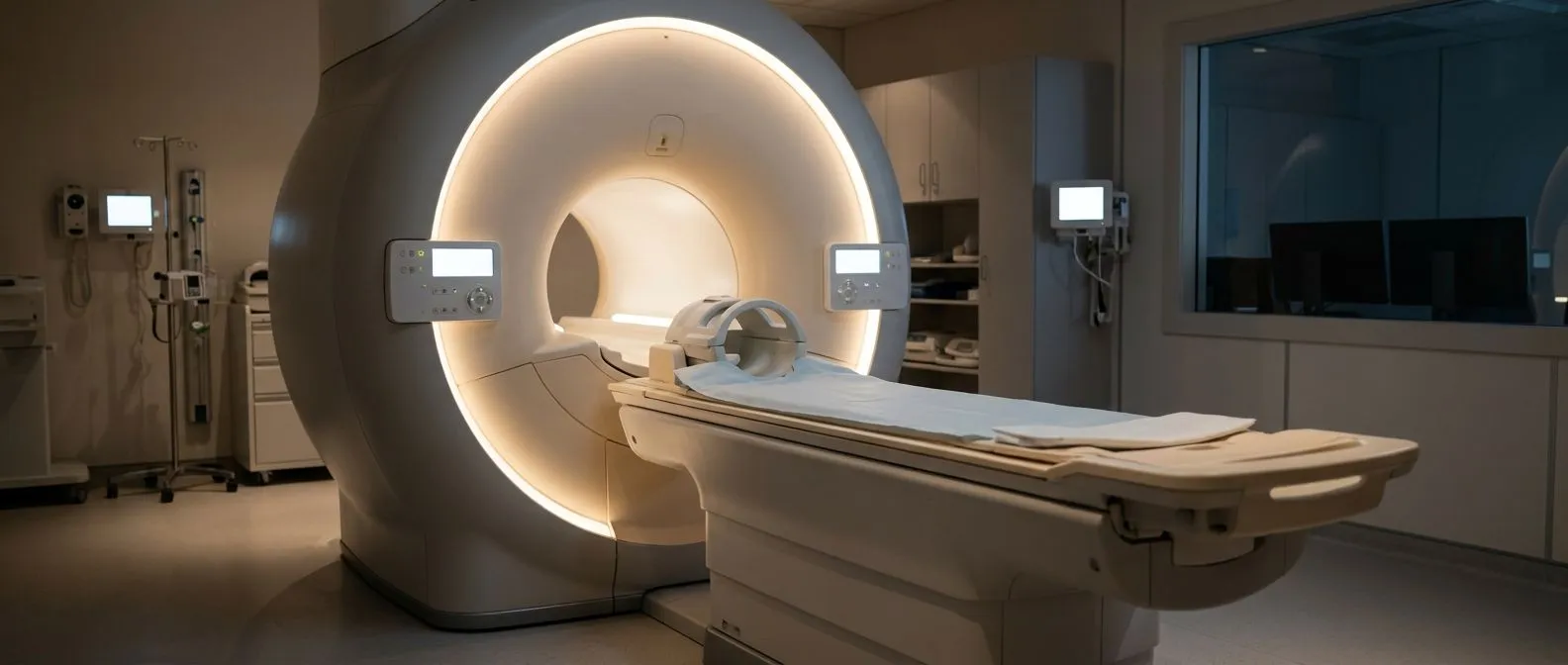
Factors that lengthen recovery: Reduced left ventricular function at diagnosis, the presence of arrhythmias such as atrial flutter (a rapid, organised electrical circuit in the atrium, the upper receiving chamber of the heart), and ongoing inflammation markers on blood tests all tend to extend the timeline. Your cardiologist will use echocardiography, blood tests for cardiac enzymes, and sometimes cardiac MRI to track whether the heart is healing as expected. According to WebMD, most people with mild myocarditis recover fully with supportive care, but the key is individualised assessment rather than a universal calendar.
It is also important to distinguish between feeling better and being fully healed. Fatigue may lift within two weeks, but the heart muscle may still be vulnerable to stress for considerably longer. This is why cardiologists often recommend a phased return to exercise — not because you are fragile, but because the margin between safe activity and re-injury is narrow during the healing window. We encourage patients to view the timeline as a series of milestones confirmed by testing, not as a date circled on a calendar.
Myocarditis Rest Guidelines for the Early Weeks
Myocarditis rest guidelines are straightforward in principle but require discipline in practice. During the first two to four weeks, the heart needs to be shielded from significant physical demand. This means avoiding heavy lifting, strenuous household tasks, long flights, and any exercise that raises your heart rate substantially. Walking around your home for short periods is generally fine, but the goal is to keep your effort level light enough that you could hold a conversation comfortably at all times.
What rest does and does not mean: Rest does not mean strict bed rest for weeks — prolonged immobility can increase the risk of blood clots and deconditioning. Instead, it means avoiding anything that makes your heart work harder than it would during light, everyday activities. You should sleep when tired, stay well hydrated, and avoid alcohol, which can depress heart function and interfere with healing. If you were taking medications such as Aspirin (a blood thinner and anti-inflammatory drug) or other agents prescribed during the acute phase, continue them exactly as directed and never stop abruptly without consulting your cardiologist.

Patients often ask whether they can work from home, care for children, or travel during this phase. Desk work that does not involve stress or long hours is usually acceptable. Caring for young children may need to be shared, especially tasks that involve lifting or carrying. Travel, particularly long-haul flights, is generally discouraged in the first few weeks because cabin pressure changes, dehydration, and difficulty accessing emergency care can add risk. When in doubt, the safest approach is to ask your cardiac team to clarify which specific activities are appropriate for your stage of recovery.
Myocarditis Recovery Symptoms to Watch For
Knowing which myocarditis recovery symptoms are expected and which are red flags is essential for every patient and family member. It is normal to feel easily fatigued, to notice occasional skipped beats, and to have reduced exercise tolerance for several weeks. These reflect the heart's ongoing healing and the body's gradual return to baseline. However, certain symptoms should prompt immediate medical attention, regardless of where you are in the recovery timeline.
Warning signs that need urgent evaluation: New or worsening chest pain, particularly pain that is pressure-like and radiates to the left arm, jaw, or back, should never be ignored — it could indicate recurrent inflammation or even an atypical infarction (a heart attack with unusual presentation). Syncope (fainting) or near-syncope, rapid irregular heartbeats that do not settle within a few minutes, and shortness of breath that appears at rest or wakes you from sleep are all signs that the heart may not be coping. If any of these occur, call emergency services or go to the nearest emergency department immediately. If you collapse and someone is with you, they should call emergency services and, if trained, use an automated external defibrillator (a portable device that can analyse heart rhythms and deliver a shock if needed) without delay.
Less urgent but still important symptoms include persistent swelling in the ankles or legs, unexplained weight gain of more than two kilograms over a few days, and a resting heart rate that is consistently much faster or slower than your cardiologist's advised range. These can suggest fluid retention or developing heart rhythm disturbances, both of which may require medication adjustment or further investigation. The principle is simple: when something feels wrong in a way that goes beyond ordinary fatigue, contact your cardiac team rather than waiting to see if it passes.
Myocarditis Recovery Heart Rate and Monitoring
Myocarditis recovery heart rate monitoring gives your cardiac team objective data about how your heart is responding to healing and to increasing activity. During the acute phase, resting heart rate is often elevated because the heart is working harder to compensate for inflamed muscle. As recovery progresses, resting rate typically trends downward, and heart rate variability — the natural fluctuation in timing between beats — tends to improve, signalling that the autonomic nervous system is regaining balance.

Using a wearable device during recovery: Many patients ask whether consumer heart rate monitors, smartwatches, or chest straps are useful. They can be helpful for tracking trends, but they are not diagnostic tools. A smartwatch that alerts you to an irregular rhythm can be a useful prompt to seek evaluation, but it cannot replace an electrocardiogram (a recording of the heart's electrical activity) interpreted by a cardiologist. If you use a wearable, share the data with your team and use it to stay within the heart rate ranges they recommend, not to self-diagnose arrhythmias. Remember that atrial flutter and other organised arrhythmias can be subtle on consumer devices.
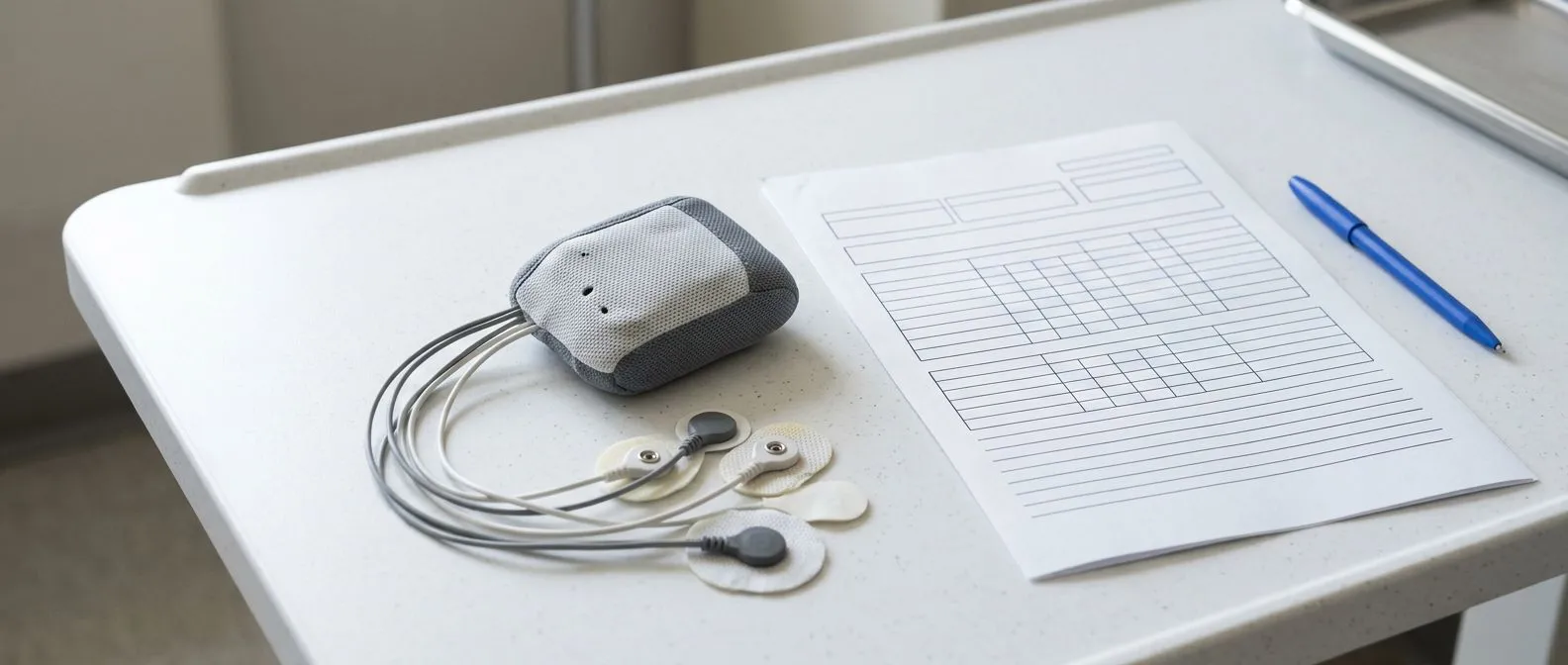
Your cardiologist may also recommend a Holter monitor, a portable device worn for 24 to 72 hours that continuously records every heartbeat, to check for intermittent arrhythmias that a brief in-office tracing might miss. This is especially common if you have reported palpitations or if the initial presentation included any rhythm disturbance. The results help your team decide whether medication adjustments are needed and whether it is safe to progress to the next phase of activity. Monitoring is not about creating anxiety — it is about ensuring that each step forward is taken with evidence that the heart is ready.
When to Start Myocarditis Recovery Exercise
The question of when to start myocarditis recovery exercise is one of the most important decisions in the entire healing journey, and it must always be guided by your cardiologist rather than self-assessed readiness. International guidelines generally recommend a minimum of three to six months of avoidance of competitive and high-intensity sport after myocarditis, even when symptoms have resolved. This conservative window exists because the heart muscle can remain electrically unstable even after it looks normal on imaging, and exercise-induced adrenaline can unmask dangerous rhythms.
The pre-exercise clearance process: Before you return to anything more vigorous than walking, your cardiologist will typically repeat an echocardiogram, an electrocardiogram, and often a symptom-limited exercise test (a treadmill or bicycle test in which you are monitored while your effort gradually increases). Blood tests may be repeated to confirm that inflammatory markers and cardiac enzymes have normalised. Only when all of these assessments confirm that heart function is normal, there is no residual inflammation, and no concerning arrhythmias have been detected will your team give the green light to begin a structured return. This process is designed to protect you, not to delay you unnecessarily.
When clearance is given, the return should be gradual and phased. A typical approach begins with light aerobic activity — such as walking or stationary cycling at low intensity — for short durations, with heart rate kept within a range set by your team. Over several weeks, intensity and duration increase, provided you remain symptom-free. Resistance training is reintroduced later and at lower loads than before. Competitive sport is the last milestone, often cleared at the six-month mark if all monitoring has remained normal. Pushing ahead of this plan is the single most common reason for setbacks in myocarditis recovery.
Myocarditis Rehabilitation Program: What to Expect
A myocarditis rehabilitation program, when recommended, provides supervised, structured support as you transition from rest to activity. Not every patient needs formal cardiac rehabilitation — those with mild cases and full spontaneous recovery may simply follow a guided home walking plan. But for patients who had reduced heart function, significant arrhythmias, or a prolonged acute phase, supervised rehabilitation offers safety, education, and confidence that is difficult to replicate alone.

What a cardiac rehab session involves: Sessions typically take place two to three times per week and include a warm-up, a period of aerobic exercise on a treadmill or stationary bike with continuous heart rhythm monitoring, and a cool-down with gentle stretching. A nurse or exercise physiologist supervises each session, adjusting intensity based on your prescribed heart rate range and watching for any symptoms or rhythm changes. Sessions also include education on medication management, nutrition, stress reduction, and recognising warning signs. This comprehensive approach addresses not just the heart but the whole person recovering from a frightening cardiac event.
Research continues to support the value of cardiovascular protection during and after myocarditis. For example, a study published in BMC Cardiovascular Disorders on rosuvastatin's cardioprotective effects demonstrated that statin therapy may help protect heart muscle cells from injury in inflammatory conditions, though this is an area of ongoing investigation. Your cardiologist will decide whether lipid-lowering medication is appropriate for you based on your full risk profile, not on myocarditis alone. Rehabilitation is the ideal setting to discuss these questions because the team can integrate medication decisions with your exercise progress and symptom feedback.
Myocarditis Follow-Up Care and Appointments
Myocarditis follow-up care is the framework that ties every element of recovery together. A typical schedule includes a clinic visit within one to two weeks of discharge, another at four to six weeks, and further visits at three and six months. At each appointment, your cardiologist will ask about symptoms, check your blood pressure and heart rate, perform auscultation (listening to the heart and lungs with a stethoscope), and usually repeat an electrocardiogram. Echocardiograms are typically repeated at the first follow-up and again at three to six months to confirm that pumping function has normalised or is improving as expected.
What your cardiologist is looking for over time: The goals of follow-up are to confirm healing, detect any residual inflammation or developing complications early, adjust medications, and clear you for each new phase of activity. Your team will watch for signs of dilated cardiomyopathy (a condition in which the heart's main pumping chamber becomes enlarged and weakened), persistent arrhythmias, and ongoing pericardial inflammation. Blood tests may include checks of inflammatory markers and, where relevant, apolipoprotein B (a protein component of LDL cholesterol that helps assess cardiovascular risk). Each data point helps your cardiologist build a picture of whether the heart is fully healing or whether additional treatment is needed.
The key is that no gap in monitoring goes unaddressed. If your appointment is delayed or you develop new symptoms between visits, do not wait — contact the clinic and describe what you are experiencing. Follow-up is not a formality; it is the safety net that catches problems before they become emergencies.
Myocarditis Recovery Lifestyle Changes That Help
Myocarditis recovery lifestyle changes do not need to be dramatic to be meaningful. The heart heals best when the overall cardiovascular environment is supportive, which means addressing the basics: nutrition, sleep, stress, alcohol, and tobacco. None of these will reverse myocarditis on their own, but each one reduces the workload on a heart that is already healing and lowers the risk of future cardiovascular events.

Practical changes that make a measurable difference:
- Anti-inflammatory eating: A diet rich in vegetables, fruit, whole grains, legumes, and lean protein supports vascular health and helps manage body weight during the reduced-activity phase.
- Sleep prioritisation: Aim for seven to nine hours per night. Sleep is when cardiac tissue repair and autonomic nervous system recovery are most active.
- Tobacco avoidance: Smoking and vaping increase inflammation, impair endothelial function, and raise arrhythmia risk — stopping is one of the most impactful changes you can make.
- Alcohol moderation: Alcohol can depress heart function and interact with medications. Discuss safe limits with your cardiologist rather than assuming a standard guideline applies.
- Stress management: Chronic stress elevates cortisol and adrenaline, both of which increase cardiac workload. Gentle breathing exercises, meditation, and professional support all have a role.
Beyond these fundamentals, maintaining a healthy weight and keeping other conditions such as hypertension and diabetes well controlled contributes to a smoother recovery. If you were previously sedentary, the gradual return to exercise that your cardiologist prescribes is an opportunity to build healthier habits for the long term rather than simply returning to your previous baseline. The aim is not just to recover from this episode but to emerge with a heart that is better supported for the decades ahead.
Myocarditis Recovery Prognosis and Long-Term Outlook
Myocarditis recovery prognosis is, for the majority of patients, reassuring. Most people with mild to moderate myocarditis recover fully, return to their previous level of activity, and do not develop long-term heart damage. The heart muscle heals, pumping function normalises, and the risk of recurrence is low — particularly when the trigger was a common viral infection and there is no underlying autoimmune or genetic condition. This is the most common outcome, and recovery plans are usually built around it.
When prognosis requires closer attention: A smaller proportion of patients — those who presented with significantly reduced ejection fraction, giant cell myocarditis (a rare but aggressive form requiring specialised treatment), or persistent arrhythmias — may need long-term medication and ongoing surveillance. Some develop dilated cardiomyopathy, which may require treatment with heart failure medications and, in rare cases, consideration of advanced therapies. Even in these situations, modern cardiac care offers effective options, and the goal shifts from full cure to optimal long-term management with the lowest risk achievable for your situation. There is no universal definition of a good outcome — it is always individual.
The long-term outlook also depends on what you do after the formal recovery period ends. Regular follow-up, adherence to prescribed medications, and a graduated return to fitness all contribute to durability. If you had myocarditis triggered by a viral illness, your team may advise seasonal vaccination and prompt attention to any febrile illness in the future. The heart that has healed from myocarditis is not inherently fragile, but it deserves the same ongoing care and attention that any vital organ warrants. We encourage every patient to maintain a relationship with a cardiologist even after recovery is complete, because cardiovascular health is a lifelong commitment, not a one-time event. If you have questions about your own situation, we invite you to book a consultation with our cardiac team so we can provide guidance tailored to your history, your imaging, and your goals.