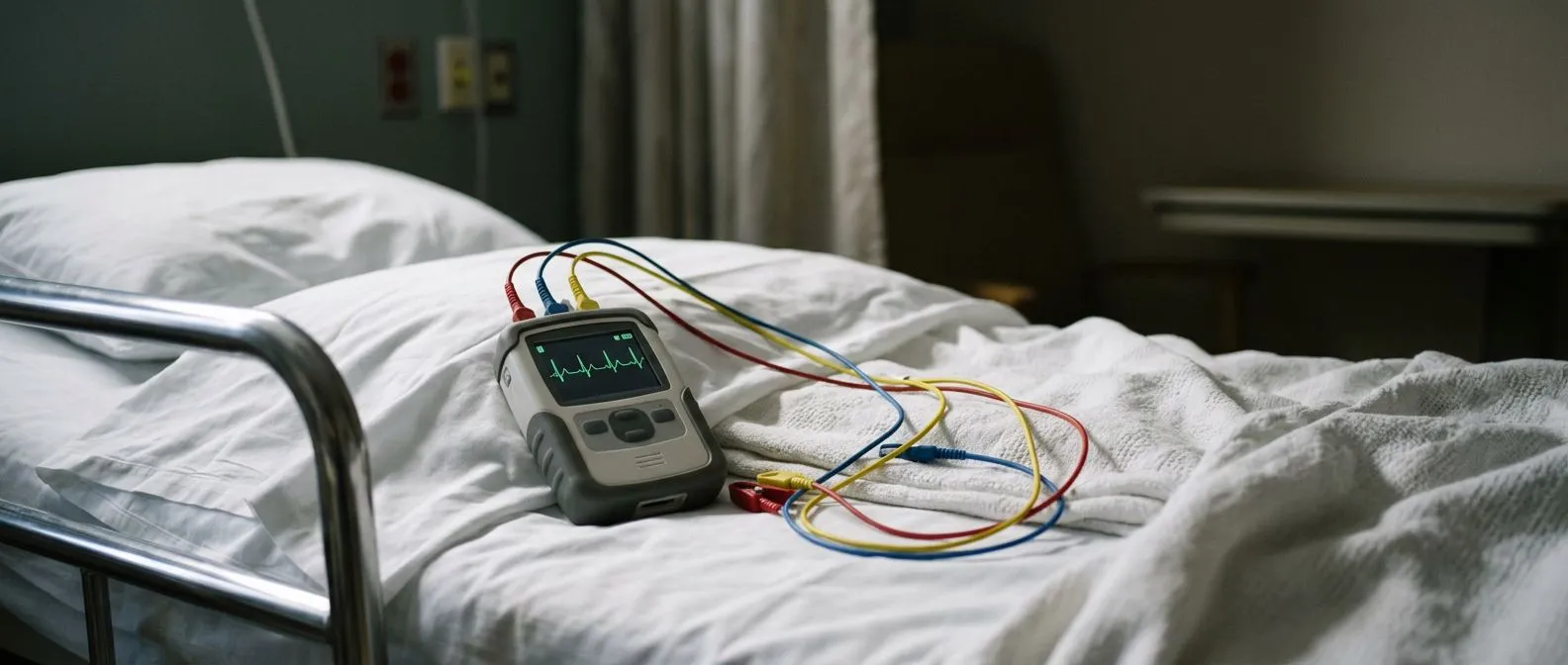
Myocardium Damage: How the Heart Muscle Heals
Understand how myocardium damage healing works, from cardiac repair to full recovery.
When you hear the words myocardium damage healing from your doctor, it is completely normal to feel overwhelmed. The myocardium is the thick, muscular layer of your heart responsible for pumping blood throughout your body. When this tissue is injured—whether from a blocked artery, severe stress, or an inherited condition—understanding how the heart muscle heals is the first step toward reclaiming your health. We will guide you through the realities of cardiac muscle regeneration, what to expect during recovery, and how modern medicine supports your heart as it mends.
What is Myocardium Damage?
Myocardium damage refers to an injury or death of the cells within the heart's muscular wall. This often occurs when blood flow to the heart is severely reduced or completely blocked, a condition known as a heart attack or myocardial infarction. Without oxygen-rich blood, the specialized cardiac muscle cells struggle to function and eventually die. According to National Center for Biotechnology Information, understanding the precise mechanism of this cellular injury is crucial for developing effective treatments.
Understanding the extent of the injury: The severity of the damage depends on how long the blood flow was interrupted and which area of the heart was affected. If the blockage occurs near the Ascending Aorta, the main artery carrying blood from the heart, it can cause widespread damage very quickly. Medical teams use specific blood tests and imaging to measure how much heart muscle has been affected.
It is important to realize that the heart is remarkably resilient, but it has limits. Unlike skin or liver cells, adult cardiac muscle cells do not divide easily to replace lost tissue. Instead, the body relies on a different process to stabilize the injured area, which we will explore in the next section. Knowing the exact nature of the injury helps your cardiology team design the safest, most effective recovery plan.
How the Heart Muscle Heals After Injury
When cardiac tissue is injured, the body immediately initiates a complex healing process. Instead of growing new muscle cells, the immune system clears away the dead tissue and replaces it with a thick, fibrous material known as scar tissue. This scar tissue holds the remaining healthy muscle together and prevents the heart wall from rupturing. While scar tissue provides vital structural support, it does not contract like healthy muscle, which can affect the heart's overall pumping efficiency over time.
The timeline of myocardial healing: The inflammatory phase begins almost immediately after the injury, lasting for several days. During this time, white blood cells flood the area to remove debris. Next, the proliferative phase begins, where specialized cells called fibroblasts produce collagen to form the scar. This active remodeling phase can take several weeks to months, gradually strengthening the heart wall.
Throughout this process, the remaining healthy heart muscle must work harder to compensate for the lost function. Medications are often prescribed to reduce the workload on the heart and prevent dangerous remodeling. If the damage has compromised heart valves, interventions like a Balloon Aortic Valvuloplasty might be considered to improve blood flow and ease the strain on the healing myocardium.
Myocardial Repair vs Cardiac Muscle Regeneration
Patients often ask if the heart can simply grow new muscle to replace what was lost. In reality, true cardiac muscle regeneration is very limited in adult humans. The healing we see is primarily myocardial repair—the formation of that structural scar tissue. Researchers are actively studying ways to stimulate heart muscle regeneration therapy, looking at stem cells and signaling proteins that might one day encourage the heart to heal itself with functional muscle rather than scar. A landmark study published on Transcatheter Aortic-Valve Implantation for Aortic Stenosis in Patients Who Cannot Undergo Surgery highlights how advanced interventions aim to preserve existing muscle function.
Why scar tissue is a mixed blessing: While scar tissue is not ideal for pumping blood, it is absolutely necessary for survival. Without it, the damaged heart wall would thin out and potentially rupture under the high pressures of the circulatory system. The body prioritizes immediate survival over perfect functional recovery. Your cardiac team's goal is to support the heart during this repair phase and maximize the efficiency of the remaining healthy muscle.
In some cases, if a large amount of muscle is replaced by scar, the heart's main pumping chamber (the left Atrium or ventricle) may become enlarged and weak. This condition is known as heart failure. Treatments focus on optimizing the heart's geometry and electrical stability, often utilizing medications that reduce stress on the heart walls and improve survival rates.
Recognizing Heart Muscle Damage Symptoms
Recognizing the signs of myocardium injury early can make a significant difference in outcomes. The most classic symptom is chest pain or pressure, but heart damage can present in many ways. Some patients experience Atypical Infarction, where the symptoms do not include the expected crushing chest pain but instead manifest as severe fatigue, shortness of breath, or indigestion. These atypical signs are more common in women, older adults, and people with diabetes.
Unexpected warning signs: Pain is not always confined to the chest. It can radiate to the jaw, neck, back, or down the left Arm. Pain in the arm combined with sudden nausea or lightheadedness should always be treated as a cardiac emergency until proven otherwise. If you or a loved one experiences these symptoms, immediate medical evaluation is critical to minimize permanent muscle damage.
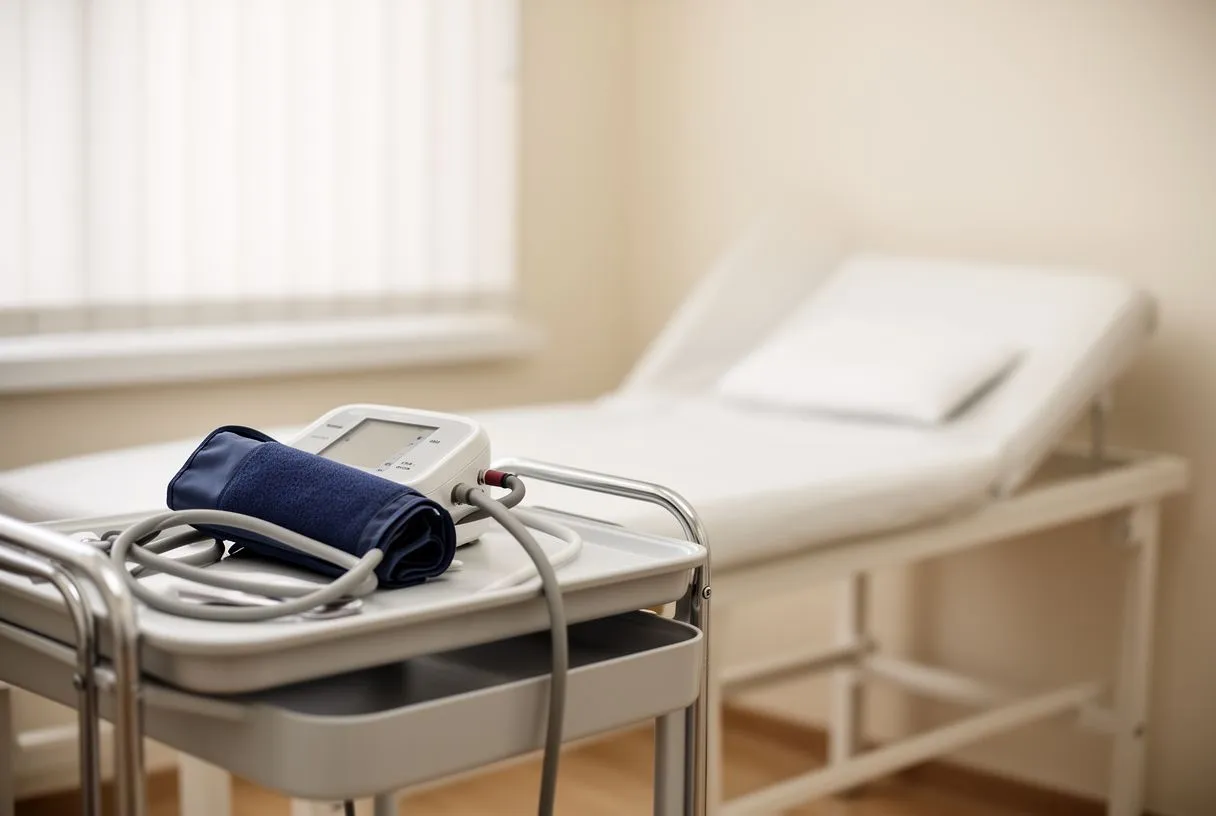
Doctors will perform a physical examination, which may include Auscultation (listening to the heart with a stethoscope) to detect new murmurs or irregular rhythms like Atrial Flutter. An electrocardiogram (ECG) and blood tests looking for specific cardiac enzymes will confirm if heart muscle is actively being damaged. Prompt treatment, such as Balloon Angioplasty to open a blocked artery, can restore blood flow and save heart muscle before irreversible scarring occurs.
Treatment Options for Myocardium Injury
Myocardium damage treatment options depend entirely on the underlying cause and the extent of the injury. If a blocked coronary artery caused the damage, the immediate goal is restoring blood flow. This is typically achieved through minimally invasive procedures like stenting or, in more severe cases, coronary artery bypass grafting using an Arterial Graft taken from another part of the body. These procedures ensure the surviving heart muscle receives the oxygen it needs to heal and function.
Supporting the healing heart: Once blood flow is restored, medical therapy takes center stage. Patients are usually prescribed a combination of medications to protect the heart. These often include beta-blockers to slow the heart rate and reduce its workload, ACE inhibitors to lower blood pressure and prevent harmful remodeling, and medications to prevent blood clots. Data from Heart Disease and Stroke Statistics—2013 Update underscores the critical role of these secondary prevention strategies in improving long-term outcomes.
If the muscle damage has severely weakened the heart or damaged the valves, more advanced interventions might be necessary. For severe valve leaks resulting from muscle injury, a surgeon might replace the valve with a mechanical or biological Autograft. In critical situations where the heart cannot sustain circulation on its own, temporary support like Awake ECMO (Extracorporeal Membrane Oxygenation) can be used to rest the heart and lungs while the tissue recovers.
- Restoring flow: Angioplasty or bypass surgery to supply oxygen to threatened muscle.
- Medical therapy: Beta-blockers and ACE inhibitors to reduce heart strain and prevent remodeling.
- Advanced support: Mechanical circulatory support to rest the heart during critical healing.
Cardiac Rehabilitation After Injury
Cardiac rehabilitation after injury is a medically supervised program designed to help you recover safely and prevent future heart problems. It is a crucial bridge between acute treatment and returning to your normal daily life. The program typically includes monitored exercise, education on heart-healthy living, and counseling to help you cope with the emotional stress of heart disease. This structured approach ensures your heart muscle heals properly without being overworked.
The benefits of supervised exercise: Exercise is introduced gradually, starting with low-intensity walking and slowly progressing as your heart adapts and strengthens. Your heart rate and rhythm are continuously monitored by clinical staff to ensure the activity is safe for your specific level of healing. This careful progression builds cardiovascular fitness and improves the efficiency of the remaining healthy heart muscle.

Rehabilitation also focuses on managing risk factors that contributed to the initial injury. This includes nutritional counseling to lower cholesterol, managing diabetes, and quitting smoking. Patients learn about the importance of medications like Aspirin for preventing future clots, or specialized drugs used in trials like ARISTOTLE for maintaining safe heart rhythms. By addressing these factors, rehabilitation drastically lowers the risk of a second cardiac event.
Myocardium Recovery After Surgery
If your myocardium damage required surgical intervention, the recovery process will be more intensive. Whether you underwent a coronary bypass or a valve replacement, the heart needs time to heal from the trauma of surgery itself. Immediately after the operation, you will spend time in the intensive care unit where your vital signs are closely watched, and lines like an Arterial Cannula or Arterial Line will monitor your blood pressure continuously.
What to expect in the first weeks: The initial weeks at home are focused on resting and allowing the sternum (breastbone) and heart tissue to heal. You will likely feel fatigued and may experience some discomfort at the incision sites. It is completely normal to have good days and bad days during this phase. Your surgical team will provide strict guidelines on lifting restrictions, wound care, and when it is safe to shower or drive.
During this time, your body is using its own reserves to repair tissues. In some cardiac procedures, doctors use Autologous Blood (the patient's own blood) to aid in healing and reduce the risk of infection. Patience is essential during this phase; pushing yourself too hard can delay myocardium recovery after surgery and risk complications. Following your surgeon's instructions exactly ensures the best possible foundation for your long-term heart health.
Lifestyle Changes for Heart Muscle Healing
Long-term heart muscle healing relies heavily on the lifestyle choices you make every day. Medications and surgeries fix the immediate problems, but lifestyle changes address the root causes of the disease. Adopting a heart-healthy diet, such as the Mediterranean diet, helps reduce inflammation and prevents the buildup of Atheromatous Plaque in your arteries. This plaque, driven by particles like Apolipoprotein B, is what blocks arteries and causes heart attacks in the first place.
Daily habits that protect your heart: Beyond diet, managing stress and ensuring adequate sleep are vital components of recovery. Chronic stress raises blood pressure and heart rate, demanding more work from a heart that is still healing. Simple practices like deep breathing, meditation, or gentle yoga can calm the nervous system. Quitting smoking is the single most impactful change you can make, as smoking damages blood vessels and reduces the oxygen available to your healing heart muscle.
Regular, moderate physical activity is also essential, but it must be tailored to your specific condition. If you have an irregular heart rhythm, your doctor might advise against sudden, high-intensity exercises. In emergencies outside the hospital, bystanders might use an Automated External Defibrillator to restart a stalled heart, but prevention is always better than rescue. Consistent, moderate movement keeps blood flowing and supports the heart's gradual adaptation to its new baseline.
- Eat anti-inflammatory foods: Focus on vegetables, lean proteins, and healthy fats to reduce cardiac stress.
- Stop smoking: Eliminating tobacco directly reduces artery damage and improves blood oxygen levels.
- Manage stress and sleep: Prioritize 7-9 hours of rest and practice daily relaxation techniques.
When to Seek Help for Cardiac Tissue Recovery
While heart muscle healing follows a predictable path, complications can arise. Knowing when to seek help for cardiac tissue recovery can be life-saving. If you experience a return of chest pain, shortness of breath that worsens when lying down, or sudden swelling in your legs and ankles, you should contact your cardiologist immediately. These could be signs that the heart is struggling to pump effectively, a condition known as heart failure.
Recognizing dangerous rhythm changes: Sometimes, the scar tissue from myocardium damage disrupts the heart's electrical system. You might feel palpitations, a racing heart, or dizzy spells. Some patients may benefit from an implantable device like a Balloon-expandable Valve replacement or a pacemaker to stabilize these electrical pathways. Never ignore sudden dizziness or fainting, as these indicate the brain is not receiving enough blood from the heart.
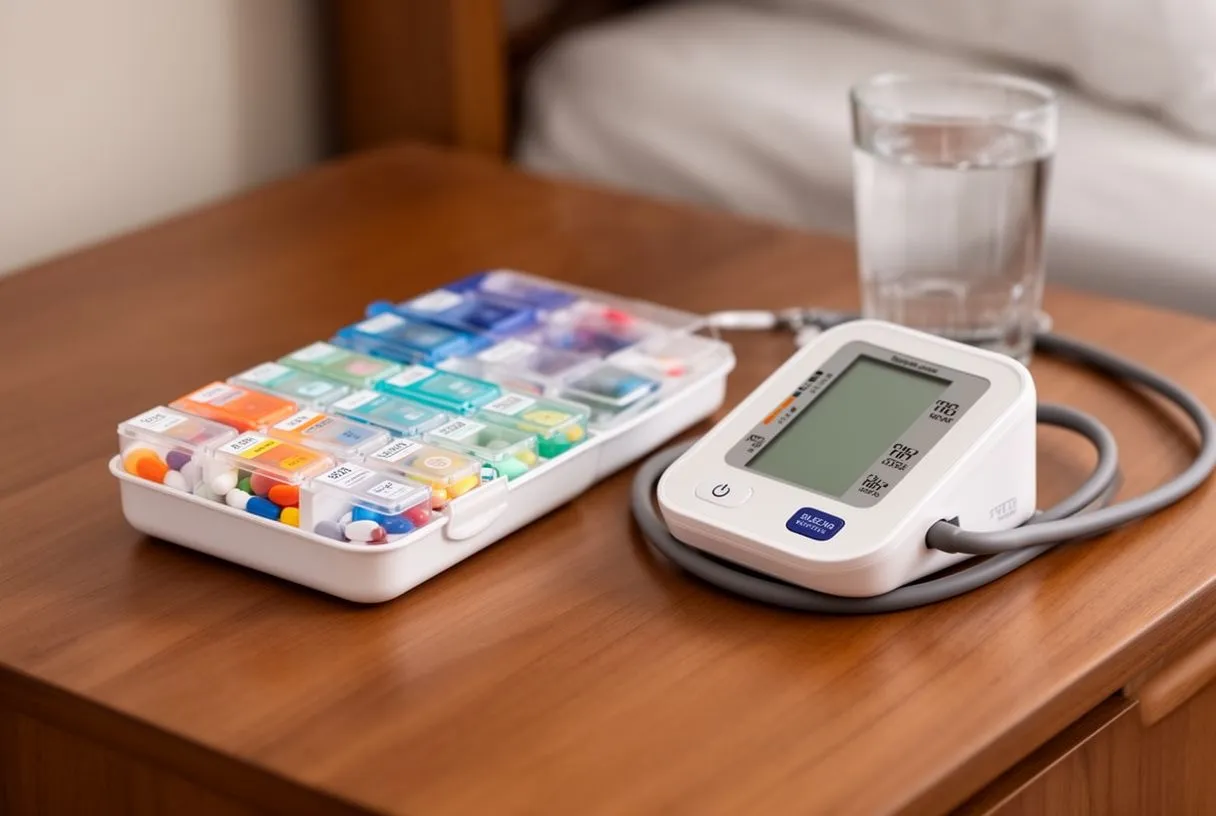
It is also crucial to monitor for signs of infection if you have recently had surgery. Redness, swelling, or discharge from your chest incision, accompanied by a fever, requires immediate medical attention. If you notice these symptoms, contact your healthcare team promptly. Prompt intervention ensures that minor setbacks do not turn into major roadblocks in your recovery.
Long-Term Outlook After Myocardial Healing
The long-term outlook after myocardial healing is generally positive for patients who adhere to their treatment plans and lifestyle changes. While the heart may not function exactly as it did before the injury, many people live full, active lives with a modified heart. The key is understanding your new baseline and respecting your heart's limits. Regular follow-up appointments with your cardiologist will track your heart's pumping function and adjust medications as needed.
Living well with a healed heart: You will likely find that your quality of life improves significantly once you commit to your cardiac rehabilitation program. The fatigue that accompanied heart damage gradually lessens as the heart becomes more efficient. Many patients return to work, hobbies, and travel, provided they maintain their heart-healthy habits. The journey requires ongoing commitment, but the reward is a stable and predictable cardiac future.
Ultimately, your heart's story does not end with the injury; it begins a new chapter of careful management and resilience. If you or a loved one are navigating the complexities of myocardium damage healing, we encourage you to discuss your specific situation with a qualified cardiac team. Our specialists in Mexico are here to provide the expert, empathetic care you need. Book a consultation today to create a personalized recovery plan rather than navigating this journey alone.