
Palliative Care in Heart Disease: Comfort and Choices
Palliative care heart disease improves quality of life and reduces symptoms.
Palliative care heart disease is about living as well as possible for as long as possible. It is not giving up. It is adding a layer of specialized support to your cardiac treatment so that breathlessness, fatigue, anxiety, and pain do not dominate your days. Whether you are managing stable chronic heart failure, recovering from Cleveland Clinic-recognized procedures like Aortic Aneurysm Repair, or facing more advanced illness, palliative care meets you where you are.
What Is Palliative Care in Heart Disease?
Defining palliative care in plain language: Palliative care is specialized medical care for people living with serious illness. In cardiology, it focuses on relieving symptoms, reducing stress, and improving quality of life for both patients and families. It runs alongside curative treatments—you do not have to choose between fixing your heart and feeling comfortable. A palliative team works with your cardiologist, cardiac surgeon, and primary doctor.
The heart's job is to pump oxygen-rich blood to every organ. When disease weakens this pump—whether through coronary artery blockages, valve problems, or heart muscle failure—the entire body suffers. Shortness of breath, fluid buildup causing Ankle Swelling, persistent cough, and crushing fatigue become daily realities. Palliative care heart disease addresses these burdens directly, using medications, breathing techniques, psychological support, and careful advance planning.
Importantly, palliative care is not limited to elderly patients or those at the very end of life. Younger adults with congenital heart conditions, people awaiting major surgery, and individuals with repeated hospitalizations all benefit. The goal is aligning treatment with what matters most to you—whether that means more time at home, continued work, or specific family milestones.

How Palliative Care Differs From Hospice Care
Understanding the timeline distinction: Hospice care begins when treatment aimed at curing disease stops and life expectancy is limited, typically months. Palliative care can start at diagnosis, continue through chemotherapy, surgery, device implantation, and remain active for years. Many patients receiving palliative care also undergo procedures like Aortic Arch Replacement or receive Antiplatelet Therapy.
Confusion between these two services causes harm. Families sometimes refuse palliative support because they believe it signals imminent death. In reality, early palliative involvement often leads to longer survival and fewer emergency room visits. Research published in The Lancet on comprehensive patient support demonstrates how integrated care models improve outcomes across serious illnesses.
Both hospice and palliative care share core values: expert symptom management, emotional and spiritual support, and family-centered communication. The difference lies in timing and treatment goals, not in philosophy or compassion. Your cardiac team can help determine when a shift toward hospice-appropriate care becomes right for your situation—this is never a sudden abandonment but a gradual, discussed transition.
When Should Palliative Care for Cardiac Patients Begin?
Recognizing the right moment for referral: Major cardiology societies now recommend early palliative care consultation for anyone with symptomatic heart failure, particularly after repeated hospitalizations or declining function. If climbing stairs leaves you gasping, if sleep comes only propped upright, or if hospital stays are increasing, these are signals—not failures—to seek additional support.
Specific triggers deserve attention: difficulty managing complex medication regimens, uncertainly about device therapy (pacemakers, defibrillators), or questions about whether further procedures align with personal values. Patients facing decisions about Aortic Diameter monitoring progression, considering Aortic dissection: a true cardiovascular emergency interventions, or managing Anticoagulation with warfarin benefit from clarified goals. Palliative specialists help navigate these crossroads without rushing choices.
Ideally, palliative care enters before crisis. A first conversation might happen during a stable clinic visit, when minds are clear and options feel spacious rather than forced. This allows time to explore what "quality of life" truly means for you—perhaps gardening without exhaustion, attending grandchildren's events, or simply peaceful evenings at home. Starting early also builds trusting relationships with the palliative team before urgent decisions arise.

Palliative Care Heart Failure Symptoms and Relief
Treating breathlessness, the dominant fear:Dyspnea—air hunger—ranks as the most distressing heart failure symptom. Palliative care addresses it through multiple avenues: low-dose opioids carefully titrated to reduce the sensation of breathlessness without sedating, fans directing cool air across the face which triggers reflexive breathing ease, positioning techniques, and anxiety management. For fluid overload causing pulmonary congestion, diuretic adjustments balance relief with kidney protection.
Fatigue in heart failure differs from ordinary tiredness. It is a bone-deep exhaustion unrelieved by rest, limiting basic self-care. Palliative approaches include energy conservation strategies—planning activities in brief bursts, using assistive devices, and prioritizing what matters most. Treating Anemia (low blood count, spelled as Anaemia in some clinical contexts) when present can provide meaningful improvement. Depression screening matters too; fatigue and mood disorders intertwine profoundly in cardiac illness.
Pain receives less attention in heart disease than in cancer, yet it is common and undertreated. Chest discomfort, musculoskeletal strain from chronic cough, and neuropathic pain from limited mobility all respond to tailored analgesia. Non-drug approaches—gentle massage, heat therapy, relaxation training—complement medications. The palliative team coordinates with cardiology to ensure pain relief never dangerously lowers blood pressure or masks important warning symptoms.
Types of Palliative Cardiology Options Available
Structured support across settings: Palliative cardiology options vary in intensity and location. Outpatient clinics provide periodic symptom assessment and medication management. Home-based palliative care brings nursing and social work support to your residence—crucial when travel grows difficult. Hospital palliative teams consult during admissions, helping with difficult transitions. Some programs offer day hospices combining medical oversight with activities and peer connection.
Specific interventions include:
- Medication optimization: Balancing heart-protective drugs with comfort-focused adjustments, managing drug interactions including those with Amiodarone for rhythm control
- Advanced symptom protocols: Standing orders for breakthrough breathlessness, nausea, or anxiety with clear instructions for caregivers
- Advance care planning: Documented preferences about resuscitation, hospitalization, and device deactivation
- Family meetings: Structured conversations with medical teams, interpreters when needed, and written summaries
Device management represents a growing palliative cardiology frontier. Implantable cardioverter-defibrillators (ICDs) shock dangerous rhythms but may deliver painful, futile jolts in end-stage disease. Palliative specialists facilitate discussions about deactivation—an ethically appropriate choice that does not constitute euthanasia—ensuring patient autonomy and comfort. Similarly, left ventricular assist devices (LVADs) require explicit planning for complications, battery failure, and eventual goals.
Heart Disease Comfort Care at Home vs. Hospital
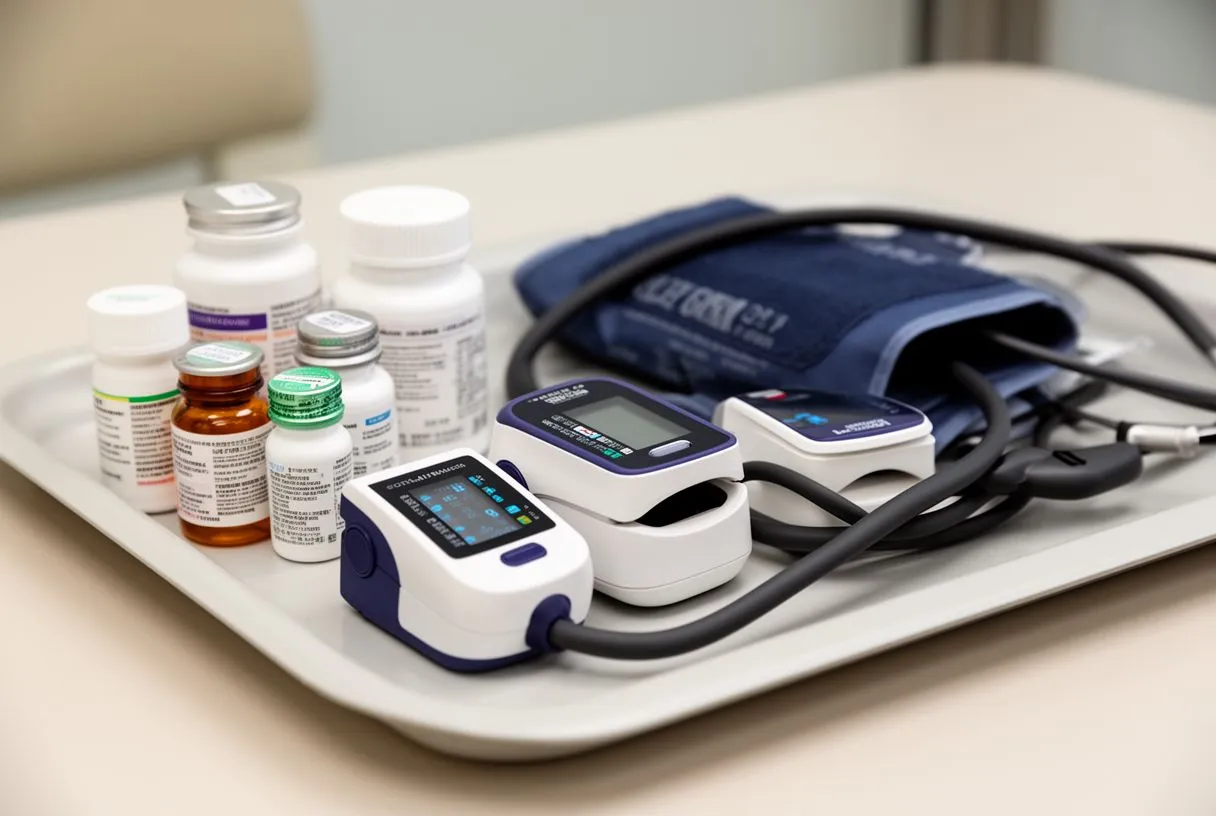
Evaluating where care feels safest: Most people prefer dying at home, yet heart failure patients disproportionately die in hospitals. This gap reflects the unpredictable, episodic nature of cardiac decompensation—sudden breathlessness triggers emergency calls and ambulance transport. Palliative care heart disease programs work to anticipate crises, providing 24-hour telephone support, emergency medication kits, and rapid-response nursing visits that can avert hospitalization.
Home comfort care requires infrastructure: reliable caregivers, adequate living space, emergency access, and caregiver respite. Palliative teams assess these practically, not judgmentally. They arrange durable medical equipment (hospital beds, oxygen concentrators), coordinate with community services, and train families in symptom recognition. For patients with complex needs—say, recent Aortic Cross-clamp surgery recovery or post-Aortic Arch Replacement monitoring—transitional care programs bridge hospital and home.
Hospital admission remains appropriate for some situations: unrelieved severe symptoms, new confusion suggesting dangerous blood chemistry imbalances, or caregiver exhaustion requiring temporary replacement. The palliative approach in hospital settings emphasizes comfort-focused units when available, clear communication about prognosis, and avoiding intensive care when burdens outweigh benefits. Each admission becomes an opportunity to revisit goals rather than automatically pursuing maximal intervention.
Heart Disease Quality of Life Goals and Family Support
Defining "quality of life" personally: This phrase risks becoming meaningless through overuse. Palliative care makes it concrete by asking: What activities bring you joy? What abilities would you most hate losing? What trade-offs feel acceptable? For one patient, quality means continuing to cook family meals despite needing frequent rests. For another, it means lucid conversation unclouded by medication side effects. These visions legitimately differ and deserve respect.
Family members experience parallel suffering—anxiety watching a loved one struggle, grief for anticipated loss, financial strain, and disrupted roles. Palliative care extends to this circle through structured caregiver support, bereavement risk assessment, and practical assistance. Respite care provides temporary relief for exhausted partners. Support groups connect families facing similar cardiac journeys. Financial counseling addresses the reality that heart disease imposes substantial costs even in systems with universal coverage.
Spiritual care, often overlooked in medical models, addresses existential questions that emerge with serious illness: meaning, regret, hope, and legacy. Chaplains or spiritual counselors meet patients of any faith tradition or none, creating space for these conversations without imposing answers. This dimension proves particularly important when cardiac limitation forces premature retirement, altered family dynamics, or re-evaluation of life priorities. Data from The Lancet's Global Burden of Disease Study 2015 underscores how chronic cardiovascular conditions contribute substantially to global disability, making psychosocial support not optional but essential.

Advanced Heart Disease Management and Treatment Decisions
Navigating the "what if" scenarios: Advanced heart disease management requires confronting possibilities many prefer to avoid. What if cardiac arrest occurs at home? What if breathing becomes dependent on machine support? What if the only remaining option is repeated hospitalization with diminishing returns? Palliative specialists facilitate these discussions without forcing premature closure, allowing patients and families to arrive at authentic decisions.
Specific cardiac decisions include:
- Inotrope therapy: Continuous intravenous medications supporting heart contraction can enable home discharge but require indwelling lines and carry infection risk—appropriate for some, burdensome for others
- Mechanical circulatory support: LVADs as destination therapy offer extended survival with significant lifestyle transformation; candidacy assessment includes psychosocial readiness
- Transplant consideration: Even evaluation for heart transplant, with its rigorous demands, benefits from parallel palliative planning should listing prove impossible or organs remain unavailable
- Escalation boundaries: Explicit agreements about when intensive care transfer, intubation, or CPR would cease to serve patient-defined goals
Procedural decisions also arise. A patient with declining function may question whether to pursue further interventions like Aortic Insufficiency valve repair, Annuloplasty Ring placement with associated Annulus Sizing considerations, or repeat catheterization. The palliative perspective contributes by clarating likely functional outcomes rather than merely technical success rates. Survival statistics without quality-of-life context mislead; what matters is living in ways you value.
Palliative Care Heart Disease Communication With Your Medical Team
Building effective partnerships across specialties: Cardiac care involves multiple providers—general cardiologists, interventionalists, electrophysiologists, surgeons, and primary physicians—each with distinct expertise and sometimes competing recommendations. Palliative care serves as communication bridge, ensuring all voices align with patient priorities. Regular team meetings, shared documentation, and designated care coordinators prevent fragmented, contradictory guidance.
Questions patients and families should feel empowered to ask: What would happen if we chose not to pursue this procedure? How will this treatment affect daily functioning in the short and medium term? What is the plan if this intervention fails? Are there simpler alternatives that honor my goals? When providers resist or deflect these questions, palliative advocates can reframe them constructively, preserving therapeutic relationships while securing needed information.
Language and cultural barriers compound communication challenges, particularly for Spanish-speaking patients in regions like Guadalajara seeking care with international exposure. Palliative teams arrange professional interpretation, never relying on family members for complex medical translation. They adapt communication to health literacy levels, checking understanding through teach-back methods. Written summaries in preferred languages supplement verbal discussions, ensuring decisions made in emotion-laden moments can be reviewed with clarity later.
Palliative Heart Disease Guadalajara: Next Steps and Consultation
Palliative care heart disease represents not abandonment but enlargement of your care team. It acknowledges what cardiology alone sometimes neglects: that the person with the failing heart remains a whole person with relationships, hopes, and fears deserving attention. Whether you are early in your cardiac journey or facing advanced illness, integrating palliative support early improves symptoms, reduces crises, and helps ensure your treatment matches your values.
The cardiac surgery team at Cirugía de Corazón sees patients in Guadalajara, Querétaro, and Hermosillo, with surgical expertise spanning procedures from Aortic Regurgitation repair to complex Aortic Arch operations with Antegrade Cerebral Perfusion protection. We understand that technical excellence in the operating room achieves its purpose only when it serves a life worth living afterward.
Every heart disease trajectory differs. Some patients pursue aggressive interventions including Annual Echocardiogram surveillance and Antibiotic Prophylaxis for valve-related infection prevention; others emphasize comfort as primary goal. Neither path is wrong when chosen with understanding and support. We encourage you to discuss your specific situation with a qualified cardiac team rather than self-diagnose or navigate these decisions alone. A consultation allows exploration of how palliative cardiology might complement your current care, whatever your stage or prognosis. Contact our team to arrange a conversation tailored to your circumstances and concerns.