Pallor and Heart Disease: When Pale Skin Is a Warning
Pallor heart disease may show first on your skin.
Most people notice pale skin in the mirror and think about fatigue, low iron, or a poor night's sleep. Sometimes that is exactly right. But pallor — the word doctors use for unusual lightness of the skin and inner eyelids — can also be one of the earliest visible signs of pallor heart disease, when the heart is not pumping enough blood to the surface of the body. This guide explains what pallor is, how it connects to cardiovascular problems, and when pale skin deserves a cardiology evaluation rather than a simple blood test. The goal is calm, practical understanding: pale skin alone is rarely an emergency, but combined with other symptoms it can point to something that should never be ignored.
What Is Pallor and Why Does It Happen?
Pallor is an abnormal loss of normal skin color, seen most reliably in places where blood vessels sit close to the surface: the inner eyelids, the lining of the lips, the palms, and the nail beds. It happens for two basic reasons. Either there is less hemoglobin — the red pigment in blood that carries oxygen — or there is less blood actually reaching the skin.
Reduced blood flow to the skin: the body is remarkably good at prioritizing. When the heart's output drops or blood vessels tighten to preserve flow to vital organs, the skin is one of the first areas to be cut back. That reduced circulation drains color from the face and hands. This is the mechanism that links pallor heart disease together — the skin simply reflects what the circulation is doing.
Lower oxygen content in the blood: conditions such as anemia reduce the blood's capacity to carry oxygen, and the skin can look washed out even when the heart is pumping normally. Doctors distinguish between these causes using a simple physical exam, because pallor from anemia shows in the eyelids and gums while pallor from poor circulation often comes with cool skin and weak pulses.
What Does Pallor Suggest About Your Heart?
When a clinician sees persistent pallor, the question is not "is the skin pale?" but "why is the blood not coloring it?" Cardiovascular causes sit alongside anemia, dehydration, and anxiety on the list of explanations. The heart-related ones share a common thread: blood is either not being pumped with enough force, is being obstructed by a damaged valve, or is being diverted away from the skin.
Conditions behind cardiac pallor: advanced heart failure reduces overall output. Severe Valvular Heart Disease — narrowing or leaking of the heart's valves — can lower effective circulation over years. A heart attack sharply cuts pumping power. Congenital Heart Disease, present from birth, can change how blood is routed through the heart and lungs. Each of these can show up on the skin before a patient ever connects the dots.
It matters because cardiovascular disease remains the leading cause of death worldwide, a burden tracked in detail by large-scale studies such as the Global, Regional, and National Burden of Cardiovascular Diseases for 10 Causes, 1990 to 2015. Visible signs like pallor are not a diagnosis, but they are one of the few warning lights a person can actually see. A careful examination often includes the eyelids, palms and nail beds — small observations that can open the whole conversation.
Pallor Heart Disease Symptoms That Appear on the Skin
Pale complexion circulation issues rarely travel alone. When the skin color change comes from the heart rather than from low iron, it usually arrives with company. Recognizing the pattern matters more than noticing any single sign.
- Pallor plus shortness of breath: pale skin shortness of breath heart complaints together suggest the circulation is under strain, especially if breathlessness appears with mild effort like climbing a short flight of stairs.
- Cool, clammy, sometimes grayish skin: the body redirects blood away from the periphery; the skin feels cold and may take on a waxy or ashen tone rather than a simple light pink.
- Chest discomfort, palpitations, or fatigue with exertion: pale skin chest pain warning patterns are the combination that should never be brushed off as tiredness.
Some patients also develop a bluish tint around the lips or fingertips, called cyanosis, which signals low oxygen in the blood itself. Others notice swelling in the ankles, a sign that the heart is struggling to keep fluid moving. Skin color heart failure connections like these develop gradually, which is why people often adapt to them without realizing how much they have changed.

Pale Skin Heart Problem or Something Else?
The honest answer is that pallor is a clue, never a verdict. The most common cause of a pale complexion worldwide is anemia — low hemoglobin — which has dozens of explanations of its own, from iron deficiency to chronic conditions such as Chronic Kidney Disease, which reduces the hormone signals that drive red blood cell production.
Anemia and the heart overlap: pallor anemia cardiac questions are common because the two interact. A long-standing anemia makes the heart work harder, and in people with existing Coronary Artery Disease or Ischaemic Heart Disease, that extra workload can unmask or worsen cardiac symptoms. Conversely, chronic illness can suppress both blood production and circulation at once.
Benign explanations matter too: hereditary fair complexion, low sun exposure, and even stress can make skin look paler without any disease at all. That is why the pallor differential diagnosis cardiac evaluation always starts simple — a blood count, a careful history, a physical exam — before anything invasive is considered. A single glance at the mirror cannot separate these causes; a stethoscope and a blood test usually can.
Why Am I So Pale but Not Anemic?
This is one of the most frequent questions patients bring, and it deserves a straight answer. If blood tests show normal hemoglobin, the explanation usually lies in how blood moves and distributes, rather than in what the blood carries.
Circulation and vessel tone: low blood pressure, dehydration, certain medications, and Raynaud-like vessel spasm all reduce flow to the skin while leaving the blood count untouched. So can a heart that is pumping less efficiently than it should — a quiet valve problem, a weakened pumping chamber, or an arrhythmia that comes and goes. People also ask why they look "sickly" or washed out in general; chronic poor sleep, stress and inactivity blunt the tiny skin flushes that give the face its color, and the effect can be remarkably convincing.
The practical takeaway: pallor with a normal blood count that persists, or that comes with breathlessness or palpitations, deserves a cardiac look rather than dismissal. We tell patients in that situation that the blood test ruled out one common cause, not all of them — and that ruling things out calmly is exactly what a structured evaluation is for.
Sudden Paleness, Heart Attack: When to Act Fast
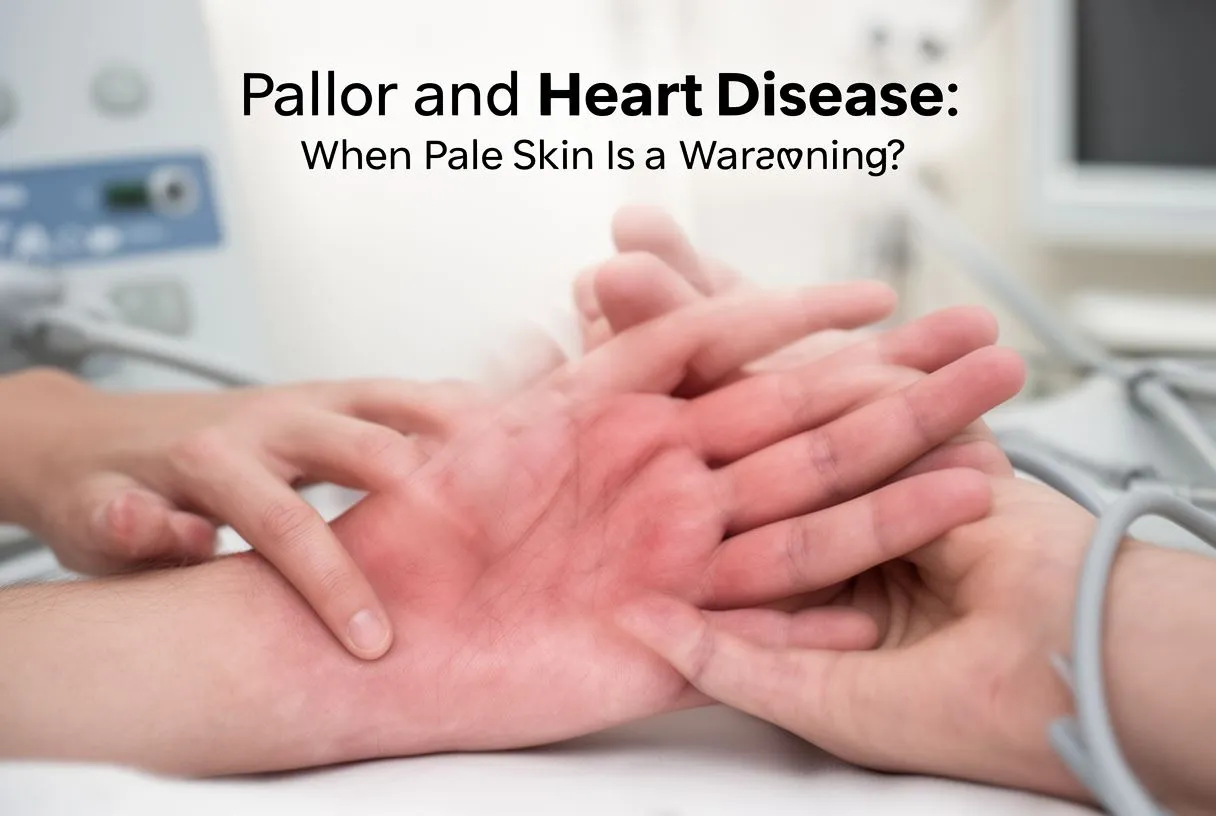
Gradual pallor invites a scheduled checkup. Sudden pallor is different. When a person turns markedly pale within minutes — especially with cold sweat, nausea, chest pressure, or sudden shortness of breath — the body may be responding to an acute drop in blood flow, and sudden pallor emergency heart presentations like this are treated as possible cardiac events until proven otherwise.
This is not a reason for panic, but it is a reason for speed. During a heart attack, blood pressure can fall quickly, vessels clamp down to protect the brain and core organs, and the skin is the visible loser. The pattern of pallor plus chest discomfort plus cold sweat is among the most recognized outward signatures of a cardiac emergency.
If this happens to you or someone near you, seek emergency care immediately — call local emergency services rather than driving yourself. Minutes matter, and modern emergency systems are built around that fact. In our team's experience, the patients who fare best are rarely the ones who waited for certainty; they are the ones who let the emergency system do its job early.
Skin Color Heart Failure: What Low Output Looks Like
Heart failure means the heart cannot pump blood the way the body needs. In its advanced stages, the reduced output shows on the surface: pale or mottled skin, cool hands and feet, and sometimes a dusky tint after minimal activity. The mechanism is the one described earlier — the body rations circulation, and the skin accepts the cut first.
Other visible companions: swelling of the legs and abdomen from retained fluid, breathlessness when lying flat, and unexplained weight gain from water retention. These signs together form a recognizable picture that cardiologists read as "low output with congestion," which is the working definition of heart failure in clinical practice.
It is worth knowing that heart failure is a chronic condition that can be managed well. Medications, device therapy, and in selected patients surgical or transcatheter interventions can meaningfully improve both survival and day-to-day quality of life. Pale skin in this context is information, not a sentence — it tells the care team how the circulation is coping and whether treatment needs adjusting.
Pallor vs Normal Skin: How to Tell the Difference
Pallor vs normal skin heart distinction sounds abstract until you know where to look. Skin on the face and arms varies enormously between people and changes with temperature, emotion, and light — it is a poor place to judge. Clinicians use fixed reference points instead.
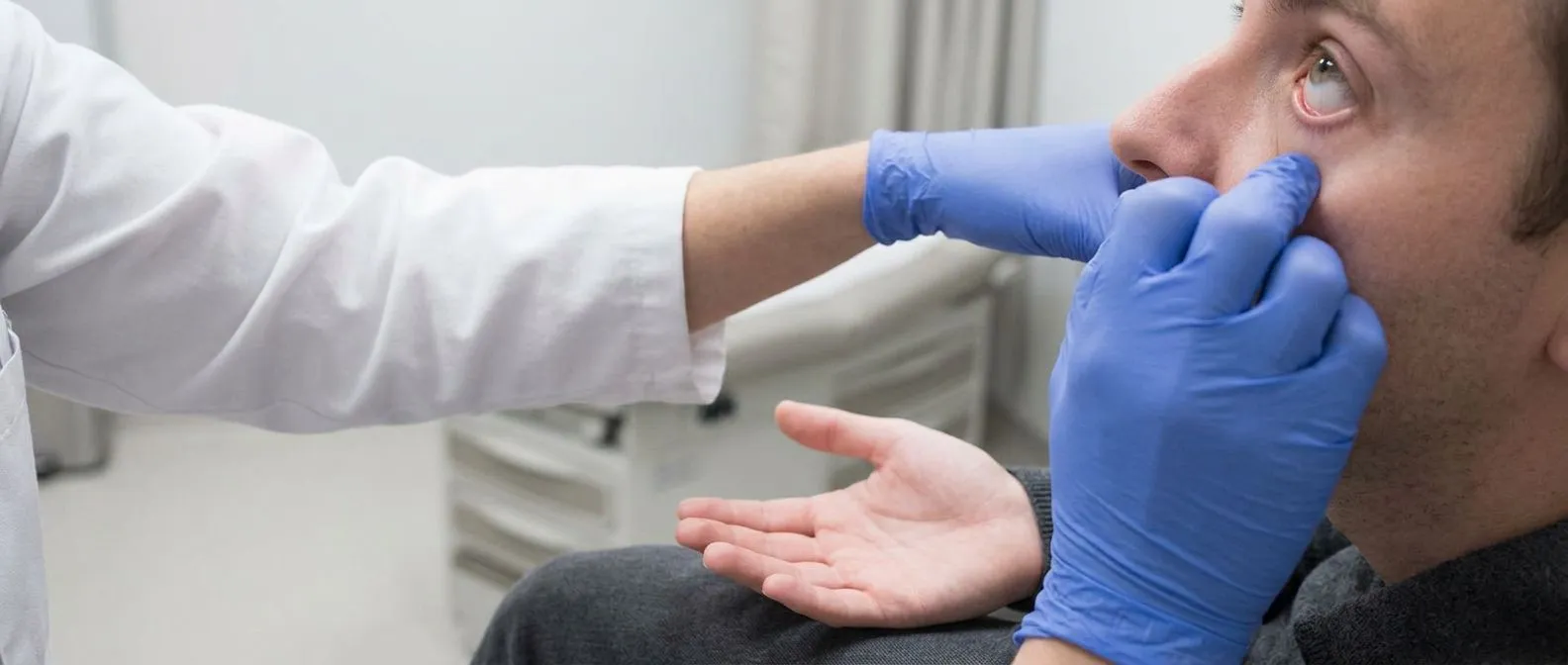
- Inner lower eyelid: gently pull the lower lid down; the lining should be richly red. A pale, almost white lining is the classic sign of true pallor.
- Palms and nail beds: press on a fingernail until it blanches white, then release; color should return within about two seconds. Slow return suggests poor perfusion.
- Lips and inside of the mouth: the mucosa should be pink and moist; a pale or bluish tone here carries more weight than a pale cheek.
These checks cost nothing and take seconds, so patients and family members can learn them to monitor between visits. They are screening gestures, not diagnoses — but they turn vague worry into something concrete you can describe to a doctor.
Chronic Pallor Heart Checkup: What to Expect
Chronic pallor heart checkup visits follow a logical sequence, and knowing it in advance takes much of the anxiety out of the appointment. The goal is to move from the visible sign to a precise, treatable cause with the fewest tests necessary.
History and physical exam: the clinician asks when the pallor began, what else changed — energy, weight, breathing, sleep — and examines the eyelids, pulses, heart sounds, and lung fields. A murmur heard through the stethoscope, for example, redirects attention toward the valves.
Basic studies first: a complete blood count rules anemia in or out, kidney and thyroid tests cover common metabolic causes, and an electrocardiogram looks at the heart's rhythm and electrical patterns. An echocardiogram — an ultrasound of the heart — then shows valve function and pumping strength directly. Most people need nothing beyond this level to find an answer.
When deeper imaging is needed: if the echocardiogram suggests blocked arteries, valve damage, or a question about the aorta, further studies such as a CT angiogram or cardiac catheterization define the anatomy precisely. In our team every case is reviewed by the multidisciplinary group against international practice guidelines before a recommendation is made, so the patient receives a clear proposal with the alternatives — and the final decision is always theirs.
Pallor Heart Disease Treatment Options Explained
Treatment follows the cause, not the skin. If anemia explains the pallor, treating the anemia resolves it. If the circulation is the problem — a narrowed aortic valve, blocked coronary arteries, a failing pumping chamber — the options range from medication to procedures that restore flow, and pallor heart disease treatment in Guadalajara and elsewhere follows the same evidence-based logic.
Medication-led management: many conditions are managed with medication: drugs that ease the heart's workload, control rhythm, remove excess fluid, or open blood flow through narrowed arteries. For some patients this is the complete answer; for others it is the platform that makes a procedure safer.
Interventional and surgical routes: blocked coronary vessels can be treated with stents or bypass surgery. Diseased valves can be repaired or replaced surgically, or — for selected patients, often older or higher-risk — through TAVR, transcatheter aortic valve replacement, a catheter-based procedure that avoids open surgery. The trade-offs differ: catheter approaches mean shorter recovery, while surgical repair is sometimes the more durable choice. The right answer depends on the specific patient, not on the technique's reputation.
Our work covers valve disease, coronary disease, the aorta and structural heart conditions, with conventional, minimally invasive, robotic and transcatheter procedures — and we recommend the less invasive route only where the evidence supports it for that patient. The first contact is a free video consultation: we get to know the patient, talk through the condition, and say which studies are still needed so no unnecessary ones are ordered. Seeking a second opinion is a normal, healthy part of this process, and we encourage it.
When a decision leans toward surgery, training and volume matter. Dr Molina trained in cardiothoracic surgery at the Universidad de Guadalajara, in cardiac, minimally invasive, robotic and structural surgery at the University of Montreal, and in structural cardiology and TAVR at CHU Bordeaux. He performed the first robotic mitral valve repair in the Ángeles Health System and the first robotic heart surgery in Guadalajara. In the consultation, we take the time to explain what the studies actually show, in plain words, and to answer every question before any decision.
The closing thought is simple. Pale skin is usually harmless — but pallor that persists, deepens, or arrives with breathlessness, chest discomfort, palpitations, or swelling is your circulation speaking. Listen to it early, with a proper evaluation, rather than waiting for louder symptoms. If you or someone in your family has noticed these changes, discuss your situation with a qualified cardiac team and book a consultation; self-diagnosis from the mirror is never the plan.