

Paroxysmal Nocturnal Dyspnoea: Waking Breathless at Night
Paroxysmal nocturnal dyspnoea heart failure causes sudden breathlessness at night.
Waking suddenly in the middle of the night, gasping for air, with your heart pounding and a sense of drowning — this experience has a medical name: paroxysmal nocturnal dyspnoea heart failure is the condition it most often points to. "Paroxysmal" means sudden, "nocturnal" means at night, and "dyspnoea" means difficult breathing. It is one of the classic warning signs of left-sided heart failure, and it deserves to be taken seriously. This guide explains what happens in the body, what the symptoms feel like, how doctors tell it apart from snoring or asthma, and what treatments and lifestyle steps can help.
What Is Paroxysmal Nocturnal Dyspnoea?
A sudden attack, not a slow build-up. Paroxysmal nocturnal dyspnoea (PND) describes waking one to three hours after falling asleep with intense breathlessness that forces you upright — often to the edge of the bed, feet down, gasping. Unlike ordinary snoring or a nightmare, the attack arrives without warning and can take ten to thirty minutes to settle, sometimes longer if fluid is pooling in the lungs.
Why doctors treat it as a red flag. PND is considered a hallmark symptom of left-sided heart failure, the condition in which the left ventricle — the heart's main pumping chamber — struggles to move blood forward efficiently. When this chamber falters, blood backs up into the vessels of the lungs, and the lungs become congested. A single episode after a heavy meal or too much salt may be benign, but repeated episodes warrant a cardiac evaluation without delay.
What it is not. PND is not waking up thirsty, not a panic attack, and not a cough from a cold. The distinguishing feature is the timing (always after lying down for a while) and the physical compulsion to sit or stand to breathe. If you can describe your episodes this clearly to a doctor, you have already done half the diagnostic work.
Why Does Heart Failure Cause Sudden Night Breathlessness?
The fluid shift that happens while you sleep. During the day, gravity pulls some of the circulating blood into your legs. When you lie flat at night, that pooled blood is reabsorbed into the bloodstream and returns to the heart within hours. A healthy heart handles this extra load easily. A weakened or stiff left ventricle cannot, so pressure builds in the lung vessels and fluid leaks into the lung tissue — a condition called pulmonary oedema. That fluid is what makes breathing feel like drowning.
Why lying down makes it worse but sitting helps. Sitting upright lowers the pressure in the chest and lets gravity draw fluid away from the lung bases, which is why patients instinctively move to a chair or dangle their legs off the bed. This simple mechanical fact — relief with posture — is one of the strongest clues that the problem is cardiac rather than purely lung-related.
The role of nighttime hormones and breathing. Sleep also changes the nervous system's control of the heart and lungs. Fluid shifts combine with slower breathing, mild drops in blood oxygen, and reduced adrenaline tone, all of which can tip a borderline heart into an overt attack. Some patients also have sleep apnoea, which adds repeated oxygen dips that strain the heart further — we will cover that distinction below.
Paroxysmal Nocturnal Dyspnoea Symptoms to Watch For
The classic picture. Paroxysmal nocturnal dyspnoea symptoms typically include waking abruptly with a choking sensation, an urgent need to sit up or stand, rapid shallow breathing, a cough — sometimes with frothy or pink-tinged sputum — sweating, and a racing or pounding heartbeat. Many patients describe an overwhelming sense of air hunger, as if they cannot get enough air no matter how deeply they breathe.
Clues in the hours before the attack. Earlier in the evening there are often hints: needing two or three pillows instead of one, a persistent cough that appears only when lying down, swollen ankles, or unusual fatigue. Patients sometimes report night sweats that soak the pyjamas during an episode, which reflects the body's stress response rather than fever.
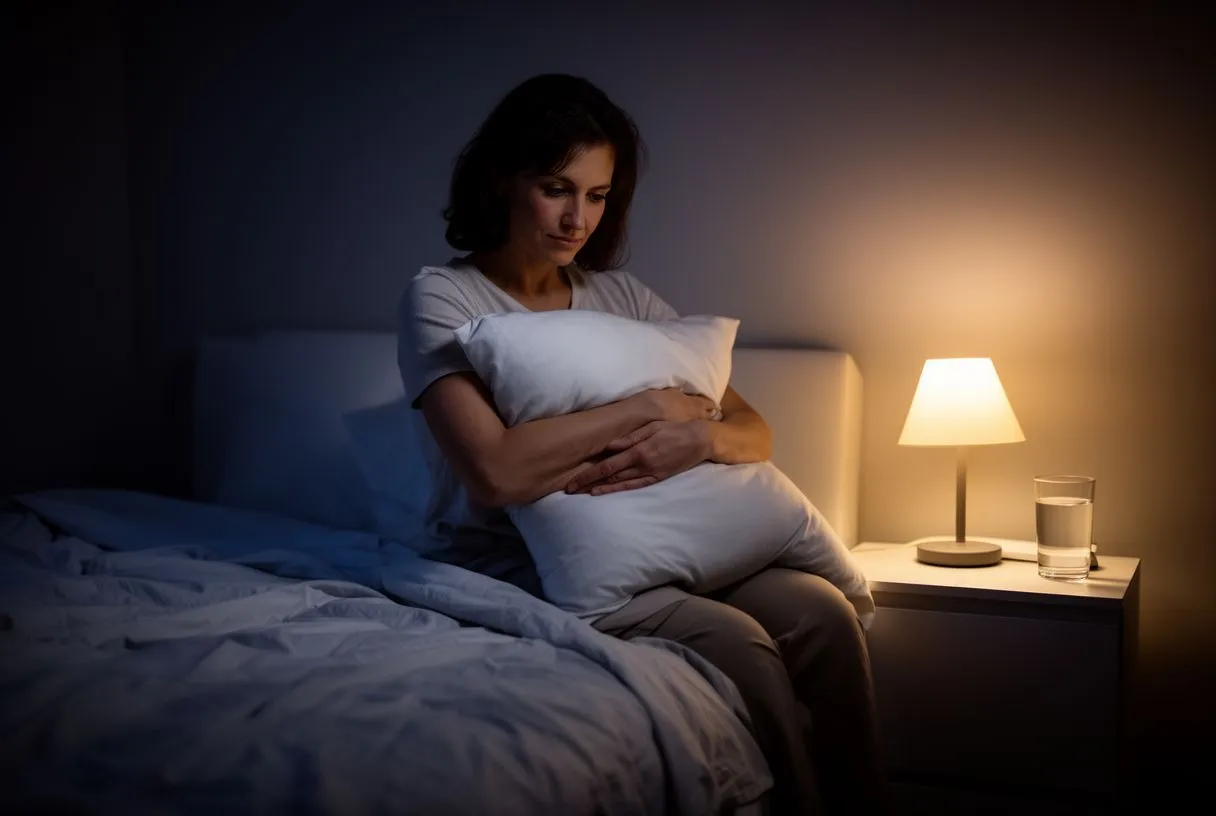
Associated signs of a struggling heart. When PND is caused by heart failure, other findings usually accompany it: weight gain from fluid retention, abdominal bloating, reduced appetite, and breathlessness on modest exertion such as climbing stairs. If you notice this cluster, bring the whole picture to a cardiologist rather than treating each symptom separately.
Orthopnoea vs Paroxysmal Nocturnal Dyspnoea: What's the Difference?
Two related symptoms, one mechanism. Orthopnoea is breathlessness that appears when you lie flat and eases when you sit up — so severe that some patients sleep upright in a chair for months. Paroxysmal nocturnal dyspnoea is the more dramatic version: you fall asleep, then wake suddenly gasping. Both stem from the same fluid redistribution in a failing left ventricle, but they signal different degrees of congestion.
Why the distinction matters clinically. Orthopnoea measured in pillows ("I now need three pillows") is a useful way for doctors to track heart failure progression, and an increase in the number of pillows needed is a genuine warning that treatment should be adjusted. PND that appears in someone previously sleeping flat suggests a newer or worsening problem and usually prompts faster investigation.
Which one should prompt a visit? Both. If lying flat has become uncomfortable, or if you have ever woken fighting for breath, either finding justifies a cardiology assessment with an echocardiogram — an ultrasound scan of the heart — plus basic blood tests. Neither symptom should be dismissed as "just getting older."
What Could Be Causing My Difficulty Getting a Deep Breath?
Heart causes. Left-sided heart failure is the leading cardiac cause, but it is not the only one. Problems that make the left ventricle stiff or overloaded include Coronary Artery Disease (narrowed heart arteries that starve the muscle), Ischaemic Heart Disease more broadly, leaky or narrowed valves such as in Rheumatic Heart Disease or Valvular Heart Disease, and longstanding high blood pressure. In some patients, Coronary Spasm — a temporary tightening of a heart artery — can also trigger nighttime episodes with chest discomfort.
Lung and airway causes. Asthma, chronic obstructive pulmonary disease (COPD), sleep apnoea, and reflux can all disturb breathing at night. A useful differentiator: reflux tends to cause burning and throat tightness rather than the drowning sensation of pulmonary congestion, while asthma attacks often have wheezing and a known trigger.
Whole-body causes. Anaemia, thyroid problems, obesity, and significant Chronic Kidney Disease can each contribute to breathlessness, sometimes by causing fluid overload that a heart must then cope with. This is why a proper workup includes blood tests, not just heart scans.
Nighttime breathlessness has many possible causes — heart, lungs, kidneys, blood, and sleep — so the whole list should be considered rather than assuming the answer in advance. Every case is reviewed by our multidisciplinary team against international practice guidelines before a recommendation is given, so the patient receives a clear proposal with the alternatives laid out.
What Are the Different Types of Dyspnoea?
Acute, chronic, and episodic. Doctors classify dyspnoea — the medical term for difficult breathing — by its pattern. Acute dyspnoea comes on over minutes to hours and includes emergencies such as pulmonary embolism (a clot in the lung arteries) or flash pulmonary oedema. Chronic dyspnoea builds over weeks to months and accompanies ongoing heart or lung disease. Episodic dyspnoea, like PND, comes and goes, often with a positional or time-of-day pattern.
Exertional and positional. Dyspnoea on Exertion means breathlessness with activity — climbing stairs, carrying shopping — and is often the earliest sign of cardiac trouble, appearing well before nighttime attacks. Positional dyspnoea (orthopnoea and PND) points specifically to fluid shifts, making it a strong pointer toward the heart.
Special patterns worth knowing. Sighing dyspnoea is a benign pattern, usually linked to anxiety, in which a person feels the need to take deep, satisfying sighs frequently through the day — without waking at night gasping. Trelopnoea (breathlessness that worsens on the right side of the body when lying) and platypnoea (breathlessness that is worse upright) are rare but recognised patterns that usually indicate specific structural or shunt-related heart problems.
- Dyspnoea on exertion: worst with activity; often the first cardiac symptom.
- Orthopnoea: worse lying flat, relieved by sitting up; measured in pillows.
- Paroxysmal nocturnal dyspnoea: wakes you after sleeping; a hallmark of left-sided heart failure.
- Sighing dyspnoea: daytime sighing pattern, usually anxiety-related; no nighttime attacks.
What Are Some Relieving Positions for Dyspnoea?
The upright sitting position. The most effective relieving position for cardiac breathlessness is sitting upright on the edge of the bed or in a chair, feet flat on the floor, leaning slightly forward with forearms resting on a table or pillow. This posture drops the pressure in the chest, lets the diaphragm move more freely, and helps gravity drain fluid away from the lung bases.
Sleeping arrangements that help. Raising the head of the bed with blocks under the legs, or using a wedge pillow, reduces the fluid shift that triggers attacks. Sleeping in a recliner chair is a common short-term strategy for patients with significant orthopnoea. Avoid lying completely flat, and avoid heavy meals, alcohol, and excessive salt within a few hours of bedtime — all of which increase the volume of blood returning to the heart at night.

When positions stop working. If you find that even sitting upright fails to relieve the breathlessness, or that episodes are lasting longer, that is a sign the underlying congestion is worsening. That situation calls for urgent medical review, not just another pillow. In our consultations we take the time to explain what the studies actually show — in plain words — and to answer every question about how to manage these episodes at home before any decision is made.
Is It Sleep Apnoea or Heart Failure?
How sleep apnoea presents. Sleep apnoea causes repeated pauses in breathing during sleep, usually with loud snoring, witnessed pauses by a partner, morning headaches, and heavy daytime sleepiness. The person often does not wake gasping so much as stir repeatedly without knowing why. Obesity, a thick neck, and male sex increase the risk.
How they overlap. The two conditions frequently coexist — untreated sleep apnoea strains the heart and can worsen heart failure, while heart failure can in turn produce abnormal breathing patterns at night called Cheyne-Stokes respiration. A patient with PND may well have both, which is why a sleep study is a standard part of the workup for anyone reporting nighttime breathlessness.
How doctors tell them apart. The drowning, air-hungry waking that is relieved by sitting up points to cardiac congestion. The snoring, gasping, and unrefreshing sleep without clear postural relief points to apnoea. When the picture is mixed — as it often is — an echocardiogram plus an overnight sleep study settles the question. Treating sleep apnoea, for example with a CPAP machine, frequently reduces both daytime fatigue and nighttime cardiac strain.
When Is Breathlessness at Night an Emergency?
Red-flag signs requiring immediate care. Certain features transform a worrying symptom into an emergency. Go to an emergency department — do not wait for a morning appointment — if you experience any of the following:
- Severe breathlessness at rest that does not ease within minutes of sitting up.
- Frothy, pink or blood-tinged sputum — this suggests frank pulmonary oedema, a form of Acute Heart Failure.
- Chest pain or pressure accompanying the breathlessness, which may indicate a coronary event.
- Cold, clammy skin, confusion, or fainting — signs that the circulation is failing.
Why minutes matter in flash pulmonary oedema. When fluid floods the lungs rapidly, oxygen levels can drop dangerously. Emergency treatment — oxygen, intravenous diuretics to remove fluid, and medications to reduce the heart's workload — can be life-saving. These episodes are treatable, but only if the patient reaches hospital in time.
The grey zone. A first-ever episode of PND, even if it settles completely, deserves prompt evaluation within days. Waking breathless once after an unusually salty meal is less alarming than a pattern building over a week — but either one justifies a call to a cardiologist. Multi-organ Failure can develop when severe congestion goes unaddressed, affecting kidneys and liver, so early assessment protects more than just the lungs.
How Is Heart Failure Causing PND Treated?
Medication first, usually. The foundation of PND heart failure treatment is addressing the underlying congestion and the failing pump. Diuretics ("water tablets") remove excess fluid and usually relieve nighttime attacks quickly. Additional medications — including those that ease the heart's workload and protect it long term — are tailored to each patient according to current guideline-directed therapy, an approach reviewed in the cardiology literature via resources such as Europe PMC.
Treating the structural cause. When PND traces back to a mechanical problem — a leaking or narrowed valve, or blocked Coronary Artery Disease needing revascularisation — medication alone may not be enough. Options include Percutaneous Coronary Intervention (a stent placed via a wrist or groin catheter to open a blocked artery), valve repair or replacement surgery, and for suitable patients, transcatheter procedures. In patients with a narrowed aortic valve, for example, TAVR — transcatheter aortic valve replacement — can replace the valve through a small puncture in the groin without open surgery. In patients with blocked coronary arteries found on Coronary CT Angiography or invasive angiography, Coronary Stent placement can restore blood flow and relieve strain on the heart muscle.
How we decide the route. Our team, led by Dr Alejandro Molina, performs conventional, minimally invasive, robotic and transcatheter procedures — and we recommend the less invasive route only where the evidence supports it for that patient. Dr Molina trained in cardiothoracic surgery at the Universidad de Guadalajara and in cardiac, minimally invasive, robotic and structural surgery at the University of Montreal, and performed the first robotic mitral valve repair in the Ángeles Health System. The goal is always the same: fix the cause of the congestion with the lowest risk appropriate to your situation.
Life after treatment. Once the underlying cause is treated, nighttime breathlessness usually improves markedly. Cardiac rehabilitation — a supervised programme of exercise, education, and support — helps patients rebuild strength and confidence safely. If you have woken breathless at night, or need more pillows than you used to, please discuss your situation with a qualified cardiac team and book a consultation rather than waiting for the next episode to tell you something is wrong.






