

Pectus Carinatum Treatment: Bracing and Surgery
Pectus carinatum treatment options explained by Guadalajara heart surgery specialists.
Pectus carinatum treatment ranges from simple bracing to surgical correction, and the right choice depends mainly on age, chest flexibility and the severity of the protrusion. This guide explains what pectus carinatum is, how it differs from funnel chest, when a brace works, when surgery makes sense, and what recovery honestly looks like. Our goal is to give you enough clarity to ask good questions before committing to any path.
What Is Pectus Carinatum and Why Does the Sternum Stick Out?
Pectus carinatum is a chest wall deformity in which the breastbone, or sternum, grows outward instead of lying flat against the chest. The result is a visible ridge or bump at the front of the chest, which is why the condition is often called pigeon chest. It is present in roughly one in every 1,500 children, and boys are affected about four times more often than girls.
How the deformity develops: the ribs and sternum are joined by flexible cartilage. During childhood growth spurts, this cartilage can grow unevenly, pushing the sternum forward. The cause is usually unknown, though it sometimes runs in families and can appear alongside connective tissue conditions such as Marfan syndrome. Most children have no other health problem at all.
The protrusion often becomes noticeable between ages 10 and 13, when rapid growth makes the shape more obvious. For many families the first concern is appearance, not health. That is a legitimate concern, because the psychological weight of a visible chest difference is real, and it is one of the strongest reasons doctors treat the condition rather than watch it. Understanding the anatomy is the first step toward choosing between observation, bracing and surgery.
What Does "Bird Chest" Mean? Pectus Carinatum vs Pectus Excavatum
The direction of the deformity matters: "bird chest" is an everyday name for pectus carinatum, where the sternum juts outward like the breastbone of a bird. Pectus excavatum, by contrast, is the opposite deformity — the sternum sinks inward, creating a dip or hollow, and the term refers to Pectus excavatum: understanding and treating "funnel chest". The two conditions look completely different but share the same underlying cause: uneven growth of the rib cartilage.
This distinction shapes treatment in a crucial way. Pectus excavatum is treated with suction, pulling the chest outward with a vacuum bell. Pectus carinatum is treated with pressure, pushing the chest inward with a compression brace. Applying the wrong device does nothing useful, which is why an accurate diagnosis always comes first.
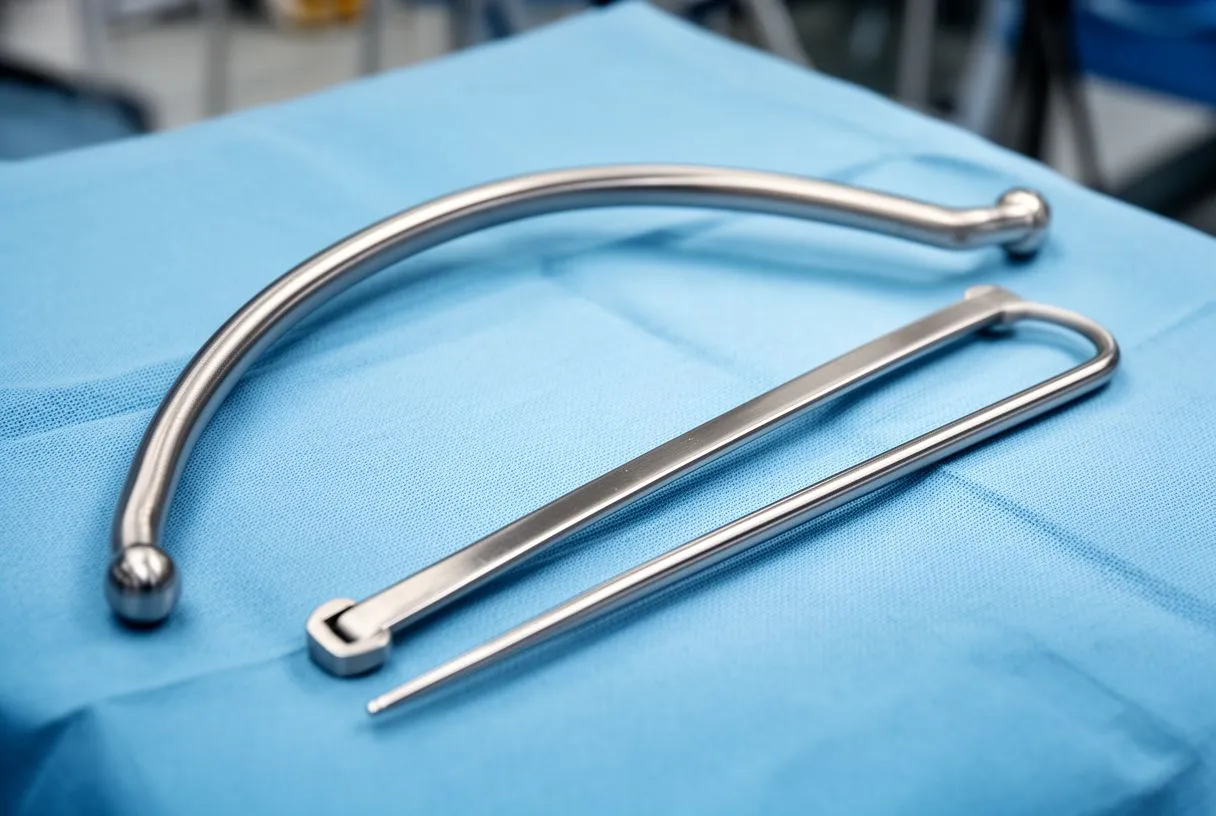
Surgery also differs between the two. The Nuss procedure, used for funnel chest, places a curved bar behind the sternum to push it out. Carinatum repair uses the reverse logic — a bar or strut placed in front of the sternum to hold it flat. If you are researching both conditions because you are unsure which one you or your child has, a simple physical examination usually settles the question in minutes.
Can Pectus Carinatum Hurt? Pain and Heart Problems Treatment
Mild discomfort is common: many people with pectus carinatum feel aching or pressure at the prominence, especially after exercise or long periods of sitting with poor posture. The pain usually comes from muscle and joint strain around the deformed rib cage, not from the heart. It is rarely severe, and it does not mean something is going wrong. Persistent or worsening pain, however, deserves a proper evaluation.
Most cases of pectus carinatum do not affect the heart or lungs at all, because the sternum pushes outward and leaves the chest cavity — the space containing the heart and lungs — untouched. This is the key difference from severe funnel chest, where the sternum sinks inward and can compress the heart and great vessels. In exceptional cases of severe chest wall deformity, surgical correction has even involved cardiac teams, as documented in a report of aortic root replacement and valvuloplasty in a woman with severe pectus excavatum. For carinatum, significant heart problems treatment is seldom needed.
That said, a small number of patients with carinatum report shortness of breath during intense exercise or reduced stamina. Whether the deformity truly causes this is debated in the literature. A thoughtful evaluation checks heart and lung function before anyone blames the chest shape, and before anyone promises that fixing the shape will fix the breathing. Imaging plays a central role in this assessment, and cardiac magnetic resonance can measure exactly how a deformity affects the heart — a technique studied in depth in magnetic resonance imaging in the evaluation of pectus excavatum. The American Heart Association publishes guidance relevant to cardiac evaluation that we follow when a patient's symptoms suggest more than a cosmetic issue.
Pectus Carinatum Non-Surgical Treatment: Bracing and the Vacuum Bell
The good news for most families is that pectus carinatum treatment without surgery is not only possible but usually the first choice. Because the chest wall of a growing child is flexible, steady external pressure can gradually reshape the cartilage. This is the foundation of pectus carinatum non-surgical treatment, and it succeeds in the majority of compliant children and teenagers.
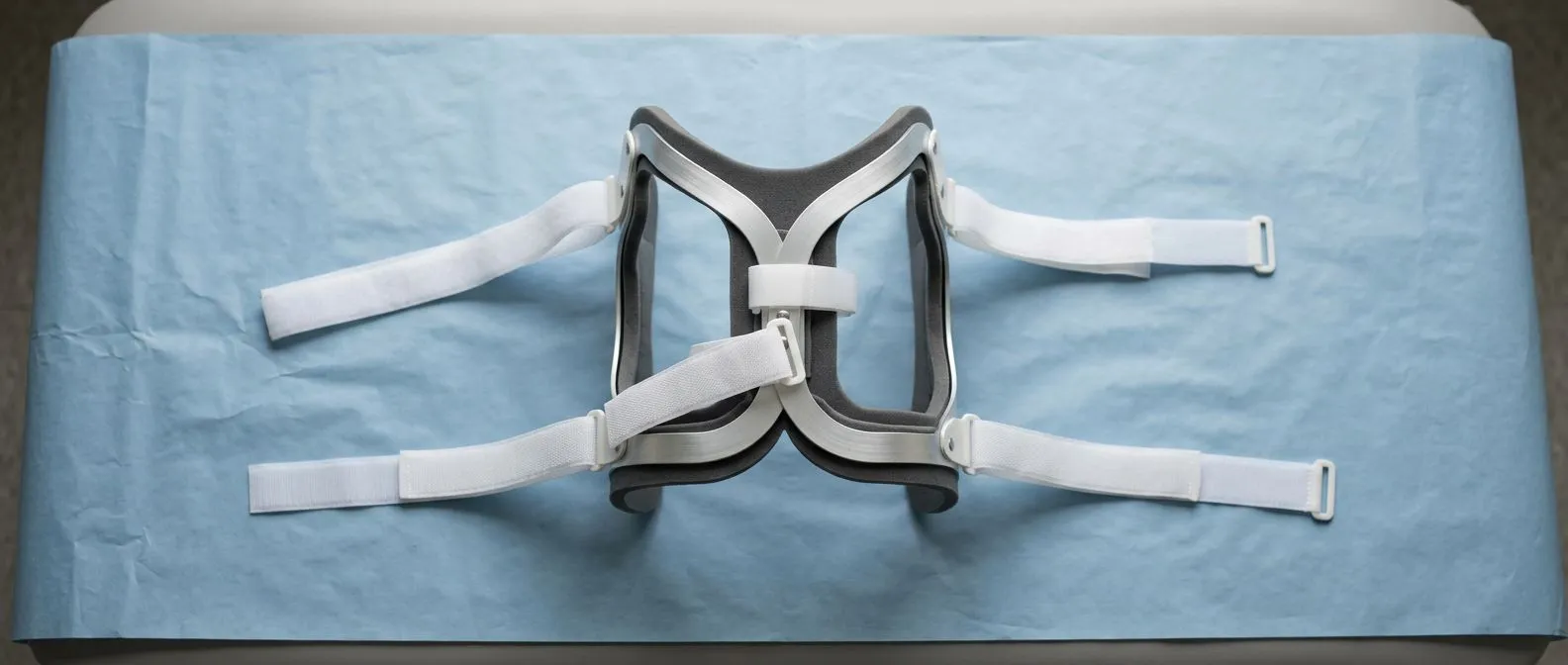
Compression bracing: a rigid chest-wall orthotic brace fits around the chest and presses a padded plate against the protrusion. It is worn for a prescribed number of hours each day, often overnight at first, with the wearing schedule gradually reduced as the chest flattens. Treatment typically lasts months to a couple of years. We have referred families to brace specialists and seen that success depends less on the device itself than on how consistently it is worn.
- Compression brace: pushes the sternum inward with adjustable pressure; the standard first-line option for flexible chests.
- Vacuum bell: a suction device mainly used for funnel chest; it has a limited role in carinatum, mostly for specific mixed deformities.
- Observation alone: reasonable for mild deformities that cause no symptoms and no distress; the shape can be re-measured at check-ups.
Choosing the right device is where honest guidance matters. A brace that is uncomfortable or socially embarrassing gets left in the drawer, and a discarded brace corrects nothing. Ask the fitting team how pressure is adjusted, how progress is measured, and what happens if the wearing schedule slips.
Pectus Carinatum Brace Results: What Compression Therapy Can Achieve
Compression brace results depend on three variables: the flexibility of the chest, the age of the patient and the hours logged in the brace. In children and teenagers with flexible chests, bracing flattens the protrusion effectively in a large majority of those who stick to the schedule. Published series consistently report good outcomes for compliant patients, with visible improvement often within the first months.
What "success" actually looks like: the chest does not become perfectly flat overnight. The goal is a chest that reads as normal through clothing and in photographs, with the ridge softened or gone. Some patients finish treatment with a small residual asymmetry, and the rib cage can spring back if the brace is stopped too early. Follow-up with periodic measurements is part of the plan, not an optional extra.
Where bracing falls short: a stiff, rigid chest in an older patient responds poorly to pressure, and braces cannot correct a prominent lower rib flare in everyone. Skin irritation and temporary discomfort under the pressure pad are common and usually manageable with padding adjustments. If months of consistent bracing produce no measurable change, continuing indefinitely is unlikely to help, and it is reasonable to discuss alternatives rather than push harder against a wall.
Pediatric Pectus Carinatum Bracing: Why Early Treatment Works Best
Pediatric pectus carinatum bracing works because children are still growing. The same cartilage that made the sternum protrude in the first place is still soft and remodelable, so it can be coaxed back into position with external pressure. The ideal window is roughly ages 10 to 18, during and just after the adolescent growth spurt, when remodeling is fastest.
Timing in younger children: before the growth spurt, many surgeons prefer to watch and wait. Younger children are often less motivated to wear a brace consistently, and starting treatment too early can mean years of bracing during the least cooperative years. There are exceptions — a very prominent deformity or significant distress may justify earlier fitting — but age alone does not decide it.
Psychological readiness counts as much as physical readiness: a teenager who wants the chest fixed will wear the brace; a child sent to the fitting room by parents alone often will not. Talk openly with your child about the commitment before starting.
Pectus Carinatum in Adults: Treatment When Growth Has Finished
Adult treatment is harder, not impossible: after the growth plates close and the cartilage calcifies, the chest loses its flexibility. Pectus carinatum in adults treatment therefore shifts away from bracing. A brace may still soften a mild, flexible deformity in a young adult, but for most adults the realistic options are accepting the shape or considering surgery. Anyone promising brace results in a rigid adult chest should be viewed with caution.
Adults who seek correction usually do so after years of adapting to the appearance — choosing loose shirts, avoiding pools and gyms, feeling self-conscious in photos. This accumulated social strain is a genuine quality-of-life issue, and wanting to fix it as an adult is entirely reasonable. The trade-off is that surgery in adults carries more risk and a longer recovery than surgery in teenagers.
Before any operation, an adult needs a full cardiac and pulmonary assessment, because chest wall surgery in a mature skeleton places different demands on the body. We review every case as a multidisciplinary team against international practice guidelines before recommending anything, and we encourage a second opinion as a normal part of deciding — the final decision always belongs to the patient.
Pectus Carinatum Surgical Repair: Nuss, Ravitch and Your Options
When surgery is the right tool: pectus carinatum surgical repair is reserved for rigid deformities, failed bracing, or patients whose symptoms and distress justify the operation. The two main surgical options are the Ravitch procedure and modified Nuss-style bar placement, and the choice depends on the exact anatomy of the protrusion.
The Ravitch repair: the surgeon makes an incision over the sternum, removes or reshapes the abnormal costal cartilage — the cartilage connecting the ribs to the breastbone — and repositions the sternum. It is the traditional and most versatile approach for carinatum, effective for both symmetric and asymmetric protrusions. The trade-off is a larger incision and a longer recovery than keyhole techniques.
Minimally invasive options: a modified Nuss approach for carinatum places a curved metal bar in front of the sternum through small incisions on the sides of the chest, pressing the bone flat. The bar stays in place for two to three years and is then removed. Both procedures are performed by experienced chest wall surgeons, and we perform conventional, minimally invasive, robotic and transcatheter procedures — recommending the less invasive route only where the evidence supports it for that specific patient. Exercise alone, however dedicated, will not reshape a structural cartilage deformity; fitness strengthens the muscles around it, but pectus carinatum exercise vs surgery is not really a contest for rigid cases.
Pectus Carinatum Surgery Recovery: Timeline and What to Expect
Honest expectations matter more here than optimistic ones. Pectus carinatum surgery recovery follows a fairly predictable arc, but it varies with the procedure and the patient's age. Teenagers generally recover faster than adults, and minimally invasive repairs usually allow a quicker return to school and work than open Ravitch repairs.
- First days: hospital stay of several days; pain managed with medication; breathing exercises begin immediately to keep the lungs clear.
- Weeks 2–6: walking and light daily activity; no lifting, twisting or contact sports; pain steadily decreasing.
- Months 2–3: gradual return to exercise and sports as cleared by the surgeon; the bar, if placed, must be protected from impact.
- Years 2–3: bar removal in a short procedure, if a bar was used; final chest shape is judged at this point.
Risks worth knowing: any chest surgery carries risks of bleeding, infection, pneumothorax (air leaking around the lung), and bar displacement or allergy to the metal. Recurrence of the deformity is possible, especially if the bar is removed early. Seromas — pockets of fluid — are common after Ravitch repairs and usually resolve on their own. In our team's experience, patients do best when they know these risks before the operation rather than discovering them afterwards, which is why we walk through every one during consultation.

Pectus carinatum correction cost varies widely with the treatment path. Bracing costs far less than surgery but requires a well-fitted custom orthotic and regular follow-up adjustments. Surgical repair involves hospital fees, anesthesia, surgeon fees, implants and follow-up care, and prices differ between hospitals and cities. No responsible team can quote a firm figure without examining the patient first, so treat any number you find online as a starting point for a conversation, not an answer.
What drives the price: the type of procedure, whether a bar implant is needed, the length of hospital stay, and whether complications extend it. For international patients, add travel, accommodation near the hospital and the cost of follow-up visits or remote check-ins. Ask the clinic for a written estimate that separates what is included from what is not, and ask about the plan if something unexpected occurs.
How to choose your team: look for surgeons who perform chest wall corrections regularly, who explain both bracing and surgery without pushing one, and who involve you in the decision. Patients searching for the best pectus carinatum doctor in Mexico should ask specifically about experience with the intended procedure, complication rates, and how follow-up is handled after returning home. Our first contact is a free video consultation: we get to know the patient, discuss the condition, and identify which studies are genuinely needed so no unnecessary ones are ordered — and a face-to-face visit at our consulting rooms in Guadalajara, Querétaro or Hermosillo follows only when the patient decides to move forward.

Conclusion: Choosing Your Pectus Carinatum Path
Pectus carinatum treatment follows a clear logic once you understand the basics. In a growing child or teenager with a flexible chest, a compression brace worn consistently is the least invasive path and usually works. In adults, or in rigid deformities, surgical repair offers a definitive fix at the cost of a longer recovery and real surgical risk. Mild, symptom-free protrusions may simply need observation and honest reassurance.
What you should take away from this guide is that no single option is best for everyone, and that rushing into either a brace or an operating room without a full assessment serves no one. Ask about chest flexibility, ask what imaging is actually needed, and ask how success will be measured. Dr Molina's team — trained in cardiothoracic surgery at the Universidad de Guadalajara, in cardiac and minimally invasive surgery at the University of Montreal, and in structural cardiology at CHU Bordeaux — reviews every case together before making a recommendation, always with the alternatives laid out clearly.
If you or your child has a protruding sternum and you are weighing the options, start with a conversation rather than a search engine. A consultation with a qualified cardiac and chest wall team can tell you whether bracing is realistic, whether surgery is justified, and what the timeline would look like for your specific situation. The chest shape is the visible part; the confidence and peace of mind that come from a well-understood plan are the part that lasts.






