
Pericarditis Recovery: How Long It Lasts and When to Worry
Pericarditis recovery typically takes 2–4 weeks, but timelines vary.
What Is Pericarditis Recovery and How Long Does It Last?
Pericarditis recovery is the process by which the heart heals after the pericardium — the thin, double-layered sac that wraps around the heart and holds a small amount of lubricating fluid — has become inflamed. For most patients, a first episode settles within two to four weeks, but the healing time varies widely depending on the cause, the amount of fluid that collects around the heart, and how quickly treatment begins. Understanding the timeline helps patients and families separate normal healing from warning signs that need attention.
Normally, the two layers of the pericardium glide smoothly over one another with every heartbeat. When a virus, an autoimmune condition, or irritation after a heart attack inflames the sac, the layers rub together and produce the characteristic sharp chest pain. Recovery means allowing that inflammation to calm down while confirming that the heart underneath continues to pump normally and that no dangerous fluid — a pericardial effusion — is building up around it.
How long the pericarditis recovery period lasts depends on the underlying cause. A straightforward viral episode responds well to medication and resolves within weeks. Pericarditis linked to autoimmune disease, kidney failure, or Long COVID follows a slower path and may need more intensive monitoring. In our team's experience, the patients who heal fastest are the ones who follow the full medication course and attend every follow-up check, rather than stopping treatment as soon as the pain fades.
What Are the Symptoms of Pericarditis and When Does It Start?
The symptoms of fluid around the heart and of an inflamed pericardium often begin suddenly, a few days after a flu-like illness or chest infection. The most telling sign is chest pain that changes with position — a feature that distinguishes pericarditis from almost any other cause of chest pain.
What type of pain does pericarditis cause? The pain is typically sharp and stabbing, felt behind the breastbone or on the left side of the chest. It worsens with deep breathing, coughing, or swallowing, and it is classically worse when lying flat. Patients often find that sitting up and leaning forward brings noticeable relief — an instinctive posture that many report discovering on their own. This is the key difference from the crushing, pressure-like pain of a heart attack, which does not change with position or breathing.
What could be causing my chest pain when I lie down? Positional chest pain has several possible causes, but inflammation of the pericardium or of the pleura — the lining of the lungs — is among the most common. The pericardium sits directly beneath the sternum, so when it is inflamed, pressure from lying down lets the irritated layers press together and the pain intensifies. If your chest pain is consistently worse lying down and better sitting forward, that pattern deserves a proper cardiac evaluation rather than a guess.
Can alcohol cause pericarditis? Alcohol is not a direct cause of pericarditis, but heavy alcohol use raises the risk of the conditions that can trigger it — particularly pericarditis linked to kidney failure or to chronic infections. Alcohol can also cause cardiomyopathy, a disease of the heart muscle itself, which produces different symptoms. Patients recovering from pericarditis are generally advised to avoid alcohol during healing because it adds an inflammatory burden the body does not need.
Acute Pericarditis Recovery Timeline Week by Week
Acute pericarditis recovery follows a predictable arc for most patients, and knowing the phases helps you judge whether your own healing is on track. The first days bring the sharpest pain; the middle weeks bring gradual return to daily life; and the final weeks confirm the inflammation is truly gone.
First week — maximum symptoms, minimum activity. The first three to seven days are the hardest. Pain control is the priority, along with confirming that the fluid around the heart is not growing. Many patients are managed at home if their echocardiogram shows only a small effusion and their blood markers of inflammation are not extreme. Rest is not optional at this stage; it is treatment.
Weeks two and three — gradual return to daily life. As the inflammation subsides, most patients notice pain easing with each deep breath and less need to sit hunched forward. Light walking and desk work usually resume, but heavy lifting and sport remain off limits. This is also the window in which a relapse sometimes announces itself with returning pain, so any shift in symptom pattern should be reported promptly.
Week four and beyond — confirming resolution. A follow-up echocardiogram and repeat blood tests confirm that the effusion has resolved and inflammatory markers have normalised. Only at this point should strenuous activity resume, and even then a graded reintroduction guided by your cardiology team is safest. Some patients feel intermittent twinges that are not true relapses — your specialist can distinguish normal residual sensitivity from genuine recurrent inflammation.
Longer timelines. Chronic pericarditis treatment begins when symptoms persist beyond three months or recur repeatedly despite treatment. In these cases, healing time stretches to many months, and the plan shifts from simply calming inflammation to identifying and treating an underlying autoimmune or systemic cause. The good news is that even chronic cases are usually managed successfully with medication.
Pericarditis Chest Pain Relief: What Actually Helps
Pericarditis chest pain relief comes from two directions: reducing the inflammation itself with medication, and adopting positions that reduce mechanical irritation of the inflamed sac. Understanding both helps patients feel more comfortable while the healing process runs its course.
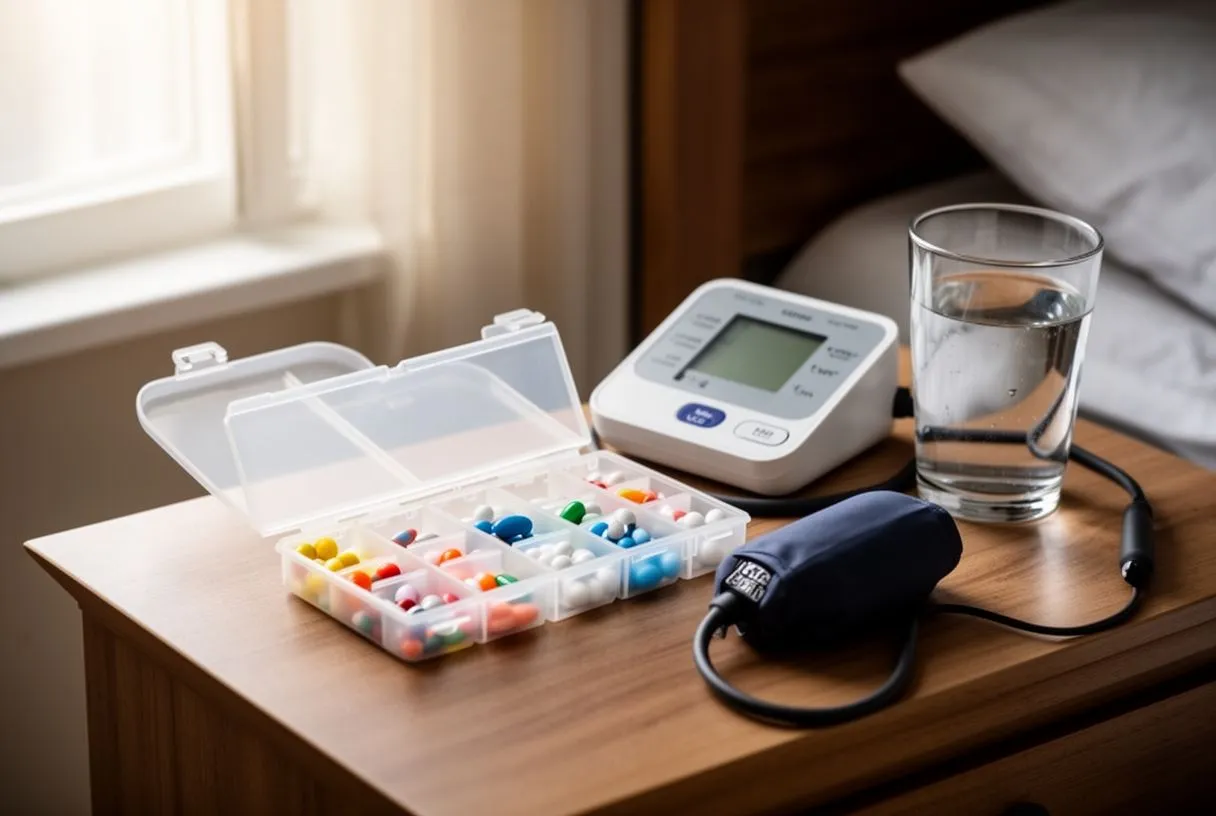
Medication is the foundation. Anti-inflammatory drugs such as ibuprofen or aspirin reduce the inflammation directly and typically ease pain within days. Colchicine, a medication originally derived from the autumn crocus plant, is usually added to lower the chance of relapse and is continued for three months. Neither should be stopped early — the medication timeline matters as much as the medication itself.
Positioning brings real comfort. Sitting up and leaning slightly forward takes pressure off the pericardium, which is why patients instinctively adopt this posture in the emergency department. A warm pack on the chest wall, avoiding deep bending, and sleeping in a recliner during the first week can all reduce the mechanical component of the pain.
Sleep and rest matter more than patients expect. Fatigue during pericarditis healing is real and reflects the body's inflammatory work. Protecting sleep, delegating household tasks during the first week, and accepting a temporary slower pace all shorten the overall recovery. In the consultation we take the time to explain what the studies actually show, in plain words, and to answer every question about how to rest and recover before any decision is made.
Pericarditis Medication Timeline: NSAIDs, Colchicine and Steroids
The medication timeline is best understood as a staged plan rather than a single prescription. Each stage has a purpose, and each has a defined duration — the exact duration of the anti-inflammatory course depends on the severity of the episode and on the blood markers.
The first stage combines NSAIDs with colchicine, taken until symptoms fully resolve and CRP — C-reactive protein, a blood marker of inflammation — returns to normal. The second stage is a careful taper over weeks, because stopping anti-inflammatory drugs abruptly can trigger recurrence. The third stage, corticosteroids, is reserved for specific situations and is not used routinely.
- NSAIDs first: high-dose aspirin, ibuprofen or indomethacin for one to two weeks, then tapered over two to four weeks, with stomach protection if needed.
- Colchicine throughout: added from day one and continued for three months to reduce relapse risk; report side effects rather than stopping on your own.
- Steroids selectively: reserved for connective tissue disease, kidney failure or NSAID intolerance, and tapered slowly over weeks to months to avoid rebound inflammation.
Colchicine — the relapse preventer. Colchicine's role in pericarditis recovery is well established; pooled analyses of pericarditis trial data confirm that it significantly reduces the risk of recurrence. Its most common side effect is diarrhoea, which should be reported rather than prompting the patient to stop the drug without guidance. Every case we see is reviewed by the multidisciplinary team against international practice guidelines before a medication plan is proposed, and the patient receives a clear proposal with the alternatives.
Why steroids are not first-line. Evidence shows that corticosteroids used unnecessarily can increase recurrence risk, so they are started deliberately and only when the situation genuinely calls for them. For patients who cannot take NSAIDs, or who have recurrent episodes despite treatment, steroids become the considered option with a slow taper.
Pericarditis Complications Warning Signs You Shouldn't Ignore
Most episodes of pericarditis heal without incident, but a minority develop complications that change the trajectory. Recognising pericarditis complications warning signs early prevents progression to cardiac tamponade — a medical emergency in which accumulated fluid compresses the heart and prevents it from filling properly between beats.
Breathlessness that worsens rather than improves. New or worsening shortness of breath, especially when lying flat, can signal a growing pericardial effusion. If fluid accumulates rapidly, the heart cannot fill, blood pressure drops, and the situation becomes life-threatening. This is why routine echocardiograms during recovery matter — they catch a rising effusion before symptoms become severe.
Palpitations and new rhythm changes. Inflammation near the atrium — the upper receiving chamber of the heart — can irritate the electrical system and trigger atrial flutter, a rapid, organised rhythm that patients feel as a fast, regular fluttering. These arrhythmias are usually transient during pericarditis, but any sustained rapid heartbeat warrants an electrocardiogram and urgent review. Localized heart structures can also produce rare complications; cases of papillary fibroelastoma, a benign tumour that can arise on heart valves and cause emboli, have been documented in the literature (A rare localization of papillary fibroelastoma), which is one reason any new or atypical symptom during recovery deserves a proper look rather than an assumption.
Any change in the character of chest pain. Pain that spreads to the left shoulder or arm in a way that differs from the original pericarditis pain must be investigated, because a heart attack can present with unusual symptoms and be mistaken for recurrent pericarditis. Fever, weight loss, or night sweats during recovery also suggest a cause that needs further investigation, such as infection or autoimmune disease. Left atrial masses can also cause cerebral emboli in rare cases (Left Atrium Papillary Fibroelastomas: A Cause of Cerebral Emboli), underscoring why an unexplained change in symptoms should never simply be waited out. We encourage second opinions and treat seeking one as a normal part of deciding about heart surgery — and equally as a normal part of deciding whether a complication is real.

Pericarditis Recurrence Prevention Strategies
Recurrence prevention is a central goal of pericarditis recovery, because roughly a quarter of patients experience a second episode after a first one. The risk is highest in the first year and decreases thereafter, but each recurrence can prolong symptoms and dampen quality of life, so a deliberate plan matters.
The cornerstone is completing the full medication course exactly as prescribed. The commonest cause of recurrence is stopping colchicine or NSAIDs too early. Tapering rather than stopping abruptly allows the immune system to stand down gradually rather than rebound. Patients who feel "cured" at week one and stop their tablets are the most likely to return weeks later with relapsed pain.
Lifestyle measures support medical prevention. Rest during the acute phase, gradual reintroduction of activity, and avoiding respiratory infections all reduce stress on the pericardium. When recurrence does occur, the plan escalates: a longer colchicine course, a search for an underlying autoimmune trigger, and in refractory cases newer targeted therapies such as interleukin-1 inhibitors under specialist supervision. Systematic reviews of recurrent pericarditis management indexed in Europe PMC confirm that structured, longer colchicine therapy is the most effective strategy for reducing relapse.
- Finish the course: take the full prescribed duration of NSAIDs and colchicine, even after symptoms disappear.
- Taper, never stop: abrupt withdrawal is the single most common trigger for relapse.
- Protect the first year: avoid strenuous exertion and respiratory infections while the risk is highest.

Pericarditis Exercise Restrictions and Safe Activity Levels
Patients frequently ask when they can return to sport, and pericarditis exercise restrictions require a disciplined answer. Premature exertion can rekindle inflammation and trigger recurrence, so a phased approach based on symptom resolution and objective testing is safest.
What is safe in the first weeks? Activities of daily living — short home walks, light tasks, normal movement around the house — are appropriate from the start. Nothing heavier than a few kilograms should be lifted, and competitive sport, running, and heavy gym sessions are off limits until inflammation markers have normalised.
When can I return to training? Return to competitive or contact sport requires a structured cardiac assessment: a normal echocardiogram, normal inflammatory blood markers, and a graded exercise progression over several weeks. Athletes need a longer restriction than casual exercisers — typically three to six months of graded reintroduction — because the intense cardiovascular demands of sport can provoke relapse. The safest path is to have your cardiologist sign off each stage rather than self-prescribe activity.
How do we handle exercise decisions? Exercise plans are usually reviewed against your own imaging and blood markers before each stage is cleared, because the right answer is different for a recreational walker than for a competitive athlete.
Pericarditis vs Heart Attack Recovery: Key Differences
Because pericarditis and a heart attack can produce similar chest pain, patients often confuse the recovery processes. Pericarditis vs heart attack recovery differs in mechanism, timeline, and rehabilitation focus, and understanding the distinction prevents unnecessary restriction or, more dangerously, risky over-activity.
Pericarditis recovery centres on calming inflammation. The heart muscle itself is usually undamaged, so there is no scar forming and no need for the intensive cardiac rehabilitation required after a myocardial infarction. The main constraints are medication adherence and avoiding exertion that rekindles inflammation.
A heart attack, by contrast, involves death of heart muscle due to a blocked artery, often treated with procedures such as balloon angioplasty to restore flow. Recovery then involves cardiac rehabilitation, monitoring of scarred muscle, and lifelong management of the underlying coronary disease. Symptom patterns also differ: pericarditis pain is positional and pleuritic — worsened by breathing and eased by sitting forward — whereas heart attack pain is typically pressure-like and unaffected by position. If you have been diagnosed with pericarditis and your pain changes character to a heavy, non-positional pressure, treat it as a new problem requiring reassessment, not a continuation of pericarditis recovery.
Pericarditis Surgery Recovery: When Drainage Becomes Necessary
Most pericarditis recovery is medical, but a small fraction of patients need a procedure — pericardiocentesis or, less often, a pericardial window — to drain dangerous fluid or relieve constriction. Pericarditis fluid drainage recovery adds a distinct phase on top of the underlying inflammation management.
Pericardiocentesis — needle drainage. This procedure drains pericardial fluid using a needle, usually guided by echocardiography. Recovery from the drainage itself is short — most patients feel immediate relief of breathlessness as fluid pressure drops — but the underlying pericarditis continues to be treated with medication. A drain may remain in place for a day or two, and the fluid is sent for analysis to identify infection, autoimmune markers, or cancer cells if suspected.
A pericardial window — surgical drainage. This is a surgical opening that allows fluid to drain continuously into the chest cavity, and it is reserved for recurrent large effusions or when fluid is too thick for needle drainage. Recovery involves a hospital stay of several days alongside ongoing pericarditis medication. Drainage relieves the immediate danger but does not address the inflammatory cause, so medication continues until the pericardium fully recovers.
What the surgical decision looks like. Our team performs conventional, minimally invasive, robotic and transcatheter procedures, and we recommend the less invasive route only where the evidence supports it for that patient — the same principle applies to pericardial drainage. The choice between medical management and a procedure depends on your specific anatomy, symptom severity, and overall health. If you are in Guadalajara, Querétaro or Hermosillo and are dealing with pericarditis or any heart condition, the first contact is a free video consultation: We get to know the patient, talk through the condition, and say which studies are still needed so no unnecessary ones are ordered.
Pericarditis recovery is, for most patients, a matter of weeks rather than months — provided the medication course is completed, the warning signs are respected, and follow-up checks confirm that the inflammation has truly resolved. Bring your questions to a qualified cardiac team, and book a consultation rather than trying to diagnose or treat this condition on your own.