


Pre-Syncope: Feeling Faint and Your Heart
Pre-syncope heart causes can signal dangerous rhythm or blood flow problems.
That sudden wave of lightheadedness, the tunnel vision, the cold sweat — pre-syncope is the body's alarm bell ringing just before you would actually faint. For many patients and families, these near-fainting episodes are frightening precisely because they feel unpredictable. Yet when the trigger is the heart itself, understanding pre-syncope heart causes becomes essential: the feeling of nearly losing consciousness can be the earliest signal that something in the cardiac rhythm or blood flow needs attention. This guide walks you through what happens anatomically, how doctors separate harmless faints from dangerous ones, and what treatment looks like in practice.
What Are Pre-Syncope Heart Causes?
The spectrum from benign to serious: Pre-syncope simply means "before syncope" — the cluster of warning sensations that precede a full loss of consciousness. Most episodes trace back to a temporary drop in blood pressure to the brain, but the origin of that drop varies enormously. Vasovagal responses (a reflex involving the vagus nerve) are the most common and least dangerous cause, often triggered by standing too quickly, pain, or emotional stress. Cardiac causes sit at the other end of the spectrum, where the heart itself cannot pump enough blood to maintain cerebral perfusion.
Why the heart matters most: When pre-syncope originates from a structural or electrical heart problem, the stakes rise. A slow heart rate (bradycardia), a dangerously fast rhythm, or a narrowed valve can each reduce cardiac output abruptly. The brain tolerates a reduction in blood flow for only a few seconds before symptoms appear, which is why the timing and context of an episode are so important for diagnosis. According to Verywell Health, distinguishing between reflex faints and cardiac ones is one of the most important early steps in evaluation.
Recognising the cardiac fingerprint: Heart-related pre-syncope often lacks the classic warning signs of a vasovagal episode. There may be no nausea, no gradual buildup — instead, the lightheadedness arrives abruptly, sometimes during exertion or while lying flat. Palpitations, chest tightness, or a sensation that the heart has skipped or raced can accompany it. For patients already managing conditions like an atheromatous plaque in the coronary arteries or a known arrhythmia, these episodes deserve prompt investigation rather than reassurance alone.
Pre-Syncope Symptoms You Should Never Ignore
The classic warning cluster: Pre-syncope symptoms overlap heavily with actual syncope but stop short of unconsciousness. Patients describe lightheadedness, a greying or darkening of vision, ringing in the ears, nausea, and a feeling of warmth spreading through the body. The skin often turns pale and clammy as blood redistributes away from the surface. These sensations typically build over several seconds, giving the person a brief window to sit or lie down before a full faint.
Red-flag symptom patterns: Certain features should prompt urgent assessment. Pre-syncope that occurs during exercise, while lying flat, or that is accompanied by chest pain, shortness of breath, or palpitations is far more likely to reflect a cardiac source. Episodes that happen without any identifiable trigger — no prolonged standing, no dehydration, no sudden emotional shock — also raise concern. When an older patient, or one with known structural heart disease, reports new near-fainting episodes, the default assumption should be cardiac until proven otherwise.
It is worth noting that some cardiac conditions produce atypical presentations. An atypical infarction — a heart attack without the classic crushing chest pain — can announce itself through lightheadedness, fatigue, or near-syncope rather than the textbook symptoms families expect. This is why clinicians rely on a full history, a physical examination including careful auscultation (listening to the heart sounds with a stethoscope), and targeted testing rather than symptoms alone.
Pre-Syncope vs Syncope: What Is the Difference?
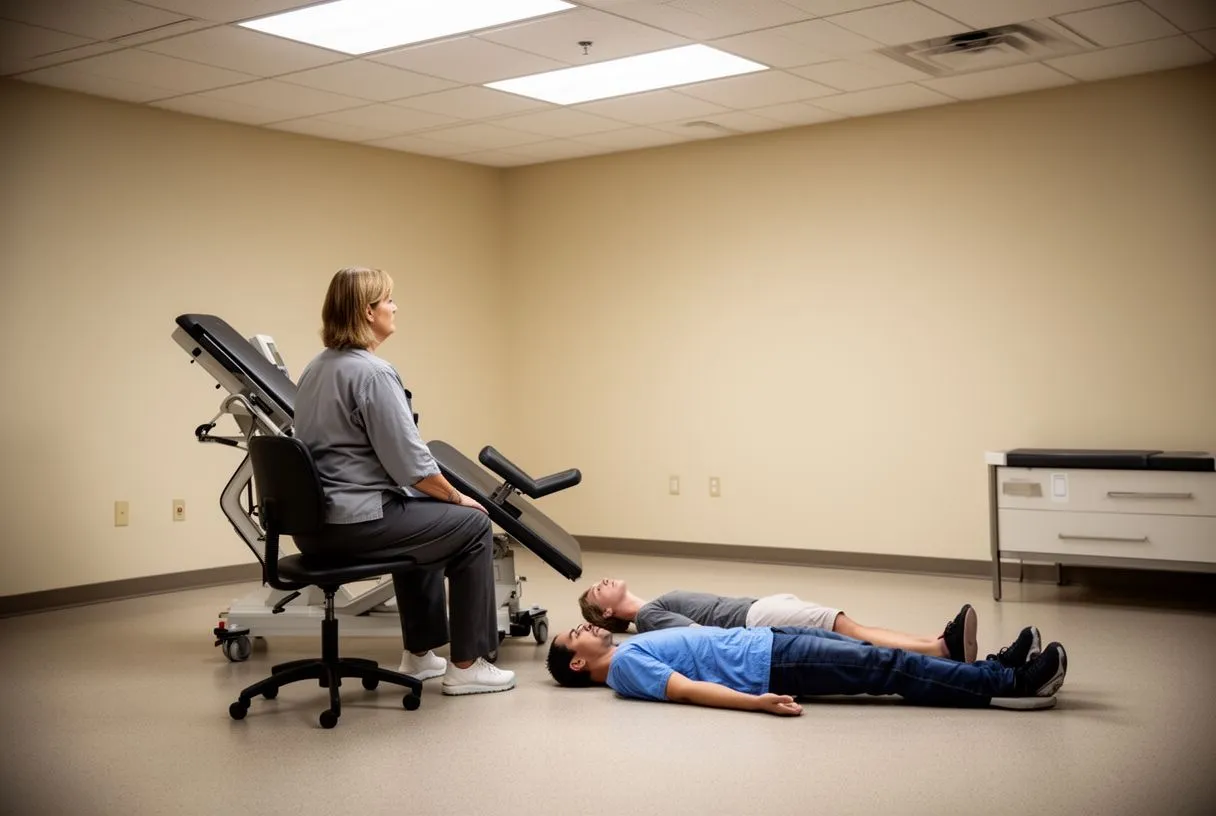
Definitions and boundaries: Syncope is a complete, transient loss of consciousness caused by a global reduction in cerebral blood flow, with rapid onset, short duration, and spontaneous complete recovery. Pre-syncope is the symptomatic prodrome — the body's warning stage — where consciousness is preserved but the patient feels they are about to faint. The distinction matters clinically because patients who experience pre-syncope without progressing to full syncope may still have a serious underlying cause; the only difference may be that they sat down quickly enough to maintain blood pressure.
Why some people stop short of fainting: Several factors determine whether pre-syncope progresses to a full syncope. Postural compensation — sitting or lying down — increases venous return to the heart and can abort the episode. The severity and speed of the blood pressure drop also matter: a gradual decline may produce prolonged pre-syncope, while an abrupt cessation of cardiac output may cause instantaneous syncope with little or no warning. In rhythm disorders, the heart rate must typically fall below approximately 30–35 beats per minute or rise above 180 for a sufficient duration before cerebral perfusion fails.
The study Recovery of cardiovascular testing in Asia during the COVID-19 pandemic: findings from the INCAPS COVID 2 study highlights how disruptions in access to cardiac diagnostic testing can delay the evaluation of patients with syncope and pre-syncope, underscoring the importance of timely assessment when symptoms are present. Even when an episode seems minor, the underlying mechanism deserves investigation.
Cardiac Causes of Fainting and Near-Fainting
Structural heart disease: Conditions that physically obstruct or impair blood flow through the heart are among the most serious cardiac causes of fainting. Severe aortic stenosis — narrowing of the aortic valve — can prevent the heart from increasing output during exertion, leading to exertional pre-syncope or syncope. Hypertrophic cardiomyopathy, a thickened heart muscle, can similarly obstruct outflow. In these cases, the heart's anatomy limits its ability to respond to demand, and episodes often occur during physical activity rather than at rest.
Electrical and rhythm disturbances: Arrhythmias are among the most common cardiac causes. Bradycardia (an abnormally slow heart rate) from sinus node dysfunction or atrioventricular block can drop cardiac output below the threshold needed to perfuse the brain. Tachyarrhythmias — including atrial flutter, a rapid and disorganised rhythm originating in the atrium — can be so fast that the ventricles do not have time to fill properly between beats. The result is a paradox: a heart beating very fast but pumping very little.
Other cardiac contributors include pulmonary embolism (a clot blocking blood flow from the right side of the heart to the lungs), aortic dissection (a tear in the wall of the ascending aorta), and certain medications that affect heart rate or blood pressure. In patients with known vascular disease, an arterial graft or previous bypass surgery does not eliminate the risk of new rhythm problems; close monitoring remains essential. The key message is that cardiac syncope is rarely a standalone event — it is usually a sign of an identifiable, treatable condition.
Arrhythmia and Fainting: How Heart Rhythm Drops Cause Pre-Syncope
The bradycardia mechanism: When the heart rate drops too low, the amount of blood ejected per minute (cardiac output) falls below what the brain requires. The sinus node, the heart's natural pacemaker, can malfunction with age or after certain infections, producing pauses of several seconds. During these pauses, the patient feels the blood drain from their head, vision dims, and if the pause is long enough, consciousness is lost. Patients often describe a sudden "I nearly passed out" moment without any preceding nausea or warmth.
The tachycardia mechanism: Ventricular tachycardia, a fast rhythm arising from the lower chambers, is particularly dangerous because it can degenerate into ventricular fibrillation and cardiac arrest. Even before that point, the rate is often so fast that the ventricles cannot fill adequately, and blood pressure collapses. Supraventricular tachycardias are generally less dangerous but can still produce pre-syncope in susceptible individuals, especially those with underlying structural disease or dehydration. In some patients, a rapid rhythm and a slow reflex response combine — a fast episode is terminated by the nervous system, but the overshoot causes a profound heart rate drop fainting scenario.
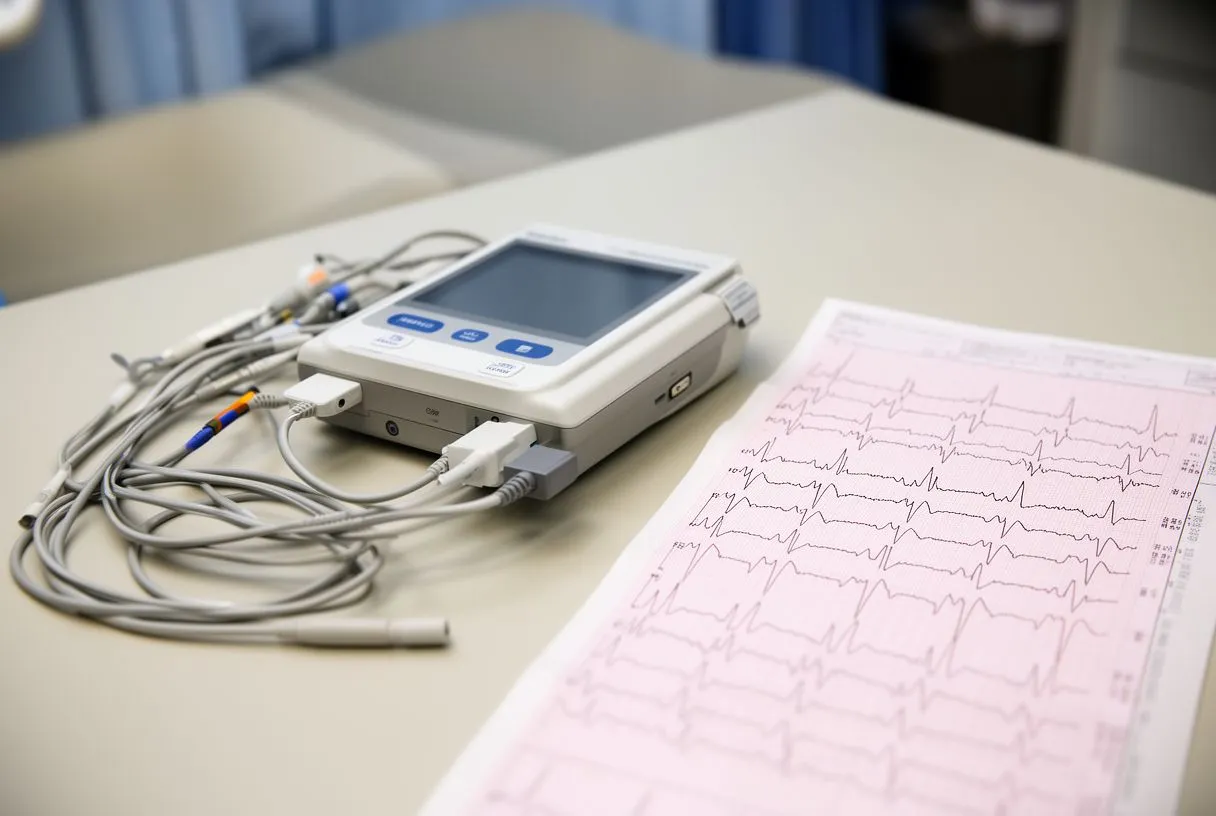
Management of arrhythmia-related pre-syncope depends on identifying the specific rhythm. A Holter monitor or an implantable loop recorder can capture intermittent episodes that a routine electrocardiogram misses. Treatment may range from medication adjustments to a pacemaker for bradycardia or catheter ablation for certain tachyarrhythmias. The goal is not simply to prevent fainting but to address the rhythm disorder that produces it.
Heart Palpitations and Dizziness: When to Worry
The connection explained: Palpitations — an awareness of the heartbeat — accompanied by dizziness or pre-syncope is a combination that warrants careful evaluation. Isolated palpitations without other symptoms are frequently benign, often caused by caffeine, stress, or premature atrial contractions. But when the palpitations coincide with lightheadedness, the possibility that the rhythm disturbance is haemodynamically significant increases. The heart may be beating too fast, too slow, or too irregularly to maintain stable blood pressure.
When to seek urgent evaluation: Certain combinations should prompt same-day assessment. Palpitations with pre-syncope during exercise suggest the heart cannot meet demand — a red flag for structural disease or exercise-induced arrhythmia. Palpitations with chest pain, shortness of breath, or a family history of sudden cardiac death further raise concern. Patients on medications that affect heart rhythm, including certain asthma drugs or antiarrhythmics, should also be evaluated promptly, as drug effects can alter the threshold for dangerous rhythms.
It is important to recognise that not every dizzy spell with palpitations is dangerous. Dehydration, anxiety, and thyroid dysfunction can all produce both sensations simultaneously. The role of the cardiac team is to separate the dangerous from the benign through testing — an electrocardiogram, echocardiogram, and ambulatory monitoring are the backbone of this work. Patients should never be dismissed as "just anxious" until a rhythm disorder has been excluded.
Presyncope Diagnosis: How Doctors Evaluate Feeling Faint
The structured evaluation: Diagnosis begins with a meticulous history. The clinician asks about the circumstances of each episode: position (standing, sitting, lying), activity, triggers, preceding symptoms, duration, and recovery. A witness account is invaluable, as patients often cannot recall the moments immediately before or during an episode. The history alone points toward a diagnosis in a significant proportion of cases, separating reflex faints from cardiac and neurological causes.
Key diagnostic tests: The baseline workup typically includes a 12-lead electrocardiogram to detect conduction abnormalities, signs of structural disease, or arrhythmia. An echocardiogram assesses valve function, chamber size, and pumping strength. Ambulatory monitoring — from a 24-hour Holter to an implantable loop recorder lasting months — captures intermittent rhythms. In selected cases, tilt-table testing reproduces reflex syncope under controlled conditions, while electrophysiology studies map the heart's electrical system for arrhythmia sources. Blood tests screen for anaemia, electrolyte disturbance, and thyroid dysfunction that can mimic or worsen cardiac symptoms.
For patients with suspected structural or vascular contributions, imaging may extend to cardiac MRI or CT. These can identify scar tissue that sustains dangerous rhythms, evaluate the aorta for dissection or aneurysm, and characterise valve disease. The diagnostic strategy is always tailored: a young, otherwise healthy patient with classic vasovagal episodes needs far less testing than an older patient with known coronary disease and new pre-syncope.

Pre-Syncope Treatment Options for Heart-Related Episodes
Reflex and vasovagal faints: When pre-syncope stems from a benign reflex, treatment focuses on education and avoidance. Patients learn to recognise early warning signs and to assume a safe position — sitting or lying with legs raised — at the first hint of symptoms. Adequate hydration, salt intake where medically appropriate, and physical counter-pressure manoeuvres (such as crossing legs and tensing muscles) can raise blood pressure enough to abort an episode. Medications are reserved for frequent, disruptive cases and are not universally effective.
Arrhythmia and structural disease: When the heart is the cause, treatment targets the underlying problem. Bradycardia that produces pre-syncope often requires a pacemaker, which ensures the heart rate never falls below a safe minimum. Tachyarrhythmias may be managed with medication, catheter ablation to destroy the abnormal electrical pathway, or an implantable cardioverter defibrillator for rhythms that risk sudden cardiac arrest. Structural problems such as severe aortic stenosis may require valve replacement — through open surgery or transcatheter approaches — to restore normal flow. Patients on aspirin for vascular disease should discuss any medication changes with their cardiologist, as stopping or starting blood thinners carries its own risks.
The review Endovascular repair of traumatic aortic dissection: a single-center experience illustrates how vascular interventions for serious aortic conditions are performed in specialised centres, reflecting the reality that complex cardiac treatment is best delivered by experienced teams rather than managed in isolation. Pre-syncope that points to such conditions demands referral to a centre with the full range of diagnostic and therapeutic capability.
Pre-Syncope Warning Signs That Mean You Need Urgent Care
Some pre-syncope episodes are clear emergencies. When near-fainting occurs with chest pain or pressure, particularly radiating to the arm, neck, or jaw, the possibility of a heart attack or unstable angina must be considered immediately. Pre-syncope with severe shortness of breath, palpitations that do not resolve within minutes, or an episode that occurred during exertion all warrant emergency evaluation rather than a routine appointment. In these scenarios, calling emergency services is safer than waiting.
Other urgent features include pre-syncope in someone with a known history of heart failure, previous heart attack, or implanted device; new episodes in a patient on medications that can alter rhythm; and any episode accompanied by confusion, difficulty speaking, or weakness on one side of the body, which could indicate a stroke rather than a simple faint. Families should not hesitate to seek help — the cost of a false alarm is low, while the cost of ignoring a serious event can be catastrophic.
Clinicians also pay attention to frequency and progression. A single, clearly vasovagal episode in a young person may need no further action, but episodes increasing in frequency, severity, or occurring with less provocation suggest an evolving problem. Documenting each episode — time, context, symptoms, and duration — provides the medical team with crucial data to guide decisions.
Living With Pre-Syncope: Recovery and Long-Term Outlook
After a thorough evaluation: For most patients, the greatest relief comes from knowing the cause. A clear diagnosis transforms an unpredictable, frightening experience into a named, manageable condition. When the heart is healthy and the faints are reflex, the outlook is excellent: episodes often decrease in frequency with age, and simple behavioural strategies prevent most recurrences. When a cardiac cause is found and treated — whether with a pacemaker, ablation, or valve procedure — the pre-syncope typically resolves as the underlying problem is corrected.
Practical daily management: Patients with recurrent pre-syncope benefit from a few consistent habits. Staying well hydrated, avoiding prolonged standing in hot environments, rising slowly from sitting or lying positions, and learning physical counter-pressure manoeuvres all reduce episode frequency. Those with implanted devices attend regular follow-up checks. Patients on rhythm-controlling medications must take them consistently and report side effects promptly. Driving restrictions may apply after unexplained syncope, so discussing this with the treating team is important.
For families, the message is one of balanced vigilance. Not every dizzy spell is a heart problem, but ignoring recurrent or atypical pre-syncope is never the right approach. If you or a loved one has experienced near-fainting episodes — particularly with palpitations, during exertion, or in the setting of known heart disease — the next step is a conversation with a qualified cardiac team. At Cirugía de Corazón, Dr Alejandro Molina and his colleagues in Guadalajara, Querétaro, and Hermosillo offer thorough evaluation and individualised planning. Rather than self-diagnosing, book a consultation to understand your specific situation and the options that suit it best.
- Sit or lie down immediately at the first sign of lightheadedness to let blood pressure recover.
- Stay hydrated — dehydration lowers blood volume and raises the risk of vasovagal episodes.
- Document every episode: time, context, and symptoms help the cardiac team identify patterns.
- Call emergency services if pre-syncope comes with chest pain, exertional onset, or palpitations that persist.
- ECG first: a 12-lead electrocardiogram is the starting point for every cardiac pre-syncope workup.
- Echocardiogram next: structural disease — valves, chambers, pumping strength — is assessed in detail.
- Ambulatory monitoring: intermittent rhythms need capture over hours or weeks, not a single snapshot.
- Specialist referral: complex or progressive cases belong in a dedicated cardiac centre.






