

Prosthesis-Patient Mismatch: When a Valve Is Too Small
Prosthesis-patient mismatch valve too small: learn causes, symptoms, and treatment options from Guadalajara heart surgery specialists.
If you or a family member are preparing for heart valve surgery, you may have heard the term prosthesis-patient mismatch and wondered what it means. In simple words, it describes a prosthesis-patient mismatch valve too small for the person who received it: the new valve works mechanically, but its opening is narrower than the patient's body needs. Blood cannot flow through as freely as it should, and the heart has to work harder than expected. This is not a surgical error and not a broken device — it is a size-versus-body question that every valve team must weigh before operating. In this guide we explain what mismatch is, how it is detected, what symptoms to watch for, and what can be done about it, so you can ask informed questions and take part in the decision about your own heart.
What Is Prosthesis-Patient Mismatch?
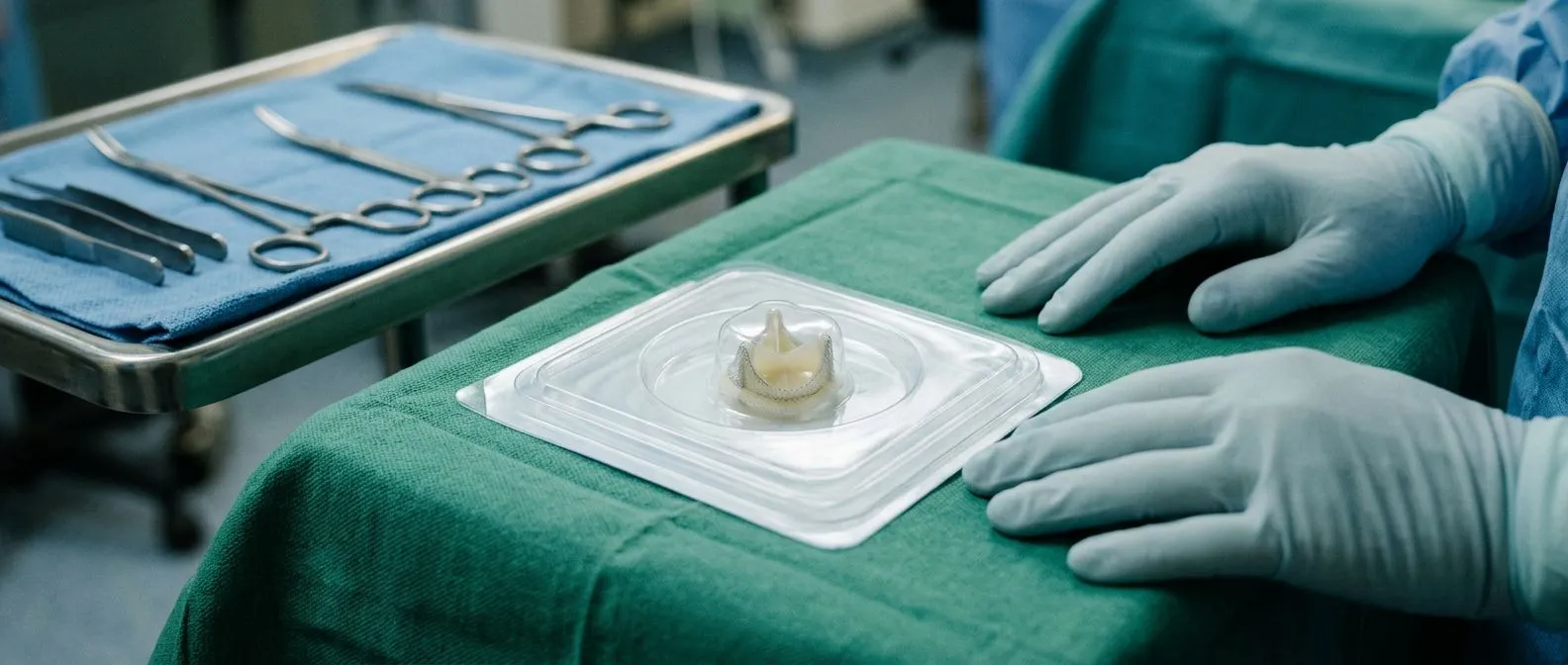
When a diseased aortic or mitral valve is replaced, the surgeon implants an artificial valve — a prosthesis — where the old one sat. Every prosthetic valve has an internal opening, called the effective orifice area, which is the space blood actually flows through. Even a well-functioning prosthesis has an opening somewhat smaller than a healthy natural valve, because the device's frame and sewing ring take up room. Prosthesis-Patient Mismatch exists when that opening is too small relative to the patient's body size and activity needs.
Think of it this way: a small, sedentary person may be perfectly fine with a modest valve opening, while a tall, active person with the same valve would feel the restriction. The heart, especially the left ventricle — the main pumping chamber — must generate extra pressure to push blood through a narrow opening. Over months and years, that extra workload can thicken the heart muscle and contribute to symptoms. This is the same reason a severely narrowed natural aortic valve causes problems; the heart does not much care whether the obstruction comes from disease or from hardware.
The most valuable moment to prevent this problem is before surgery, when the valve type and size are chosen — not after. We review every patient's heart measurements as a multidisciplinary team against international practice guidelines before recommending a specific valve, and we explain the reasoning and the alternatives so the final decision is always the patient's.
What Are the Symptoms of Prosthesis-Patient Mismatch?
Prosthesis-patient mismatch symptoms overlap with the symptoms that led to valve replacement in the first place, which is one reason the condition can be missed. The most common signs are breathlessness during activity that used to be easy, fatigue that does not match your recovery, and, less often, dizziness or swelling of the ankles. Some people notice they cannot walk as far or climb stairs without stopping.
It is important to be honest with yourself about the timeline. Symptoms that improve steadily over the first months after surgery are usually the heart recovering, not a valve problem. Mismatch is more suspect when breathlessness persists beyond the expected recovery period, or when a person who felt well starts to slow down months or years later without another explanation.
- Exertional breathlessness: getting short of breath with activity levels you previously managed comfortably.
- Persistent fatigue: tiredness that does not improve as your surgical recovery progresses.
- Reduced exercise tolerance: needing to stop partway up stairs or on walks that were routine before.
None of these symptoms proves mismatch — they can come from many causes, including anemia, lung conditions, weight changes, or normal aging. What they should do is prompt an evaluation with your cardiologist, which usually begins with an echocardiogram.
Why Does a Valve Replacement Size Problem Happen?
A valve replacement size problem usually begins with anatomy. The annulus — the ring of tissue where the natural valve sits — has a fixed size, and some patients simply have a small one, particularly women and smaller-framed individuals. The surgeon can only implant a valve that fits that space. If the largest valve that fits still has a small opening relative to the patient's body surface area, mismatch is the result, not a mistake.
Other factors contribute. Calcification can extend beyond the annulus into the surrounding tissue, and clearing it aggressively adds surgical time and risk, so a surgeon may accept a slightly smaller valve. The prosthesis design itself matters too: a stented valve — one built on a supportive frame — has a frame that occupies space inside the annulus, reducing the usable opening. A supra-annular valve, positioned above the annulus, and an intra-annular valve, seated within it, use that space differently and can offer different effective openings in the same patient.
When I plan a valve operation, I measure the annulus carefully on the preoperative imaging and match it against the patient's body surface area, because those two numbers together predict whether mismatch is likely. Dr Molina trained at the University of Montreal and at CHU Bordeaux, including structural cardiology and TAVR.

How Is Valve Patient Mismatch Grading Done?
Valve patient mismatch grading is not a yes-or-no answer; it is graded by degree. Specialists calculate the effective orifice area from the echocardiogram and index it to the patient's body surface area — a measure derived from height and weight. This indexed value is what determines the grade. Established thresholds used in international guidelines classify the result as none, moderate, or severe.
Severe mismatch means the valve opening is clearly too small for the patient's size and is the grade most associated with worse outcomes and poorer symptom relief. Moderate mismatch is a grey zone: many patients with moderate values feel well and never need intervention, which is why the numbers are always read alongside symptoms, heart function, and the patient's activity level rather than in isolation.
Two nuances are worth knowing. First, the same numbers matter differently depending on which valve was replaced — the thresholds used for aortic valves are not simply copied to the mitral valve, and Knowing your heart: the mitral valve means understanding that it works under very different pressures. Second, grading can be refined with exercise testing, because some valves show restriction only when the heart is working hard.
What Does a Prosthesis-Patient Mismatch Echocardiogram Show?
The prosthesis-patient mismatch echocardiogram is the central test, and it is painless and non-invasive. An ultrasound probe placed on the chest measures how fast blood moves through the prosthetic valve and calculates two key numbers: the pressure gradient — the pressure drop across the valve, reported in millimetres of mercury — and the effective orifice area. A high gradient with a small area in a normally functioning device points toward mismatch.
The echocardiogram also does something equally important: it rules things out. It can show whether the valve leaflets are moving freely, whether there is a leak around or through the valve, whether there is infection, or whether blood clots are obstructing the mechanism. Those findings mean a different diagnosis and a different treatment, which is why no one should conclude "mismatch" from symptoms alone.
In our consultations we take the time to explain what the echocardiogram actually shows, in plain words, and to answer every question before any decision is made — including which numbers on the report matter and which are simply descriptive.
What Complications Can a Small Valve Replacement Cause?
Small valve replacement complications develop slowly rather than suddenly. The main mechanism is persistent extra workload on the left ventricle. To push blood through a narrow opening, the pumping chamber must generate higher pressures, and over time the heart muscle responds by thickening — a process called hypertrophy. A thickened, stiffened ventricle fills less efficiently, which is the pathway toward heart failure symptoms.
Mismatch has also been associated in clinical studies with a higher risk of blood clots forming inside the heart, and with less complete relief of the symptoms that prompted surgery in the first place. The published literature, summarized in reviews of aortic valve replacement outcomes, consistently links severe mismatch to worse long-term survival compared with patients whose valve opening was adequate for their size.
It is worth putting this in proportion. Many patients live full, active lives with a valve that measures on the small side, especially when the mismatch is only moderate and the heart is otherwise healthy. The concern is mainly with severe mismatch, with mismatch in a patient who already has a weakened heart, and with mismatch that produces persistent symptoms. That is why the grade, the symptoms, and the heart's function are always read together.

Is It a Defective Prosthetic Valve or Just Mismatch?
Patients sometimes arrive worried they received a defective prosthetic valve. In reality, true device defects are rare, and the echocardiogram distinguishes between the possibilities clearly. A defective or diseased prosthesis shows specific findings: restricted or immobile leaflets, blood clots, a fabric growth called pannus that obstructs the opening, infection of the prosthesis known as Prosthetic Valve Endocarditis, or structural breakdown of tissue valves over time, called Structural Valve Deterioration.
Mismatch looks different on the test. The valve is structurally normal — leaflets open and close properly, there is no clot or infection — but the opening is simply small for the person. The pressure gradient is elevated, yet the mechanism is intact. This distinction matters enormously because the treatments are entirely different: a deteriorated or infected valve needs replacement or urgent treatment, while mismatch may need nothing more than monitoring, medication optimization, or a considered decision about further intervention.
Bioprosthetic valves — tissue valves, which may be a Porcine Valve from a pig or bovine tissue — have a natural lifespan and will eventually show Structural Valve Deterioration, typically after a number of years. When that happens, the valve may behave functionally like a stenosed natural valve. Your cardiology team tracks this with regular echocardiograms, so deterioration is usually caught on a scheduled scan before it becomes an emergency.
What Is the Treatment for a Heart Valve Replacement That Is Too Small?
Heart valve replacement too small treatment depends on how severe the mismatch is and how much it is affecting you. For moderate mismatch without symptoms, the usual approach is watchful waiting: regular echocardiograms, good control of blood pressure, and treatment of any other heart conditions. Many patients in this situation never need anything further.
For severe, symptomatic mismatch, the options are more active. Redo valve surgery for PPM means a second operation to replace the prosthesis with a larger or differently designed one — a major undertaking, since it means reopening the chest and redoing surgery in scarred tissue. A less invasive alternative in many cases is a transcatheter approach: a new valve delivered through a catheter, usually from an artery in the groin, placed inside the existing prosthesis. This is called a Valve-in-valve procedure, and it is the same technology used in Transcatheter Aortic Valve Implantation — known in most patient conversations as TAVR — where a Self-expanding Valve or balloon-expanded device is positioned without open surgery. The Lotus Valve was a mechanically expanded, repositionable design once used for this purpose; it is no longer on the market.
Our team performs conventional, minimally invasive, robotic and transcatheter procedures, and we recommend the less invasive route only where the evidence supports it for that specific patient. When a Valve-in-valve option is being considered, we check the anatomy and the existing prosthesis against international practice guidelines as a multidisciplinary team before making a proposal, and we present the alternatives openly so the patient chooses.
- Watchful waiting: moderate mismatch without symptoms — regular echo follow-up and medication optimization.
- Medication support: blood pressure control and heart-failure medicines can ease the workload a small valve creates.
- Valve-in-valve: a transcatheter valve placed inside the old prosthesis, avoiding open redo surgery in suitable patients.
- Redo surgery: replacement with a larger valve or a different design, considered when transcatheter options do not fit.
How Does Cardiac Surgery Valve Sizing Prevent Mismatch?
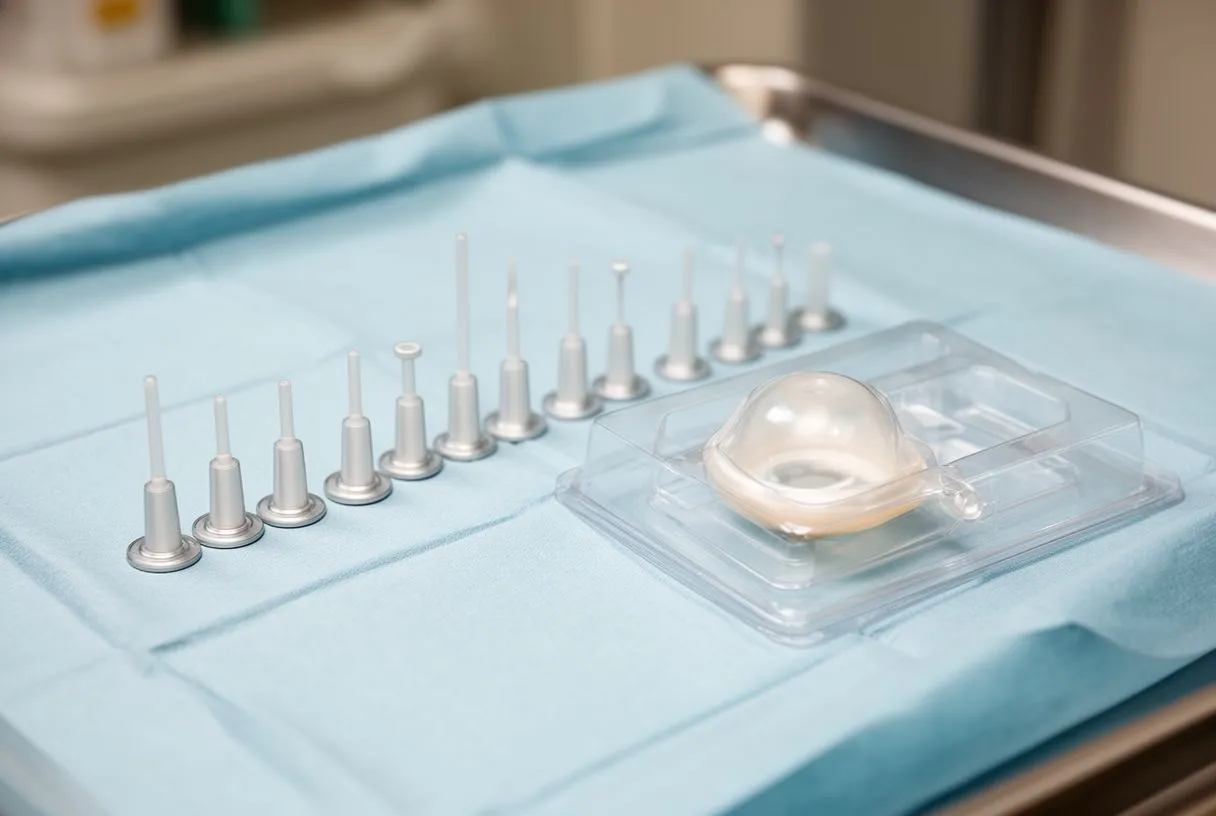
The best treatment for mismatch is avoiding it, and that comes down to careful cardiac surgery valve sizing before the operation. Surgeons use several tools: preoperative echocardiography and CT scans measure the annulus; the patient's body surface area sets the target valve area needed; and during surgery, dilators called sizers physically test which valve diameter fits the annulus. Manufacturers provide reference data — sometimes published informally as a bioprosthetic valve size chart — that maps each labelled valve size to its true internal opening, and these real internal areas matter more than the label on the box.
Valve design choices change the equation. A Stented Valve carries a frame that reduces the effective opening; a Stentless Valve, which uses no rigid frame, generally offers a larger opening for the same annulus size, though it requires a more complex implantation technique. Mechanical valves add another consideration: mechanical valve patient mismatch is possible too, though some modern mechanical valve designs provide a comparatively larger opening for a given annulus diameter. The trade-offs between tissue and mechanical valves — durability, the need for blood thinners, age at implantation — are always weighed alongside the sizing question.
A related concept worth knowing is Prosthesis-patient Mismatch in the context of an undersized annulus and valve choice: when the annulus is truly small, some surgeons enlarge it during the operation, a root enlargement technique, or choose a supra-annular design to gain effective area. There is also a modern alternative for select patients: Valve-sparing Root Replacement, where the patient's own valve is preserved and the diseased aorta is replaced, avoiding a prosthesis altogether when the native valve is healthy enough.
When Should You Talk to a Cardiac Team?
The right time to seek an opinion is whenever symptoms persist after valve surgery, whenever an echocardiogram report mentions a high gradient or a small valve area, and — just as importantly — before your valve surgery, while the valve choice is still open. Prevention is easier than correction, and asking "what happens if the largest valve that fits is still small for me?" is a fair and useful question for any surgical team.
You should also know that seeking a second opinion is completely normal and respected in cardiac care. We encourage second opinions and treat them as a normal part of deciding about heart surgery; if a patient wants another view before committing, we support it without reservation. The CDC notes that heart disease remains a leading cause of death and that informed patients who understand their options make better decisions about Centers for Disease Control and Prevention-recommended care pathways and follow-up.
If you are in that position — facing valve surgery, or living with a valve and new symptoms — the next step is a conversation, not a self-diagnosis. The first contact with our team is a free video consultation: we get to know the patient, talk through the condition in plain language, and say which studies are still needed so no unnecessary ones are ordered; a face-to-face visit at our consulting rooms in Guadalajara, Querétaro or Hermosillo follows when the patient decides to go ahead. Dr Molina trained in cardiothoracic surgery at the Universidad de Guadalajara, in cardiac, minimally invasive, robotic and structural surgery at the University of Montreal, and in structural cardiology and TAVR at CHU Bordeaux, and performed the first robotic mitral valve repair in the Ángeles Health System and the first robotic heart surgery in Guadalajara. If a prosthesis-patient mismatch valve too small is part of your story — before surgery or after it — bring your questions to a qualified cardiac team and let them help you decide with clear information. That conversation is where the right answer for your heart begins.






