Quality of Life After Heart Surgery: What Patients Report
Quality of life after heart surgery improves for most patients.
Many patients tell us the same thing before their operation: they are not only asking whether they will survive surgery, but whether they will truly live afterwards. Learning about the quality of life after heart surgery — what real patients report in the months and years that follow — is often what turns fear into a concrete decision. This guide walks through recovery timelines, energy levels, sleep, mood, and daily life, drawing on published research and on what our team hears directly from patients in Guadalajara, Querétaro and Hermosillo.
What Does Quality of Life After Heart Surgery Really Mean?
More than survival. Surgeons measure success in operating-room terms, but patients measure it differently: Can I climb the stairs again? Will I travel? Will I stop waking at night gasping? Quality of Life is the phrase medicine uses for this broader picture — physical comfort, independence, mood, and the ability to do the things that make a life feel like your own.
What patients actually report. In follow-up consultations after heart valve surgery and coronary bypass, most patients describe a two-stage story: a difficult first six to eight weeks, followed by a steady return of capacity they had often lost gradually over years without noticing. Many say their quality of life a year later is better than in the year before surgery, because the operation removed symptoms that had quietly limited them.
Why definitions matter. When studies report "improved quality of life," they usually mean validated questionnaires covering physical function, pain, emotional state, and social participation. Knowing this helps you read outcome data critically — and it gives you a checklist for your own recovery goals. It is worth asking your surgical team, before the operation, what a realistic "good result" looks like for your specific condition.
When Does Quality of Life Improve After Heart Surgery?
The first weeks are the hardest. Nearly every recovery timeline follows the same shape. Week one to three is dominated by wound healing, limited sleep positions, and early walking. Weeks four to eight bring noticeable gains in stamina. Most patients describe a genuine turning point somewhere between month two and month four, when everyday tasks stop feeling like exercise.
What "when does quality of life improve after heart surgery" looks like in practice. Research on heart surgery recovery quality of life consistently shows measurable improvement in physical function within the first three months, with emotional and social benefits often arriving a little later. Improving quality of life after heart bypass is rarely a straight line — good weeks alternate with tired ones, and that fluctuation is normal, not a setback.
In our consultations we give patients a month-by-month picture of what to expect, because knowing the shape of the curve in advance prevents the discouragement we sometimes see around week six. If a recovery stalls well beyond these milestones — new breathlessness, worsening swelling, wound problems — that is a reason to contact your team rather than wait it out.
What Are Patient-Reported Outcomes After Cardiac Surgery?
The patient's voice, measured. Patient reported outcomes after heart surgery are exactly what the name suggests: structured accounts from patients themselves about pain, energy, mood, sleep and daily function, collected with standard questionnaires rather than lab tests. They matter because two patients with identical scans can describe very different lives.
What the research shows. Studies of quality of life after cardiac surgery, including observational work in stable heart disease, find that symptom relief and daily functioning improve substantially in most patients — and that sticking with medication and rehabilitation afterwards is closely tied to how much benefit lasts. One observational study of patients on nicorandil for stable ischemic heart disease examined exactly this relationship between treatment adherence and quality of life, and found the two are interrelated over the long term (Russian Journal of Cardiology).
How to use this information. Before surgery, ask which outcomes matter most for your case — walking distance, sleep, return to work — and write them down. After surgery, track them. Patients who monitor their own progress tend to notice problems earlier and recover with more confidence.
Life After Open Heart Surgery: What to Expect Week by Week
The sternal reality. When people search "life after open heart surgery what to expect," the sternum is usually the missing piece. The breastbone takes roughly eight weeks to knit, which is why lifting, pushing and driving are restricted during that window regardless of how well you feel. Returning to normal life after heart surgery is paced by the bone, not by your energy.
A realistic early rhythm.
- Weeks 1–2: short walks several times a day, wound care, sleeping propped up, no driving.
- Weeks 3–6: walking distances lengthen, light household activity returns, cardiac rehabilitation usually begins.
- Weeks 6–12: driving typically resumes once your team confirms sternal healing; most desk work is possible.
Chest sensations are normal. Chest discomfort after heart surgery has a real daily impact for many patients in the first months — aching at the incision, twinges with movement, numbness along the scar. Most of this settles, but any new, severe, or pressure-like chest pain always deserves immediate medical attention. Your team should review your wound and sternal healing at follow-up before clearing you to drive or return to work, because these milestones differ from person to person.

How Does Exercise Tolerance Change After Heart Surgery?
Early limitation is expected. Exercise tolerance after heart surgery drops sharply at first — not because the heart is weaker, but because the body is diverting energy into healing. Walking is the backbone of early recovery; the usual guidance is to walk daily, increase gradually, and stop short of exhaustion.
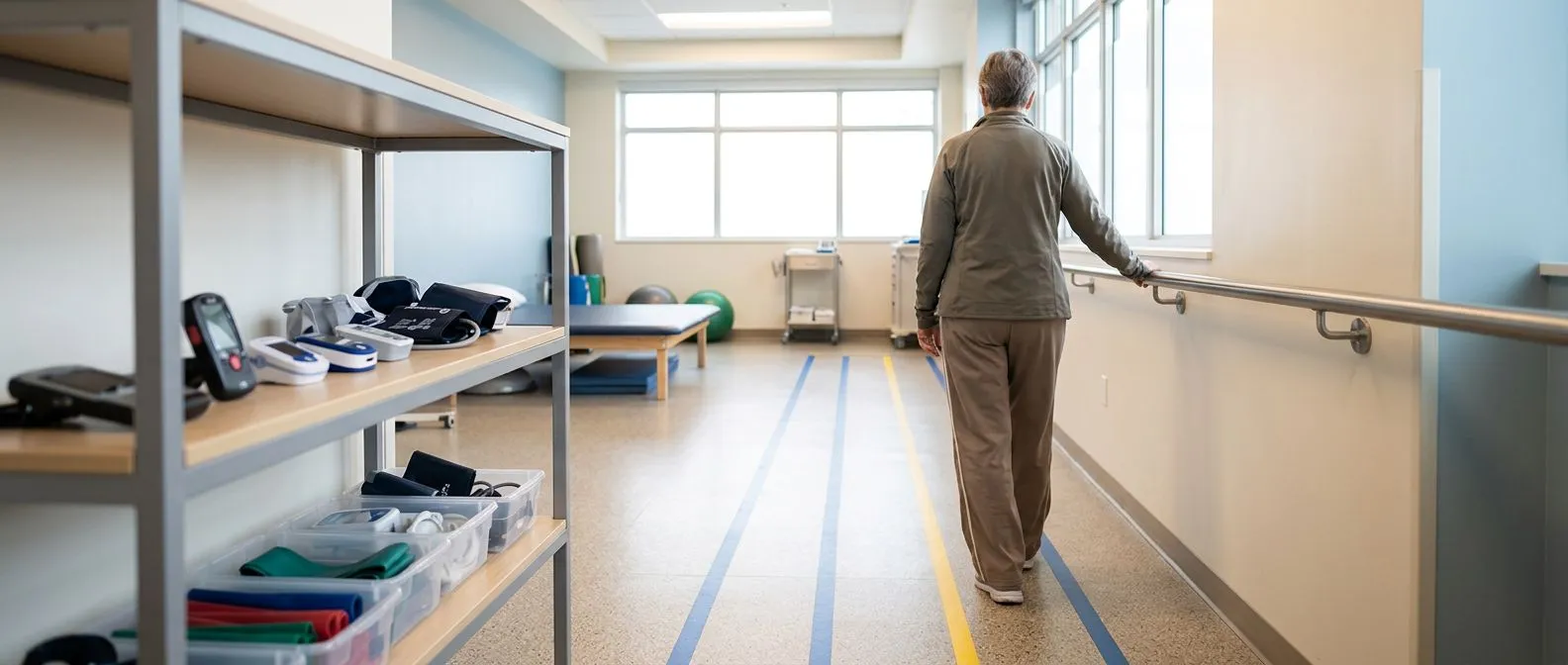
Progress follows a pattern. Most patients notice real change between month two and month six. Climbing stairs stops requiring rest stops. Carrying groceries becomes ordinary again. Structured programs accelerate this: a supervised cardiac rehabilitation program safely rebuilds fitness with monitored exercise, which is why we consider it part of the operation itself rather than an optional extra.
What the evidence supports. Authoritative sources such as the Mayo Clinic emphasize gradual, medically guided activity after cardiac surgery — including the warning signs that mean you should slow down, such as chest pain, dizziness or unusual breathlessness. Exercise plans should be individualised against international guidelines, with conservative early limits to prevent setbacks during sternal healing.
Fatigue and Sleep Quality After Heart Surgery: What Helps?
Fatigue after heart surgery recovery is the rule, not the exception. Nearly every patient reports deep tiredness in the first two months. This is physiological: tissue repair, anaemia from the operation, new medications and disrupted nights all converge. The fatigue that patients describe usually lifts meaningfully between months three and six — and it improves faster when patients pace activity rather than swinging between overdoing it and total rest.
Sleep quality after heart surgery takes a hit. Sternotomy patients often cannot sleep on their side comfortably for weeks, anaesthesia and pain medication disrupt sleep architecture, and daytime napping fragments nights. Practical helps include sleeping propped on extra pillows, avoiding long daytime naps, and taking pain medication before bed as prescribed rather than waiting for pain to build.
When fatigue is a warning. Tiredness that worsens instead of improves, especially with swelling, weight gain or breathlessness, should be reported promptly — it can signal fluid retention, anaemia or another treatable issue. Fatigue that simply plateaus and slowly fades is normal; fatigue that reverses the recovery curve is not.
How Does Cardiac Rehabilitation Support Quality of Life?
The most underused recovery tool. Cardiac rehabilitation and quality of life are tightly linked in the research: supervised programs combine monitored exercise, medication review, diet counselling and psychological support, and participants consistently report better function and confidence than those recovering alone. The link between adherence to treatment and long-term quality of life appears repeatedly in studies of stable coronary disease (Russian Journal of Cardiology).
What a program actually involves.
- Supervised exercise: graded sessions on a treadmill or cycle with heart-rate and symptom monitoring.
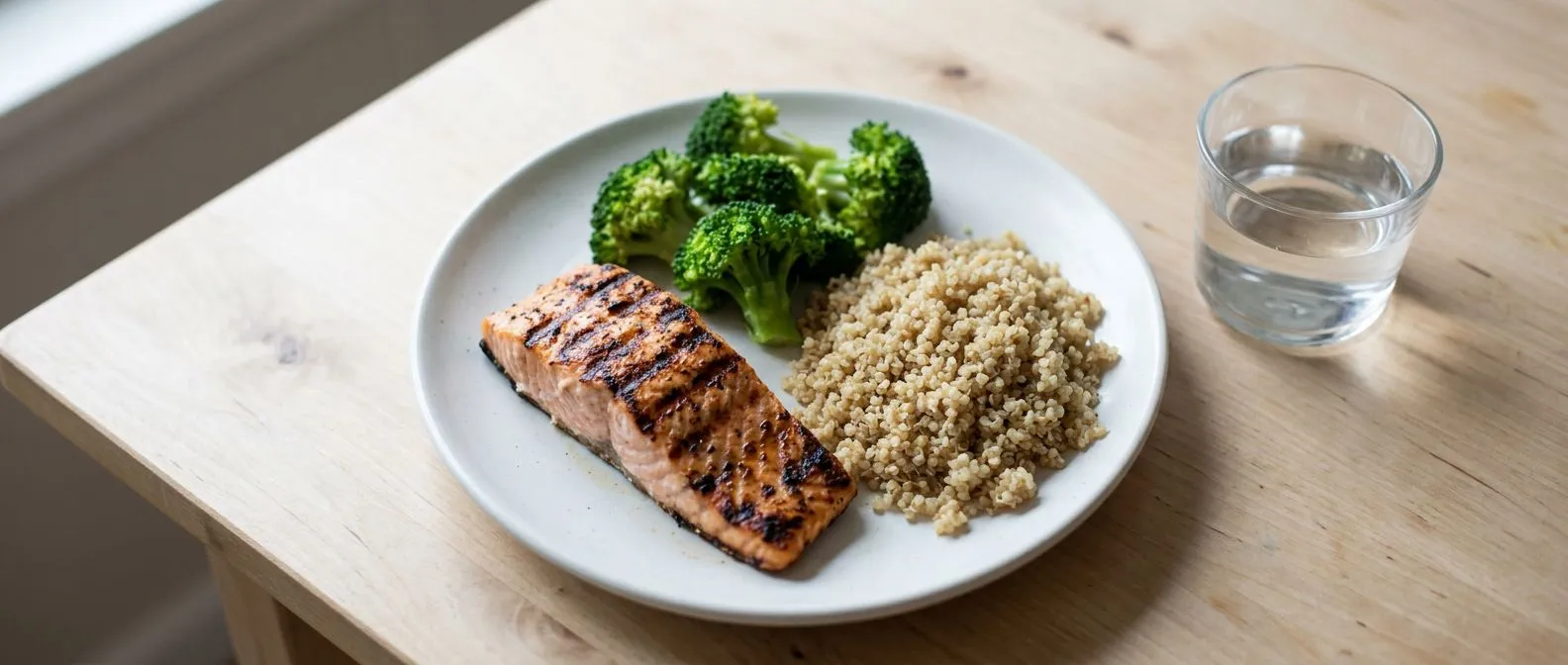
- Diet changes after heart surgery quality of life: practical coaching toward heart-healthy eating — less salt, less processed food, more vegetables and lean protein — framed as sustainable habits, not punishment.
- Education and support: understanding your medications, recognizing warning signs, and connecting with others at the same stage.
Access is part of the plan. If a formal program is unavailable near you, ask your cardiac team to help you build an equivalent structured plan. The consistency matters more than the venue. If you live far from where you had surgery, ask about a rehabilitation option close to home and include it in your recovery plan.
Emotional Wellbeing and Social Life After Heart Surgery
The mood dip nobody warns you about. Emotional wellbeing after cardiac surgery deserves honest discussion. A significant share of patients experience low mood, anxiety or tearfulness in the weeks after surgery — sometimes called cardiac depression. It is common, usually temporary, and treatable. Mentioning it to your team is a sign of good recovery management, not weakness.
Social life after heart surgery returns in stages. Early weeks are inward-focused; many patients feel oddly isolated. Energy returns before confidence does, so the first outings may feel emotionally harder than physically. Family support genuinely matters here: patients who resume shared activities — meals, walks, short trips — consistently describe a faster return to feeling like themselves.
Heart surgery success stories patient experience angle. Talk to people one or two years ahead of you on the same path. Patient communities and support groups, in person or online, normalize the emotional curve and offer practical tips no leaflet covers. We encourage our patients to bring a family member to consultations, because recovery is a household project and informed families spot problems earlier.

How Do Minimally Invasive Heart Surgery Recovery Outcomes Compare?
Smaller access, faster return. Minimally invasive heart surgery recovery outcomes differ mainly in the early months. Approaches that avoid a full sternotomy — small chest incisions, or catheter-based procedures such as TAVR (transcatheter aortic valve replacement) — typically mean less pain, lower wound-complication risk, and a quicker return to walking and daily activity. Our team performs conventional, minimally invasive, robotic and transcatheter procedures, and we recommend the less invasive route only where the evidence supports it for that specific patient.
Quality of life after heart valve surgery in older adults. For elderly patients, catheter-based valve replacement has changed the equation. Research evaluating elderly patients undergoing correction of aortic valve stenosis reports meaningful gains in quality of life after intervention, with improvements that patients notice in everyday stamina and independence (Cardiosomatics). For a frail 85-year-old, the difference between a full sternotomy and a catheter procedure can be the difference between weeks of rehabilitation and weeks of living.
Match the approach to the person. Not every patient is a candidate for every technique — anatomy, valve type, and other conditions all influence the choice. This is precisely why heart surgery decisions deserve a team review rather than a single-opinion snap judgement. Every case we see is reviewed by the full multidisciplinary team against international guidelines before a recommendation is made, and the patient receives the alternatives alongside our proposal — the final decision is always theirs.
Long-Term Quality of Life After Coronary Artery Bypass
Years, not months. Long-term quality of life after coronary artery bypass is where the operation earns its place. Beyond the first year, most patients report durable relief from angina, better exercise capacity, and reduced need for anti-anginal medication. The protection against heart attack and the symptom relief together are why bypass remains the standard for certain patterns of coronary disease.
What protects the result. The grafts and the heart both respond to how you live afterwards: not smoking, blood pressure and cholesterol control, diabetes management, regular activity, and taking prescribed medication consistently. The studies linking adherence to sustained quality of life make the point plainly — the operation opens the door, but daily habits decide how good the room is.
Follow-up is not optional. Yearly reviews with your cardiac team, updated imaging when indicated, and prompt reporting of new symptoms keep the long-term picture on track. Long-term follow-up matters, because a bypass graft's story is written over years, not weeks.
Taking the Next Step Toward Better Quality of Life
Bringing it together. The honest picture of learning about the quality of life after heart surgery is this: the first two months demand patience, the middle months reward steady effort, and for most patients the years that follow are measurably better than the years that preceded surgery — better energy, better sleep, better mood, and a return to the activities that define a full life. The quality of life after heart surgery is, for the majority, not merely restored but improved.
Second opinions are normal. If you or a family member are weighing a cardiac operation, seeking more than one expert view is a reasonable and routine part of deciding — not a betrayal of your first doctor. We encourage second opinions and treat them as a normal part of deciding about heart surgery; the first contact is a free video consultation where we talk through your condition and tell you which studies are still needed, so no unnecessary ones are ordered.
Your situation is the one that matters. No article can predict your individual recovery, and none of this is a substitute for a proper evaluation. If you are facing valve disease, coronary disease, an aortic condition or a structural heart problem, discuss your own case with a qualified cardiac team — and if you would like that conversation to start calmly, in plain language, you can book a consultation with Dr Alejandro Molina's team at any of our consulting rooms.