


Minimally Invasive Heart Surgery: Smaller Cuts, Faster Recovery
Minimally invasive heart surgery recovery means smaller incisions and faster healing.
Minimally invasive heart surgery recovery offers patients a path back to health with less trauma than traditional open procedures. Instead of splitting the entire breastbone through a full sternotomy, surgeons work through small openings between the ribs or a partial upper sternal cut. For patients facing heart valve repair, coronary bypass, or other cardiac procedures, understanding what minimally invasive approaches involve—and what recovery actually looks like—helps transform anxiety into informed confidence. This guide walks through each stage of the journey, from how these operations are performed to what daily life feels like in the weeks and months afterward.
What Is Minimally Invasive Heart Surgery and How Is It Different?
Defining the approach: Minimally invasive heart surgery encompasses any cardiac procedure performed through incisions smaller than the traditional 6- to 8-inch sternotomy. The sternum—the flat bone at the center of the chest—remains either completely intact or receives only a partial upper cut in a mini sternotomy. Surgeons access the heart through 2- to 4-inch intercostal gaps, sometimes with the assistance of thin instruments and camera guidance. This preserves chest wall stability and eliminates the need for wires to rejoin a split breastbone.
For patients, the most visible difference appears in heart surgery scars. A traditional sternotomy leaves a vertical central scar; minimally invasive approaches hide smaller marks along the breast edge, beneath the arm, or even within skin folds. More importantly, the underlying structural preservation changes how quickly the body heals and returns to function. The Atrium—that upper chamber receiving blood—is reached through alternative pathways that skilled surgeons master through specialized training.
Not every cardiac condition suits this approach. The anatomy of the Ascending Aorta (the initial segment of the main artery leaving the heart), the extent of Atheromatous Plaque (hardened, fatty deposits) in vessels, and prior chest surgery all influence whether a minimally invasive path remains feasible. A candid surgical consultation weighs these factors against the potential benefits for each individual patient.
How Does Minimally Invasive Heart Surgery Work?
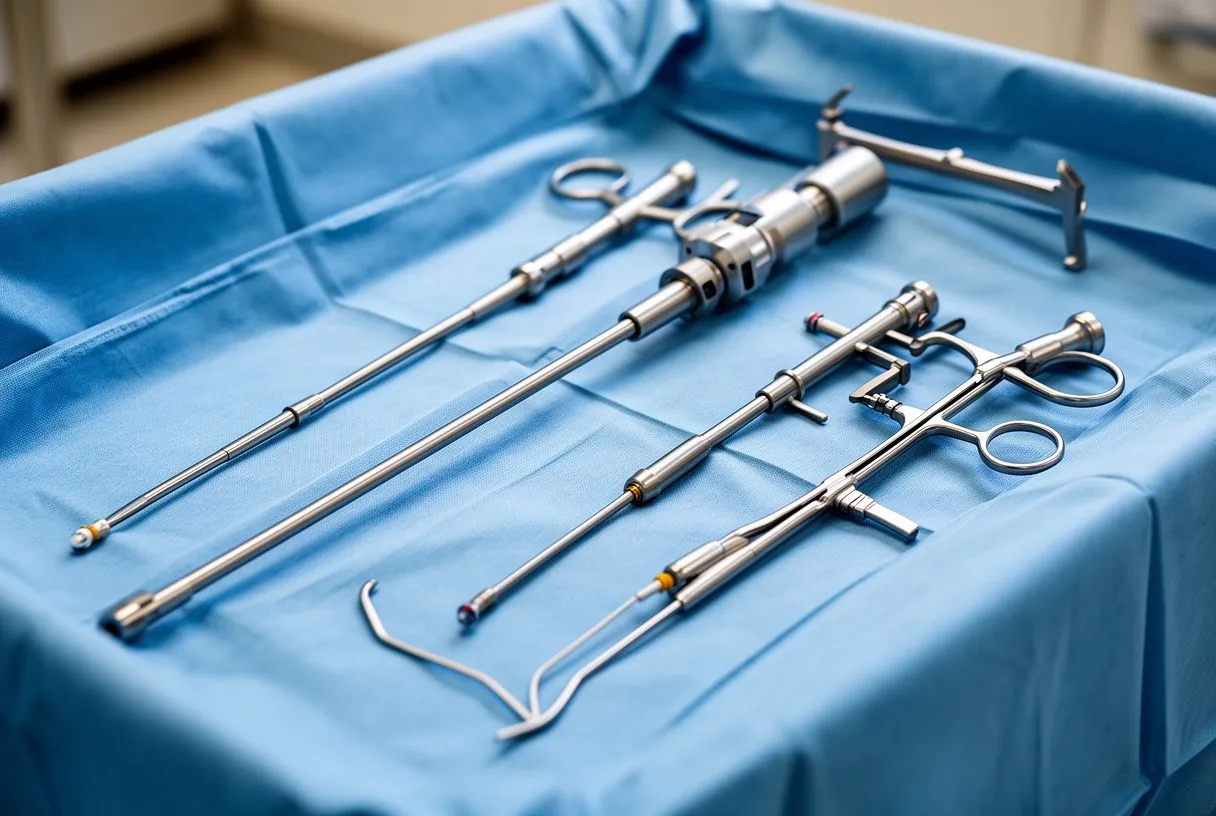
Visual guidance through small spaces: Surgeons rely on high-definition cameras inserted through narrow ports to visualize the beating or arrested heart. In thoracoscopic heart surgery, the camera transmits magnified images to a monitor, allowing the team to navigate instruments around delicate structures. For procedures requiring precision suturing of valve tissue or placement of an Autograft (tissue taken from the patient's own body), this magnification proves invaluable.
The heart may be stopped and supported by a heart-lung machine, or surgery may proceed on the Beating Heart Surgery platform with stabilization devices that immobilize only the specific region being repaired. Coronary bypass grafts using an Arterial Graft (typically the internal mammary artery) can be sewn while the heart continues its rhythm. The Arterial Line—monitoring blood pressure continuously—guides the anesthesiologist in maintaining stable conditions throughout.
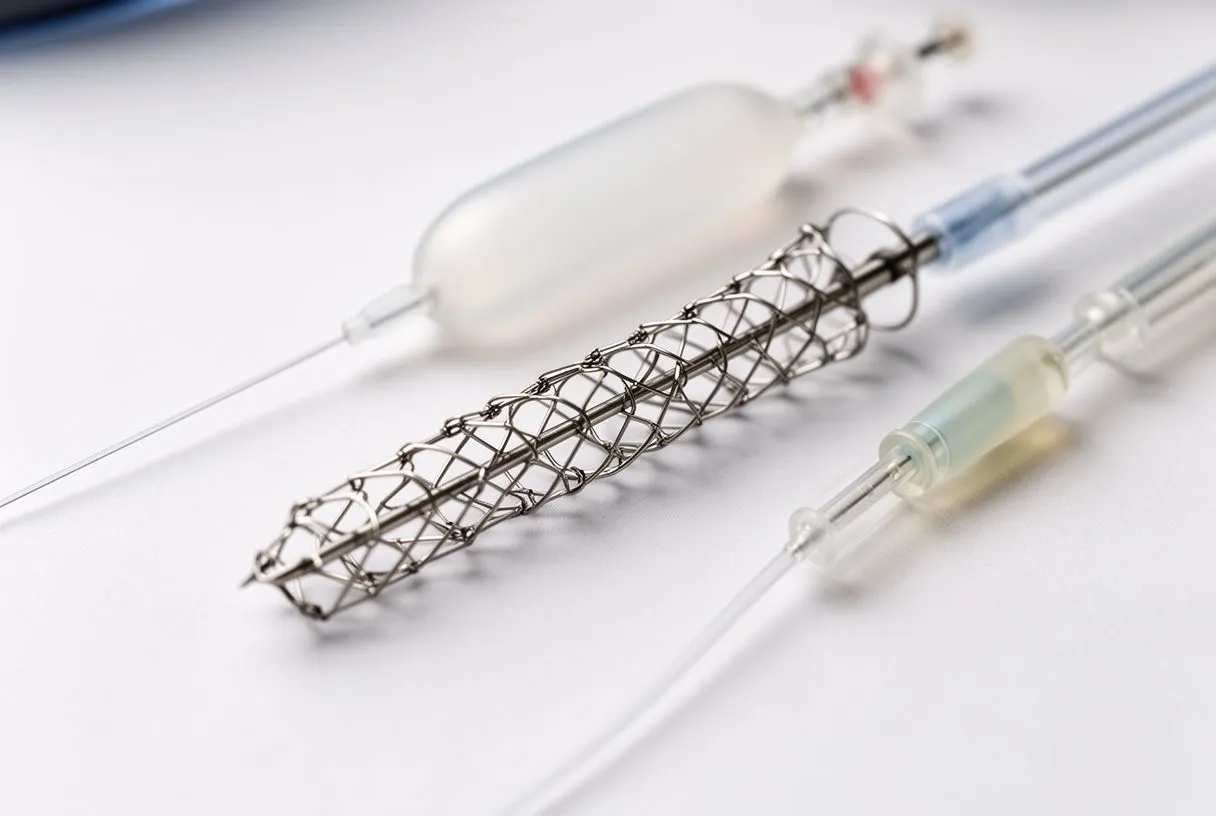
Balloon Angioplasty techniques sometimes complement surgical planning, though they belong to the interventional cardiology rather than surgical toolbox. Hybrid procedures combine catheter-based and surgical approaches in coordinated sessions. A patient might receive stenting of one blocked vessel while another receives a surgical bypass through a small incision, all during a single anesthetic with a unified recovery.
Types of Minimally Invasive Heart Procedures Available Today
Several distinct surgical approaches fall under the minimally invasive umbrella, each matched to specific cardiac problems:
- Mini sternotomy: Upper partial breastbone division for aortic valve replacement or repair, providing direct visualization with limited bone disruption
- Thoracoscopic heart surgery: Multiple small ports between ribs for mitral valve procedures, atrial septal defect closure, and some bypass combinations
- Robot-assisted heart surgery: Surgeon-controlled robotic arms translating hand movements into precise instrument motions through 8-mm ports
- Port access cardiac surgery: Specialized cannulation through the femoral vessels for heart-lung machine connection, avoiding chest vessel exposure
- TAVR (Transcatheter Aortic Valve Replacement): Valve delivered via catheter through the groin or a small chest access, no heart-lung machine required for most candidates
- Hybrid bypass surgery: Combined minimally invasive surgical grafting with interventional stenting for multivessel disease
TAVR procedure recovery differs substantially from surgical valve replacement, often involving one to three days in hospital versus five to seven. However, TAVR serves a specific population—typically older patients or those with elevated surgical risk—and durability questions influence selection for younger, lower-risk individuals. The 2014 ESC/EACTS Guidelines on myocardial revascularization provide framework for these decisions, emphasizing heart-team consultation and individualized risk assessment.
For coronary disease, Endoscopic Heart Surgery techniques allow harvesting of the internal mammary artery through small incisions, then routing for direct coronary anastomosis through a mini-thoracotomy. Single-vessel disease to the left anterior descending artery particularly suits this approach, with excellent long-term patency of the arterial graft.
Minimally Invasive Heart Surgery Recovery Timeline: What Patients Experience
Hospital stay: Most patients spend two to four days in hospital after minimally invasive procedures, compared with five to seven for standard sternotomy. The first night involves close monitoring in an intensive care setting, with the Arterial Line and central venous catheter guiding fluid management. Pain control follows multimodal protocols—combining regional nerve blocks, anti-inflammatory medications, and limited opioid use—to maintain alertness and encourage early movement.
First week home: Patients typically manage pain with oral medications, experiencing discomfort primarily with coughing, deep breathing, or position changes. Unlike sternotomy patients who must avoid lifting entirely for six to eight weeks while bone heals, those with intact breastbones face fewer restrictions. Sternal sparing heart surgery allows earlier shoulder mobility and less fear of bone separation during routine activities.
By two to three weeks, many patients walk a mile or more daily and resume light household tasks. Full driving return usually awaits two to three weeks—when reaction time normalizes and medication effects subside. Three to four months marks substantial recovery completion for most, though individual variation remains significant based on age, preoperative fitness, and procedure complexity.

Minimally Invasive vs Open Heart Surgery: Comparing Risks and Benefits
Risk profiles between approaches overlap considerably, with neither universally superior. Research including A Randomized Trial of Intraarterial Treatment for Acute Ischemic Stroke demonstrates how procedural innovation requires rigorous outcome validation before adoption. Similarly, cardiac surgeons track conversion rates—how often minimally invasive plans shift to full sternotomy for safety—and adjust patient selection accordingly.
Potential advantages of minimally invasive approaches:
- Reduced bleeding and transfusion needs, with some programs employing Autologous Blood (the patient's own blood) recovery techniques
- Lower wound infection rates, particularly important in diabetic patients and those with obesity
- Faster return to respiratory function, avoiding the shallow breathing pattern that follows sternotomy pain
- Preservation of chest wall mechanics for future procedures if needed
- Improved cosmesis with strategically placed small incisions
Trade-offs exist. Minimally invasive techniques demand longer operative times during a surgeon's learning curve. Some data suggest slightly higher rates of stroke or aortic complications with certain approaches, particularly when cannulation for heart-lung machine support occurs through femoral vessels rather than direct aortic connection. The decision balances these considerations against individual patient factors—including whether Atypical Infarction patterns or prior sternotomy have altered anatomy.
Who Qualifies for Minimally Invasive Heart Surgery?
Anatomic suitability: Ideal candidates present with isolated valve disease, single or double vessel coronary disease, or select congenital conditions without extensive calcification. The Ascending Aorta must permit safe cannulation or clamping through limited exposure. Severe lung disease restricting single-lung ventilation during thoracoscopy, significant chest wall deformity, or extreme obesity may redirect toward sternotomy.
Prior surgery considerations: Reoperations pose particular challenges when scar tissue adheres the heart to surrounding structures. While experienced centers perform minimally invasive redo procedures, the threshold for conversion to full sternotomy runs higher. Preoperative imaging with CT angiography maps these relationships, guiding candidacy assessment.
Age alone rarely disqualifies; rather, frailty indices and comorbidity burden inform selection. TAVR expanded minimally invasive options to patients previously considered inoperable, yet surgical valve repair or replacement through mini approaches remains appropriate for many low-risk patients who value long-term durability. The heart team—surgeon, interventional cardiologist, and imaging specialist—collaborates in recommending the lowest-risk path for each situation.

Robot-Assisted Heart Surgery Recovery Time and What to Expect
Precision through technology: Robot-assisted heart surgery recovery time generally parallels other minimally invasive approaches, with most patients discharged in two to three days. The robotic platform provides wristed instrument movement impossible with standard thoracoscopic tools, enabling complex mitral valve repair through 8-mm ports. The surgeon sits at a console, viewing a three-dimensional magnified field, controlling instruments that filter hand tremor and scale motion.
Recovery specifics depend heavily on what the robot accomplishes. Mitral valve repair—restoring the patient's own valve rather than replacing it—avoids long-term anticoagulation in many cases, simplifying postoperative medication regimens. Coronary bypass performed robotically may use the left internal mammary Arterial Graft to the left anterior descending artery, with additional grafts placed through a small auxiliary incision or via hybrid stenting.
Insurance coverage and regional availability influence access significantly. The capital investment and specialized training requirements mean fewer centers offer comprehensive robotic cardiac programs compared to standard minimally invasive or sternotomy approaches. Patients considering travel for specialized care should discuss logistics with their care team, including how postoperative surveillance occurs if they return home distant from the surgical center.
Managing Pain and Heart Surgery Scars After Smaller Incisions
Pain patterns differ: Rather than the sternal ache dominating sternotomy recovery, minimally invasive patients describe intercostal nerve irritation—sharp, localized discomfort along the rib spaces where instruments passed. This typically diminishes substantially within two weeks, though some experience lingering neuropathic sensations for months. Regional anesthesia techniques, including paravertebral or erector spinae blocks, extend postoperative comfort into the critical first days.
Scar evolution: Small incisions heal through the same biological phases—inflammation, proliferation, remodeling—over twelve to eighteen months. Early care involves keeping sites clean and dry, monitoring for infection signs, and avoiding tension on healing wounds. Silicone gel or sheets, begun after complete epithelial healing, may improve cosmetic outcomes. Sun protection for the first year prevents hyperpigmentation along incision lines.
Some patients develop hypertrophic scarring despite small incisions, particularly at chest tube sites. Steroid injection or laser therapy addresses problematic scars if they develop. The psychological benefit of avoiding a prominent central chest scar matters more to some patients than others—a preference worth discussing during surgical consultation, though never the primary driver of approach selection.
Returning to Work, Exercise, and Daily Life After Minimally Invasive Heart Surgery
Work reintegration: Desk-based employment often resumes at three to four weeks for minimally invasive patients, compared with six to eight weeks post-sternotomy. Physically demanding occupations—construction, heavy equipment operation, patient lifting—require longer restriction, typically six to twelve weeks, to allow complete muscular healing even when bone remains intact. Graduated return with modified duties bridges this period for many workers.
Exercise progression: Cardiac rehabilitation begins during hospitalization with supervised walking, then transitions to outpatient programs around two weeks post-discharge. These twelve- to thirty-six-week programs combine monitored exercise, risk factor education, and psychosocial support. Home-based alternatives suit patients with travel limitations, using heart rate monitors and telemedicine check-ins. Formerly active individuals often return to swimming, cycling, and eventually running by three months, though contact sports remain restricted longer to protect healing structures.
Sexual activity typically resumes when walking a mile comfortably occurs—usually two to four weeks. The emotional dimension deserves attention; partners may fear causing harm, and patients may experience performance anxiety related to medication effects or self-image concerns. Open communication and gradual resumption normalize this aspect of recovery.
Is Minimally Invasive Heart Surgery Safe? Understanding Outcomes
Safety assessment requires comparing equivalent patient populations and procedures—outcomes optimization rather than a promised outcome. The Frontiers in Cardiovascular Medicine publishes ongoing research refining patient selection and technique modification. Established programs report mortality and major complication rates comparable to sternotomy for appropriately selected patients, with advantages in specific domains like blood loss and early functional recovery.
Specific risks to understand: Conversion to sternotomy, while uncommon in experienced hands, remains a possibility and is not itself a complication but rather a safety maneuver. Stroke risk—related to aortic manipulation, air embolism, or low-flow states—requires discussion, as does need for permanent pacemaker when operating near conduction tissue. Long-term structural durability of repairs performed through limited exposure matches traditional approaches when surgical skill and patient selection align.
For valve procedures, ongoing surveillance follows established protocols regardless of access approach. Echocardiographic review at intervals detects deterioration or dysfunction early. A Randomized Trial of Intraarterial Treatment for Acute Ischemic Stroke illustrates how medical fields continually validate innovations against standards—cardiac surgery similarly evolves through prospective data collection and analysis.
Patient-reported outcomes increasingly complement traditional metrics. Quality of life, return to preferred activities, and symptom relief matter as much to patients as operative mortality statistics. The 2014 ESC/EACTS Guidelines on myocardial revascularization incorporated these broader outcome measures, reflecting evolving understanding of what successful treatment means.
Minimally invasive heart surgery recovery represents genuine advancement for appropriately selected patients—not miracle, not marketing, but methodical refinement of established surgical principles. The smaller incisions, preserved sternal integrity, and accelerated functional return benefit many, while traditional approaches remain optimal for others. The path forward begins with honest conversation: your specific anatomy, your particular condition, your personal priorities, matched against the capabilities and experience of your surgical team. At Cirugía de Corazón, Dr Alejandro Molina and colleagues welcome these discussions, bringing expertise from Guadalajara, Querétaro, and Hermosillo to patients seeking clarity in cardiac care decisions. Schedule a consultation to explore whether minimally invasive approaches align with your situation, and take the informed next step toward heart health.






