Renal Replacement Therapy After Heart Surgery
Renal replacement therapy after surgery supports kidney recovery after heart surgery.
If you or a loved one is preparing for heart surgery, one question may not have come up yet: what happens to the kidneys during and after the operation? Renal replacement therapy after surgery is the medical term for treatments that temporarily take over the kidneys' job of cleaning the blood. It sounds alarming, but for most patients it is a short, planned form of support while the body recovers. This guide explains what it is, when it is used, and what recovery really looks like.
What Is Renal Replacement Therapy After Surgery?
Renal replacement therapy after surgery is a group of treatments that filter the blood when the kidneys cannot do it themselves. The word "renal" simply means related to the kidneys. During major operations, especially cardiac surgery, the kidneys can pause their work for hours or days. These machines step in so waste products and extra fluid do not build up in the body.
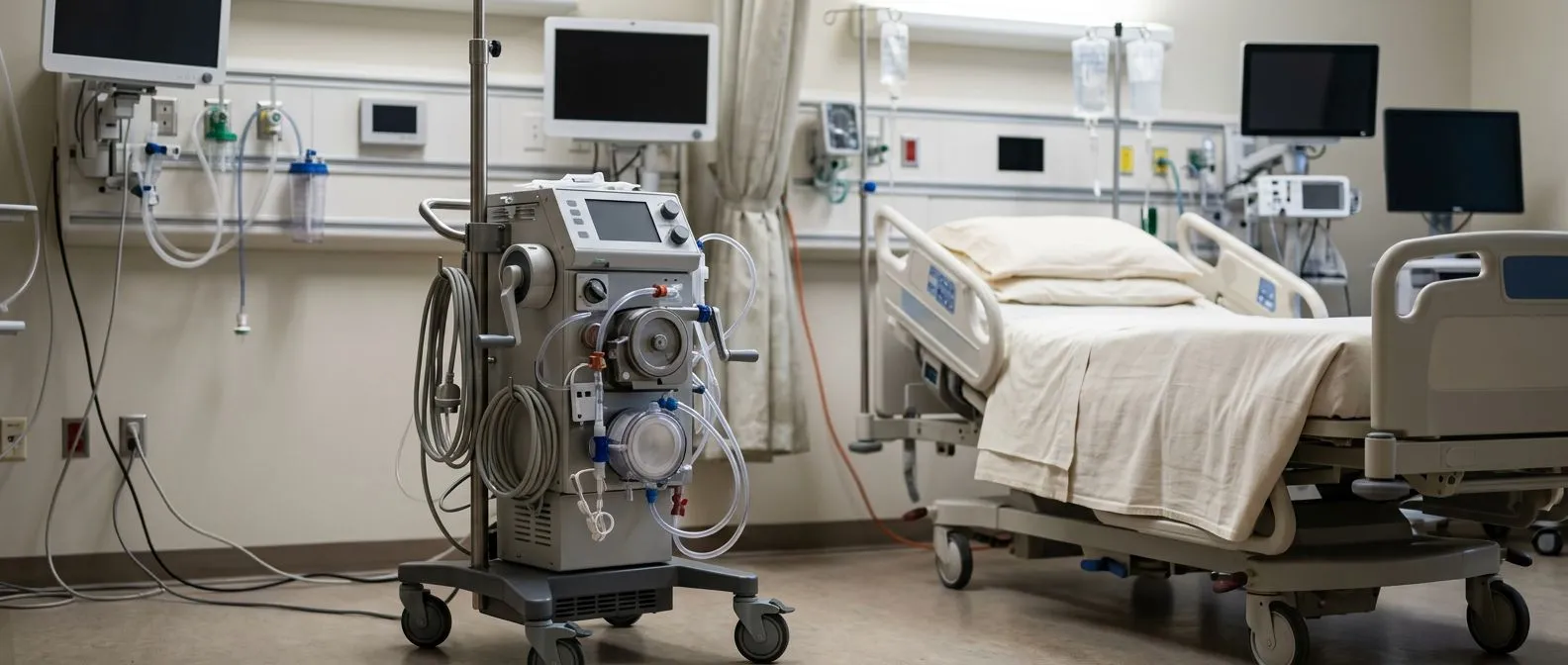
What the treatment actually does. A machine draws blood out through a tube, passes it through a filter that removes waste and water, and returns it to the body. This mimics the filtering work of healthy kidneys. It does not cure the kidneys. It buys them time.
Why surgeons plan for it. Before any operation, your team reviews kidney function alongside heart function, because the two organs depend on each other. In our practice, every case is reviewed by the multidisciplinary team against international practice guidelines before a recommendation is given, and kidney risk is part of that review. If your kidneys need support, the plan for it is made before surgery, not improvised afterwards.
Is Dialysis the Same as Renal Replacement Therapy?
This is one of the most common questions patients ask, and the answer helps clear up a lot of confusion. Dialysis is one type of renal replacement therapy, not a different thing. Think of renal replacement therapy as the category and dialysis as the best-known member of that family.
How they relate. All renal replacement therapy filters the blood in some way. Dialysis refers specifically to methods that use a semi-permeable membrane and fluid gradients to pull waste out of the blood. Other methods use filtration driven by blood pressure instead. Both achieve the same goal: cleaning the blood when the kidneys cannot.
Why the distinction matters for you. When a doctor says "you may need dialysis after cardiac surgery," they usually mean temporary kidney support in the intensive care unit, not lifelong treatment. Most patients who receive dialysis for acute kidney injury after surgery recover and never need it again. Ask your team which kind they mean — the answer changes your whole picture of recovery.
Why Do Kidneys Struggle After Heart Surgery?
The heart and kidneys are partners in circulation. The kidneys filter about a liter of blood every minute, and that work depends on steady blood pressure and good blood flow. Heart surgery disturbs both.
The heart-lung machine's role. In conventional open-heart surgery, a heart-lung machine takes over circulation while the heart is stopped. Blood leaves the body, travels through tubing, and returns. This is safe and well established, but the contact of blood with artificial surfaces can trigger an inflammatory response, and blood pressure can dip. Both can temporarily reduce the kidneys' output.
Other contributing factors. Cardiac surgery renal complications are more likely when certain risk factors are present. These include pre-existing chronic kidney disease, diabetes, advanced age, poor heart function before surgery, and emergency operations. Longer operations and significant blood loss also raise the risk.
What we watch for. In intensive care, urine output and kidney blood markers are usually tracked closely in the first days after surgery, because small early changes give the chance to act before kidney failure after surgery treatment becomes necessary. Rising creatinine and falling urine output are the two signals that matter most.
What Are the Four Types of Renal Replacement Therapy?
Doctors recognize four main approaches to kidney support. Each suits a different situation, and your team chooses based on how stable you are and how fast the treatment needs to work.
- Intermittent hemodialysis: the classic form, done in sessions of about four hours, several times a week. It clears waste quickly but causes shifts in blood pressure. Best for stable patients.
- Continuous renal replacement therapy (CRRT): gentle, round-the-clock filtration at a slow pace. Designed for critically ill patients who cannot tolerate rapid fluid shifts. This is the usual choice right after cardiac surgery.
- Slow extended dialysis: a middle ground — longer, slower sessions than standard hemodialysis but not fully continuous. Sometimes called hybrid therapy.
- Peritoneal dialysis: uses the lining of the abdomen as a natural filter instead of a machine. Rarely used in adults after cardiac surgery, but an option in some settings.
Which one is used after heart surgery? Continuous renal replacement therapy dominates in the cardiac intensive care unit because it keeps blood pressure stable. For detailed clinical background on these modalities, see the review published in JAMA Network. Hemodialysis after heart surgery is usually reserved for patients who are already awake and stable but whose kidneys have not yet recovered.
What Is Continuous Renal Replacement Therapy After Surgery?
CRRT after surgery is the gentlest form of kidney support available. Instead of removing waste in aggressive bursts, it filters the blood continuously, around the clock, at a rate the body barely notices.
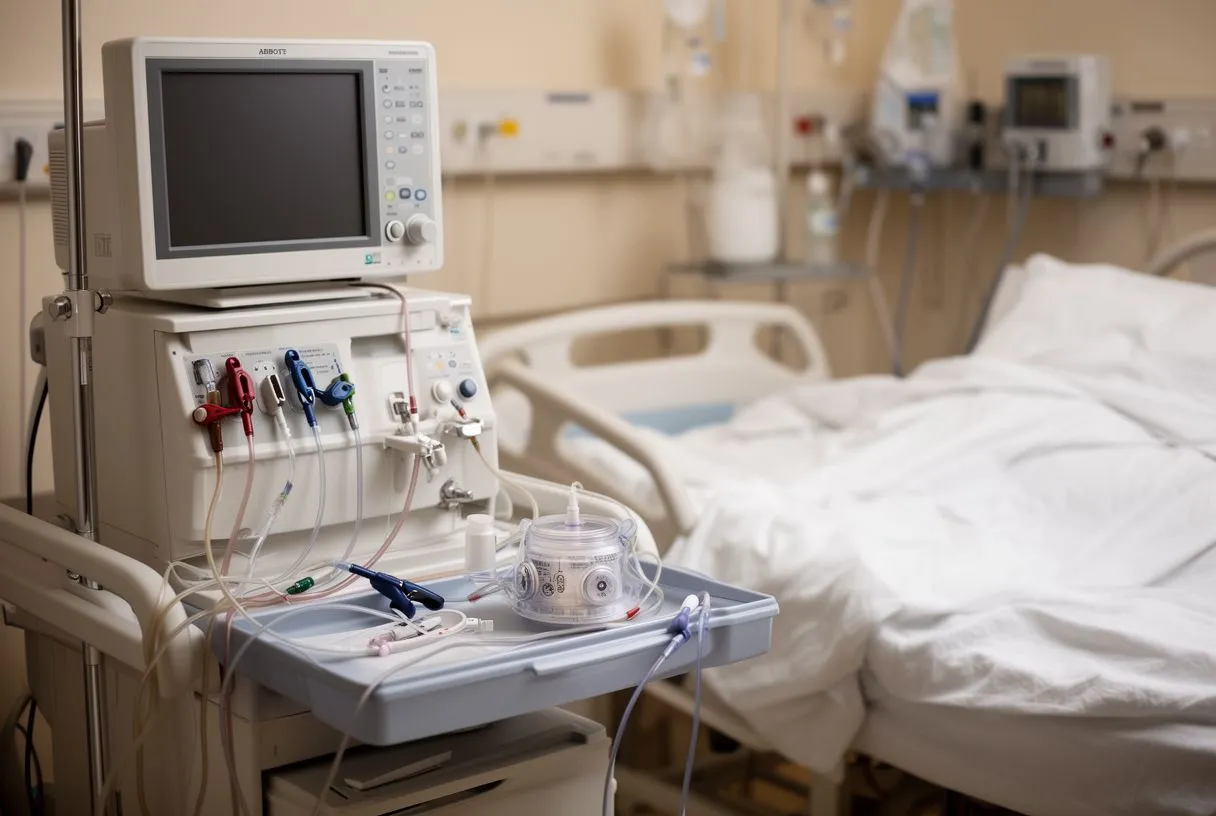
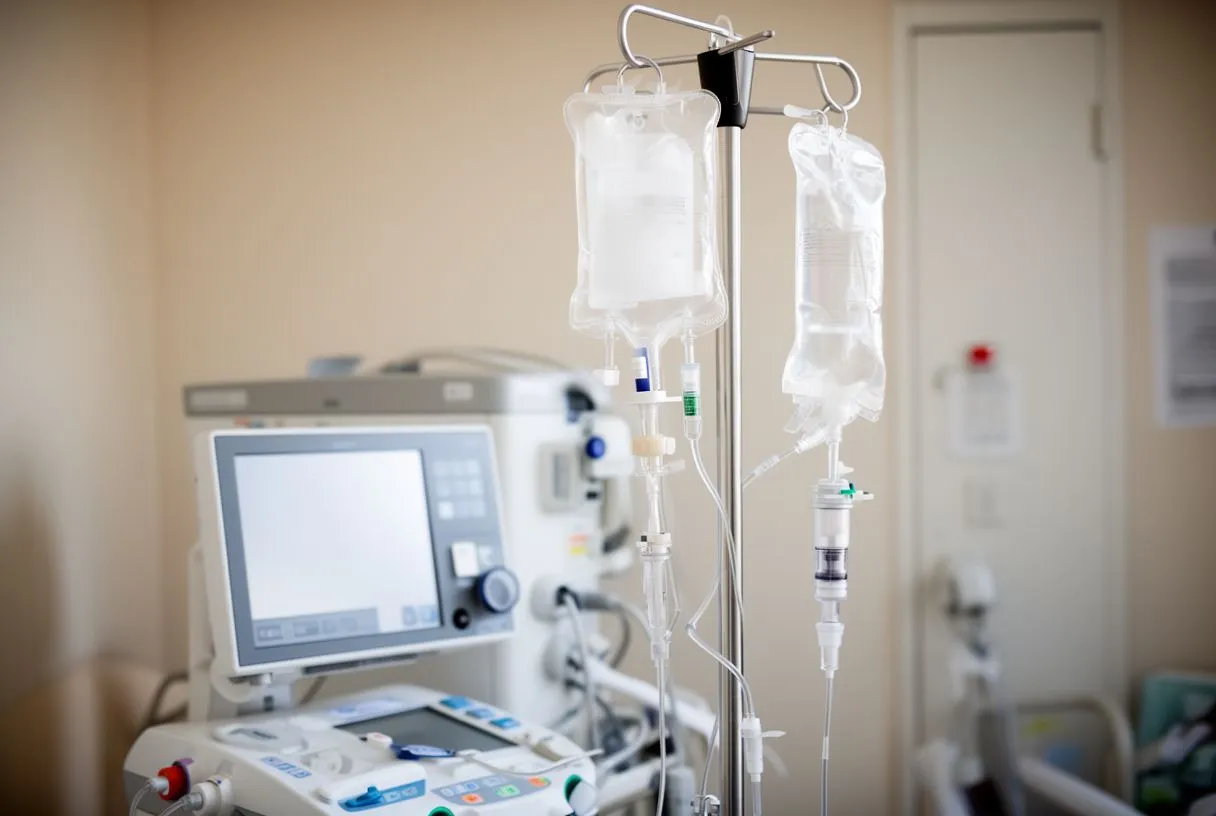
How it works in practice. A catheter, usually placed in a large vein in the neck or groin, carries blood to a compact machine at the bedside. The machine passes the blood through a filter and returns it. Because the volume moved each hour is small, blood pressure stays steady — critical for a healing heart.
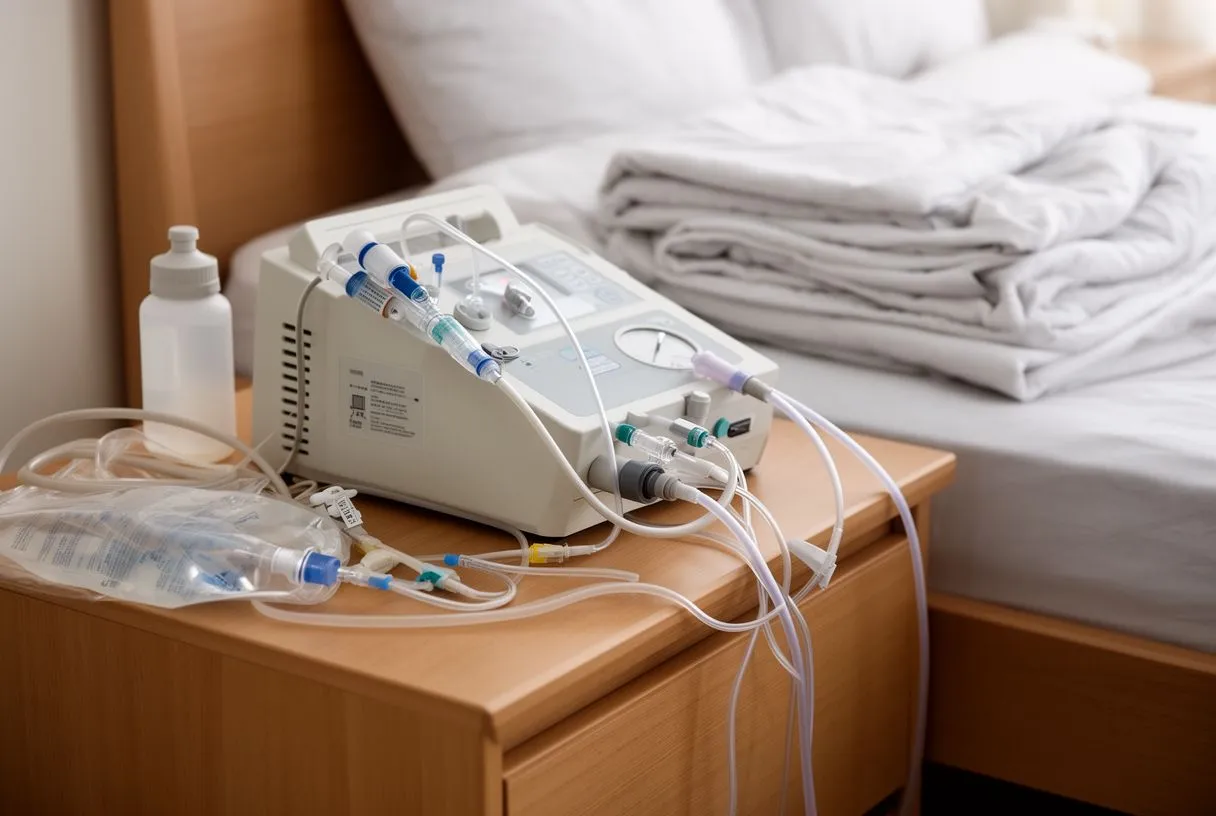
What patients experience. You will not feel the filtration itself. Most patients are sedated or resting in the first days after surgery anyway. The visible parts are the machine beside the bed, the tubing, and alarms when positions change. Nurses monitor the circuit continuously and adjust fluid removal to a personalized target.
Why precision matters. A specific fluid removal goal is usually set for each patient each day, because removing too much fluid strains a recovering heart while removing too little overloads it — this balance is one of the most important postoperative dialysis management decisions.
When Is Dialysis Needed After Surgery?
The decision to start kidney support follows clear renal replacement therapy indications, not guesswork. Doctors look at objective measurements taken over hours.
The three main triggers. First, severe fluid overload — when fluid accumulates in the lungs or tissues and the body cannot clear it. Second, rising waste products in the blood, especially potassium at dangerous levels or rapidly climbing creatinine. Third, complete or near-complete absence of urine output despite medication. Any one of these can justify starting support.
Timing matters. Research on dialysis timing after surgery suggests that starting too early offers no benefit, while starting too late allows complications like fluid overload and dangerous potassium levels to develop. There is no single perfect moment; the team weighs all three triggers together, hour by hour.
The standard doctors use. Most teams classify kidney injury using the KDIGO staging system, which grades injury by creatinine rise and urine output. Staging helps decide not only whether to start support but how urgently. If your family hears "KDIGO stage 2," it means injury is confirmed but support is not yet required — stage 3 is where that conversation usually begins.
How Often Is Dialysis Done After Heart Surgery?
The schedule depends entirely on which type of kidney support is being used, and it changes as you recover.
During the critical phase. CRRT runs continuously, typically for three to seven days, sometimes longer. It never stops while your kidneys rest. Nurses adjust it around the clock.
As you stabilize. If kidneys recover slowly, the team may switch from continuous support to intermittent hemodialysis — four-hour sessions, three or four times per week. Post surgery kidney dialysis options at this stage are chosen for comfort and convenience, because you are awake and eating by then.
When kidneys recover fully. Once urine output returns to normal and blood tests improve, support stops entirely. There is no tapering needed. For the majority of patients after cardiac surgery, total kidney support lasts days to a couple of weeks, not months.
Can Kidney Function Be Restored After Cardiac Surgery?
This is the question every family asks first, and the honest answer is encouraging with an important caveat.
The short answer. Yes, for most patients. Kidney function after heart surgery typically recovers when the injury is acute — meaning sudden and caused by the operation itself. Acute kidney injury after cardiac surgery is common, but most patients who needed dialysis recover kidney function within weeks and never need long-term dialysis. The kidneys were pushed, not destroyed.
The caveat. Recovery is less certain when kidneys were already damaged before surgery. A patient with chronic kidney disease who needed kidney support after cardiac surgery has a higher chance of needing ongoing care. This is exactly why the team reviews your kidney function before recommending any operation — the pre-surgery numbers shape the whole plan.
What recovery looks like. In our consultations we explain in plain words what the kidney studies actually show before surgery, so that every patient understands the realistic chance of full recovery for their specific kidneys — and if the picture is uncertain, we say so directly rather than promise an outcome. Expect blood tests every few days during recovery, and a follow-up kidney check several weeks after discharge.
What Are the Risks of Dialysis After Cardiac Surgery?
Kidney support is generally safe, but it carries real risks that a good team manages actively. Knowing them helps you ask informed questions.
Blood pressure instability. The main risk of hemodialysis after heart surgery is a drop in blood pressure during sessions. Rapid fluid removal can strain a recovering heart. Continuous filtration largely avoids this problem, which is why it is preferred in the first days.
Bleeding and catheter complications. Placing the access catheter carries a small risk of bleeding, infection, or injury to the vein. Anticoagulation — medication that keeps blood from clotting in the circuit — adds a bleeding risk in the early days after surgery. Teams use the lowest effective dose.
What our team does about these risks. We review every patient's clotting risk and bleeding risk together before choosing the anticoagulation strategy for the kidney circuit, because after valve surgery or any procedure requiring dual antiplatelet therapy, those decisions interact and cannot be made in isolation.
For a technical example of how vascular access challenges are solved in complex patients, see this published case report on achieving hemostasis after transcatheter aortic valve replacement in a patient with a prior bypass graft.
How to Help Someone With Kidney Failure After Surgery?
Family members often feel helpless at the bedside of a loved one receiving kidney support. You are not. There are concrete, meaningful ways to help.
- Keep track of the timeline: note which day of kidney support it is and what the team says about trends. Recovery is measured in days, and knowing the trend prevents panic on hard days.
- Ask the daily questions: "What are the creatinine and urine output today?" and "What would tell you the kidneys are recovering?" These two questions keep you informed and remind the team you are engaged.
- Protect their rest: kidney support machines alarm often. Help the nursing team keep the environment calm, and encourage short visits rather than long ones in the first critical days.
- Prepare for the transition home: ask early about which medications continue after discharge, which foods to watch for fluid balance, and when the kidney follow-up appointment happens.
One more thing families can do. Renal support in cardiac recovery works best when the patient is an active participant, and that requires understanding. If anything the team says is unclear, ask them to explain it again in plain words. We encourage second opinions and treat seeking one as a normal part of deciding about heart surgery — a confident, informed patient makes a better partner in recovery than a passive one.
Renal replacement therapy after surgery is one of the most common — and most recoverable — complications of cardiac surgery. The key points to carry forward: it is temporary for most patients, continuous filtration is the usual method right after heart surgery, and the decision to start it follows clear, objective criteria rather than a single alarming test result. If you are planning heart surgery and want to understand your kidney risk in advance, discuss your specific situation with a qualified cardiac team rather than relying on general information. Our multidisciplinary team, led by Dr Alejandro Molina with consulting rooms in Guadalajara, Querétaro and Hermosillo, offers a free first video consultation to review your condition and the studies still needed — book a consultation and get your questions answered before any decision is made.