

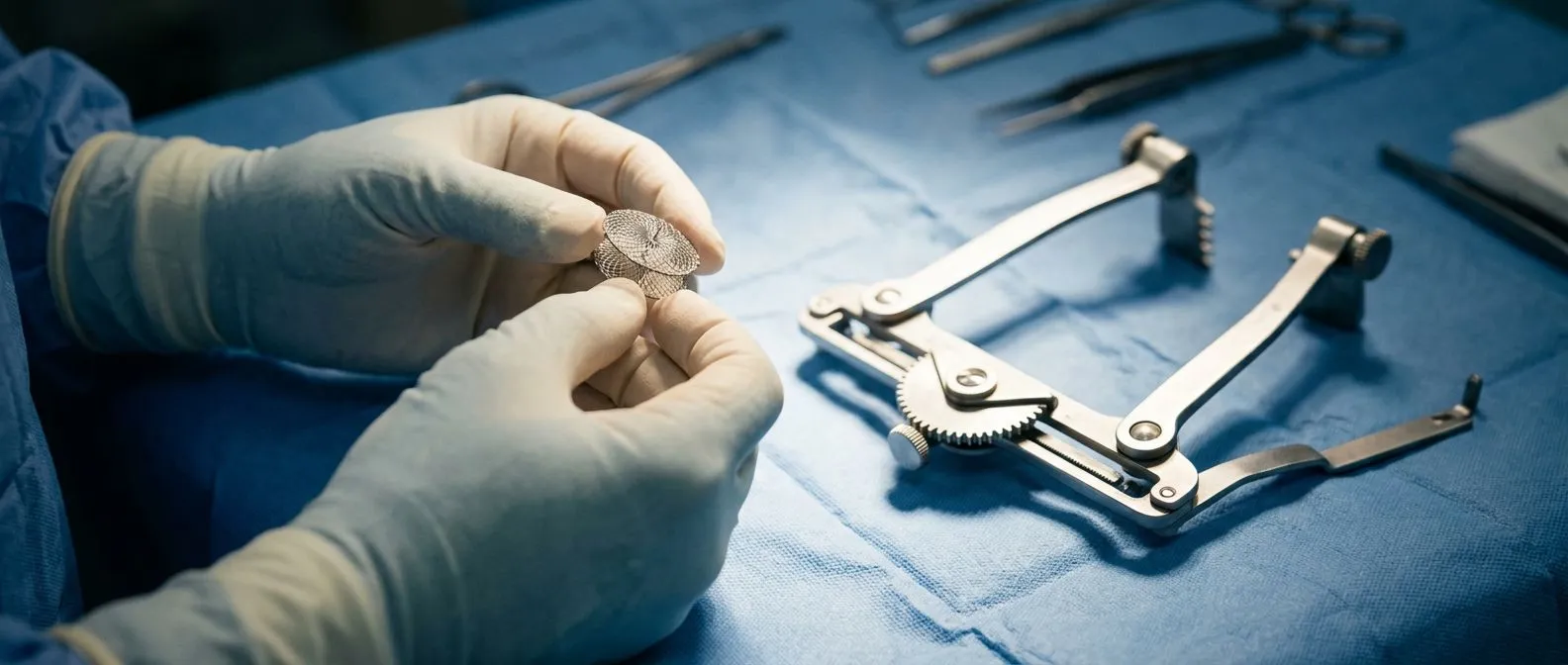
Septal Defect Closure in Adults: Device or Surgery
Septal defect closure adults can choose catheter device or surgical repair.
Many adults discover they have a hole in their heart only after a routine check-up, a lingering cough, or an unexplained shortness of breath. If that has happened to you or someone you love, the word "closure" can sound frightening. In practice, septal defect closure in adults is one of the most established procedures in modern heart care, and in many cases it is done through a thin catheter rather than open surgery. This guide explains what these defects are, what the treatment options actually involve, and what recovery honestly looks like.
What Is Septal Defect Closure in Adults?
Septal defect closure in adults means closing an abnormal opening in the wall — the septum — that separates the two sides of the heart. Some people were born with this opening and never knew about it; others had it diagnosed in childhood and only now need treatment. The opening lets blood flow between the heart's right and left chambers, which over time can overload the lungs and strain the heart.
Adults are often surprised to learn that a defect can go undetected for decades. Small defects may cause no symptoms at all, while larger ones gradually cause fatigue, breathlessness, or repeated chest infections. A diagnosis of an atrial septal defect (ASD) — a hole between the upper chambers — is far more common in adults than a ventricular septal defect (VSD), which sits between the lower chambers. The history of treating these defects spans several decades of refinement, and the evolution of these techniques is well documented in the cardiac literature (Atrial septal defect: Its past, present, and future).
The goal of closure is always the same: stop the abnormal blood flow before it damages the heart or lungs. The difference between adults and children is that adults have lived with the defect longer, so the heart may have already adapted or changed. That is why closure decisions in adults are more individual — the anatomy, the size of the defect, and the state of the heart all matter.
What Is a Hole in the Heart in an Adult?
How the defect works: The heart has four chambers. The wall between the two upper chambers is the atrial septum; the wall between the two lower chambers is the ventricular septum. A hole here means oxygen-rich blood, which should flow out to the body, recirculates toward the lungs instead. Over years, this extra volume can stretch the right side of the heart and raise pressure in the lung arteries.
Symptoms adults notice: Common signs include breathlessness during exercise, tiredness that rest does not fix, palpitations, and in some cases repeated respiratory infections. A congenital defect can even masquerade as other problems — one published case describes a young child whose chronic cough and recurrent infections turned out to stem from an atrial septal defect (Pediatric and Medicine Review). In adults the same pattern appears: symptoms that linger without an obvious cause deserve a closer look.
How it is found: The key test is an echocardiogram, an ultrasound of the heart. Sometimes a "bubble study" is added — harmless salt-water bubbles are injected into a vein and watched as they cross the heart, confirming whether the defect shunts blood. Your team may also order an ECG and, in some cases, a cardiac MRI to measure the defect's size precisely before deciding on treatment.
Can ASD Closure Be Done Without Surgery?
The short answer: Yes — many atrial septal defects can be closed without open heart surgery. This is the single most encouraging fact for adults facing this diagnosis. A device closure uses a catheter, a thin flexible tube inserted through a vein in the groin, and the entire repair is done inside the beating heart with no chest incision.
When the no-surgery route applies: Not every defect qualifies. The typical requirements are:
- The defect is a secundum ASD, the most common type, with a firm rim of tissue around it to hold the device.
- The defect is not too large — very large defects often need surgical repair.
- The heart's anatomy is otherwise suitable, confirmed by ultrasound before the procedure.
When surgery is still needed: Defects involving the valves or the veins returning to the heart — called primum, sinus venosus, or coronary sinus defects — cannot be closed with a device. In those cases, surgical repair is the right and often the only route. A good team will always tell you plainly which type of defect you have and why one option fits you better than another.
How Does Catheter Closure of a Septal Defect Work?
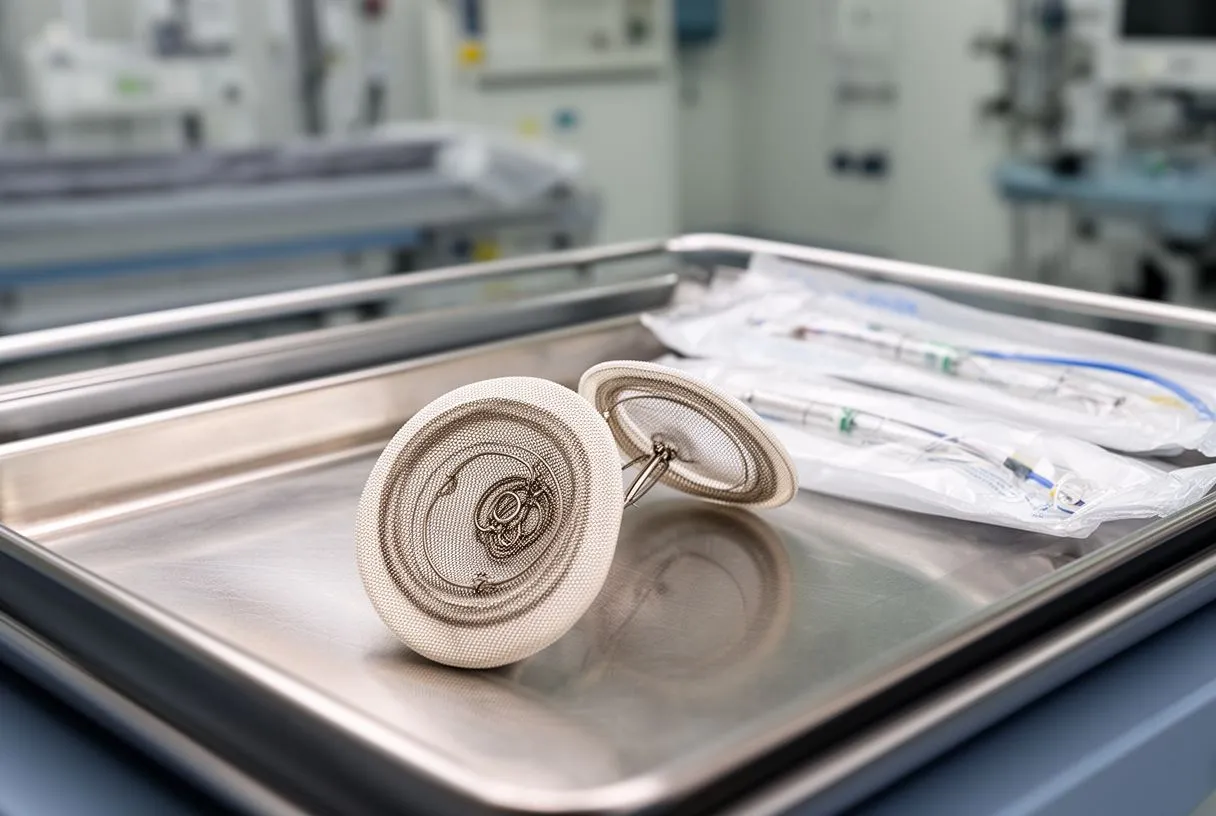
During the procedure: You are given light anesthesia, and a catheter is threaded from a vein in your groin up to the heart. The defect is measured carefully, and then a device — most often an Amplatzer septal occluder, a double-disc mesh made of a nickel-titanium alloy — is delivered through the catheter and positioned to straddle the hole. The device is released, and the heart's own tissue grows over it in the following months.
What it feels like: Most patients go home the same day or the next morning. There is no chest incision, only a small puncture in the groin that is bandaged. People who have been bracing for open heart surgery are often genuinely surprised at how uneventful the day feels.
What happens after: You will take antiplatelet medication (aspirin, often with clopidogrel) for several months to prevent clots forming on the device. Follow-up echocardiograms confirm the device stays in place and that no blood leaks around it. At our practice, we take the time in consultation to explain what the ultrasound actually shows, in plain words, and to answer every question before any decision is made.
What Is Ventricular Septal Defect Closure Surgery?
Why VSDs are different: A ventricular septal defect sits between the two lower pumping chambers, where blood pressure is much higher. The same pressure that makes VSDs more dangerous in adults also makes them harder to close with a device. Some VSDs can be closed percutaneously, but many require surgical repair.
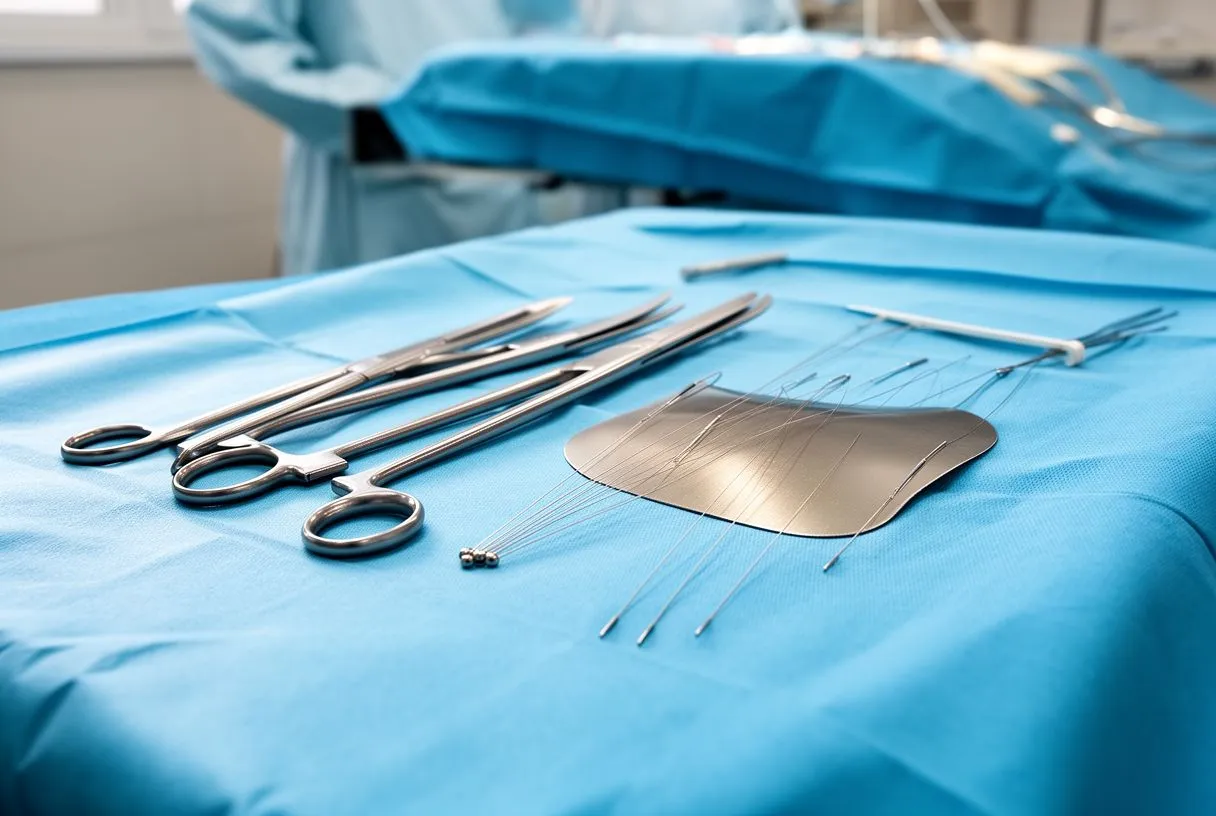
What the surgery involves: VSD closure is done under general anesthesia on a heart-lung machine, which temporarily takes over circulation. The surgeon makes a small opening in the heart wall or reaches the septum through the right atrium, then closes the defect with a patch — either the patient's own tissue (a pericardial patch) or a synthetic material. The heart is restarted and the chest is closed.
Outcomes in adults: Adult VSD repair is well established, though it is a bigger operation than catheter closure. Adults who have long-standing large VSDs may already have changes in the lung arteries, which is precisely why the evaluation matters so much before offering surgery. Recent surgical literature on adult congenital heart interventions provides detailed discussion of these techniques and results (Springer).
Device Closure vs Surgical Repair: Which Is Right for You?
Trade-offs at a glance: Choosing between a catheter-based device and open surgery is not about preference — it is about anatomy. The defect's type, size, and position determine the answer. Here is how the two routes compare:
- Device closure: No chest incision, same-day or next-day discharge, faster recovery, but only suitable for defects with good rims and moderate size.
- Surgical repair: Works for every defect type, allows correction of associated valve problems at the same time, but involves longer recovery and a chest incision.
- Long-term results: Both approaches have excellent closure rates when matched correctly to the patient's anatomy; the key is the right match, not the technique itself.
Associated problems change the picture: If an adult with an ASD also has a leaking tricuspid valve or needs a coronary bypass, surgery can address everything at once — which makes the surgical route more attractive despite its longer recovery. Conversely, a straightforward secundum ASD with no other issues almost always favors the device.
Our team reviews every case together against international practice guidelines before recommending anything, and the patient receives a clear proposal with the alternatives. The final decision is always yours. This device-versus-surgery choice is exactly the kind of decision where a second opinion is worth seeking — we treat that as a normal part of the process, not a slight.
How Risky Is Septal Defect Closure?
Device closure risks: Catheter-based closure is generally low-risk. The most serious early complication is device erosion — the device pressing against thin heart tissue — which is rare and largely related to the defect's rim anatomy. Other risks include device migration, residual leak, and groin complications at the puncture site. Irregular heart rhythms can appear in the first weeks and are usually monitored closely.
Surgical risks: Open repair carries the general risks of any cardiac operation: bleeding, infection, stroke, and arrhythmias. The risk level rises with age, other conditions, and lung pressure changes. A careful preoperative assessment — including echocardiography and, when needed, right-heart catheterization to measure lung pressures — is what separates a safe recommendation from a risky one.
What reduces risk: The single biggest factor is appropriate patient selection. When we evaluate someone for septal defect closure in adults, I look at the defect's anatomy, the heart's condition, and the patient's overall health before saying which route is lowest risk for their situation. That honest, case-by-case judgment is the point of a multidisciplinary review.
How Long Does Recovery Take After Septal Defect Closure?
After device closure: Most people walk the same day, and normal activity resumes within about a week. Groin soreness fades within days. Heavy lifting is restricted for a short period while the puncture site heals fully. Follow-up echocardiograms are scheduled at intervals during the first year.
After surgical repair: Recovery from open surgery is longer. Expect roughly six to eight weeks before returning to most normal activities, with sternal precautions — no heavy lifting or pushing — for the first two to three months while the breastbone heals. Cardiac rehabilitation, a supervised program of graded exercise, is strongly recommended and helps patients regain strength safely.
The emotional side of recovery: Patients often describe a strange mixture of relief and anxiety after the repair: the danger is addressed, but adapting to a "fixed" heart takes mental adjustment. Fatigue can persist for weeks even after a technically successful procedure. We see this regularly and prepare patients for it in advance, so the recovery feels like a plan rather than a surprise.
Why cost varies: The price of septal defect closure in adults depends on the route chosen, the hospital, the device used, and the required studies. Device closure costs include the occluder device itself, which is a significant part of the total. Surgical repair involves hospital stay, anesthesia, and the surgical team. Any honest quotation should break these down.
For international patients: Mexico is a common destination for cardiac care, and patients traveling from abroad should plan for the full pathway: preoperative studies, the procedure itself, a defined recovery period before flying home, and follow-up arrangements with a local cardiologist afterward. Flying too soon after a cardiac procedure carries its own risks, so the timeline must be planned, not improvised.
Questions to ask about any quote: Does it include the device? What about complications? How many nights in hospital? What follow-up is included? Our team's first contact is a free video consultation, where we get to know the patient, talk through the condition, and say which studies are still needed — so no unnecessary ones are ordered. A face-to-face visit follows only when the patient decides to go ahead.
What Does Septal Defect Closure Cost in Mexico?
Why cost varies: The price of septal defect closure in adults depends on the route chosen, the hospital, the device used, and the required studies. Device closure costs include the occluder device itself, which is a significant part of the total. Surgical repair involves hospital stay, anesthesia, and the surgical team. Any honest quotation should break these down.
For international patients: Mexico is a common destination for cardiac care, and patients traveling from abroad should plan for the full pathway: preoperative studies, the procedure itself, a defined recovery period before flying home, and follow-up arrangements with a local cardiologist afterward. Flying too soon after a cardiac procedure carries its own risks, so the timeline must be planned, not improvised.
Questions to ask about any quote: Does it include the device? What about complications? How many nights in hospital? What follow-up is included? Our team's first contact is a free video consultation, where we get to know the patient, talk through the condition, and say which studies are still needed — so no unnecessary ones are ordered. A face-to-face visit follows only when the patient decides to go ahead.
How Do You Choose a Cardiac Team for Septal Defect Closure?
Look for structural heart experience: Device closure of septal defects is a structural heart procedure — a specialty that bridges cardiology and surgery. Ask directly how many closures the team performs, whether they offer both catheter and surgical options, and how they decide between them. A team that can only offer one route has a bias whether they admit it or not.
Ask about training and review: Dr Molina trained in cardiothoracic surgery at the Universidad de Guadalajara, in cardiac, minimally invasive, robotic and structural surgery at the University of Montreal, and in structural cardiology and TAVR at CHU Bordeaux, with the team also trained at Jena, Bad Berka and Buffalo. He performed the first robotic mitral valve repair in the Ángeles Health System and the first robotic heart surgery in Guadalajara. Every case is reviewed by the multidisciplinary team against international guidelines before any recommendation is given.
Red flags to avoid: A team that rushes to one option without discussing alternatives, cannot explain the defect's anatomy to you in plain words, or discourages a second opinion is telling you something. You should leave the consultation understanding your own heart better than when you arrived. If you do not, keep looking.
Septal defect closure in adults has matured into one of the most reliable areas of cardiac care. For many patients, a catheter-based device closes the hole without open surgery; for others, surgical repair remains the right answer, especially when other heart problems need fixing at the same time. What matters most is not the technique but the match: the right procedure, for the right anatomy, recommended by a team that has honestly weighed the alternatives. If you have been diagnosed with a hole in your heart — or suspect you have one — talk it through with a qualified cardiac team. We encourage you to book a consultation and bring every question you have; your heart deserves a decision made carefully, not a diagnosis feared in silence.






