Shortness of Breath: When It Signals a Heart Problem
Shortness of breath can be a heart symptom.
What Is Shortness of Breath Heart Symptoms
Experiencing a shortness of breath heart symptom can be an unsettling event that leaves many wondering if their lungs or their cardiovascular system is to blame. When the heart struggles to pump blood efficiently, fluid can back up into the lungs, creating a sensation of air hunger known medically as dyspnea. Understanding this connection is critical, because breathing difficulty is often the first noticeable warning sign of an underlying cardiovascular condition. Many people mistake this symptom for aging, poor fitness, or a mild respiratory issue, which delays vital diagnosis and treatment.
Recognizing the difference between lung and cardiac dyspnea: Cardiac dyspnea typically worsens when lying flat, causing patients to prop themselves up on multiple pillows to sleep comfortably. This specific presentation is called orthopnea. In contrast, lung-related breathing issues are more likely triggered by allergens, infections, or asthma. If you find that your breathing difficulty worsens with exertion and improves with rest but is accompanied by chest heaviness, the cardiovascular system is likely the culprit. A thorough medical history is essential to distinguish the exact origin.
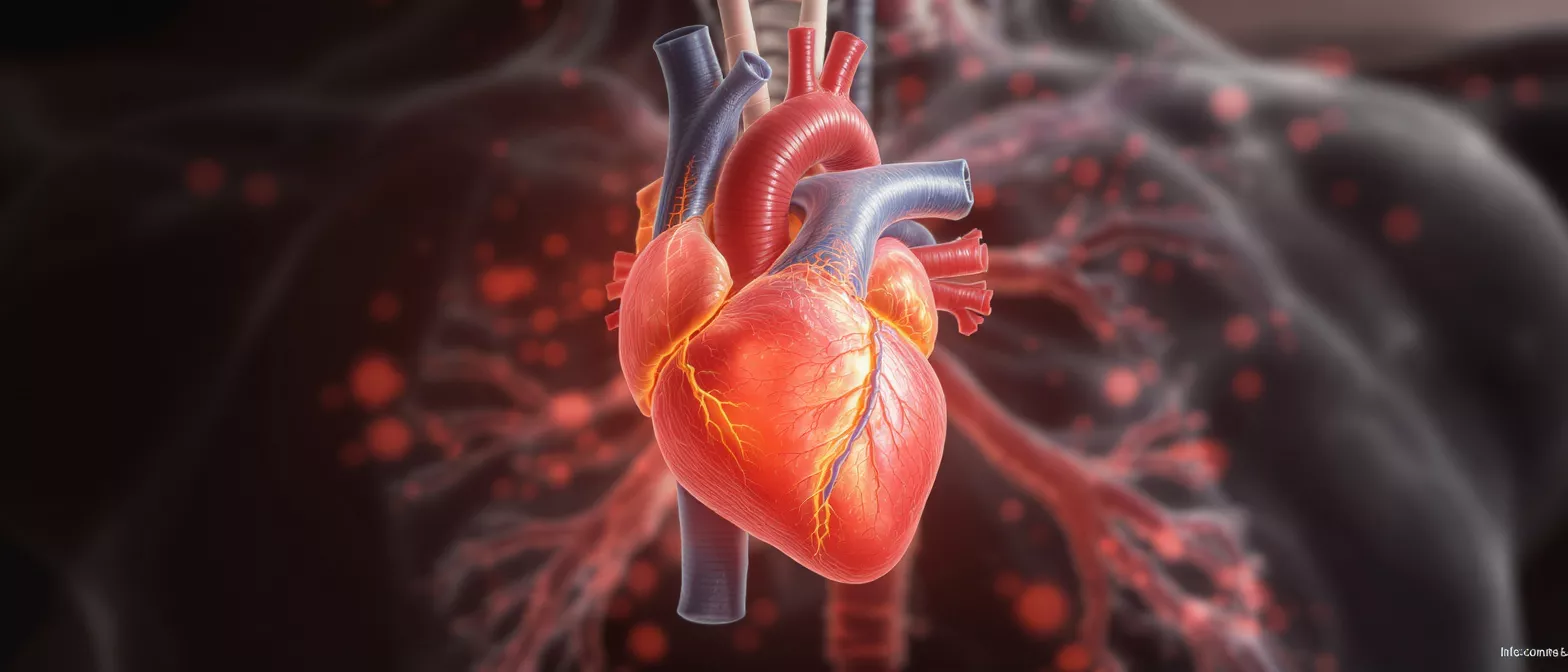
Why cardiac function dictates respiratory capacity: The heart and lungs work as a closed-loop system, constantly exchanging oxygen and carbon dioxide. When the left ventricle loses pumping power, pressure builds backward into the pulmonary veins, causing fluid to leak into the lung tissue and air sacs. This compromises the delicate membranes, including the Adventitia of the blood vessels, making oxygen exchange incredibly difficult. Severe cases can even progress to Acute Respiratory Distress Syndrome if the fluid overload is not managed rapidly and appropriately.

How Does Shortness of Breath Heart Failure Develop
Shortness of breath heart failure develops gradually over time as the cardiac muscle loses its ability to contract forcefully or relax properly between beats. This progressive weakening means the heart cannot keep up with the body's metabolic demands, especially during physical activity. As cardiac output drops, the kidneys retain sodium and water to increase blood volume, mistakenly thinking the body needs more fluid. This excess volume inevitably backs up into the lungs, intensifying the breathing difficulty and creating a vicious cycle of fluid retention.
The mechanics of left-sided versus right-sided failure: Left-sided heart failure is the primary driver of pulmonary symptoms, as the left ventricle fails to eject blood effectively into the aorta, causing pressure to radiate backward into the lungs. Right-sided failure usually follows left-sided failure over time, leading to systemic fluid buildup that causes swelling in the lower extremities. Identifying which side of the heart is struggling dictates the immediate medical approach. If you are monitoring your condition at home, utilizing a reliable cardiac monitoring device can help track irregular rhythms that exacerbate heart failure.
How chronic conditions accelerate failure progression: Untreated hypertension forces the heart to pump against high resistance, thickening the muscle wall and eventually leading to exhaustion. Coronary artery disease starves the muscle of oxygen, causing localized damage that impairs overall pumping efficiency. Effective management often requires a combination of lifestyle adjustments and medications like warfarin to prevent clots, or Amiodarone to control erratic electrical signals. According to heart.org, recognizing these progressive changes early is the best defense against severe heart failure complications.
Are Shortness of Breath Heart Attack Warning Signs Different
When evaluating whether a shortness of breath heart attack is imminent, it is crucial to recognize that symptoms can present very differently from the dramatic chest-clutching scenes portrayed in movies. For many individuals, especially women and older adults, breathing difficulty may be the sole or primary symptom of a myocardial infarction. This dyspnea can occur with or without chest discomfort, and it often appears suddenly without any prior exertion. Ignoring this isolated symptom can lead to catastrophic delays in seeking emergency medical intervention.
Subtle warning signs that precede an acute event: Many patients report feeling unusual fatigue, indigestion, or a sudden cold sweat in the hours or days leading up to an attack. The breathing difficulty might feel like you just ran a sprint while you are sitting perfectly still. This happens because the heart muscle is starving for oxygen, triggering a systemic panic response that forces the lungs to work harder in a futile attempt to get more oxygen into the bloodstream. Atypical presentations are common and require high suspicion to catch early.
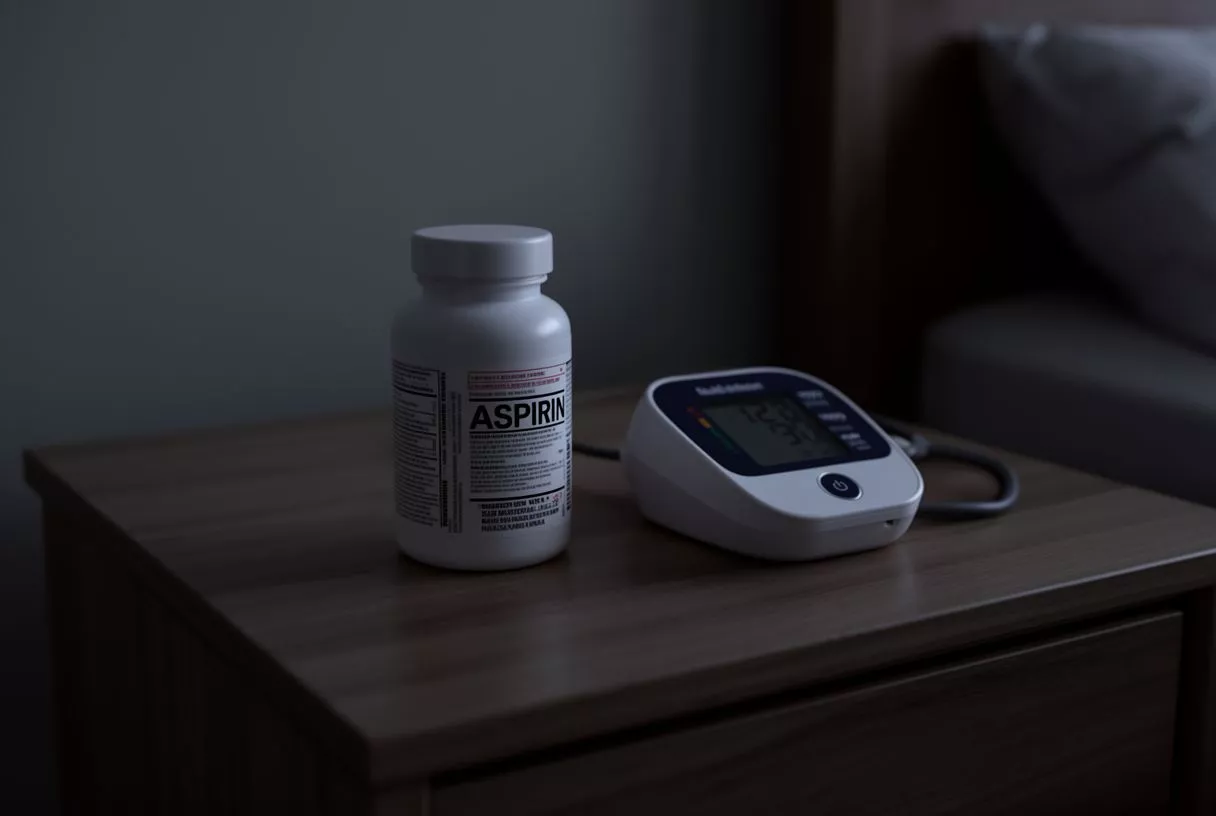
Responding to sudden cardiac dyspnea at home: If acute breathing difficulty strikes alongside dizziness or chest pressure, calling emergency services immediately is the only safe course of action. Do not attempt to drive yourself to the hospital. While waiting for paramedics, sitting upright can help reduce venous return and ease the workload on the struggling heart. Prompt action is critical, as a heart attack can quickly deteriorate into Acute Aortic Syndrome or a fatal arrhythmia, especially in patients with complex histories like prior AFASAK study participation or known clotting risks.
Types of Shortness of Breath Heart Conditions
Beyond heart attacks, several other cardiac shortness of breath conditions can severely impact respiratory function. Valvular heart disease, where the heart's doors do not open fully or close tightly, forces the muscle to work overtime to push blood forward. Arrhythmias, or irregular heartbeats, can disrupt the coordinated pumping action, leading to poor circulation and subsequent air hunger. Congenital defects, present from birth, may also cause breathing issues later in life if they alter the normal hemodynamic flow through the heart chambers.
Understanding valvular and structural heart defects: Conditions like mitral valve regurgitation allow blood to flow backward into the lungs, directly causing pulmonary congestion. When treating structural issues, surgeons may perform an Annuloplasty to repair the valve ring, restoring proper closure. Patients with structural defects often develop secondary Anaemia due to chronic circulatory stress, further reducing the blood's oxygen-carrying capacity. Tracking blood oxygen levels is vital, and keeping a pulse oximeter for home use on hand is a practical step for these patients.
The impact of rhythm disorders on breathing: Atrial fibrillation is a common arrhythmia that causes the upper chambers to quiver instead of pumping effectively. This stagnant blood flow greatly increases the risk of clot formation, which can travel to the lungs or brain. The irregular, racing heart rate leaves patients feeling breathless and profoundly fatigued. The global burden of these diseases is massive, as highlighted in the comprehensive study Global, regional, and national age-sex specific mortality for 264 causes of death, 1980-2016: a systematic analysis for the Global Burden of Disease Study 2016.
Best Shortness of Breath Heart Evaluation Tests
To pinpoint the cause of a shortness of breath heart symptom, cardiologists rely on a battery of specialized evaluation tests. A physical examination is the first step, where the doctor listens for abnormal heart sounds, murmurs, or fluid in the lungs. Blood tests are drawn to check for biomarkers like BNP, which elevate specifically when the heart is under strain. These initial tests guide the clinician toward more advanced imaging and functional assessments to visualize the heart's structure and electrical pathways.
Non-invasive imaging and monitoring techniques: An Annual Echocardiogram is a cornerstone test, using ultrasound waves to create detailed images of the heart's chambers and valves in real-time. This painless test reveals ejection fraction, valve competency, and structural anomalies. If intermittent arrhythmias are suspected but not captured on a standard ECG, a Holter monitor worn for several days can record the electrical activity that coincides with episodes of breathing difficulty.
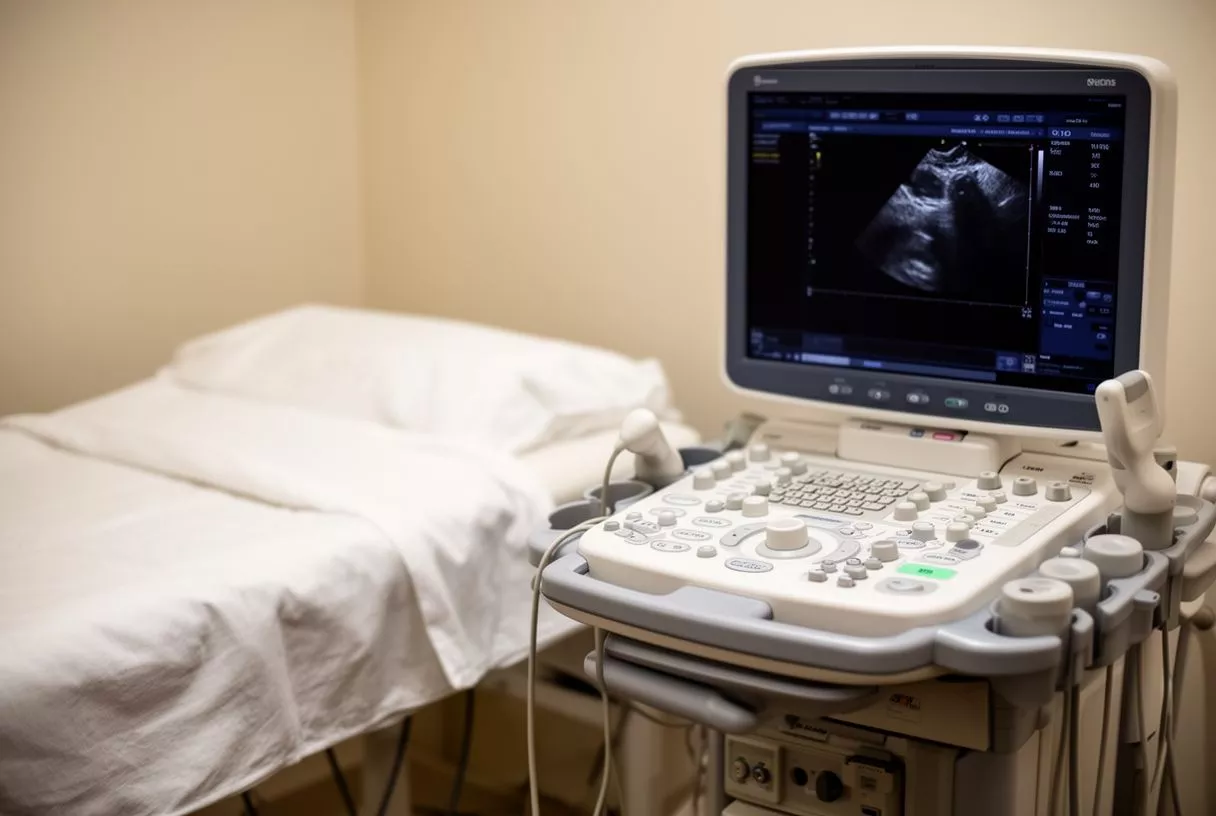
Functional stress testing to reveal hidden ischemia: Sometimes the heart functions adequately at rest but fails under physical stress. A treadmill or chemical stress test forces the heart to work hard while imaging captures blood flow to the cardiac muscle. Areas that do not receive adequate blood flow indicate blocked coronary arteries, which require immediate intervention. This functional approach separates deconditioning from true cardiovascular disease, ensuring that the root cause of the dyspnea is accurately identified and addressed.
Shortness of Breath Heart Dosing Guide for Medications
Managing cardiac dyspnea requires precise pharmacological intervention, making the shortness of breath heart dosing guide for medications a critical component of treatment. Diuretics are often the first line of defense, helping the kidneys excrete excess fluid that is causing pulmonary congestion. The dosage must be carefully titrated to remove enough fluid to relieve the breathing difficulty without causing dehydration or electrolyte imbalances, particularly potassium depletion. Regular blood work is mandatory to monitor these levels and adjust the medication accordingly.
Balancing beta-blockers and ACE inhibitors: Beta-blockers slow the heart rate and reduce the force of contraction, lowering the heart's overall oxygen demand. While they improve long-term survival, initiating them during acute, severe fluid overload can worsen symptoms. Angiotensin Receptor Blocker medications are frequently prescribed to lower blood pressure and prevent harmful remodeling of the heart muscle. Patients taking these combinations might consider a blood pressure support supplements to maintain healthy vascular tone, but only under strict physician supervision to avoid negative interactions.
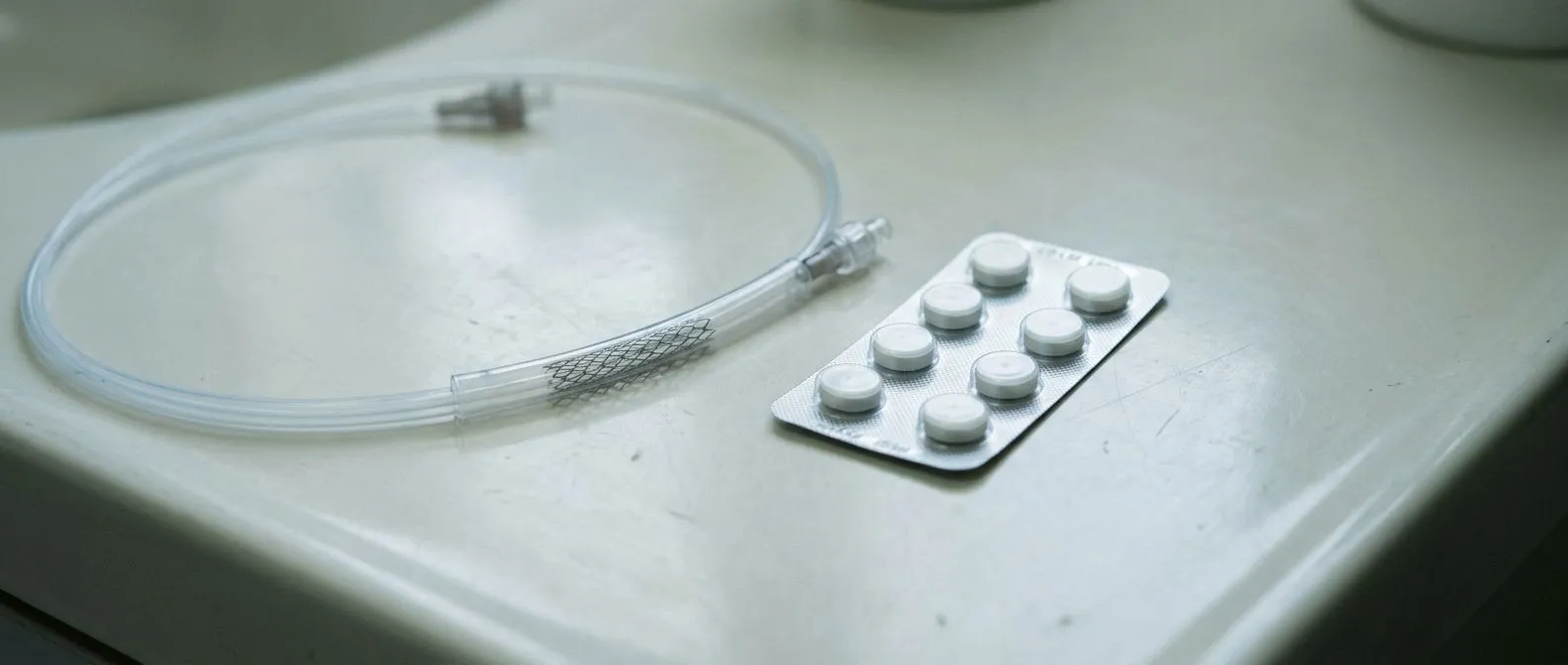
Preventing clots and managing arrhythmias: Patients with atrial fibrillation or artificial valves require lifelong Antiplatelet Therapy or anticoagulants to prevent life-threatening clots. Dosing these medications is a delicate balance; too little invites stroke, while too much risks severe bleeding. When surgical valve repairs are performed, an Annuloplasty Ring is often inserted to ensure the valve seals correctly, reducing the turbulence that can lead to clot formation. Following the prescribed dosing schedule exactly is non-negotiable for long-term stability.
Are Shortness of Breath Heart Treatments Safe
When considering invasive or pharmacological interventions, patients often ask, are shortness of breath heart treatments safe? The short answer is yes, but all medical procedures carry inherent risks that must be weighed against the dangers of untreated heart disease. Modern cardiac surgery has advanced tremendously, utilizing minimally invasive techniques and advanced monitoring to maximize patient safety. The decision to proceed with any treatment is made collaboratively between the patient and a multidisciplinary cardiac care team.
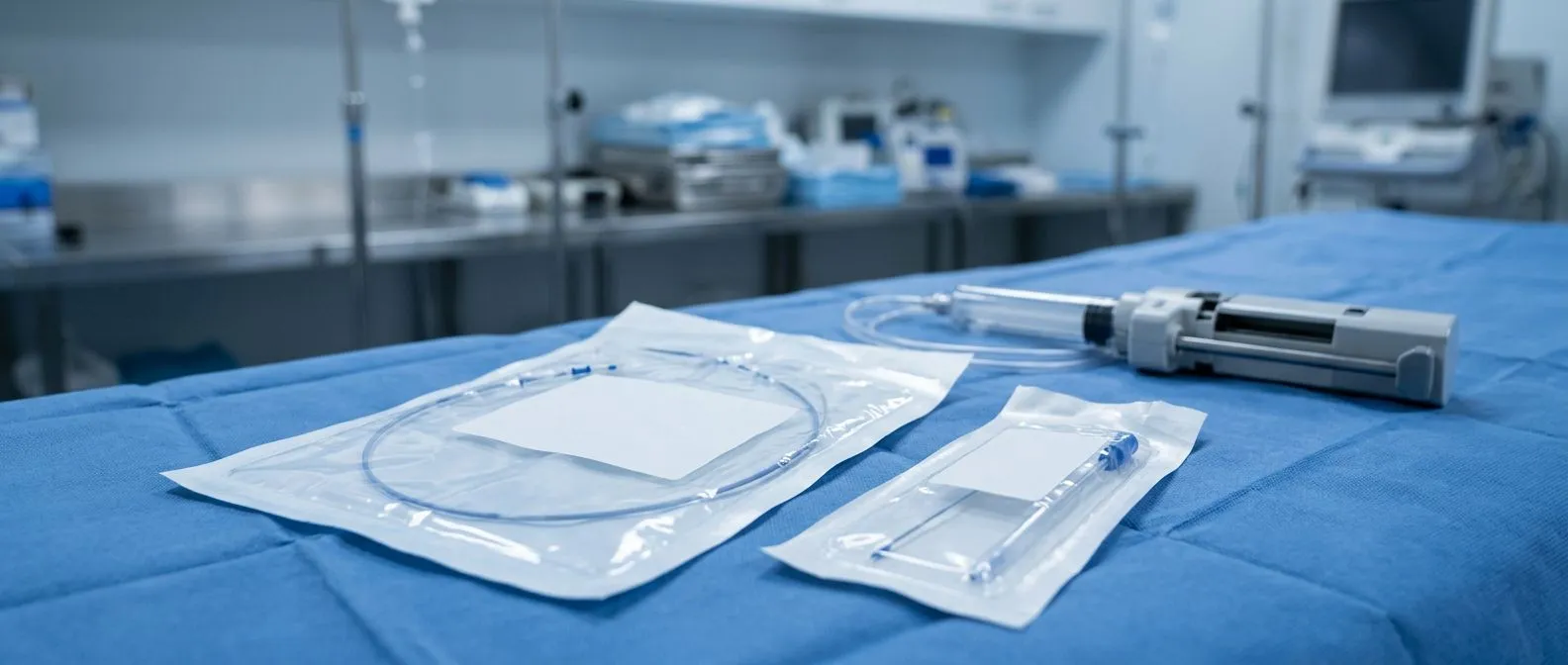
Navigating the risks of cardiac surgery: Open-heart surgeries, such as coronary bypass or valve replacements, are major procedures that require stopping the heart and using a bypass machine. Techniques like Annulus Sizing are used pre-operatively to ensure the perfect fit for artificial valves, reducing complications. To protect the brain during these complex operations, surgeons utilize Antegrade Cerebral Perfusion to maintain continuous blood flow to the brain. These advancements have dramatically reduced the incidence of stroke and cognitive decline post-surgery.

Post-operative care and infection prevention: The safety of a cardiac procedure extends well beyond the operating room. Preventing surgical site infections is paramount, requiring strict Antibiotic Prophylaxis before and after the operation. Patients are often instructed to use an Antimicrobial Shower the night before surgery to reduce the skin's bacterial load. The global scale of these safety protocols and their impact on disease burden are thoroughly examined in the research Global, regional, and national incidence, prevalence, and years lived with disability for 328 diseases and injuries for 195 countries, 1990-2016: a systematic analysis for the Global Burden of Disease Study 2016.
Shortness of Breath Heart Benefits of Early Intervention
Seeking treatment at the first sign of a shortness of breath heart problem offers profound benefits that can alter the trajectory of the disease. Early intervention allows physicians to implement medical therapies before the heart muscle undergoes irreversible structural remodeling. By controlling blood pressure, reducing cholesterol, and managing fluid status promptly, the heart's workload is significantly decreased. This proactive approach preserves ejection fraction and maintains the heart's ability to meet the body's physical demands without causing distress.
Improving quality of life and daily function: Patients who receive early treatment report a dramatic improvement in their ability to perform daily activities without gasping for air. Exercise tolerance increases, allowing for cardiac rehabilitation and lifestyle modifications that further strengthen the cardiovascular system. The constant anxiety of wondering when the next bout of severe dyspnea will strike is alleviated. Restoring normal breathing patterns also improves sleep architecture, as patients no longer wake up gasping for air due to pulmonary congestion.
Extending lifespan and reducing hospitalizations: Early and aggressive medical management is proven to reduce All-cause Mortality in cardiovascular patients. By stabilizing the condition early, the frequency of acute exacerbations drops, keeping patients out of the emergency room and hospital wards. The key benefits of early intervention include:
- Preserved heart function: Prevents irreversible muscle thickening and dilation.
- Enhanced exercise capacity: Restores stamina and reduces fatigue during daily tasks.
- Lowered mortality risk: Significantly decreases the chance of sudden cardiac arrest.
- Reduced hospital admissions: Minimizes acute fluid overload crises and ER visits.
What Are Cardiac Shortness of Breath Risk Factors
Understanding what are cardiac shortness of breath risk factors is essential for prevention and early screening. These risk factors are generally divided into modifiable lifestyle behaviors and non-modifiable genetic or demographic traits. Uncontrolled high blood pressure, diabetes, and high cholesterol slowly damage the vascular system, creating the perfect environment for heart failure and coronary artery disease to develop. Addressing these underlying issues is the most effective way to prevent the onset of cardiac dyspnea.
Modifiable lifestyle contributors: A sedentary lifestyle, smoking, and a diet high in processed foods and sodium drastically increase cardiovascular risk. Smoking directly damages the endothelium, promoting plaque buildup and reducing the blood's capacity to carry oxygen. Poor dietary habits lead to obesity and insulin resistance, forcing the heart to pump harder to supply a larger body mass. Reversing these behaviors through structured cardiac rehabilitation can immediately lower blood pressure and improve vascular health.
Genetic predispositions and systemic conditions: Some individuals are born with genetic mutations that affect heart muscle structure or cholesterol metabolism, predisposing them to early heart disease. Systemic conditions also play a major role in symptom development. Key risk factors to monitor include:
- Family history: Genetics play a strong role in early-onset coronary artery disease.
- Diabetes mellitus: Chronically high blood sugar damages microvascular circulation.
- Chronic hypertension: Constant pressure overload thickens the left ventricle over time.
- Obesity: Increases systemic inflammation and forces the heart to work harder continuously.
When to See a Shortness of Breath Heart Specialist
Determining when to see a shortness of breath heart specialist can be life-saving. If breathing difficulty occurs at rest, worsens when lying flat, or is accompanied by chest pain, dizziness, or fainting, immediate medical evaluation is required. Primary care physicians are excellent for initial assessments, but a cardiologist has the specialized tools and expertise to diagnose complex structural or electrical heart diseases. Do not wait for symptoms to become severe before seeking a specialist's opinion.
Preparing for your cardiology appointment: To make the most of your visit, document exactly when the shortness of breath occurs, what you are doing when it happens, and how long it lasts. Note any associated symptoms like Abdominal Distension or unexplained Ankle Swelling, as these point directly to right-sided heart failure. Bring a complete list of your medications, including over-the-counter drugs. This detailed history allows the cardiologist to quickly narrow down the potential causes and order the most appropriate diagnostic tests.
Long-term management and follow-up care: Managing a cardiac breathing problem is a lifelong commitment, not a one-time fix. Regular follow-up appointments are necessary to monitor disease progression and adjust treatments. Even after successful interventions like valve repairs or stent placements, patients must remain vigilant. In conclusion, recognizing the deep connection between respiratory distress and cardiovascular health empowers patients to seek timely care, adhere to treatment plans, and ultimately reclaim their quality of life from heart disease.

About the author
Dr Alejandro Molina is a cardiovascular surgeon practising in Guadalajara, Querétaro and Hermosillo. He trained in cardiothoracic surgery at the Universidad de Guadalajara, completed advanced training in cardiac surgery, minimally invasive surgery, robotic surgery and structural interventions at the University of Montreal, and a fellowship in structural cardiology and TAVR at CHU Bordeaux, France. He performed the first robotic mitral valve repair in the Ángeles Health System and the first robotic heart surgery in Guadalajara.
447