
Silent Myocardial Infarction: Heart Attacks Without Pain
Silent myocardial infarction signs can be easy to miss—fatigue, indigestion, or mild breathlessness may hide a heart attack.
What is a silent myocardial infarction?
A silent myocardial infarction is a heart attack that occurs without the classic, crushing chest pain most people associate with cardiac emergencies. Instead of the dramatic symptoms seen on television, the damage to the heart muscle happens quietly, often mistaken for a minor ailment like indigestion or a bout of fatigue. For many patients, the realization that they experienced a major cardiac event only comes days, weeks, or even years later during a routine electrocardiogram. Understanding these subtle presentations is vital, as delayed recognition can lead to worsening heart function over time and increase the risk of severe complications.
Anatomically, a heart attack occurs when blood flow to a portion of the heart is abruptly blocked, usually by a ruptured atheromatous plaque within the coronary arteries. When the heart muscle is deprived of oxygen, tissue begins to die. Even if the blockage happens near the base of the heart or affects the structures of the ascending aorta, the body might not register the pain signals as expected. According to the Society of Thoracic Surgeons, recognizing all forms of cardiac ischemia is a critical step in preventing long-term damage and improving overall patient survival rates.
Medical professionals often refer to this as an atypical infarction. The nerves that supply the heart can sometimes fail to transmit the classic pain signals to the brain, a phenomenon seen frequently in patients with underlying metabolic conditions. When the heart's upper receiving chamber, or atrium, is stressed by a lack of blood flow, the body might respond with vague discomfort rather than acute pain. This is why cardiac teams emphasize that any unexplained, sudden physical change warrants medical evaluation rather than waiting for textbook symptoms to appear.
Silent myocardial infarction signs you might miss
Recognizing silent myocardial infarction signs requires paying close attention to sudden, unexplained shifts in your physical state. One of the most common indicators is profound, unshakeable fatigue that feels different from normal tiredness after a long day. You might find yourself exhausted after walking a short distance or performing routine chores that previously caused no strain. This exhaustion occurs because the damaged heart muscle struggles to pump efficiently, leaving your body deprived of adequate oxygen and circulation. If you notice this sudden drop in stamina, it is essential to document it and seek a professional opinion.
Shortness of breath: Another subtle warning sign is persistent breathlessness, which often precedes or accompanies the heart damage. If you find yourself gasping for air while resting or lying flat, your lungs may be filling with fluid due to the heart's declining pumping ability. Some patients also experience sudden arm pain, jaw discomfort, or a tingling sensation that radiates upward from the chest area. These pains are often fleeting and may be dismissed as muscle strains, yet they indicate that the cardiac tissue is in distress and requires immediate evaluation.
Gastrointestinal symptoms: Nausea and cold sweats are surprisingly common during a silent cardiac event. Unexplained vomiting or a sudden dampness on your skin can strike without warning, particularly in women and older adults. You might feel a sudden lightheadedness that makes you want to sit down immediately. If these symptoms appear abruptly and without a clear cause, they should never be ignored, as they represent the nervous system reacting to the sudden cardiovascular strain. Seeking prompt medical care can prevent irreversible muscle death.
Why silent heart attacks happen without chest pain
The absence of chest pain during a silent myocardial infarction is often tied to how the nervous system processes sensory input. In many cases, nerves that carry pain signals from the heart to the brain become damaged over time. This condition, known as autonomic neuropathy, is highly prevalent among individuals with long-standing diabetes. When these critical sensory pathways are dulled, the brain never receives the loud alarm signal of chest pain, leaving the patient completely unaware that a major cardiac event is underway. This neurological masking is one of the primary reasons silent heart attacks go undetected.
Research into cardiac interventions and postoperative recovery often highlights how varied patient responses to cardiovascular stress can be. A comprehensive study on minimally invasive cardiac operations, published in the Brazilian Journal of Cardiovascular Surgery, illustrates the complex ways the cardiovascular system reacts to surgical and ischemic stress. The nervous system's ability to mask severe ischemia is a major reason why asymptomatic heart attacks remain a leading cause of unrecognized cardiac damage in the general population, emphasizing the need for routine screening in high-risk groups.
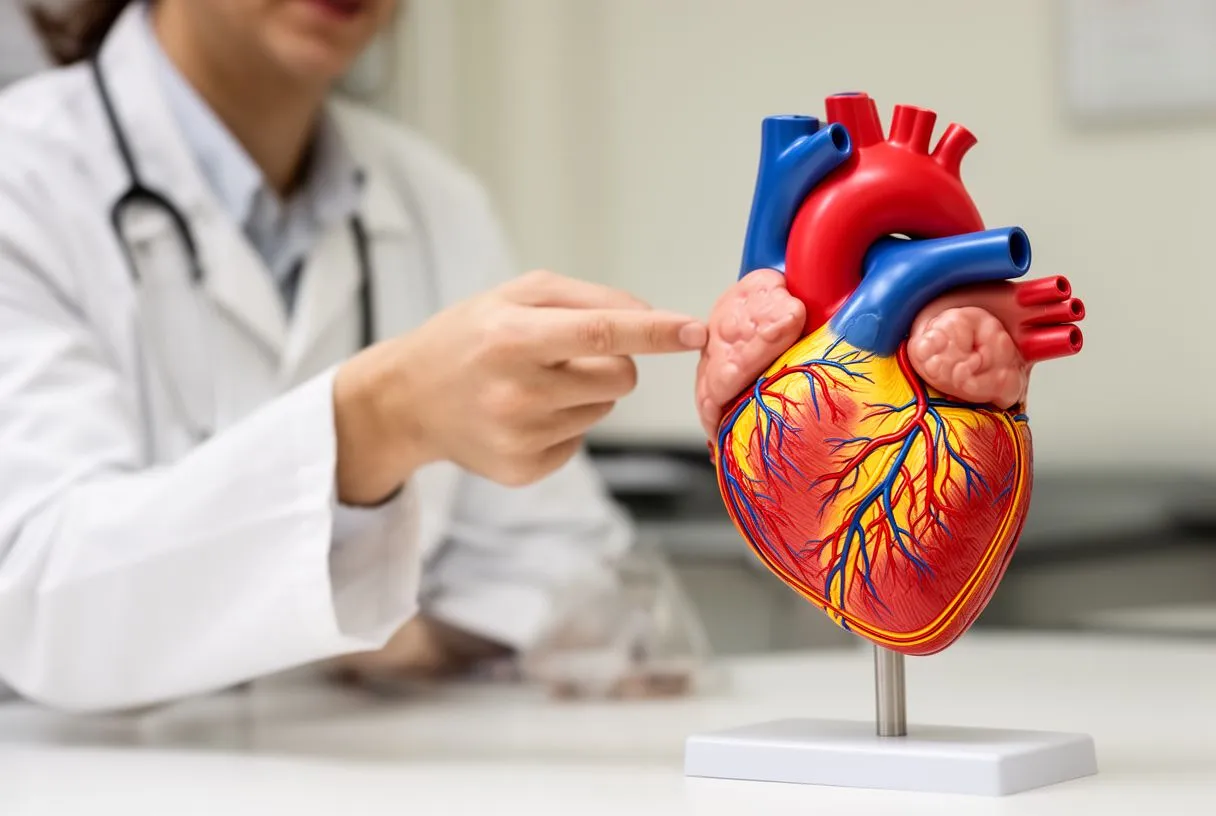
High pain tolerance: Some individuals simply have a naturally high threshold for pain or a psychological tendency to rationalize away physical discomfort. They might attribute their mild shortness of breath to aging, a change in weather, or a temporary flu. During a physical exam, a doctor might detect subtle abnormalities only through careful auscultation, listening for irregular heart sounds or murmurs that suggest previous damage. Without this careful investigation using a stethoscope, the true cause of a patient's vague symptoms can easily remain hidden until a major complication arises.
Silent myocardial infarction risk factors to know
Several underlying conditions significantly increase the likelihood of experiencing a silent myocardial infarction. Age is a primary factor; as we grow older, the sensory nerves naturally become less sensitive, dulling the perception of cardiac pain. Women are also more likely than men to experience heart attacks without the classic chest pressure, often presenting with subtler symptoms that are easily overlooked by both the patient and the medical staff. Furthermore, individuals with a history of heart disease in their immediate family face a higher baseline risk for all types of cardiac events.
Metabolic diseases: Conditions like diabetes play a massive role in masking heart attack symptoms. Patients with diabetes are particularly vulnerable because high blood sugar over time damages blood vessels and nerves alike. High blood pressure and elevated cholesterol levels also silently damage the arteries, accelerating the buildup of blockages. High levels of apolipoprotein B, a protein involved in lipid metabolism, can indicate a severe risk for arterial plaque formation even when standard cholesterol tests look completely normal, making advanced lipid testing crucial.
- Diabetes: Causes nerve damage that prevents the brain from registering cardiac pain signals.
- Age and Gender: Older adults and women frequently experience atypical, painless symptoms.
- Hypertension: Chronic high blood pressure strains the heart and accelerates arterial blockages.
Lifestyle choices compound these medical risks significantly. Smoking restricts blood flow and damages the delicate lining of the arteries, while a sedentary lifestyle weakens the cardiovascular system over decades. Even if you are taking daily aspirin to thin the blood and prevent clots, it cannot reverse the structural damage caused by severe arterial blockages. Managing these risk factors proactively through medication and lifestyle changes is the most effective way to protect the heart from an undetected catastrophe and maintain long-term vascular health.
How doctors diagnose a silent heart attack
Because silent myocardial infarction signs are so difficult to spot, doctors rely heavily on objective diagnostic tools to uncover past or ongoing cardiac damage. An electrocardiogram, or ECG, is usually the first step. This test records the electrical activity of the heart and can reveal specific wave patterns, such as pathological Q waves, which indicate that tissue has died and scarred over. Even if the patient never felt a thing, the ECG will definitively show that a heart attack occurred in the past, allowing doctors to initiate immediate secondary prevention strategies.
Blood tests are equally crucial for identifying recent cardiac events. When heart muscle cells die, they release specific enzymes into the bloodstream, most notably a protein called troponin. If a patient arrives with vague symptoms like unexplained fatigue or shortness of breath, elevated troponin levels immediately alert the medical team to an active or very recent heart attack. This biomarker is highly sensitive and allows doctors to confirm an atypical infarction even when chest pain is entirely absent, ensuring rapid intervention to salvage remaining heart tissue.
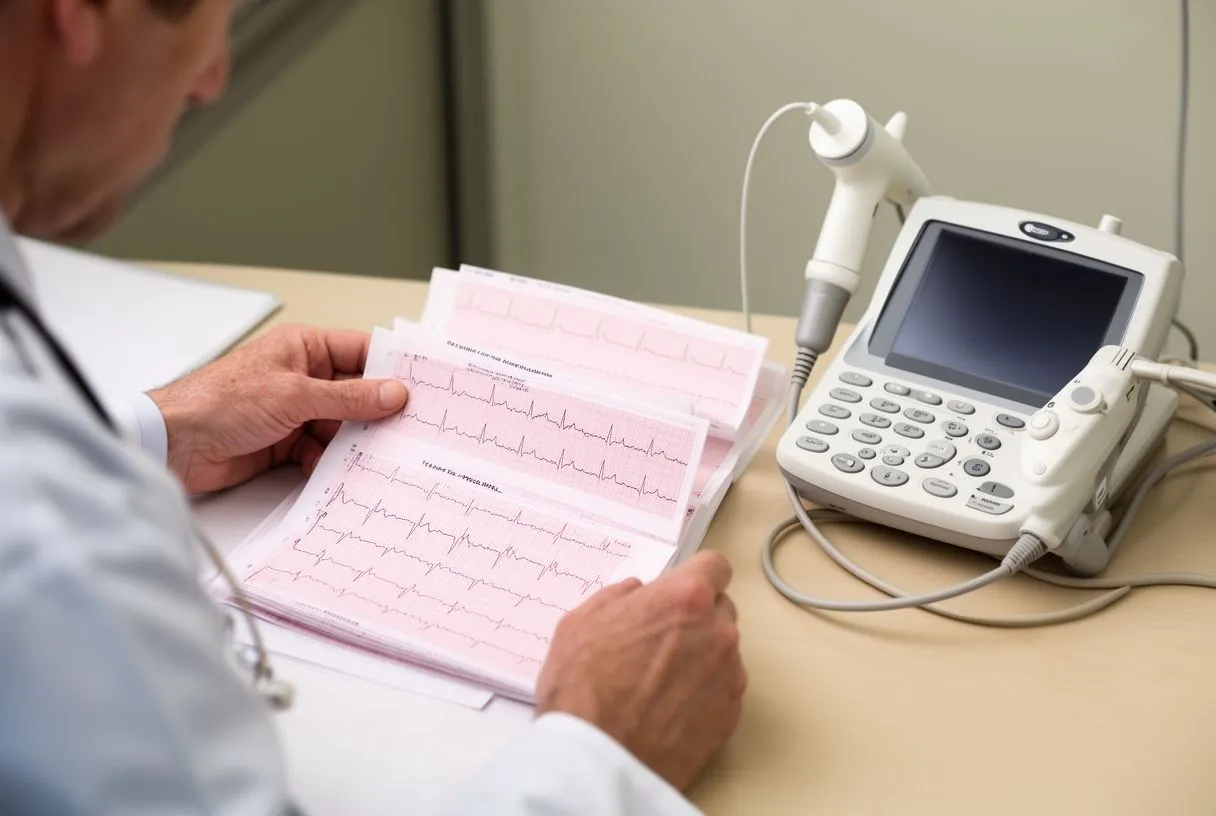
Advanced imaging techniques provide a complete picture of the heart's structural integrity. An echocardiogram uses sound waves to create detailed images of the heart's chambers and valves, revealing areas of the muscle that are not contracting properly due to old scar tissue. Comparing minimally invasive cardiac treatments to conventional approaches, a study in the Ukrainian Journal of Cardiovascular Surgery emphasizes the importance of accurate diagnostic imaging before planning any surgical intervention. This thorough evaluation ensures the chosen treatment matches the exact anatomical damage.
Silent myocardial infarction treatment options
Once a silent myocardial infarction is identified, treatment focuses on preventing another event and preserving remaining heart function. Medications form the foundation of this approach, typically including blood thinners to prevent new clots, beta-blockers to reduce the heart's workload, and statins to stabilize existing plaque. If the patient was not already taking aspirin, a doctor will likely prescribe it to maintain blood flow through narrowed coronary arteries. This rigorous medical management is essential to protect the vulnerable tissue from further ischemic damage.
Interventional procedures: For patients with significant arterial blockages, catheter-based interventions may be required to restore blood flow. A common approach is balloon angioplasty, where a small catheter is threaded into the blocked artery and a tiny balloon is inflated to compress the plaque against the artery walls. Often, a stent is left in place to keep the vessel open and ensure long-term patency. These minimally invasive procedures are highly effective at resolving localized blockages without the need for open surgery, leading to quicker recovery times.
Surgical bypass: In severe cases where multiple arteries are diseased, coronary artery bypass grafting surgery becomes the safest option for long-term survival. During this procedure, a healthy blood vessel is used to reroute blood around the blockage. Surgeons may utilize an arterial graft to bypass the severely damaged vessel entirely, ensuring the heart muscle receives a steady supply of oxygen-rich blood. During the operation, an arterial line is often placed to continuously monitor blood pressure, and the use of the patient's own autologous blood is prioritized to minimize transfusion risks.
Recovery after a silent heart attack
Recovery from a silent myocardial infarction requires a structured cardiac rehabilitation program tailored to the patient's specific condition. Since the damage was unacknowledged for a period, the heart muscle may be weaker than expected. Cardiac rehab involves monitored exercise, nutritional counseling, and emotional support to help patients safely rebuild their cardiovascular strength. Attending these supervised sessions is critical, as it helps the medical team observe the heart's response to physical stress in a safe, controlled environment.
Close monitoring during the first few months of recovery is vital to catch any complications early. Patients may experience arrhythmias, such as atrial flutter, where the upper chambers of the heart beat too quickly and out of sync with the lower chambers. These rhythm disturbances are common after heart muscle damage and require prompt medical attention to prevent strokes or fainting. A doctor might use a Holter monitor to track the heart's electrical activity over 24 hours, ensuring that any dangerous fluctuations are caught and treated immediately.

Long-term lifestyle adjustments are the final, permanent phase of recovery. Patients must adopt a heart-healthy diet low in saturated fats and sodium, engage in regular moderate exercise, and strictly adhere to their prescribed medication regimen. Quitting smoking and limiting alcohol consumption are non-negotiable steps for protecting the repaired arteries from future plaque buildup. By committing to these daily habits, patients can significantly improve their quality of life and reduce the risk of a subsequent, potentially more dangerous cardiac event in the future.
Long-term effects of unrecognized heart attacks
When a silent myocardial infarction goes untreated, the long-term consequences can be severe and progressive. The most significant risk is the development of heart failure, a condition where the damaged muscle cannot pump enough blood to meet the body's needs. Because the initial attack went unnoticed, the heart continued to operate under strain, causing irreversible remodeling and enlargement of the cardiac chambers. This reduces the overall ejection fraction, leaving patients chronically fatigued and breathless even during mild exertion.
Another major complication of unrecognized heart attacks is the increased risk of life-threatening arrhythmias. Scar tissue from the old infarction interferes with the heart's normal electrical pathways, causing irregular beats. Severe arrhythmias can lead to sudden cardiac arrest if not managed properly with medication or implantable devices. If a patient collapses, bystanders must immediately use an automated external defibrillator to shock the heart back into a normal rhythm, highlighting the importance of recognizing these risks before a critical crisis occurs.
- Heart Failure: Progressive weakening of the heart muscle leading to chronic fatigue and fluid retention in the lungs.
- Arrhythmias: Electrical disturbances from scar tissue causing irregular, fast, or potentially fatal heartbeats.
- Secondary Infarction: A significantly higher likelihood of experiencing a second, potentially fatal heart attack.
Beyond the physical damage, the psychological impact of discovering an old, silent heart attack can be profound. Patients often experience anxiety and fear, realizing they had a major medical crisis without knowing it. This underscores the importance of secondary prevention strategies, such as strict adherence to medications and routine check-ups. A dedicated cardiac team can help patients process these feelings and build a resilient recovery plan, ensuring they feel empowered rather than frightened by their diagnosis moving forward.
Preventing a silent myocardial infarction
Preventing a silent myocardial infarction begins with aggressive management of underlying cardiovascular risk factors. If you have diabetes, maintaining strict blood sugar control is paramount to prevent the nerve damage that masks cardiac pain. Similarly, keeping blood pressure within normal ranges reduces the mechanical stress on the arterial walls, slowing the progression of atherosclerotic plaque. Regular check-ups with a primary care physician or cardiologist are essential to track these metrics and adjust treatments as necessary to maintain optimal heart health.
Advanced screening: A proactive approach also involves comprehensive lipid screening. Measuring levels of apolipoprotein B can give a much clearer picture of your true cardiovascular risk than a standard cholesterol panel. If high-risk markers are found, early intervention with medications and dietary changes can halt the progression of arterial disease. Patients who have undergone procedures like balloon aortic valvuloplasty or received a balloon-expandable valve for other structural heart conditions must be especially vigilant, as their cardiovascular systems are already compromised.

Lifestyle modifications remain the most powerful tool for prevention. A diet rich in vegetables, lean proteins, and whole grains supports vascular health, while regular cardiovascular exercise strengthens the heart muscle. It is also crucial to avoid extreme physical stress or sudden, intense exertion if you are not conditioned for it, as this sudden spike in blood pressure can trigger plaque rupture. By building a foundation of overall wellness, you protect your heart from the silent threats that accumulate over decades.
When to seek medical help for atypical symptoms
Knowing when to seek medical help for silent myocardial infarction signs can save your life. Any sudden, unexplained onset of shortness of breath, extreme fatigue, or cold sweats warrants immediate evaluation, especially if you have known risk factors like diabetes or hypertension. Do not attempt to drive yourself to the hospital if you suspect a cardiac event; instead, call emergency services so that paramedics can begin life-saving treatment the moment they arrive at your door and monitor your heart rhythm en route.
If a family member experiences a sudden collapse with no pulse, immediate action is required. Bystanders should call for emergency help and begin CPR, utilizing an automated external defibrillator if one is available in the vicinity. These devices are designed to be used by the public and provide clear voice instructions to guide the rescuer through the process. Prompt defibrillation is the only effective treatment for sudden cardiac arrest caused by a massive arrhythmia following a heart attack, making public awareness of these devices crucial.
Ultimately, the best defense against a silent myocardial infarction is a strong partnership with a qualified cardiac team. If you have a family history of heart disease or experience any of the atypical symptoms discussed, we encourage you to reach out for a comprehensive evaluation. Do not self-diagnose or wait for severe pain to appear. By booking a consultation with a specialist, you can receive personalized advice and a targeted care plan to protect your heart health for the long term.