Sleep Apnoea and Your Heart: Rhythm and Blood Pressure
Sleep apnoea heart risks include dangerous arrhythmias and high blood pressure.
Snoring is often treated as a joke, but for many people it is the first visible sign of a condition that quietly strains the heart every single night. The connection between sleep apnoea heart problems is now well established: repeated pauses in breathing during sleep drive up blood pressure, disturb heart rhythm and, over years, raise the risk of heart failure and stroke. This guide explains what sleep apnoea actually is, how it damages the cardiovascular system, which symptoms to watch for, and what treatment options look like in practice. If you or a family member snores loudly, wakes unrefreshed, or has been diagnosed with high blood pressure or an irregular heartbeat, this article will help you understand why a sleep assessment deserves a place alongside your cardiac care.
What Is Sleep Apnoea?
Sleep apnoea is a breathing disorder that interrupts sleep dozens of times a night. In obstructive sleep apnoea, the most common form, the muscles at the back of the throat relax during sleep. The airway narrows or closes completely, airflow stops, and oxygen levels in the blood fall. The brain responds by briefly waking the body just enough to reopen the airway, often with a snort or gasp. The person usually does not remember these awakenings, but they can happen hundreds of times a night.
The other main form is central sleep apnoea. Here the problem is not a blocked airway but a signalling issue: the brain intermittently fails to send the instruction to breathe. Central apnoea is less common and is more often associated with heart failure, stroke or certain medications. Both forms matter to cardiac patients, because both deprive the body of steady oxygen overnight.
The severity of sleep apnoea is measured with the apnoea-hypopnoea index, or AHI, which counts how many breathing pauses and shallow-breathing events occur per hour of sleep. Roughly speaking, five to fifteen events per hour is considered mild, fifteen to thirty is moderate, and above thirty is severe. Knowing where you sit on this scale is the first step towards protecting your heart, because the cardiovascular burden grows with each additional event.
How Sleep Apnoea Affects the Heart
Every breathing pause triggers a stress response. When the airway collapses, oxygen levels drop and carbon dioxide rises. The brain perceives this as an emergency and activates the sympathetic nervous system, the same fight-or-flight response you would experience in a frightening situation. Blood vessels constrict, the heart rate surges, and blood pressure spikes. In a person with severe untreated sleep apnoea, this can happen fifty or more times every night, year after year.
Pressure changes inside the chest also strain the heart directly. Each effort to breathe against a closed airway creates a strong negative pressure in the chest, which affects the pulmonary artery pressure and the filling of the heart's chambers. Over time, the walls of the heart can thicken and stiffen, the left atrium stretches, and the conditions for rhythm problems take root. This is why obstructive sleep apnoea cardiovascular disease links are so consistent across large studies.
Chronic low oxygen fuels inflammation. Repeated cycles of oxygen dropping and recovering, known as intermittent hypoxia, generate oxidative stress and inflammatory chemicals in the bloodstream. These contribute to stiff arteries, plaque build-up and higher clotting tendency. In other words, sleep apnoea does not just disturb sleep; it actively remodels the cardiovascular system in ways that raise the risk of heart attack, heart failure and stroke. The burden of this disease in Australian men, including its strong overlap with obesity, depression and cardiovascular co-morbidities, has been documented in detail by the Australian longitudinal study on male health.
What Are the Symptoms of Obstructive Sleep Apnoea?
Loud, habitual snoring is the classic warning sign. Not everyone who snores has sleep apnoea, but snoring that is loud, interrupted by pauses, and punctuated by gasping or choking sounds is highly suggestive. Partners often notice the pattern before the patient does, because the person asleep is unaware of the turmoil their body is going through.
Symptoms of mild obstructive sleep apnoea can be subtle. They include unrefreshing sleep despite a full night in bed, morning headaches, difficulty concentrating, irritability, and needing to get up during the night to pass urine more often than expected. As severity increases, daytime sleepiness becomes harder to ignore: nodding off while reading, in meetings, or worse, while driving.
Some of the most important clues show up during the day in ways people do not connect to their sleep:
- Daytime fatigue: a persistent tiredness that sleep does not fix, which is also a flag worth checking in anyone with a cardiac diagnosis
- Waking palpitations or an irregular pulse: the night-time rhythm disturbance sometimes carries over into the morning
- Resistant high blood pressure: hypertension that stays high despite two or three medications is strongly associated with undiagnosed sleep apnoea
If several of these describe you, the next step is a proper assessment rather than guesswork. A sleep study for heart patients can be arranged alongside your cardiac work-up, and the two sets of results together tell a far more complete story than either alone.
Sleep Apnoea and Atrial Fibrillation: What Is the Link?
Atrial fibrillation is the most common serious heart rhythm disorder. In this condition, the upper chambers of the heart, the atria, beat chaotically instead of contracting in an organised way. Blood pools in the left atrium, and clots can form, which is why atrial fibrillation raises the risk of stroke. Patients describe it as a fluttering, racing or irregular heartbeat, and it is one of the most frequent reasons for the phrase sleep apnoea heart arrhythmia appearing in medical consultations.
The overlap between the two conditions is striking. Sleep apnoea and atrial fibrillation frequently coexist, and untreated apnoea makes atrial fibrillation harder to control. Each night-time oxygen drop and pressure surge irritates the atria and promotes the structural changes that allow abnormal circuits to form. Research has consistently shown that people with untreated sleep apnoea have higher rates of atrial fibrillation recurrence after cardioversion and after catheter ablation than people whose apnoea is treated.
For patients, this means treating the apnoea is part of treating the rhythm. If you have been diagnosed with atrial fibrillation, or you experience sleep apnoea and heart palpitations at night, it is reasonable to ask your cardiologist whether a sleep assessment is warranted. Snoring, witnessed apnoeas and daytime sleepiness are worth asking about, because an untreated airway problem can be hiding behind a resistant arrhythmia.
Can Sleep Apnoea Cause High Blood Pressure?
Yes, and the mechanism is direct. Each apnoeic episode causes a surge in sympathetic nervous system activity and a spike in blood pressure that can reach dramatic levels. Between episodes, pressure does not fully return to baseline. Night after night, the vessels are exposed to this cycle of surging and never truly resting, and over time the baseline itself climbs. This is the established explanation for sleep apnoea high blood pressure associations.
Daytime hypertension follows the night-time pattern. People with untreated sleep apnoea commonly lose the normal dip in blood pressure that should occur during sleep, a pattern called non-dipping. Non-dipping is itself a recognised risk factor for damage to the heart, kidneys and eyes. Measuring the blood pressure difference between arms can also reveal underlying vascular problems, and it is a simple check that should be part of any cardiovascular evaluation.
Controlling blood pressure properly matters because of what uncontrolled hypertension does over years: it thickens the heart muscle, stiffens the arteries and increases the risk of events such as heart attack and silent myocardial infarction. A recent post hoc analysis of a randomised controlled trial on intensive blood pressure lowering examined how intensive control affects the risk of silent heart injury, underscoring how much attention researchers now give to even small, symptomless changes in cardiac health. If your blood pressure is stubborn despite medication, the answer may lie partly in your airway.
What Happens If Sleep Apnoea Goes Undiagnosed?
Undiagnosed sleep apnoea cardiac arrest risk is not the right way to frame the danger, but the long-term risks are real. Sleep apnoea rarely causes a dramatic overnight catastrophe. Instead, it works slowly: raising blood pressure, promoting atrial fibrillation, worsening heart failure, and increasing the likelihood of heart attack and stroke over years. The danger is cumulative, which is also why it is so often missed until a complication appears.
The heart failure connection deserves particular attention. Sleep apnoea heart failure symptoms tend to overlap confusingly: both conditions cause fatigue, breathlessness and disturbed sleep, so each can mask the other. In heart failure, fluid shifts to the lungs at night, which can trigger central apnoea as well as obstructive events. This is why patients with heart failure should be asked directly about their breathing during sleep.
Living with untreated apnoea also degrades quality of life in ways that are easy to underestimate:
- Falling asleep at the wheel: severe sleepiness multiplies the risk of road accidents, one of the most immediate and preventable dangers
- Cognitive fog: poor concentration and memory problems that affect work and daily decisions
- Strained mood: untreated apnoea is strongly linked with depression and low energy, which affects the whole family, not just the patient
We have cared for patients who arrived with a heart condition that had been treated for years while a severe sleep apnoea went unrecognised, and seeing the difference once both are addressed is one of the reasons our team always asks about sleep.
How Does a Sleep Study for Heart Patients Work?
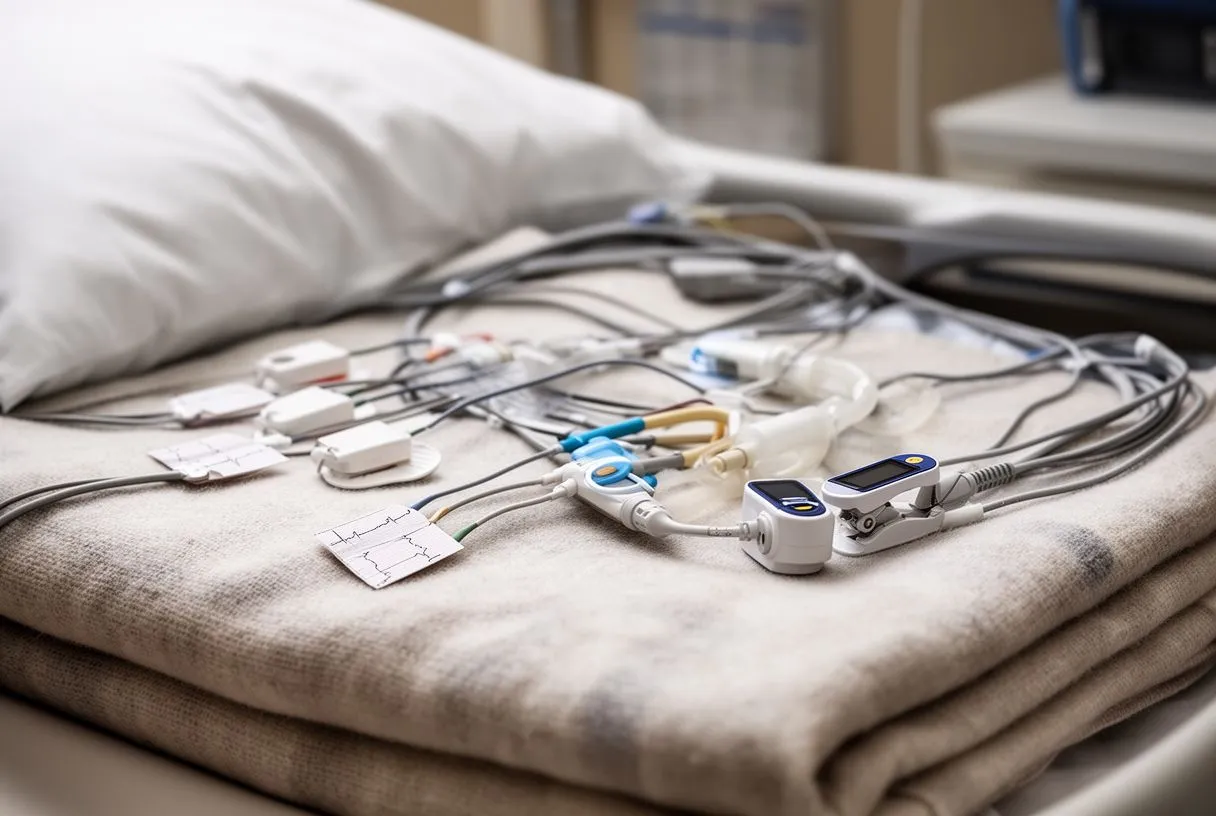
A sleep study is the only way to confirm the diagnosis. The full version, called polysomnography, is an overnight test that records brain waves, eye movements, muscle tone, breathing effort, airflow, oxygen saturation, heart rate and rhythm. For cardiac patients this is especially valuable, because the recording captures exactly what the heart is doing during every apnoeic episode, including any arrhythmias that only appear at night.
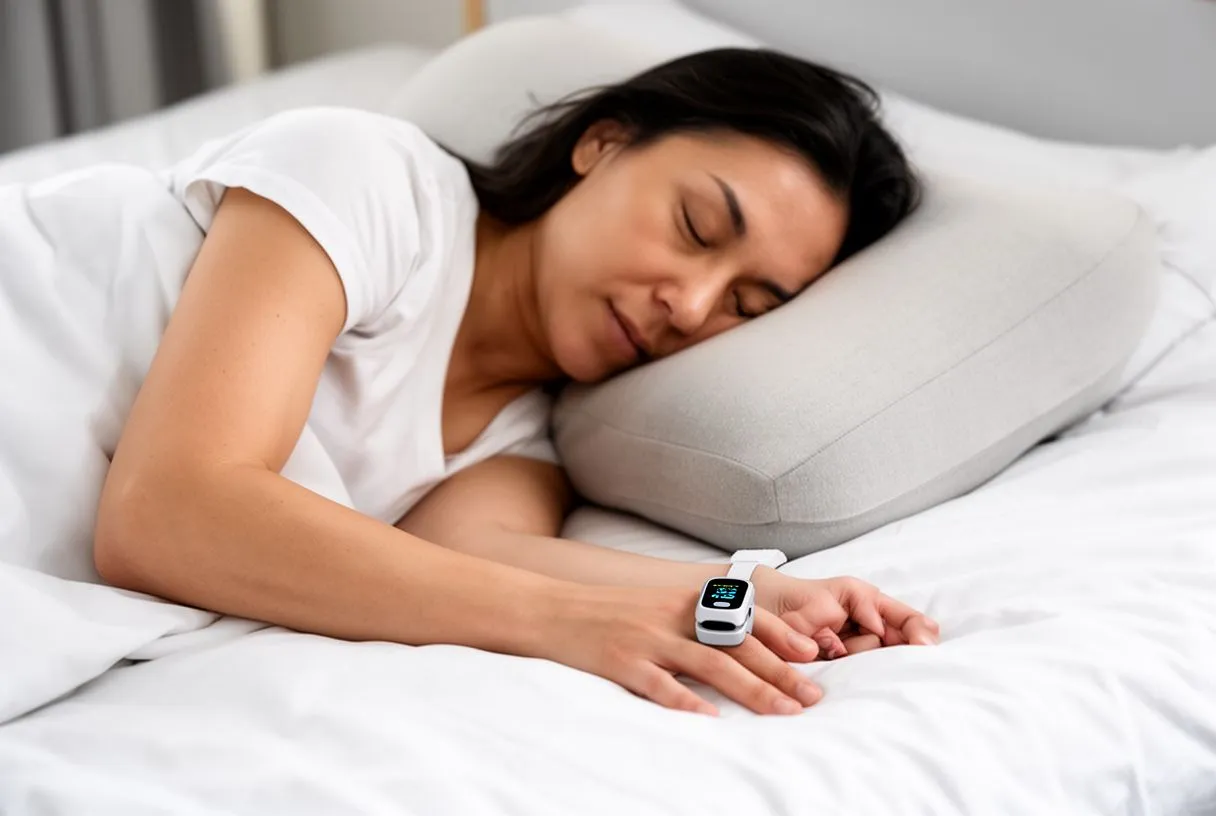
Simpler home tests are available and often appropriate. A home sleep apnoea test uses a small portable device worn overnight in your own bed. It typically measures airflow, breathing effort, oxygen levels and pulse. Home testing works well when obstructive sleep apnoea is strongly suspected and there are no serious competing health problems. For patients with significant heart failure or complex arrhythmias, an attended in-laboratory study is usually preferred because it captures more information and can be adjusted in real time.
Preparation is simple. Avoid alcohol and sedatives on the night of the study, keep your usual routine, and bring any medications you normally take. If your cardiac evaluation included a Full Blood Count, the results can add useful context, because a high red cell count can be a sign of chronic low oxygen from untreated apnoea. In our consultations we take the time to explain what the studies actually show, in plain words, and to answer every question before any decision is made.
What Are the Treatment Options for Moderate Sleep Apnoea?
Treatment depends on severity, anatomy and your overall health. The goal is to keep the airway open and the oxygen steady all night, and there is more than one route to that goal. Understanding the options helps you have an informed conversation with your medical team.
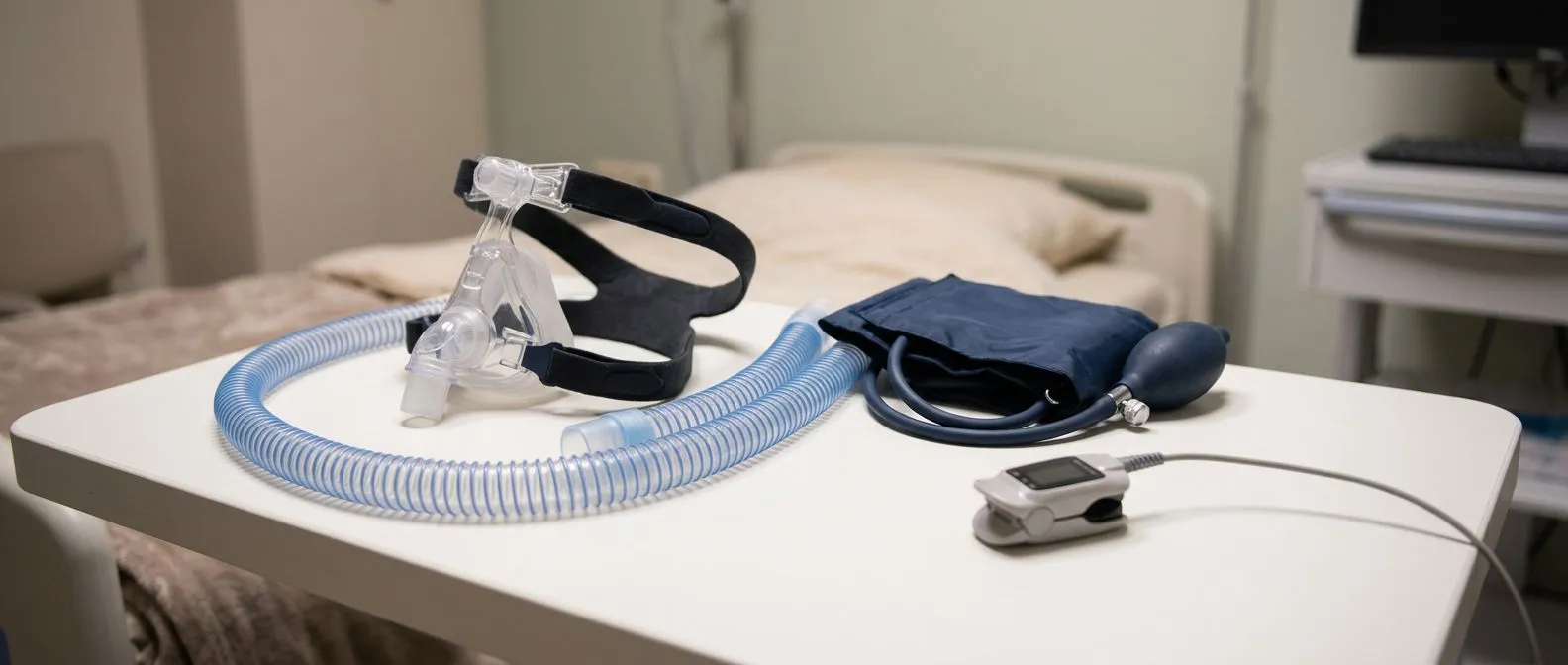
CPAP is the first-line treatment for moderate to severe disease. A CPAP machine delivers a gentle stream of air through a mask, holding the airway open like a splint. Modern devices are quiet, compact and adjust pressure automatically to what your airway needs on each breath. Most people adapt within a few weeks, and the improvement in sleep quality and daytime energy is often noticeable quickly.
Alternatives exist when CPAP is not tolerated. These include:
- Mandibular advancement devices: custom dental splints that hold the lower jaw forward to keep the airway open, suitable mainly for mild to moderate cases
- Weight reduction: losing weight reduces fatty tissue around the airway and can meaningfully reduce severity, sometimes enough to change the treatment picture entirely
- Surgery: procedures to enlarge or stabilise the airway, considered in selected cases with specific anatomical causes
- Positional therapy: devices and strategies to prevent back sleeping, useful when apnoea occurs mainly in that position
The question of how you get rid of sleep apnoea deserves an honest answer: for most people it is managed rather than cured, but effective management removes the nightly cardiovascular stress and restores restorative sleep. The main cause of sleep apnoea in adults is the combination of relaxed throat muscles and narrowed anatomy, often aggravated by excess weight, alcohol before bed and sleeping on the back, so treatment targets these factors directly. Our multidisciplinary team reviews each case against international practice guidelines before recommending a pathway, and the final decision always rests with the patient.
Do CPAP Machines Have Heart Benefits?
CPAP reliably lowers blood pressure, especially at night. Treating sleep apnoea with CPAP reduces the nightly pressure surges and helps restore the healthy overnight dip in blood pressure. Studies of CPAP machine heart benefits consistently show a modest but meaningful reduction in blood pressure among treated patients, which compounds over years of use.
For rhythm patients, adherence matters. In people with atrial fibrillation, regular CPAP use is associated with fewer rhythm recurrences after ablation and cardioversion. The key phrase is regular use: the cardiovascular benefits depend on wearing the device most nights, for most of the night. A machine sitting in a cupboard delivers no benefit, so mask comfort and follow-up support are worth investing in.
It is honest to say the evidence on hard endpoints is nuanced. Some large trials have not shown that CPAP reduces heart attacks or deaths across whole populations, partly because adherence varies and follow-up is limited. But lowering blood pressure, improving oxygenation, reducing arrhythmia burden and relieving symptoms are all real, measurable gains. CPAP is one of the few treatments that helps both the heart and the quality of life at the same time, which is why guideline committees continue to recommend screening cardiac patients for apnoea. Sleep apnoea also disrupts the hormonal signals that regulate appetite, so treated patients often find weight management easier, creating a virtuous cycle.
What Is the Best Sleep Position Without a CPAP Machine?
Side sleeping is the best sleep position for someone with sleep apnoea who is not using a machine. Sleeping on the back lets the tongue and soft palate fall backwards, narrowing the airway. Turning onto the side uses gravity to keep the airway open, and many people with positional apnoea see their event count drop substantially just by staying off their back.
Practical tricks help you stay on your side. A body pillow prevents rolling over. Some people sew a tennis ball into the back of a sleep shirt, a low-tech trick that works surprisingly well. Elevating the head of the bed slightly can also reduce airway collapse and helps with night-time reflux, which often accompanies apnoea. Avoiding alcohol within three hours of bedtime and keeping a regular sleep schedule both reduce event frequency too.
Lifestyle changes help but rarely cure severe apnoea. Can lifestyle changes cure sleep apnoea? For mild cases driven mainly by weight and position, sometimes yes, and weight loss in particular can reduce severity dramatically. For moderate and severe disease, lifestyle measures are essential support but usually need to be combined with a device or procedure. What is the life expectancy of someone who has sleep apnoea? Untreated severe apnoea is associated with a higher long-term risk of cardiovascular death, but treated apnoea does not carry the same penalty, which is why diagnosis and treatment are worth the effort.
When Should You Seek Help for Sleep Apnoea and Heart Symptoms?
Seek assessment if you have both cardiac risk and sleep symptoms. If you have hypertension, atrial fibrillation, heart failure or a history of coronary disease, and you also snore loudly or feel unrefreshed, raise the subject directly with your cardiologist. A sleep study for heart patients is a straightforward, non-invasive test that can change the entire management plan. The same applies to anyone with resistant blood pressure or daytime fatigue heart risk that has never been explained.
Some symptoms need urgent attention. Chest pressure at rest, fainting episodes, palpitations with dizziness, or waking gasping with severe breathlessness should be evaluated promptly rather than booked for a routine appointment. These can signal significant arrhythmia or cardiac disease that needs immediate care. Do not wait for a sleep study to address acute symptoms.
A second opinion is always reasonable. Deciding about heart surgery or a major procedure is a serious decision, and a good team should welcome it. We encourage second opinions and treat seeking one as a normal part of deciding about heart surgery, because a confident patient is a partner in their own care. Our team, led by Dr Alejandro Molina, reviews every case as a multidisciplinary group against international practice guidelines, and we recommend the less invasive route only where the evidence supports it for that specific patient.
How Do You Choose a Cardiac Team for Sleep-Related Heart Problems?
Look for a team that treats the whole cardiovascular picture. Sleep apnoea heart treatment works best when the airway problem and the cardiac problem are managed by people who talk to each other. A multidisciplinary cardiac team that routinely screens for sleep apnoea, interprets sleep studies alongside echocardiograms and rhythm monitors, and coordinates with sleep physicians will give you a more complete plan than a single specialist working alone.
Experience and training are legitimate questions to ask. Dr Molina trained in cardiothoracic surgery at the Universidad de Guadalajara, in cardiac, minimally invasive, robotic and structural surgery at the University of Montreal, and in structural cardiology and TAVR at CHU Bordeaux, and the team has also trained at Jena, Bad Berka and Buffalo. That breadth matters when the question is whether a valve procedure, a rhythm intervention or a combined approach offers the lowest risk for your situation.
Start with a conversation, not a waiting room. The first contact with our practice is a free video consultation: we get to know the patient, talk through the condition, and say which studies are still needed so no unnecessary ones are ordered, with a face-to-face visit at our consulting rooms in Guadalajara, Querétaro or Hermosillo following when the patient decides to go ahead. If snoring, palpitations, resistant blood pressure or unexplained fatigue are part of your story, bring them to that first conversation. Sleep apnoea and the heart are deeply connected, and treating both together is one of the most worthwhile things you can do for your long-term health.