


Small Aortic Annulus: Choosing the Right Valve
Small aortic annulus valve?
If you have been told you need an aortic valve replacement and that your anatomy includes a small aortic annulus valve, you may worry that your options are limited. They are not. A small annulus — the ring of tissue where the aortic valve sits — simply changes which valve types fit well and how your surgical team plans the procedure. This guide walks you through what the annulus is, how it is measured, the valve choices available, and what recovery honestly looks like, so you can walk into your consultation with clear questions.
What Is the Aortic Annulus and Why Does Its Size Matter?
Understanding the anatomy. The aortic annulus is the fibrous ring at the base of the aorta where the aortic valve attaches. Just above it sit the aortic sinuses — three small bulges in the aortic wall that give the coronary arteries their origin and help the valve cusps, the leaflets that open and close with every heartbeat, seal properly. The annulus is not a rigid circle. Research on Springer has shown the annulus changes shape throughout the cardiac cycle, which matters when measuring it for a prosthesis.
Why size matters. When the annulus measures small — often defined as under about 21 millimetres on imaging — a standard valve may not fit without narrowing the opening blood flows through. That can leave the patient with a working valve that still makes the heart strain. Knowing your heart: the aortic valve is only about the size of a coin to begin with, so a few millimetres of difference genuinely changes the engineering.
Putting the aorta in context. The aorta itself has four sections: the ascending aorta, the arch, the descending thoracic aorta, and the abdominal aorta. A small annulus is a different issue from a dilated aorta — and unlike a dilated aorta, which rarely goes back to normal without treatment, a small annulus is simply a fixed anatomical feature that surgery can work around. It is worth noting that among the four heart valves, the aortic valve is one of the most likely to fail with age, often from calcification, which is why so many people face this decision.
How Is a Small Aortic Annulus Valve Diagnosed and Measured?
The echocardiogram comes first. A small aortic annulus valve echocardiogram is usually the starting point. This painless ultrasound scan shows the valve moving in real time, measures the annulus diameter, and shows how well blood is passing through. It also reveals aortic insufficiency — leaking backwards through the valve — if that is present alongside narrowing.
Annulus sizing in more detail. When the echo suggests a tight fit, teams move to annulus sizing with a CT scan. CT gives a three-dimensional view, measures the annulus area and perimeter, and shows the coronary artery positions. Careful small aortic annulus valve sizing at this stage is the single most important factor in how well the replacement performs afterwards.
In our consulting rooms we take the time to show patients their own echo and CT images on screen, explain in plain words what the measurements mean, and answer every question before any decision is made. Planning before cutting. Good small aortic annulus valve planning means the valve choice, the surgical approach, and the backup plans are all agreed before the operation begins. That preparation is what turns a difficult anatomy into a routine procedure.
What Is Patient-Prosthesis Mismatch in a Small Annulus?
The core problem. Patient-prosthesis mismatch small annulus is the phrase surgeons use when a properly functioning valve is still too small for the patient's body. The valve opens fine, but the opening it provides is narrow relative to what the heart needs. Blood accelerates through it, the left ventricle — the heart's main pumping chamber — works harder, and symptoms may persist even after successful surgery.
Why small annuli are most at risk. This is the defining challenge of small aortic annulus valve hemodynamics. The heart has to push blood through whatever hole the prosthesis leaves, and a small ring leaves less room. The effect is graded: mild mismatch is common and often tolerated well, while severe mismatch is associated with poorer long-term outcomes and is something surgical teams work hard to avoid.
How teams avoid it. Avoiding mismatch is why small aortic annulus valve prosthesis size decisions are never made from a chart alone. The team weighs your body size, activity level, age, and the specific dimensions of your annulus. Sometimes the answer is a different valve design; sometimes it is enlarging the annulus itself; sometimes it is accepting a modest mismatch with monitoring. Each path has trade-offs worth discussing openly.
Mechanical vs Bioprosthetic Valves for a Small Aortic Root
Two broad families. The best valve for small aortic root depends heavily on this first choice. A small aortic annulus valve mechanical option is made of durable materials like pyrolytic carbon. A small aortic annulus valve bioprosthetic option is built from animal tissue, usually bovine or porine pericardium, mounted on a frame or stent.
The trade-offs come down to a few practical realities:
- Mechanical valves: extremely durable, often lasting a lifetime, but require lifelong blood-thinning medication (warfarin) and regular blood tests.
- Bioprosthetic valves: usually no lifelong blood thinners, but they gradually degenerate and may need re-replacement after a decade or more, sooner in younger patients.
- Fitting matters most: stented valves have a frame that occupies space inside the ring; some modern designs sit lower or narrower specifically to help small annuli.
Matching valve to patient. Guidelines generally favour bioprosthetic valves for patients over about 65 and mechanical valves for younger patients, but the decision is individual. A small aortic annulus valve types discussion with your surgeon should cover how each design behaves in a tight ring — some tissue valves perform better in small annuli than others because of how their leaflets open. Neither choice is wrong; the right one is the one that matches your life.
When the Aortic Annulus Is Too Small for a Valve, What Are the Options?
Enlarging the ring itself. When the aortic annulus is too small for valve implantation of adequate size, surgery can widen it. This is the essence of small aortic annulus valve root enlargement techniques, which allow the implantation of a larger prosthesis than the native ring would accept. These operations are more complex than a straightforward replacement, but they directly solve the mismatch problem.
Choosing slimmer valve designs. The alternative is not to enlarge the ring but to choose a valve that wastes less space. A small aortic annulus valve stentless option — a tissue valve without a rigid frame, supported only by its own preserved aortic wall — leaves more room for blood flow. Similarly, an intra-annular valve sits lower in the ring, below the coronary arteries, using the available space efficiently.
How the decision gets made. The choice between enlarging the annulus and choosing a slimmer valve depends on your age, valve type preference, the expertise available, and the condition of the surrounding aortic root. There is no universally right answer. What matters is that your team can genuinely offer both paths rather than defaulting to whichever single technique they happen to perform most often.
What Is Aortic Root Enlargement Surgery?
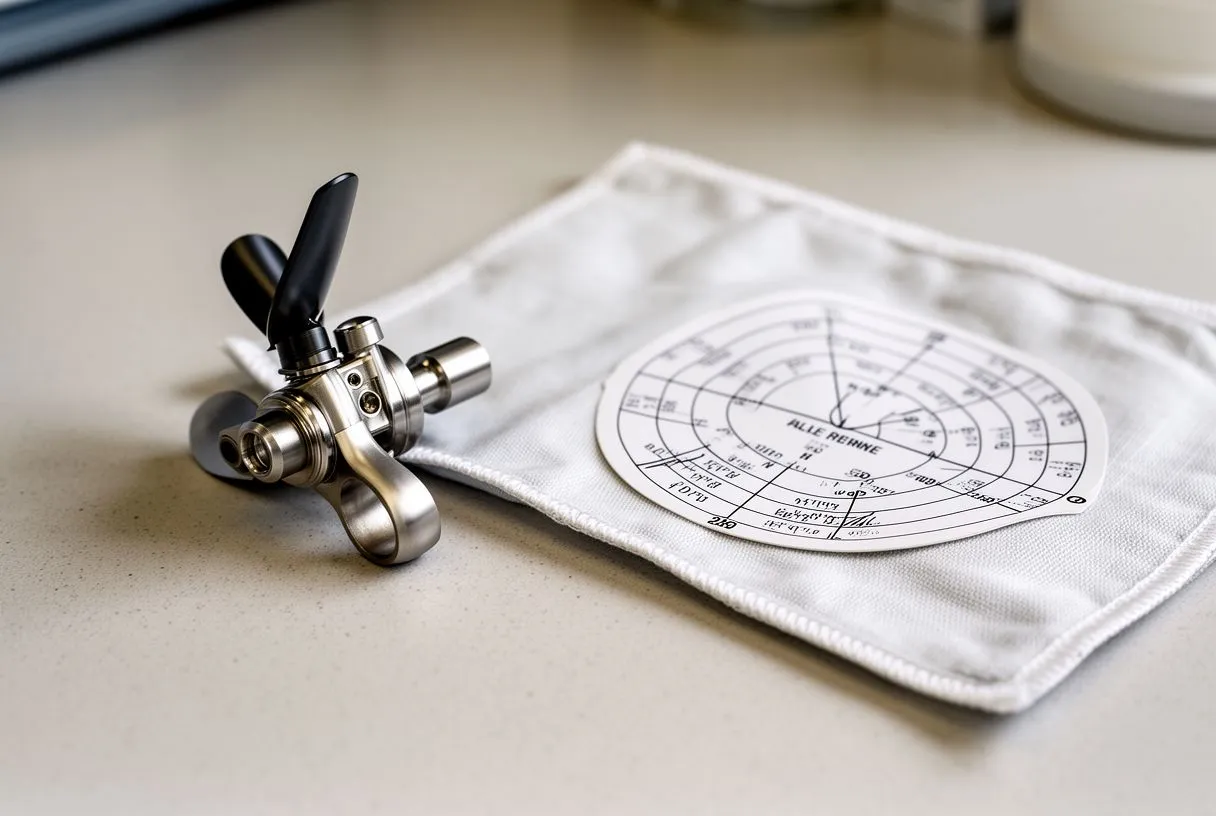
What the operation involves. Root enlargement means the surgeon makes careful incisions into the annulus and adjacent tissue — most commonly through one of the aortic sinuses — and patches in extra material so a larger valve fits. The most established variants are named after the surgeons who described them, such as the Nicks and Manouguian techniques, and the more extensive Konno procedure for very small rings. The patch becomes part of your own aorta permanently.
Who benefits most. This surgery is typically considered for younger, more active patients, for whom getting a correctly sized valve upfront avoids future re-operations. It is often combined with a small aortic annulus valve replacement using a mechanical valve, since a durable valve in an enlarged ring can last decades. For older patients, the added operative complexity may not justify the benefit, and a carefully chosen tissue valve may be the wiser route.
What to ask about it. Reasonable questions include how often your surgeon performs enlargement procedures, what patch material will be used, and how the operation changes the risk profile compared with a standard replacement. These are fair questions to ask of any team, and a good one will answer them directly.
TAVR Small Annulus Considerations
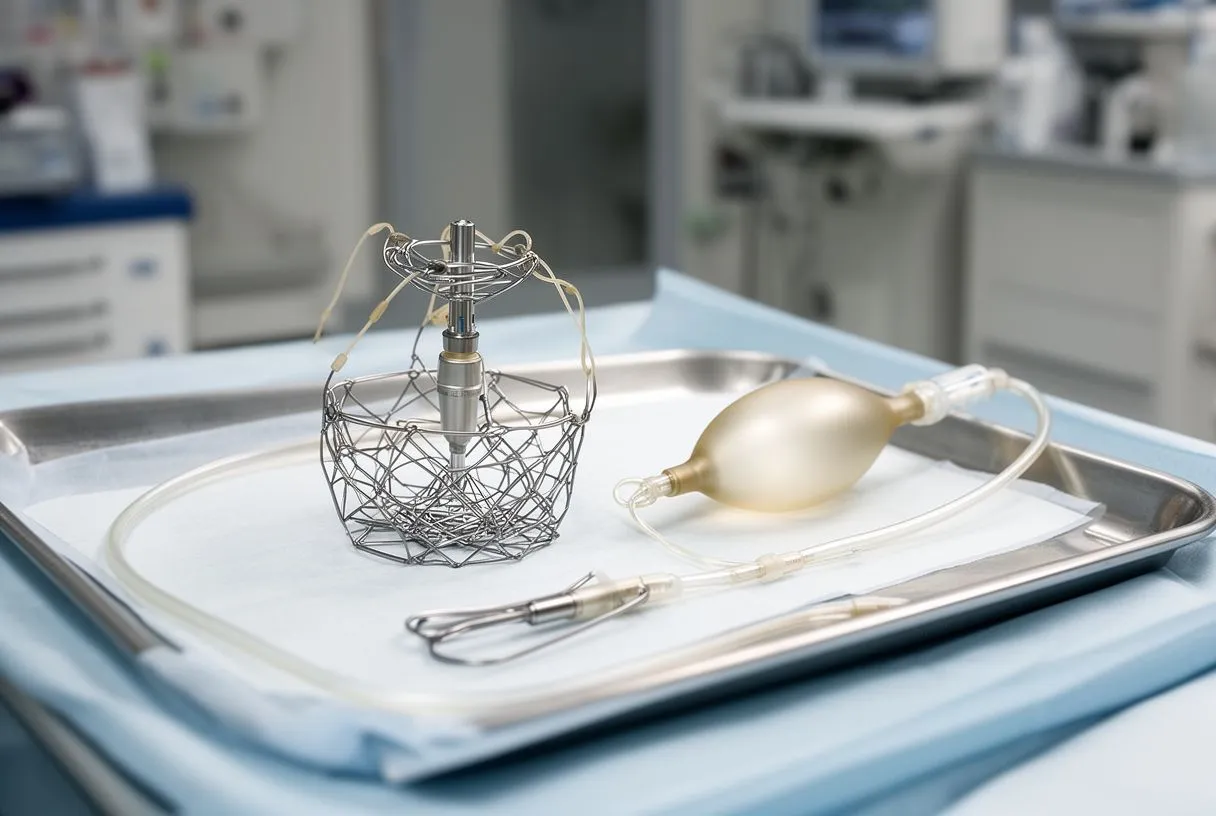
What TAVR is. TAVR — transcatheter aortic valve replacement — delivers a new valve through a catheter, usually from an artery in the groin, without opening the chest. It was once called Transcatheter Aortic Valve Implantation, but TAVR is the name now used with patients. For people who are high-risk for open surgery, it has changed the landscape entirely.
The small annulus question. TAVR small annulus considerations centre on valve choice and post-procedure pacing. A review of self-expanding versus balloon-expandable TAVR in patients with a small aortic annulus valve suggests self-expanding devices may offer advantages in these anatomies, while balloon-expandable designs behave differently in tight rings (Journal of Cardiovascular and Thoracic Research). The right device depends on annulus dimensions, calcification pattern, and anatomy.
One risk worth knowing about. Small annuli are associated with a higher chance of conduction disturbances after TAVR — interruptions of the heart's electrical wiring — particularly in patients with right bundle branch block, a pre-existing electrical pattern. A dedicated clinical trial is studying prophylactic permanent pacemaker implantation in exactly this group (ClinicalTrials.gov). This is a real trade-off to discuss: TAVR avoids open surgery but carries a higher pacemaker risk in small annuli than surgical replacement typically does.
Are Small Annulus Valve Procedures Safe?
Honest risk framing. No heart operation is risk-free, and anyone who tells you otherwise is not being straight with you. That said, surgical aortic valve replacement is one of the most studied and refined operations in all of medicine, and annulus enlargement adds complexity but is well described in experienced hands. The honest framing is: which approach carries the lowest risk for your specific anatomy, age, and health?
What teams assess. Risk assessment uses scoring tools such as EuroSCORE II, which weighs age, frailty, kidney function, lung function, and prior operations. Every case we see is reviewed by our team against international practice guidelines before a recommendation is given, and the patient receives a clear proposal with the alternatives, with the final decision always theirs.
Risks specific to small annuli. The distinct risks are patient-prosthesis mismatch if the valve is undersized, and conduction problems requiring a pacemaker — particularly after TAVR. Both are manageable when anticipated, which is exactly why careful imaging and planning matter so much. A team that measures thoroughly is a team that avoids surprises.
What Is Recovery Like After Small Annulus Valve Surgery?
The honest timeline. A small aortic annulus valve surgery recovery follows the standard valve replacement path. Most patients spend one to two days in intensive care, then several more on the ward. Many people report that the first week is the hardest, with steady improvement after that.
A rough picture of the milestones most patients experience:
- Days 1–5: hospital recovery — getting up and walking begins within a day or two of surgery.
- Weeks 2–6: home recovery — energy returns gradually; driving typically resumes around four to six weeks with your surgeon's approval.
- Weeks 6–12: cardiac rehabilitation — supervised exercise that rebuilds strength and confidence.
- Months 3–6: most patients feel close to normal, with lifelong follow-up scans to watch the valve.
Minimally invasive differences. Where anatomy allows, a minimally invasive approach through a right anterior thoracotomy — a small incision between the ribs on the right chest — can shorten recovery and reduce discomfort compared with a full breastbone incision. We recommend the less invasive route only where the evidence supports it for that specific patient; we have seen that the right approach matters as much as the right valve.
How Do You Choose the Right Team for Small Annulus Valve Planning?
Look for the full toolbox. A small aortic annulus valve implantation can go through several routes — conventional surgery, minimally invasive surgery, root enlargement, or TAVR — and the team you choose should be able to offer and honestly discuss all of them. A team that performs only one technique will tend to recommend that technique. Our team performs conventional, minimally invasive, robotic and transcatheter procedures, which lets us match the approach to the patient rather than the patient to the approach.
Training and volume matter. Ask directly about the surgeon's training and experience with small annuli specifically. Dr Molina trained in cardiothoracic surgery at the Universidad de Guadalajara, in cardiac, minimally invasive, robotic and structural surgery at the University of Montreal, and in structural cardiology and TAVR at CHU Bordeaux; the team also trained at Jena, Bad Berka and Buffalo. Second opinions are a normal, healthy part of this decision — a confident team will encourage you to seek one.
How to start. The first contact with us is a free video consultation: we get to know you, talk through your condition, and tell you which studies are still needed so no unnecessary tests are ordered; a face-to-face visit at our consulting rooms in Guadalajara, Querétaro or Hermosillo follows only when you decide to go ahead.

A small aortic annulus does not limit your treatment to one imperfect option. Between careful sizing, modern stented and stentless designs, root enlargement techniques, and transcatheter approaches, there is nearly always a valve strategy that fits both your anatomy and your life. The key is a team that measures thoroughly, explains the trade-offs honestly, and lets you decide. If you or a family member are facing this decision, bring your questions to a qualified cardiac team and book a consultation — your anatomy deserves a plan built around it, and you deserve to understand that plan completely.






