Sternal Precautions After Open-Heart Surgery: Dos and Don’ts
Sternal precautions after surgery keep your breastbone safe while it heals.
What Are Sternal Precautions After Open-Heart Surgery
When you wake up after a major cardiac operation, your surgical team will emphasize a set of guidelines known as sternal precautions. These are specific rules designed to protect your breastbone, or sternum, which was intentionally cut to access your heart. Following these guidelines is the single most important thing you can do to ensure your chest heals properly. According to the Cleveland Clinic, strict adherence to these movement restrictions prevents serious complications.
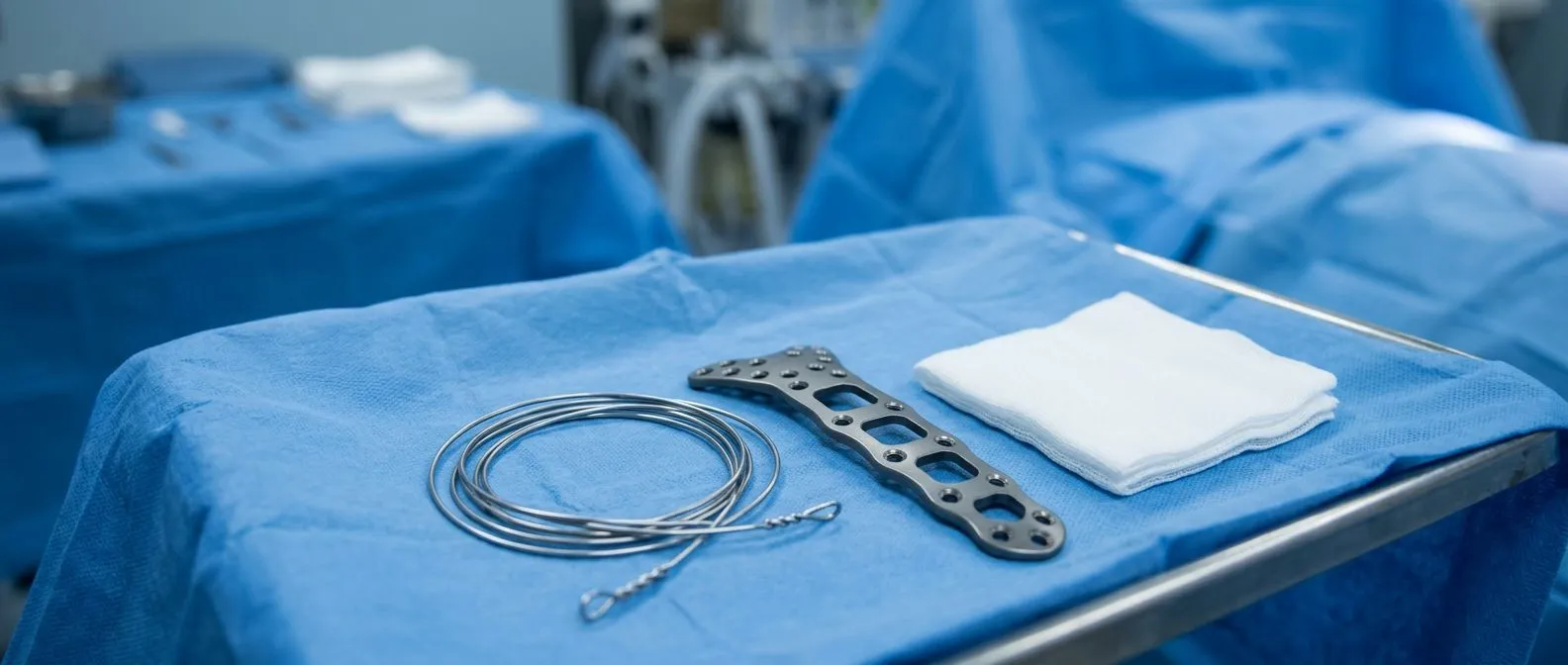
Understanding the mechanics of your healing chest: During surgery, the surgeon divides your sternum to reach structures like the ascending aorta. After the procedure, the bone is brought back together and secured with stainless steel wires. While the wires hold the bone in place, the bone itself takes weeks to months to fuse completely, meaning any excessive stress can cause the halves to shift.
Sternal precautions act as a protective framework for this delicate phase. They dictate how you move, how you sleep, and how much weight you can carry. By limiting pulling, pushing, and twisting motions, you allow the biological process of bone knitting to proceed without interruption, ensuring a stable chest wall for the rest of your life.
Why The Sternum Needs Protection After Cardiac Surgery
The sternum is a flat bone that protects your heart and major vessels. During your recovery, your medical team will perform regular auscultation, listening to your chest with a stethoscope to ensure your heart sounds are normal and your lungs are clear. However, they cannot see the bone stability through a stethoscope, which is why physical precautions are vital. The structural integrity of your chest depends entirely on keeping the two halves of the sternum perfectly aligned while they heal.
The timeline of bone fusion: Unlike skin, which closes within days, bone healing is a slow metabolic process. For the first six weeks, your sternum is essentially held together only by the surgical wires. It takes roughly eight to twelve weeks for the bone to develop a strong enough callus to withstand normal daily forces.
If you place too much strain on your chest before this fusion is complete, the wires can bend, fatigue, or even break. Preventing this requires a disciplined approach to your daily movements, focusing on stability over speed and patience over convenience.
- Avoid shearing forces: Twisting motions can pull the surgical wires apart and misalign the bone.
- Protect blood supply: Excessive tension limits the local blood flow needed for cellular repair.
- Prevent dehiscence: Keeping the chest stable drastically reduces the risk of the bone splitting open.
How Long Do Sternal Precautions After Surgery Last
Most patients are required to maintain strict sternal precautions for at least six to eight weeks after their operation. This timeline coincides with the initial phase of bone consolidation. Your cardiac surgeon will evaluate your progress at your follow-up appointments, using X-rays to confirm that the sternal wires are intact and the bone is aligning correctly.
The physiological stress of surgery is profound, and complications can sometimes arise even in patients who follow all the rules. Research into complex postoperative states, such as that detailed in the study Intracoronary fibrinolysis as a bailout strategy for massive thrombotic catastrophe, highlights how vulnerable the cardiovascular system remains in the acute aftermath of an intervention. Rest and protection are your best tools during this window.
Factors that extend your recovery timeline: If you have diabetes, osteoporosis, or if you are a smoker, your bone will heal more slowly. In these cases, your surgeon may extend your precautions to twelve weeks or longer to ensure the chest is fully stable before you resume unrestricted activities.
Lifting Restrictions After Cardiac Surgery: Weight Limits
One of the most critical sternal precautions involves how much weight you can lift. For the first six weeks, the universal limit is generally five to ten pounds (about two to four kilograms). This means you should not lift groceries, carry laundry baskets, or pick up young children. Even if you feel strong, your sternum is not yet capable of handling the internal pressure generated by heavy lifting.
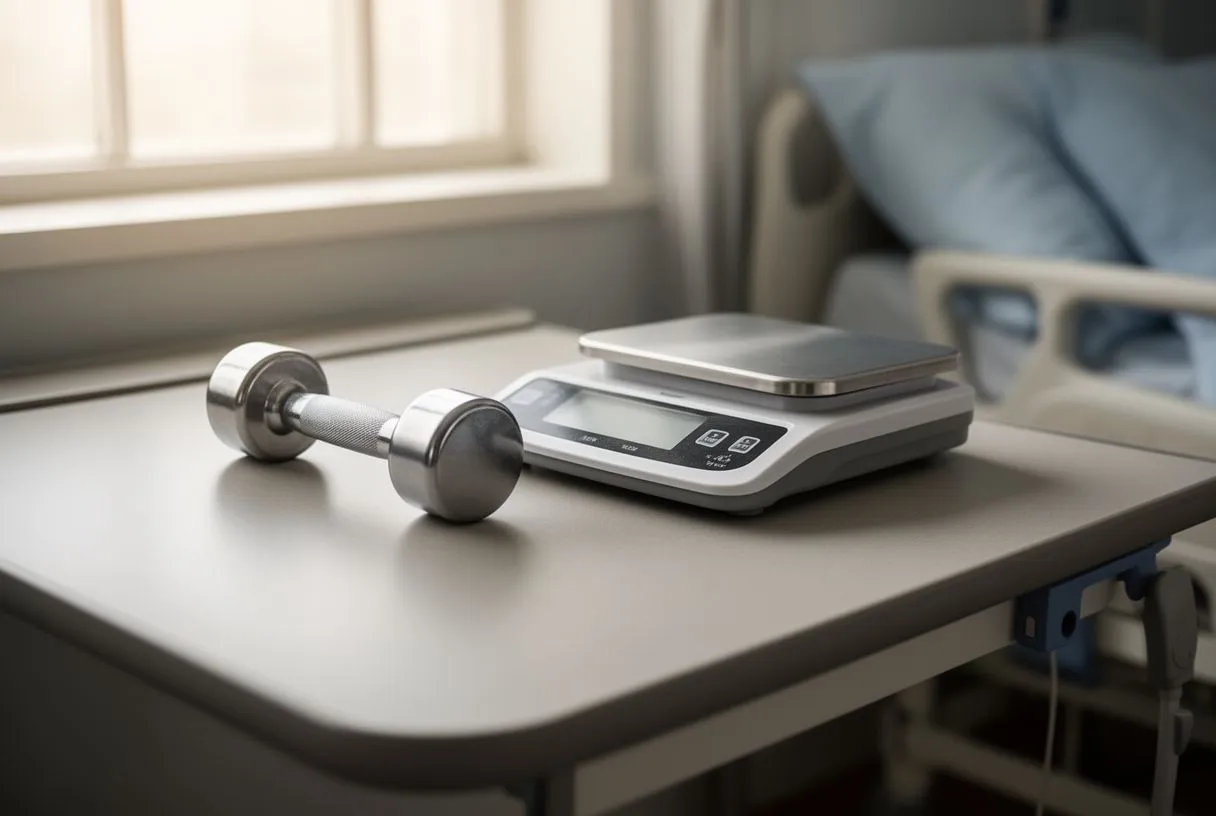
Everyday objects to approach with caution: A gallon of milk weighs over eight pounds, meaning a simple trip to the refrigerator requires mindful movement. You must also avoid pushing or pulling heavy doors, and you should not push yourself up from a seated position using your arms, as this engages the chest muscles and pulls on the sternum.
While you are recovering, you will likely be prescribed a daily aspirin regimen to prevent blood clots. It is equally important to prevent physical strain that could disrupt the surgical site. Rely on your family members or caregivers to handle all heavy lifting until your surgeon officially clears you for normal activity.
Safe Sleeping Positions After Heart Surgery
Finding a comfortable sleeping position after open-heart surgery can be challenging. You should sleep on your back, ideally in a recliner or propped up with several pillows in a semi-recumbent position. Flat sleeping can make breathing more difficult and places unnecessary pressure on your chest. Sleeping on your side or stomach is strictly prohibited during the first few weeks of recovery.
Postoperative complications are not limited to the surgical incision itself; systemic stress can affect the whole heart, as observed in cases like Biventricular Takotsubo Cardiomyopathy Complicated with Cardiogenic Shock: A Postoperative Complication Following Non-Cardiac Surgery. Maintaining a calm, supportive resting position minimizes this systemic stress and promotes deep, restorative sleep, which is essential for cellular repair.
Getting out of bed correctly: When you need to get up, do not use your arms to push. Instead, roll onto your side, let your legs dangle over the edge of the bed, and use your abdominal muscles to sit up. This technique, often taught to patients recovering from procedures like a balloon aortic valvuloplasty or open surgery, protects your chest from sudden strain.
Chest Incision Care and Hygiene Best Practices
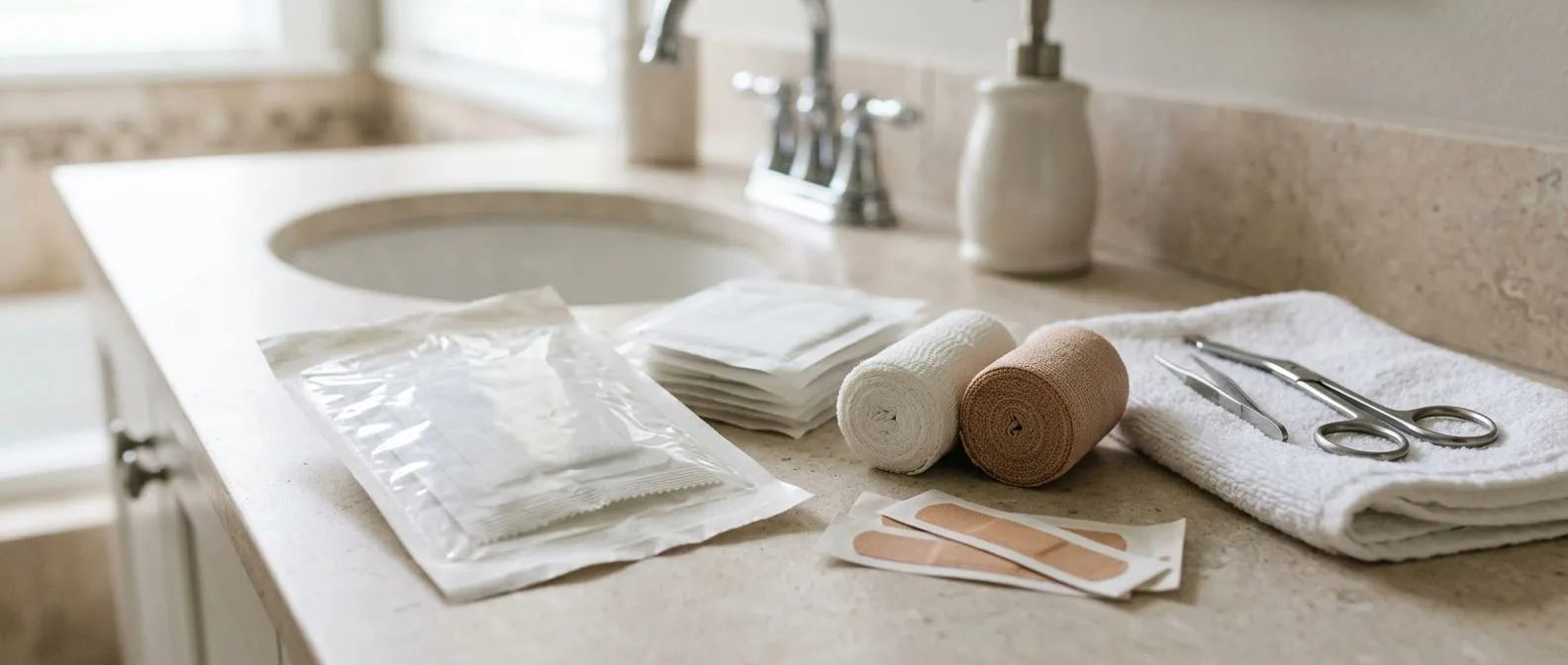
Keeping your chest incision clean is a fundamental part of sternal precautions. You will be allowed to shower, usually forty-eight to seventy-two hours after your surgery, but you must never submerge the incision in a bathtub, hot tub, or swimming pool until it is fully healed. Let soapy water run gently over the wound; do not scrub the area or apply lotions, creams, or powders directly on the incision line.
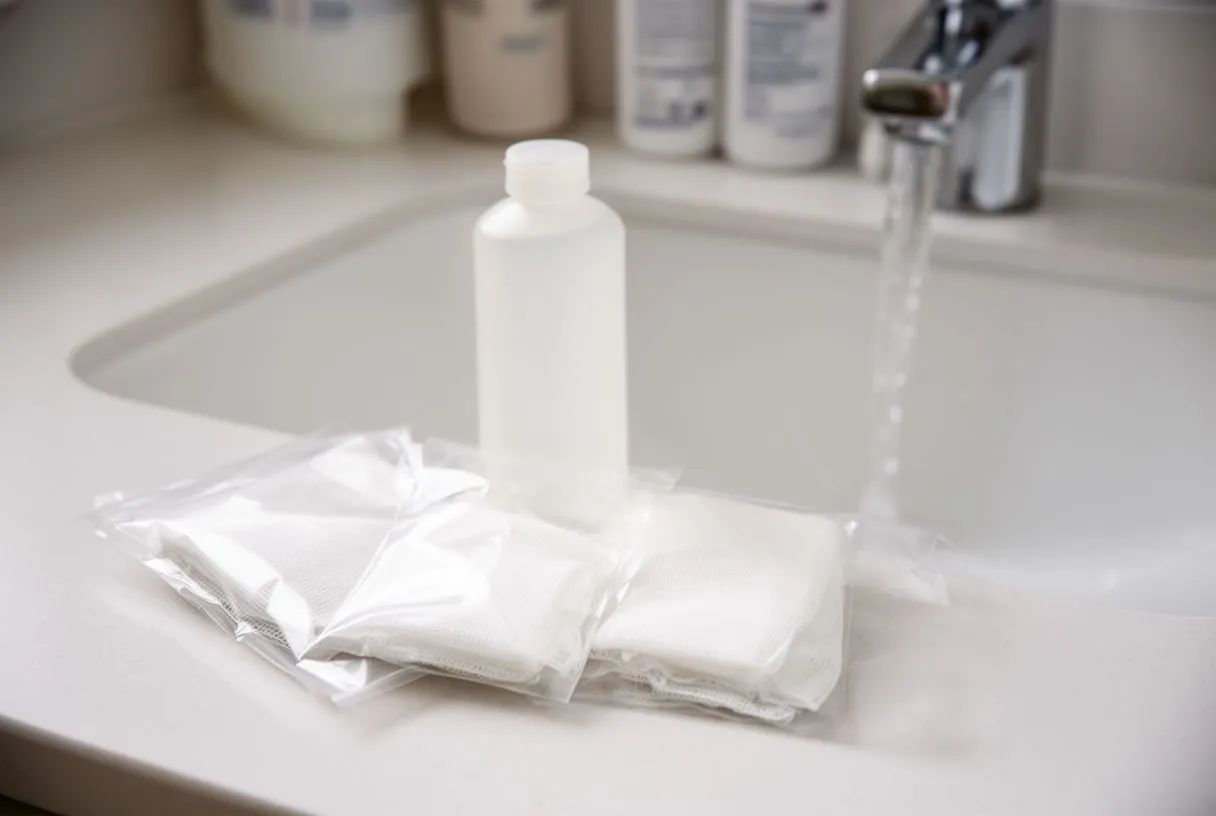
How to shower safely with a healing sternum: Keep your showers brief and use lukewarm water. High heat can cause dizziness when your cardiovascular system is still adjusting. If you feel weak, keep a plastic chair in the shower and have a family member nearby to assist you.
Just as careful hygiene is required after a balloon angioplasty to prevent access site infections, meticulous care of your sternal wound prevents bacteria from entering the chest cavity. Pat the incision dry with a clean towel, taking care not to rub. Monitor the skin around the incision daily for any changes in color or texture.
Activities After Heart Surgery: What You Can Do
While sternal precautions focus on what you cannot do, it is equally important to understand what you should do. Gentle walking is highly encouraged and is the best form of exercise during the early weeks of recovery. Start with short, five-minute walks around your home, gradually increasing your distance and pace as tolerated, but always stopping if you feel chest pain, extreme fatigue, or shortness of breath.
Safe movements and exercises: You can move your arms normally below shoulder level, but you should avoid raising your arms above your head or reaching behind your back. A cardiac rehabilitation program will eventually guide you through a monitored exercise routine. In these settings, emergency equipment like an automated external defibrillator is always present, ensuring a safe environment as you rebuild your stamina.
Avoid driving until your surgeon grants permission, which is typically around six to eight weeks post-surgery. The sudden twisting motion required to check blind spots, combined with the risk of an accident impacting your chest, makes driving too dangerous during the early bone-healing phase. Rely on friends or family for transportation to your follow-up appointments.
Warning Signs of Sternal Wound Healing Problems
Vigilance is a crucial aspect of sternal precautions. While most sternal wounds heal without issue, complications can occur. Be aware of the normal healing process, which includes mild swelling, bruising, and some numbness around the incision. However, you must be able to distinguish between normal postoperative sensations and signs of a developing infection or bone instability.
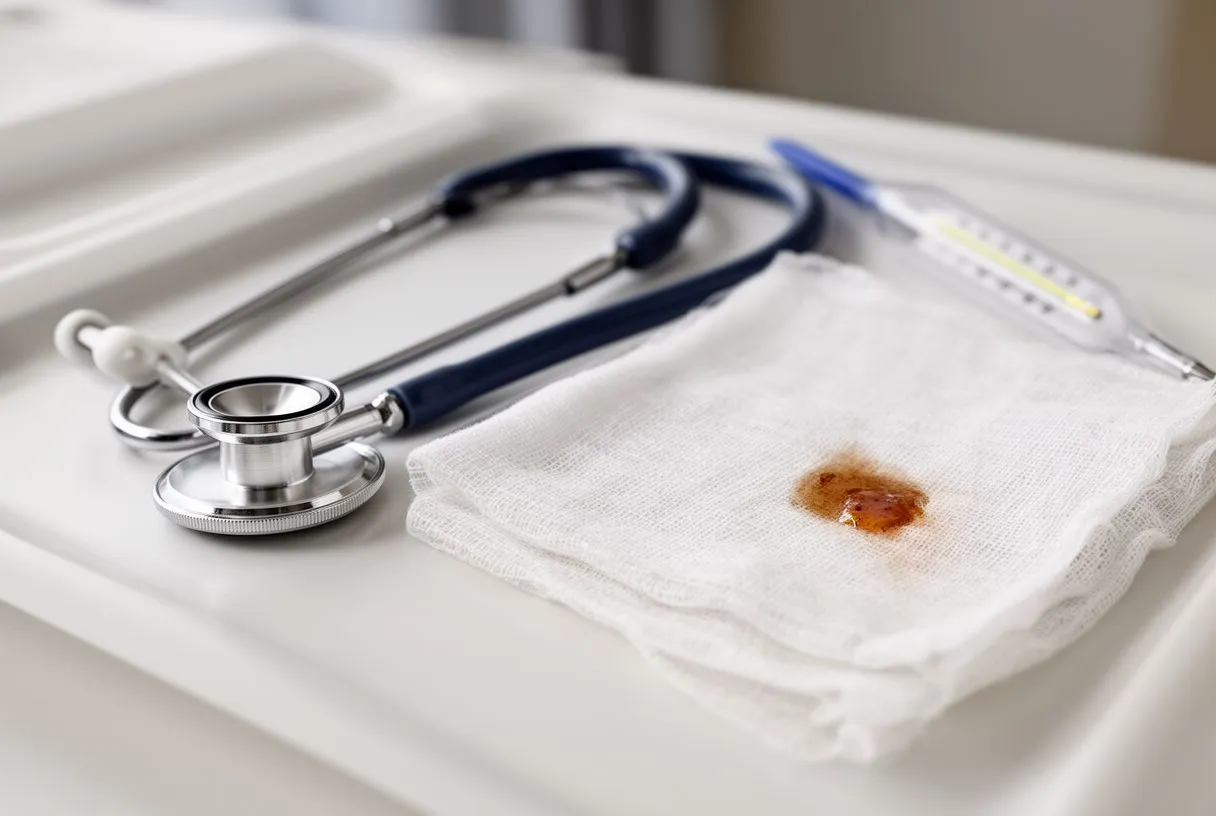
When to call your cardiac surgeon immediately: Any increase in pain, especially pain that feels like a popping or clicking sensation when you breathe or move, requires urgent medical attention. Some patients may experience irregular heartbeats, such as an atrial flutter, during recovery, which should also be reported to your cardiology team promptly.
- Redness spreading: Especially if radiating outward from the central incision site.
- Fever over 38°C (100.4°F): A persistent fever is often a sign of internal infection.
- Clear or yellow drainage: Indicates the wound is not fully sealed and may be leaking fluid.
Managing Pain During Sternal Wound Healing
Pain management is an expected and necessary part of the recovery process. You will experience muscle soreness across your chest and shoulders, as well as a deep ache at the site of the bone cut. Taking your prescribed pain medication on a schedule, rather than waiting for the pain to become severe, allows you to breathe deeply, cough effectively, and move around, all of which speed up your recovery.
Differentiating bone pain from muscle soreness: Muscle pain typically feels like a generalized stiffness and improves with gentle movement. Bone pain is sharper and localized directly over the sternum. Maintaining your overall vascular health during this time is important; for instance, managing your atheromatous plaque risk factors by following your prescribed diet and medications supports better blood flow to the healing bone.
As the weeks pass, your need for pain medication will decrease. You will transition from strong prescription drugs to over-the-counter analgesics. If your pain suddenly increases after it has been subsiding, treat it as a warning sign and contact your doctor, as this could indicate a problem with your sternal stability.
Transitioning to Normal Routine After Sternal Precautions
The end of your strict sternal precautions does not mean an immediate return to intense physical labor. At your six or eight-week follow-up, your surgeon will take an X-ray and assess your incision. If the bone is healing well, you will be gradually cleared to lift heavier objects, sleep in any position, and resume driving. This transition must be incremental to avoid setbacks.

Gradually increasing your physical capacity: Your cardiac rehabilitation team will guide you through exercises that rebuild your chest muscle strength without stressing the bone. During this phase, managing your metabolic health is key. Keeping track of laboratory values, such as your apolipoprotein B levels, helps your team ensure your heart disease is being managed effectively alongside your physical recovery.
Recovering from open-heart surgery is a marathon, not a sprint. By respecting your sternal precautions, you give your body the time and environment it needs to heal completely. Every patient's journey is unique, and these guidelines are a general framework. We encourage you to discuss your specific recovery milestones, lifting needs, and any concerns with a qualified cardiac team. To review your individual case and ensure a safe return to your daily life, please book a consultation with our practice rather than relying on self-diagnosis.