Tachycardia: When a Fast Heart Rate Needs a Specialist
Experiencing tachycardia treatment symptoms?
Experiencing a sudden, racing heartbeat can be deeply unsettling, especially when it happens without warning. Finding effective tachycardia treatment begins with understanding why your heart is beating faster than normal. At Cirugía de Corazón, Dr Alejandro Molina and our dedicated cardiac team believe that clear, compassionate information is the first step toward healing. Whether you are feeling a flutter in your chest or trying to understand a recent diagnosis for yourself or a loved one, this guide walks you through the essentials of rapid heart rates in plain, everyday language.
What are tachycardia symptoms?
Tachycardia is a clinical term that simply means your heart is beating faster than it should be while you are at rest. For most adults, a normal resting heart rate sits comfortably between 60 and 100 beats per minute. When the heart accelerates beyond 100 beats per minute without a clear physical reason like exercise, it enters the territory of tachycardia. This rapid pacing happens because the electrical signals that coordinate your heartbeats are firing abnormally. Understanding this mechanism is the foundation of exploring care options with your medical team.
Recognizing the physical signs: A rapid heart rate does not always announce itself with a pounding chest. Many patients describe feeling a fluttering sensation, a sudden awareness of their own heartbeat, or a tightness that makes it difficult to take a deep breath. You might also experience unexplained fatigue, sudden dizziness, or a feeling of lightheadedness. These symptoms occur because a rapidly beating heart does not have enough time to fill with blood between beats, meaning less oxygen-rich blood reaches your brain and body. Conditions that cause a Blood Pressure Difference Between Arms can also complicate this clinical picture.
When fainting becomes a red flag: In some cases, the drop in blood flow to the brain is significant enough to cause syncope, which is the medical term for fainting. If you experience a sudden rapid heartbeat accompanied by fainting, severe chest pain, or shortness of breath that does not resolve within a few minutes, it is vital to seek emergency medical attention. These are signals that your heart is struggling to maintain adequate circulation, and immediate evaluation by a healthcare professional is necessary. Research catalogued by the DOAJ provides extensive databases for understanding these cardiovascular warning signs.
What causes tachycardia?
The reasons behind a racing heart are as varied as the patients we see at our practices in Guadalajara, Querétaro, and Hermosillo. Sometimes, tachycardia is a temporary response to an external trigger, such as a sudden fright or the intake of too much caffeine. In these instances, the heart rate naturally returns to normal once the trigger is removed. However, when the rapid heartbeat persists or happens frequently without an obvious lifestyle trigger, it usually points to an underlying condition affecting the heart's electrical pathways or the body's overall metabolism.
How underlying medical conditions play a role: Systemic issues like an overactive thyroid gland can drive the heart to beat excessively fast, as can a significant drop in blood pressure. Another common contributor is anaemia, a condition where a lack of healthy red blood cells forces the heart to pump faster to deliver enough oxygen. A patient might require Blood Products or a Blood Transfusion if severe anaemia is driving the heart rate dangerously high. Structural issues, such as damage at the Base of the Heart, can also disrupt normal conduction pathways.
Beyond metabolic issues, everyday substances and acute physical stressors can disrupt your heart rhythm. Identifying these factors is a crucial step in managing your heart health.
- High fevers: An elevated body temperature increases your metabolic rate, naturally prompting the heart to beat faster to meet the body's demands.
- Excessive stimulants: High doses of caffeine, nicotine, or certain over-the-counter cold medications can directly stimulate the heart muscle and trigger a rapid rhythm.
- Sudden emotional stress: A surge of adrenaline from anxiety or shock can temporarily override the heart's normal pacemaker, causing a sudden spike in your heart rate.

Sinus vs atrial vs ventricular tachycardia?
Not all rapid heartbeats are created equal. Cardiologists categorize tachycardia based on where the abnormal electrical signal originates within the heart's chambers. Sinus tachycardia, for example, begins in the sinus node, which is the heart's natural pacemaker. This type of fast heart rate is usually a normal, healthy response to physical exertion, fever, or anxiety. The heart rate is rapid, but the electrical signals follow the standard, healthy pathway, and the rhythm typically slows down naturally when the activity or stress ceases.
Atrial tachycardia treatment: When the rapid signals originate in the upper chambers of the heart, known as the atria, it is classified as atrial tachycardia. These abnormal electrical circuits can cause the heart to beat anywhere from 150 to 200 times per minute. Finding the right atrial tachycardia treatment often involves mapping the specific area of the atria that is misfiring. Extensive research, such as the Results of surgical correction of gigantic left atrium, demonstrates how structural changes in the atria directly influence these rapid rhythms and their surgical management.
Understanding ventricular tachycardia: Ventricular tachycardia is a more serious condition where the rapid signals begin in the lower chambers, called the ventricles. Because the ventricles are responsible for pumping blood to the rest of the body, a rapid rhythm here can severely compromise blood flow. This type of tachycardia requires urgent medical evaluation, as it can be life-threatening if the heart cannot pump effectively. The approach to care will depend entirely on the specific origin of the abnormal rhythm, which is why accurate diagnosis is so important.
Tachycardia vs anxiety: telling the difference?
One of the most common questions patients ask is whether their racing heart is a sign of a heart problem or simply anxiety. The physical sensations of a panic attack and an arrhythmia can feel remarkably similar. Both can cause a sudden pounding in the chest, shortness of breath, dizziness, and a sense of impending dread. Because the nervous system and the heart are deeply connected, intense anxiety can indeed trigger a temporary spike in heart rate, mimicking the physical symptoms of a cardiac arrhythmia.
Physical clues that distinguish the two: The key difference often lies in the context and the specific pattern of the symptoms. Anxiety-induced rapid heart rates usually peak quickly and gradually subside as the panic episode passes, often accompanied by sweating, trembling, and hyperventilation. A true arrhythmia, however, may start and stop abruptly, even when you are sitting perfectly still and feeling calm. If your heart suddenly jumps to a very rapid pace and then drops back to normal in an instant, it is more likely to be an electrical issue.
It is also important to remember that you do not have to figure this out on your own. Many patients experience anxiety about their heart health, which in turn keeps their heart rate elevated, creating a frustrating cycle. A cardiac specialist can provide a definitive answer by using a Holter monitor, a wearable device that records your heart rhythm over 24 hours or more. This allows the doctor to see exactly what your heart is doing during a rapid episode, providing clear, objective answers rather than leaving you to worry.
How to stop a tachycardia episode at home?
If you have been diagnosed with a specific type of rapid heartbeat, your doctor may teach you simple techniques to help manage an episode while you are at home. These methods, known as vagal manoeuvres, are designed to stimulate the vagus nerve, a major nerve that runs from your brain to your abdomen. Stimulating this nerve sends a signal to your heart to slow down, which can sometimes interrupt the abnormal electrical circuit and restore a normal rhythm without the need for immediate medical intervention.
Safe vagal manoeuvres to try: These techniques are generally safe but should only be performed if you have been cleared by your physician, as they are not appropriate for all types of rapid heart rates.
- Deep, measured breathing: Taking slow, deep breaths and holding them gently can increase pressure in the chest, naturally stimulating the vagus nerve to calm the heart.
- Cold water splash: Splashing icy cold water on your face or placing a cold, wet towel over your eyes triggers the dive reflex, which can abruptly slow the heart rate.
- Bearing down gently: Pushing as if you are trying to have a bowel movement, while keeping your mouth closed and nose pinched, increases chest pressure and can reset the rhythm.
It is crucial to recognize the limits of home management. If these manoeuvres do not work within a few minutes, or if you experience severe chest pain, fainting, or extreme shortness of breath, you should stop and seek emergency medical care immediately. Home techniques are a temporary bridge, not a replacement for professional medical evaluation and long-term management strategies. Some patients wonder if taking Aspirin helps during an episode, but Aspirin is for blood thinning and does not reset an electrical rhythm.
When to see a cardiologist for a fast heartbeat?
Deciding when a fast heartbeat warrants a trip to the specialist can be challenging. Occasional brief flutters or a slightly elevated heart rate after a stressful event is often normal. However, if you notice that your heart rate frequently exceeds 100 beats per minute while you are resting, or if the rapid beating lasts for more than a few minutes, it is time to schedule an appointment with a cardiologist. Persistent episodes are a clear signal that your heart's electrical system needs professional evaluation.
Warning signs that require urgent care: There are specific red flags that should never be ignored. If your rapid heartbeat is accompanied by chest pain or pressure that radiates to your arm, neck, or jaw, you should go to the nearest emergency room. Similarly, if you feel extremely lightheaded, confused, or actually lose consciousness during an episode, your brain is not receiving enough oxygen. These acute symptoms indicate a medical emergency that requires immediate intervention rather than a scheduled appointment.
For those living in Mexico, access to specialized cardiac care is readily available. Dr Alejandro Molina and the team at Cirugía de Corazón offer comprehensive evaluations across our clinics in Guadalajara, Querétaro, and Hermosillo. A cardiologist can perform the necessary diagnostic tests and should take the time to explain your heart health in plain language, so you never feel rushed or confused. You can always verify a physician's Board Certification to ensure you are receiving expert care.

Tachycardia treatment without surgery?
Many patients are relieved to learn that a fast heartbeat can often be managed effectively without ever needing to enter an operating room. Tachycardia treatment without surgery typically begins with identifying and eliminating any external triggers. Your doctor may recommend reducing your intake of caffeine, managing stress through mindfulness practices, and ensuring any underlying medical conditions like thyroid disorders or anaemia are properly addressed. These lifestyle and medical adjustments can make a profound difference in regulating your heart rhythm.
Medications that regulate rhythm: When lifestyle changes are not enough, prescription medications are often the next step. Antiarrhythmic drugs work by stabilizing the heart's electrical signals, making it harder for the abnormal circuits to fire. Your cardiologist will carefully select the medication that best suits your specific type of arrhythmia, monitoring your progress closely to ensure the dosage is correct and effective. A Beta Blocker is frequently prescribed to block the effects of adrenaline on the heart, keeping the rate from spiking during times of stress or activity.
The goal of non-surgical care is to provide long-term stability and peace of mind, allowing you to return to your daily activities without the constant fear of a sudden racing heart. In some cases, if a patient is experiencing a temporary but severe rhythm issue, a Bridge to Decision therapy may be used to stabilize the heart while a permanent treatment plan is formulated. Your medical team will tailor the approach to ensure the lowest risk for your specific situation.
What is ablation for tachycardia?
When medications fail to control the rapid heartbeat, or if a patient prefers a more permanent solution, cardiac ablation becomes an excellent option. Ablation is a minimally invasive procedure that targets the exact spot in the heart where the abnormal electrical signals are originating. By using radiofrequency energy or extreme cold, the cardiologist creates a tiny scar on that specific tissue. This scar blocks the abnormal signals, allowing the heart's normal pacemaker to take over and restore a healthy rhythm.
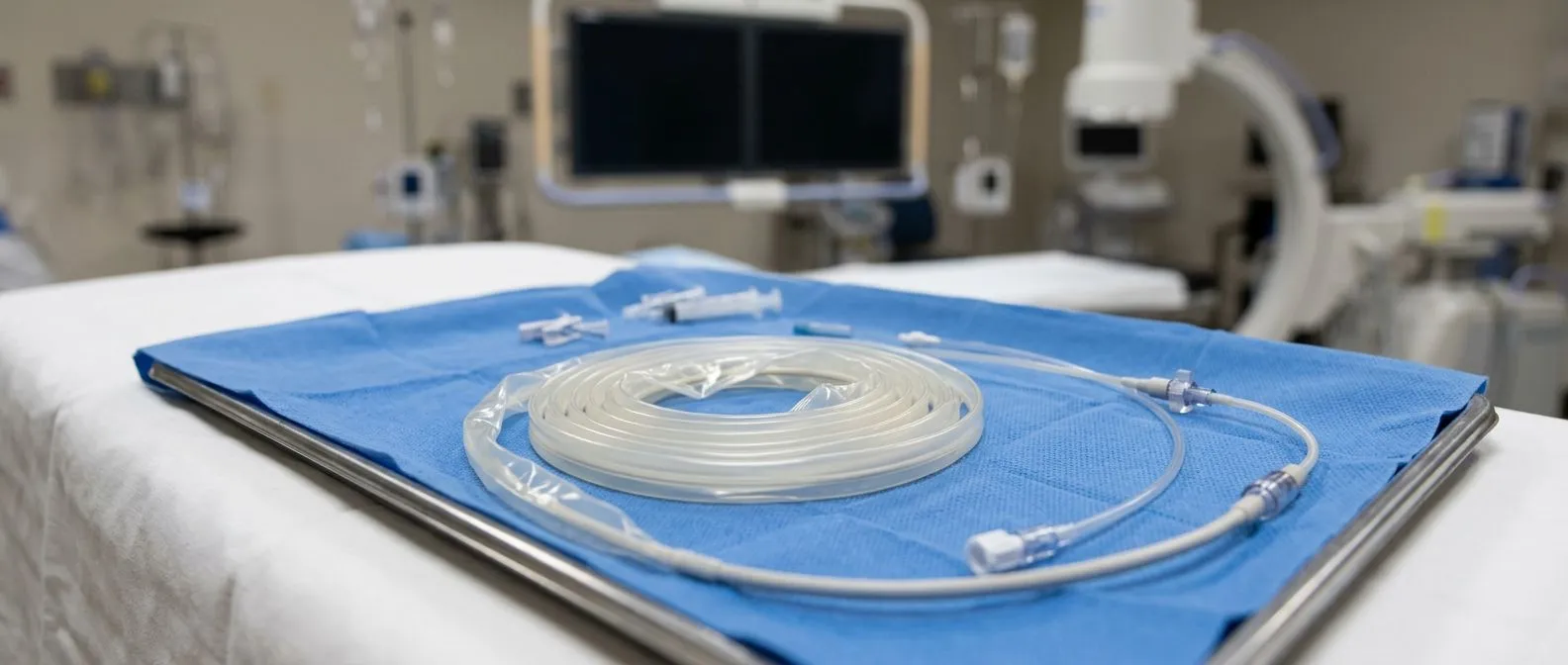
What to expect during the procedure: The ablation procedure does not require large surgical incisions. Instead, the cardiologist threads thin, flexible tubes called catheters through a blood vessel in your groin and guides them directly to your heart. Using advanced 3D mapping technology, the doctor can see the precise location of the electrical misfiring in real-time. The procedure is typically performed under light sedation, meaning you will be comfortable and relaxed, but you will not feel the work being done inside your heart.
Ablation is performed by an electrophysiologist, a cardiologist who specializes in heart rhythm disorders. Detailed clinical investigations, like the Exercise-induced intra-ventricular gradients as a frequent potential cause of myocardial ischemia in cardiac syndrome X patients, help guide these advanced procedural techniques.
Tachycardia medication vs surgery?
Choosing between medication and a procedural intervention is a highly personal decision that should be made in partnership with your cardiac team. Medications are usually the first line of defense because they are non-invasive, easy to start, and can be adjusted over time. For many patients, taking a daily pill is all that is needed to keep their heart rhythm stable. However, medications require long-term commitment, and some patients may experience side effects or find that the drugs lose their effectiveness over time.
Deciding on the right path forward: Your cardiologist will help you weigh the benefits and risks of each approach. To make an informed decision, your doctor will likely order an echocardiogram, a painless ultrasound of the heart that shows how well the muscle is pumping and whether the rapid rate has caused any structural changes. If the heart muscle is weakening or if you prefer not to take medications for the rest of your life, an ablation procedure might be recommended as a definitive solution to cure the arrhythmia at its source.
The choice between ongoing medical therapy and a procedural cure depends on your overall health, the specific type of tachycardia you have, and your personal comfort level. Some patients worry about needing Beating-heart Surgery, but ablation is catheter-based and does not involve opening the chest. There is no one-size-fits-all answer, which is why personalized consultations are so vital to determine the safest and most effective route.
Chronic rapid heart rate dangers?
Leaving a persistently fast heart rate untreated is not without consequences. A heart that constantly beats at a high speed is a heart that is overworked. Over time, this relentless pacing prevents the heart muscle from relaxing fully between beats. When the heart cannot relax, it cannot fill with the necessary volume of blood, which gradually leads to a condition known as tachycardia-induced cardiomyopathy. This means the heart muscle becomes stretched and weak, severely reducing its ability to pump blood to the body.
Long-term impact on heart tissue: The continuous stress of a rapid rhythm goes beyond simple fatigue; it actually damages the heart at a cellular level. Prolonged electrical overdrive deprives heart cells of necessary recovery time, leading to structural damage. If structural valve disease is also present, such as a Bicuspid aortic valve or a failing Biological Valve, the strain is compounded. The weakening of the heart directly contributes to an increased risk of all-cause mortality for patients with untreated chronic arrhythmias.
The good news is that these dangers can be effectively prevented with timely medical intervention. By addressing the rapid heartbeat early through medications, lifestyle changes, or a targeted ablation procedure, the heart muscle can often recover its normal strength. We encourage you not to ignore a persistent racing heart. Please reach out to our team at Cirugía de Corazón to discuss your specific situation, ask questions, and book a consultation with Dr Alejandro Molina rather than self-diagnosing. Your heart health is too important to leave to chance.