The Golden Hour in a Heart Attack: Why Minutes Count
Learn why the golden hour heart attack window is critical for survival.
The phrase "golden hour heart attack" describes one of the most important windows in emergency medicine: the first sixty minutes after a heart attack begins, when the right decisions can mean the difference between a full recovery and permanent damage to the heart muscle. If you are reading this because someone you love has chest pain, or because you want to be ready in case it ever happens, the information below is meant to help you act with clarity instead of panic.
A heart attack happens when a coronary artery — one of the vessels that feeds the heart muscle itself — becomes blocked, usually by a blood clot forming over a ruptured plaque. The muscle downstream of that blockage is starved of oxygen. It does not die all at once; it dies gradually, minute by minute, which is exactly why timing matters so much.
What Is the Golden Hour in a Heart Attack?
The golden hour is the period immediately following the onset of a heart attack during which restoring blood flow has the greatest chance of saving heart muscle. It is not a literal sixty-minute countdown with a hard stop — some patients benefit from treatment well beyond the first hour — but the principle holds: the earlier the artery is opened, the more muscle survives, and the better the long-term outcome.
It began as a trauma concept: The idea of a "golden hour" was first popularized in military and trauma surgery, where bleeding control and stabilization within the first hour clearly improved survival. Cardiology adopted the same logic for CDC-recognized emergencies like myocardial infarction, because the underlying biology is similar — tissue deprived of blood and oxygen deteriorates quickly, and the window to intervene is short.
It is really about muscle, not just survival: Many people assume the stakes are only about whether a person lives or dies. In reality, even patients who survive a heart attack can be left with a weakened heart if too much muscle was lost. Preserving that muscle is what allows someone to return to work, walk without breathlessness, and avoid a future of heart failure. The most widely used time-based treatment protocols, including the STEMI protocol for ST-elevation myocardial infarction, are built around this single goal.
What Happens to the Heart During Those First 60 Minutes?
Inside the chest, a quiet but urgent process is unfolding. Once a coronary artery is blocked, the muscle it supplies begins to lose function within seconds and starts to sustain irreversible injury after roughly twenty to thirty minutes. The longer the blockage persists, the larger the area of damage — and the larger the damage, the more likely a patient is to develop complications.
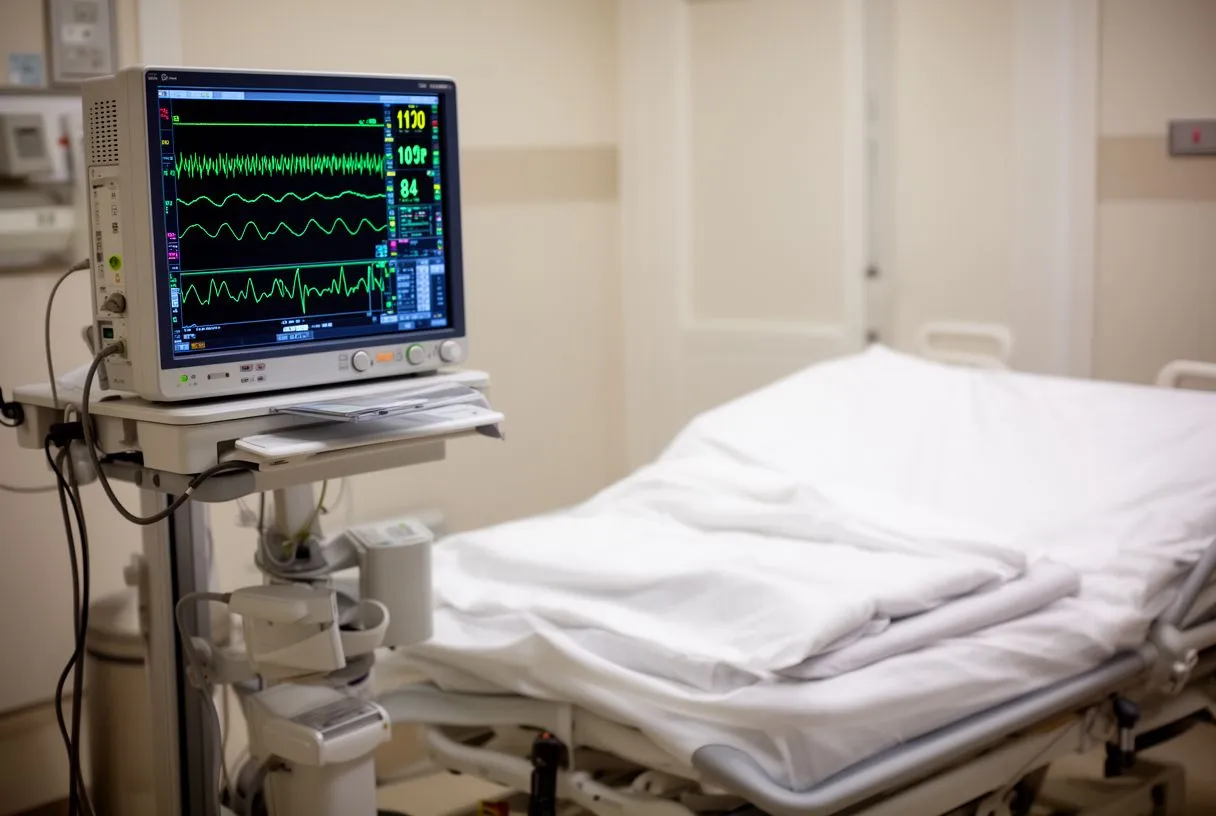
The electrical system can become unstable: Starved heart muscle is irritable muscle. During the first hour, patients are at highest risk of dangerous heart rhythms, including ventricular fibrillation, which is the most common cause of sudden cardiac arrest in this setting. This is why a defibrillator and trained responders matter so much in the field. Many articles published through PubMed Central describe how circulatory shock and hemodynamic instability can develop early and require immediate recognition.
The pump weakens and pressures shift: As part of the left ventricle stops contracting, the heart pumps less effectively, and blood pressure may fall. In some patients, this triggers cardiogenic shock, a state in which the heart cannot deliver enough blood to the body's organs. A task force of the European Society of Intensive Care Medicine has published a consensus on circulatory shock and hemodynamic monitoring that emphasizes the importance of rapid assessment in these first minutes.
What all of this means for a family is simple: the moment you suspect a heart attack, you are no longer waiting for a doctor's opinion. You are already inside the window that determines how much heart muscle will be saved.
How Do You Recognize a Heart Attack in Time?
Recognizing a heart attack is the first step, and it is not always obvious. Classic teaching describes crushing chest pain radiating to the left arm or jaw, but real-world presentations vary widely. The key is to notice a cluster of symptoms that feel new, intense, and out of proportion to anything you have experienced before.
- Chest pressure: A heaviness, squeezing, or tightness in the center of the chest that lasts more than a few minutes, or comes and goes.
- Shortness of breath: Difficulty breathing at rest or with minimal activity, sometimes without any chest pain at all.
- Cold sweat and nausea: A sudden clammy feeling, often with vomiting or a sense of impending doom.
- Discomfort elsewhere: Pain or numbness in one or both arms, the neck, jaw, upper back, or stomach.
- Lightheadedness: Fainting, near-fainting, or a sudden feeling that something is very wrong.
When in doubt, call for help: The single most dangerous mistake is waiting to see if symptoms pass. If you are not sure whether it is a heart attack, treat it as one until proven otherwise. Emergency dispatchers and paramedics are trained to sort this out, and a false alarm is always preferable to a missed one.
Time lost can never be recovered: Every minute of delay translates into more muscle lost. Studies collected in the European Respiratory Journal and similar journals have shown that delayed reperfusion — the process of restoring blood flow — is directly linked to worse outcomes, including heart failure and death.
Why Do Heart Attack Symptoms Differ in Women and Older Adults?
Not everyone experiences a heart attack the way it appears in textbooks. Women, older adults, and people with diabetes often describe symptoms that are subtler and easier to dismiss. This difference is one reason women are more likely to have their heart attacks recognized late, and it is a pattern every family should know about.
Women often report atypical warning signs: Instead of crushing chest pain, women may describe fatigue, shortness of breath, jaw or back discomfort, indigestion-like symptoms, or a general sense of feeling unwell. These can be mistaken for stress, the flu, or a stomach problem, causing dangerous delays.
Older adults and people with diabetes may feel less pain: Diabetes can damage the nerves that carry pain signals from the heart, a condition sometimes called silent ischemia. In older adults, a heart attack may first appear as sudden confusion, weakness, or fainting rather than chest pain.
The message is universal: If something feels seriously wrong — even without classic chest pain — seek emergency evaluation. The golden hour heart attack principle applies regardless of how the symptoms present; the clock starts the moment the artery blocks, not the moment someone recognizes it.
What Should You Do in the First Ten Minutes?
The first ten minutes after symptoms begin are the most valuable. What you do — or do not do — during this time directly affects what happens next, both in the ambulance and in the hospital.
- Call emergency services immediately: Do not drive yourself or ask a family member to drive if an ambulance is available. Paramedics can start treatment on the way, including oxygen, ECG monitoring, and defibrillation if needed.
- Sit down and stay calm: Sit or lie in a comfortable position, loosen tight clothing, and avoid walking around. Physical exertion increases the heart's oxygen demand at the worst possible moment.
- Chew aspirin if advised: If you are not allergic and a dispatcher or doctor advises it, chewing a single adult aspirin can help slow clot formation. Do not take it if you have been told to avoid aspirin for medical reasons.
- Unlock the door: If you are alone, unlock your front door so paramedics can reach you quickly, and keep your phone nearby.
- Gather key information: Have a list ready of medications, allergies, prior heart procedures, and emergency contacts. This saves time in the emergency department.
Do not wait for the pain to peak: Some patients delay because they want to be "sure" before calling for help. By the time certainty arrives, the golden hour may already be closing. Trust your instincts and let the professionals make the diagnosis.
What Happens in the Emergency Department?
The moment you arrive in the emergency department, the team moves into a well-rehearsed sequence designed to identify and treat a heart attack as quickly as possible. The goal is not only to confirm the diagnosis but to begin treatment that opens the blocked artery within minutes.
An electrocardiogram is the first test: Within minutes of arrival, you will have an ECG — a painless recording of your heart's electrical activity. The pattern of the tracing tells doctors whether you are having a STEMI (a complete blockage) or another type of heart attack, and it guides the next steps.
Blood tests confirm damage: Troponin is a protein released when heart muscle is injured. A blood sample taken on arrival and repeated a few hours later shows whether the heart has been damaged and how much. Blood cultures and other tests may be drawn if infection or other causes are being considered, particularly when the picture is not clear.
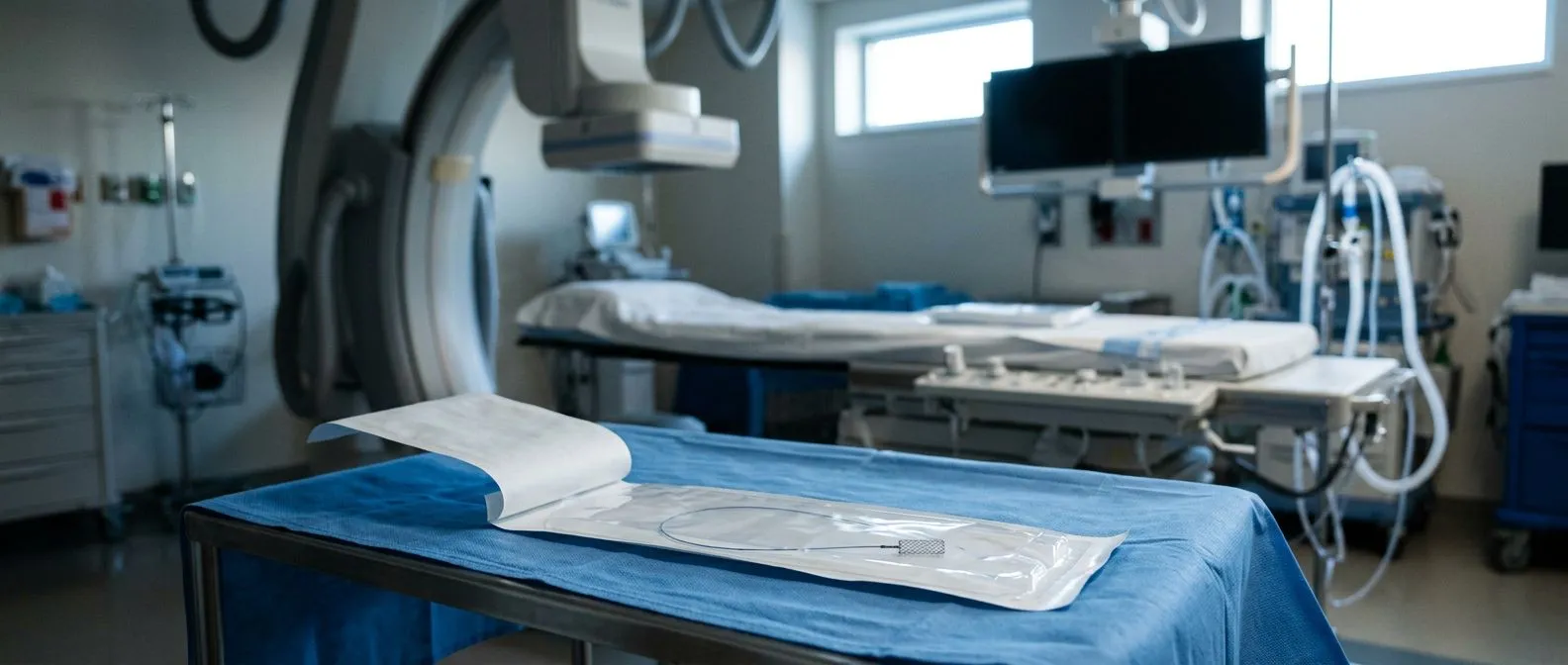
The catheterization lab is alerted: For STEMI patients, the goal is to move directly to a cardiac catheterization laboratory, where a cardiologist can open the artery with a balloon and often place a bare-metal stent or drug-eluting stent to keep it open. This door-to-balloon time is one of the most closely monitored measures in cardiac care.
Every hospital that treats heart attacks has a protocol for these steps, and the sequence is designed so that the patient spends as little time as possible waiting. Your job as the patient or family member is to answer questions clearly and let the team do theirs.
How Cardiac Catheterization Restores Blood Flow
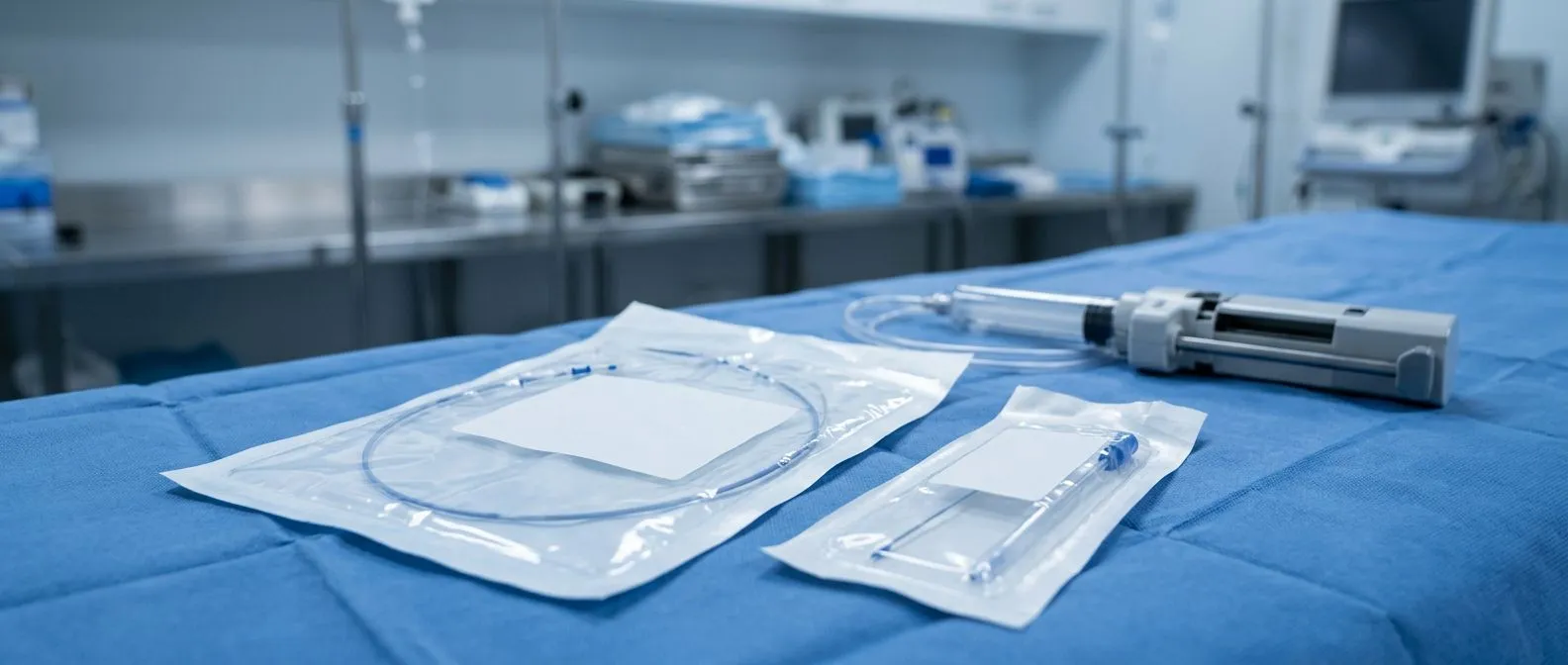
Cardiac catheterization — often simply called a "cath" — is the definitive treatment for most heart attacks. It is a minimally invasive procedure in which a thin, flexible tube is threaded through an artery, usually in the wrist or groin, up to the heart. Once there, the cardiologist can see exactly where the blockage is and open it.
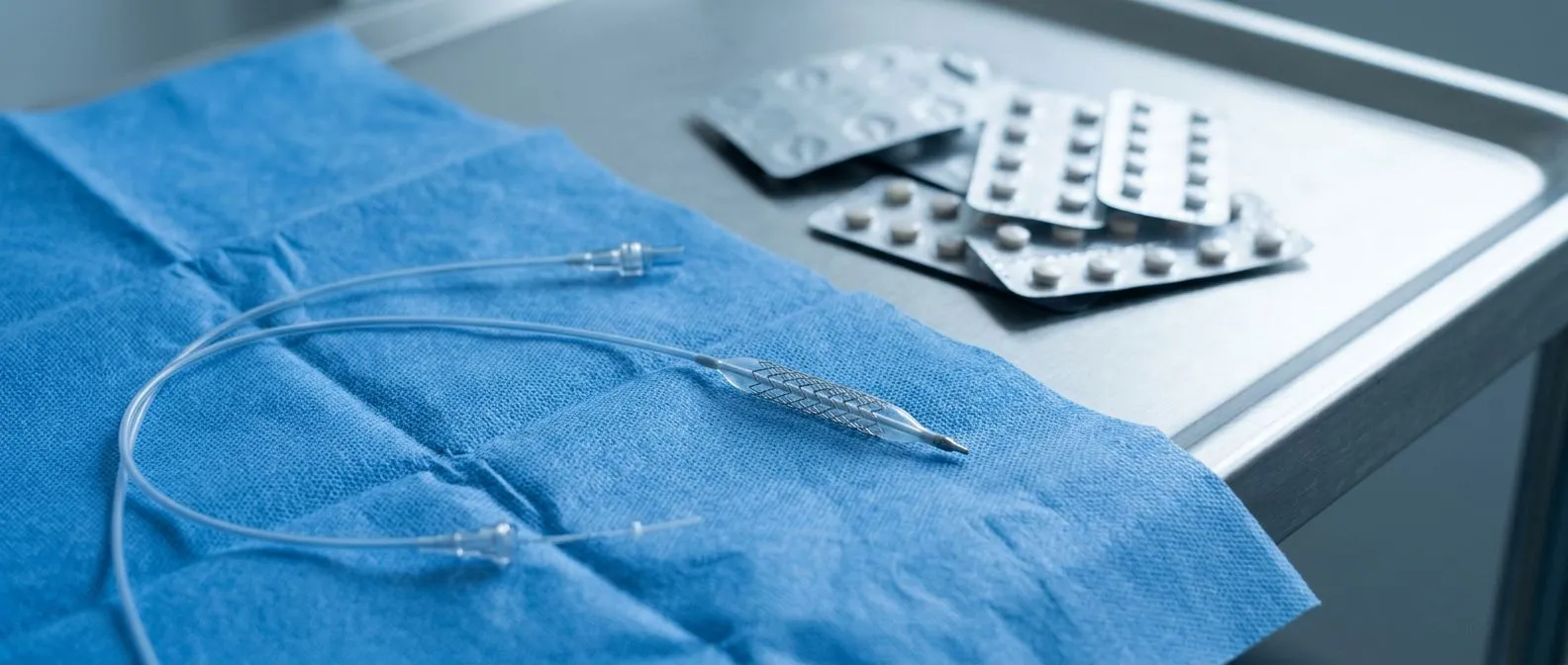
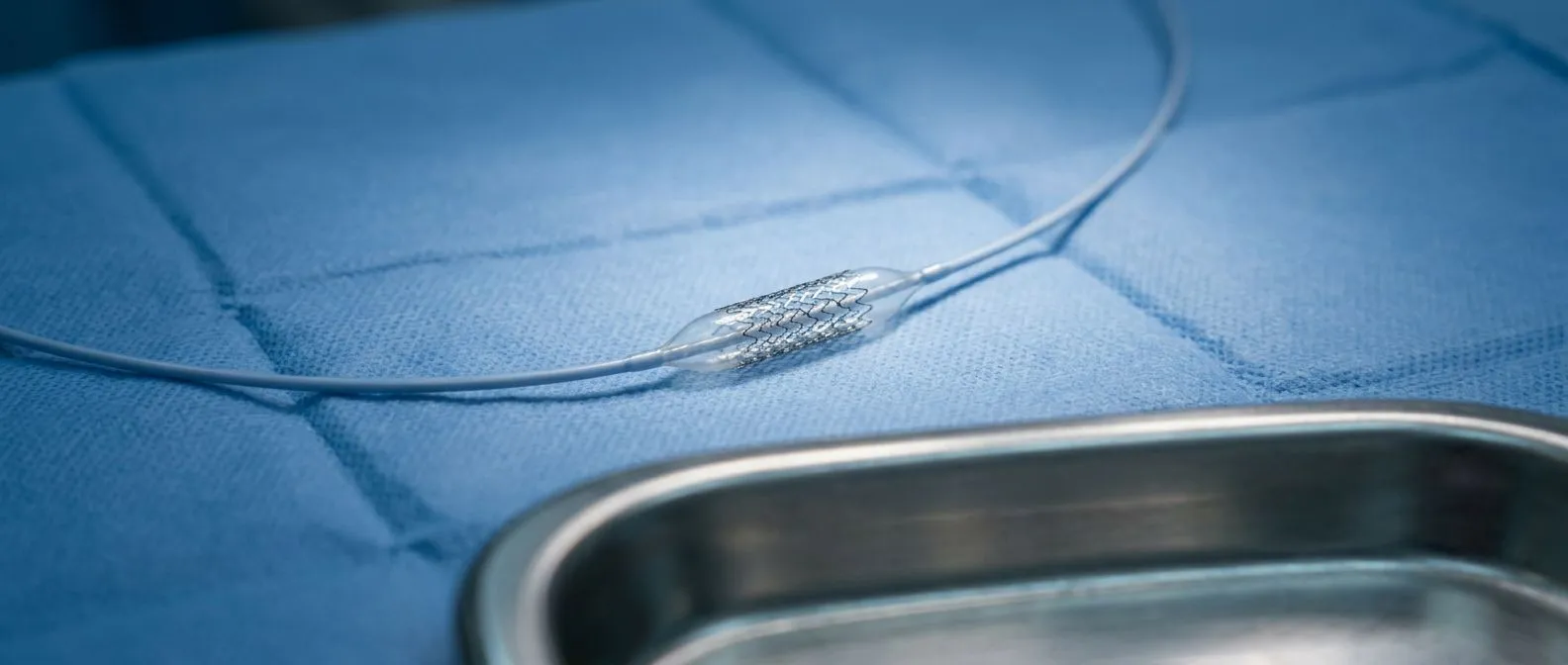
Balloon angioplasty opens the artery: A tiny balloon at the tip of the catheter is inflated at the site of the blockage, pressing the plaque against the artery wall and restoring blood flow. In many cases, a stent — a small mesh tube — is then placed to keep the artery open. This is the same family of techniques used in balloon aortic valvuloplasty for valve disease, though the target is different.
Timing determines the outcome: The sooner this procedure is performed after the artery blocks, the more muscle is saved. In many centers, the target is to open the artery within 90 minutes of the patient's arrival, and even faster if the patient arrives by ambulance with a pre-hospital ECG. Cardiac imaging specialists and interventional cardiologists work together to make this happen around the clock.
Recovery begins immediately: Once blood flow is restored, the heart starts to recover. Patients often feel relief quickly, though the damaged muscle still needs time to heal. Most patients spend a night or two in the hospital for monitoring, and some may need further imaging such as cardiac CT or cardiac magnetic resonance before discharge.
What Happens When Treatment Arrives Too Late?
When the golden hour has passed and blood flow is restored late, the consequences are often felt for years. The most common complication is heart failure, a condition in which the heart cannot pump enough blood to meet the body's needs. This is not a sudden event but a gradual decline that shows up as breathlessness, fatigue, and swelling in the legs.
Larger scars mean weaker hearts: The area of muscle that dies during a heart attack is replaced by scar tissue, which does not contract. If the scar is large, the heart's pumping function drops, and the patient develops symptoms. This is why physicians emphasize the golden hour so strongly — it is the single most powerful way to prevent heart failure after a heart attack.
Some patients need surgery later: In a minority of cases, complications such as a ruptured valve, a hole between the heart's chambers, or severe damage to the heart wall may require urgent cardiac surgery. Procedures such as the Cabrol technique, originally developed for complex aortic surgery, are sometimes adapted to these situations, though they remain rare.
Recovery is still possible: Even after a delayed treatment, modern cardiac rehabilitation, medications, and lifestyle changes can meaningfully improve quality of life. The key is to engage with a cardiac team early and follow a structured recovery plan.
How Can a Family Prepare Before an Emergency?
Preparation turns panic into action. Families who have thought through a plan ahead of time tend to react faster and make better decisions when minutes matter. None of this is complicated, but it does need to be done before an emergency, not during one.
Know the warning signs and share them: Make sure every adult in the household can recognize the symptoms of a heart attack, including the more atypical presentations in women and older adults. Discuss what each person would do if symptoms started.
Keep a medical file ready: A single folder or phone note with a list of current medications, allergies, past heart procedures, and emergency contacts can save valuable time. Include the name and phone number of your cardiologist and the hospital you prefer.
Know the route to the nearest cardiac center: Not every hospital can perform emergency angioplasty. Ask your cardiologist which hospital in your area is equipped for emergency cardiac catheterization — in Guadalajara, Querétaro, Hermosillo, and other cities, this information is often available at the time of a routine consultation.
Learn hands-only CPR: If a heart attack leads to cardiac arrest, immediate chest compressions can keep blood flowing to the brain until paramedics arrive. A short course, widely available through community programs, can give a family member the confidence to act.
What the Golden Hour Means for Your Recovery
The golden hour is not just a statistic — it is a promise that the human heart can be saved when the response is fast and coordinated. Patients who reach treatment quickly often return to their previous lives with relatively little lasting damage, while those who arrive late face a longer and more uncertain road. The difference, in many cases, comes down to how quickly someone recognizes the symptoms and calls for help.
You are part of the team: Doctors, paramedics, and hospitals can do extraordinary things, but they cannot act until they are called. The first link in the chain of survival is the patient or the family member who says, "This might be a heart attack — we need help now." That single decision can change everything.
No symptom is too small to mention: If you or someone you love is experiencing chest discomfort, unusual breathlessness, or any of the warning signs described here, do not wait. Call emergency services or go directly to an emergency department. A heart attack is a time-sensitive condition, and every minute truly matters.
If you have questions about your own heart health, risk factors, or what to do in an emergency, the team at Cirugía de Corazón — the practice of Dr Alejandro Molina in Guadalajara, Querétaro, and Hermosillo — is available for consultation. No article can replace an in-person evaluation, and the best time to talk about heart attack prevention and emergency planning is before an emergency happens.