The Physical Examination Before Heart Surgery
Physical examination before heart surgery: learn what tests, assessments, and evaluations prepare you for a safe procedure.
What Is the Physical Examination Before Heart Surgery?
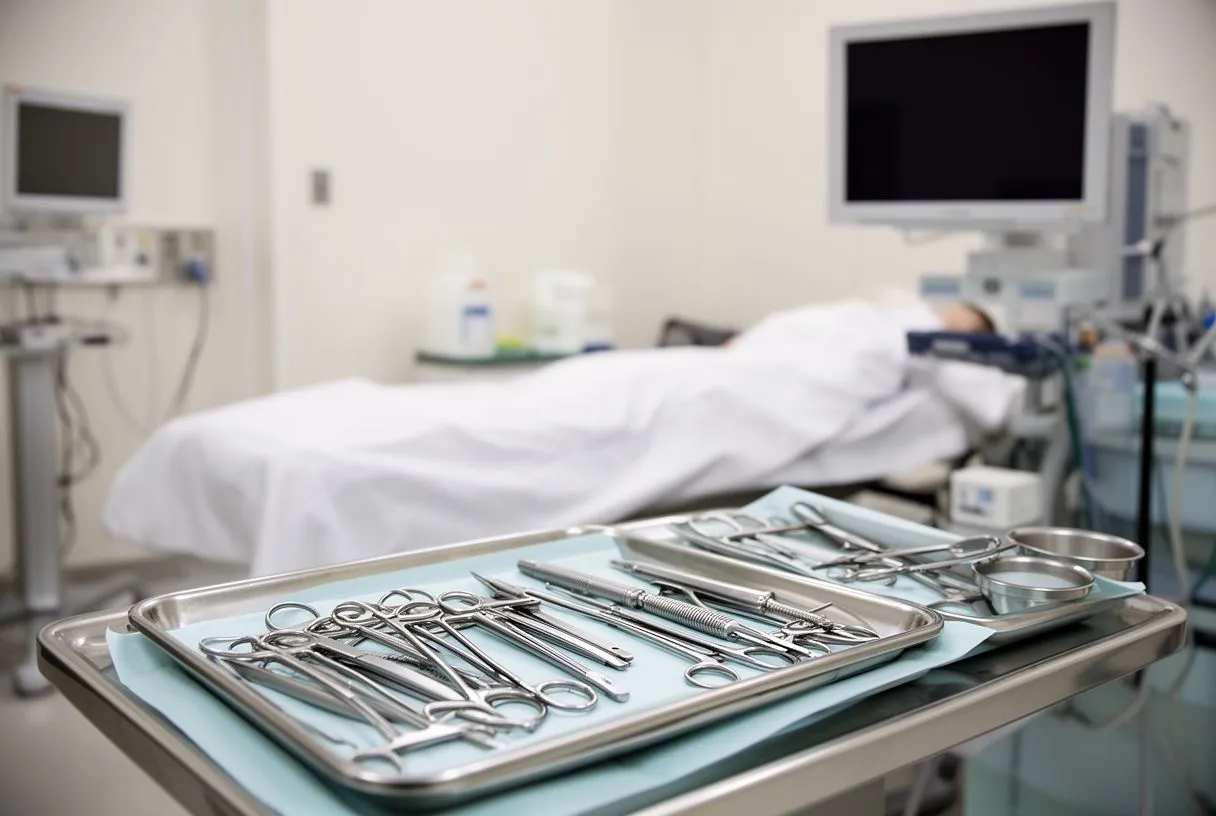
The physical examination before heart surgery is a comprehensive, head-to-toe assessment your cardiac team performs to confirm that your body is ready for the operating room. It is not a single event but a process that unfolds over one or more visits, combining hands-on evaluation with detailed conversations about your symptoms, medications, and daily life. When you meet with a surgeon at Cirugía de Corazón in Guadalajara, Querétaro, or Hermosillo, this examination is the foundation of everything that follows — it shapes the surgical plan, the anaesthesia approach, and your recovery pathway.
Many patients arrive anxious, expecting a quick listen to the chest and a stamp of approval. In reality, the physical examination before heart surgery is deliberately thorough. Your surgeon is looking for anything that could complicate the procedure: a faint heart murmur that was never detected, signs of fluid in the lungs, reduced pulses in the legs, or evidence of a previous atypical infarction — a heart attack that presented without the classic crushing chest pain and went unrecognised. Each finding adds a piece to the puzzle of your cardiovascular health.
Think of this evaluation as your surgical team getting to know your body at a mechanical level. They are mapping out the terrain before a major journey. The more they understand before the first incision, the safer and more predictable your operation becomes. This is why we encourage patients to bring all medications, previous test results, and a written list of questions to their first appointment — every detail matters.
Why a Preoperative Cardiac Evaluation Matters
A preoperative cardiac evaluation matters because heart surgery is one of the most complex procedures in medicine, and the margin for error is narrow. The physical examination serves as a real-time snapshot of your current condition, but it also reveals trends — how your heart has been coping, whether symptoms are worsening, and whether other organs are under strain. A study published in Nature underscores how multi-system assessment before major surgery directly correlates with fewer complications and shorter hospital stays.
Identifying hidden risk factors: Your surgeon is not just looking at your heart. They examine your lungs, kidneys, vascular system, and skin for signs that could affect healing. An atheromatous plaque — a fatty deposit in an artery wall — might be felt as a bruit (a swooshing sound) over the carotid artery in your neck, signalling vascular disease that extends beyond the heart. Finding this before surgery allows the team to adjust their plan, potentially adding a vascular consultation or modifying the surgical approach.
Preventing avoidable complications: If your preoperative physical reveals an irregular heartbeat such as atrial flutter, the team may decide to control the rhythm before surgery to reduce the risk of stroke during the procedure. If they detect signs of infection — even a minor skin infection near a planned incision site — the operation may be postponed and antibiotics prescribed. These are not delays for the sake of caution; they are decisions that protect your life and improve your long-term outcome.
What Happens During a Cardiac Physical Exam
During a cardiac physical exam, your surgeon or cardiologist follows a structured sequence: inspection, palpation, percussion, and auscultation (listening with a stethoscope). They begin by observing you — how you breathe, whether you use extra muscles to get air, the colour of your skin and lips, and whether there is swelling in your legs or neck veins. These visual clues alone can tell an experienced clinician a great deal about how well your heart is functioning.
Next, they palpate — pressing gently on specific areas to feel for the heart's impulse, pulses in your wrists and feet, and any areas of tenderness or abnormal pulsation. They may press on the area over your ascending aorta — the first segment of the body's largest artery as it leaves the heart — to check for signs of enlargement. They will also feel your abdomen for an enlarged liver, which can indicate the heart is struggling to pump blood forward, causing it to back up into the venous system.
Finally, they listen. Auscultation of the heart involves placing the stethoscope at four specific points on your chest, each corresponding to a different valve. Your surgeon is listening for the normal "lub-dub" of healthy valves closing, and for any extra sounds: murmurs (turbulent flow through a narrowed or leaky valve), rubs (inflammation of the sac around the heart), or clicks (a stiff valve opening). They will also listen to your lungs for crackles or wheezes that suggest fluid build-up.

Medical History Before Heart Surgery: What Your Surgeon Needs to Know
Your medical history is the narrative thread that gives context to every physical finding. Before any examination begins, your surgeon will sit down and ask you to describe your symptoms in your own words — when they started, what brings them on, what relieves them, and how they affect your daily activities. This conversation is not rushed; it is one of the most important parts of the entire evaluation.
Medications and supplements: Your team needs a complete list, including over-the-counter products. For example, aspirin is commonly taken to reduce clot risk, but it may need to be stopped several days before surgery to reduce bleeding. Blood thinners studied in trials such as ARISTOTLE require specific management protocols. Herbal supplements, which patients often forget to mention, can interact with anaesthesia or increase bleeding risk. Be honest and thorough — there is no judgement, only safety.
Previous conditions and procedures: If you have had a balloon angioplasty (a procedure where a tiny balloon is inflated inside a narrowed artery to widen it) or a stent placed, this affects your surgical plan. If you have received a balloon aortic valvuloplasty — a catheter-based procedure to stretch a narrowed aortic valve — your surgeon needs to know how recently and how successful it was. They will also ask about diabetes, kidney disease, lung conditions, and any family history of heart disease, as these influence both the surgical approach and the expected recovery.
Tests Before Heart Surgery: Blood Work, Imaging, and More
Tests before heart surgery complement the physical examination by providing objective data that hands-on assessment cannot. Blood tests measure your kidney function, liver function, blood count, clotting ability, and markers of heart stress such as troponin. They may also check apolipoprotein B — a protein carried on cholesterol particles that helps assess your cardiovascular risk profile. These numbers give your anaesthetist the information needed to tailor medication doses and anticipate how your body will respond to the stress of surgery.
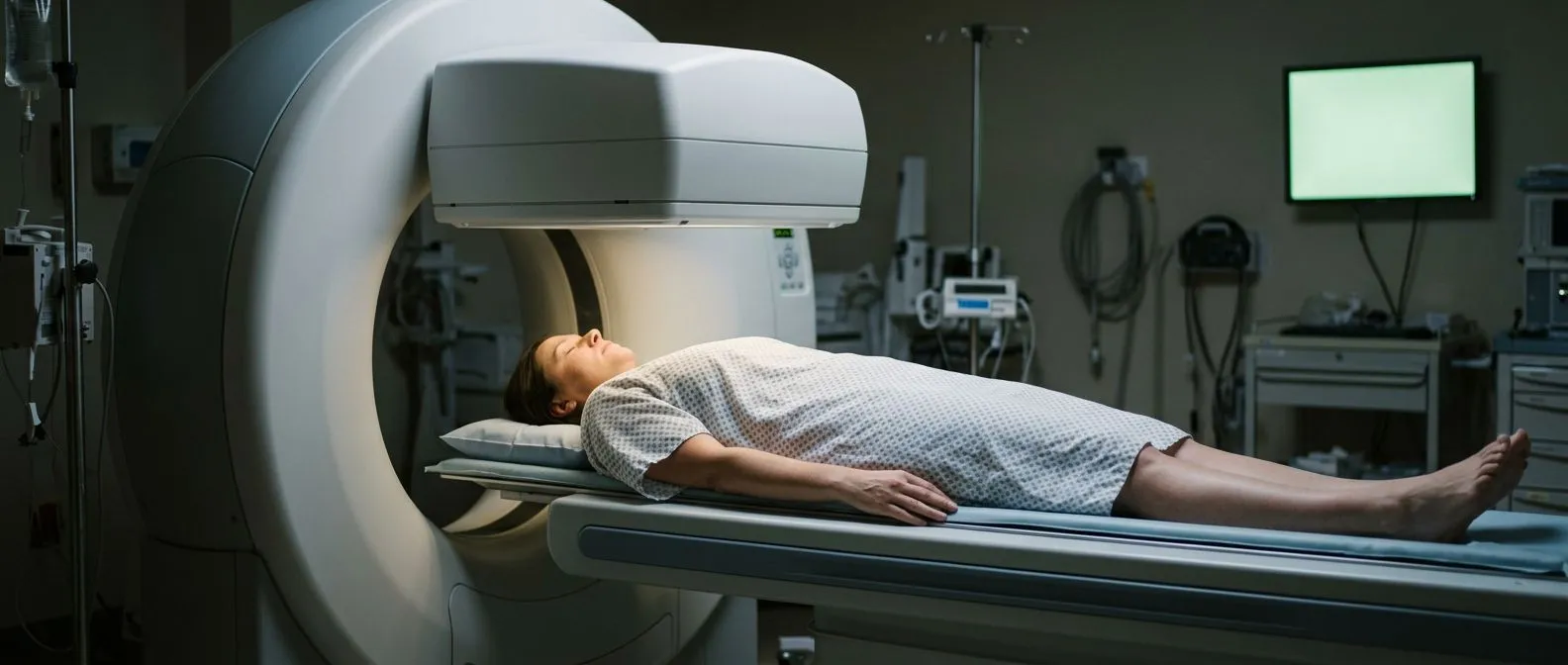
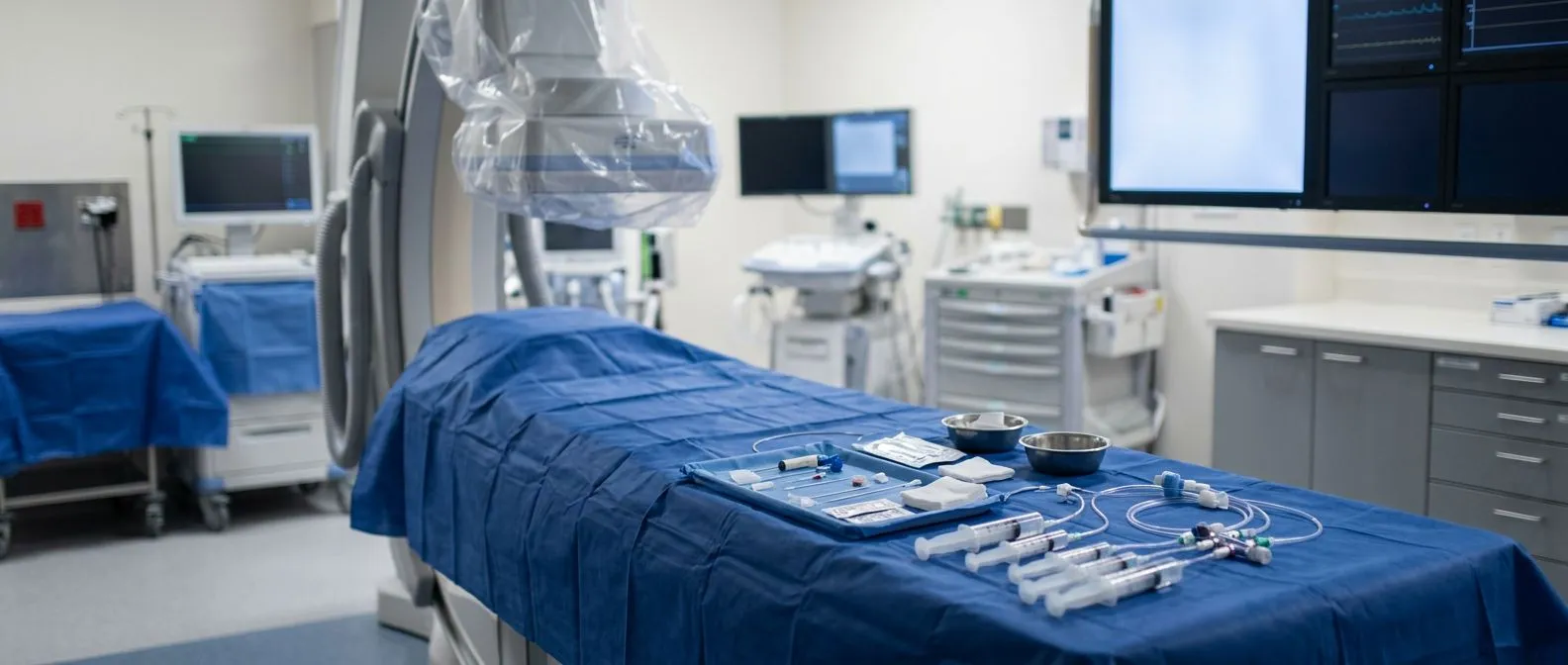
Imaging is where the internal picture comes into focus. An echocardiogram uses sound waves to show your heart's chambers, valves, and pumping strength in real time. A coronary angiogram injects contrast dye into your arteries to reveal blockages. A CT scan may be ordered to measure the size of your aorta precisely or to map the anatomy of your coronary arteries in three dimensions. Each test is chosen based on what the physical examination suggested — if your surgeon heard a murmur, the echo confirms which valve is involved and how severe the problem is.
Some patients also undergo specialised testing based on their history. If you have a condition like antiphospholipid syndrome, which increases clot risk, your team will follow classification criteria detailed in the International consensus statement on an update of the classification criteria for definite antiphospholipid syndrome (APS). If you are enrolled in a clinical trial related to your surgery, the reporting standards described in the CONSORT 2010 Explanation and Elaboration may guide how your outcomes are tracked. These frameworks ensure your care meets the highest methodological standards.
How Auscultation Helps Assess Your Heart
Auscultation — the act of listening to your heart with a stethoscope — remains one of the most valuable diagnostic tools in cardiac medicine, even in an era of advanced imaging. When your surgeon places the stethoscope on your chest, they are hearing the mechanical consequences of anatomy. A murmur heard loudest at the apex may point to a problem with the mitral valve, while a murmur at the upper right chest border often relates to the aortic valve. This guides which imaging test to prioritise.
The information auscultation provides is immediate and dynamic. Unlike an echocardiogram, which captures a snapshot, listening in real time lets your surgeon hear how the heart responds to changes in position, breathing, or exertion. They may ask you to lean forward, hold your breath, or lie on your left side — each manoeuvre brings certain sounds closer to the stethoscope. If you have an enlarged left atrium — the upper receiving chamber of the heart — the extra blood volume can produce a distinctive murmur that changes with position.
Auscultation also extends beyond the heart. Your surgeon will listen to the carotid arteries in your neck for bruits that suggest narrowing, and to the abdomen for sounds of normal blood flow. If you have previously had an arterial graft — a bypass created using a blood vessel from elsewhere in your body — they will listen over the graft site to confirm it remains open and functioning. This is why the physical examination before heart surgery is not redundant with imaging: it provides information that no scan can replicate.

Understanding Risk Scores Like EuroSCORE II
After your physical examination and tests are complete, your surgical team will calculate a risk score — most commonly EuroSCORE II for cardiac surgery in adults. This validated tool uses a combination of factors from your evaluation to estimate the likelihood of mortality associated with your specific operation. It considers your age, the urgency of surgery, the specific procedure planned, and findings from your physical examination such as poor heart function or reduced kidney function.
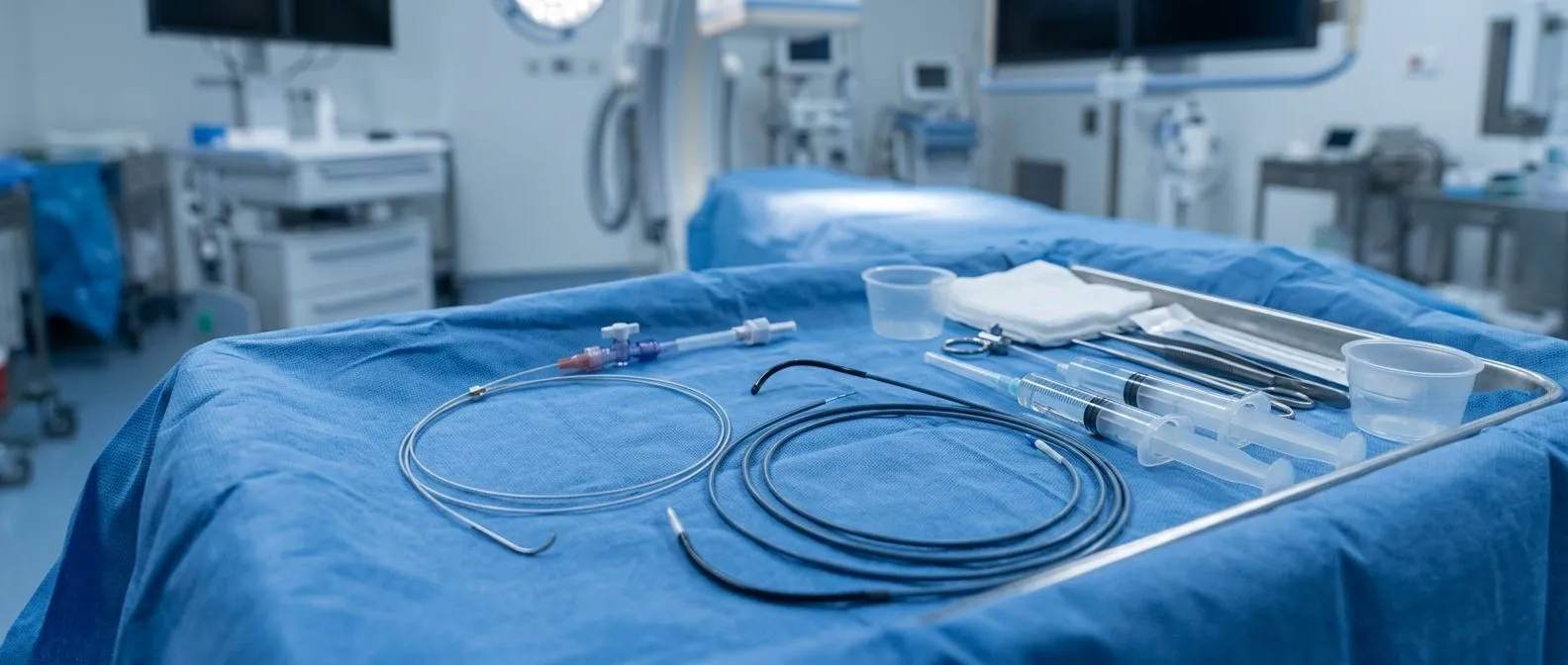
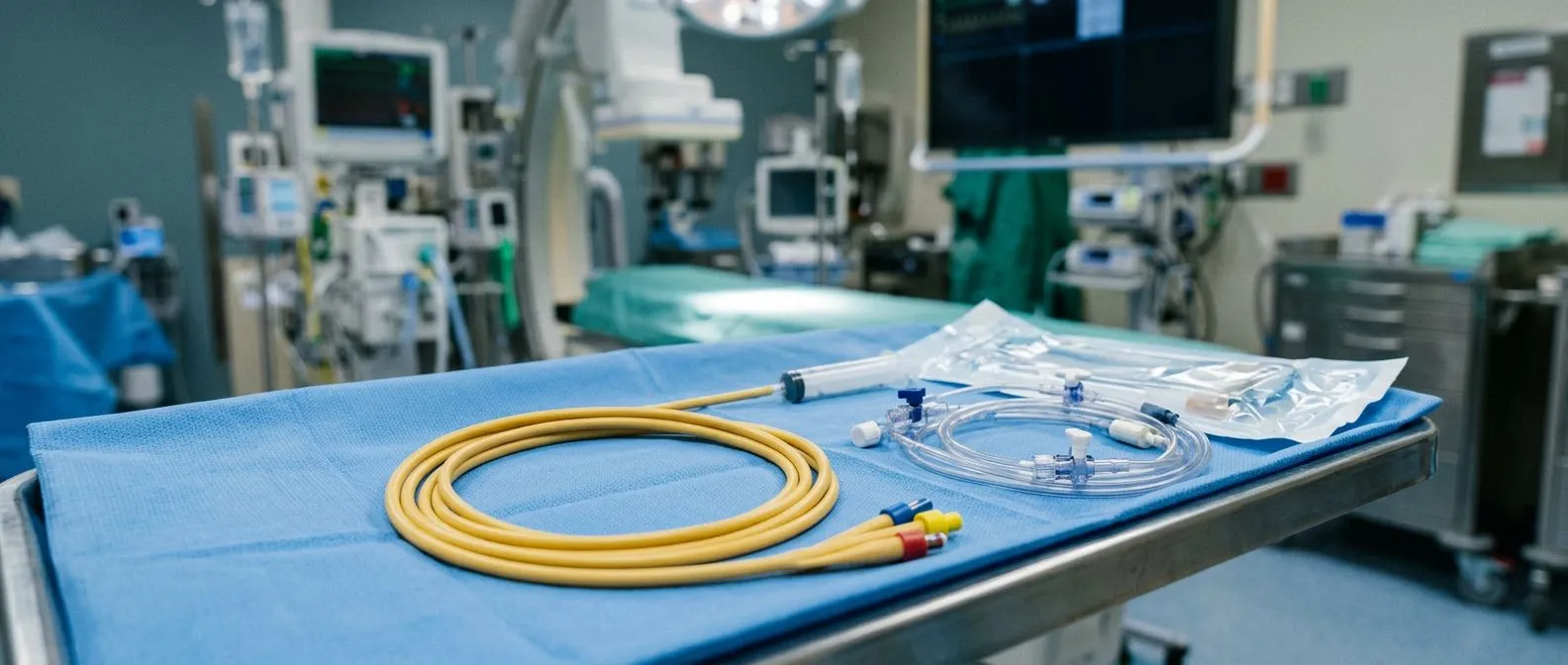
What EuroSCORE II does and does not tell you: The score provides a statistical estimate based on large populations of patients, not a prediction of your individual outcome. A higher score does not mean surgery is impossible — it means your team will take additional precautions. For example, a high score might prompt the team to consider an arterial line — a thin tube placed in an artery for continuous blood pressure monitoring during surgery — or to plan for the possibility of needing an automated external defibrillator on standby in the intensive care unit. The score is a planning tool, not a verdict.
It is important to understand that risk scores are part of a shared decision-making conversation. Your surgeon will explain what the score means in your context, what can be done to lower risk, and what the alternatives are. In some cases, a transcatheter approach (such as TAVR for aortic valve disease) may be discussed as a lower-risk alternative for patients whose physical examination and tests suggest that open surgery carries too great a burden. These conversations are always individualised.
What to Expect Before Heart Surgery: The Patient Experience
Understanding what to expect before heart surgery can ease the anxiety that naturally builds in the days leading up to your operation. After your physical examination and testing are complete, you will typically meet with your surgeon for a final consultation. They will review every finding with you, explain the planned procedure in plain language, and discuss the risks and benefits honestly. You will have the opportunity to ask questions, and you should — bring a written list so nothing is forgotten in the moment.
The day before surgery: You will be given clear instructions about eating, drinking, and which medications to take or stop. If you have been advised to stop aspirin or other blood thinners, this is the time to follow that guidance precisely. You may be asked to shower with a special antiseptic soap. You should arrange for a family member or friend to accompany you to the hospital and to be available during your recovery. If you are travelling from another city or country, your team will help coordinate logistics, including where you will stay and how follow-up appointments will be managed.
On the morning of surgery: You will arrive at the hospital several hours before the scheduled operation. The nursing team will review your chart, confirm your identity, and mark the surgical site. An intravenous line will be placed, and you may receive a mild sedative to help you relax. Your anaesthetist will meet with you to discuss the plan for keeping you comfortable and safe throughout the procedure. By the time you are wheeled into the operating room, every member of your team will have reviewed your physical examination findings, test results, and surgical plan.
- Pre-admission checklist: Bring all medications in their original packaging, your photo identification, insurance documents, and any results from tests done outside the hospital.
- Blood readiness: The hospital will have autologous blood (your own blood, donated in advance) or matched donor blood available, depending on your situation and the planned procedure.
- Questions to ask: Ask how long the surgery is expected to take, who will be in the operating room, and what the first 24 hours of recovery will look like.
Preparing for Cardiac Surgery: Practical Steps
Preparing for cardiac surgery is both a medical and a practical endeavour. From the medical side, your physical examination will have identified any conditions that need to be optimised before surgery — anaemia that needs treating, an infection that needs clearing, or a medication that needs adjusting. Your team will give you a clear checklist and timeline. Following it closely is one of the most important things you can do to ensure a smooth operation and recovery.
From the practical side, there are steps you can take at home. If you smoke, stopping even a few weeks before surgery improves healing and reduces complications. If you have been told to stop certain medications, set a reminder so you do not forget. Arrange your home for recovery — place items you use frequently at waist height to avoid bending, prepare simple meals in advance, and make sure someone will be available to help you for the first week. If you experience new arm pain or chest discomfort in the days before surgery, contact your team immediately — do not wait for your scheduled appointment.
For patients travelling to Guadalajara, Querétaro, or Hermosillo from other regions, preparation includes logistical planning. We understand that the decision to travel for heart surgery is significant, and we aim to make every step as clear and supported as possible.
Heart Surgery Clearance: When You're Ready for the Operating Room
Heart surgery clearance is the culmination of the entire preoperative process. When your surgeon tells you that you are cleared for surgery, it means that every component of your physical examination, blood work, imaging, and risk assessment has been reviewed and integrated into a surgical plan tailored to your specific anatomy and health status. Clearance is not a single signature — it is a multidisciplinary decision involving your surgeon, anaesthetist, cardiologist, and often a physiotherapist or intensivist.
What clearance confirms: It confirms that your heart and body are in the best possible condition for the operation. It means that any reversible risk factors have been addressed — infections treated, medications adjusted, and chronic conditions optimised. It means the surgical team knows exactly what they will encounter, from the condition of your valves to the quality of your arteries. If your surgery involves a balloon-expandable valve (used in TAVR procedures to replace a diseased aortic valve), the team will have confirmed that the valve size and access route are correct based on your CT scan and physical measurements.
Reaching this milestone is a moment to take a breath. You have completed the examinations, answered the questions, and taken the practical steps. The path forward is now clear. Remember that the physical examination before heart surgery was not just a formality — it was the process that gave your team the knowledge to operate safely and to plan for your recovery. We encourage you to bring any remaining questions to your final consultation, and to feel confident that your care team has prepared for this day as thoroughly as you have. If you have not yet scheduled your preoperative assessment, we invite you to book a consultation with Dr Alejandro Molina and the team at Cirugía de Corazón to discuss your individual situation and take the next step with confidence.
- Clearance means: All tests reviewed, risks assessed, and a surgical plan confirmed.
- Who decides: Your surgeon, anaesthetist, and cardiologist jointly confirm readiness.
- Next step: Schedule your preoperative physical examination with our team to begin the process.