


Tricuspid Repair: When It Is Recommended
Tricuspid repair indications explained by Guadalajara heart valve specialists.
The heart has four valves, and one of them is often overlooked until it starts to fail. The tricuspid valve sits between the right atrium and the right ventricle, quietly managing blood flow to the lungs. When it leaks or narrows, the body sends signals that are easy to miss at first. Understanding tricuspid repair indications means knowing which of those signals deserve attention, and which point to surgery. This guide walks you through what the valve does, when repair becomes the safer choice, and how recovery unfolds.
Many patients arrive at a consultation after an echocardiogram report mentions "moderate" or "severe" tricuspid regurgitation. The word sounds alarming, but the real question is whether the valve needs fixing now, later, or simply watching. That decision depends on symptoms, heart chamber size, and the underlying cause. The tricuspid (three-leaflet) valve rarely fails on its own; it usually reflects pressure or volume problems elsewhere in the heart or lungs.
We are a multidisciplinary team of cardiac surgeons led by Dr Alejandro Molina, with consulting rooms in Guadalajara, Querétaro and Hermosillo. Every case is reviewed against international practice guidelines before a recommendation is given. Below, we explain how tricuspid repair indications are weighed in real clinical practice, so you can walk into your own consultation better prepared.
What Is Tricuspid Repair?
Tricuspid repair is a surgical procedure that restores normal function to the tricuspid valve without replacing it. The valve has three leaflets that open and close with each heartbeat, letting blood flow from the right atrium into the right ventricle and preventing it from leaking backward. When those leaflets no longer close tightly, blood flows the wrong way, a condition called tricuspid regurgitation. Repair aims to tighten the ring around the leaflets, reshape the valve, or mend the leaflets themselves.
Why the valve matters more than most people realize: A leaking tricuspid valve forces the right side of the heart to work harder with every beat. Over time, that extra workload can enlarge the right ventricle and raise pressure in the veins of the liver, legs and neck. Symptoms may include swelling in the ankles, a bloated abdomen, fatigue, or shortness of breath. Because these signs overlap with many other conditions, the valve problem can go unnoticed for years.
Repair versus doing nothing: Not every leak needs surgery. Mild regurgitation is common and often harmless. Moderate or severe leaks that are progressing, or that appear alongside other heart surgery, deserve a closer look. Our team reviews the echocardiogram images, chamber measurements and symptom history together before recommending any operation. We also encourage patients to seek a second opinion, because deciding about heart surgery is a significant step and no one should feel rushed.
How Does Tricuspid Repair Work?
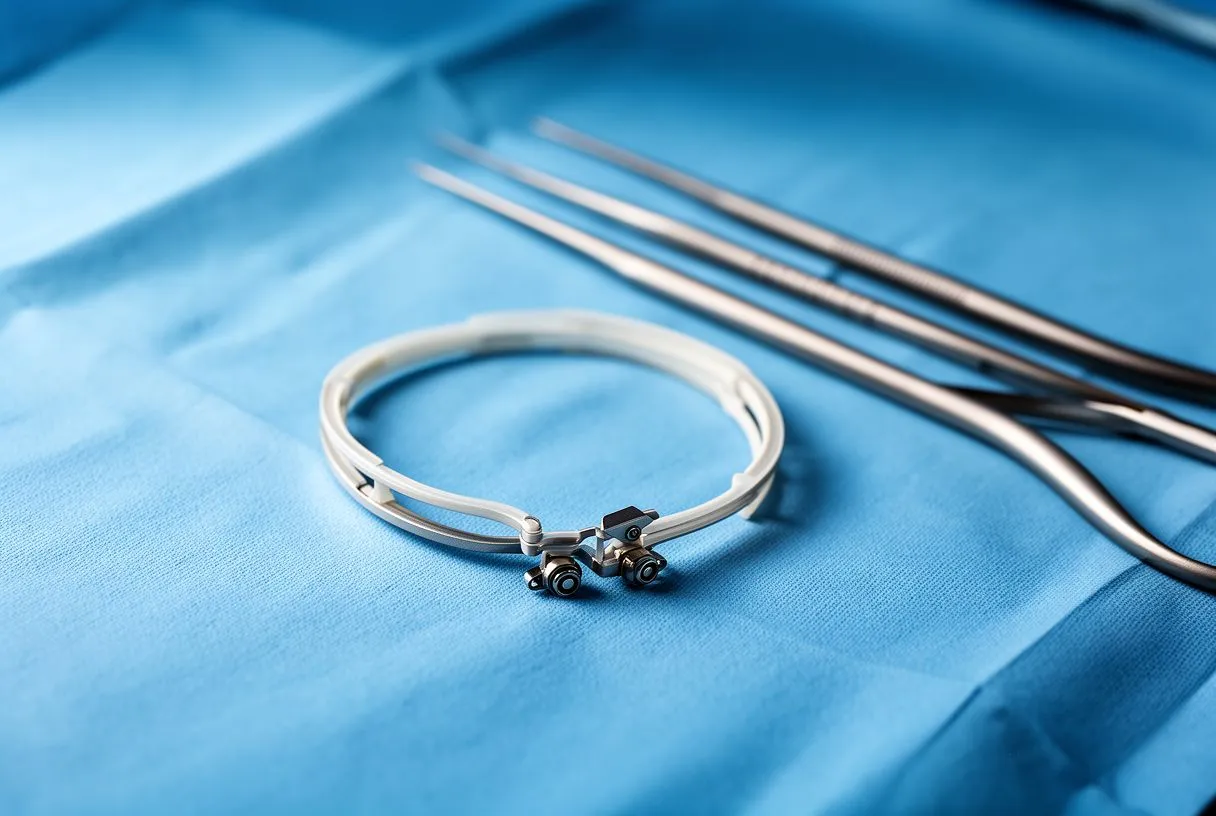
The most common technique is annuloplasty, where a surgeon places a ring or band around the valve's outer rim to bring the leaflets closer together. This restores the seal that prevents backward flow. In other cases, the surgeon may tighten the leaflets directly with stitches, or use a technique to bring the leaflets together in the middle. Each approach depends on the shape of the valve and the reason it leaks.
What happens during the operation: The patient is placed on a heart-lung machine so the surgeon can work on a still, bloodless heart. The surgeon opens the right atrium, examines the valve, and chooses the repair technique that fits. Once the repair is complete, the heart is restarted and an ultrasound probe confirms the leak has been reduced. The whole procedure usually takes a few hours, depending on whether other valves or coronary arteries also need attention.
Why the underlying cause matters: If the leak is caused by pressure from the left side of the heart, repairing only the tricuspid valve may not be enough. The surgeon has to address the root problem, whether that is a mitral valve issue or long-standing lung disease. A study on transcatheter edge-to-edge repair for treatment of tricuspid regurgitation describes how some patients can be treated without open surgery when the risk of a full operation is too high.
Tricuspid Repair Indications: When Is Surgery Recommended?
Tricuspid repair indications are the clinical findings that tell a heart team the valve should be fixed rather than watched. They are not based on a single number. Instead, surgeons weigh symptoms, echocardiogram measurements, the size of the right ventricle, and the patient's overall health. Guidelines from major cardiac societies provide the framework, and each case is matched against those thresholds.
The core indications we look for:
- Severe regurgitation with symptoms: Swelling, fatigue or breathlessness that cannot be explained by another condition.
- Progressive right ventricle enlargement: The chamber is stretching because it is working too hard, a sign the valve needs attention.
- Moderate regurgitation during another heart operation: If the surgeon is already repairing a mitral valve or bypassing arteries, fixing a moderate tricuspid leak at the same time is often recommended.
- Rising pulmonary artery pressure: High pressure in the lung arteries strains the right side of the heart and can worsen the leak.
- History of right heart failure: Repeated fluid buildup despite medication suggests the valve is contributing to the problem.
When we advise waiting: Mild regurgitation with a normal-sized right ventricle and no symptoms usually does not need surgery. These patients are usually monitored with periodic echocardiograms, often once a year. If the leak worsens or the chamber begins to dilate, the timing changes. The goal is to operate before permanent damage to the heart muscle occurs, not after. In the consultation we take the time to explain what the studies actually show, in plain words, and to answer every question before any decision.
What Are the Types of Tricuspid Valve Surgery?
There is more than one way to treat a failing tricuspid valve. The choice depends on the valve's anatomy, the cause of the leak, and whether the patient can tolerate open-heart surgery. Some approaches are traditional, while others are newer and less invasive. Understanding the options helps patients ask better questions during their consultation.
The main surgical approaches:
- Annuloplasty: A ring or band is sewn around the valve to tighten the opening. This is the most common repair technique and preserves the patient's own leaflets.
- Leaflet repair: Stitches or small patches are used to close gaps between leaflets or to reinforce a weak area.
- Valve replacement: When the valve is too damaged to repair, it is removed and replaced with a biological or mechanical valve.
- Transcatheter intervention: A catheter-based device is guided to the valve through a vein, usually without opening the chest. This is reserved for patients considered too high-risk for conventional surgery.
Conventional, minimally invasive or transcatheter: Our work covers valve disease, coronary disease, the aorta and structural heart conditions. We perform conventional, minimally invasive, robotic and transcatheter procedures, and we recommend the less invasive route only where the evidence supports it for that patient. Aortic aneurysm repair, mitral valve repair and other operations can sometimes be combined with tricuspid work in a single session, which avoids a second surgery later.
Tricuspid Valve Replacement vs Repair: Which Is Right?
Whenever the valve can be repaired, repair is usually preferred. It preserves the patient's own tissue, avoids the need for long-term blood thinners in many cases, and tends to have better long-term outcomes. Replacement becomes necessary when the leaflets are severely damaged, infected, or deformed beyond what stitches and rings can correct.
Why repair is often the first choice: A repaired valve keeps its natural shape and movement. Patients typically need fewer medications afterward, and the risk of clot formation is lower than with a mechanical replacement. The trade-off is that repair requires more surgical skill and experience, and not every valve is suitable. A heart team with dedicated valve expertise can usually tell during the operation which path is safer.
When replacement makes more sense: If the valve has been destroyed by infection, if the leaflets are fused by rheumatic disease, or if a previous repair has failed, replacement may be the more durable option. Biological valves avoid blood thinners but wear out over time. Mechanical valves last longer but require lifelong anticoagulation. The right choice depends on the patient's age, lifestyle and other medical conditions. Every case is reviewed by the multidisciplinary team against international practice guidelines before a recommendation is given.
Severe Tricuspid Regurgitation Treatment and Repair Timing
Severe tricuspid regurgitation is the stage where the leak is large enough to affect how the heart works. At this point, treatment options narrow to either surgery or a catheter-based procedure, depending on the patient's risk profile. The timing question is critical: operating too early exposes the patient to unnecessary risk, while waiting too long can leave the heart permanently damaged.
Signs that timing has arrived: A right ventricle that is enlarging on repeat echocardiograms, rising pressure in the jugular veins, fluid that returns despite diuretics, or a decline in exercise tolerance all point toward intervention. When these appear together, the balance usually tips toward repair. Functional tricuspid regurgitation, where the valve itself is structurally normal but the heart's shape has changed, is a common scenario in this category.
Why earlier may be better in some cases: Research on tricuspid valve chordal rupture after a motorbike accident illustrates how sudden trauma can tear the valve's supporting cords and cause acute severe regurgitation. In these situations, prompt repair prevents the right ventricle from decompensating. In chronic cases, the decision is slower but no less important. The first contact is a free video consultation, where we get to know the patient, talk through the condition, and say which studies are still needed.
Is Minimally Invasive Tricuspid Repair an Option?
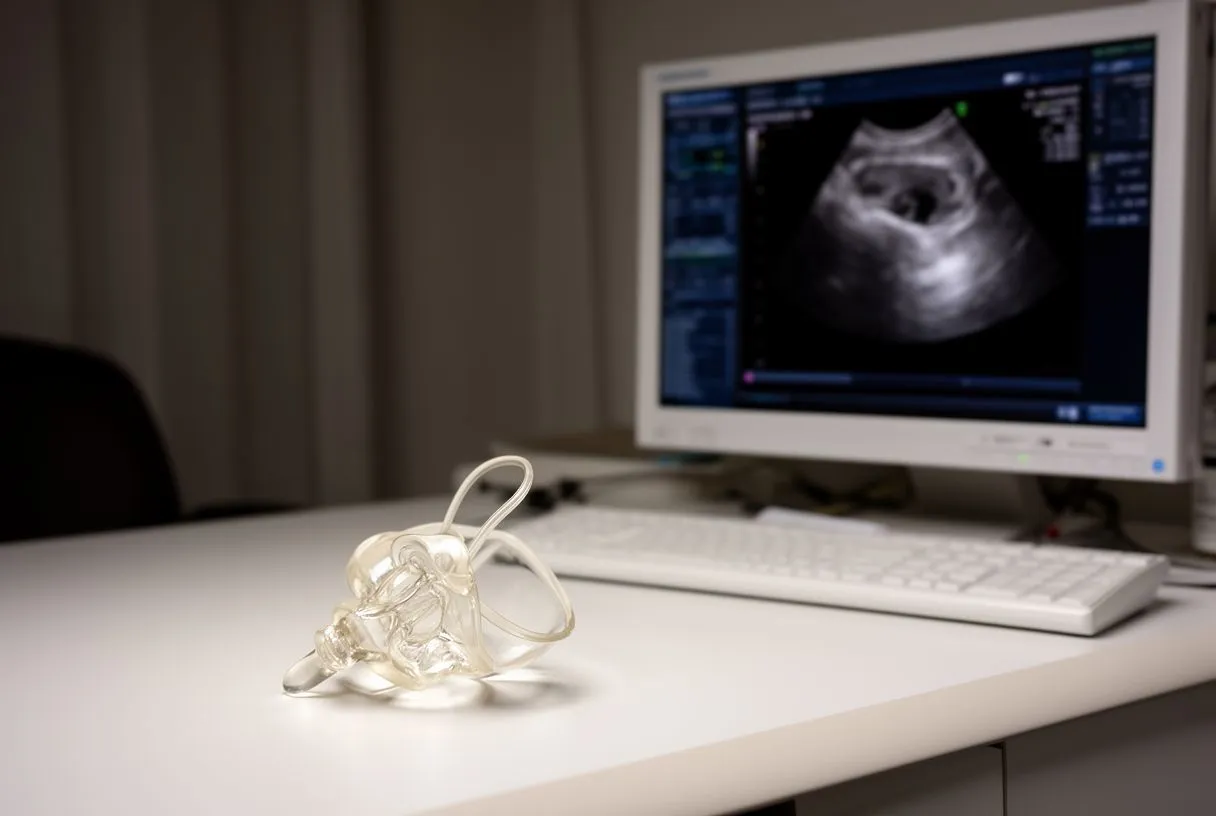
Minimally invasive tricuspid repair uses smaller incisions than traditional open-heart surgery. Instead of a long cut down the center of the chest, the surgeon works through a small opening on the right side of the chest, guided by a camera. This approach can mean less pain, a shorter hospital stay and a faster return to normal activity for patients who qualify.
Who is a candidate: Not every patient is suited to a minimally invasive approach. Prior chest surgery, severe lung disease, or complex valve anatomy may rule it out. The surgeon evaluates the echocardiogram, the chest imaging and the patient's overall health before deciding. Dr Molina performed the first robotic mitral valve repair in the Ángeles Health System and the first robotic heart surgery in Guadalajara.
What the recovery difference looks like: Patients who have minimally invasive surgery often leave the hospital a few days sooner and return to light activity within a few weeks. The trade-off is that the operation is technically more demanding and requires a team experienced in the technique. We recommend the less invasive route only where the evidence supports it for that patient, never as a marketing preference.
What Is the Success Rate of Tricuspid Valve Repair?
Tricuspid valve repair has a strong track record when performed at the right time by an experienced team. Most patients experience a significant reduction in regurgitation immediately after surgery, and many maintain that improvement for years. The exact figures depend on the underlying cause, the patient's age and other health conditions, which is why no single number applies to everyone.
Factors that influence outcomes: A valve repaired before the right ventricle has permanently enlarged tends to hold up better. Patients with functional regurgitation caused by left-sided heart disease may need that problem addressed at the same time. Age, kidney function and lung health also play a role. The Harvard Health publication has useful background on how heart valve disease is monitored over time.
What "success" means in practice: For most patients, success means the leak is reduced to mild or none, symptoms improve, and the right ventricle begins to shrink back toward normal size. Follow-up echocardiograms track this over the months and years after surgery. Some patients need medication to manage residual symptoms, and a small number may eventually need another procedure. We explain these possibilities honestly during the consultation so expectations are realistic.
Tricuspid Surgery Recovery Time: What to Expect
Recovery from tricuspid surgery follows a predictable pattern, though the pace varies from person to person. The first few days are spent in the hospital, where the team monitors heart rhythm, fluid balance and pain. Most patients are walking short distances within two or three days and are discharged within a week for conventional surgery, or sooner for minimally invasive cases.
The first six weeks at home: Patients should avoid heavy lifting, driving and strenuous activity during this period. Light walking is encouraged because it helps circulation and prevents complications. The breastbone, if it was divided, needs time to heal. Sternal precautions are explained in detail before discharge. Fatigue is common and usually improves gradually.
Returning to normal life: By three months, many patients are back to most daily activities. Full recovery, including heavy physical work, may take six months or longer. Follow-up visits with echocardiograms confirm the repair is holding. Patients who had minimally invasive surgery often reach these milestones earlier. The team stays in contact throughout, adjusting medications and answering questions as they arise.
Finding a Tricuspid Valve Specialist in Guadalajara
Choosing where to have tricuspid surgery matters as much as choosing when. The procedure requires a team that performs valve operations regularly, has access to modern imaging, and can offer both conventional and less invasive options. In Mexico, Guadalajara has become a recognized center for cardiac surgery, with experienced surgeons and hospitals equipped for complex cases.
What to look for in a heart team: Ask how many tricuspid repairs the surgeon performs each year, whether the hospital has a dedicated cardiac intensive care unit, and whether transcatheter options are available if open surgery is too risky. A team that reviews cases in a multidisciplinary meeting, rather than relying on one opinion, tends to give more balanced recommendations. We encourage second opinions and treat seeking one as a normal part of deciding about heart surgery.
How to start the conversation: The first step is a free video consultation. We get to know the patient, talk through the condition, and say which studies are still needed so no unnecessary ones are ordered. A face-to-face visit at the consulting rooms in Guadalajara, Querétaro or Hermosillo follows when the patient decides to go ahead. Dr Molina trained in cardiothoracic surgery at the Universidad de Guadalajara, in cardiac, minimally invasive, robotic and structural surgery at the University of Montreal, and in structural cardiology and TAVR at CHU Bordeaux. The team also trained at Jena, Bad Berka and Buffalo.

Tricuspid repair indications are not a single checkbox but a careful balance of symptoms, imaging findings and the patient's overall health. The valve is often the silent partner in heart disease, and fixing it at the right moment can prevent years of fatigue, swelling and breathlessness. When repair is possible, it preserves the patient's own tissue and usually offers the best long-term outcome. When replacement or a transcatheter approach is safer, those options exist too.
The most important step is an honest conversation with a cardiac team that explains what the studies show and what the alternatives are. No decision needs to be rushed. If you or a family member has been told about a tricuspid valve problem, the next move is to gather the information, ask questions, and consider a second opinion. A free video consultation is a low-pressure way to start. Book one with our team in Guadalajara, Querétaro or Hermosillo, and let us help you understand your options before anything is decided.






