

Tricuspid Replacement: Surgery and Transcatheter Options
Tricuspid replacement options explained by Guadalajara heart surgeons.
If you or a family member has been told the tricuspid valve needs attention, you are likely hearing a new vocabulary: regurgitation, annuloplasty, transcatheter. This guide walks through tricuspid replacement options in plain language, from the anatomy itself to surgical replacement, catheter-based therapies, recovery, and how to decide. Nothing here replaces a consultation with a qualified cardiac team, but it should help you ask better questions and understand the answers.
What Is the Tricuspid Valve and What Does It Do?
The Tricuspid Valve sits on the right side of the heart, between the two right chambers. Unlike the mitral valve, which has two leaflets, the tricuspid is a three-leaflet valve — three thin flaps of tissue that open and close with every heartbeat. Its job is simple but essential: it lets blood flow from the right atrium into the right ventricle, then seals shut so blood can only travel forward, toward the lungs, where it picks up oxygen.
Why this quiet valve matters. When the tricuspid works well, nobody notices it. But because it sits on the right side of the circulation, which operates at much lower pressures than the left, the tricuspid can be overlooked for years. It can leak or narrow slowly, and the heart quietly adapts until symptoms finally appear.
Can it be replaced? Yes. The Tricuspid Valve can be repaired, reshaped, or replaced with a prosthetic valve, either through open surgery or through a catheter inserted in a vein. Which option is right depends on the anatomy, the cause of the problem, and the patient's overall condition. We will walk through each of these tricuspid replacement options below.
What Is Tricuspid Regurgitation and When Does It Need Treatment?
Tricuspid Regurgitation means the valve leaks backwards. Instead of all the blood moving forward toward the lungs, some flows back into the right atrium with every beat. Over time, this backs blood up into the veins of the body, which is why patients often notice swelling in the legs, ankles, or abdomen, fatigue, and a full, uncomfortable feeling in the neck.
What causes the leak? Most often, the tricuspid does not fail on its own. It stretches because the right ventricle has enlarged — usually secondary to problems on the left side of the heart, lung disease, or pressure buildup. Less commonly, the valve itself is diseased, damaged by infection, or affected by certain medications. In a smaller group of patients, the valve narrows instead of leaks, which is called tricuspid stenosis and requires its own treatment pathway.
When is treatment actually needed? Mild leaking is common and usually only needs monitoring. Severe tricuspid regurgitation that causes symptoms, or that is damaging the right ventricle, is where treatment enters the picture. Guidelines from the major cardiology societies recommend intervention when the leak is severe and the heart muscle is still working well enough to benefit. As a team, we review every case of tricuspid regurgitation against international practice guidelines before recommending anything, and we explain the reasoning in plain words so the patient can decide.
What Are the Tricuspid Replacement Options Today?
The good news is that the menu of tricuspid replacement options has grown significantly in the past decade. Broadly, the choices fall into three families: repairing the patient's own valve during surgery, replacing the valve surgically, and treating it through a catheter without opening the chest.
- Surgical repair: reshaping or tightening the patient's own valve, often with a supporting ring — usually the first choice when the anatomy allows it.
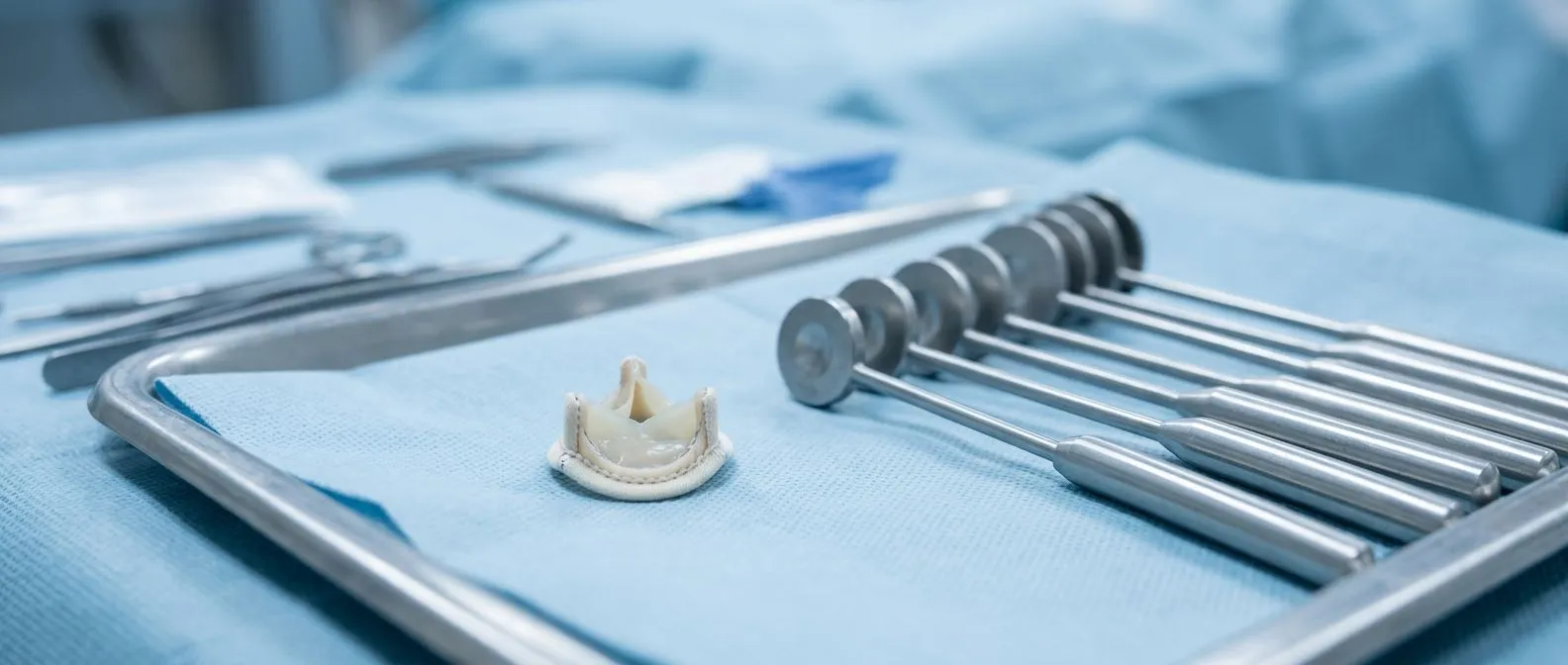
- Surgical replacement: removing the faulty valve and sewing in a prosthetic one, either biological (tissue) or mechanical.
- Transcatheter therapies: new valves or clip-based repairs delivered through a vein, without opening the chest — an option mainly for patients at high surgical risk.
How do we choose? The decision depends on the shape of the leak, the condition of the right ventricle, whether other valves need attention at the same time, and the patient's age and health. Repair is preferred over replacement when possible, because a repaired valve keeps the patient's own tissue and avoids the lifelong considerations that come with a prosthesis. But when the leaflets are too damaged to repair, replacement becomes the right answer.
Tricuspid Annuloplasty vs Replacement: Which Is Better?
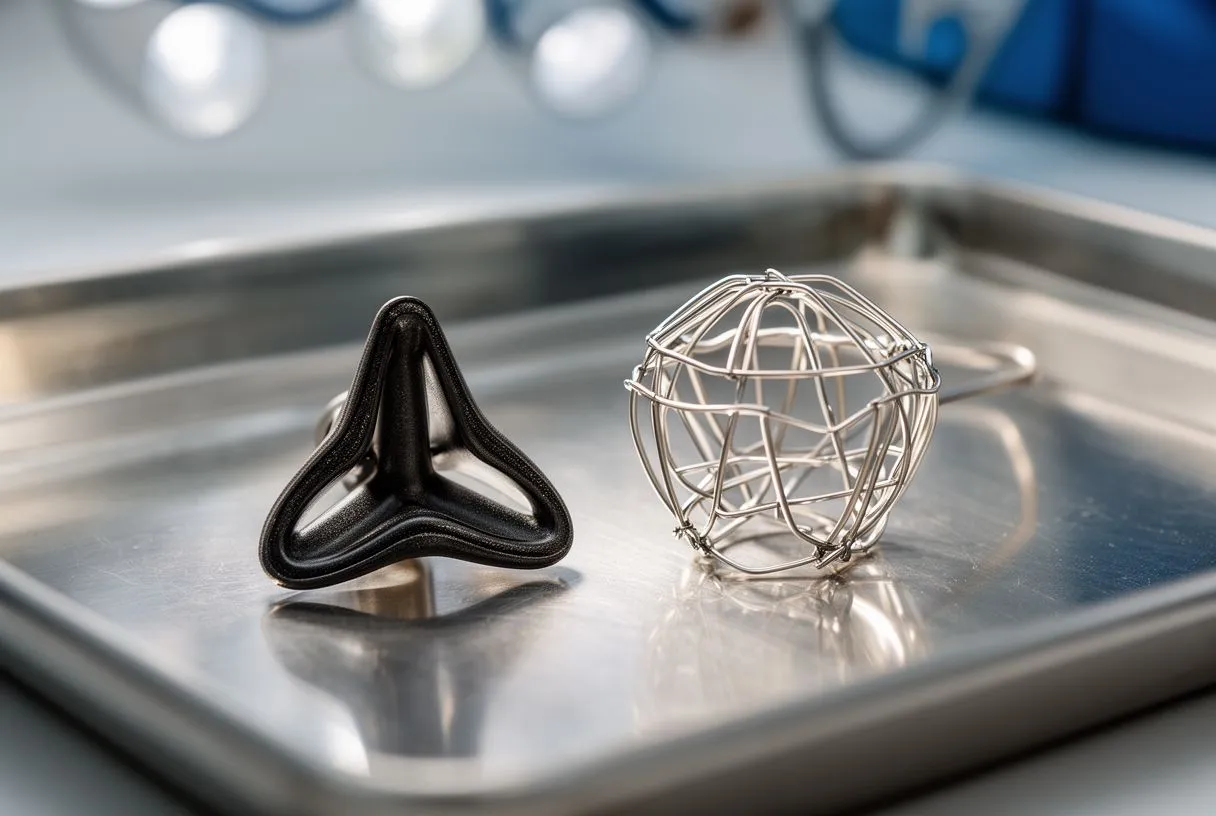
One of the most common questions patients ask is about tricuspid annuloplasty vs replacement — in other words, can the valve be fixed rather than swapped out. An annuloplasty is a repair technique. The annulus is the ring of tissue that anchors the valve leaflets; in a stretched, leaking valve, this ring has often widened. A surgeon can tighten it, usually by implanting a small ring or band, restoring the leaflets' ability to meet and seal.
When repair works best. Annuloplasty gives good results when the leaflets themselves are healthy and the problem is the widened ring — the classic picture of secondary, functional regurgitation. Repair also avoids the need for long-term anticoagulation or the degeneration issues that come with tissue valves.
When replacement is necessary. If the leaflets are destroyed by infection, scarred, malformed, or too abnormal for the ring to hold, repair will not last. In those cases, the surgeon replaces the valve with a biological prosthesis in most patients. The published evidence and expert reviews consistently favor repair whenever durable repair is achievable, and reserve Tricuspid Valve Replacement for valves that cannot be reliably fixed. Our multidisciplinary team reviews the imaging together and gives each patient a clear proposal with the alternatives — repair, replacement, or a catheter option — and the final decision is always theirs.
What Happens During Tricuspid Valve Replacement Surgery?
Surgical tricuspid valve replacement is performed in an operating theatre under general anesthesia. Most often, the surgeon reaches the valve through a sternotomy — an incision down the middle of the chest — or through a smaller, minimally invasive incision on the right side of the chest, depending on the case and whether other procedures are planned.
During the operation. The patient is placed on a heart-lung machine, which takes over circulation while the heart is stopped. The surgeon opens the right atrium, removes the damaged valve, and seats a new prosthesis — usually a tissue valve — in its place. The new valve is tested, the heart is restarted, and everything is closed. Many tricuspid procedures are combined with other heart surgery, such as Mitral Valve Replacement or coronary bypass, since the tricuspid often leaks as a companion problem.
Surgical approaches and the aorta. In patients needing multiple procedures, the operation may also involve the aortic valve or even the great vessels — for example, Aortic Root Replacement or an Aortic Arch Replacement when the aorta itself is diseased. These combined operations are more complex but done routinely by experienced teams. Our team performs conventional, minimally invasive, robotic and transcatheter procedures, and we recommend the less invasive route only where the evidence supports it for that specific patient.
What Is Transcatheter Tricuspid Replacement?
Transcatheter tricuspid valve implantation is a newer approach that avoids open surgery entirely. Instead of opening the chest, the cardiologist and surgeon deliver a collapsed valve through a catheter — a thin tube — usually inserted through the large vein in the groin. The valve is guided to the right position inside the failing tricuspid and expanded there, beginning to work immediately.
Who is it for? Transcatheter Tricuspid Intervention is designed mainly for patients whose risk with open surgery is high — often older patients, those with several previous operations, or those with weakened right ventricles. For these patients, the published reviews of the role of transcatheter therapies in managing tricuspid regurgitation show meaningful symptom relief and quality-of-life improvement (Interventional Cardiology Review).
What it cannot do. Transcatheter replacement is not automatically the best option for everyone. It requires the patient's anatomy to be suitable — the vein must be accessible, the valve must be reachable, and there must be no obstruction in the way. It also requires the expertise of a combined team, not a single operator. Dr Molina trained in structural cardiology and TAVR at CHU Bordeaux, and the team also trained at Jena, Bad Berka (Germany) and Buffalo (USA).
Can Tricuspid Regurgitation Be Treated Without Open Heart Surgery?
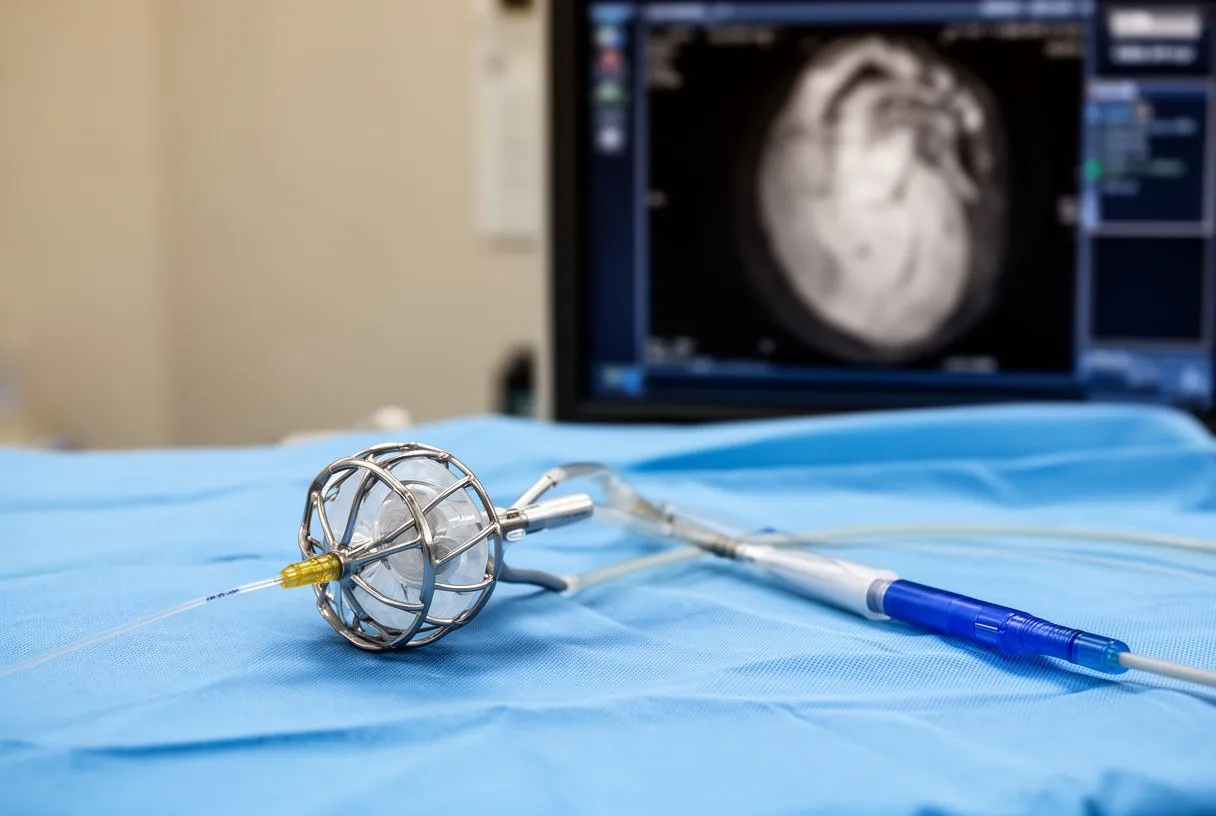
Yes, in selected patients — and not only with replacement. The most established catheter-based alternative is the Transcatheter Edge-to-edge Repair, a technique where a small clip is delivered through a vein and fastened onto the leaking leaflets, reducing the leak without implanting a new valve at all.
How the clip approach works. The clip is guided to the valve with echocardiographic imaging — ultrasound pictures of the heart taken in real time from inside the vein. The operator grasps the middle of the leaking leaflets, turning the single leak into two smaller openings that close better. The patient usually goes home within a day or two.
Other catheter options. Beyond clipping, there are devices that reshape the annulus from inside the vein, and valve-in-valve procedures for patients whose previously implanted surgical valve has degenerated. This is an evolving field, and the right answer depends on the individual anatomy. Before any transcatheter recommendation, our team reviews the patient's imaging and overall picture together, because a catheter therapy is only the right choice when it is genuinely the lowest-risk route for that person.
How Serious Is a Tricuspid Valve Replacement?
It is honest to say that tricuspid valve surgery is among the more serious cardiac operations, and patients deserve a frank conversation about it. The right side of the heart is often already weakened by the time the valve is treated, which raises the risk compared with surgery on the left side. The right, honest answer is: the risk is real but manageable, and it depends heavily on the patient's condition, the timing of the surgery, and the experience of the team.
What are the main risks? Like any open-heart operation, there are risks of bleeding, infection, stroke, kidney injury requiring Renal Replacement Therapy (dialysis) in a small minority, and heart rhythm problems. With transcatheter procedures, the risk profile is different: no chest incision, but there are risks related to the catheter route, the delivery system, and the placement of the device itself. Closure devices and vascular closure techniques are used to manage access-site complications, and novel approaches continue to be refined for difficult anatomies (Case Reports in Cardiology).
What lowers the risk? Two things matter most: timing and teamwork. Operating before the right ventricle has been permanently damaged gives better results, and treating the tricuspid at the same time as other planned cardiac surgery avoids a second operation later. In our experience, we encourage second opinions and treat seeking one as a normal part of deciding about heart surgery — it is one of the most reliable ways to gain confidence in the plan.
What Is the Recovery Time After Tricuspid Replacement?
Recovery depends on which route was taken. Surgical tricuspid valve replacement recovery typically involves several days in hospital, with the first day or two in intensive care. Most patients go home within a week and are walking daily. Full recovery — returning to normal activity and work — generally takes six to twelve weeks, with the chest bone needing about two to three months to heal if the chest was opened.
Transcatheter recovery. Catheter-based tricuspid procedures are far easier on the body: usually one to two nights in hospital, no chest incision, and a return to most normal activities within a week or two. Patients still need regular follow-up imaging to confirm the new valve or clip is working well.
What helps recovery go well? Cardiac rehabilitation, careful medication management, and monitoring for swelling are all part of the plan.
- Early movement: gentle daily walking from the first days home, building gradually — the single most helpful recovery habit.
- Fluid and weight watch: a daily weight check catches fluid retention early, before it becomes a hospital visit.
- Medications as prescribed: blood thinners or diuretics are part of the treatment, not an afterthought, and doses must be adjusted only by the team.
In the consultation we take the time to explain exactly what the studies show about each patient's recovery picture, and to answer every question before any decision is made.

How Do You Choose the Right Tricuspid Treatment and Team?
Choosing among tricuspid replacement options is not a search-engine decision — it is a conversation between you and a team that has examined your specific heart. Still, patients can make the choice easier by knowing what to look for. The tricuspid is often called the hardest heart valve to treat, because it sits in a low-pressure system, the leak is often secondary to other problems, and outcomes depend heavily on the experience of the team. That is precisely why the team matters more than the technique.
Questions worth asking any team. Come to your consultation with these:
- Is my valve repairable, and what is the chance repair will last?
- Am I a candidate for a transcatheter option, and what would that involve?
- Should the tricuspid be treated now, or during other planned surgery?
- What does my right ventricle look like, and how does that affect the plan?
Cost, travel, and insurance. For patients traveling from abroad, the practical details matter as much as the clinical ones. Cost varies with the procedure — surgical replacement, transcatheter replacement, and clip repair all carry different equipment and hospital costs — and any honest team will explain what a treatment involves before you commit to travel. Our first contact is a free video consultation: we get to know the patient, talk through the condition, and say which studies are still needed so no unnecessary ones are ordered — and a face-to-face visit at our consulting rooms in Guadalajara, Querétaro or Hermosillo follows when the patient decides to go ahead.
The takeaway is straightforward: tricuspid disease can be treated, and there are now more ways to treat it than ever — repair with an annuloplasty ring, surgical Valve Replacement through Aortic Valve Replacement-style open techniques or minimally invasive incisions, and catheter-based therapies for those who cannot undergo surgery. The right answer is the one that fits your anatomy, your risk, and your life. Do not self-diagnose from an article; bring your questions and your imaging to a qualified cardiac team, and start with a consultation. We would be glad to review your case and walk you through every tricuspid replacement option with the time it deserves.






