Type A Dissection Recovery: Life After Emergency Surgery
Type A dissection recovery takes patience and expert care.
Understanding type a dissection recovery begins with recognizing the immense physical and emotional toll of emergency heart surgery. When a tear occurs in the inner layer of the ascending aorta, blood surges through the false channel, requiring immediate surgical intervention to prevent rupture. For patients and families navigating this crisis, the days and weeks after the operation can feel overwhelming. At Cirugía de Corazón, Dr Alejandro Molina and our cardiac teams in Guadalajara, Querétaro, and Hermosillo focus on guiding you through every step of this healing process. This guide explains the anatomical realities of the surgery, the expected milestones, and the practical steps for a safe return to daily life.
What is Type A Dissection Recovery and Why It Takes Time
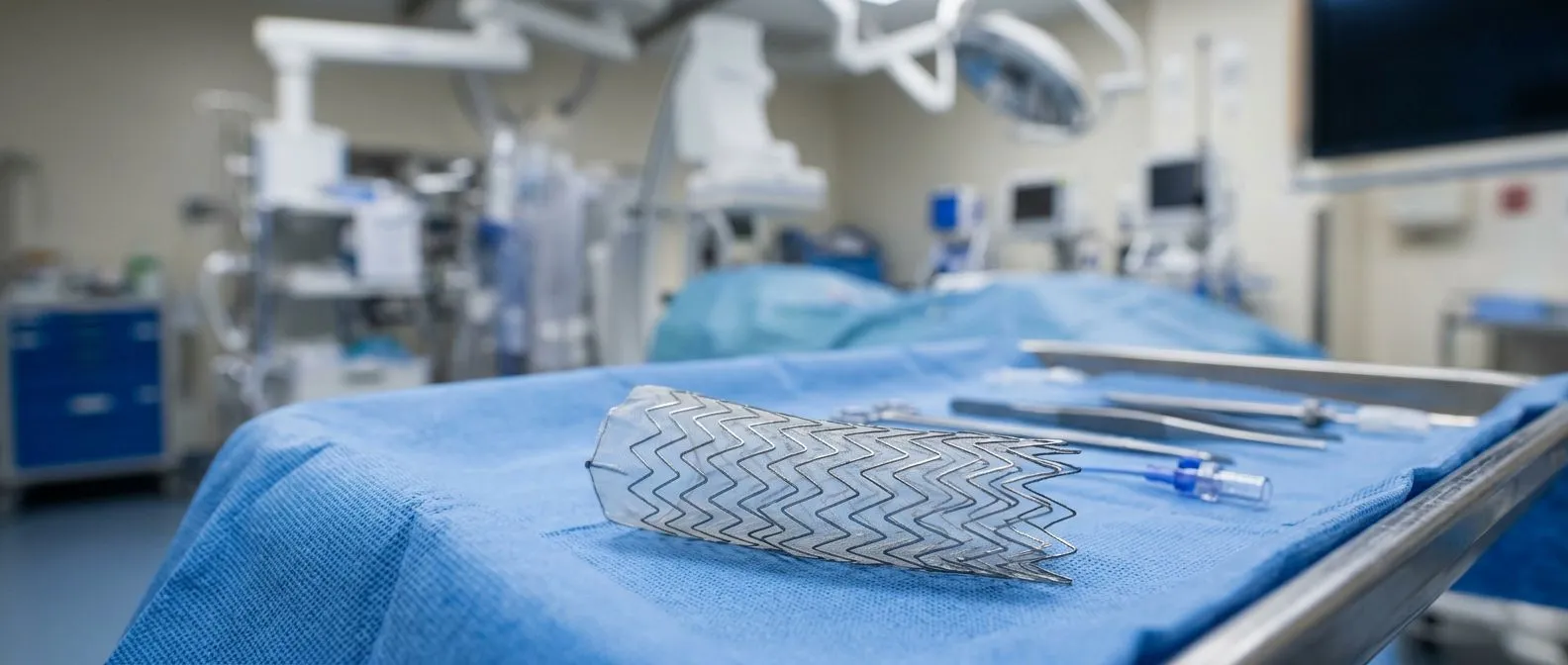
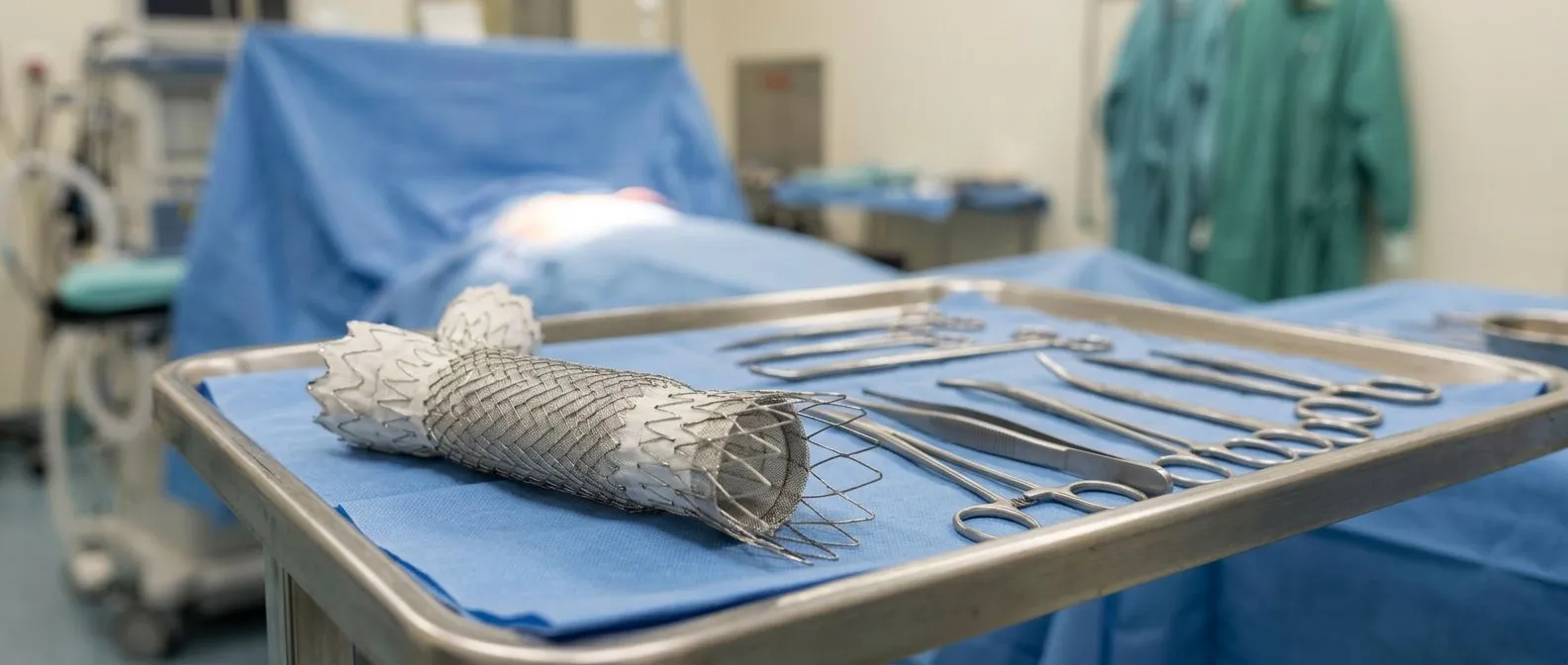
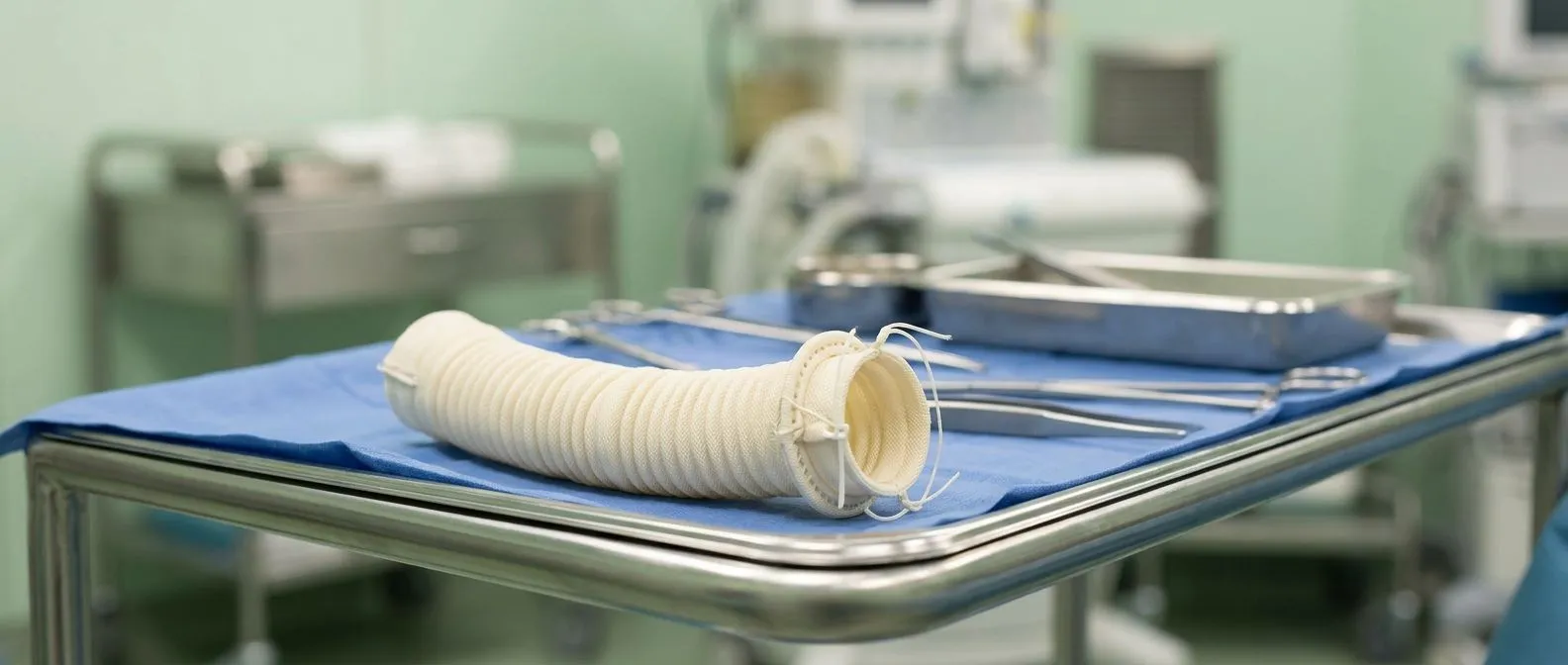
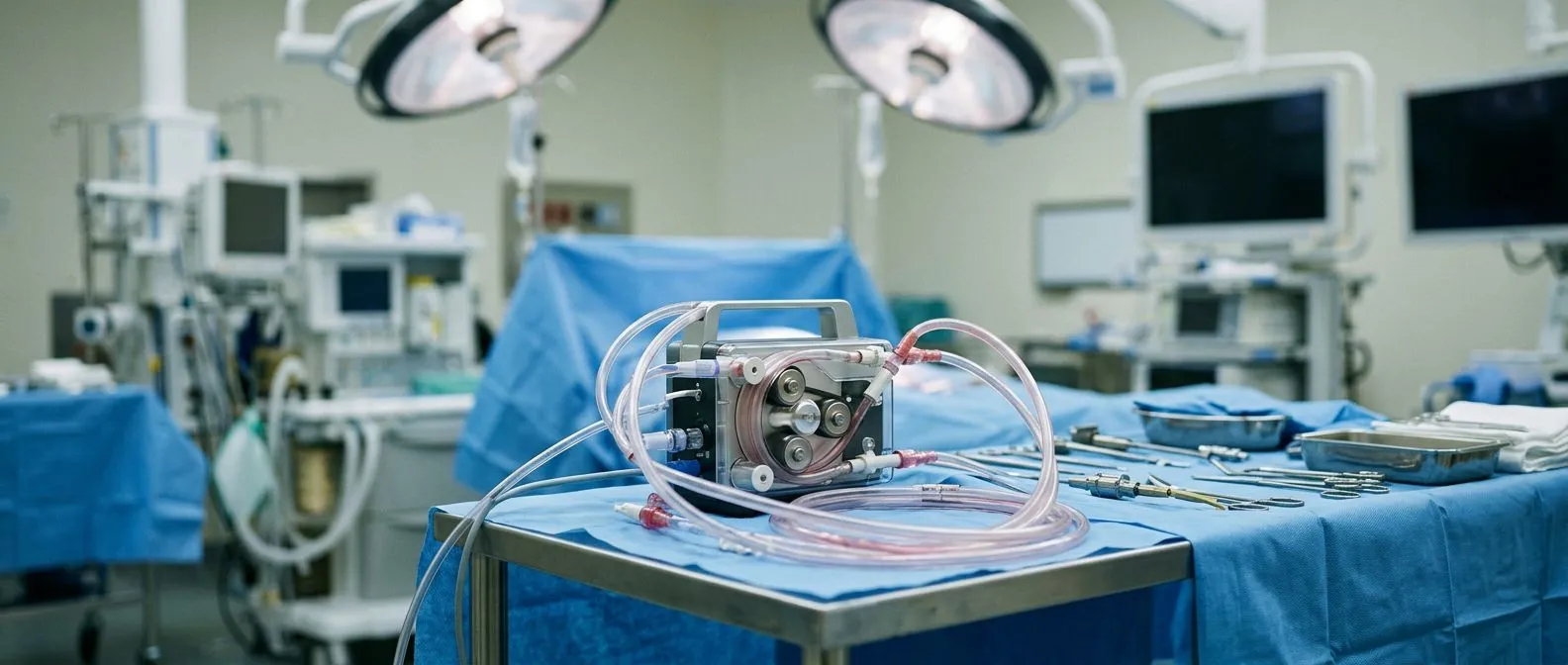
Recovering from an acute aortic emergency is fundamentally different from healing after a planned, elective procedure. During surgery for a Type A dissection, the surgeon must replace the damaged segment of the ascending aorta with a synthetic tube, often reattaching the native aortic valve or replacing it entirely. The body endures significant trauma from the bypass circuit and the temporary cessation of normal blood flow. This systemic shock means that healing requires patience, as your heart, lungs, and major organs all need time to recalibrate. The presence of an underlying atheromatous plaque or other vascular disease also dictates how slowly you must progress.
Understanding the surgical impact on the aorta: The tear usually originates in the first few centimeters of the main artery leaving the heart. Repairing this area involves complex suturing under profound hypothermia, which protects the brain but stresses the body. Because the repaired vessel must handle the full force of every heartbeat, the tissue surrounding the synthetic graft needs weeks to form a stable scar. You may experience profound fatigue as your body diverts energy toward this internal structural healing.
The initial danger may have passed, but the biological work of recovery has just begun. Patients often experience an atypical infarction-like fatigue, where the heart muscle itself was not damaged, but the surrounding pericardium and tissue are inflamed. It is vital to remember that this fatigue is a normal biological response, not a sign of surgical failure. Your cardiac team will monitor your blood pressure meticulously to ensure the repair holds securely while the tissues heal.
What to Expect After Aortic Dissection Surgery in the ICU
Waking up in the intensive care unit is disorienting, but the environment is highly controlled to support your vital functions. You will be connected to several monitors and tubes that were essential during the operation. An arterial line, which is a thin catheter placed in an artery, provides constant, real-time blood pressure readings. This is crucial because strict blood pressure control is the cornerstone of protecting the surgical repair in the first 24 to 48 hours. You may also have an arterial cannula in place from the bypass circuit, though this is usually removed before you wake fully.
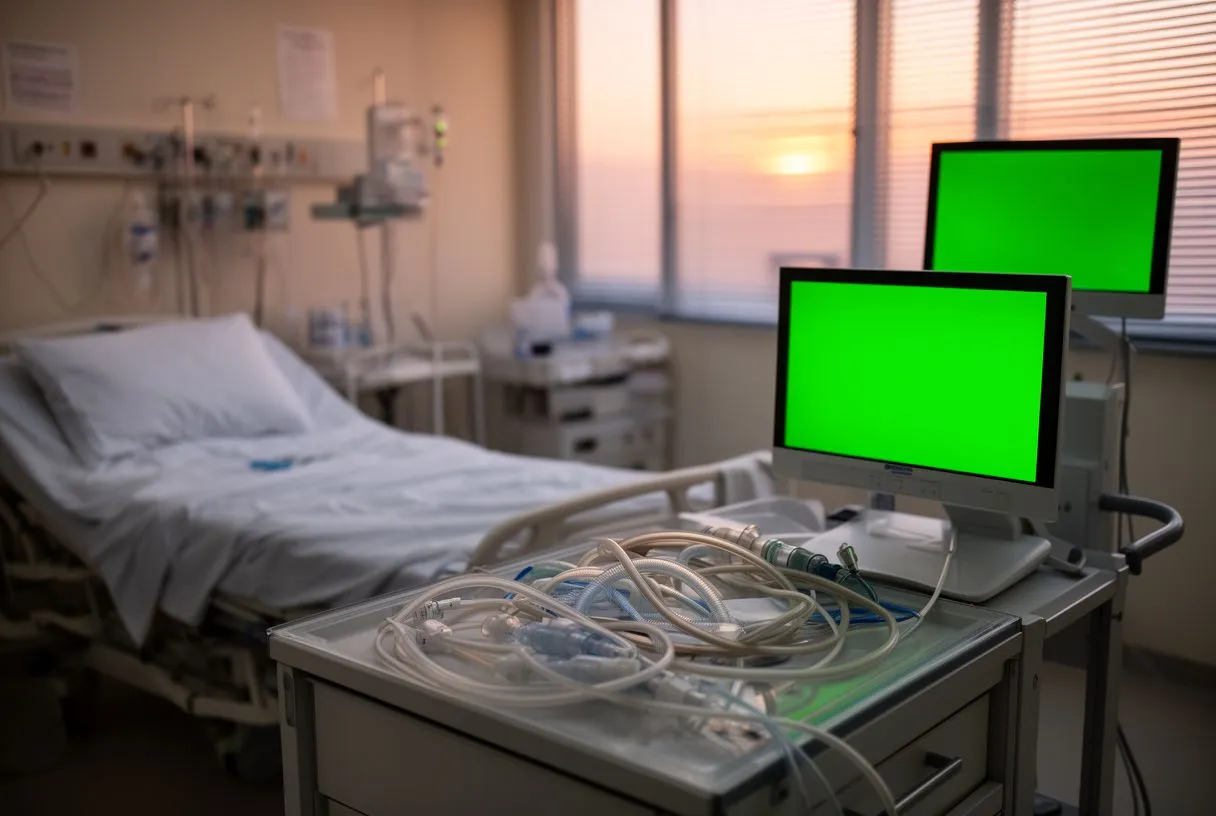
Managing fluid and blood loss: It is normal to have chest tubes draining fluid from around your heart and lungs. In some cases, the surgical team may salvage and return your own blood, known as autologous blood, to minimize the need for donor transfusions. This process reduces the risk of immune reactions and speeds up your physiological stabilization. The nursing staff will carefully measure the output from these tubes to ensure no internal bleeding is occurring.
You will likely have a breathing tube in your throat for the first few hours, which prevents you from speaking but ensures your oxygenation is perfect. Once you are awake and strong enough, the tube is removed, and you transition to a mask. The ICU team will frequently assess your neurological status, asking you simple questions and checking your grip strength, to confirm that the protective measures used during circulatory arrest were effective.
Managing Pain and Medications During Heart Surgery Recovery
Pain management after aortic surgery requires a delicate balance. The sternum is wired back together, and the incision site will ache, particularly when you breathe deeply or cough. Your medical team will provide intravenous pain relief initially, transitioning to oral medications as you recover. The goal is not to eliminate pain entirely, but to keep it at a manageable level that allows you to participate in breathing exercises and gentle movement. Over-medication can lower blood pressure dangerously, so doses are carefully titrated.
Blood pressure and rhythm control: You will be prescribed specific medications, often beta-blockers, to keep your heart rate and blood pressure within a tight, safe window. This reduces the sheer stress on the repaired aorta. Some patients develop a fast, irregular heartbeat in the top chambers of the heart, known as atrial flutter, which can be managed with medication or a brief electrical correction. Daily aspirin may also be recommended to prevent blood clots on any artificial material used during the repair.
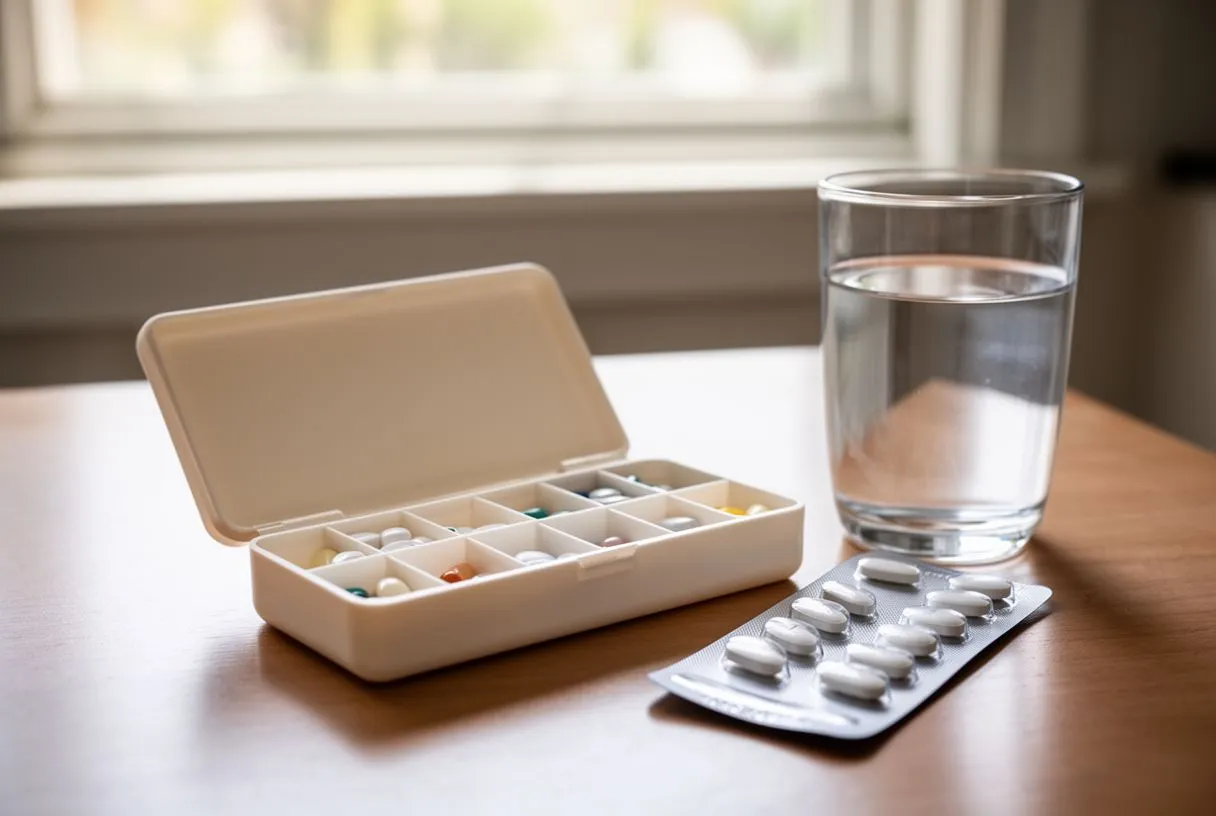
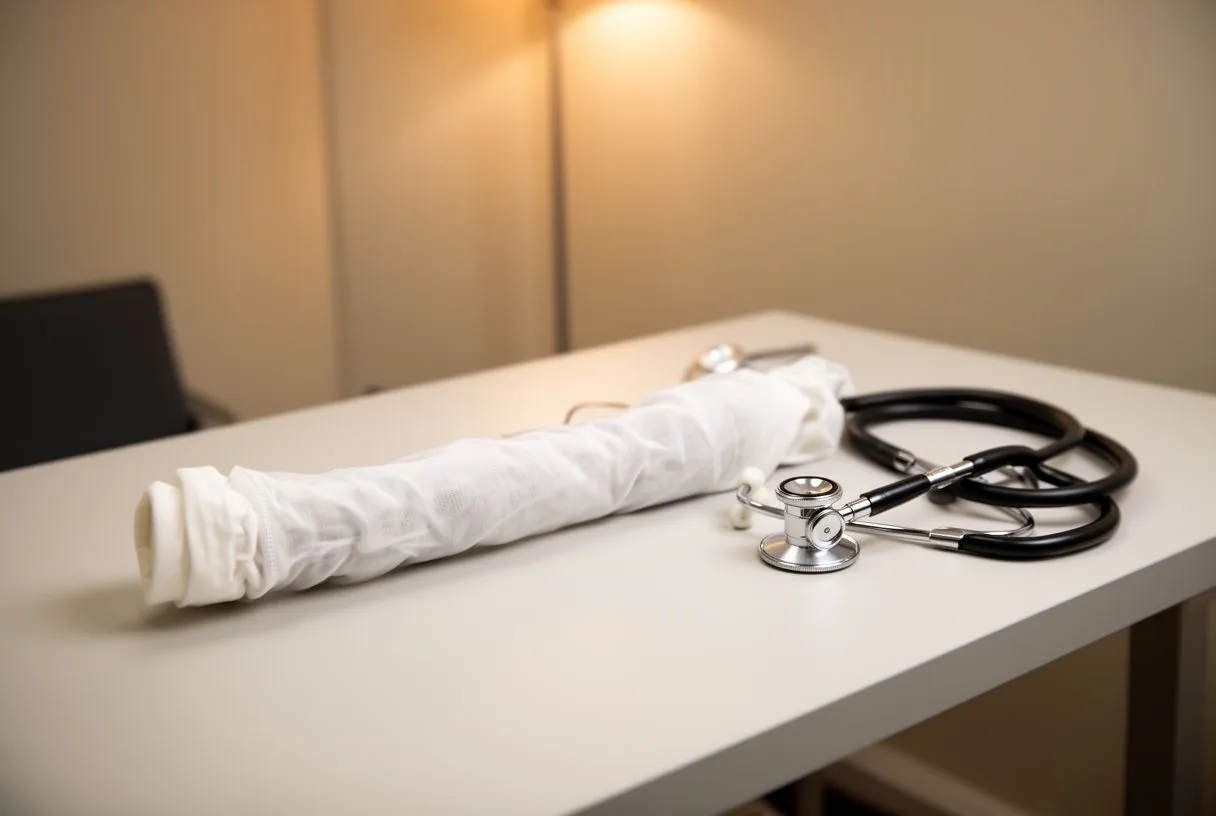
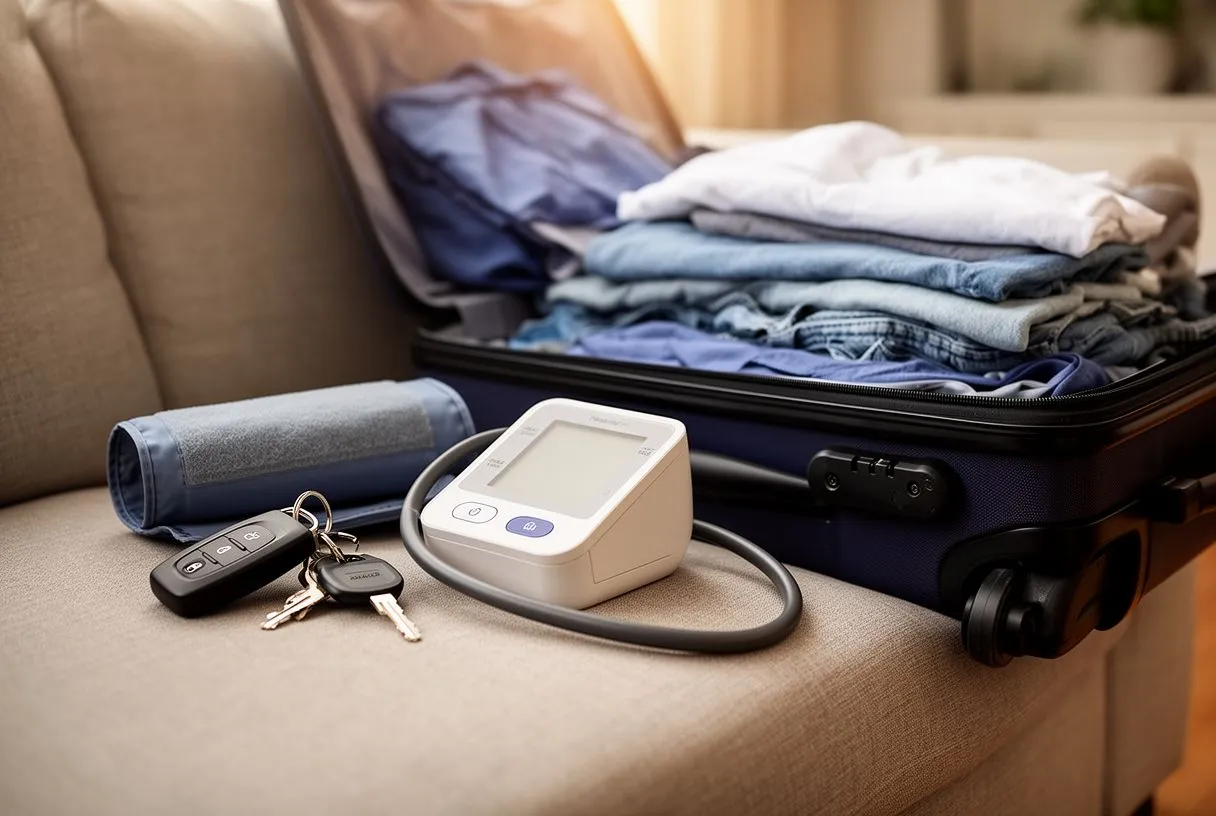
Before you are discharged, your medications will be optimized for home use. The cardiac team will teach you how to take your own blood pressure and log the readings. Auscultation, or listening to your heart and lungs with a stethoscope, will be performed at every follow-up visit to ensure your heart valves and lungs are functioning clearly. Following your medication schedule exactly as prescribed is the single most important thing you can do to protect your surgical repair.
Type A Dissection Post Op Care at Home
Transitioning home is a major milestone, but it requires a structured environment. You will need help with daily tasks for the first few weeks, as you are not allowed to lift anything heavier than a few pounds. The sternal incision takes approximately six to eight weeks to heal completely. During this time, you must avoid pushing or pulling motions, such as opening heavy doors or moving furniture. A supportive pillow is often used to splint your chest when you cough, which helps reduce pain and protect the bone.
Incision and wound monitoring: Keep the surgical site clean and dry, inspecting it daily for signs of infection. If your surgery involved replacing a section of the vessel with an arterial graft, the skin overlying this area may feel numb or tight. This is normal as the nerves heal. However, if you notice increasing redness, warmth, or clear fluid leaking from the wound, you should contact your surgeon immediately. These could be early signs of a superficial infection that requires antibiotics.
Recovery at home is heavily focused on rest and gradual reintroduction of light activity. Your body is using an enormous amount of energy to heal the internal structures. Plan to rest frequently, walking only short distances inside the house initially. Proper hydration and a heart-healthy diet rich in protein will support tissue repair. Remember that healing is not linear; some days you will feel energetic, and other days you will need to rest completely.
Monitoring for Type A Dissection Complications
Even after a successful repair, vigilance is necessary to catch any potential complications early. The primary concern is the development of a new tear or the expansion of the remaining aorta. Strict blood pressure management is your best defense against this. You will be taught the specific thresholds for your situation, and you must take action if your readings consistently exceed these limits. Your surgeon will also watch for any signs of malperfusion, where blood flow to certain organs is compromised.
Neurological and vascular checks: Some patients experience temporary nerve irritation, leading to numbness or tingling. Unexplained, persistent arm pain or weakness should be evaluated, as it could indicate a compression issue. It is also possible for the dissection to have affected blood flow to the legs or kidneys before surgery, and recovery involves monitoring these organs for full functional return. Regular blood tests and imaging will track the health of your entire vascular system.
- Daily Blood Pressure: Maintain logs of morning and evening readings to ensure they stay within your surgeon's strict target range.
- Neurological Status: Watch for sudden severe headaches, visual changes, or weakness on one side of the body, which require immediate emergency evaluation.
- Cardiac Symptoms: Be alert for new chest pain, shortness of breath, or a feeling of skipped beats, and report them to your cardiology team.
Living with a repaired aorta means becoming an active participant in your own surveillance. You will undergo regular CT scans or MRIs to monitor the size of the remaining aorta. If the descending aorta, which was not repaired during the emergency operation, begins to enlarge, your team may discuss future interventions. These could range from continued medical management to a later, planned procedure to stabilize the remaining vessel.
Exercise After Aortic Dissection and Safe Movement
Physical activity is essential for long-term recovery, but it must be approached with extreme caution. Cardiac rehabilitation is highly recommended for patients recovering from aortic dissection. A supervised program allows exercise physiologists to monitor your heart rhythm and blood pressure while you walk on a treadmill or use a stationary bike. This structured environment ensures that your heart rate does not spike to dangerous levels. According to Verywell Health, cardiac rehab significantly improves outcomes for heart surgery patients by providing supervised, progressive exercise.
Building a safe routine: For the first six weeks, walking is your primary exercise. Start with short, flat walks and gradually increase the distance as your stamina improves. You should avoid any activity that involves heavy lifting, straining, or sudden bursts of exertion. Activities like golf, swimming, or light gardening can usually be resumed after eight to twelve weeks, provided your surgeon has cleared you and your blood pressure is well controlled.
It is critical to understand that while exercise is beneficial, certain types of exertion are permanently off-limits. Intense weightlifting, competitive sports, and isometric exercises like push-ups or planks create a massive spike in blood pressure that can stress the repair. Your cardiac team will help you define what a safe, active lifestyle looks like for your specific anatomy. The goal is to build cardiovascular health without risking the structural integrity of your aorta.
Living with Aortic Dissection and Long-Term Follow-Up Care
Surviving a Type A dissection means entering a new phase of lifelong medical management. Your aorta will require permanent surveillance to ensure the remaining segments do not dilate or require future intervention. This usually involves annual imaging studies, such as a gated CT scan or an MRI, to measure the diameter of the aortic root, arch, and descending segments. If a diameter approaches guideline thresholds, such as greater than 5.5 cm, your surgeon may recommend a prophylactic repair to prevent rupture.
Understanding future treatment options: If future interventions are needed, they are often less emergent than the initial surgery. For example, if the aortic valve becomes diseased over time, options like balloon aortic valvuloplasty or the placement of a balloon-expandable valve might be discussed, though surgical replacement remains the standard for young, healthy patients. In the descending aorta, a tear causing poor blood flow might be treated with balloon angioplasty and stenting rather than open surgery. Your team will always weigh the risks of intervention against the risks of watchful waiting.
Long-term care also involves aggressive management of underlying cardiovascular risk factors. Keeping cholesterol strictly controlled is vital to prevent the progression of vascular disease. Understanding the cellular mechanisms of healing is also part of modern recovery; research into how tissues repair at the genetic level, such as Gene regulation by long non-coding RNAs and its biological functions., highlights the complexity of the body's response to major trauma. Your long-term success depends on this partnership between advanced science and diligent, daily self-care.
Returning to Work After Heart Surgery: Timelines and Adjustments
Returning to work is a significant psychological and physical milestone, but the timeline varies greatly depending on the nature of your job. If you work in a sedentary role, such as an office job, you may be able to return part-time within six to eight weeks. If your job involves physical labor, heavy lifting, or high stress, you will likely need three months or more before you can safely resume your duties. It is important to have an honest conversation with your employer about temporary modifications to your workload.
Navigating financial and travel concerns: For our international patients and those traveling from across Mexico, the cost of recovery and time away from work is a valid concern. We encourage patients to explore their insurance coverage for cardiac rehabilitation and necessary medications. Blood thinners and anticoagulation management, guided by large-scale studies like the ARISTOTLE trial, are crucial for some patients with certain valve replacements. Adhering to these protocols is non-negotiable for safety, and managing the logistics of obtaining these medications is a key part of the discharge planning process.
Driving is usually restricted for four to six weeks to ensure your reaction times are normal and your sternum is stable enough to withstand the jolt of a potential sudden stop. When you do return to work, plan for frequent breaks. Do not attempt to resume a full, demanding schedule immediately. A phased return, starting with half-days or remote work, allows your body to adapt to the cognitive and physical demands of a professional environment without compromising your recovery.
Emotional Support and Type A Dissection Support Groups
The psychological impact of surviving a near-fatal cardiac event is profound. It is completely normal to experience anxiety, depression, or post-traumatic stress in the months following surgery. Many patients develop a deep fear that the dissection will happen again, leading to hyper-vigilance about every minor physical sensation. Acknowledging these feelings is the first step toward healing. You are not alone in this experience, and the emotional recovery is just as important as the physical repair.
Finding community and expert guidance: Connecting with others who have survived an aortic dissection can be incredibly validating. Support groups, whether in person or online, provide a space to share practical tips and emotional burdens. Just as expert consensus panels shape treatment guidelines—as seen in complex oncology research like the Personalizing the treatment of women with early breast cancer: highlights of the St Gallen International Expert Consensus on the Primary Therapy of Early Breast Cancer 2013.—cardiology also relies on shared knowledge to improve patient quality of life. Seeking professional counseling is also a highly effective tool for processing the trauma of emergency surgery.
- Acknowledge the Trauma: Recognize that surviving a Type A dissection is a major life event, and psychological support is a standard part of comprehensive care.
- Join a Community: Look for aortic dissection support groups to share experiences with people who understand the specific anxieties of living with a repaired aorta.
- Manage Risk Factors Holistically: Address underlying conditions, including managing lipid levels like apolipoprotein B, to give yourself a sense of control over your long-term health.
Family members also need support. They have been through a terrifying experience and often take on the role of primary caregiver. Open communication about fears, expectations, and the realities of the recovery timeline helps prevent caregiver burnout. At Cirugía de Corazón, we emphasize treating the whole person, ensuring that you and your family have the resources needed to navigate this new chapter with confidence and peace of mind.
When to Seek Help: Red Flags After Ascending Aorta Surgery
Knowing when to call your surgeon and when to go to the emergency room is a critical skill for every patient. While some discomfort, fatigue, and mild swelling are expected parts of healing, certain symptoms are red flags that require immediate medical attention. The most serious concern is the sudden onset of severe, tearing chest pain, similar to the original dissection. This could indicate a new tear or a problem with the surgical graft, and you must seek emergency care without delay.
Recognizing critical warning signs: Other urgent symptoms include shortness of breath that worsens when lying flat, sudden fainting, or a fever accompanied by redness and drainage from the incision. While advanced hospital tools like an automated external defibrillator or extreme measures like awake ECMO are available for dire emergencies, your goal is to catch problems before they reach that stage. Never hesitate to call your cardiac team if you are unsure; it is always better to have a symptom evaluated than to ignore a potential complication.
In summary, type a dissection recovery is a marathon, not a sprint. It demands strict adherence to blood pressure medications, careful progression of physical activity, and lifelong imaging surveillance. The journey is challenging, but with the right medical guidance and a supportive environment, patients return to meaningful, active lives. We encourage you to discuss your specific situation, recovery milestones, and any lingering concerns with a qualified cardiac team. Do not self-diagnose; book a consultation with Dr Alejandro Molina at Cirugía de Corazón to receive personalized, expert care for your aortic health.