

Valve Degeneration: When a Replaced Valve Wears Out
Valve degeneration signs after heart valve replacement include fatigue, shortness of breath, swelling, and heart murmurs.
If you or someone you love has had a heart valve replaced, one question quietly follows you home: how will I know if the new valve starts to wear out? Recognizing valve degeneration signs early can make the difference between a planned, straightforward procedure and an emergency. This guide explains what happens to replacement valves over time, which symptoms deserve attention, and when to talk to a cardiac team again.
What Are Valve Degeneration Signs?
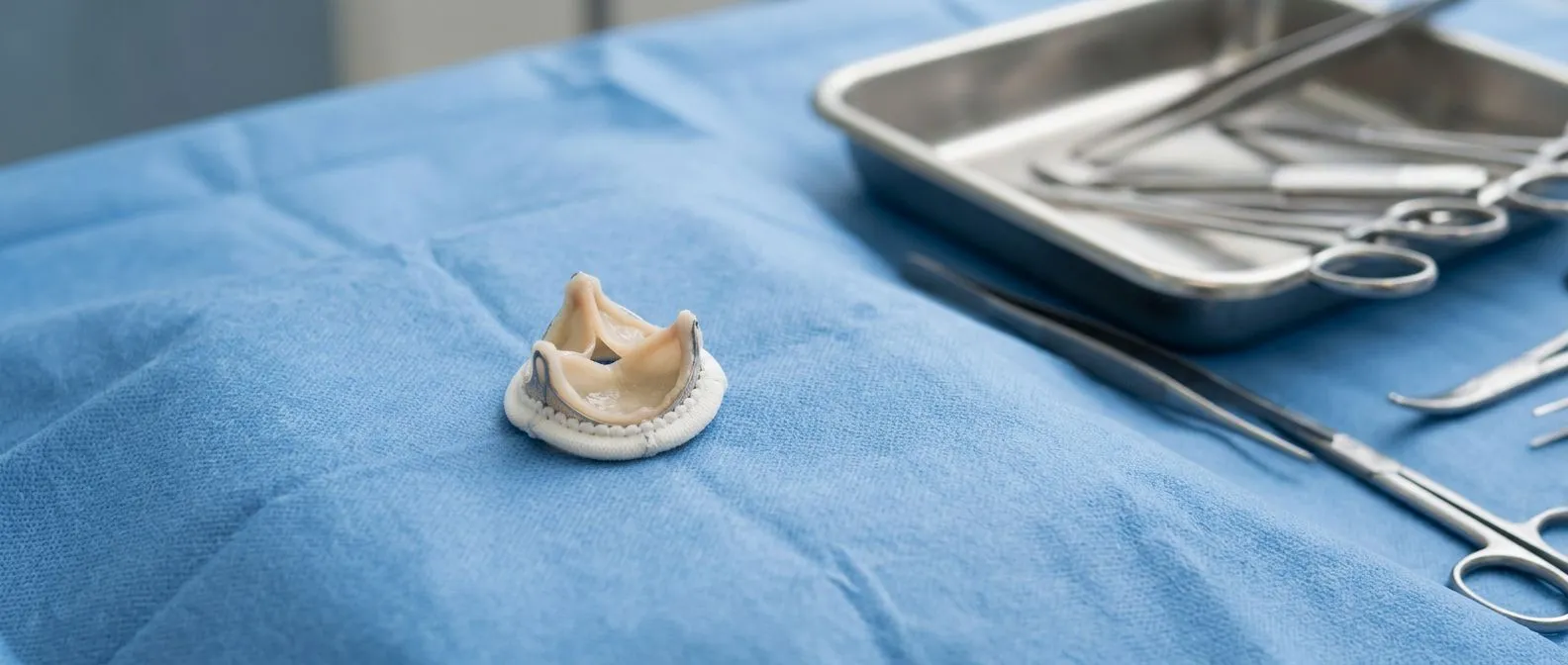
A replaced valve is a life-saving device, but it is not invincible. Over the years, tissue valves can stiffen, calcify, or tear — a process doctors call Structural Valve Deterioration. When that happens, blood no longer flows through the heart the way it should.
What does degeneration actually look like? The valve may open less fully than before, which restricts flow (a problem called stenosis), or it may stop closing completely, allowing blood to leak backward (regurgitation). Both patterns reduce the heart's pumping efficiency and slowly bring back symptoms you may have had before surgery.
Why timing matters. Deterioration usually develops gradually over months or years, not overnight. That gives you and your care team a real window to monitor the valve, confirm what is happening with an echocardiogram (an ultrasound of the heart), and plan the next step calmly rather than reactively.
How Many Valves Are in the Human Heart?
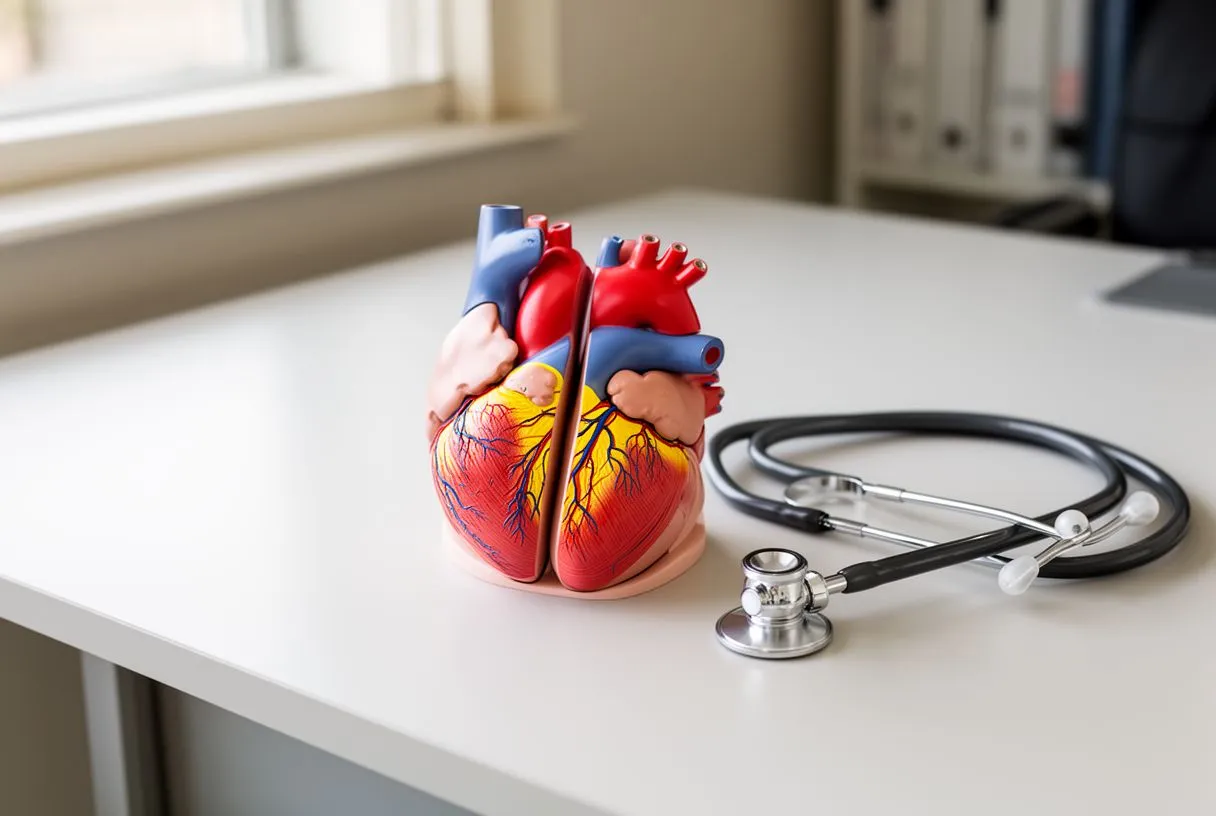
The human heart has four valves. Each one is a one-way gate that keeps blood moving in the correct direction through the four chambers. Understanding which valve you have helps everything else make sense.
- Aortic valve: sits between the left pumping chamber and the body's main artery. It is the valve most often replaced, in surgery or through a catheter.
- Mitral valve: between the two left chambers; each Valve Cusp — the thin leaflet that swings open and shut — must move precisely for it to work.
- Tricuspid valve: on the right side of the heart; degeneration here is less common and often managed differently.
- Pulmonary valve: between the right chamber and the lung arteries; sometimes rebuilt with donor tissue, especially in younger patients.
Each valve opens and closes roughly 100,000 times a day. Multiply that by years, and it is easy to see why even well-made prosthetic valves eventually show wear. Knowing your own valve — its type, its position, and when it was placed — is the foundation for monitoring it well.
Types of Heart Valve Replacements
Not all replacement valves age the same way, and the differences explain why valve degeneration signs appear on different timelines for different patients. Broadly, there are two families of replacement valves: mechanical and biological.
Mechanical valves. These are made from durable manufactured materials and are designed to last for decades. Bileaflet mechanical valve designs have long track records. Their main trade-off: you take blood-thinning medication for life to prevent clots from forming on the device. They can leak or malfunction, but true wear-out is rare compared with tissue valves.
Biological (tissue) valves. These are built from animal or donor human tissue — a Porcine Valve from a pig, or bovine tissue from a cow. They come in different constructions: a Stented Valve (tissue mounted on a supporting frame), a Stentless Valve (no frame, relying on the patient's own root), an Intra-annular Valve (seated within the natural ring), and a Supra-annular Valve (seated above the ring for a larger opening). Some modern designs, such as the Lotus Valve system or a Self-expanding Valve, are delivered through a catheter rather than open surgery. Engineering even plays a role here: research into handmade trileaflet designs for pulmonary conduit reconstruction, validated with computational methods, shows how much work goes into making tissue valves that behave like natural ones (see this study on handmade trileaflet valve design and validation for pulmonary valved conduit reconstruction).
Which is right for whom? Mechanical valves tend to suit younger patients who can commit to anticoagulation. Tissue valves avoid lifelong blood thinners but carry a real chance of eventual deterioration. In some situations, a Valve-sparing Root Replacement can preserve your own tissue entirely. The honest answer is that the choice depends on your age, lifestyle, and other medical factors — which is exactly why it should be discussed with a team that sees all the options.
How Long Does a Replacement Valve Last?
Do heart valves deteriorate with age? Your natural valves can — and so can replacement ones, though at different speeds. Mechanical valves routinely last a lifetime in many patients. Biological valves are the ones with a clock.
Realistic timelines for tissue valves. Most surgical bioprosthetic valves serve patients well for many years before showing bioprosthetic valve wear signs such as calcification or leaflet tearing. Younger recipients generally wear tissue valves out faster, because their immune systems and metabolism are more active. This is a well-recognized pattern in the literature on bioprosthetic valve deterioration, where factors like age at implantation and valve position shape how quickly degeneration appears.
What shortens a valve's life? A few things matter more than others: younger age at implantation, chronic kidney disease, uncontrolled calcium metabolism, and — critically — infection. A valve that survives those years intact can still fail eventually, which is why lifelong follow-up matters even when you feel completely well.
What "heart valve lifespan signs" look like in practice. There is no alarm bell. Deterioration announces itself indirectly: a new murmur on a routine check, an echocardiogram showing the valve opening less than before, or returning breathlessness. That is why yearly or twice-yearly echo surveillance is standard after valve surgery — it catches changes before symptoms do.
Valve Degeneration Symptoms to Watch For
Heart valve leakage symptoms and stenosis symptoms overlap, and both can creep back gradually. Here is what returning valve trouble typically feels like.
Fatigue. Fatigue after valve surgery is common in the first weeks of recovery. But fatigue that returns months or years later — a tiredness out of proportion to your activity — can be a cause of failing flow through a worn valve. The heart compensates for a long time before symptoms surface, so new tiredness deserves a check, not a shrug.
Shortness of breath and fluid retention. Breathlessness on stairs that used to be easy, needing extra pillows at night, or swollen ankles can point to rising pressures in the heart as a worn valve struggles. These are classic signs of heart valve failure getting worse, and they are also symptoms of many other conditions — which is precisely why an echocardiogram, not guesswork, should settle it.
Chest discomfort, dizziness, or fainting. A severely narrowed valve can limit blood flow to the brain and body. Lightheadedness on standing, chest pressure during exertion, or a fainting spell are symptoms that should be evaluated promptly — the same urgency you would give to any new cardiac symptom after surgery.
Heart Murmur After Valve Replacement: What It Means
Many patients are alarmed to hear their surgeon or cardiologist still detect a murmur after a successful replacement. Usually this is normal.
Expected murmurs. Mechanical valves and many tissue valves make blood flow slightly differently than a natural valve, and that flow creates a soft sound doctors expect to hear. In this context, a murmur is a feature of the valve, not a fault in it.
When a murmur changes. The concern is a murmur that is new, louder, or different in character from previous visits. That change can signal valve stenosis after replacement — the valve opening less freely — or valve regurgitation symptoms from a valve that no longer seals. Comparing this year's echo with last year's is how these differences are caught early.
How to tell if a replaced valve is failing. The combination that raises concern is symptoms plus objective change: you feel more limited, and the echo shows the valve working worse than before. Neither alone settles it. This is exactly the kind of assessment a multidisciplinary team reviews against international guidelines before recommending anything, and it is the review we perform for every case at our practice — the patient receives a clear proposal with the alternatives, and the final decision is always theirs.
Prosthetic Valve Endocarditis Signs You Cannot Ignore
Valve deterioration and infection are different problems, but infection can damage a replacement valve quickly. Prosthetic Valve Endocarditis — infection of an artificial valve — is uncommon but serious, and knowing its warning signs protects your valve.
Fever that does not quit. A temperature lasting more than a few days, especially with night sweats or chills, in someone with a replacement valve should always prompt an urgent evaluation. Infection can seed onto prosthetic material and, unlike a worn valve, it can progress in weeks.
Other clues. Unexplained weight loss, new small spots on the skin, or an echo showing new growths or leakage around the valve all point toward infection. Dental work and other procedures can occasionally introduce bacteria into the bloodstream, which is why patients with prosthetic valves are often advised about antibiotic precautions and diligent dental care.
Why this matters for degeneration. An infection that scars or destroys valve tissue can accelerate wear dramatically. Prompt treatment protects the valve you have. In severe cases where a valve fails acutely, patients may be supported with ECMO — a machine that temporarily takes over heart and lung function — while a surgical team plans the repair. If you have had valve surgery and develop a persistent fever, call your cardiac team the same day rather than waiting it out.
TAVR Valve Wear Signs and Transcatheter Valve Degeneration
Transcatheter Aortic Valve Implantation — known in North America as TAVR, Transcatheter Aortic Valve Replacement — has transformed care for many patients by replacing the aortic valve through a catheter, usually from the groin, without opening the chest. These valves are biological, so the same question of long-term wear applies.
What we know so far. TAVR has been in widespread use for a shorter time than surgical valves, so long-term data is still accumulating. Reported rates of structural deterioration have been reassuring in the first years for most patients, and the standardized definitions used in the research literature now track transcatheter valve degeneration carefully so patterns can be detected early. Patients with TAVR valves get the same echocardiographic surveillance as surgical patients — no more, no less.
The advantage of newer designs. Modern self-expanding and balloon-expandable valves use anti-calcification treatments on their tissue, which appear to slow the calcification that ages earlier-generation valves. That does not make them immortal; it means the timeline for tissue valves placed today is expected to be longer than the one we learned from a decade ago.
Where the evidence matters. At our practice, led by Dr Alejandro Molina, every candidate is reviewed by the multidisciplinary team against international practice guidelines before a recommendation is made — and the less invasive route is recommended only where the evidence supports it for that specific patient. Dr Molina trained in structural cardiology and TAVR at CHU Bordeaux, and our team has also trained at Jena, Bad Berka and Buffalo, so this is a decision we make with current evidence rather than habit.
When to Replace a Heart Valve Again
So the echo shows your valve is wearing out. What happens next is less daunting than most patients fear.
Timing the redo. A failing valve is not automatically an emergency. Deterioration is usually tracked with serial echocardiograms, and the valve is replaced when the measurements and your symptoms cross the thresholds that guidelines define — not before, and not after. Surgical valve replacement failure is a known scenario with well-established solutions.
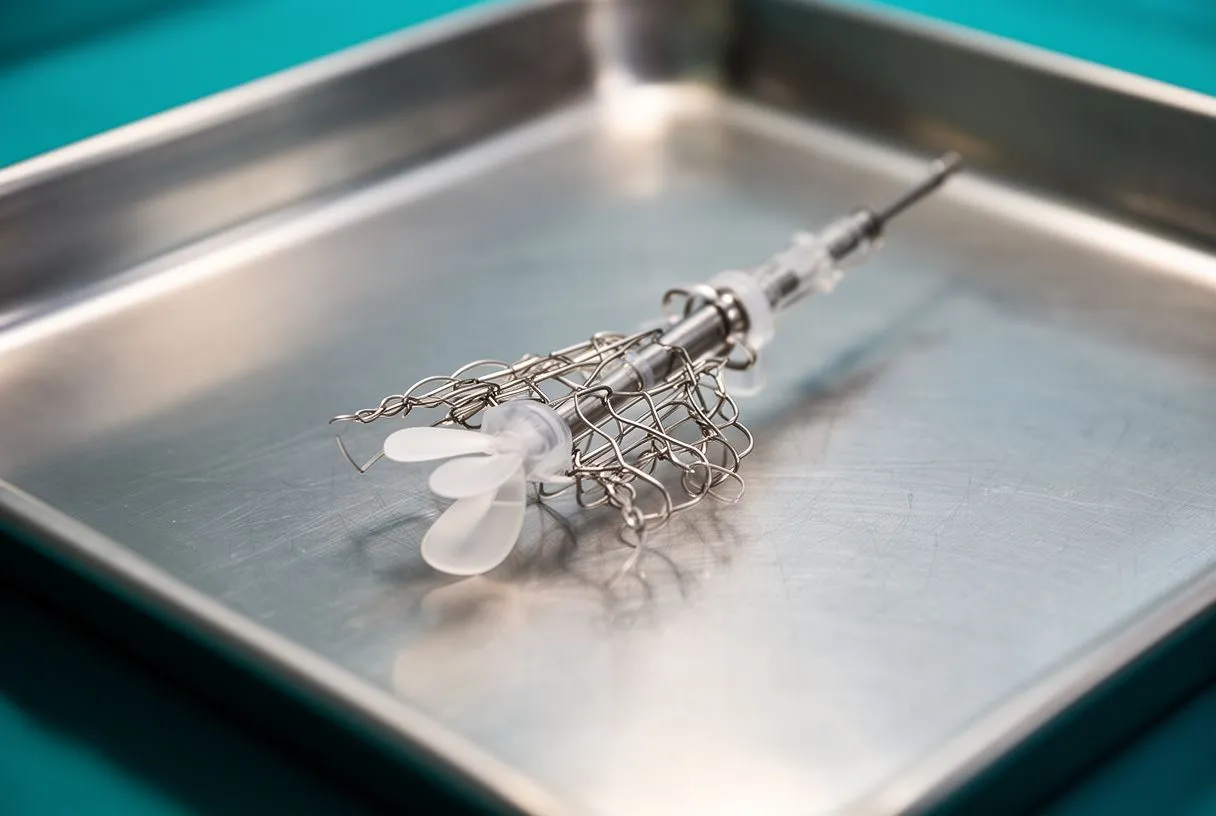
The options for a second procedure. A redo open-heart operation is one path, and experienced teams perform these routinely. But for many patients with a worn tissue valve in the aortic position, there is now a less invasive option: a Valve-in-valve procedure, where a new transcatheter valve is placed inside the old one through a catheter, avoiding a repeat sternotomy. Whether that works depends on the specific valve you have, its size, and how it has failed — another reason the original valve model matters and your records should follow you.
What to expect from recovery. A redo surgical replacement generally involves a similar hospital stay to your first operation, sometimes longer. A Valve-in-valve procedure typically means a shorter stay and faster return to normal activity. In our consultations, we take the time to explain what the studies actually show — in plain words — and to answer every question before any decision. We also encourage a second opinion; seeking one is a normal, sensible part of deciding about heart surgery, not a slight to your first team.
How to Keep Heart Valves Healthy
Whether your valve is natural or prosthetic, the habits that protect your heart also slow the processes that damage valves.
- Keep every follow-up appointment: scheduled echocardiograms catch deterioration before symptoms do — silent change is the rule, not the exception.
- Protect against infection: excellent dental hygiene and prompt treatment of any infection reduce the risk that bacteria reach your valve.
- Take medications exactly as prescribed: blood thinners for mechanical valves, and blood pressure and cholesterol control for everyone, directly affect how long a valve stays healthy.
- Protect your blood vessels: not smoking, staying active, and managing weight reduce the inflammation and calcification processes that age both natural and tissue valves.
The CDC identifies heart valve disease as a significant public health concern in the United States, affecting a substantial share of older adults, and emphasizes that risk factors such as high blood pressure, diabetes, and smoking worsen outcomes. Those are the same factors you can act on today. There is no supplement or diet that restores a degenerated valve — but there is plenty that keeps the rest of your heart strong while your team monitors the valve.
The takeaway on valve degeneration signs. A replaced valve is monitored, not forgotten. New or returning fatigue, breathlessness, a changed murmur, or a persistent fever are the signals that say "get checked now." Everything else moves at the pace of your scheduled echocardiograms. If you have noticed any of these changes — or simply want clarity about your own valve and its future — the most valuable next step is a conversation with a qualified cardiac team rather than self-diagnosis. Our team, with consulting rooms in Guadalajara, Querétaro and Hermosillo, starts with a free video consultation to understand your situation and order only the studies you actually need. Your heart, and the valve inside it, deserve that kind of attention — and so do you.






