Vascular Closure Devices After Catheter Procedures
Vascular closure device recovery timelines, groin site care, and activity limits after heart catheterization.
When you undergo a heart catheterization, your cardiology team needs a safe way to access your blood vessels and then close the entry point once the procedure is finished. The management of this entry point is a critical part of your overall cardiac catheterization aftercare. Understanding vascular closure helps demystify the recovery process, allowing you to return home with confidence and a clear plan for healing. At Cirugía de Corazón, we prioritize patient education so that families know exactly what to expect after an angiogram or intervention.
What Is a Vascular Closure Device?
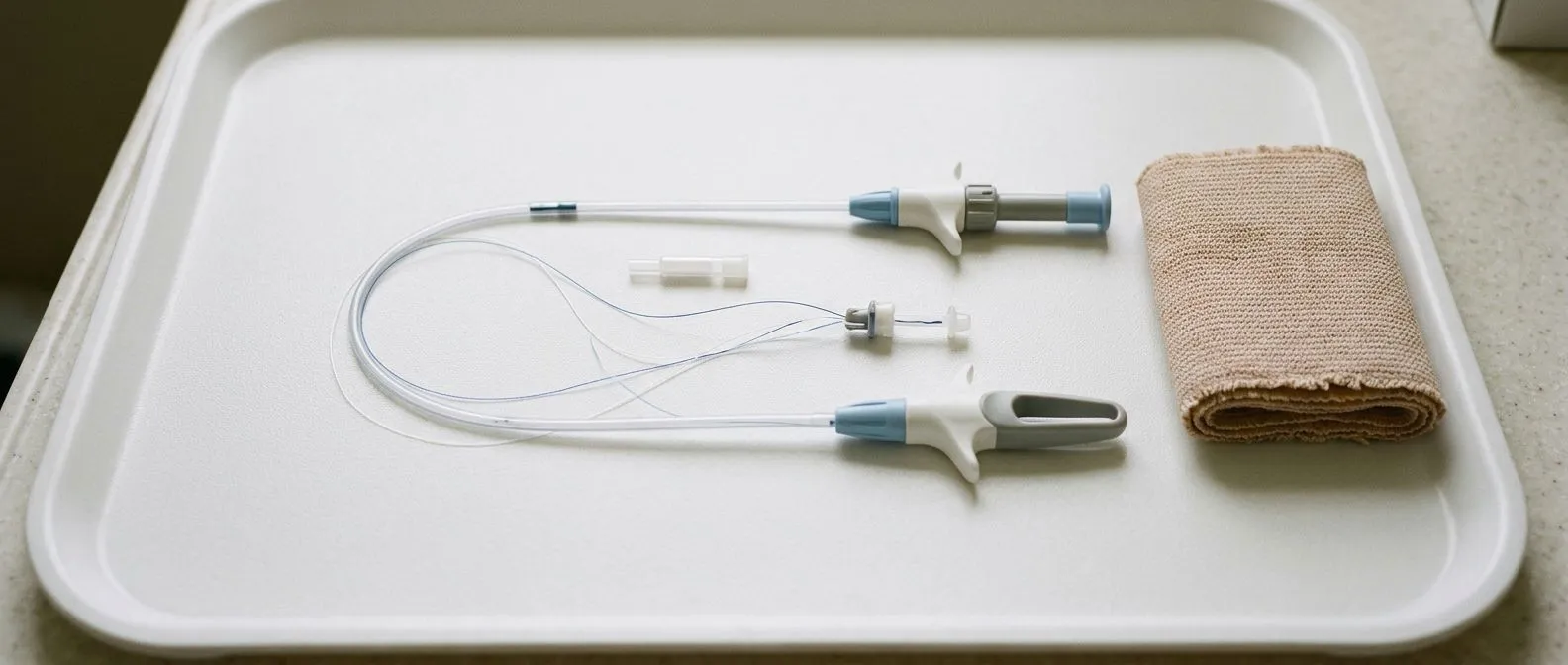
A vascular closure device is a specialized medical tool used to seal the puncture in your artery after a catheter-based procedure. Instead of relying solely on manual pressure or a sandbag to stop the bleeding, your cardiologist may deploy a tiny plug, suture, or clip directly into the puncture site. This immediate mechanical seal accelerates hemostasis—the process of stopping blood flow from a damaged vessel. It is a cornerstone of modern recovery from femoral access, significantly reducing the time you must lie flat on your back.
Mechanism of action: The device works by creating a physical barrier at the arterial wall. When a sheath is removed from the femoral artery in the groin, blood pressure can force blood to leak into surrounding tissues. The closure device anchors into the tissue tract or the arterial puncture itself, effectively tamponading the bleeding. This is vastly different from an arterial line, which is a small catheter placed usually in the wrist for continuous blood pressure monitoring and requires simple pressure upon removal.
The use of these devices has transformed how we approach same day discharge heart procedures. By securing the vessel quickly, we minimize the risk of large hematomas. For a comprehensive overview of how these tools fit into broader cardiac care, you can review information from Hopkinsmedicine.org. Your specific anatomy and the size of the catheter used will determine if a closure device is the lowest risk option for your situation.
How Does Vascular Closure Work After Cardiac Procedures?
During a cardiac catheterization, a thin tube is inserted into an artery, usually in the groin or wrist, and guided to your heart. Once the diagnostic imaging or intervention is complete, the catheter and sheath are withdrawn. The vascular closure device is then positioned at the puncture site to immediately take over the job of stopping the bleeding. This immediate action is what dictates your initial angiogram recovery time.
Types of closure technologies: There are several varieties of devices, including collagen plugs that expand when they contact blood, suture-mediated closures that tie the artery shut from the outside, and nitinol clips that bring the edges of the arterial puncture together. Each method aims to restore the integrity of the artery wall without restricting blood flow to the leg. The choice depends on the caliber of the sheath used and whether you received blood thinners during the procedure.
By sealing the tract efficiently, the device limits internal bleeding. This immediate sealing is particularly beneficial if you have high blood pressure or if you required a larger sheath for structural interventions. The faster the vessel is sealed, the sooner you can sit up and begin your mobilization, which directly lowers the risk of blood clots forming in the veins of your legs due to prolonged immobilization.
What to Expect During Vascular Closure Device Recovery
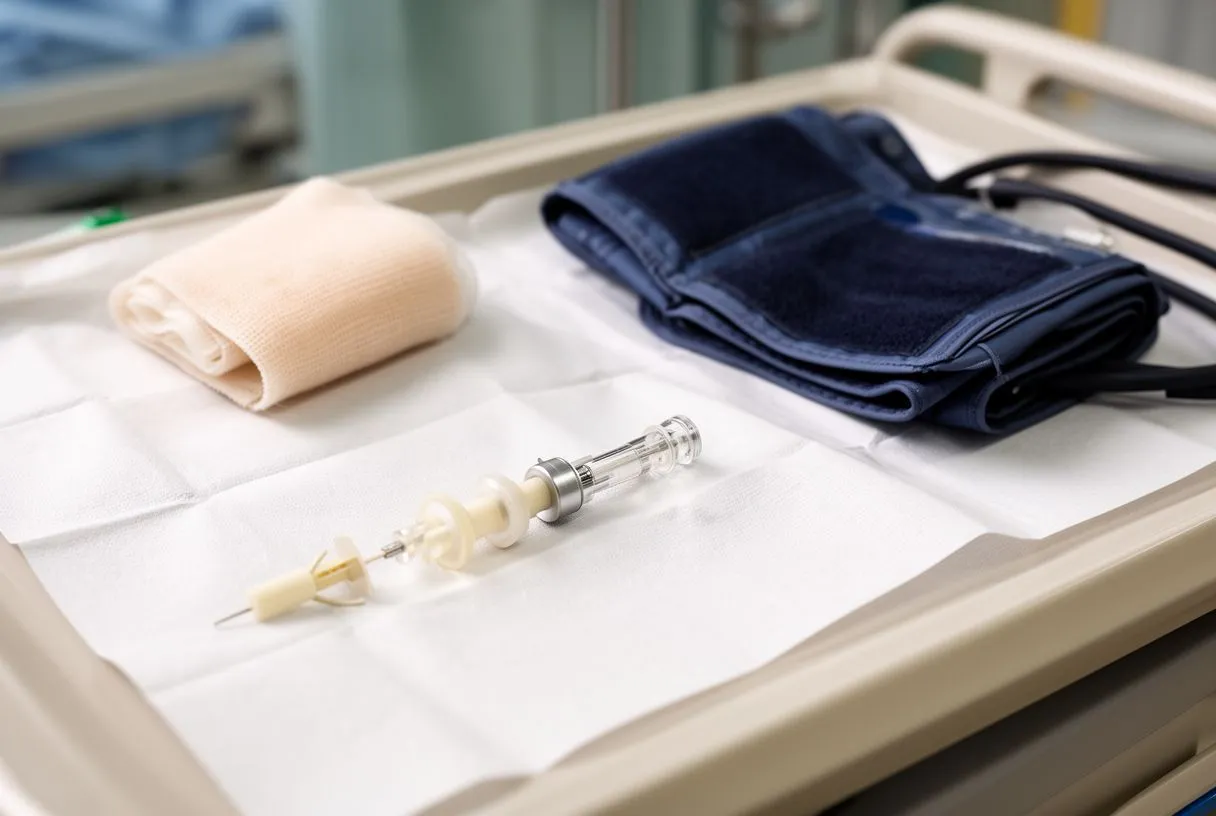
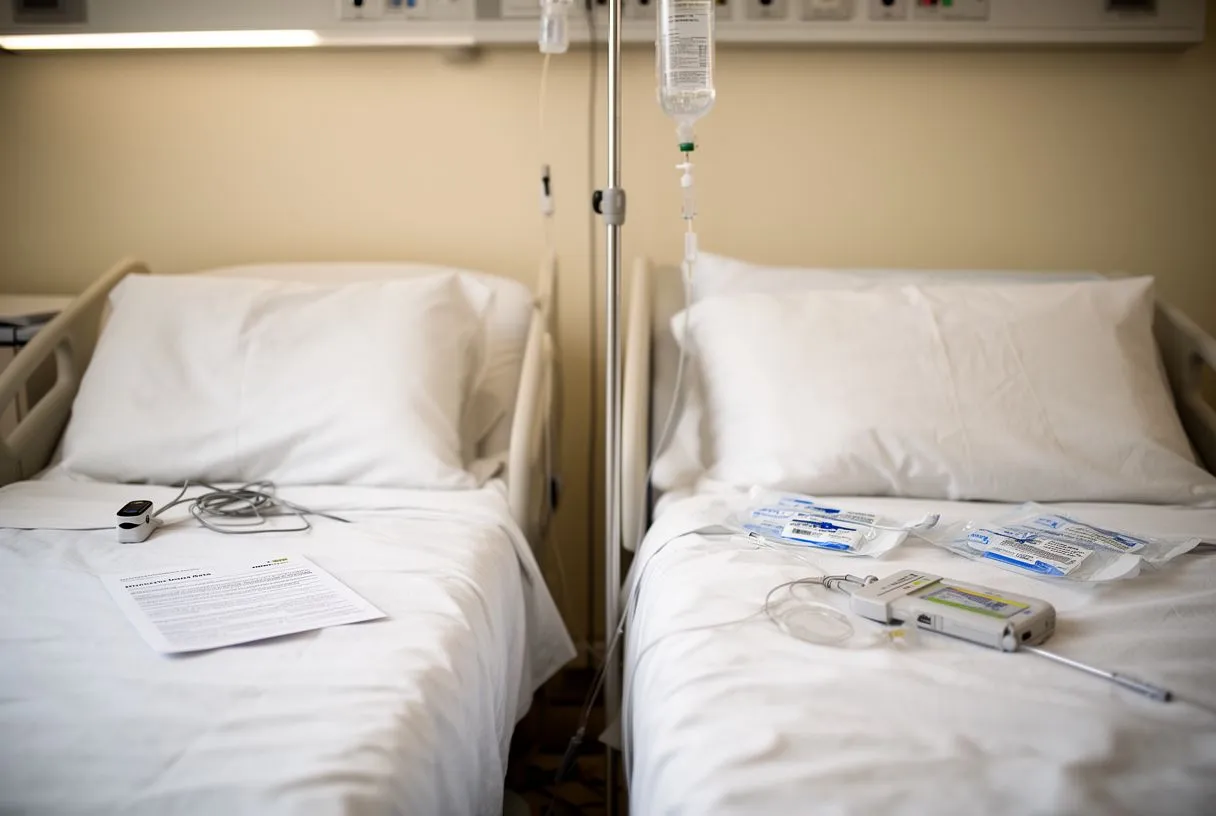
After the device is deployed, you will remain in the recovery area for observation. Your vascular closure device recovery begins immediately, but the initial hours are crucial for ensuring the seal holds. You will likely be asked to keep your leg straight for a short period, though this is significantly shorter than the hours required with manual compression. The nursing staff will check the pulse in your feet and monitor the insertion site for any swelling.
While severe complications are rare, any procedure breaching the skin carries a small risk of infection. Knowing that your medical team is prepared for rare events can provide peace of mind. For example, severe infections in the bloodstream or heart valves, though managed differently, are well-documented in literature, such as the Successful treatment of challenging case of infective endocarditis. The focus during your immediate recovery is watching for minor bleeding and ensuring the distal pulses remain strong.
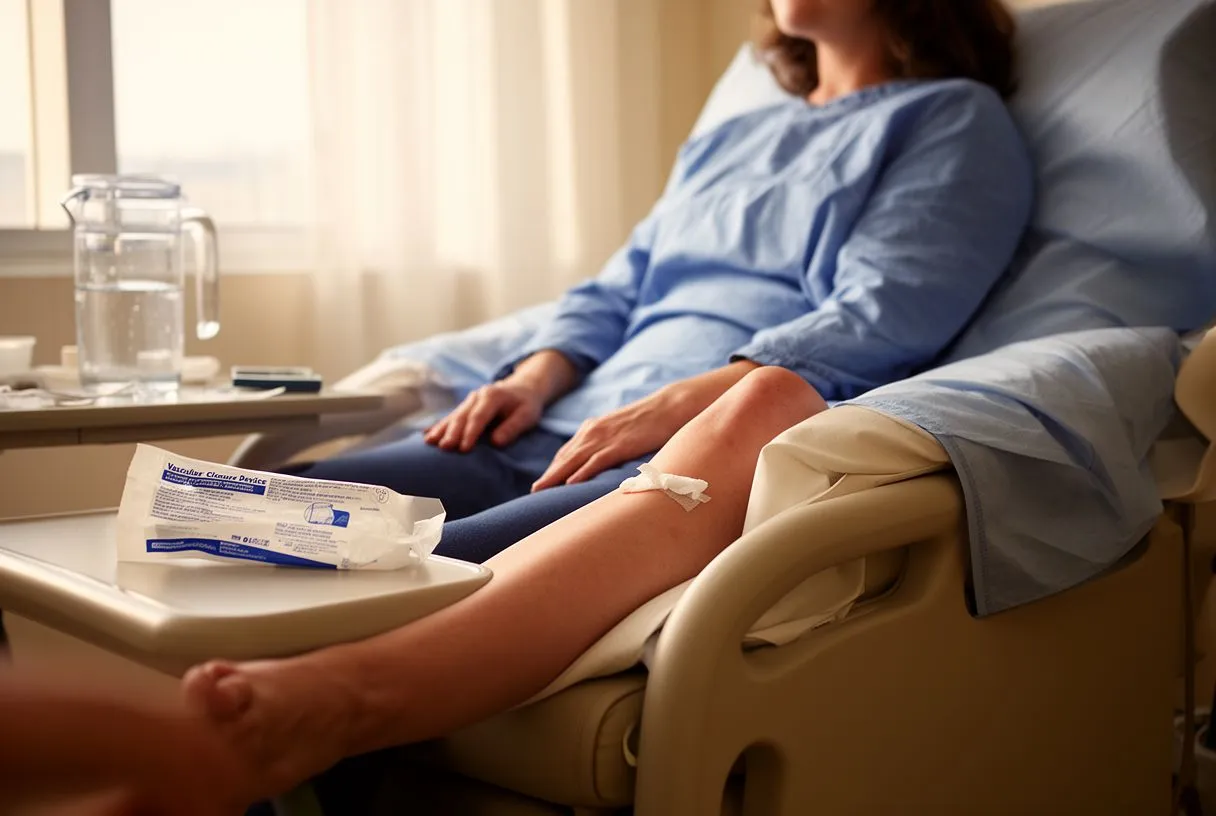
Initial sensations: It is normal to feel a small lump under the skin at the puncture site; this is often the closure device itself or a small, harmless bruise. You might feel a mild aching sensation as the local anesthetic wears off. However, sharp pain, sudden swelling, or a feeling of warmth spreading down your thigh are not normal and require immediate nursing evaluation. Understanding these parameters clarifies how long to heal after a heart cath.
Catheter Insertion Site Care at Home
Once you are discharged, proper catheter insertion site care is vital to ensure the arterial puncture heals completely. You will be given specific instructions, which generally include keeping the site clean and dry for the first 24 to 48 hours. You can usually shower after the initial dressing is removed, but you should avoid submerging the area in a bath or pool until the skin has fully closed.
Inspecting the site daily is an important part of your routine. You want to look for signs of infection or delayed bleeding. By knowing what is normal, you can quickly identify what is not. Here is a quick guide to what you should and should not do during the first few days:
- Keep it clean: Gently wash the area with mild soap and water, patting it dry. Do not apply lotions or powders near the insertion site.
- Walk gently: Light walking is encouraged to promote circulation, but avoid strenuous activity or heavy lifting for at least a week.
- Avoid pressure: Do not sleep on your stomach or apply heavy pressure to the groin area while the device heals.
Managing minor bruising: A bruise around the groin area is common and may spread downward over a few days due to gravity. This discoloration is usually harmless and will change from purple to green to yellow before fading. However, if the bruise continues to expand rapidly or becomes hot to the touch, you should contact your cardiac team immediately.
Signs of Groin Closure Device Complications
While vascular closure devices are highly effective, being aware of potential groin closure device complications helps you act quickly if something goes wrong. The most common issue is a minor hematoma, which is a collection of blood outside the artery that forms a firm lump. Small hematomas are often managed with observation and modified bed rest.
Recognizing pseudoaneurysms: A more significant complication is a pseudoaneurysm. This occurs when the arterial wall fails to seal completely, allowing blood to flow into the surrounding tissue and creating a pulsating sac. You might feel a throbbing sensation in your groin or hear a swooshing sound if a stethoscope is used during auscultation. If suspected, your doctor will order an ultrasound to confirm the diagnosis.
Certain underlying conditions can complicate recovery. For instance, patients with connective tissue disorders may have fragile vessels that behave differently during healing. An interesting look at complex cardiovascular anatomy can be seen in the case study titled Eyes wide shut - unusual two stage repair of pectus excavatum and annuloaortic ectasia in a 37 year old marfan patient: case report, which highlights how structural tissue differences impact surgical and procedural planning. Always inform your physician if you have a history of vascular fragility.
Angiogram Recovery Time vs Angioplasty Recovery
Your recovery timeline depends heavily on the specific procedure performed. A purely diagnostic angiogram, which only takes pictures of the heart arteries, typically requires a smaller catheter. Consequently, the angiogram recovery time is usually shorter, and patients with a vascular closure device can often go home in just a few hours. The arterial puncture is smaller, putting less stress on the closure mechanism.
Conversely, an intervention such as balloon angioplasty—where a tiny balloon is inflated to open a blocked artery and a stent is placed—requires a larger sheath and often more aggressive blood thinning. The angioplasty recovery tips your doctor gives you will reflect this higher complexity. You may need to stay on Aspirin and other antiplatelet medications to prevent clots from forming inside the new stent, which can slightly prolong the healing dynamics at the insertion site.
Impact of blood thinners: Because stents require potent blood thinners to remain open, the risk of oozing from the femoral artery closure site is slightly higher. The closure device must work harder to keep the puncture sealed against thinned blood. Your care team will balance your medication schedule with your physical recovery, ensuring the site is stable before you leave the facility.
Activity Limits After Femoral Artery Closure
Resuming normal activities must be done gradually to protect the closure site. The femoral artery is a high-pressure vessel, and sudden spikes in abdominal or groin pressure can compromise the seal. For the first five to seven days, you should avoid lifting anything heavier than ten pounds. This includes groceries, pets, and small children.
Avoiding strain: Straining during bowel movements can drastically increase arterial pressure. To prevent this, maintain adequate hydration and consume a high-fiber diet. If you develop a cough, let your doctor know, as the mechanical force of coughing can also stress the arterial plug. Following these guidelines minimizes the risk of delayed bleeding.
Exercise should be restricted to gentle walking for the first week. Walking promotes healthy blood flow and prevents deep vein thrombosis, but vigorous workouts, cycling, or running must wait. Your cardiologist will clear you for more strenuous exercise at your follow-up appointment. If your procedure was done via the wrist (radial access) and you are experiencing Arm Pain, the lifting restrictions apply to that arm instead of your leg, though femoral access is the primary scenario for these specific closure devices.
Same Day Discharge After Heart Catheterization
The advent of reliable closure technology has made same day discharge heart procedures a reality for many patients. If your angiogram or intervention is uncomplicated and your closure device demonstrates a perfect seal, you can often return to the comfort of your own home the same day. This is highly beneficial for your psychological well-being and reduces hospital-associated risks.
Before you are discharged, the nursing staff will ensure you meet specific safety criteria. This includes stable vital signs, intact pulses in your feet, and the ability to walk to the restroom without bleeding from the site. Here is what they look for before clearing you to leave:
- Stable vital signs: Blood pressure and heart rate must be within a safe, expected range without signs of internal blood loss.
- Strong distal pulses: The pulse in the foot on the affected side must be strong and consistent, proving the artery remains open.
- Mobility intact: You must be able to stand, walk, and void without feeling dizzy or experiencing pain at the insertion site.
Once discharged, it is crucial to have a family member or friend stay with you for the first 24 hours. While complications are rare, having someone available to monitor you or call for help if you feel unwell is a standard safety measure.
Long-Term Healing After Percutaneous Closure
In the weeks following your procedure, the vascular closure device plays a transitional role in your healing. Percutaneous closure recovery involves the body's natural inflammatory and healing responses. Over a few weeks, the material of the plug—often collagen—becomes incorporated into your own tissue. The body gradually breaks down and absorbs the device, replacing it with a scar that permanently seals the arterial puncture.
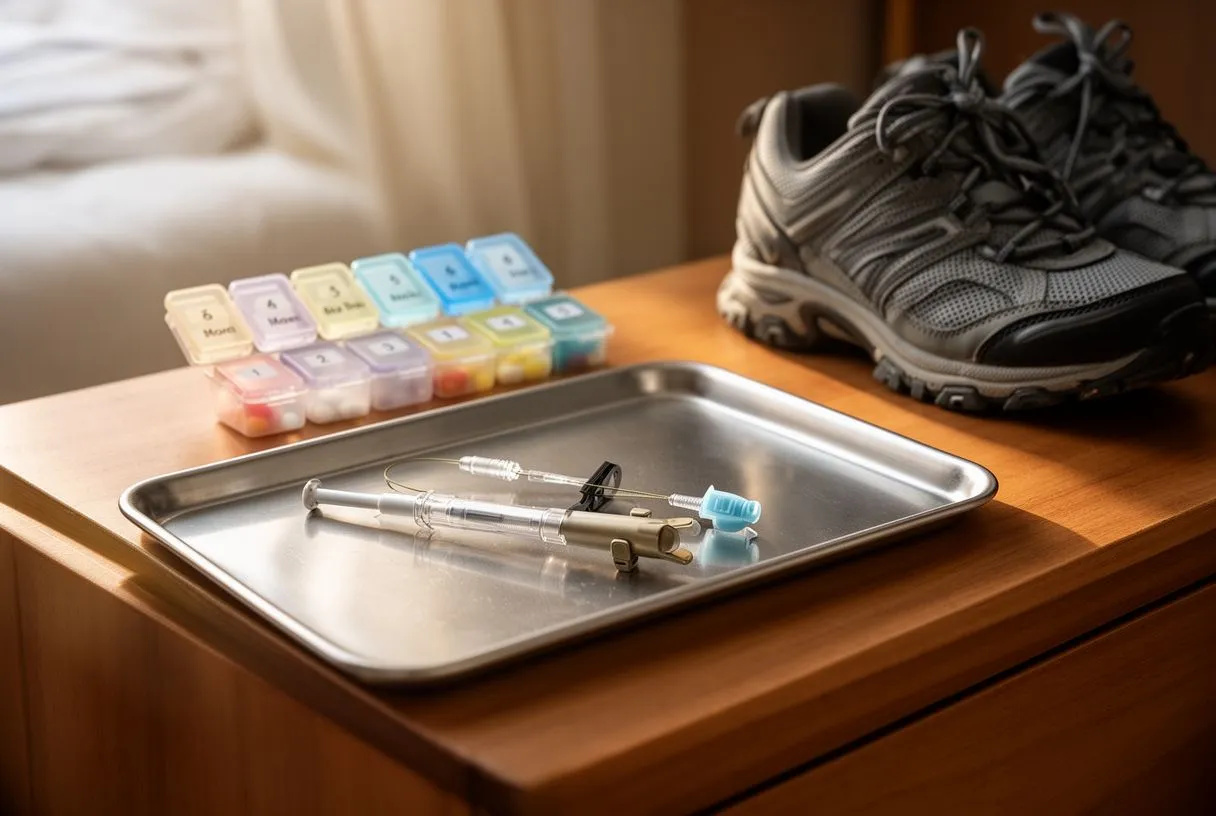
Residual sensations: You may notice a small knot or firmness under the skin for a month or more. This is normal scar tissue formation and should not cause alarm unless it is painful or growing. The skin over the puncture site will fade from a bright red to a pale color. If you ever need another heart catheterization in the future, your cardiologist will assess this site via ultrasound to ensure it is safe to puncture again.
Long-term, a successfully healed puncture site poses no restrictions on your lifestyle. Whether you were treated for a blocked artery or evaluated for a widened ascending aorta, the entry point will eventually become just a tiny scar. Your long-term outlook is dictated by your underlying heart condition and your adherence to prescribed medications, not by the closure device itself.
When to Seek Help After a Heart Cath
Knowing when to seek help after a heart cath is an essential part of your discharge education. While most vascular closure device recovery progresses smoothly, certain red flags require immediate medical attention. If you notice bright red blood actively pumping or pooling from the insertion site, apply firm pressure just above the puncture and call emergency services immediately.
Watch for expanding hematomas: A lump that continues to grow in size, feels hot, or causes severe pain is a sign of ongoing bleeding. Similarly, if you experience sudden numbness, tingling, or a cold feeling in the leg or foot on the side of the procedure, it may indicate that blood flow to the limb is compromised. Do not wait to see if these symptoms resolve on their own.
If you develop a fever, chills, or notice pus draining from the puncture site, these are signs of infection and require prompt antibiotic management. At Cirugía de Corazón, we encourage our patients in Guadalajara, Querétaro, and Hermosillo to never hesitate to reach out. If you have questions about your cardiac health or are facing an upcoming intervention, we encourage you to discuss your specific situation with a qualified cardiac team. Book a consultation with Dr Alejandro Molina to understand the best path forward for your individual needs.