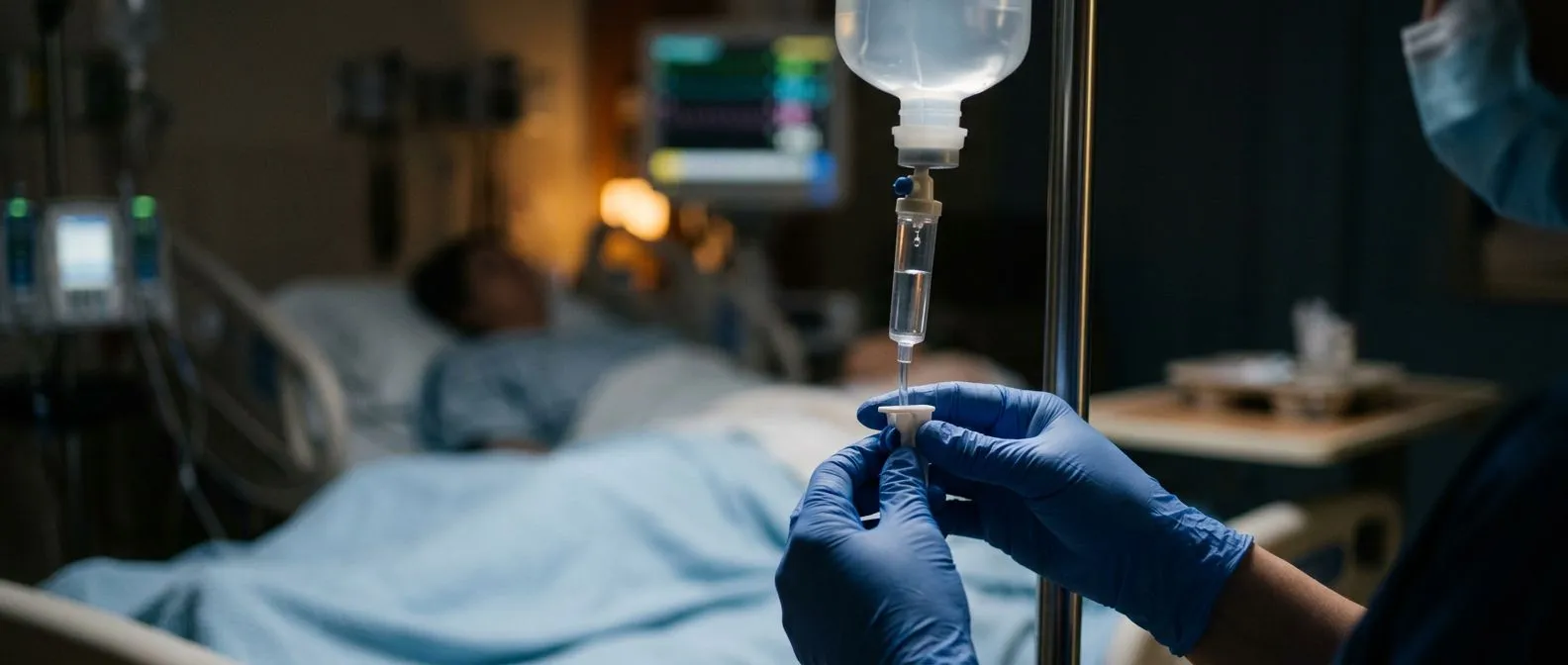
Vasopressors in Cardiac Intensive Care: Supporting Blood Pressure
Vasopressors cardiac intensive care teams use to stabilize blood pressure after heart surgery.
What Are Vasopressors in Cardiac Intensive Care?
When a loved one is admitted to a cardiac intensive care unit after surgery or a cardiac event, families often hear medical teams discuss medications called vasopressors. Vasopressors cardiac intensive care teams use are specialized medications designed to raise and stabilize blood pressure when the cardiovascular system cannot maintain adequate circulation on its own. These drugs work by constricting blood vessels, effectively tightening the plumbing of the circulatory system so that blood reaches vital organs at sufficient pressure. For patients recovering from procedures involving the Ascending Aorta or complex valve repairs, vasopressors can be the difference between organ preservation and catastrophic low-flow states.
In the cardiac ICU, blood pressure is not merely a number on a monitor. It reflects whether the brain, kidneys, liver, and heart muscle itself are receiving enough oxygen-rich blood. After major cardiac operations — such as coronary bypass using an Arterial Graft or valve replacement with a Balloon-expandable Valve — the body's vascular tone may be profoundly reduced due to anaesthesia, inflammatory response, and the effects of cardiopulmonary bypass. Vasopressors step in temporarily, acting as pharmacological scaffolding while the heart and vessels recover their native ability to maintain pressure. Understanding what these medications do helps families interpret bedside conversations and ask more informed questions during rounds.
It is important to distinguish vasopressors from inotropes, another class of ICU medications. Inotropes primarily increase the force of heart muscle contraction, while vasopressors primarily squeeze the blood vessels to increase resistance and pressure. Some medications, such as norepinephrine, do both. A patient might receive an inotrope like dobutamine to support a weak heart and a vasopressor like norepinephrine to support blood pressure simultaneously. The cardiac intensivist titrates each medication based on real-time measurements from an Arterial Line — a thin catheter placed in an artery that provides beat-to-beat pressure readings — allowing precise, second-by-second adjustments. This layered approach reflects the complexity of postoperative cardiac physiology and the need for individualized support.
How Do Vasopressors Work in the Cardiac ICU?
Vasopressors exert their effects by binding to specific receptors on the surface of blood vessel walls. The most relevant receptors in cardiac intensive care are alpha-1 adrenergic receptors, which when stimulated cause smooth muscle in the vessel walls to contract. This contraction narrows the vessel diameter — a process called vasoconstriction — and raises the pressure within the system. Think of a garden hose: when you partially block the opening, water shoots out with more force. The same principle applies inside the circulatory system, though the goal is not a stronger spray but ensuring that blood perfuses organs at a pressure high enough to overcome the resistance of tiny capillary beds.
Some vasopressors also act on beta-1 receptors in the heart, increasing heart rate and contractility. This dual action can be beneficial when a patient has both low vascular tone and weak cardiac output, a scenario common after prolonged cardiopulmonary bypass. However, the intensivist must balance these effects carefully. Excessive vasoconstriction can increase the workload on the left ventricle, potentially worsening heart function in a patient whose myocardium is already stunned from surgery. The choice of agent, dose, and combination is therefore highly individualized, drawing on continuous data from the Arterial Line and other monitoring tools.
Vasopressin, another commonly used vasopressor, works through a different mechanism entirely — the V1 receptor — making it useful when adrenergic receptors become less responsive, a phenomenon known as receptor downregulation. According to research published by Frontiers, combining vasopressin with catecholamine-based vasopressors may reduce the total dose of each drug needed, potentially lowering side-effect burden. This synergistic strategy is increasingly adopted in cardiac ICUs worldwide, particularly for patients with vasoplegic shock — a state of profound vascular unresponsiveness that can follow complex cardiac procedures. Understanding these mechanisms demystifies the seemingly endless drips hanging at the bedside and helps families grasp why multiple medications are sometimes necessary.
Which Vasopressor Drugs Are Used for Heart Surgery Recovery?
Norepinephrine — the workhorse of the cardiac ICU: Norepinephrine is the most commonly used vasopressor in cardiac intensive care settings worldwide. It provides potent alpha-1 stimulation for vasoconstriction with modest beta-1 effects, making it relatively predictable and well-tolerated. For patients recovering from surgery on the Ascending Aorta or those with an Arterial Graft in place, norepinephrine maintains perfusion pressure without excessively accelerating the heart rate. It is typically the first-line agent when blood pressure drops to dangerous levels after cardiac surgery, and it remains the backbone of hemodynamic support during the critical first 24 to 48 hours postoperatively.
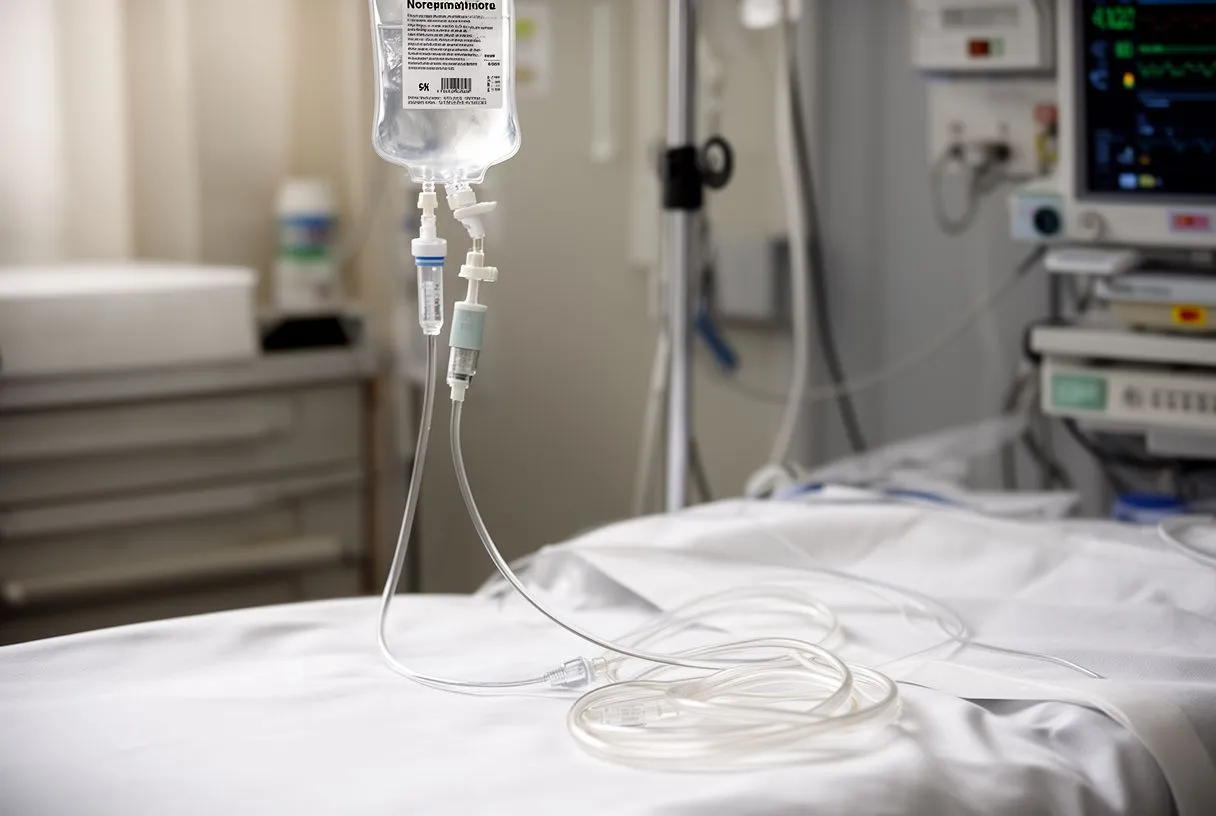
Vasopressin — for vasoplegic and refractory shock: When catecholamine receptors become desensitized — often after prolonged bypass or in patients on chronic beta-blockers like those managed with Aspirin after a prior cardiac event — vasopressin offers an alternative pathway. It does not rely on adrenergic receptors, making it especially valuable when high doses of norepinephrine are no longer producing adequate pressure. Vasopressin is frequently added as a second agent rather than replacing norepinephrine outright, and the combination often allows downward titration of both drugs, reducing the risk of excessive vasoconstriction.
Epinephrine and phenylephrine — situational adjuncts: Epinephrine provides strong beta and alpha stimulation and is sometimes used when both cardiac output and blood pressure need simultaneous support. However, it carries a higher risk of arrhythmias and increased myocardial oxygen demand, so cardiac intensivists reserve it for specific situations. Phenylephrine is a pure alpha agonist — it constricts vessels without stimulating the heart — and is occasionally used in patients with tachyarrhythmias such as Atrial Flutter where beta stimulation would be counterproductive. Each of these drugs has a defined role, and the choice depends on the patient's hemodynamic profile, comorbidities, and surgical context.
Why Are Vasopressors Needed After Cardiac Surgery?
Cardiac surgery triggers a massive inflammatory response. The body's immune system reacts to cardiopulmonary bypass, tissue manipulation, and the presence of foreign materials such as an Autograft or prosthetic valves by releasing cytokines and other mediators that dilate blood vessels systemically. This phenomenon, sometimes called vasoplegia, can cause profound hypotension that does not respond to fluid administration alone. In the immediate postoperative period, vasopressors cardiac intensive care teams administer serve as a bridge, maintaining organ perfusion while the inflammatory cascade resolves and vascular tone returns to baseline.
Beyond inflammation, several other factors contribute to postoperative hypotension. Anaesthetic agents used during surgery continue to exert vasodilatory effects as they clear from the body. Pre-operative medications, particularly angiotensin-converting enzyme inhibitors and beta-blockers that many cardiac patients take chronically, can linger and blunt the body's natural pressure-regulating mechanisms. Patients who have undergone reoperative surgery or those with pre-existing left ventricular dysfunction face an even higher likelihood of needing vasopressor support. The period immediately after separation from cardiopulmonary bypass is especially vulnerable, as the heart adjusts to taking over the full circulatory workload once again.
A particularly relevant study on postoperative outcomes, Analysis of postoperative morbidity and mortality following surgery for gastric cancer, highlights how surgeon volume and institutional experience correlate with complication rates — a principle that extends to cardiac surgery as well. Centres that routinely manage high-acuity cardiac patients develop institutional protocols for early vasopressor initiation, and these protocols are associated with shorter ICU stays and fewer pressure-related complications. For families choosing where to have surgery, understanding that postoperative blood pressure management is itself a determinant of outcome underscores the importance of selecting an experienced cardiac program.
Norepinephrine in Cardiac Intensive Care: First-Line Support
Norepinephrine has emerged as the consensus first-line vasopressor in most cardiac intensive care guidelines. Its pharmacological profile — strong alpha-1 with modest beta-1 activity — produces reliable vasoconstriction with minimal increase in heart rate, an important consideration for patients whose hearts are recovering from ischaemia or surgical manipulation. For a patient who has just undergone replacement of a Balloon-expandable Valve or repair of an Atheromatous Plaque in a coronary artery, norepinephrine provides the steady pressure support needed without the arrhythmic burden associated with pure beta agonists.
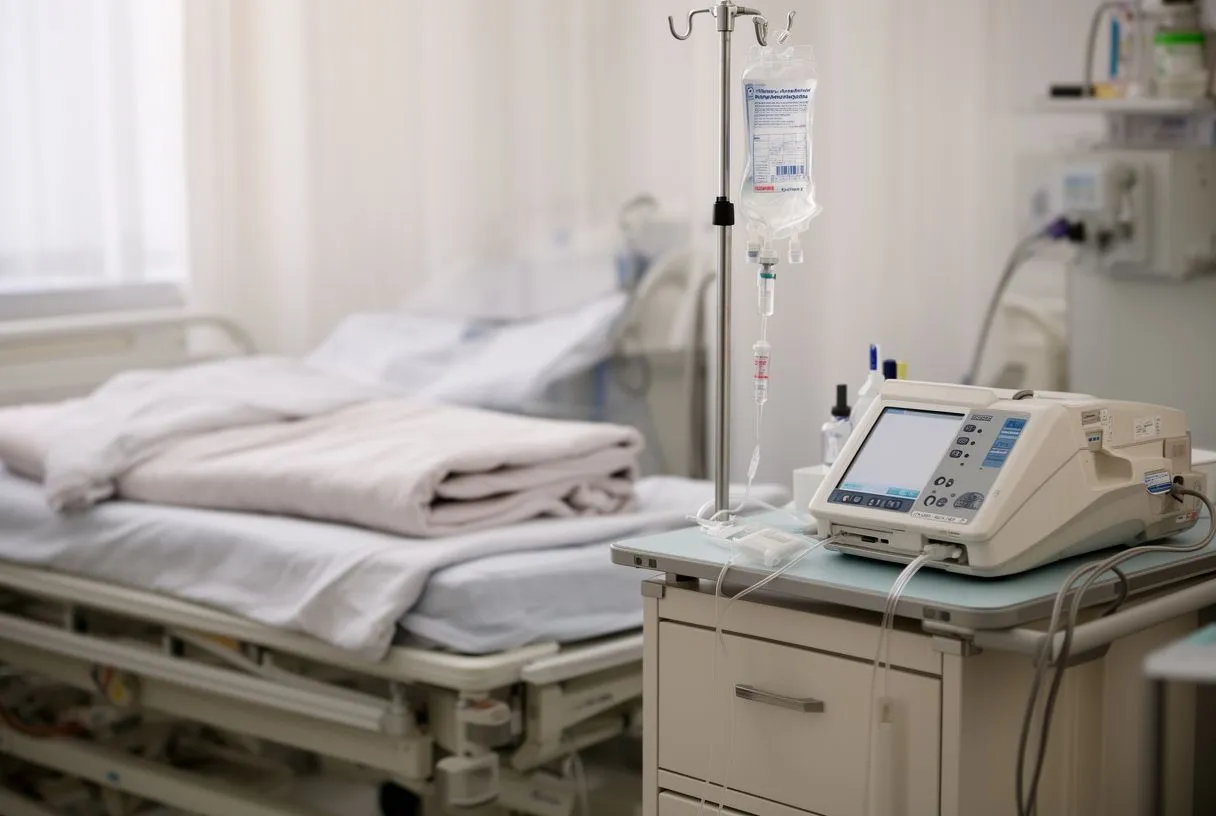
The dosing of norepinephrine is always weight-based and titrated to a target mean arterial pressure, typically 65 mmHg or higher, though individual targets may vary based on the patient's baseline and comorbidities. The drug is administered through a central venous catheter to avoid tissue injury from extravasation, and the infusion rate is adjusted continuously based on readings from the Arterial Line. Titrating norepinephrine is both an art and a science: too little leaves organs underperfused, too much increases afterload on a recovering ventricle and can compromise cardiac output. Experienced cardiac intensivists make these adjustments frequently, sometimes every few minutes, during the unstable early postoperative hours.
One of the advantages of norepinephrine is its relatively predictable pharmacokinetics. It has a short half-life of about two to three minutes, meaning that changes in dose take effect almost immediately and that the drug clears quickly once the infusion is reduced or stopped. This responsiveness allows for fine-grained control — the team can increase the rate when blood pressure dips and decrease it as the patient's own vascular tone recovers, all without long delays. For families watching the monitor, seeing the norepinephrine dose gradually decrease over hours or days is often one of the earliest tangible signs that their loved one's cardiovascular system is regaining independence.
Vasopressors and Hemodynamic Support: Monitoring Blood Pressure
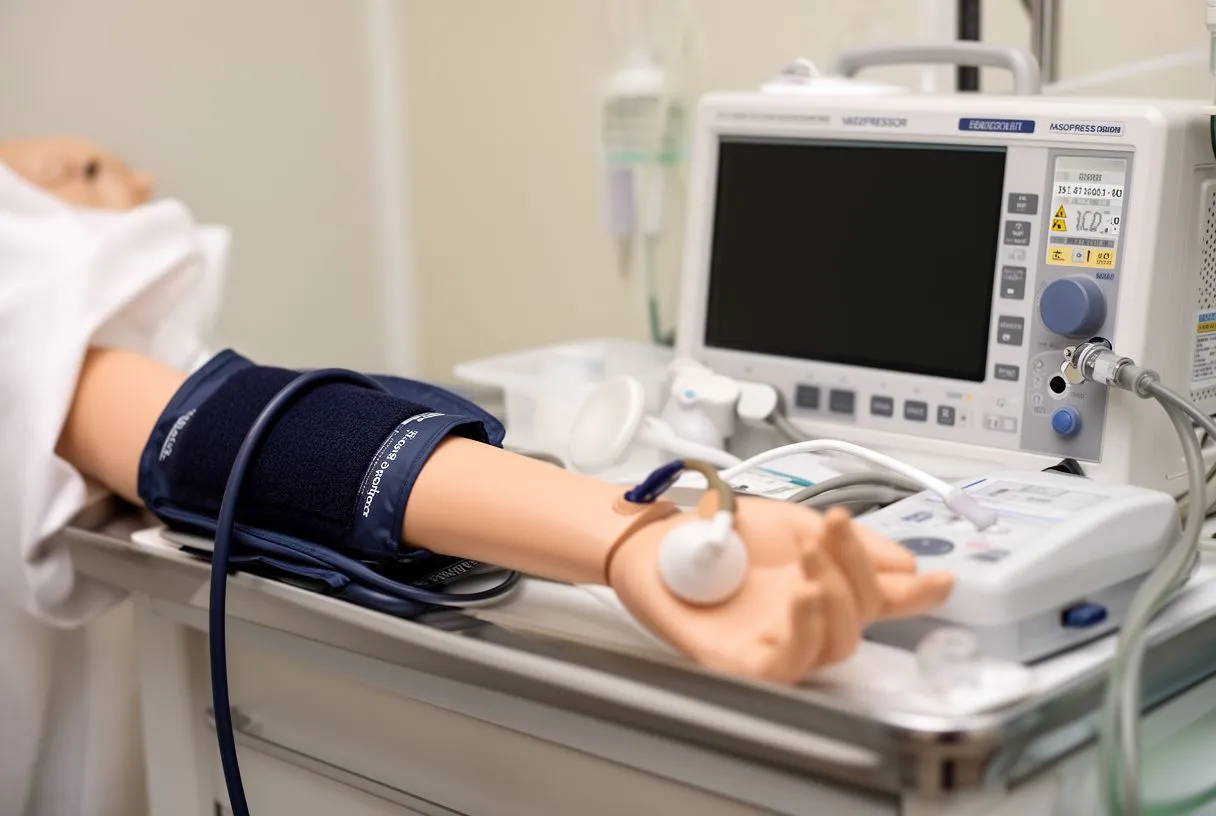
Effective vasopressor management depends entirely on accurate, real-time monitoring. In the cardiac ICU, the gold standard for blood pressure measurement is the Arterial Line, typically placed in the radial artery at the wrist. This catheter transmits continuous waveform data to the bedside monitor, allowing the team to see systolic, diastolic, and mean arterial pressures with every heartbeat. When vasopressors are being titrated, this beat-to-beat information is essential — intermittent cuff measurements are simply too slow and imprecise to guide the rapid adjustments that critically ill cardiac patients require.
Beyond arterial pressure, the cardiac ICU uses additional monitoring tools to guide vasopressor therapy. Central venous pressure readings from a catheter in the right Atrium provide information about volume status and right heart function. More advanced centres use pulmonary artery catheters or echocardiography to assess cardiac output, systemic vascular resistance, and ventricular function. Auscultation — listening to the heart and lungs with a stethoscope — remains a bedside skill that complements these technological tools, helping clinicians detect new murmurs, fluid overload, or changes in ventilation. Together, these data points create a comprehensive hemodynamic picture that informs every vasopressor decision.
The integration of multiple data streams is what distinguishes expert vasopressor management from simple dose escalation. A patient whose blood pressure is low despite escalating norepinephrine may not need more vasoconstriction — they may need fluid, an inotrope, or correction of a metabolic abnormality such as acidosis, which blunts receptor responsiveness. The cardiac intensivist interprets the full picture: pressure numbers, cardiac output, echocardiographic findings, urine output, and clinical signs such as skin temperature and capillary refill. This holistic approach prevents the common error of chasing a number without understanding the underlying physiology, and it is one of the central reasons why postoperative cardiac patients benefit from specialized intensive care.
Are Vasopressors Safe for Heart Patients in the ICU?
The question of safety is one that families ask frequently, and it deserves a candid answer. Vasopressors are powerful medications with real risks, and they are used because the alternative — untreated hypotension leading to organ damage — carries far greater danger. When administered by experienced cardiac intensivists with appropriate monitoring, vasopressors are generally safe and their benefits substantially outweigh their risks. The key principle is that these drugs are temporary measures, not permanent solutions, and the goal is always to support the patient while the underlying cause of hypotension resolves.
Common concerns families raise:
- Will vasopressors damage the heart? At appropriate doses, vasopressors support coronary perfusion rather than harm it. Excessive doses can increase afterload, but careful titration prevents this.
- Can they cause strokes? Very high blood pressure from over-titration is a theoretical risk, but continuous monitoring makes this exceedingly rare in a cardiac ICU setting.
- How long will my loved one need them? Most patients require vasopressor support for hours to a few days. Prolonged need prompts investigation of underlying causes such as infection, bleeding, or graft occlusion.
- Are they addictive or habit-forming? No. Vasopressors have no addictive potential. They are simply cleared from the body once the infusion stops.
Safety also depends on the context of use. Vasopressors administered in a dedicated cardiac ICU with round-the-clock specialist coverage, advanced monitoring, and rapid access to echocardiography and surgical backup carry different risk profiles than the same drugs given in a general ward. This is one reason why patients undergoing complex cardiac procedures — including those managed under anticoagulation protocols related to studies like ARISTOTLE — are cared for in specialized units. The infrastructure of the cardiac ICU, from the Arterial Cannula used during bypass to the postoperative monitoring suite, is designed to manage the risks of potent vasoactive medications while maximizing their life-sustaining benefits.
Risks and Side Effects of Vasopressor Therapy in Cardiac Care
While vasopressors are indispensable, they carry a spectrum of side effects that the cardiac ICU team actively manages. The most common concern is excessive vasoconstriction, which can reduce blood flow to peripheral tissues and, in extreme cases, to the kidneys and splanchnic circulation. Patients on high-dose vasopressors may develop cool, pale, or mottled extremities, and some may experience Arm Pain or digital ischaemia if perfusion to the limbs is compromised. These signs prompt the team to reassess dosing, consider alternative agents, or investigate whether a secondary problem such as a thrombus or compartment syndrome is contributing.
Arrhythmias represent another significant risk, particularly with agents that have beta-1 activity. Norepinephrine and epinephrine can precipitate atrial or ventricular arrhythmias in susceptible patients. For someone with a history of Atrial Flutter or who has experienced an Atypical Infarction, this risk is carefully weighed against the need for pressure support. The team may add antiarrhythmic medications, adjust electrolytes, or choose an agent with less chronotropic effect, such as phenylephrine, if arrhythmias become problematic. Continuous electrocardiographic monitoring ensures that any rhythm disturbance is detected immediately.
Metabolic effects are also relevant. Norepinephrine and epinephrine can elevate blood glucose by stimulating glycogenolysis and reducing insulin sensitivity — a consideration for diabetic patients and those on steroids. Vasopressors can also affect platelet aggregation and, in combination with other medications, influence coagulation. For a patient who recently underwent surgery and is receiving Autologous Blood transfusions or managing the transition off cardiopulmonary bypass, these interactions require coordination between the intensivist, surgeon, and haematology consultants. A case report on Papillary fibroelastoma of the aortic valve illustrates how rare cardiac conditions can complicate postoperative management, including hemodynamic instability requiring vasoactive support. The lesson is that vasopressor therapy is never isolated — it interacts with every aspect of the patient's physiology and must be managed in context.
Weaning Off Vasopressors After Cardiac Surgery
Weaning from vasopressors is a milestone that families eagerly await, and it signals that the patient's cardiovascular system is recovering the ability to maintain blood pressure independently. The process is gradual and deliberate: the team reduces the infusion rate in small increments while watching the arterial pressure closely. If the pressure holds as the dose decreases, the wean continues. If the pressure drops, the team may pause, reassess volume status, address any reversible factors, and try again. There is no fixed timeline — some patients wean within hours, others over several days, and both can be normal depending on the surgical complexity and pre-operative condition.
Several prerequisites must be met before weaning begins. The patient must be adequately volume-resuscitated but not overloaded, because both hypovolaemia and fluid excess can make weaning impossible. Body temperature should be normalizing, as hypothermia contributes to vasodilation. Pain and agitation must be controlled, as these can cause both hypertension and hypotension through sympathetic surges and subsequent depletion. If the patient was on an Awake ECMO circuit or required prolonged mechanical support, the weaning strategy integrates with the broader recovery plan. Electrolytes, particularly calcium and magnesium, must be corrected, as deficiencies blunt vascular responsiveness and make weaning ineffective.
Once vasopressors are discontinued, the team continues to monitor closely for rebound hypotension. In some cases, oral medications such as fludrocortisone or midodrine are used as transitional agents, particularly for patients with persistent vasoplegia or those on chronic antihypertensives that were held pre-operatively. The transition from intravenous to oral blood pressure management — and sometimes the resumption of chronic medications such as Aspirin, beta-blockers, or agents addressing elevated Apolipoprotein B levels — is coordinated by the cardiac team to ensure continuity. Families should understand that the end of vasopressor therapy is not the end of monitoring; it is the beginning of a new phase of recovery that requires continued vigilance and gradual return to physiological baseline.
What Families Should Know About Vasopressors in the Cardiac ICU
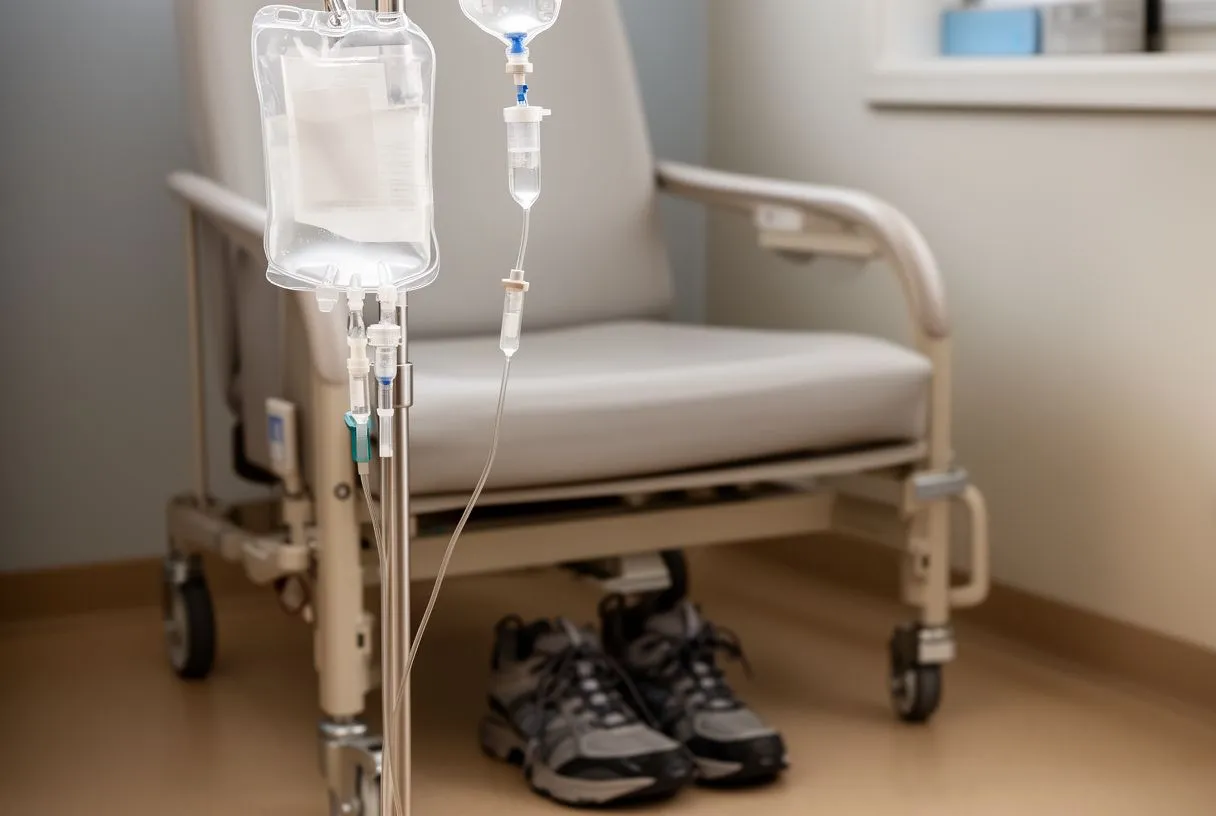
For families standing outside the cardiac ICU, the sight of multiple infusion pumps, tangled lines, and a monitor displaying waveforms and numbers can be overwhelming. Understanding the role of vasopressors demystifies part of this experience. These medications are not a sign that something has gone wrong — they are a standard, expected component of postoperative cardiac care. When the team mentions that your loved one is on norepinephrine or vasopressin, it means they are receiving precisely the support that guidelines recommend for maintaining organ perfusion during a vulnerable period.
Communication is vital. Families should feel empowered to ask questions: What is the current dose? Is it going up or down? What is the target blood pressure? Are there any concerns about side effects? Has the team started weaning? These questions help families track progress and engage meaningfully with the care team. It is also reasonable to ask about the timeline — not because there is a fixed answer, but because understanding the expected trajectory helps manage expectations. Recovery from cardiac surgery is rarely linear, and vasopressor requirements may fluctuate as the patient moves through different phases of healing.
Finally, remember that vasopressors are one piece of a much larger puzzle. The patient may also need an Automated External Defibrillator on standby, may have undergone Balloon Angioplasty or Balloon Aortic Valvuloplasty during the same hospitalisation, and may face decisions about long-term medications, rehabilitation, and lifestyle changes. If you or a family member are facing cardiac surgery or have questions about intensive care management, we encourage you to book a consultation with our team. A personalised discussion about your specific situation — your anatomy, your surgical plan, and your recovery expectations — is always more valuable than any general guide. Please do not use this information to self-diagnose or make treatment decisions independently; instead, let it serve as a foundation for informed, confident conversations with the cardiac team caring for you.