AED Use: How a Bystander Can Restart a Heart
Learn aed use bystander steps to restart a heart during cardiac arrest.
When someone collapses suddenly, the first few minutes feel like an eternity. For a confused family member or passerby, knowing the proper aed use bystander response can transform panic into life-saving action. In this guide, we break down exactly what happens anatomically when a heart stops beating effectively, and how someone with no medical training can confidently use an Automated External Defibrillator (AED). We explore the immediate risks, the step-by-step protocol, and the recovery reality that follows, demystifying this emergency intervention for patients and their families. Remember, while understanding these steps is crucial for emergencies, a thorough consultation with your cardiac team is essential for long-term care after any heart event.
What Is an AED and Why Bystanders Matter
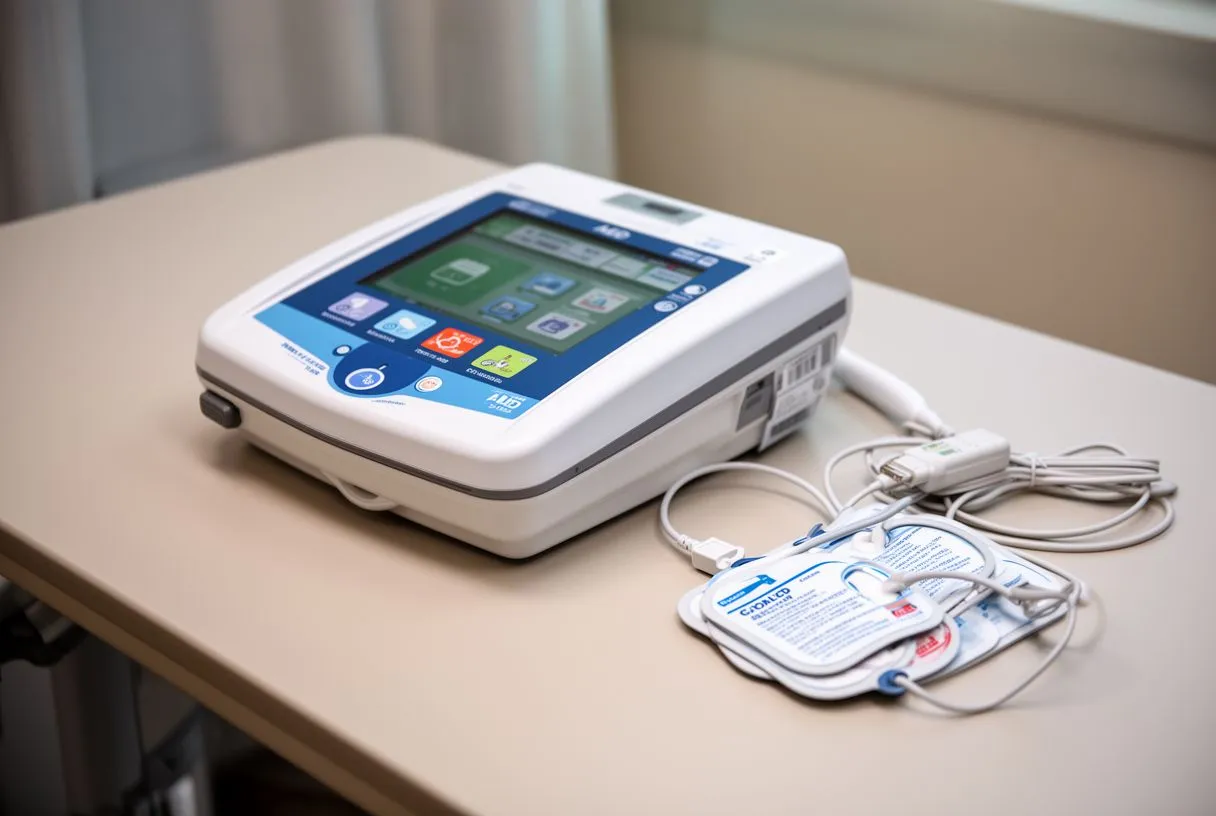
An Automated External Defibrillator (AED) is a lightweight, portable electronic device designed specifically to help people experiencing sudden cardiac arrest. When a person's heart suddenly stops beating, the brain and other vital organs are instantly deprived of oxygen-rich blood. An AED analyzes the heart's rhythm and, if necessary, delivers an electrical shock to help the heart re-establish an effective, regular beat. These devices are built for public spaces and are designed to be operated by laypeople, not just medical professionals.
Speed is the most critical factor in a cardiac emergency. Every minute that passes without defibrillation and CPR significantly reduces a person's chance of survival. Emergency medical services, while highly trained, often take several minutes to arrive on the scene, especially in crowded or difficult-to-navigate urban environments. This is where immediate intervention becomes essential. Publications like Medical News Today frequently highlight that the immediate application of CPR and AED use bystander interventions dramatically improve survival outcomes before paramedics even arrive.
To understand why an AED is necessary, it helps to understand the anatomy of the heart. The heart is a muscular pump divided into four distinct Cardiac Chambers: the right atrium, right ventricle, left atrium, and left ventricle. The heart relies on a precise, coordinated electrical system to trigger muscle contractions. When this electrical system malfunctions catastrophically, it often leads to ventricular fibrillation, a state where the heart muscle simply quivers instead of pumping blood. The AED interrupts this chaotic quivering, hoping the heart's natural pacemaker will take over with a steady rhythm.
How Does AED Use for Bystanders Work
For many people, the idea of operating a medical device is intimidating. However, modern AEDs are incredibly user-friendly. The technology inside the device is highly sophisticated, but the interface is built for high-stress, untrained environments. When you open the case, the machine usually turns on automatically and begins to speak. It uses clear, calm voice prompts and visual cues to guide the user through every single step, from placing the pads on the patient's chest to delivering the shock.
The core function of the AED is to read the electrical activity of the heart. It does this through the adhesive pads that the bystander places on the bare chest. The machine analyzes this data to determine if the heart is in a shockable rhythm, such as ventricular fibrillation or pulseless ventricular tachycardia. The AED will never deliver a shock if it does not detect a shockable rhythm. This safety feature ensures that the user cannot accidentally shock someone who has a normal pulse but has simply fainted.
Clear aed use bystander guidelines emphasize that the device acts as your medical advisor on the scene. It tells you when to step away so no one is touching the patient during the shock, and it tells you when it is safe to resume CPR. Because the machine makes the critical medical decisions, the bystander only needs to follow instructions physically. This removes the burden of clinical judgment from the untrained responder, allowing them to focus on executing the steps accurately and safely.
Recognizing Cardiac Arrest vs a Heart Attack
One of the most common points of confusion in cardiac emergencies is the difference between a heart attack and sudden cardiac arrest. A heart attack is a plumbing problem. It occurs when a coronary artery becomes blocked, usually by a blood clot, preventing blood from reaching a section of the heart muscle. The person is usually awake, talking, and experiencing chest pain, shortness of breath, or radiating arm pain. The heart is still beating, but it is in distress.
Understanding long-term preventative cardiovascular health involves recognizing diverse risk factors, including dietary impacts as explored in studies on Gut flora metabolism of phosphatidylcholine promotes cardiovascular disease. However, a sudden cardiac arrest is an electrical problem, causing the heart to stop beating entirely. The person will suddenly collapse, lose consciousness, and stop breathing normally. While a severe heart attack can lead to cardiac arrest, they are two distinct medical emergencies requiring different immediate responses. An AED is specifically for sudden cardiac arrest, not a heart attack.
After a patient survives either event and is stabilized in the hospital, a cardiac team will use various tools to assess the damage. A doctor might order a Cardiac CT or discuss Cardiac catheterisation: advantages and disadvantages to visualize the coronary arteries. Sometimes, emotional or physical stress can cause temporary heart muscle dysfunction, a phenomenon clinically referred to when asking, Can you die of a broken heart?. Distinguishing these acute events requires professional medical evaluation, underscoring why long-term follow-up with a specialist is mandatory after any cardiac incident.
AED Defibrillator Steps for Untrained Users
When a person collapses and is unresponsive, the first step is to ensure the scene is safe and call for emergency services. Once an AED arrives, aed defibrillator steps begin by turning the machine on. Most devices turn on automatically when you open the lid, while others have a clear green power button. Once on, the device will start talking to you. Listen carefully to the instructions, as they are designed to guide you perfectly through the process.
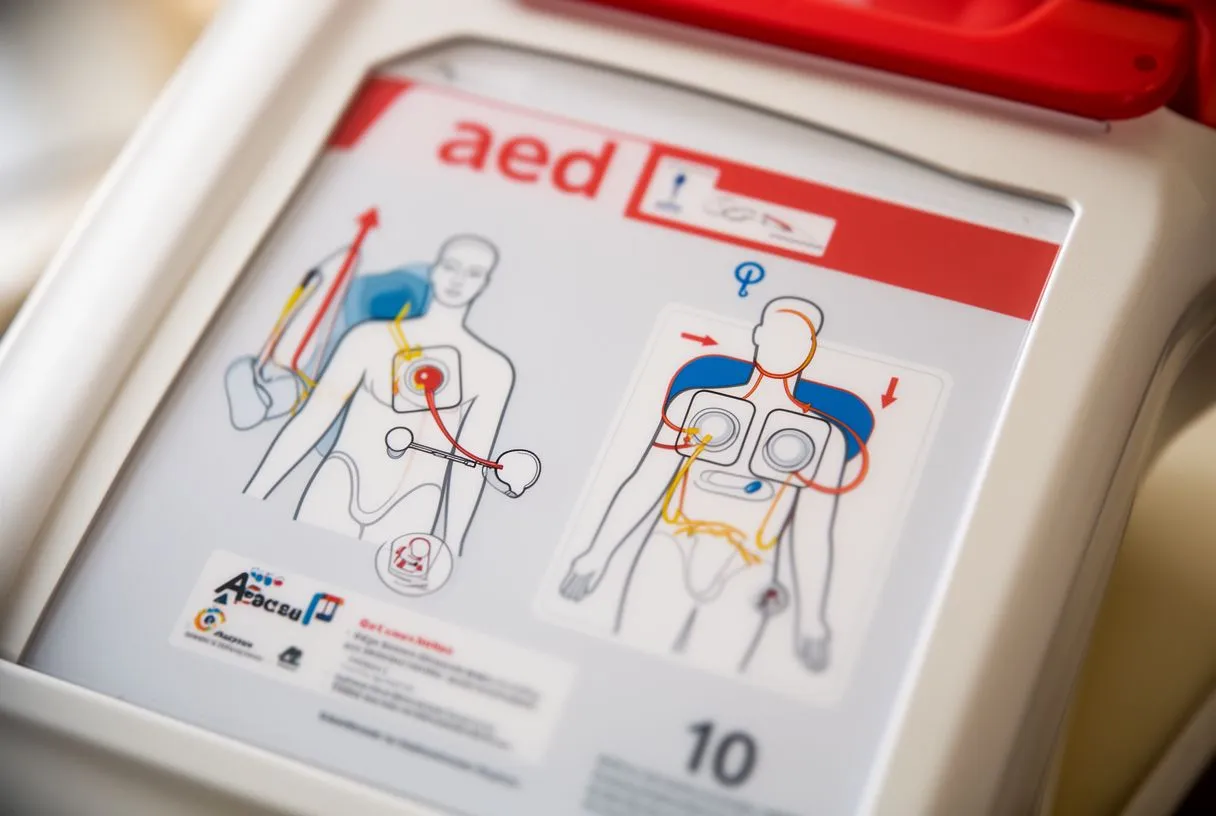
Expose the chest: You must open or cut the person's clothing to expose their bare chest. If the chest is wet, dry it quickly. The device will prompt you to open the adhesive pads and place them exactly as shown in the diagram on the pads. It is crucial that the pads make direct, firm contact with the skin. If the person has an extremely hairy chest, the AED might come with a razor, or you might need to press the pads down firmly to push the hair aside, ensuring the adhesive sticks to the skin.
Stand clear and shock: Once the pads are in place, the AED will announce that it is analyzing the heart rhythm. At this point, you must ensure nobody is touching the patient. If the device determines a shock is needed, it will instruct you to press the flashing shock button. After the shock is delivered, or if the device advises no shock is needed, you should immediately resume chest compressions until the person wakes up or emergency responders arrive to take over.
Proper AED Pad Placement on the Chest
Correct aed pad placement is vital for the electrical current to successfully travel through the heart muscle. The AED will typically include a visual guide on the pads themselves. One pad is placed on the upper right side of the patient's bare chest, just below the collarbone. The second pad is placed on the lower left side of the chest, just below the armpit. This diagonal placement ensures the electrical shock travels through the entire heart.
If the pads are placed incorrectly, the electrical current may not pass through the heart effectively, rendering the shock useless. In some cases, such as very small children or infants, the pad placement changes to a front-and-back position to prevent the pads from touching each other. Adult pads can sometimes be used on children if pediatric pads are not available, provided they are placed at least an inch apart. Always defer to the specific voice prompts and visual instructions provided by the AED you are using.
There are a few anatomical considerations to keep in mind. If the patient has a surgically implanted device, such as a pacemaker, you can still use the AED. However, you should avoid placing the pads directly over the implanted device, as the metal can deflect the electrical current. Simply place the pad an inch or two away from the lump of the pacemaker. Additionally, if the patient is lying in a puddle of water, move them to a drier surface if possible, but do not delay defibrillation unnecessarily to dry the environment completely.
Bystander CPR and AED: Which Comes First
A common question in emergencies is whether to start chest compressions first or wait for the AED. The answer depends entirely on what is immediately available. If an AED is right next to you, turn it on and apply the pads immediately. If you are alone and must run to fetch an AED, the current consensus is to leave the patient, get the AED, and return as quickly as possible to apply it, as defibrillation is the definitive treatment for cardiac arrest.
The immense global burden of cardiovascular disease, as outlined in comprehensive research like the Global, regional, and national comparative risk assessment of 84 behavioural, environmental and occupational, and metabolic risks or clusters of risks for 195 countries and territories, 1990-2017: a systematic analysis for the Global Burden of Disease Study 2017, underscores why immediate action is so critical. If no AED is immediately accessible, start bystander cpr and aed use by beginning CPR. Push hard and fast in the center of the chest, keeping the rhythm of a familiar song with 100 to 120 beats per minute. Do not stop CPR until the AED arrives and instructs you to stand clear.
CPR manually pumps a small amount of blood to the brain, buying time, but it cannot restart a heart in ventricular fibrillation. Only an AED can deliver the electrical shock needed to reset the heart's rhythm. Therefore, bystander CPR and AED use are complementary, not competing, interventions. CPR sustains the body's organs, while the AED attempts to cure the underlying electrical chaos, giving the patient the best possible chance of survival and a meaningful recovery.
Finding Public AED Locations Quickly
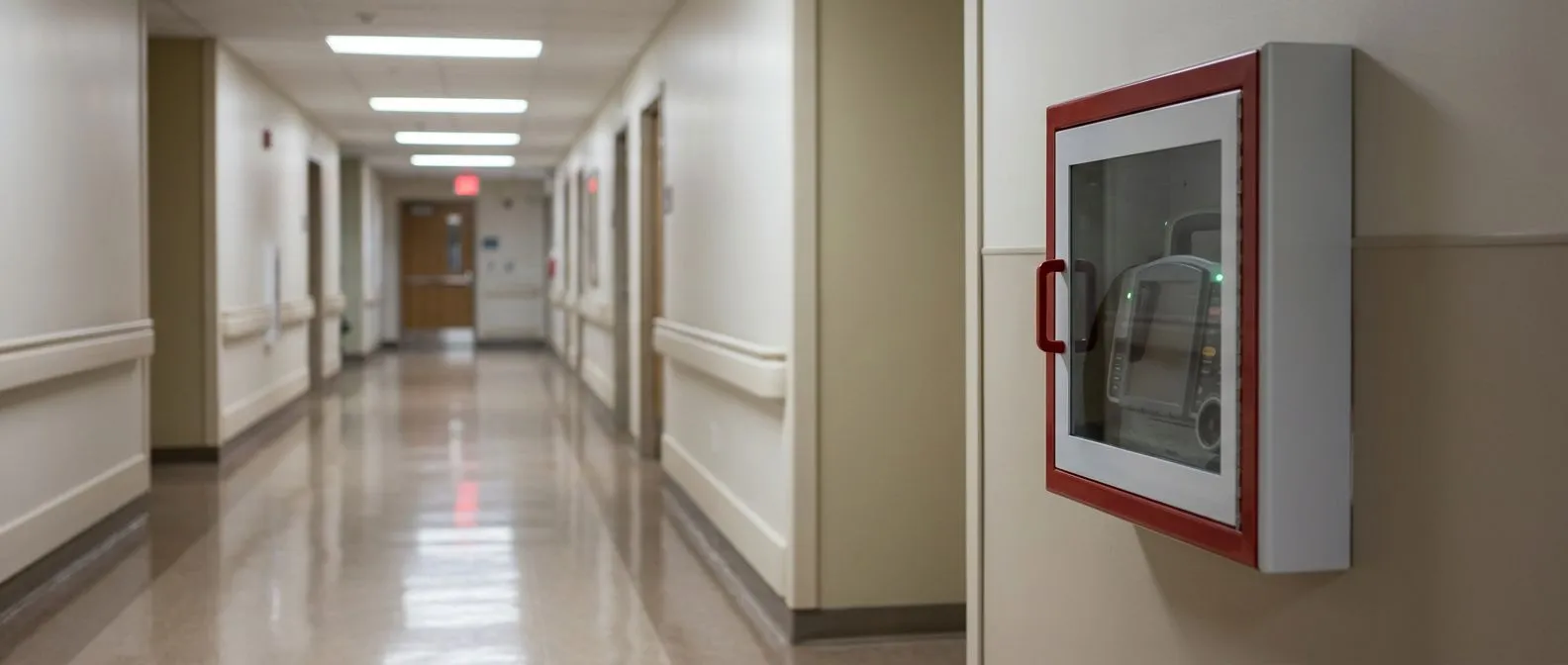
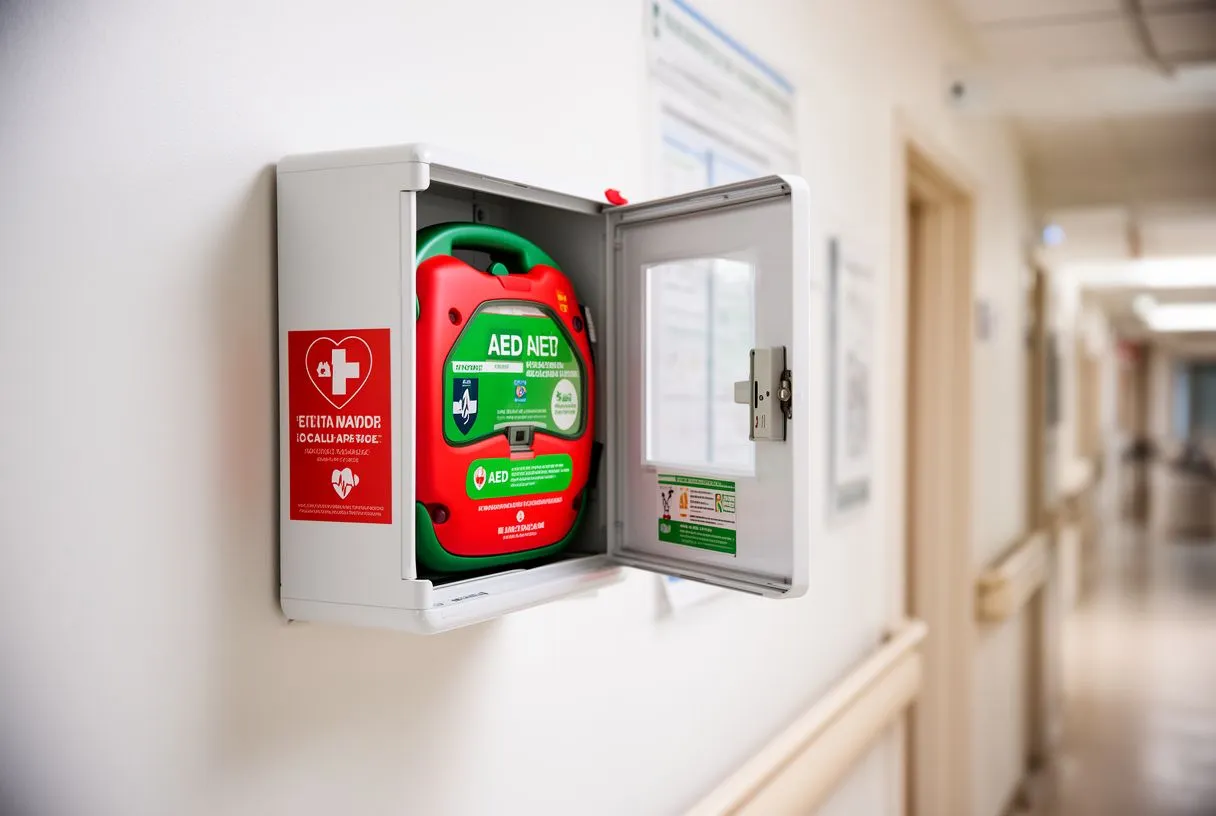
In a crisis, knowing where to find an AED saves precious minutes. Public aed locations are typically standardized to ensure maximum visibility and accessibility. Large public buildings, transit hubs, and arenas are generally required by local regulations to maintain these devices. When entering an unfamiliar building, it is wise to mentally note the location of safety equipment, just as you would note emergency exits.
If someone collapses, send a specific person to find the AED while you stay with the patient and start CPR. Point to someone and say, "You in the red shirt, call 911 and find an AED." This direct delegation prevents the bystander effect, where everyone assumes someone else will act. AEDs are usually kept in brightly marked, often green or white, wall-mounted cabinets. Many cabinets have alarms that sound when opened, alerting others in the area that an emergency is underway.
- Entrance areas: Most buildings place the device in the main lobby where it is highly visible.
- Near elevators: Multi-story buildings often house AEDs on elevator landings for rapid multi-floor access.
- Fitness centers: Gyms and sports stadiums prioritize them due to the sudden exertion risks associated with physical activity.
Time is of the essence, so knowing the typical hiding spots for public aed locations is vital. In corporate environments, an aed purchase for office settings is an essential investment in employee safety. If you work in a building, take a moment during a calm day to ask your safety officer where the nearest AED is located. Familiarity breeds confidence, and in an emergency, that confidence can save a life.
Understanding AED Voice Prompts and Safety Tips
Modern AEDs are equipped with sophisticated aed voice prompts that guide the user through the rescue process. These prompts are calibrated to be calm and clear, cutting through the noise and panic of an emergency. The device will tell you to expose the chest, attach the pads, and stand clear. It will also tell you exactly when a shock is advised and when to resume CPR. Trusting these prompts is the best strategy for an untrained user.
While operating an AED, several aed safety tips must be observed to protect both the rescuer and the patient. The most critical rule is to ensure no one is touching the patient when the AED is analyzing the rhythm or delivering a shock. Touching the patient during a shock can divert the electrical current into the rescuer, causing harm. Additionally, do not use the AED in a highly flammable environment, such as near spilled gasoline, as the electrical spark could ignite a fire.
Another safety consideration involves medication patches. If the patient has a nitroglycerin patch on their chest, remove it and wipe the area clean before placing the AED pads. Leaving the patch in place can cause a burn and prevent the AED pads from adhering properly. Always listen to the device's instructions, as some advanced models now provide real-time feedback on the depth and rate of your CPR compressions, further guiding your technique and maximizing the effectiveness of your rescue efforts.
AED Maintenance and Battery Check Explained
An AED is only useful if it functions correctly when needed. This is why routine aed maintenance and a regular aed battery check are crucial responsibilities for any facility or individual owning a device. Most public AEDs have a visible status indicator, usually a green light, that confirms the device is ready for use. If the light is red or off, the device needs immediate attention. Facilities must designate a person to conduct routine checks to ensure the battery is charged and the pads are within their expiration date.
The aed battery check is a primary concern because the battery is what powers the analysis and the shock. AED batteries have a shelf life and a standby life, often lasting several years in idle mode, but they must be replaced once depleted. Similarly, the adhesive electrode pads have an expiration date because the gel that adheres to the skin dries out over time. Using expired pads will result in poor contact and a failed shock. Always keep a spare set of pads and a backup battery with the device if possible.
For businesses considering an aed purchase for office environments, understanding the maintenance commitment is vital. The initial purchase is only the first step; ongoing budgeting for replacement batteries and pads is necessary. Just as a hospital must meticulously maintain complex equipment for procedures like Balloon Aortic Valvuloplasty or managing Carcinoid Heart Disease, a public facility must maintain its AED. Proper maintenance helps ensure that the device will be ready to perform if a colleague or visitor suddenly goes into cardiac arrest.
AED Legal Protection and Good Samaritan Laws
Many bystanders hesitate to use an AED because they fear hurting the patient or facing legal consequences. However, most jurisdictions have robust aed legal protection through Good Samaritan laws. These laws are specifically designed to protect individuals who voluntarily, and without expectation of payment, provide emergency medical assistance to an injured or ill person. The intent is to encourage people to act without the fear of being sued if the outcome is unfavorable.
Good Samaritan laws generally stipulate that as long as the bystander acts in good faith and does not exhibit gross negligence or willful misconduct, they are protected from civil liability. When an AED advises a shock, following that instruction is not considered negligence; it is the standard of care for a layperson responder. It is important to remember that the worst thing a bystander can do for a person in cardiac arrest is nothing at all.
- Good Samaritan Laws: These statutes protect untrained bystanders acting in good faith during emergencies.
- Device Limitations: You are not responsible if the AED determines the rhythm is non-shockable.
- Built to Save Lives: Liability for harm from a properly maintained public AED typically rests with the facility or manufacturer, not the lay rescuer.
Ultimately, the goal of public access defibrillation is to empower ordinary people to take extraordinary actions. Surviving a cardiac arrest is just the first step in a patient's journey. Once stabilized, the patient will need comprehensive follow-up care, often requiring the expertise of a Cardiac Imaging Specialist to assess long-term heart function. If you or a loved one has experienced a cardiac event, do not navigate the recovery alone. We encourage you to discuss your specific situation with a qualified cardiac team to understand your treatment options and recovery milestones. Book a consultation with our practice to receive a thorough evaluation and a care plan tailored to your specific needs.