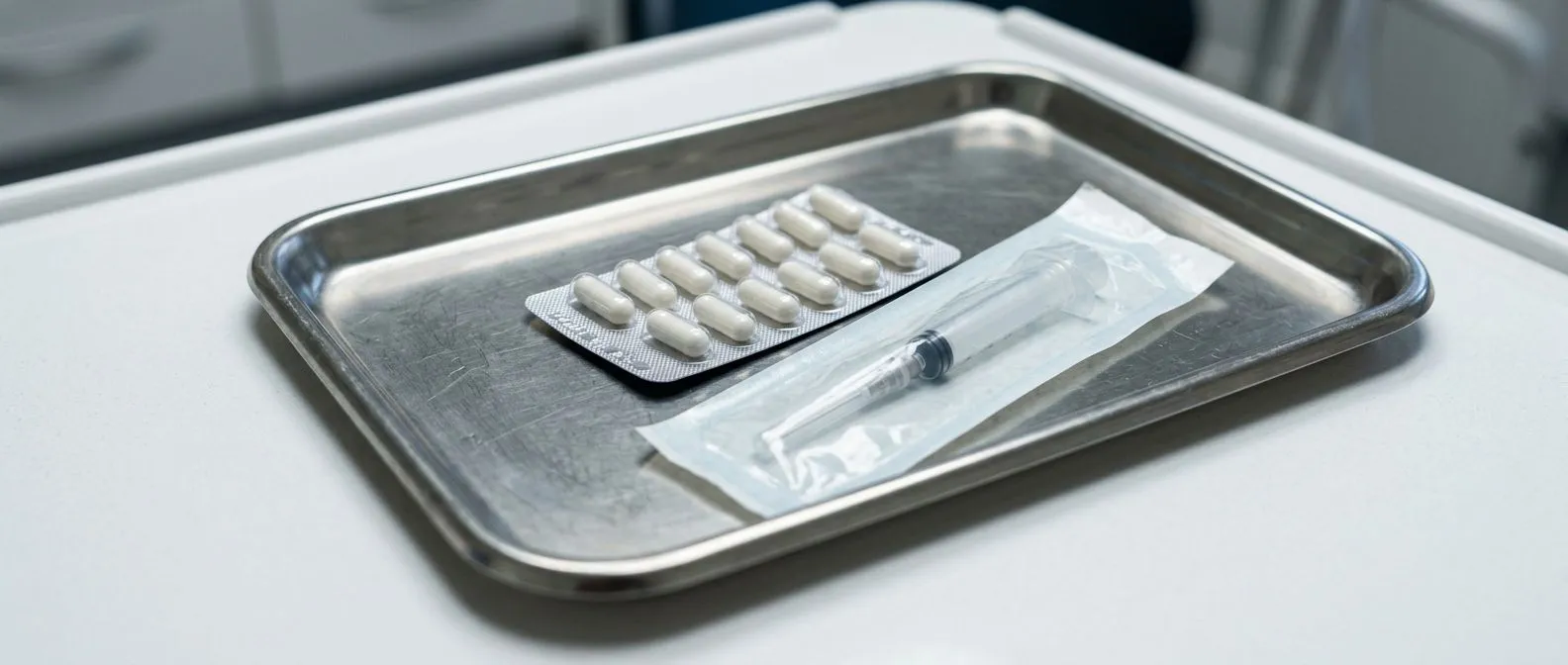
Antibiotic Prophylaxis for Heart Valve Patients
Antibiotic prophylaxis heart valve patients need clear guidance on dental procedure protection.
What is antibiotic prophylaxis for heart valve patients?
When you have a history of heart valve disease or have undergone valve replacement surgery, your medical team takes extra precautions to protect your heart from infection. Antibiotic prophylaxis refers to the practice of taking a specific, predetermined dose of antibiotics shortly before certain medical or dental procedures. The goal is to prevent bacteria that naturally live in your mouth or on your skin from entering your bloodstream and settling on your heart valves. For patients navigating life after cardiac surgery, understanding this preventive measure is a vital part of long-term health management.
How the preventive medication works: During procedures like dental extractions or gum surgery, microscopic tears in the tissues allow oral bacteria to briefly enter the circulation. If you have an artificial valve or a repaired native valve, the surface can be more susceptible to bacterial attachment. Taking antibiotics beforehand ensures there is a protective level of medication in your blood to destroy these organisms before they can colonize the valve structure.
Who needs this preventive approach: Not every patient with a heart murmur or mild valve regurgitation requires antibiotics before seeing the dentist. Current medical science has narrowed the recommendation to focus on individuals at the highest risk of severe complications if an infection occurs. This includes patients with prosthetic valves, complex congenital heart conditions, or a previous history of infective endocarditis. Your cardiologist will evaluate your specific anatomy and surgical history to determine if you fall into this high-risk category.
Why do heart valve patients need antibiotic prophylaxis?
The anatomy of a repaired or replaced heart valve creates a unique environment where bacteria can easily hide and multiply. When bacteria enter the bloodstream and attach to the endocardium—the inner lining of the heart—they can cause infective endocarditis. This severe infection is notoriously difficult to treat and can rapidly destroy heart tissues. Prophylaxis serves as a critical shield, addressing the vulnerability of the surgical site before an infection has the chance to take hold.
Understanding blood flow and valve surfaces: Natural heart valves have smooth endothelial coverings that resist bacterial colonization. However, if you have an artificial valve, especially in the Ascending Aorta, the materials used in the repair do not have this natural defense. Bacteria can cling to these foreign materials, forming sticky clusters known as vegetations. These vegetations can disrupt blood flow, shed infected clumps to other organs, and severely damage the valve mechanism.
Preventing complications from existing conditions: If your valve disease was caused by an Atheromatous Plaque or underlying structural damage, the turbulence in blood flow further increases the risk of bacterial settlement. Your doctor will use Auscultation, or listening to your heart with a stethoscope, to monitor the sounds of your valve. If they hear irregularities suggesting turbulent flow, they will be especially vigilant about ensuring you receive prophylactic coverage before any invasive procedure.

Which dental procedures require antibiotic prophylaxis?
Dental work is the most common scenario where antibiotic prophylaxis is recommended, but the rules have changed significantly over the years. The focus is no longer on every dental visit, but specifically on procedures that manipulate the gingival tissue or the periapical region of the teeth. These specific actions are known to cause a temporary, high-level spike in bacteria circulating through the blood, known as bacteremia.
Procedures that mandate premedication: You will generally need prophylactic antibiotics if you are undergoing treatments that intentionally breach the mucosal barrier. This includes any procedure that involves cutting into the gums, manipulating the roots of the teeth, or performing extractions. If you are having an abscess drained or receiving implants, your cardiac team and dentist must coordinate your antibiotic timing to ensure complete protection during the highest-risk moments.
Procedures that do not require coverage: Routine dental maintenance is generally safe without antibiotics. Standard examinations, taking X-rays, adjusting orthodontic appliances, and applying fluoride treatments do not pose a significant risk of bacteremia. It is important to discuss your specific treatment plan with your dentist so they can accurately categorize the procedure and consult your cardiologist if the planned work falls into a gray area.
Here are the most common dental procedures and their general prophylaxis requirements:
- High-risk procedures: Tooth extractions, periodontal surgery, implant placement, and root canal therapy.
- Low-risk procedures: Routine cleanings, fillings above the gum line, and anesthetic injections through uninfected tissue.
- Post-procedure care: Suture removal and removing orthodontic bands generally do not require premedication.
What are the current AHA antibiotic prophylaxis guidelines?
The American Heart Association regularly reviews clinical evidence to update its recommendations. Over the past decade, the guidelines have become more restrictive, focusing only on those who truly benefit from the intervention. This shift prevents unnecessary antibiotic use, which can lead to side effects and antibiotic resistance, while still protecting the most vulnerable heart valve patients. The guidelines aim to balance the low risk of endocarditis from routine activities with the high consequence of the infection.
The reasoning behind the updated rules: According to analysis from Harvard Health Publishing, researchers found that the risk of developing endocarditis from everyday activities like brushing teeth is cumulative and much higher than the risk from a single dental visit. Therefore, maintaining excellent daily oral hygiene is now considered the primary defense, with prophylactic antibiotics reserved as a targeted intervention for major tissue manipulation in high-risk patients.
Timing and dosage specifics: The standard AHA antibiotic prophylaxis guidelines dictate that the medication should be taken as a single dose approximately one hour before the dental procedure begins. This ensures the antibiotic reaches its peak concentration in your blood exactly when the tissue is manipulated. If the dose is forgotten, it can be taken up to two hours after the procedure, but this is not as effective as taking it beforehand.
Amoxicillin prophylaxis heart recommendations
When a patient requires preventive medication, amoxicillin is the first-line choice for most adults. It is highly effective against the oral streptococci bacteria most commonly responsible for endocarditis, and it is well-absoruted when taken by mouth. Reaching the correct therapeutic level quickly is crucial, so the dosage is larger than a typical standard prescription. Your cardiologist will provide a specific prescription to keep on hand for dental appointments.
Alternative options for allergic patients: If you are allergic to penicillin-based medications, your doctor will prescribe an alternative. Common substitutes include cephalosporins, if the allergy is mild, or macrolides like azithromycin or clarithromycin. It is vital to inform your cardiac team of all drug allergies, as cross-reactivity between certain antibiotic families can occur. This ensures your prescription is safe and tailored to your medical history.

Interaction with other cardiac medications: Patients with heart valve issues often take multiple medications, such as Aspirin for antiplatelet therapy or statins to manage Apolipoprotein B levels. Fortunately, the single-dose amoxicillin prophylaxis heart regimen does not generally interact negatively with these chronic cardiac medications. However, you should always provide your dentist with a complete, updated list of everything you take daily to rule out any rare metabolic conflicts.
Antibiotic prophylaxis for prosthetic heart valves
Patients who have undergone valve replacement are at the highest risk for endocarditis. Whether you received a mechanical valve or a biological tissue valve, the prosthetic material lacks the immune defenses of natural tissue. Antibiotic prophylaxis for prosthetic heart valves is a lifelong recommendation, regardless of how many years have passed since the surgery. Bacteria can still attach to these structures decades after implantation.
Protecting different types of implants: The risk is similar whether you received a traditional surgical valve or a Balloon-expandable Valve placed via transcatheter aortic valve replacement (TAVR). The introduction of the catheter and the deployment of the stent create surfaces where bacteria can adhere. Similarly, patients who have undergone Balloon Angioplasty or Balloon Aortic Valvuloplasty to stretch a narrowed valve must be evaluated for prophylaxis, as the procedure alters the valve surface.
Monitoring valve function over time: A prosthetic valve requires regular echocardiograms to ensure it is functioning correctly and showing no signs of early infection. If bacteria do colonize a prosthetic valve, it can lead to valve dehiscence, where the attachment sutures pull away from the heart tissue. This mechanical failure requires urgent, complex surgery to remove the infected valve and replace it, which is why prevention through prophylaxis is so heavily emphasized for these patients.
Infective endocarditis prevention strategies
While taking antibiotics before dental work is the most formalized prevention method, comprehensive infective endocarditis prevention requires a multifaceted approach. Bacteria can enter the bloodstream from sources other than the mouth. Good hygiene, prompt treatment of skin infections, and careful management of intravenous lines are all critical components of protecting your heart valve over the long term. Prevention is an ongoing lifestyle adjustment, not just a pill taken before a cleaning.
Beyond the dental chair: Intravenous drug use is a major risk factor for endocarditis, as it introduces bacteria directly into the venous system. Even in a medical setting, patients with complex cardiac histories must be cautious. If you require an Arterial Line or prolonged intravenous access for other treatments, your medical team must use strict sterile techniques. An Atypical Infarction or an unrelated fever should be investigated promptly to rule out bacteremia.
The role of daily oral care: Because bacteremia occurs regularly from daily chewing and brushing, the health of your gums is the primary barrier against endocarditis. Daily brushing, flossing, and professional cleanings reduce the bacterial load in your mouth. If your gums are inflamed or bleeding, the frequency and volume of bacteria entering your bloodstream increase dramatically. Partnering with a skilled periodontist is often just as important as visiting your cardiologist.
What to expect during antibiotic prophylaxis cardiac care
Coordinating care between your cardiologist and your dentist is the key to a smooth experience. Typically, your cardiac team will provide you with a written prescription and a wallet card detailing your specific antibiotic regimen. You are responsible for taking the medication exactly as directed before arriving at the dental office. This decentralization allows you to manage your care with minimal disruption to your daily routine.
Coordinated communication: Just as specialists rely on the Management of spontaneous pneumothorax: British Thoracic Society pleural disease guideline 2010 to standardize chest procedures, cardiac teams use strict checklists for prophylaxis. Your dentist should ask about your cardiac history at every visit. If they do not, it is essential that you remind them of your valve replacement or repair, ensuring they verify your medication schedule before proceeding.

Surgical procedures and hospital protocols: If you need surgery unrelated to your heart, such as an orthopedic procedure or a tissue biopsy using an Autograft, the hospital will administer prophylactic antibiotics via an intravenous line. If you have ever received an Arterial Cannula or had Autologous Blood drawn for a surgical salvage, you understand the level of sterile precaution hospitals take. The same rigorous standards apply to protecting your heart valve during non-cardiac surgeries.
Recognizing symptoms that require urgent cardiac care
Even with strict adherence to prophylactic guidelines, infections can occasionally occur. Recognizing the early signs of endocarditis and seeking prompt treatment can be life-saving. The symptoms can be subtle at first, often mimicking a mild flu, which makes them easy to dismiss. Patients with valve replacements must maintain a high index of suspicion for any unexplained fever or persistent fatigue.
Systemic signs of infection: A low-grade fever that comes and goes, accompanied by night sweats, chills, and a general feeling of illness, is a classic early presentation of endocarditis. If the bacteria have seeded the Atrium or caused Atrial Flutter, you might experience new, noticeable palpitations. A sudden change in your heart rhythm or unexplained Arm Pain that differs from your usual baseline should prompt an immediate call to your cardiac surgeon.
Immediate actions in an emergency: If an infection decompensates, blood pressure can drop, leading to a life-threatening state that might require an Automated External Defibrillator or advanced resuscitation. Do not wait for symptoms to become severe. If you suspect an infection, go to an emergency department, inform them of your prosthetic valve, and request blood cultures. Early intervention with targeted intravenous antibiotics is the most effective way to clear the infection without needing additional surgery.
Watch for these critical warning signs of a potential valve infection:
- Persistent fever: An unexplained temperature above 100.4°F (38°C) lasting more than a few days.
- New heart murmurs: A change in the sound of your heart, detected by a doctor, indicating new turbulence.
- Unusual bleeding: Small, painless red or purple spots on the skin or inside the mouth, known as petechiae.
Consulting your cardiac team about antibiotic prophylaxis
Navigating heart valve care requires a close partnership with a knowledgeable medical team. The guidelines for antibiotic prophylaxis can evolve as new research emerges, and your personal risk profile may change over time. Maintaining an open dialogue with your cardiologist and cardiac surgeon ensures your prevention strategy remains appropriate for your current health status. Never hesitate to ask questions about why a specific medication or timing is recommended.
Integrating overall cardiac management: Your prophylaxis plan is just one piece of your broader cardiac health puzzle. For instance, managing irregular rhythms might involve referencing the 2016 ESC Guidelines for the management of atrial fibrillation developed in collaboration with EACTS alongside your dental care plan. If you are on complex anticoagulation protocols, such as those guided by the ARISTOTLE trial, your team must carefully coordinate all medications. In rare, severe cases requiring Awake ECMO for respiratory support, prophylactic management becomes highly specialized, underscoring the need for expert oversight.

Taking the next step: If you have a prosthetic valve, a history of endocarditis, or a complex congenital defect, and you are unsure about your need for prophylactic antibiotics, we encourage you to reach out. Our practice is dedicated to bridging complex cardiology with clear, calm explanation for our patients in Guadalajara, Querétaro, and Hermosillo. Discuss your specific situation with a qualified cardiac team and book a consultation to ensure your prevention strategy is optimized for your unique anatomy and lifestyle.