

Coronary Buttons in Aortic Root Surgery: How They Are Moved
Coronary buttons aortic root: learn how surgeons detach and reattach coronary arteries during valve-sparing and Bentall procedures.
When the aortic root — the very first segment of the body's main artery, where the aortic valve sits — needs surgery, the two coronary arteries that feed the heart muscle must be detached from the diseased segment and reattached to the new graft. This reattachment is done through small cuffs of tissue known as the coronary buttons in aortic root surgery. Understanding how they are moved helps patients see why this operation is one of the most precise in cardiac surgery, and why the surgeon's technique matters for long-term results.
What Are Coronary Buttons?
Definition in plain terms: a coronary button is a small, circular patch of aortic wall that contains the opening (the ostium) of one coronary artery. Surgeons cut these buttons free from the diseased aortic root, leaving the coronary artery connected to the heart, and then sew them into the replacement graft so blood continues to flow to the heart muscle.
The heart has two coronary arteries: the left main artery and the Right Coronary Artery. Each supplies oxygen-rich blood to the heart muscle itself, and both must be preserved during any root operation. Because the ostia sit just above the aortic valve, they cannot simply be left behind when the root is replaced.
Knowing your heart: the aortic valve and the origins of the coronary arteries share the same small space. That is why the button technique exists — it lets the surgeon rebuild the root while protecting the arteries that keep the heart alive.
Why Aortic Root Surgery Requires Coronary Button Reimplantation
When the root is diseased: an Aortic Root Aneurysm — a widening of the root segment — can stretch the valve open and cause Aortic Insufficiency (leakage of blood backward through the valve). In this situation the root is replaced or rebuilt, and coronary ostia reimplantation is part of the operation.
When the root is infected or torn: conditions such as a Type A Aortic Dissection, a true cardiovascular emergency where the inner layer of the aorta tears, may force urgent root replacement. A Penetrating Aortic Ulcer or infection of the root can also require removal of the diseased wall, which means the coronary buttons must be relocated.
In our practice, every case is reviewed by the multidisciplinary team against international practice guidelines before a recommendation is given, so the patient receives a clear proposal with the alternatives — and the final decision is always theirs.
What Is the Bentall Procedure and How Coronary Buttons Work?
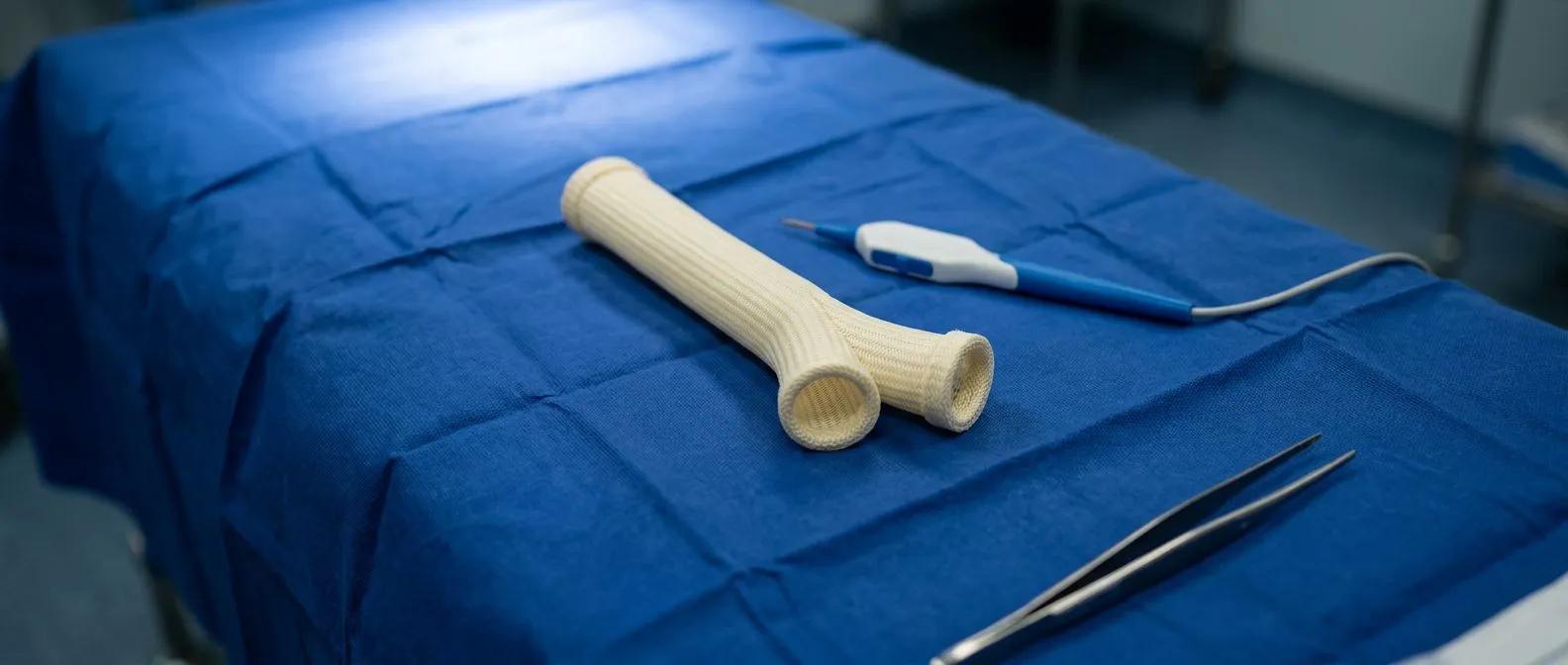
The Bentall procedure is the classic operation for a diseased aortic root. The surgeon removes the aortic valve and root together, places a mechanical or biological valved conduit (a graft with a valve inside), and then reattaches the two coronary buttons to the graft. The life expectancy after the Bentall procedure is generally good, and long-term survival is close to that of the general population in many reported series when the operation is done electively and the patient's other risk factors are managed — MedlinePlus offers general patient guidance on aortic surgery and recovery at MedlinePlus.
The button step in detail: the buttons are sewn end-to-side into openings made in the polyester graft. The sutures must be even and tension-free, because these anastomoses (the surgical connections) carry the entire blood supply to the heart for the rest of the patient's life.
Because the Bentall technique is well established, it remains the reference operation against which newer, valve-sparing approaches are compared.
How Coronary Buttons Are Moved: Step by Step
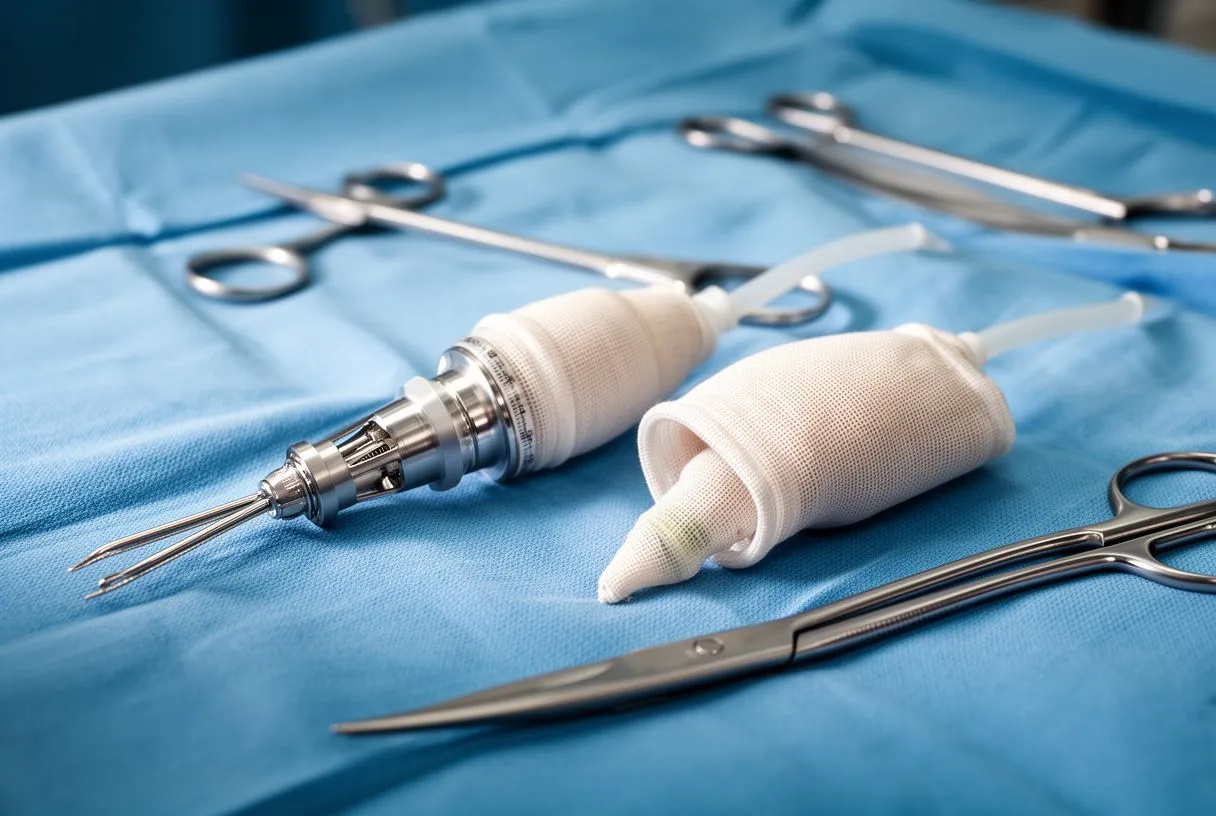
Detachment: after the heart-lung machine takes over circulation, the surgeon opens the aorta and carefully cuts around each coronary ostium, freeing a button of aortic wall of generous size — large enough to hold stitches securely, but not so large that it becomes an aneurysm risk later.
Mobilization: the coronary arteries are gently freed from the surrounding tissue so they can reach the graft without stretching. This is the step that determines how much tension the final anastomosis will carry. Excessive tension is a recognized cause of late complications, which is why several published techniques aim to reduce it — including "simple techniques to reduce tension on coronary button anastomoses" described in the surgical literature.
Reattachment: small openings are made in the graft at the correct position, and each button is sewn in with continuous or interrupted fine sutures. When aortic root replacement is done in the modified Bentall technique, some surgeons use the "button inside" method, in which the button is seated within the graft wall to reduce bleeding risk.
- Detachment: the ostium is cut free with a rim of aortic tissue.
- Mobilization: the artery is freed so the graft can sit without pulling.
- Reattachment: the button is sewn into the graft with fine, even stitches.
Valve-Sparing Root Reimplantation: Coronary Buttons in the David Procedure
The David procedure: when the patient's own aortic valve is healthy, the surgeon can preserve it. In valve-sparing root replacement — the reimplantation technique — the native valve is reattached inside a straight polyester graft, and the coronary buttons are implanted into the graft just as in the Bentall operation. The valve-sparing approach avoids the need for a prosthetic valve and the lifelong anticoagulation (blood thinning) that mechanical valves require.
Who is a candidate? patients with a Thoracic Aortic Aneurysm or an Aortic Root Aneurysm whose valve leaflets are intact. Younger patients and athletes are often considered for this option, and the decision is made case by case.
Our team performs conventional, minimally invasive, robotic and transcatheter procedures, and we recommend the less invasive route only where the evidence supports it for that patient.
Coronary Button Anastomosis Technique and Hemostasis
Why the suture line matters: the coronary button anastomosis technique is one of the most common sources of postoperative bleeding in root surgery, so hemostasis (complete control of bleeding) is checked meticulously before the chest is closed. The surgeon inspects the suture line after unclamping the aorta and repeats the check after protamine is given, since blood pressure changes can reveal a leak that was invisible before.
Techniques surgeons use:
- Generous button size: a larger tissue rim distributes suture stress and lowers the risk of tearing.
- Fine pledgeted sutures: tiny felt boluses (pledgets) reinforce the stitch and prevent the suture from cutting through fragile tissue.
- Controlled testing: briefly raising the blood pressure or checking the field on the heart-lung machine confirms the anastomosis is watertight.

Coronary Button Misalignment Risk and Tension
What misalignment means: if a button is implanted at the wrong angle or too far from the artery's natural position, the coronary artery can be kinked or stretched. This is the coronary button misalignment risk that surgeons work to avoid, because a kinked artery can reduce flow to the heart muscle.
How surgeons prevent it: they measure the graft position, keep the natural course of the artery in mind, and sometimes implant the button with a small skirt of tissue to give it room to move. Some modified approaches also address the risk of a button aneurysm of the coronary artery after the Bentall procedure — a late dilation of the button rim that can occur years later and is monitored with imaging follow-up.
Related coronary considerations: patients with Coronary Calcium Score findings, a history of Coronary Spasm, or a prior Coronary Stent placed by Percutaneous Coronary Intervention need careful planning, because the buttons and the coronary arteries themselves must be handled with extra caution during root surgery.
Coronary Button Surgery Recovery: What to Expect
Early days: most patients spend one to two nights in the intensive care unit and a few more days on the ward. Chest tubes are removed, the patient is mobilized, and breathing exercises begin. This is standard after aortic root surgery, whether or not valve-sparing techniques were used.
Weeks to months: gentle walking builds up first, then supervised cardiac rehabilitation. Full recovery of daily activities usually takes six to twelve weeks. Because the aortic root has been rebuilt, lifelong imaging follow-up of the graft, the coronary anastomoses and the remaining aorta is routine.
In our consultations we take the time to explain what the studies actually show, in plain words, and to answer every question before any decision is made.

Coronary Button Aneurysm After Bentall Procedure
A late, uncommon complication: a button aneurysm of the coronary artery after the Bentall procedure is a rare dilation of the remnant aortic tissue around the coronary button. It can appear years after the original operation and may cause symptoms such as chest pain or reduced coronary flow, or it may be discovered on routine imaging before any symptoms appear.
How it is managed: surveillance CT or echocardiography is the key. If the button aneurysm grows or causes symptoms, surgical repair is possible — and several published reports describe the surgical management of primary aortic thrombus in the thoracic aorta and related complications, including a dedicated perspective at Surgical management of primary aortic thrombus in thoracic aorta.
Why long-term follow-up matters: this is the reason every patient who has had a root operation is asked to keep a surveillance schedule. Early detection of a button aneurysm turns an urgent problem into a planned one, and planned repair always carries lower risk than emergency repair.
Choosing a Heart Surgeon for Coronary Button Surgery
Questions to ask your team: will the surgery be a valve-sparing root replacement or a Bentall with a prosthetic valve? How many root operations does the team perform, and what is their experience with minimally invasive or robotic approaches when the anatomy allows? What is the follow-up plan for the coronary buttons?
Dr Molina trained in cardiac, minimally invasive, robotic and structural surgery at the University of Montreal, and in structural cardiology and TAVR at CHU Bordeaux, and performed the first robotic mitral valve repair in the Ángeles Health System and the first robotic heart surgery in Guadalajara. We also encourage second opinions and treat seeking one as a normal part of deciding about heart surgery — no surgeon who is confident in their plan should discourage it.
The first contact with our team is a free video consultation: we get to know the patient, talk through the condition, and say which studies are still needed so no unnecessary ones are ordered; a face-to-face visit follows when the patient decides to go ahead. Consulting rooms are in Guadalajara, Querétaro and Hermosillo.
Coronary buttons in aortic root surgery are the small tissue cuffs that keep your coronary arteries connected when the aortic root is rebuilt. Whether the operation is a Bentall replacement or a valve-sparing reimplantation, the principles are the same: mobilize the arteries gently, sew the buttons without tension, and check the result before closing. If you have been told you need aortic root surgery, bring your imaging, ask every question you have, and discuss your own situation with a qualified cardiac team — the best next step is a proper consultation, not a self-diagnosis.






