

Crushing Chest Pain: What to Do Right Now
Crushing chest pain what to do right now: recognize heart attack warning signs, call emergency services fast, and protect your heart.
Crushing chest pain what to do — it is a question nobody wants to type into a search engine, and yet thousands of people do it every day, often while the pain is still there. The honest answer is short: chest pain that feels like heavy pressure, squeezing, or a weight on your chest is a medical emergency until a doctor proves otherwise. This guide walks you through exactly what to do in the first minutes, how to tell heart pain from other causes, what happens once you reach the hospital, and how to protect yourself afterwards. If you are reading this while in pain, stop reading now and call your local emergency number.
What Is Crushing Chest Pain?
Crushing chest pain is the word patients use for a sensation of intense pressure or squeezing in the center of the chest, as if something heavy were sitting on it. It is different from a sharp stab or a burning feeling. Doctors call this pattern "pressure-like" pain, and it is the classic description of the heart muscle not getting enough blood. The medical term behind it is usually angina or a heart attack, both caused by narrowed or blocked coronary arteries — the vessels that feed the heart itself.
The pain often spreads beyond the chest. It can reach the left arm, the jaw, the back between the shoulder blades, or the upper stomach. Some people feel chest tightness more than pain, or shortness of breath, cold sweat, and nausea. Others — especially women, older adults, and people with diabetes — may have surprisingly mild chest sensations and mostly feel exhausted or unwell. That is why the description matters less than the situation: new, severe, or unusual chest discomfort always deserves urgent attention.
It helps to know that the heart has no pain nerves of its own in the way your skin does. When the heart muscle is starved of oxygen, the brain often interprets the signal as pressure, heaviness, or an ache in nearby areas like the shoulder or jaw. This is called radiating pain, and it is one of the strongest clues that the heart, not the chest wall, is the source.
Crushing Chest Pain: What to Do in the First Minutes
Stop and rest immediately. Sit down, ideally in a position that feels comfortable — often half-upright. Any physical activity makes the heart work harder, and if a coronary artery is closing off, every minute of exertion enlarges the damage. If you are walking, climbing stairs, or exercising, stop where you are.
Call emergency services before anything else. Do not drive yourself and do not wait to "see if it passes." Emergency dispatchers can guide you, and paramedics can start treatment on the spot. Ambulance crews carry electrocardiogram machines (ECGs, which record the heart's electrical activity) and can transmit results to the hospital, sometimes saving critical time. The fastest way to get rid of chest pain caused by the heart is not a home remedy — it is reopening the blocked artery, and that requires a hospital team.
Chew aspirin if it is available and you are not allergic. A standard dose of regular aspirin, chewed rather than swallowed whole, helps thin the blood and can limit the size of a developing clot. Emergency guidance in many countries includes this step when a heart attack is suspected, though the dispatcher or paramedic will confirm it is safe for you. If you have been prescribed nitroglycerin tablets or spray for known heart disease, use it as directed — but if the pain does not ease, treat it as an emergency, not as something to wait out with another dose.
What Are the First Aid Steps for a Heart Attack?
The first aid sequence is simple and worth memorizing, because in a real emergency nobody thinks clearly. Organizations like the American Heart Association and the European Resuscitation Council teach the same core chain of survival. Here it is in order:
- Stop all activity and sit or lie the person down. Reassure them and keep them still and calm.
- Call emergency services immediately. Say clearly where you are and that you suspect a heart attack. Unlock the door if the person is alone at home.
- Give aspirin to chew (unless allergic or told otherwise) — 300 mg or one regular tablet, chewed slowly.
- Loosen tight clothing around the neck and chest and keep the person warm.
- Be ready to perform CPR — chest compressions — if the person becomes unresponsive and stops breathing normally.
If the person collapses and is not breathing, begin chest compressions without delay: push hard and fast in the center of the chest, about 100 to 120 times per minute, and do not stop until help arrives or an automated defibrillator (AED) is available. Many public places now have AEDs with voice instructions. Doing something imperfectly is far better than doing nothing.
Crushing Chest Pain: Heart Attack Signs You Should Never Ignore
Heart attacks rarely look like the movies. The dramatic, sudden collapse is the exception. More often the warning signs build quietly, and people talk themselves out of them. These are the signs that should send you to emergency care without hesitation:
- Pressure or squeezing in the chest lasting more than a few minutes, or that goes away and comes back.
- Arm pain, usually the left arm but sometimes both, often described as an ache or heaviness.
- Shortness of breath that arrives with the chest discomfort or slightly before it.
- Cold sweat, nausea, or lightheadedness — symptoms people frequently mistake for indigestion or a stomach bug.
- Jaw pain or toothache-like discomfort with no dental explanation, sometimes alongside back pain.
One important truth: some heart attacks cause almost no chest pain at all. A person may feel only profound fatigue, mild epigastric pain (discomfort in the upper stomach just below the ribs), or a vague sense of dread. Diabetics in particular can have "silent" heart attacks. If something feels seriously wrong with your chest or breathing, trust the feeling and get checked. The patients who fare best are rarely the ones with the mildest symptoms — they are the ones who get help the soonest.
Springer publishes extensive clinical literature on acute coronary syndromes, and the consistent message across that research is time: the sooner a blocked artery is reopened, the more heart muscle survives.
Angina vs Heart Attack: How Are They Different?
Angina is chest pain caused by temporary reduced blood flow to the heart — the muscle complains, but it is not dying. A heart attack (myocardial infarction) means the blood flow has been cut off long enough that part of the heart muscle begins to die. The symptoms can feel remarkably similar, which is why no one — not even a cardiologist — can reliably tell them apart by description alone. Both need a hospital evaluation with an ECG and blood tests.
There are useful patterns, though. Stable angina typically appears with exertion — climbing stairs, walking uphill, carrying groceries — and eases within a few minutes of rest. It is predictable, like a budget that only stretches so far. Unstable angina breaks that pattern: it can occur at rest, wake you at night, last longer, or be more intense than usual. Unstable angina is a pre-heart-attack state and is treated as an emergency. If your usual chest pain has changed — new triggers, new severity, new duration — that change itself is the warning sign.
A heart attack, by contrast, usually does not fade with rest. The pressure persists, often for more than fifteen to twenty minutes, and may be accompanied by sweating, nausea, and a fear many patients describe as "a feeling of impending doom." If rest and your usual angina medication do not relieve the pain within minutes, call emergency services. In our practice we review every case as a multidisciplinary team against international guidelines before recommending treatment, because the line between angina and infarction is exactly the kind of decision that benefits from more than one specialist's judgment.
What Causes Crushing Chest Pain Besides a Heart Attack?
Not all crushing chest pain comes from the heart, though the heart is the first thing to rule out. Several other conditions can produce severe chest pressure, and knowing them helps you understand what the emergency team will be checking for. Aortic dissection is the most feared of these: a tear in the wall of the aorta, the body's largest artery. It produces sudden, severe pain that patients often describe as tearing rather than crushing, and it frequently radiates to the back. It is rare, but it is lethal within hours if untreated.
Pericarditis — inflammation of the sac surrounding the heart — causes sharp or pressing pain that can worsen when lying flat and ease when leaning forward. Pulmonary embolism, a blood clot lodged in the arteries of the lungs, brings chest pain with sudden breathlessness and sometimes coughing up blood. Severe gastroesophageal reflux can also mimic cardiac pain surprisingly well, which is part of why chest pain should never be self-diagnosed as "just heartburn." And in some patients, structural chest wall conditions such as funnel chest (pectus excavatum, a congenital depression of the breastbone) can cause discomfort that adds confusion to the picture, though it does not usually cause crushing pain.
The practical point is this: you cannot tell these apart at home, and neither can you safely wait them out. Every one of them requires a different, urgent treatment. That is why emergency departments run a standard battery — ECG, troponin blood tests (which detect heart muscle damage), and often a chest X-ray or CT scan — when anyone arrives with significant chest pain.
What Causes Sharp Chest Pain When I Breathe?
Pain that changes with breathing points away from the heart and toward the lungs or the chest lining. If a sharp stab in your chest gets worse when you take a deep breath, cough, or sneeze, doctors call this pleuritic pain, and it usually comes from the pleura — the thin membrane lining the lungs and chest wall. Common causes include viral infections, pneumonia, and inflammation of the chest wall itself.
But breathing-related pain has two emergencies hiding in the list. Pulmonary embolism classically causes sharp, breath-triggered chest pain along with a racing heart and sudden shortness of breath — especially after long flights, surgery, or periods of immobility. Spontaneous pneumothorax, a collapsed lung, brings sudden sharp pain and breathlessness, most often in tall, thin young adults. Neither of these can wait. So while breath-dependent pain is statistically more often muscular or viral, the safe rule is the same: new, unexplained chest pain that affects your breathing gets seen the same day.
A related pattern worth knowing: pain that is reproducible by pressing on a specific spot on the ribs or sternum is usually musculoskeletal — costochondritis, an inflammation of the cartilage where ribs meet the breastbone, is a frequent benign cause of scary chest pain in younger people. It hurts, but it is not dangerous. Still, only a clinician should make that call after examining you.
Why Do I Get Chest Pain When I'm Angry or Stressed?
Stress and strong emotion genuinely can trigger real cardiac chest pain — this is not "all in your head." Anger, grief, and acute stress surge your body with adrenaline, which raises heart rate and blood pressure and can cause arteries to constrict. In people with narrowed coronary arteries, that can provoke angina or even trigger a heart attack. Research on "broken heart syndrome" (takotsubo cardiomyopathy) shows that extreme emotional shock can even temporarily stun the heart muscle in people with otherwise healthy arteries, producing real, measurable heart dysfunction.
Stress can also cause chest pain without any heart involvement. Anxiety and panic attacks produce chest tightness, a racing pulse, shortness of breath, and tingling — a set of symptoms easily mistaken for a heart attack. Muscle tension in the chest wall from chronic stress adds to the effect. The tricky part: panic and heart disease can coexist, and a person with anxiety is not protected from real cardiac problems. The first episode of chest pain during stress should still be medically evaluated before anyone attributes it to nerves.
The reassuring part is that stress-related chest pain, once properly diagnosed, usually responds well to treatment — addressing the anxiety, learning breathing techniques, and managing any underlying heart risk factors. If stress episodes keep producing chest symptoms even after evaluation, it is worth a conversation with both your doctor and, when appropriate, a mental health professional.
When to Call Emergency Services for Chest Pain
The single most common mistake with chest pain is delay — waiting for it to pass, driving yourself to the hospital, or Googling symptoms instead of calling. Here is a clear threshold: call emergency services immediately if the pain is severe, lasts more than a few minutes, or comes with any of the heart attack signs listed above. Call if the pain occurs at rest, wakes you from sleep, or is unlike anything you have felt before. Call if you have known heart disease, diabetes, or a family history of early heart attacks and you feel new chest symptoms — your threshold should be lower, not higher.
In Mexico, emergency numbers include 911 nationally, and ambulance services in Guadalajara, Querétaro, and Hermosillo can reach most urban areas quickly. If you cannot call, have someone drive you — but never drive yourself, because a deterioration behind the wheel endangers you and others. Paramedics do more than transport: they perform ECGs, give oxygen and medication, and alert the hospital so the cardiac catheterization lab can be prepared before you arrive.
Time matters in a very concrete way. The treatment for a major heart attack — coronary angioplasty, where a catheter opens the blocked artery and usually places a stent (a small metal mesh tube that holds it open) — has the best outcomes when performed within the first ninety minutes. Every minute of delay costs heart muscle. This is why the advice is unambiguous: when in doubt, call. The one thing people consistently wish they had done differently after a heart emergency is call sooner.
What Happens at the Hospital for Chest Pain?
Arriving at the emergency department with chest pain sets off a well-rehearsed sequence, and knowing it can ease some of the fear. The first minutes involve an ECG within ten minutes of arrival, monitoring of your vital signs, and often intravenous access and oxygen if needed. Blood is drawn for troponin, the protein released by damaged heart muscle. Depending on the ECG, you may go directly to the catheterization lab or to an observation unit.
If a heart attack is confirmed, the goal is reopening the artery — usually by angioplasty through the wrist or groin artery, sometimes by emergency bypass surgery if the anatomy demands it. If the tests are reassuring but symptoms were significant, you may be observed for several hours with repeat troponin measurements and possibly a stress test or CT coronary angiogram. A normal work-up is genuinely good news, but it is also the moment to address why the pain happened: cholesterol, blood pressure, smoking, diabetes, and family history all shape what comes next.
After the acute episode, some patients need definitive treatment decisions — bypass surgery, valve intervention, or continued medical therapy. This is where a considered, multidisciplinary opinion matters. In our practice, led by Dr Alejandro Molina with consulting rooms in Guadalajara, Querétaro and Hermosillo, we take time in the consultation to explain in plain words what the studies actually show, present the alternatives — conventional surgery, minimally invasive approaches, robotic techniques, or transcatheter options like TAVR where appropriate — and recommend the less invasive route only where the evidence supports it for that specific patient. The final decision is always the patient's, and we actively encourage second opinions as a normal part of deciding about heart surgery.
The first step with us is a free video consultation: we get to know you, talk through your condition and your symptoms, and identify only the studies that are genuinely still needed so no unnecessary tests are ordered. If you have experienced chest pain and want clarity about your heart's condition — or if you have been told you may need surgery and want to understand your options — reach out to a qualified cardiac team rather than trying to interpret symptoms on your own. Crushing chest pain always deserves a professional answer, and so does everything that comes after it.

What Should Recovery and Prevention Look Like After Chest Pain?
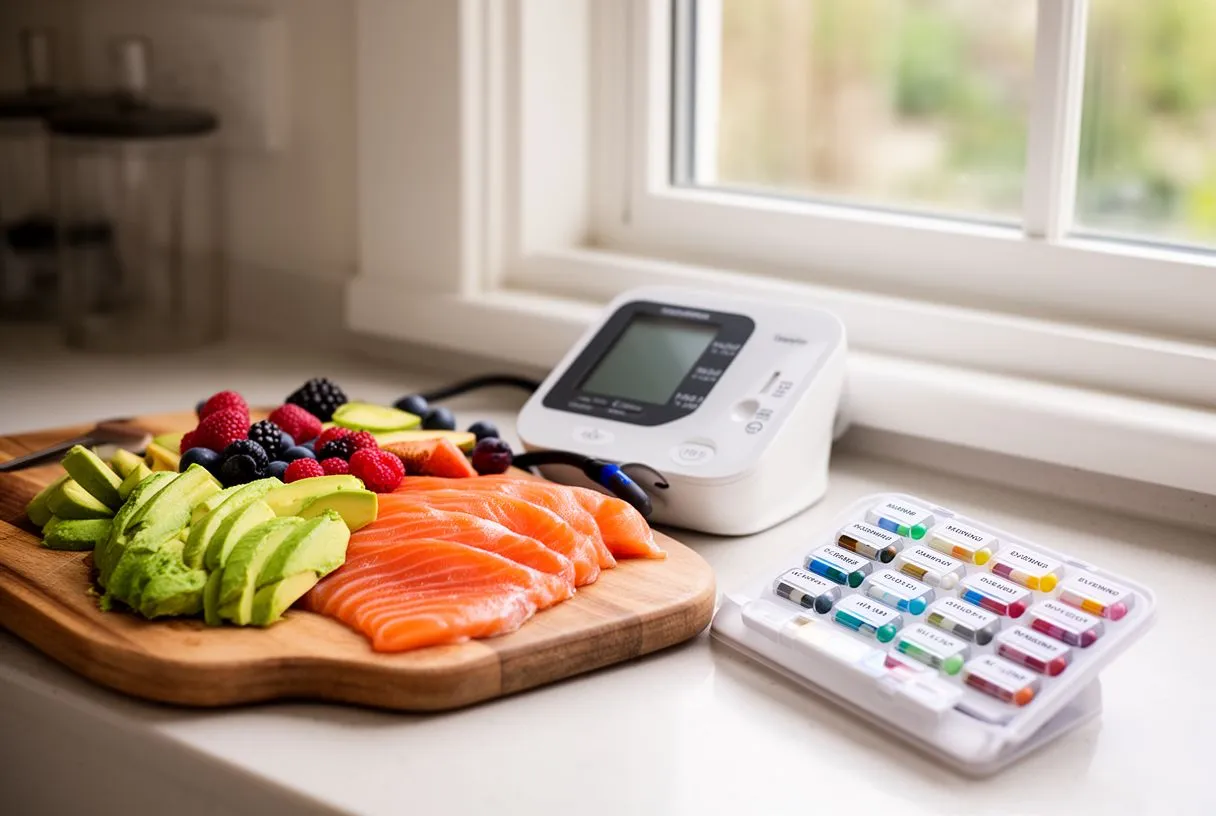
Recovery after a cardiac event is a gradual process with recognizable milestones, and patients do better when they know what to expect. In the first days after an angioplasty or hospital admission, the priority is rest and wound care at the catheter site, with a gradual return to walking. Over the following weeks, most patients join a cardiac rehabilitation program — supervised, progressive exercise combined with education about diet, medication, and stress management. Cardiac rehab is one of the best-supported interventions in all of medicine for preventing a second event.
Long-term prevention rests on a handful of fundamentals: taking prescribed medications consistently (statins, blood pressure control, and antiplatelet therapy where indicated), not smoking, staying physically active, and keeping follow-up appointments. Depression and anxiety after a cardiac event are common and treatable, and addressing them measurably improves outcomes — studies such as the systematic review on post-COVID-19 fatigue and cognitive impairment also illustrate how post-illness symptoms, including persistent fatigue, can shape recovery and deserve structured follow-up rather than being dismissed.
Technology can help too. Research such as the PLOS Medicine systematic review on mobile health interventions shows that app-based programs supporting medication adherence and lifestyle change can meaningfully improve health outcomes for people managing chronic conditions. A simple pill reminder, a walking log, or a blood pressure diary turns good intentions into a routine — and routines, more than willpower, are what protect the heart over years.
After an emergency or a procedure, ask for a written plan: what symptoms should prompt a call, which medications to take and when, and when the next review is scheduled. Patients who know what comes next tend to recover with more confidence.
When Should You Seek a Specialist Opinion About Chest Pain?
Even after a normal emergency evaluation, some situations justify seeing a cardiologist promptly rather than waiting. Recurring chest discomfort that tests have not fully explained, chest pain with exertion that is new or worsening, known risk factors like high cholesterol or diabetes, and a family history of early heart disease all warrant a specialist assessment. So does being told you may need surgery or an intervention — decisions like those deserve a full explanation of every option before you commit.
A specialist consultation for chest pain typically includes reviewing your history and any tests you already have, an examination, and then targeted studies — an echocardiogram (an ultrasound of the heart), possibly a stress test or CT angiogram. The aim is not to order everything, but to order the right thing. We structure our consultations around exactly that principle: explain what each test would actually change about your treatment, and skip what would not.
Our team's training spans conventional, minimally invasive, robotic and structural heart procedures — Dr Molina trained in cardiothoracic surgery at the Universidad de Guadalajara, in cardiac, minimally invasive, robotic and structural surgery at the University of Montreal, and in structural cardiology and TAVR at CHU Bordeaux, and performed the first robotic mitral valve repair in the Ángeles Health System and the first robotic heart surgery in Guadalajara. That breadth matters for one reason: it means the recommendation you receive is not shaped by the only technique we happen to offer. It is shaped by your anatomy, your evidence, and your goals.
Crushing chest pain what to do is a question with two answers: the immediate one — stop, call, and let emergency services take over — and the long-term one — understand your heart, address your risks, and make decisions about your care with a team that explains every option. If your chest pain has never been fully explained, or if you have been told you might need heart surgery and want a clear, honest second opinion, book a consultation with our team. We will take the time to answer every question before any decision is made.
One last word on peace of mind: the most valuable thing you can do after any frightening chest episode is replace uncertainty with a plan. Whether the outcome is reassurance that your heart is healthy, a medication to prevent a future event, or a considered surgical recommendation, every one of those is better than the quiet worry that comes from not knowing. Talk to a qualified cardiac team, bring your questions, and let the answers guide you forward.






