Cryoanalgesia for Pain After Chest Surgery
Cryoanalgesia for chest surgery pain uses targeted nerve cooling to cut opioid use and speed recovery.
Cryoanalgesia for chest surgery pain is a technique that uses controlled cold to quiet specific chest wall nerves while a patient is still on the operating table. If you or a family member is facing open heart surgery, lung surgery, or any operation that opens the chest, pain is probably one of your biggest worries — and for good reason. Chest incisions cut through some of the most pain-sensitive tissue in the body. This guide explains what cryoanalgesia is, how it works, what the evidence says, and how our team at Cirugía de Corazón thinks about it when planning surgery with patients in Guadalajara, Querétaro and Hermosillo.
What Is Cryoanalgesia and How Does It Work?
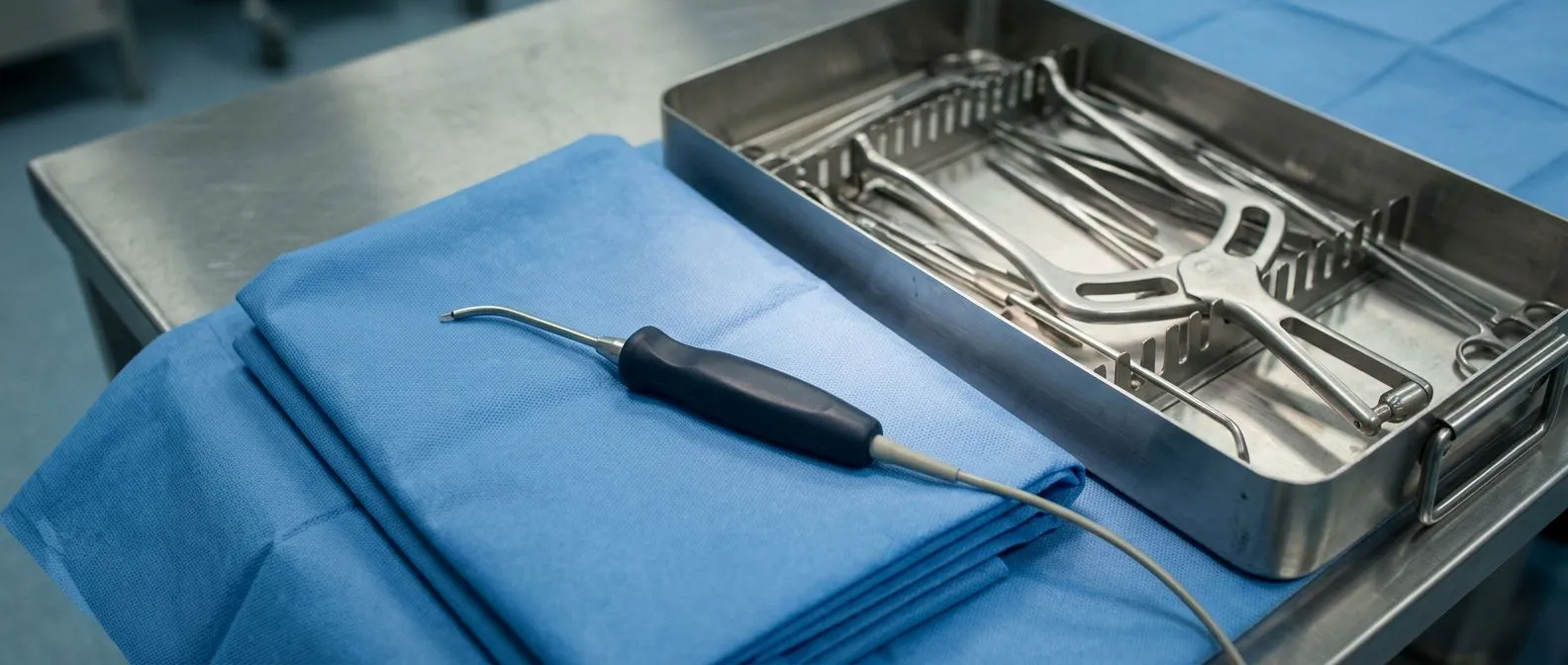
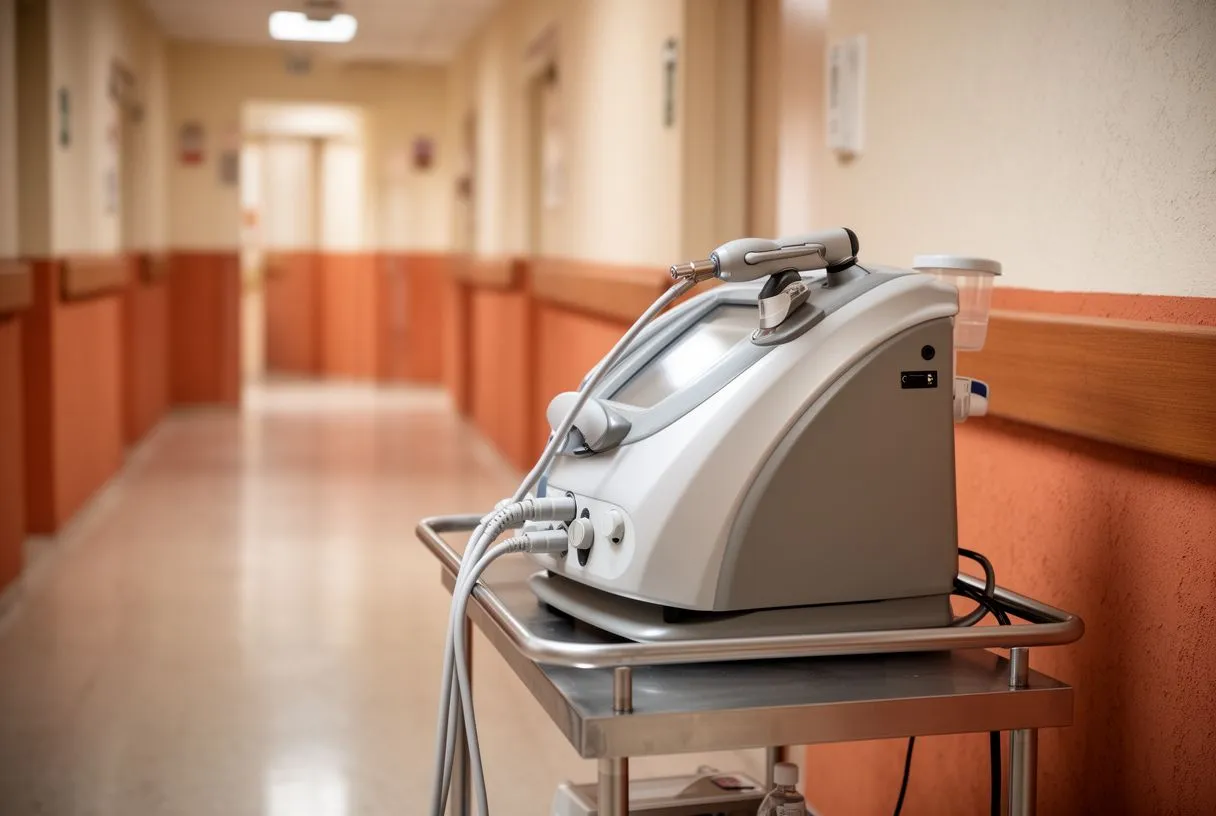
Cryoanalgesia — sometimes called cryoneurolysis — is the deliberate, controlled freezing of a nerve to temporarily switch off its ability to carry pain signals. The word itself comes from Greek: "cryo" means cold, "analgesia" means relief from pain. During chest surgery, the surgeon applies a very cold probe directly to the nerves that run under each rib.
The cold probe works through a predictable sequence. First, the nerve becomes numb and stops transmitting. Over days to weeks, the frozen nerve fibres degenerate at their outer ends. Then the nerve slowly regenerates from the healthy part of the cell back toward the skin. Because the connective framework of the nerve is left intact, the fibres regrow along their original path, which is why the numbness resolves rather than becoming permanent.
Temperatures are the key to the whole technique. Clinical cryoprobes typically operate around −60 °C to −80 °C, applied for one to three minutes per nerve. This range is cold enough to interrupt pain conduction but not so destructive that it kills the nerve permanently. Patients sometimes ask whether the freezing "burns" the tissue. It does not — because the area is completely anaesthetised and the patient is asleep, nothing is felt during application, and the recovery afterward is a numbness rather than a burn.
The concept is not new. Cryoanalgesia has been studied for decades across orthopaedic, general thoracic, and cardiac surgery. What has changed is the delivery: modern disposable probes and, in some centres, video-assisted placement have made the technique faster and more precise, so it can fit into a heart operation without adding meaningful time.
How Intercostal Nerve Cryoablation Eases Pain After Chest Surgery
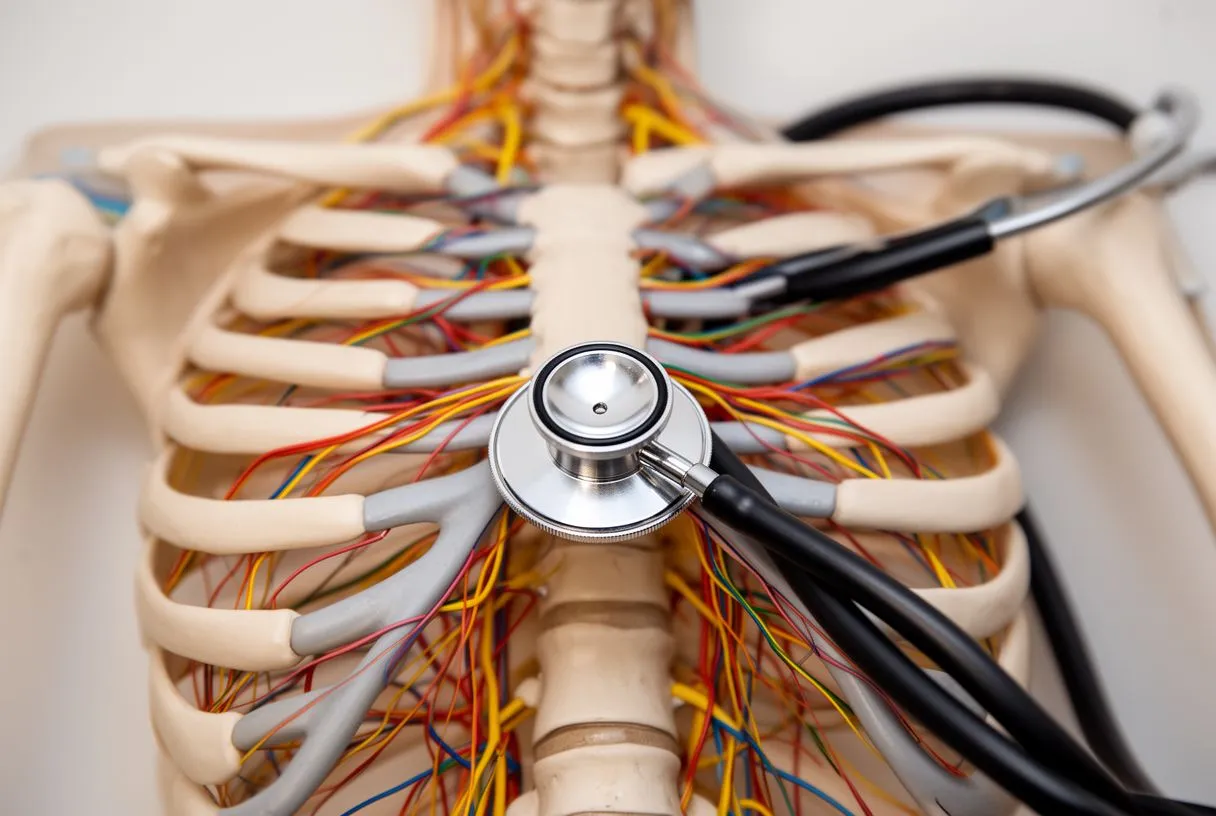
The intercostal nerves are the small nerves that run in a groove under each rib, wrapping around the chest wall toward the front. They carry sensation from the skin, the muscles between the ribs, the lining of the lung (the pleura), and — importantly for heart surgery — a portion of the lining around the heart itself. When a chest is opened, these nerves take most of the insult.
Intercostal nerve cryoablation is usually done near the end of the operation, once the main surgical work is complete. The surgeon identifies the ribs above and below the incision — and, for a sternotomy, on each side of the breastbone — and freezes each relevant nerve briefly. A typical cardiac application treats three to six nerves on each side. The whole add-on often takes ten to fifteen minutes.
Why the chest is so pain-sensitive: unlike an abdominal incision, every breath moves the chest wall. Coughing, deep breathing, turning in bed, even laughing all stretch and load the healing tissue. That is why uncontrolled pain after chest surgery does more than hurt — it can stop patients from coughing effectively, and poor coughing raises the risk of lung congestion and pneumonia. By quieting the intercostal nerves, cryoanalgesia makes it physically possible for patients to breathe deeply and clear their lungs from the first night.
What the numbness feels like: patients describe a band of reduced sensation across the area where the nerves were treated — like the skin was still under local anaesthetic. Fine touch is dulled, but the deep structures, pressure sensation, and movement are preserved. Over the following weeks the sensation returns gradually, usually from the edges inward, as the nerves regenerate.
Which Heart and Chest Surgeries Benefit From Cryoanalgesia?
Any operation that opens the chest wall can leave significant Postoperative Pain, so cryoanalgesia has found a natural home in several procedures:
- Open heart surgery with sternotomy: coronary bypass, valve repair or replacement, and aortic work all use an incision down the breastbone. Freezing the intercostal nerves on both sides softens the deep pain around the sternum.
- Thoracotomy and lung surgery: an incision between the ribs is one of the most painful in surgery. Cryoanalgesia is widely used here, and it is a recognised option for treating nerve pain after lung surgery.
- Minimally invasive and robotic cardiac surgery: smaller incisions still pass between ribs, where the intercostal nerves sit. Cryoanalgesia can be applied under direct vision during these procedures.
- Pectus (funnel chest) repair: correction of Pectus excavatum — understanding and treating "funnel chest" involves repositioning ribs and cartilage, and nerve cooling is often added to the pain plan.
In our practice, we consider cryoanalgesia case by case. Every case is reviewed by the multidisciplinary team against international practice guidelines before a recommendation is given, and we recommend the less invasive route — including less invasive pain techniques — only where the evidence supports it for that specific patient. If a valve case, for example, is suitable for a small incision, the pain plan is built around that incision; if a full sternotomy is needed, the plan changes accordingly.
It is worth being clear about what cryoanalgesia does not replace. It does not replace the general anaesthetic, and it does not make an operation painless. It is one layer of a broader Pain Control strategy that also includes anti-inflammatory medicines, non-opioid painkillers, and small amounts of opioid only when truly needed.
Cryoanalgesia vs Epidural for Chest Surgery Pain
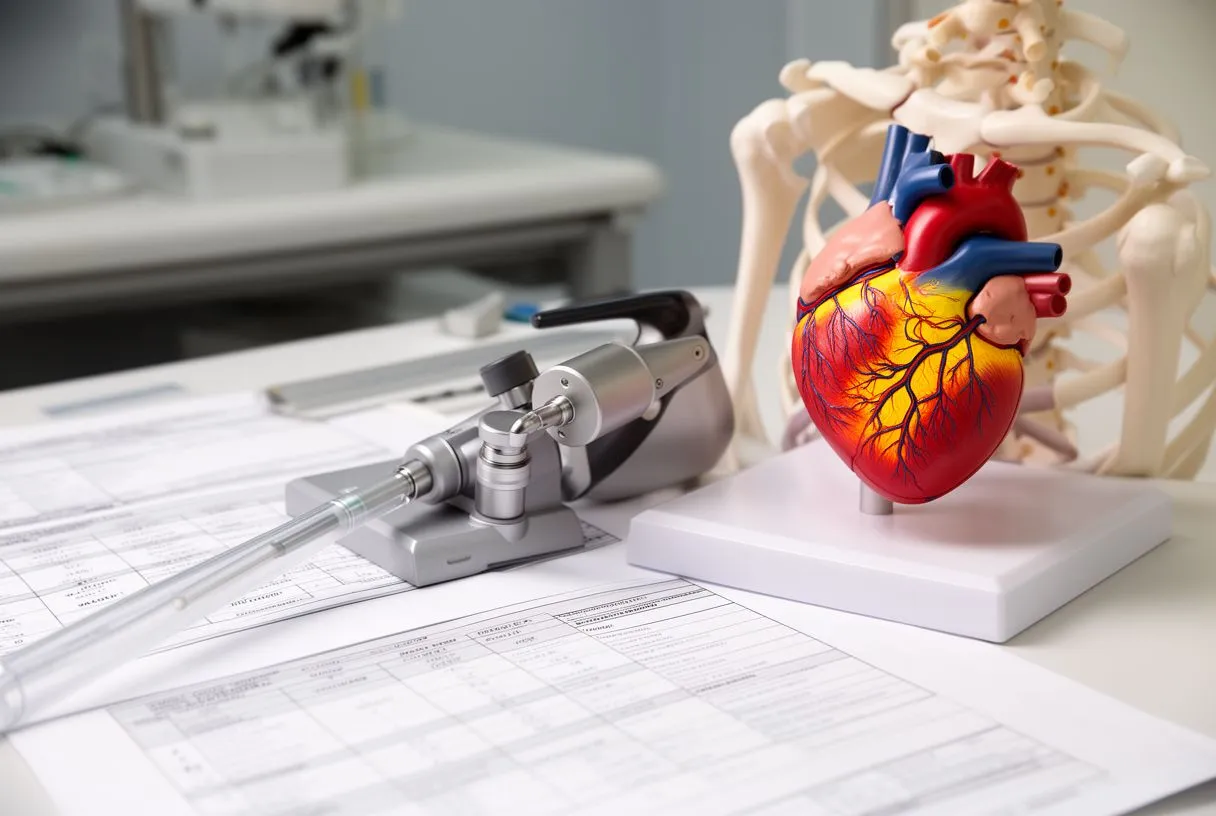
For decades, the standard of strong pain relief after chest surgery was the thoracic epidural. A thin catheter is placed in the back before surgery, and local anaesthetic drips continuously into the space around the spinal cord, numbing the nerves as they leave. It works well — but it comes with trade-offs.
Cryoanalgesia vs epidural chest surgery pain control: an epidural requires a second procedure (the catheter placement), needs monitoring for several days afterward, carries small risks of low blood pressure, numbness in the legs, and — very rarely — infection or bleeding around the spinal cord. It also leaves a catheter in place that can complicate early mobility. Cryoanalgesia, by contrast, is done during the operation itself, needs no catheter afterward, and does not affect blood pressure or leg function, so patients can get up and walk sooner.
The honest comparison is that a well-functioning epidural can produce slightly more complete analgesia in the first days, while cryoanalgesia trades a small amount of peak relief for simplicity, fewer lines and tubes, and no postoperative maintenance. Many modern cardiac programmes now favour cryoanalgesia precisely because patients after heart surgery need to be on blood thinners — and epidural catheters combined with anticoagulation raise the risk of spinal bleeding. That safety point is often the deciding factor in cardiac cases.
Some patients ask about other nerve-focused options, such as single-shot paravertebral or erector spinae plane blocks done with ultrasound before incision. These are real alternatives, but their effect usually wears off within a day or so. Cryoanalgesia's advantage is duration measured in weeks, not hours.
How Long Does a Surgical Nerve Block Last?
The duration depends on the technique. A routine anaesthetic nerve block — the kind done with local anaesthetic before or after surgery — lasts hours to a day or two. That answers the common question "how long does a surgical nerve block last?" for standard blocks, but cryoanalgesia is a different category entirely.
A cryoanalgesia block typically provides pain relief for two to six weeks, which corresponds to the time the frozen nerve fibres take to regenerate. Nerve function returns gradually. Most patients notice the numbness fading between the third and sixth week, and sensation is usually back to normal within one to three months. Because the most intense chest pain — the phase when coughing and deep breathing matter most — sits inside that window, the timing is well matched to the patient's needs.
Timing around the operation: the effect begins immediately. When the patient wakes from anaesthesia, the treated band is already numb. There is no ramp-up period, which is one of the practical advantages over pain medicines that need adjusting to find the right dose.
It is important to distinguish this temporary effect from permanent nerve injury. A properly applied cryoanalgesia probe freezes the nerve at a temperature and duration that cause reversible changes. The nerve's internal scaffolding is preserved, so regrowth follows the correct route back to the skin.
Does Cryoanalgesia Reduce Opioid Use and Prevent Chronic Pain?
Two questions drive most of the interest in cryoanalgesia today: does it cut opioid use, and does it lower the chance of long-term pain after chest surgery?
Reducing opioid dependence: the first hours and days after chest surgery are when opioid doses run highest. Patients who receive cryoanalgesia consistently need less strong pain medication in that window. Lower opioid exposure means less nausea, less constipation, less grogginess, and an easier transition to walking and eating — all of which shorten the hospital stay. In an era when reducing opioid exposure is a priority across medicine, that alone is a meaningful benefit.
Preventing chronic pain: a significant number of patients develop persistent pain after chest or cardiac surgery — pain that lingers months or years beyond healing. One leading theory is that severe, uncontrolled pain in the first days "sensitises" the nervous system, making it more likely to keep signalling pain long after the tissue has healed. By blunting that early pain storm, cryoanalgesia is thought to reduce the risk of this transition to chronic pain, including persistent intercostal nerve pain after thoracotomy. Evidence for this is growing but not yet definitive, and honest clinicians say so.
What patients actually report: in the studies that exist, patients with cryoanalgesia report better comfort with coughing and deep breathing, better early sleep, and higher satisfaction with their pain management overall. In our own consultations, patients who have had chest surgery before — especially those who remember struggling to cough after a first operation — are often the most motivated to ask for this layer of protection, and we are glad to explain exactly where it would fit in their plan.
What Is Nerve Pain and Why Does It Happen After Chest Surgery?
Not all pain is the same, and understanding the difference helps you describe what you feel to your care team. "Ordinary" surgical pain — aching, soreness, pressure — comes from injured tissue and fades as it heals. Nerve pain (neuropathic pain) is different: it is caused by the nerves themselves being irritated, stretched, compressed, or injured.
Nerve pain has a recognisable character. Patients describe it as burning, electric, stabbing, or like pins and needles. It may appear in areas that feel numb to touch yet hurt to be touched. After chest surgery, it often follows the path of an intercostal nerve — a narrow band running from the scar around the side of the chest, sometimes forward toward the breastbone. Some patients notice symptoms that move: a Migrating Chest Pain sensation along different spots of the rib line, or pain that radiates — a Radiating Pain pattern following the nerve's course.
Chest surgery is a perfect setup for nerve irritation. The incision cuts directly through skin and muscle where these nerves end. Retractors spread the ribs, which can stretch the nerves where they sit in the groove under each rib. Chest drains — a Chest Drain or chest tube placed to drain air and fluid after surgery — typically exit between ribs right beside those same nerves. Even pain referred from elsewhere can confuse the picture: some patients feel Chest Tightness or a Chest Pressure that is actually cardiac, while others report Arm Pain, Back Pain, Jaw Pain, or Epigastric Pain that turns out to be related. This is why a new or changing pain after heart surgery should always be evaluated rather than assumed to be surgical — and why symptoms like Tearing Chest Pain or Crushing Chest Pain demand immediate medical attention, not waiting.
When nerve pain does develop after surgery, it is treatable. Standard approaches include medicines designed for nerve pain, nerve-targeted injections, and in persistent cases, cryoanalgesia itself can be applied under ultrasound guidance after surgery — the same cooling principle, delivered through the skin. So even for patients whose operation is behind them, "how to treat nerve pain after lung surgery" has real answers.
Are There Side Effects and Risks of Cryoanalgesia?
No surgical technique is risk-free, and patients deserve a straight account of cryoanalgesia side effects. The encouraging news is that the technique's safety record is good, and most of its "side effects" are actually its intended, temporary physiology.
- Numbness lasting weeks: the treated skin band stays numb while the nerves regrow. This is expected, not a complication, but patients should know it will happen and that it resolves.
- Possible cold injury to surrounding tissue: if the probe is misplaced or held too long, nearby structures can be affected. This is a technique-dependent risk that experienced surgeons manage by careful nerve identification.
- Rare regrowth problems: very occasionally a nerve regenerates abnormally, producing lingering discomfort or small areas of over-sensitivity (a condition related to neuroma formation). This is uncommon but should be mentioned honestly.
- Masking a new problem: because the treated band is numb, pain that would normally signal a complication — such as an infection or a rib issue in that area — may be blunted. Care teams know to look for other signs.
There is one practical precaution worth knowing: until the numbness fades, the skin in the treated band is less protective. Patients should avoid resting hot water bottles or heating pads against a numb chest area, because a burn can happen without being felt. Simple awareness prevents almost all of these injuries.
In our team's practice, we discuss these risks openly during the preoperative consultation. We take the time to explain what the studies actually show, in plain words, and to answer every question before any decision. The patient receives a clear proposal with the alternatives — including doing nothing additional to the pain plan — and the final decision is always theirs.
What Recovery Looks Like With Cryoanalgesia After Heart Surgery
Recovery after cardiac surgery follows a well-established path, and cryoanalgesia changes the texture of that path more than its shape. The general sequence is the same whether or not nerve cooling is used — but the early days are noticeably more comfortable.
The first 48 hours: patients wake from surgery with the treated band already numb. The priority in these hours is breathing: deep breaths every hour, using the incentive spirometer, and coughing while supporting the incision with a pillow. With cryoanalgesia, this coughing is dramatically less painful, which is exactly why the technique is valued — the lungs clear better, and the risk of chest infection falls.
The first week: most patients are walking in the corridor by day one or two, sitting in a chair for meals, and graduating from strong pain medication to simple tablets. Chest X-ray checks confirm that the lungs are fully expanded and that any chest drains can come out. As the numbness persists but the sharper pain subsides, patients often describe a strange but pleasant contrast: they can move freely while the incision area still feels "switched off."
Weeks two to six: this is where stamina rebuilds. Cardiac rehabilitation — graded, supervised exercise — begins, and the numbness starts to fade. Sensation returns gradually, and by the end of the second month most patients have normal feeling again. Follow-up matters throughout this phase, and structured support helps: a systematic review in PLOS Medicine found that mobile-health interventions can help patients change health behaviours and manage disease after treatment, which is why many modern programmes supplement in-person visits with app-based reminders for breathing exercises, medication, and walking targets.
Our team plans recovery alongside the operation itself. At the first contact — a free video consultation — we get to know the patient, talk through the condition, and identify which studies are genuinely still needed so no unnecessary ones are ordered. Once the operation is planned, the pain strategy, including whether cryoanalgesia fits, is laid out in that same conversation.
For international and cross-border patients, three questions come up repeatedly: is cryoanalgesia available, what does it add to the cost, and is it worth the extra expense?
Availability: cryoanalgesia is an established technique used in major cardiac and thoracic centres worldwide, and it is available at leading hospitals in Mexico. It requires specific single-use cryoprobes and a surgical team familiar with their placement — equipment and training that high-volume cardiac programmes maintain routinely. The most reliable way to know whether it will be offered for your operation is to ask directly when you meet the surgical team.
Cost context: the technique adds the price of the disposable probes and a modest amount of operating time — usually a small fraction of the total cost of cardiac surgery. When weighed against even a slightly shorter hospital stay, fewer complications from better coughing, and reduced medication needs, many patients and insurers find the arithmetic favourable. Exact figures vary by hospital and case, so they should always be confirmed in a written, itemised proposal rather than estimated from the internet.
Choosing the right team: technique matters, but so does the team applying it. Dr Molina trained in cardiothoracic surgery at the Universidad de Guadalajara, in cardiac, minimally invasive, robotic and structural surgery at the University of Montreal, and in structural cardiology and TAVR at CHU Bordeaux; the team has also trained at Jena, Bad Berka and Buffalo. Dr Molina performed the first robotic mitral valve repair in the Ángeles Health System and the first robotic heart surgery in Guadalajara. That background matters for a technique like cryoanalgesia, because placing the probe correctly on the right nerves — especially during a minimally invasive or robotic procedure — depends on the surgeon's familiarity with the chest wall anatomy from every angle.
We also treat second opinions as a normal part of deciding about heart surgery, and we encourage them. A patient deciding about a major operation deserves to hear more than one perspective, and a good team welcomes that.
Conclusion and Next Steps
Chest surgery has always carried real pain, but the tools to manage that pain have improved enormously. Cryoanalgesia for chest surgery pain offers something genuinely different from medicines and catheter-based blocks: it quiets the chest wall nerves at the source, for weeks, with a temporary and reversible effect. It helps patients breathe deeply from the first night, cough effectively, use less opioid medication, and get moving sooner — all of which support a safer, faster recovery. Its main limits are honest ones: the numbness takes weeks to resolve, it is not painless surgery, and evidence for preventing long-term chronic pain, while promising, is still building.
If you are weighing a heart operation — a valve procedure, coronary bypass, an aortic repair, or a structural heart intervention such as TAVR — the pain plan deserves a place in that conversation alongside the operation itself. Ask your surgical team where cryoanalgesia fits, what the alternatives are, and what the recovery realistically looks like for your specific procedure. The best next step is not to self-diagnose from articles like this one, but to sit down with a qualified cardiac team and discuss your own situation. You can book a consultation with our team in Guadalajara, Querétaro or Hermosillo — or start with a free video consultation — and we will walk you through every option, in plain words, before any decision is made.
For general background on how chest pain and heart conditions are evaluated, the National Heart, Lung, and Blood Institute offers reliable patient-facing guidance.