

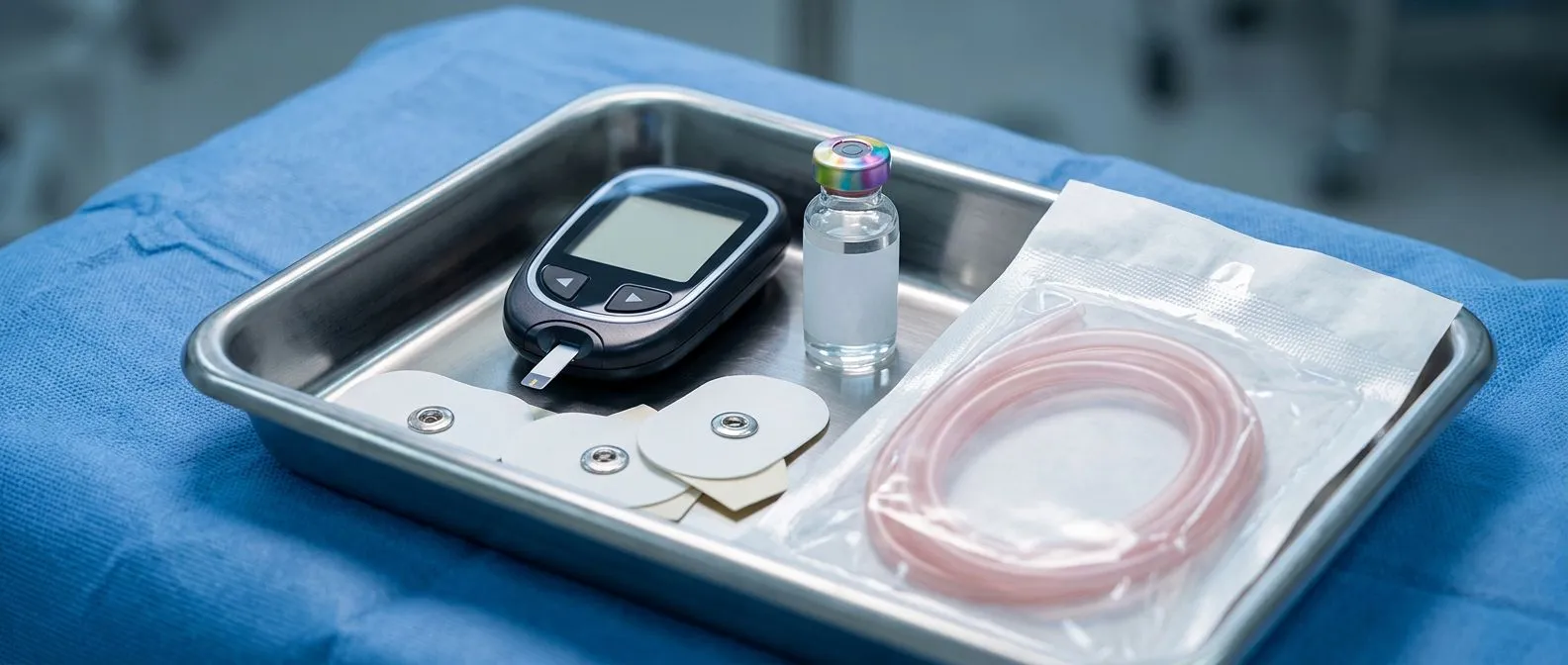
Diabetes Mellitus and Heart Surgery: Outcomes and Care
Diabetes mellitus heart surgery requires specialized care for safe outcomes.
What Is Diabetes Mellitus Heart Surgery and Who Needs It?
When a patient with diabetes mellitus requires a cardiac procedure, the surgical journey looks different from that of a non-diabetic patient. Diabetes mellitus heart surgery encompasses the full range of open-heart and minimally invasive procedures — coronary artery bypass grafting, valve repair or replacement, and combined operations — performed on patients whose blood sugar regulation is impaired. If you or a loved one has been told you need surgery and you also manage diabetes, you are likely asking whether the two conditions complicate each other. They do, but with careful planning, cardiac teams routinely achieve strong outcomes for diabetic patients.
Why diabetic hearts need surgery: Over time, persistently elevated blood glucose damages the inner lining of blood vessels, accelerating the buildup of atheromatous plaque — a fatty, cholesterol-laden deposit — inside the coronary arteries that supply the heart muscle itself. When these arteries narrow severely, blood flow to the heart is restricted, causing angina (chest pain) or, if an artery blocks completely, a heart attack. Bypass surgery reroutes blood around these blockages using a healthy vessel taken from elsewhere in the body, restoring flow. Valve surgery may also be necessary when diabetes-related changes stiffen or damage the heart's internal doors.
Who typically faces this combination: Patients with Type 2 diabetes who have had the disease for many years, especially those with additional risk factors like hypertension, high cholesterol, or obesity, are the most common candidates. The decision to operate is never taken lightly. Cardiac surgeons weigh the severity of the heart problem against the degree of metabolic control, using scoring systems that help estimate perioperative risk. The goal is always to determine the lowest-risk approach for your specific situation, whether that means surgery, a catheter-based intervention, or optimized medical therapy.
How Does Diabetes Affect Coronary Artery Disease?
Diabetes transforms coronary artery disease into a more diffuse and aggressive condition. Rather than a single blockage in one convenient location, diabetic patients often develop multiple plaques spread across several coronary arteries, including small branch vessels that are harder to bypass. This diffuse pattern is one reason surgeons sometimes need to perform more complex, multi-vessel bypass operations. The disease also tends to progress faster, meaning that a vessel that looks adequate on an angiogram today may narrow significantly within months.
The role of Apolipoprotein B: This protein coats every cholesterol particle in the bloodstream that can enter artery walls and cause damage. Diabetic patients frequently have elevated Apolipoprotein B levels even when their LDL cholesterol appears normal, because their cholesterol particles tend to be smaller, denser, and more likely to infiltrate the arterial lining. This is one reason why diabetes is considered a coronary artery disease equivalent — the risk of a major cardiac event in a diabetic patient without known heart disease mirrors that of a non-diabetic patient who has already had a heart attack.
Silent ischaemia and atypical presentations: Diabetic neuropathy — nerve damage caused by chronic high blood sugar — can dull or eliminate the chest pain that normally warns of inadequate blood flow. Some patients experience an atypical infarction, meaning their heart attack presents without the classic crushing chest pain. Instead, they may feel only shortness of breath, profound fatigue, or even Arm Pain that is mistaken for a muscle strain. Because these warning signs are muted, diabetes can allow coronary disease to advance silently until imaging or an emergency reveals its extent.
Is Heart Surgery Safe for Diabetic Patients?
This is the question every diabetic patient and family asks, and the honest answer is nuanced: heart surgery in diabetic patients carries moderately higher risk than in non-diabetic patients, but it remains a safe and often life-saving option when performed by experienced teams at well-equipped centres. Large registry data consistently show that diabetic patients have slightly higher rates of wound complications, infection, and longer hospital stays, but their survival and long-term symptom relief are comparable when blood sugar is well managed before, during, and after the operation.
Understanding your individual risk profile: Safety depends heavily on how well controlled your diabetes is at the time of surgery, how long you have had the disease, and whether you have end-organ damage such as kidney impairment or neuropathy. Surgeons use tools like the EuroSCORE II to calculate a personalized risk estimate based on age, cardiac function, urgency of surgery, and comorbidities. According to NCBI, diabetes is an independent predictor of postoperative morbidity, but modern protocols that include insulin infusions and enhanced recovery pathways have substantially narrowed the gap between diabetic and non-diabetic outcomes.
Choosing the right surgical strategy: For some diabetic patients with limited coronary disease, a catheter-based approach such as balloon angioplasty with a stent may be appropriate and avoids the larger incision of open surgery. However, for multi-vessel disease — which is common in diabetes — bypass surgery has demonstrated superior long-term survival in multiple studies, particularly when the internal mammary artery is used as the graft. Your cardiac team will discuss which approach offers the best balance of durability and safety for your anatomy and metabolic status.
Diabetes and Bypass Surgery: What Are the Risks?
Coronary artery bypass surgery in diabetic patients carries a specific set of risks that the surgical team actively works to minimize. The most significant concerns include impaired wound healing at the chest incision and at the leg where a vein may be harvested, higher rates of sternal infection, kidney stress from cardiopulmonary bypass, and the possibility of postoperative arrhythmias such as atrial flutter — a rapid, disorganized beating of the heart's upper chambers (the atrium). None of these risks are absolute, but awareness helps patients and families prepare for the recovery road ahead.
Sternal wound complications: The breastbone is wired back together after open-heart surgery, and in diabetic patients the healing of this bone and its overlying skin can be slower. Elevated blood sugar impairs collagen production and reduces the effectiveness of white blood cells that fight infection at the wound site. Deep sternal wound infections, though rare, are serious and may require surgical revision and prolonged antibiotic therapy. This is why meticulous glucose control begins before the operation and continues throughout hospitalization.
Renal and neurological considerations: The heart-lung machine that supports circulation during bypass can strain the kidneys, and diabetic patients who already have early kidney disease are at heightened risk for acute kidney injury. Surgeons may opt for off-pump bypass — operating on a beating heart — in selected patients to reduce this risk. Neurological risk, including stroke or cognitive changes, is also slightly elevated in diabetics due to the prevalence of vascular disease in the brain's arteries. Your anesthesiologist will review all of these factors when planning your care.
Preoperative Diabetes Management Before Cardiac Surgery
The weeks before surgery are when diabetic patients can most influence their outcomes. Preoperative diabetes management involves achieving the best possible glucose control, optimizing medications, and addressing any diabetes-related complications that could complicate recovery. The target is typically a glycated haemoglobin (HbA1c) level below a threshold your surgeon specifies, often around 8% or lower, though the exact goal depends on individual circumstances and how urgently surgery is needed. Patients taking metformin may be asked to pause it 24 to 48 hours before surgery to reduce a rare but serious risk of lactic acidosis.

Medication adjustments and insulin planning: If you take oral diabetes medications, some will be held the morning of surgery while others may be continued. Insulin-dependent patients usually receive a modified dose of their long-acting insulin the night before, with a separate protocol for the morning of surgery. The goal is to prevent both high blood sugar, which impairs healing, and low blood sugar, which can be dangerous under anaesthesia. Your endocrinologist and anaesthesiologist will coordinate these adjustments in the days leading up to your procedure.
Addressing other diabetes complications: Before surgery, your team will check for signs of autonomic neuropathy, which can affect heart rate responses and blood pressure stability under anaesthesia. They will also assess kidney function through blood tests and review any evidence of peripheral vascular disease that might affect the suitability of leg vein grafts. Patients who have an arterial line placed for continuous blood pressure monitoring during surgery benefit from having this planning done in advance, as the arterial cannula provides real-time precision that is especially valuable in diabetic patients whose vascular tone can be unpredictable.
Blood Sugar Control During and After Surgery
Intraoperative and postoperative glucose management is one of the most carefully choreographed aspects of diabetes mellitus heart surgery. During the operation, the body's stress response releases hormones that naturally raise blood sugar, and the heart-lung machine can further alter insulin sensitivity. Anaesthesia teams typically use a continuous intravenous insulin infusion — a precisely titrated drip — to keep blood sugar within a target range, usually between 140 and 180 mg/dL during surgery. This approach allows second-by-second adjustments that oral medications cannot achieve.
The immediate postoperative period: After surgery, patients are transferred to the intensive care unit where glucose monitoring continues at frequent intervals. The transition from intravenous insulin back to subcutaneous injections or oral medications is done gradually and carefully, once the patient is eating reliably. Tight control is balanced against the risk of hypoglycaemia, which can cause dangerous dips in consciousness during early recovery. Research catalogued by the NCBI shows that maintaining glucose in a moderate target range — not aggressively normal — is associated with fewer complications in cardiac surgery patients.
Long-term glucose targets after discharge: Once you return home, your endocrinologist will help recalibrate your diabetes regimen, which may have changed because of altered eating patterns, weight loss, or reduced medication needs after successful cardiac surgery. Some patients find their insulin requirements decrease in the months following bypass, particularly if they adopt heart-healthy dietary changes. Consistent glucose monitoring, regular follow-up, and honest communication with your diabetes care team form the backbone of sustained recovery.
Diabetic Wound Healing After Heart Surgery
Wound healing is the area where diabetes most visibly intersects with cardiac surgery recovery. Every incision — the chest sternotomy, the leg incision for vein harvesting, and any smaller port sites — depends on healthy blood flow, robust immune function, and adequate collagen synthesis to close properly. Diabetes can slow each of these processes. The chest incision is of particular concern because the breastbone must fuse securely; if healing is delayed, the bone may shift, causing pain and instability that can require reoperation.
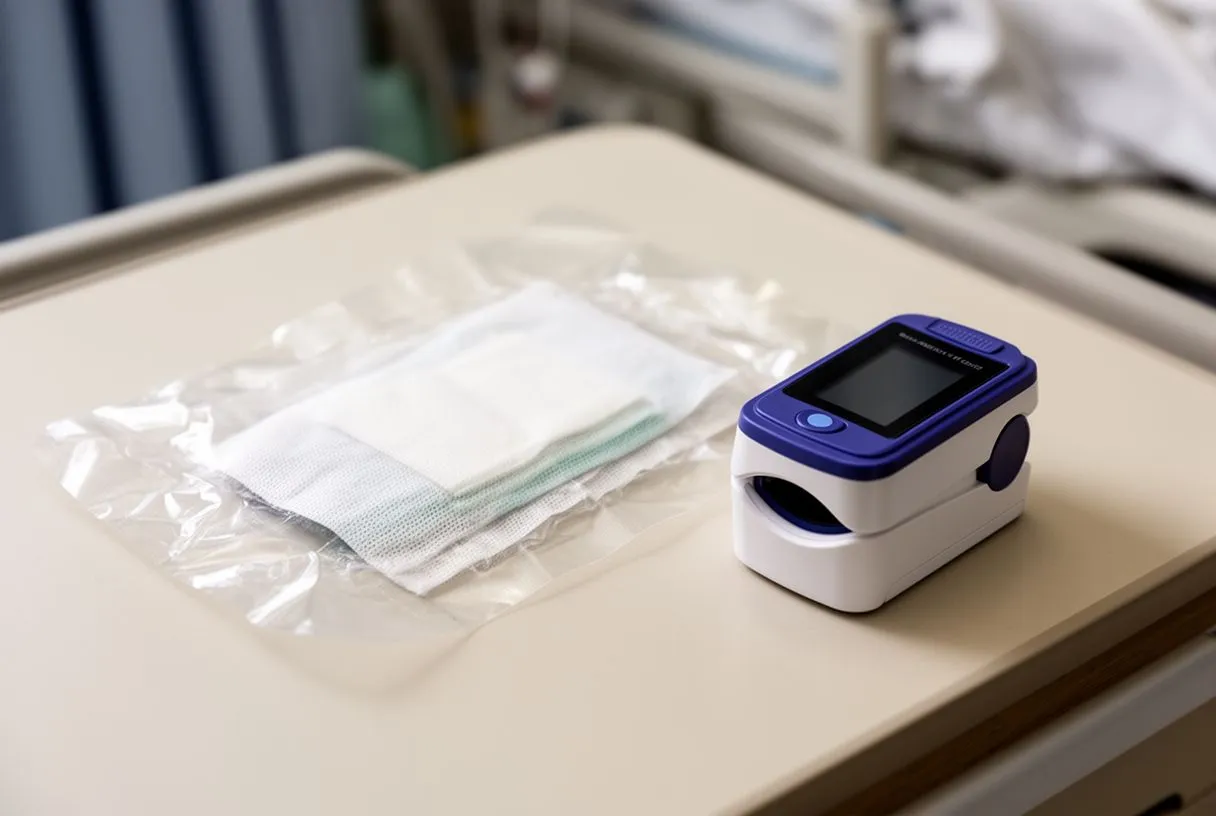
Practical steps to protect your incisions: Patients play an active role in wound care after discharge. Keeping blood sugar within target range is the single most effective action you can take to support healing. Additional measures include keeping incisions clean and dry, avoiding heavy lifting or pushing motions that stress the sternum, and watching for early signs of infection such as increasing redness, warmth, drainage, or fever. Smoking cessation is critical — nicotine constricts the tiny blood vessels that deliver healing nutrients to the wound, and diabetic patients who smoke face the highest wound complication rates of any cardiac surgery subgroup.
When wound problems arise: Minor wound separation can sometimes be managed with local wound care and antibiotics, but deeper infections involving the sternum require prompt surgical evaluation. Patients should not wait if they notice a clicking sensation in the chest, new drainage, or persistent fever after discharge. Early intervention dramatically improves outcomes. Your surgical team will provide clear instructions on what to watch for and when to call, and they expect to hear from you rather than hoping a concern resolves on its own. In complex peripheral vascular scenarios, techniques such as great saphenous vein arterialization combined with drug-eluting balloon angioplasty have been explored for no-option limb ischaemia, as described in a recent case report on simultaneous saphenous vein arterialization and venous angioplasty.
Heart Valve Surgery and Diabetes: Special Considerations
When a diabetic patient needs heart valve surgery rather than — or in addition to — bypass, the considerations shift in important ways. Valve disease in diabetic patients may involve the aortic valve, which can become severely narrowed (stenotic) through a combination of age-related calcification and metabolic changes, or the mitral valve, which can leak if the heart enlarges due to diabetic cardiomyopathy. The ascending aorta — the first segment of the body's largest artery, rising directly from the heart — may also show calcification that complicates surgical access. Each of these factors influences whether an open surgical approach or a transcatheter option is preferable.
Transcatheter aortic valve replacement (TAVR): For diabetic patients with severe aortic stenosis who are at intermediate or high surgical risk, TAVR offers a less invasive alternative to open surgery. A balloon-expandable valve is delivered through a catheter, usually via the femoral artery in the groin, and positioned within the diseased native valve. Recovery is typically shorter, and the avoidance of cardiopulmonary bypass reduces kidney stress — a significant advantage for diabetic patients with renal concerns. In some cases, balloon aortic valvuloplasty may be used as a bridge procedure to temporarily improve valve opening before definitive treatment.
Anticoagulation and medication management: Valve surgery introduces medication considerations that interact with diabetes treatment. Patients receiving mechanical valves require lifelong anticoagulation with warfarin, which can complicate the management of diabetic retinopathy if bleeding risk is elevated. Tissue valves, including those placed via TAVR, typically do not require long-term warfarin but may need antiplatelet therapy such as Aspirin. Blood pressure medications, including those used in diabetic patients to protect kidney function, may need adjustment after valve surgery. A coordinated approach between your cardiologist, surgeon, and endocrinologist ensures that all medications work together rather than at cross-purposes.
Cardiac Rehabilitation for Diabetic Patients
Cardiac rehabilitation is a structured programme of supervised exercise, education, and lifestyle counselling that begins after hospital discharge and typically lasts several weeks. For diabetic patients, rehabilitation serves a dual purpose: it supports heart recovery and it improves insulin sensitivity. Regular aerobic exercise helps muscles use glucose more efficiently, which can lower blood sugar levels and reduce medication requirements over time. Rehabilitation also provides a safe, monitored environment where patients can rebuild confidence in their physical capacity after a major operation.
What rehabilitation involves day to day: Sessions typically combine treadmill or stationary bicycle exercise with resistance training, all supervised by nurses and exercise physiologists who monitor heart rhythm and blood pressure. Education components cover heart-healthy nutrition — which for diabetic patients means meals that are both low in saturated fat and carbohydrate-controlled — medication management, stress reduction, and smoking cessation. Diabetic patients learn to check blood sugar before and after exercise, since physical activity can cause glucose to drop, especially in the early weeks when medication doses are still being adjusted.
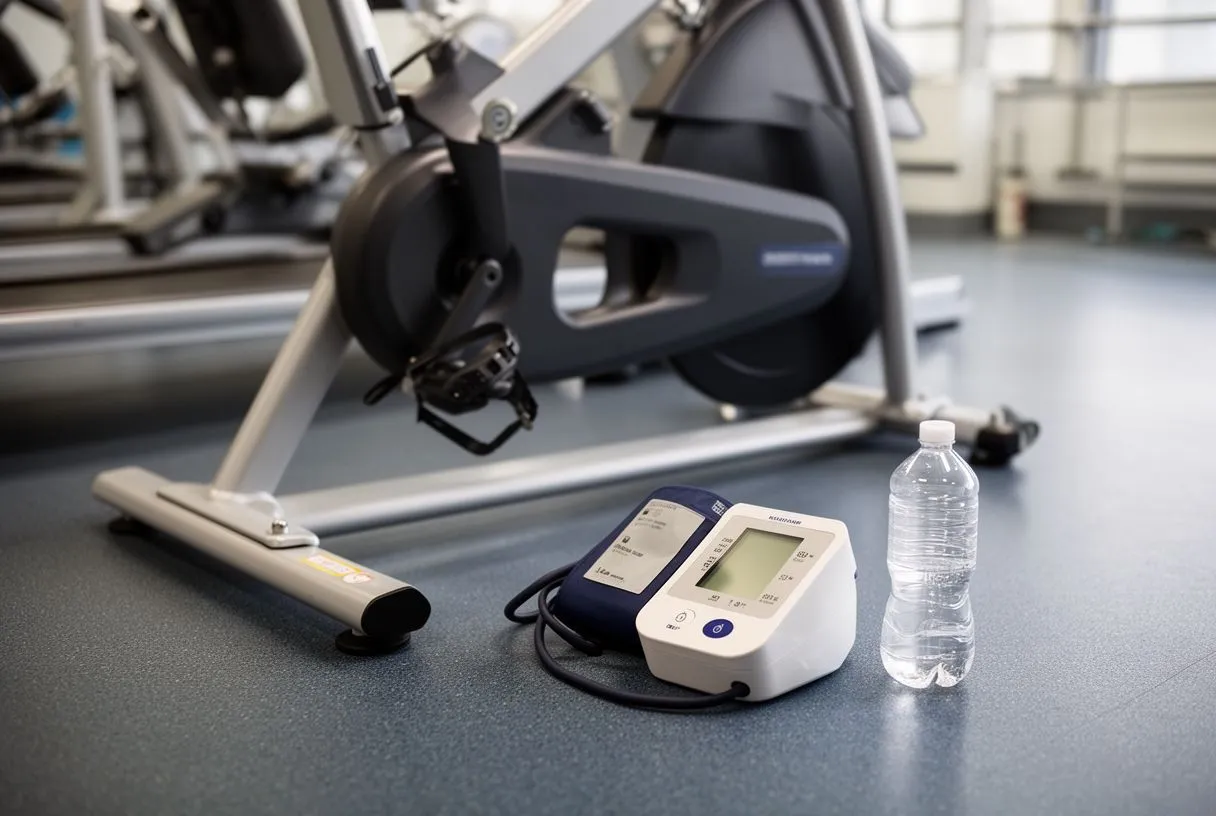
Overcoming barriers to participation: Some diabetic patients hesitate to begin rehabilitation because of peripheral neuropathy that affects balance, joint pain, or simply feeling overwhelmed by managing two chronic conditions simultaneously. Programmes can be tailored — using a stationary bike instead of a treadmill, or incorporating seated exercises — to accommodate these challenges. The investment pays off: patients who complete cardiac rehabilitation have measurably better long-term outcomes, including fewer hospital readmissions and improved quality of life. If cost or transportation is a concern, ask your team about home-based programmes or those offered through telehealth, which are increasingly available.
Long-Term Outcomes: Life After Diabetes Mellitus Heart Surgery
The long-term picture after diabetes mellitus heart surgery is encouraging when patients maintain their metabolic and cardiac care. Bypass grafts can remain open and functional for many years — particularly arterial grafts using the internal mammary artery, which have durability rates exceeding a decade in most patients. However, diabetes continues to be a progressive disease, and the native coronary arteries that were not bypassed, as well as the veins used as grafts, remain vulnerable to new plaque formation. This is why surgery is a critical intervention, not a cure for the underlying disease process.
What sustained recovery requires: Long-term success depends on three pillars working together. Consider these priorities as an actionable framework for your ongoing care:
- Meticulous glucose control: Keeping HbA1c at the level your endocrinologist recommends protects both your grafts and your native vessels from further damage.
- Consistent physical activity: Daily movement — walking, swimming, or cycling — maintains cardiovascular fitness and improves insulin sensitivity.
- Heart-healthy, glucose-aware nutrition: A Mediterranean-style eating pattern emphasising vegetables, lean proteins, whole grains, and healthy fats supports both your heart and your diabetes management.
- Medication adherence: Taking prescribed medications for blood pressure, cholesterol, and diabetes exactly as directed prevents the silent progression of vascular disease.
- Regular follow-up: Scheduled visits with your cardiologist, endocrinologist, and primary care physician catch problems early, when they are most treatable.
Looking forward with realistic optimism: Patients who engage actively in their recovery — attending rehabilitation, managing their diabetes diligently, and maintaining open communication with their medical team — frequently report significant improvements in energy, exercise tolerance, and overall quality of life. The surgical team may also address airway or respiratory needs during recovery, as noted in research on the safety and feasibility of hybrid tracheostomy published in the ACC Journal. Remember that every patient's path is unique. If you are facing the prospect of cardiac surgery and you have diabetes, the most empowering step you can take is to schedule a consultation with a qualified cardiac team who can review your specific anatomy, metabolic status, and goals. At Cirugía de Corazón, Dr Alejandro Molina and his team in Guadalajara, Querétaro, and Hermosillo are ready to discuss your situation with the care and clinical precision it deserves. Book a consultation today to understand your options — do not self-diagnose or delay seeking expert evaluation.






