Fever After Heart Surgery: When to Call Your Surgeon
Fever after heart surgery can be normal healing or a warning sign.
A fever after heart surgery is one of the most common — and most frightening — things a recovering patient can experience. You have just come through a major operation, and now your temperature is rising. Is this part of healing, or is something going wrong? The honest answer is that most early fevers are the body's natural response to surgery itself, but some fevers signal infection, and knowing the difference can protect your recovery. This guide walks you through what causes fever, what timeline is normal, which warning signs matter, and exactly when to call your surgical team.
What Causes Fever After Heart Surgery?
The most frequent cause of fever in the first 48 to 72 hours is the body's inflammatory response to surgical trauma. During a coronary artery bypass or valve operation, the surgeon opens the chest through a sternotomy — an incision through the breastbone — and works directly on the heart. This tissue injury releases cytokines, signalling proteins that raise the body's temperature set point. The result is a mild fever that usually settles on its own as healing begins.
Atelectasis and shallow breathing: Atelectasis, a partial collapse of the small air sacs in the lungs, is another very common driver. Deep breathing hurts after chest surgery, so patients naturally take shallow breaths. The lungs then under-expand, and that irritation produces a low-grade temperature. This is precisely why your care team pushes incentive spirometry — the breathing device you inhale against — and early walking. Most patients see this kind of fever resolve within three to five days as lung function improves.
Medication and transfusion reactions: Drugs given during and after the operation, including antibiotics and blood products, can produce short-lived fevers. Once you are home, a new fever days later is less likely to be a simple reaction and more likely to deserve investigation. The distinction your team looks for is timing: fever in the first two days is usually inflammatory, while fever that appears or persists beyond day five demands a closer look. In our practice, every postoperative fever is reviewed against international practice guidelines before we decide whether observation, tests, or treatment is the right next step.
Is a Low-Grade Fever Normal After Open Heart Surgery?
Yes, within limits. A temperature up to about 38.3°C (101°F) in the first 24 hours is common and rarely alarming on its own. The body is reacting to the sterile but significant trauma of surgery, and the inflammatory cascade is at its peak. Nurses check your temperature regularly, and if it climbs higher or fails to respond to paracetamol, they begin looking for other causes.
Days 2 through 5 — the inflammatory window: During this period, a low-grade fever between roughly 37.5°C and 38°C (99.5°F to 100.4°F) remains within the normal range for many cardiac surgery patients. The chest incision is healing, any bypass grafts are integrating, and the lungs are re-expanding. This is the window where staying ahead of pain and doing your breathing exercises matter most, because pain control lets you breathe deeply and keep the lungs clear.
Beyond day 5 — the investigation threshold: When a fever persists past the fifth day, or appears for the first time after you have been fever-free, the clinical picture changes. Observation alone is no longer sufficient. Your team will want to examine the sternal wound, check intravenous or catheter sites, and run blood tests to identify the source. A fever at this stage does not automatically mean infection, but it does mean it must be explained rather than assumed.
Postoperative Fever Timeline After Cardiac Surgery
Knowing the expected postoperative fever timeline helps families separate typical healing from warning signs. The pattern is broadly predictable: temperatures peak early, drift down, and should be gone by the end of the first week.
- First 24 hours: Temperatures up to about 38.3°C are common and usually reflect the inflammatory response to surgery.
- Days 2 to 5: Low-grade elevations between 37.5°C and 38°C remain acceptable if no other symptoms appear.
- Day 5 onward: New or persistent fever now requires investigation — wound, lungs, urine, and blood.
- Weeks 2 to 6: Any new fever at this stage is not "normal healing" until proven otherwise.
What the timeline does not tell you: It is a guide, not a rule. Individual factors — diabetes, lung disease, obesity, and the length of your hospital stay — all shift the risk in one direction or the other. Postoperative fever is one of the most common complications after surgery worldwide, a burden documented in systematic analyses such as the Global Burden of Disease Study 2015, which tracked years lived with disability across 310 diseases and injuries The Lancet. Your own surgeon's instructions always take precedence over any general timeline.
Why tracking matters: Keep a simple log of your temperature, morning and evening, along with any symptoms. This record shows whether the fever is improving, stable, or worsening, and it gives your team something concrete to act on. A written log removes guesswork from the phone call and often shortens the path to the right diagnosis.
Heart Surgery Infection Signs to Watch For
When a fever after heart surgery arrives with other symptoms, the likelihood of infection rises sharply. The challenge for patients and families is knowing which signs warrant an immediate call and which can wait for the next appointment. Infection at the surgical site is the most serious concern, but pneumonia, urinary tract infection, and bloodstream infection are also possible after any major operation.
Wound changes that matter: Increasing redness spreading from the incision, warmth, swelling, or drainage that is yellow, green, or foul-smelling all point toward a wound infection. Edges that begin to separate, or tissue deeper than skin that becomes visible, are a medical emergency. Pain that worsens day by day rather than improving — especially when sharp and paired with fever — can signal a deep infection beneath the breastbone.
Systemic signs of infection: Beyond the wound itself, watch for chills, drenching sweats, fatigue that feels different from normal postoperative tiredness, and loss of appetite. If you are taking blood thinners such as Apixaban and a fever comes with unusual bruising or bleeding, call immediately. Patients who had instrumentation inside the heart chambers — for example, repair of an Atrial Septal Defect or correction of Atrial Flutter — carry a slightly elevated risk of postoperative infection and should report any new symptom promptly. If you develop a fever after surgery, call your care team; they can tell you whether it can wait for a visit or needs same-day evaluation.
Sternal Wound Fever and Wound Care at Home
The sternotomy incision is the most visible reminder of your operation, and it is also the most common site for postoperative infection. A fever that accompanies changes in the sternal wound is a combination no cardiac surgeon takes lightly, because deep sternal infections can progress to mediastinitis — a serious infection of the tissues and organs in the centre of the chest.
Daily inspection routine: Examine the incision every day using a mirror or a photo. The wound should look cleaner and drier as days pass. Redness extending more than a centimetre from the incision line, or an area warmer than the surrounding skin, should be documented and reported. These changes, especially paired with even a mild fever, are the earliest indicators of a developing wound infection.
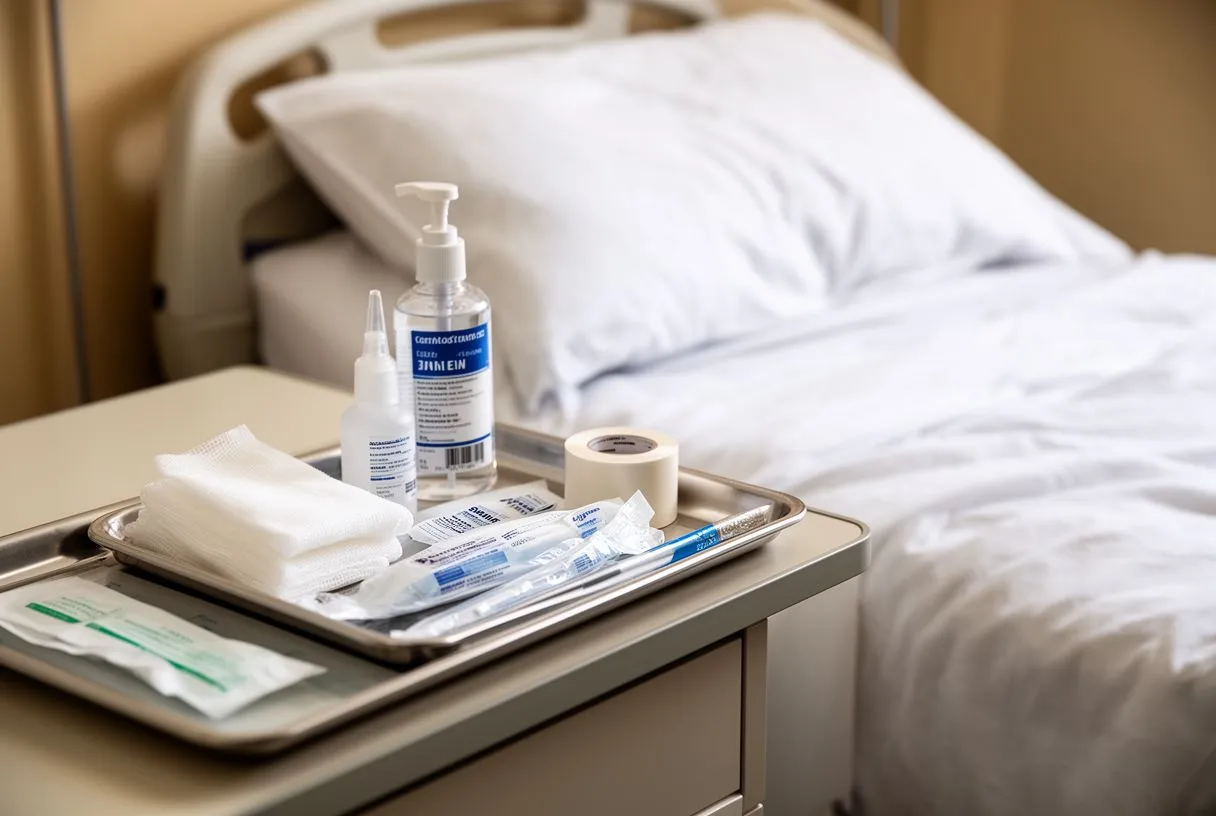
Keeping the wound clean and dry: The general principles are simple: do not submerge the incision in water until it is fully healed, pat it dry after showering, and avoid creams or ointments unless your team directs them. Loose clothing prevents rubbing and irritation. If you have a graft harvest incision on your leg or arm — sometimes associated with arm pain in early recovery — inspect it with the same care. Infection at a graft site can compromise the entire bypass.
Fever Weeks After Bypass Surgery: What It Means
A fever that appears weeks after bypass surgery presents a different problem. By the two- to four-week mark, the acute inflammatory response has settled, and a new fever is less likely to be a normal part of healing. Take it seriously even if you otherwise feel well. The causes range from minor infections that respond quickly to antibiotics, to more complex inflammatory conditions.
Postpericardiotomy syndrome: This inflammatory condition can develop weeks to months after any operation that opens the pericardium, the sac surrounding the heart. It produces fever, chest pain that worsens with deep breathing or lying flat, and sometimes a rubbing sensation in the chest. It is thought to be an immune response to blood in the pericardial space and usually responds well to anti-inflammatory medication — but its symptoms can mimic infection or even a heart attack, which is why evaluation by your cardiac team is essential rather than optional.
Delayed infections and atypical sources: Weeks after surgery, other sources become more likely: a urinary tract infection from catheterisation during the operation, a respiratory infection picked up in hospital, or even a dental infection. Aspirin and other medications prescribed for your cardiac rehab regimen do not prevent infection and can mask some symptoms. The approach your surgeon takes is systematic — blood cultures, urine analysis, chest X-ray, and wound assessment — and most delayed fevers have treatable causes. The window for easy intervention narrows the longer you wait to report them.
Fever After Valve Replacement and Endocarditis Risk
Patients who have had valve replacement — whether for Aortic Stenosis, Aortic Regurgitation, or TAVR — face a specific concern that bypass patients do not: infective endocarditis. This is an infection of the heart valves or the inner lining of the heart, and it is among the most serious complications associated with prosthetic valves. A fever in a valve replacement patient is therefore evaluated with a higher level of suspicion.
Prosthetic valve considerations: Both mechanical and biological valves can become infected, and the risk is highest in the first few months after surgery. Bacteria can enter the bloodstream through the surgical wound, intravenous lines, or even routine tooth brushing if oral hygiene is poor. A fever in this context is never dismissed as routine. Your team will likely order blood cultures and an echocardiogram — an ultrasound of the heart — to check for vegetations, small clusters of bacteria and debris that can form on the valve surface. Our team performs conventional, minimally invasive, robotic and transcatheter valve procedures; before discharge, ask your care team exactly which symptoms should trigger a call.
Endocarditis prevention at home: After valve surgery, your dental health becomes a cardiovascular matter. Bacteria from the mouth can enter the bloodstream and settle on the prosthetic valve. Maintain meticulous oral hygiene, and tell your dentist about your valve surgery before any dental procedure. Some patients need preventive antibiotics before dental work — your cardiologist will advise based on your specific valve and risk profile. If you develop fever along with a new heart murmur, night sweats, or small red spots on the skin, these are classic endocarditis warning signs and need urgent evaluation.
Mediastinitis Warning Signs After Sternotomy
Mediastinitis is an infection of the mediastinum, the central compartment of the chest that holds the heart, the great vessels, and other vital structures. After a sternotomy it is one of the most feared complications, because it can spread quickly and involve the heart itself. Early recognition is critical.
Recognising the progression: Mediastinitis typically develops within the first two weeks after surgery but can appear later. The hallmark signs are a high fever, severe chest pain, and a sensation of instability at the breastbone — a clicking or popping when you move or breathe. The wound may drain pus, and the skin around it can become increasingly red and swollen. If you can feel movement at the sternum that was not there before, the sternal wires may be loosening because of infection beneath the bone. This is a surgical emergency.
Risk factors and prevention: Diabetes, obesity, chronic obstructive pulmonary disease, and prolonged mechanical ventilation after surgery all raise the baseline risk. Surgical teams take extensive precautions in the operating room — preventive antibiotics, sterile technique, careful wound closure — but your role continues after discharge. Smoking cessation, careful glucose control, and meticulous wound hygiene all reduce infection risk. Deep postoperative complications carry a substantial burden of long-term disability, as shown in the Global Burden of Disease Study 2010 analysis of years lived with disability Years lived with disability (YLDs) for 1160 sequelae of 289 diseases and injuries, which is why every preventive measure counts.
How to Manage Post-Surgery Fever Safely
Managing fever at home means balancing sensible self-care with knowing when to escalate. The goal is not to eliminate every mild temperature elevation — some fever is part of healing — but to monitor the trend and respond to red flags promptly. Keep your discharge instructions, including the temperature thresholds and contact numbers, where you can find them.
Safe fever management at home: For low-grade fevers in early recovery, paracetamol is typically the recommended option. Avoid anti-inflammatory drugs such as ibuprofen unless your surgeon specifically approves them, because they can interact with blood thinners and affect kidney function during early recovery. Stay hydrated, dress in light layers, and rest. Record your temperature at the same times each day so the trend is clear.
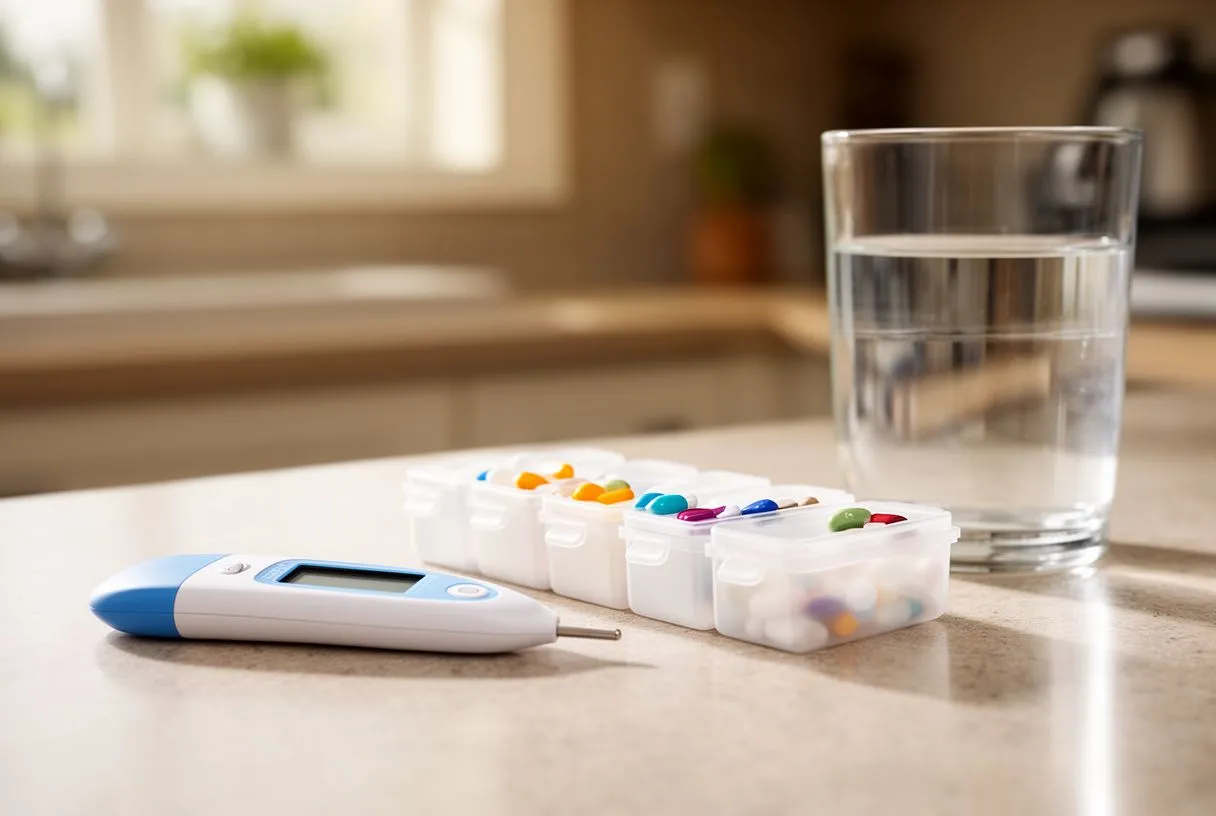
What not to do: Do not assume a normal temperature means an infection has cleared, and do not stop prescribed antibiotics early. Do not apply heat packs to the incision, since warmth can promote bacterial growth. If you are attending cardiac rehab and develop a fever, pause your sessions and contact your rehab coordinator — exercising with a fever stresses a heart that needs rest. If you take Apixaban or another anticoagulant, continue it exactly as directed; fever alone is never a reason to change your anticoagulation without medical guidance.
When to Call Your Surgeon About a Fever
Some situations require bypassing the normal appointment schedule and contacting your surgical team directly. When you call, have your temperature log, medication list, and surgery date ready to share.
Temperature thresholds that demand action: A sustained fever of 38.5°C (101.3°F) or higher after the first 72 hours warrants a call. A fever of 39°C (102.2°F) or higher at any time is an urgency regardless of the day. If the fever does not respond to paracetamol within two hours, or breaks and then returns higher, these patterns suggest something beyond routine inflammation. Your surgeon may direct you to the emergency department or ask you to come in the same day.
- Fever plus wound changes: Redness, drainage, or opening of the sternal incision combined with any fever is an immediate call.
- Fever plus new chest pain: Pain different from your incision pain, especially if crushing or radiating, needs urgent evaluation.
- Fever plus shortness of breath: New or worsening breathlessness, especially lying flat, can signal fluid around the heart or lungs.
- Fever plus confusion or fainting: These can indicate severe, systemic infection and require emergency care.
How to make the call useful: State your surgery date, the procedure performed, your current temperature, how long the fever has been present, and every accompanying symptom. If you reach an after-hours service, do not minimise your concerns. Cardiac teams expect these calls and would always rather evaluate a patient who turns out to be fine than miss one developing a serious complication such as mediastinitis or infective endocarditis. Our team encourages second opinions and treats every call about postoperative fever as a normal, expected part of deciding about care — the first contact is a free video consultation where we talk through the condition and say which studies are still needed.
In conclusion, a fever after heart surgery is a signal that deserves attention but not panic. Most early fevers are part of the body's natural healing response and resolve without complication. The key is knowing the timeline, recognising which accompanying symptoms change the picture, and maintaining clear communication with your surgical team. Every recovery is unique, and your own surgeon's instructions always take precedence. If you or a loved one are recovering from heart surgery and experiencing fever, please contact your cardiac team to discuss your situation — and if you would like a specialist review, book a consultation with Dr Alejandro Molina and the team at Cirugía de Corazón in Guadalajara, Querétaro, or Hermosillo. Do not self-diagnose; let an experienced Cardiovascular Surgeon help you navigate this phase of your recovery with a clear plan and the alternatives explained, so the final decision is always yours.