Follow-Up Appointments After Heart Surgery: The Schedule
Follow-up appointment after heart surgery schedule explained with what to expect at each visit.
Leaving the hospital after a major cardiac procedure is a massive milestone, but it is only the beginning of your recovery journey. For patients and families, the transition home often brings a mix of relief and anxiety. Understanding the structure of your ongoing medical care is essential for a smooth recovery. This guide explains the complete schedule for your follow-up appointment after heart surgery, detailing exactly what happens at each stage, how to prepare, and when to reach out for urgent help. At Cirugía de Corazón, Dr Alejandro Molina and our dedicated team ensure that every patient understands their recovery timeline, bridging complex cardiology with clear, calm explanations.
What Is a Heart Surgery Follow-Up Appointment?
The purpose of postoperative check-ins: A heart surgery follow-up is a structured, routine evaluation with your cardiac surgeon and care team to monitor your body's healing process after an operation. Rather than waiting for problems to arise, these visits are designed to catch subtle changes early. For international patients who travel to our clinics in Guadalajara, Querétaro, or Hermosillo, this first phase of follow-up may require staying locally for a short period so the surgical team can directly observe initial recovery milestones.
Monitoring major vessels: The specific focus of your appointment depends on the exact procedure you underwent. If your operation involved repairing or replacing a section of the Ascending Aorta, the large blood vessel emerging from the heart, your surgeon must carefully monitor the healing of this critical structure. They will check your blood pressure and assess the surgical site to ensure the vessel is mending without stress or leakage.
During these visits, your surgeon will also perform Auscultation, a clinical term for listening to your heart and lungs with a stethoscope. This simple, painless test allows the doctor to detect any irregular sounds, such as murmurs or fluid in the lungs, which might indicate that your heart needs further attention. By establishing a baseline of how your heart sounds after surgery, your team can easily identify if anything changes during future check-ups.
Why Is the First Post-Op Visit So Critical?
The first follow-up visit typically occurs within seven to fourteen days after you are discharged from the hospital. This appointment is crucial because it addresses the most vulnerable phase of your recovery. If you had an Arterial Line placed in your wrist for continuous blood pressure monitoring during your operation, the team will examine that specific puncture site to ensure it has closed completely and that blood flow to your hand remains normal.
Assessing blood management: We also take time to review your lab results from the hospital, including how your body responded to any Autologous Blood transfusions. Autologous blood is your own blood that was collected and given back to you during surgery to minimize risks. Understanding how your body replenished its red blood cells helps your cardiologist determine if you need iron supplements or specific dietary adjustments to rebuild your energy levels safely.
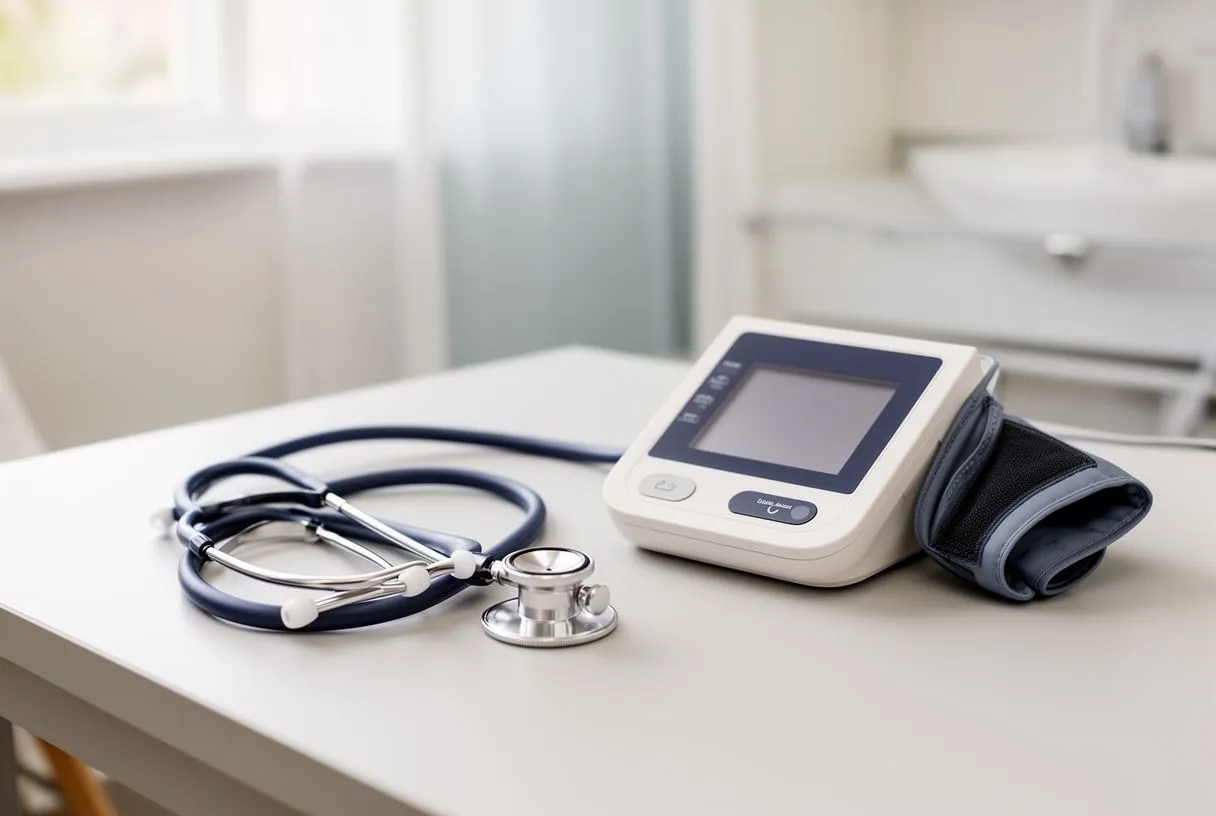
- Wound Integrity: Checking sternum and leg incisions for proper healing and signs of infection.
- Vital Signs: Assessing blood pressure and heart rate for overall cardiovascular stability.
- Fluid Balance: Ensuring there is no dangerous fluid retention around the lungs or heart.
According to guidelines from Medical News Today, the immediate weeks following discharge are when patients are most susceptible to fluid imbalances and minor infections. By seeing you early, your surgeon can adjust your diuretics (water pills) if necessary and verify that your surgical incisions are closing cleanly. This proactive approach prevents minor issues from escalating into serious complications that could require readmission.
What to Expect During the Two-Week Wound Check
Sternal and incision care: At the two-week mark, the primary focus shifts to the physical healing of your surgical wounds. If you received an Arterial Graft, which involves using a healthy blood vessel from another part of your body to bypass a blockage in your heart, the surgeon will inspect both the chest incision and the site where the graft was harvested. They look for redness, excessive swelling, or any delayed opening of the skin edges.
Internal structural healing: Beyond the visible skin, your care team needs to ensure internal structures are mending properly. Even if your surface incisions look healthy, we must verify that chambers like the Atrium, the upper receiving chamber of the heart, are functioning efficiently without any dangerous fluid buildup in the pericardial sac surrounding the heart. An echocardiogram, a painless ultrasound of the heart, is often performed during this visit to capture a clear image of the internal healing process.
For patients traveling from outside Mexico, this two-week check is a significant logistical milestone. It often determines when you are medically cleared to fly home safely. Clearance to fly should never be rushed; it is usually given only once the wound check and baseline imaging confirm stable healing.
How Often Are Heart Surgery Follow-Up Appointments Scheduled?
After the initial two-week visit, the schedule expands to monitor long-term recovery. You will generally see your surgeon again at six weeks, three months, six months, and then one year post-operation. These intervals are not arbitrary; they align with the predictable phases of tissue healing and cardiovascular stabilization. At six weeks, your sternum should be mostly fused, allowing for increased physical activity. The three and six-month visits focus on long-term cardiac function and medication efficacy.
Preventing disease progression: If your original operation addressed severe Atheromatous Plaque, which is the buildup of fatty deposits within your artery walls, we must monitor other vessels over time to ensure they remain clear. This is especially critical if you previously had Balloon Angioplasty, a minimally invasive procedure where a tiny balloon is inflated to open a clogged artery. While surgery fixes the immediate problem, the underlying vascular disease requires lifelong management to prevent new blockages.

The frequency of your appointments may also be influenced by your preoperative risk assessment, such as your EuroSCORE II, a clinical tool used to predict operative mortality and guide postoperative care intensity. If your score indicated higher complexity, your surgeon might request more frequent check-ins or additional imaging studies. This personalized scheduling ensures that high-risk patients receive the intensive monitoring they need, while lower-risk patients can safely transition to a more relaxed routine.
Managing Arm Pain and Discomfort After Cardiac Procedures
Normal postoperative discomfort: Experiencing Arm Pain is highly common after certain cardiac procedures. If your surgeon harvested a vein or artery from your arm to use as a bypass graft, the surrounding nerves and tissues need time to heal. You might feel aching, numbness, or tingling along the incision site or radiating down your forearm. This discomfort is a normal part of nerve regeneration and should slowly improve over several weeks to months.
Differentiating surgical from cardiac pain: A critical part of your follow-up care is learning to distinguish surgical nerve pain from actual cardiac pain. Your care team will teach you the specific warning signs of a heart problem, such as chest pressure radiating down the left arm. In rare cases where a patient is at high risk for dangerous arrhythmias, the team will provide instructions on how to locate and use an Automated External Defibrillator, a portable device that can shock the heart back into a normal rhythm during an emergency.
During your follow-up visits, be highly specific about the location and nature of your arm discomfort. If the pain is muscular or nerve-related, gentle physical therapy and prescribed nerve medications can help manage the symptoms. If the pain occurs exclusively when you exert yourself and stops when you rest, your surgeon may order further tests to rule out a lack of blood flow to the heart muscle, ensuring your recovery remains on the safest possible track.
When to See Your Surgeon After Heart Surgery Urgently
While scheduled appointments are essential, knowing when to seek urgent medical attention can be life-saving. After surgery, your immune system is recovering, and your heart is adjusting to its new structural reality. You should immediately contact your surgical team or go to the nearest emergency room if you develop a fever over 38°C (100.4°F), experience sudden shortness of breath while resting, or notice redness and pus draining from your chest incision.
Recognizing rhythm and blood flow emergencies: Developing Atrial Flutter, a condition where the upper chambers of the heart beat much too quickly, requires urgent evaluation to prevent strokes or heart failure. We are also vigilant for signs of an Atypical Infarction, which is a heart attack that presents without the classic crushing chest pain, sometimes manifesting only as severe fatigue, nausea, or jaw discomfort. Because your nerves were altered during surgery, your body might signal distress differently than it did before the operation.
- Fever: Any temperature exceeding 38°C (100.4°F) could indicate an internal or superficial infection.
- Breathing Difficulty: Sudden shortness of breath, especially when lying flat, requires immediate evaluation.
- Rapid Heartbeat: A sudden, racing pulse that does not stop or feels highly irregular needs urgent clinical attention.
We want to ensure you feel supported and know precisely how to act if an emergency arises after you have returned home. Your safety is paramount, and having a clear action plan reduces panic and ensures rapid, appropriate medical intervention.
How Cardiac Rehabilitation Fits Into Your Follow-Up Care
Structured physical recovery: Cardiac rehabilitation is a medically supervised exercise and education program that bridges the gap between hospital discharge and returning to normal life. It usually begins a few weeks after surgery, once your surgeon clears you at your first follow-up appointment. This program involves monitored treadmill walking, light resistance training, and educational sessions on heart-healthy eating, tailored specifically to your surgical recovery.
Adjusting rehab for complex cases: If your postoperative phase was highly complex and required advanced support, such as Awake ECMO (a system that oxygenates blood outside the body while the patient is awake and breathing naturally), your rehabilitation will start much slower. The physical therapists will work closely with your surgical team to gradually rebuild your strength without overstressing your recovering heart and lungs. Your rehab milestones will be carefully adjusted based on your unique operative history.
Protecting repaired valves: If you received an Autograft, which is a valve or tissue transplanted from one part of your own body to another, your rehabilitation focuses on building stamina safely without placing undue stress on the new biological tissue. The therapists monitor your heart rate closely during exercise to ensure the autograft is functioning perfectly under increasing physical load. This specialized, cautious approach ensures your new valve adapts correctly to the demands of your active life.
Understanding Blood Tests and Medication Adjustments
Blood tests are a standard component of almost every follow-up visit. These usually include a complete blood count to look for anemia, tests of kidney and liver function, and electrolytes. These labs provide a real-time snapshot of how your body is coping with the physical stress of surgery and how well you are processing your new medications. Adjusting dosages based on these labs is crucial for optimizing your long-term recovery.
Metabolic and liver health: We also monitor liver enzymes and metabolic factors closely after surgery. Research, such as the Electronic health record-based genome-wide meta-analysis provides insights on the genetic architecture of non-alcoholic fatty liver disease, shows how underlying metabolic conditions can impact cardiovascular outcomes and medication clearance. If your liver shows signs of stress, your cardiologist may need to modify your statin therapy or other cardiac drugs to prevent toxicity while still protecting your heart.
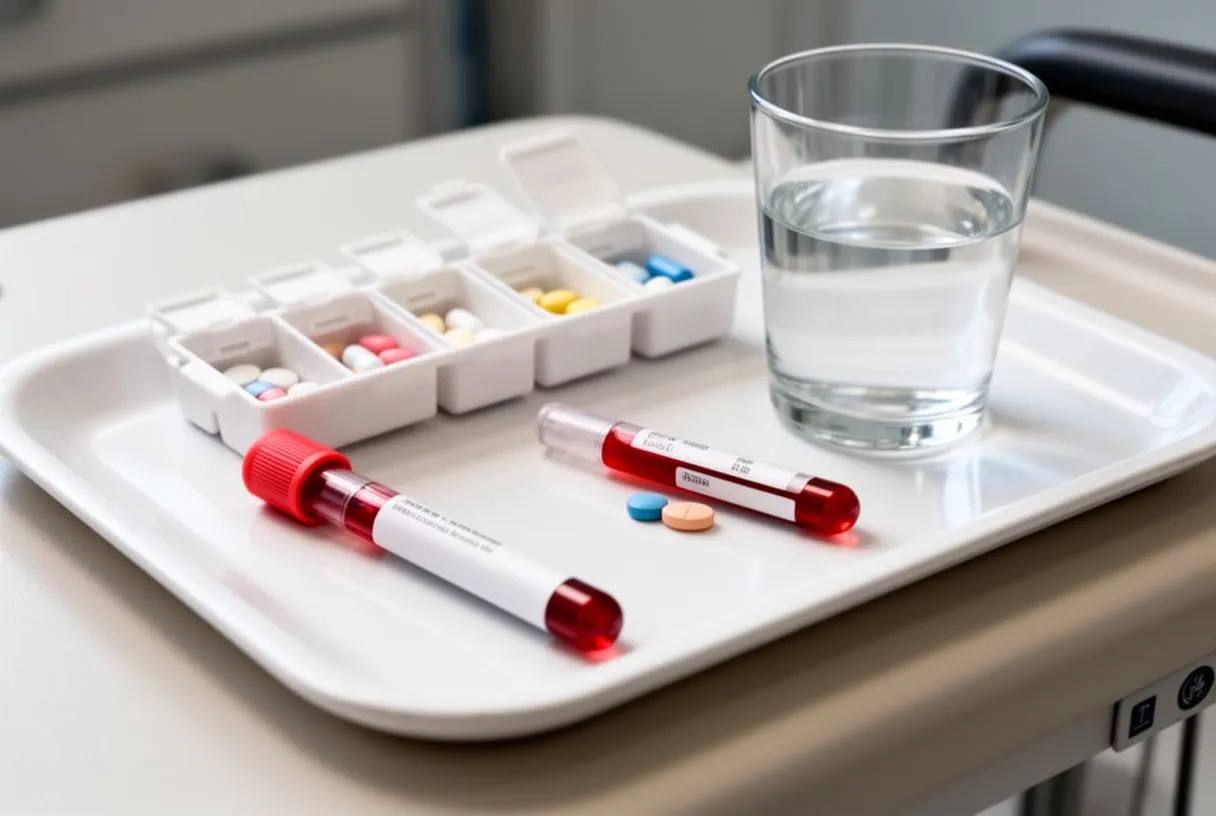
Optimizing lipid-lowering therapies: Your cardiologist may look at your Apolipoprotein B levels, a protein that carries bad cholesterol in the blood, to assess your cardiovascular risk. If your triglycerides remain high despite standard statin therapy, adding icosapent ethyl can slow the progression of coronary plaque, as demonstrated in the Effect of icosapent ethyl on progression of coronary atherosclerosis in patients with elevated triglycerides on statin therapy: final results of the EVAPORATE trial. Alongside these targeted therapies, we ensure you tolerate Aspirin, a foundational medication used to prevent blood clots from forming in your newly repaired vessels.
Long-Term Heart Surgery Follow-Up Care: Year One and Beyond
Transitioning to local care: As you approach the one-year anniversary of your surgery, the intensity of your follow-up care decreases. For international patients who traveled to Mexico for their operation, this milestone typically marks the transition of your primary cardiac care back to your home country.
Monitoring valve durability: Long-term care involves keeping a watchful eye on the durability of any repairs or replacements. If you received a Balloon-expandable Valve placed via transcatheter aortic valve replacement (TAVR), specific imaging, like annual echocardiograms, is used to monitor the valve's function and check that it remains securely in place without leaking. These prosthetic valves are highly durable, but verifying their structural integrity over time is a standard part of heart surgery follow-up care.
Evaluating previous interventions: We also assess the long-term success of any preceding interventions you may have had. For example, if prior to your definitive surgery you underwent Balloon Aortic Valvuloplasty, a temporary balloon procedure to stretch open a narrowed valve, we compare your current heart function to those earlier images. This comparison confirms that your final surgical repair is holding strong and delivering the improved quality of life you expected from the procedure.
Preparing for Your Follow-Up Appointment After Heart Surgery
Organizing your records: Making the most of your follow-up appointment requires a bit of preparation. Before you arrive, write down any symptoms you have experienced, even if they seem unrelated to your heart. Note when they occur, how long they last, and what makes them better or worse. Bring a complete, updated list of all your medications, including dosages and frequencies, so your surgeon can verify that your regimen is safe and effective.
Discussing anticoagulation therapy: If you have been prescribed blood thinners, your follow-up appointment is the time to discuss their management. Blood thinner protocols, especially for patients with atrial fibrillation, are often guided by landmark studies like the ARISTOTLE trial, which compared the safety and efficacy of different anticoagulants. Your surgeon will review your specific risk factors for bleeding and clotting to ensure your dosage is precisely calibrated for your lifestyle and recovery stage.
Ultimately, your follow-up appointment after heart surgery is a partnership between you and your medical team. We encourage every reader to discuss their own specific situation with a qualified cardiac team rather than relying solely on general guidelines. If you are planning a procedure or navigating the recovery process, we invite you to book a consultation with Cirugía de Corazón. Dr Alejandro Molina and our team in Guadalajara, Querétaro, and Hermosillo are dedicated to providing expert, empathetic care tailored to your unique cardiac journey.