
Glycated Haemoglobin and Your Heart Surgery Outcome
Glycated haemoglobin heart surgery outcomes improve with better blood sugar control.
If you or a family member has been told you need heart surgery, and you also live with diabetes, you have probably heard your surgical team mention a blood test called glycated haemoglobin. It is one of the most important numbers on your pre-operative workup, because your glycated haemoglobin level tells the surgical team how well your blood sugar has been controlled over the past two to three months — and that history has a direct bearing on how well your body copes with the operation and heals afterwards. This guide explains what the test measures, why it matters so much for cardiac operations, and what you can realistically do in the weeks before surgery.
What Is Glycated Haemoglobin?
Glycated haemoglobin — often written HbA1c, or simply A1c — is a form of Haemoglobin, the protein inside your red blood cells that carries oxygen, that has sugar permanently attached to it. Red blood cells live for about three months, so the amount of sugar-glued haemoglobin in your blood reflects your average blood glucose over that whole period. It is a retrospective, long-term reading rather than a snapshot of today's levels.
What the numbers mean: results are expressed as a percentage. A typical non-diabetic result sits below 5.7%. A result between 5.7% and 6.4% suggests prediabetes, and 6.5% or above on two separate tests is the standard threshold for diagnosing diabetes. Most diabetes guidelines aim for a treatment target of around 7% or below for many adults, though the right personal target varies with age, other conditions, and the risk of low blood sugar episodes.
What the abbreviation stands for: HbA1c combines "Hb" for haemoglobin with "A1c", the specific haemoglobin subtype that gets glycated most reliably. When your surgical team asks for an HbA1c, they are asking for this three-month average — one of the reasons clinicians and researchers value it so highly is that you cannot fake it with a few careful days of eating before the blood draw.
Why Does Glycated Haemoglobin Affect Heart Surgery Risk?
When your glycated haemoglobin heart surgery team reviews your case, that single number helps them judge how likely certain complications are. Persistently high blood sugar damages blood vessels and small nerve endings over time, weakens the immune response, and impairs the way tissue heals. Cardiac operations — especially those involving the breastbone and the opening of the chest — place heavy demands on exactly those systems.
Blood vessels and healing: elevated glucose over months stiffens and inflames the small vessels that supply skin, fat, and bone. After a cardiac operation, the sternum (breastbone) and the long incision down the middle of the chest depend on that micro-circulation to knit back together. Patients with poorly controlled diabetes carry a higher risk of sternal wound infection and slow healing, which is why the surgical team treats the pre-operative HbA1c as a genuine warning signal rather than a box to tick.
Infection resistance: high glucose temporarily paralyzes parts of the immune system, particularly white blood cells' ability to engulf bacteria. During and after surgery, when tissue has been cut and foreign materials — grafts, patches, wires — are present, an immune system running at reduced capacity matters. Poorly controlled patients may experience longer hospital stays, greater need for wound care, and in some cases re-operation.
Our team reviews every candidate's full picture — HbA1c alongside cardiac function and overall fitness — against international practice guidelines before making a recommendation, and we present the patient with a clear proposal and the alternatives.
How Is HbA1c Measured Before Cardiac Surgery?
The test itself is straightforward. It is a simple blood draw, usually from a vein in the arm, and requires no fasting — you can eat and drink normally beforehand. The laboratory measures the proportion of your haemoglobin that has glucose attached, and reports it as a percentage or in mmol/mol depending on the country's convention.
When it is taken: most cardiac centres request an HbA1c during the pre-operative assessment, ideally a few weeks before the operation date. This gives the team time to act on the result if it is higher than expected. In an emergency or urgent operation, the test may still be done on admission so that blood sugar can be actively managed from the first hours in hospital.
How the team uses it: rather than treating the number in isolation, your surgical team looks at it alongside fasting glucose readings, any medications you take for diabetes, kidney function, and your overall fitness. In some patients, a high HbA1c alone will not delay surgery, but it will change the plan — for example, tighter in-hospital glucose control, a longer planned stay, or input from an endocrinologist (diabetes specialist doctor).
At the first consultation, we take the time to explain in plain words what the studies actually show, and we try to avoid ordering unnecessary tests — only the ones that genuinely change what we do.
What Is Prediabetes and Why Does It Matter?
Prediabetes means your blood sugar is higher than normal, but not yet high enough for a diagnosis of diabetes. It is identified by an HbA1c between 5.7% and 6.4%, a fasting glucose between 100 and 125 mg/dL, or a raised result on an oral glucose tolerance test. Many people have prediabetes for years without knowing it, because it rarely causes symptoms.
Why the surgical team cares about it: prediabetes is not just a "warning zone" label — it reflects the same underlying problem of insulin resistance that drives type 2 diabetes, and it often goes hand in hand with the very conditions that cause heart disease in the first place: high blood pressure, high cholesterol, obesity, and inactivity. Someone arriving at a cardiac consultation with prediabetes is likely already on the pathway to type 2 diabetes if nothing changes.
The encouraging part: prediabetes is reversible in many people. Modest weight loss, regular physical activity within your limits, and dietary change can return blood sugar to the normal range and reduce the risk of progression. If you have a cardiac operation scheduled and your HbA1c lands in the prediabetes range, it is not usually a barrier to surgery, but it is a genuine opportunity to act before and after the operation.
What Are the Warning Signs of High Blood Sugar?
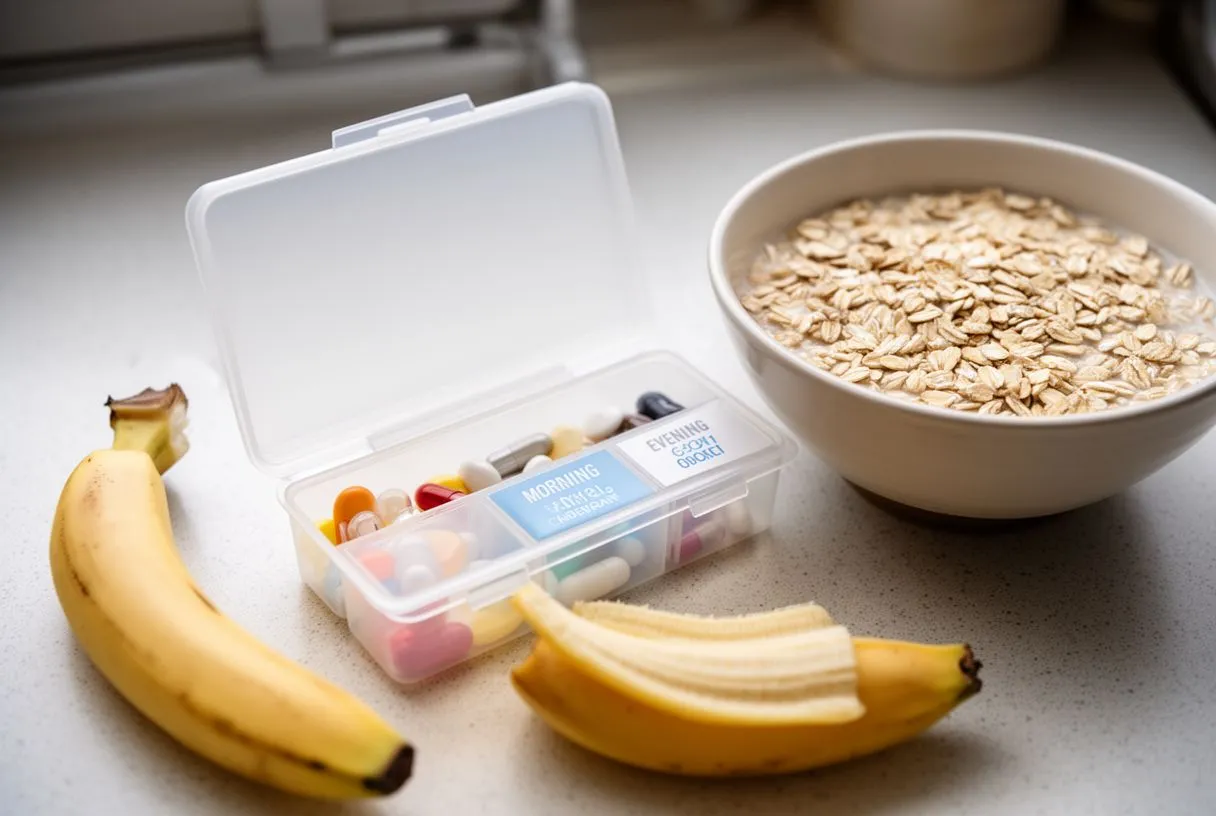
Hyperglycaemia — the medical word for high blood sugar — often develops gradually, and the body adapts so the warning signs are easy to dismiss as tiredness or ageing. Recognising them matters both before and after surgery, because a spike in the weeks leading up to your operation can affect healing and infection risk.
- Excessive thirst and frequent urination: the kidneys work to flush out excess sugar, pulling water with it, which leaves you drinking more and visiting the bathroom more often.
- Persistent fatigue: sugar cannot enter your cells efficiently, so despite eating normally your body feels starved of usable fuel.
- Blurred vision: high glucose draws fluid out of the lens of the eye, changing its shape and temporarily affecting focus.
- Slow-healing cuts and frequent infections: wounds that take longer than expected to close, or recurrent skin, gum, or urinary infections, are classic signals.
- Unexplained weight loss: when the body cannot use glucose, it begins breaking down muscle and fat for energy.
If you notice several of these together — especially if you have not been diagnosed with diabetes — it is worth asking your doctor for an HbA1c test rather than waiting for symptoms to worsen. Before any cardiac operation, mention any of these signs to your surgical team, even if you think they are unrelated.
What Should Your Glycated Haemoglobin Be Before Bypass Surgery?
Coronary artery bypass surgery — often called CABG, or "bypass" — uses blood vessels taken from elsewhere in your body to create detours around blocked coronary arteries. There is no single universal cut-off that decides whether someone is fit for bypass, but there is broad clinical agreement that a lower HbA1c going into the operation means a lower risk of wound complications and infection afterwards.
General ranges the team looks at:
- Below 7%: generally reflects good long-term control and is the target most diabetes guidelines aim for.
- 7% to 8%: indicates room for improvement; surgery can usually proceed, but the team may plan closer glucose monitoring in hospital and stricter wound care afterwards.
- Above 8%: signals sustained poor control; many cardiac centres will try to bring it down before an elective (planned) operation, or will plan additional protective measures — and will discuss this openly with you.
For planned bypass surgery, the discussion is not really "can I operate at this number or not?" but "how do we get you onto the operating table in the safest possible state?" In our practice, the multidisciplinary team reviews each diabetic patient's HbA1c, medications, and overall fitness together, and if there is room to improve blood sugar control safely in the weeks before surgery, we build that into the plan rather than rushing past it.
Dr Molina and our team treat coronary disease alongside valve, aortic, and structural heart conditions, and we recommend the less invasive route only where the evidence supports it for that specific patient — a principle that applies just as much to how aggressively we pursue pre-operative blood sugar optimisation.
How Do You Prepare for Heart Surgery With Diabetes?
Preparation is where you, as the patient, have the most influence over your own outcome. The weeks and months before an operation are not just administrative — they are a genuine window in which blood sugar control, fitness, and overall health can be improved.
Medication review: some diabetes medicines, particularly a class called SGLT2 inhibitors, are usually paused before surgery because of a rare but serious complication called euglycaemic ketoacidosis. Your surgical and anaesthetic team will give you specific instructions about which medications to continue, adjust, or stop, and when — typically several days before the operation.
Home glucose monitoring: in the run-up to surgery, your team may ask you to check your blood sugar more often than usual, so that patterns become visible and any medication adjustments are based on real data rather than a single clinic reading. Keep a simple written log if you use finger-prick testing, or share your continuous glucose monitor data if you wear one.
Practical preparation: plan for a slightly longer hospital stay than a non-diabetic patient might expect — this is not pessimism, just realistic planning. Arrange help at home for the first couple of weeks, prepare easy meals, and make sure someone can drive you to follow-up appointments.
The first contact with our team is a free video consultation: we get to know you, talk through your condition and medications, and identify which studies are still needed so you are not paying for unnecessary tests. A face-to-face visit at one of our consulting rooms follows when you decide to go ahead.
How Do I Bring My HbA1c Down?
If your test result is higher than you or your surgical team would like, the good news is that HbA1c responds to consistent, modest change over a matter of weeks — which, in the context of a scheduled operation, may be exactly the time you have.
Diet: the most powerful single lever is reducing the total amount of carbohydrate and sugary drinks you take in. You do not need an extreme diet — replacing sugary drinks with water, reducing portion sizes of rice, bread, and pasta, and eating vegetables and protein first at each meal all shift the three-month average downward.
Movement: regular activity helps your muscles take up glucose without needing as much insulin. Even a daily 20 to 30 minute walk, if that is what your current fitness allows, makes a measurable difference over a couple of months. If you have significant heart disease, ask your cardiologist what level of activity is safe before you start.
Medication adherence: if you have been prescribed diabetes medication and are not taking it consistently — because of cost, side effects, or simply forgetting — tell your doctor rather than quietly stopping. There is almost always an alternative regimen that fits better, and getting this right before surgery is worth the effort.
Any changes you make before an operation should be made with your medical team's knowledge, not in isolation. Sudden, unsupervised changes to diet or medication in the weeks before cardiac surgery can backfire.
How Does Glycated Haemoglobin Affect Surgical Recovery?
The work does not end when you leave the operating theatre. In the days, weeks, and months after a cardiac operation, your body is doing demanding repair work — closing the breastbone, healing the chest incision, and, where vein or artery grafts were taken, closing those harvest wounds too. Blood sugar control during this period matters as much as it did beforehand.
Wound healing: in hospital, your glucose will typically be monitored closely and managed with insulin if needed, aiming to keep it in a tight, safe range. After discharge, the same vigilance applies at home. High glucose in the weeks after surgery slows tissue repair and increases the risk of infection at the sternal wound, so many centres give diabetic patients specific wound-care instructions and a schedule for glucose checks.
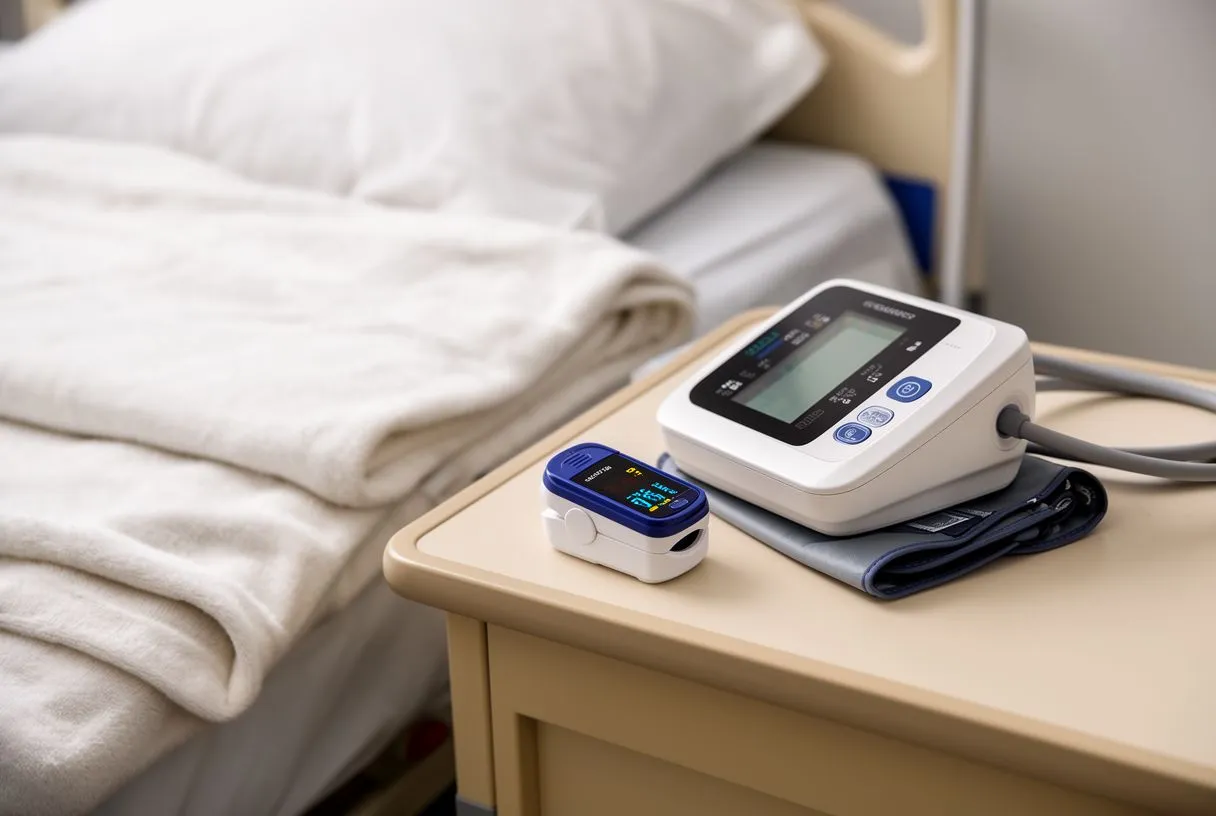
Monitoring at home: watch the incision for increasing redness, swelling, discharge, or opening of the skin edges, and report any of these to your team promptly. Keep your follow-up appointments — a fever, new pain, or unexplained fatigue after cardiac surgery is never something to wait out.
Longer-term picture: surgery addresses the immediate problem, but the underlying drivers — blood sugar, blood pressure, cholesterol, smoking — determine how well the results hold up over years. Patients who bring their HbA1c down and keep it down after surgery give their grafts, their valves, and their heart muscle the best possible long-term environment. Recovery is genuinely a joint project between you and your team.
In our practice, we encourage second opinions and treat seeking one as a normal part of deciding about heart surgery — a decision this significant deserves your full confidence, not just ours.
Talking to Your Cardiac Team
Every heart is different, and every patient's diabetes is different. The HbA1c result, the medications, the kidney function, the type of operation being considered — all of these shape a plan that is specific to you, not to a general category of "diabetic cardiac patient". That is exactly why a conversation with a specialist team, rather than a self-diagnosis from an article, is the right next step.
What to bring to a consultation: bring your most recent HbA1c result, a list of all your medications including doses, any recent blood glucose readings, and — importantly — your own questions. A good consultation should end with you understanding what the studies show, what the recommended approach is, and what the alternatives are.
Getting a second opinion: for a decision as significant as cardiac surgery, a second opinion is not a betrayal of your first doctor — it is a normal, sensible step that well-informed patients take. Our team encourages it, and we are always happy to review a case that another centre has already assessed.
Dr Alejandro Molina leads a multidisciplinary team of cardiac surgeons with consulting rooms in Guadalajara, Querétaro and Hermosillo, offering conventional, minimally invasive, robotic, and transcatheter procedures — including TAVR, a catheter-based way of replacing a narrowed aortic valve without opening the chest. Dr Molina performed the first robotic mitral valve repair in the Ángeles Health System and the first robotic heart surgery in Guadalajara. Every case is reviewed by the full team against international practice guidelines before any recommendation is made, and the final decision is always the patient's.
If you are living with diabetes and facing a possible heart operation, the most useful thing you can do is start the conversation early — before the operation date is fixed, while there is still time to optimise blood sugar control. Book a consultation with a qualified cardiac team, bring your questions, and let the specialists guide the decisions about your own situation. Glycated haemoglobin is one number among many, but it is one you can influence, and getting it right before surgery is one of the most practical things you can do for your own outcome.

This article is intended for general patient education and does not replace advice from your own doctors. Always discuss your individual circumstances, medications, and test results with a qualified cardiac team.