
Heart Murmur in Adults: When It Needs Treatment
Heart murmur in adults: learn when it needs treatment, what symptoms warn of risk, and how specialists in Guadalajara diagnose and manage valve problems.
Hearing that you have a heart murmur can be an unsettling experience, especially when you do not know what it means for your long-term health. This guide explains what a heart murmur in adults is, how it is diagnosed, and when it requires surgical intervention. Our goal is to provide clear, calm information so you can make informed decisions about your cardiac care.
What is a Heart Murmur in Adults
A heart murmur is an extra or unusual sound heard during a heartbeat. When a physician listens to your chest using a stethoscope, a process known as auscultation, they typically hear two distinct sounds described as "lub-dub." A murmur creates a whooshing or swishing noise that occurs between these standard beats. For many patients, hearing that they have a heart murmur brings immediate anxiety, but it is crucial to understand that this finding is a physical sign, not a specific disease. It simply means that blood is flowing through your heart in a way that creates an audible vibration.
Understanding turbulent blood flow: The sound usually results from turbulent blood flow across a heart valve. If the valve is stiff, leaky, or if blood is moving faster than usual, it disrupts the smooth laminar flow and creates noise. Structural variations in the heart chambers or vessels can also alter acoustics, causing your doctor to detect an abnormal rhythm during a routine physical exam.
Cardiologists categorize these sounds based on their timing, pitch, and location. Systolic murmurs occur when the heart contracts, while diastolic murmurs happen when it relaxes. According to the Society of Thoracic Surgeons, proper evaluation of these acoustic features is the first step in distinguishing a harmless physiological sound from a structural valve problem that might require intervention.
Heart Murmur Symptoms to Watch For
Most patients with a heart murmur experience no noticeable symptoms, discovering the sound only during a routine checkup. When the murmur stems from an underlying structural issue, the heart may struggle to pump efficiently, leading to systemic signs that develop gradually. You might feel unusually fatigued after minimal exertion, experience shortness of breath, or notice swelling in your ankles and feet. These symptoms occur because fluid backs up when the heart cannot empty or fill properly.
Recognizing atypical cardiac warning signs: Sometimes, the symptoms deviate from classic textbook presentations. Patients might experience atypical infarction symptoms, where reduced blood flow causes vague discomfort rather than crushing chest pain. Similarly, irregular electrical pathways like atrial flutter can develop secondary to valve stress, causing a racing, fluttering heartbeat. If you experience unexplained arm pain alongside jaw tightness or sudden dizziness, these could be atypical indicators of cardiac distress.
Frailty and surgical considerations: In older adults, severe valve disease can manifest as generalized frailty rather than specific chest complaints. A scoping review of the Clinical Frailty Scale highlights how cardiovascular decline often presents as a loss of physical resilience, weight loss, and decreased mobility. Recognizing these subtle systemic changes is vital, as they often dictate the urgency and type of cardiac evaluation required.
How Does a Heart Murmur Diagnosis Work
Diagnosing the exact cause of a murmur requires moving beyond the stethoscope to advanced imaging. The standard diagnostic tool is an echocardiogram, which uses sound waves to create a detailed moving picture of your heart's chambers and valves. This non-invasive test reveals the size of the structures, how well the valves open and close, and the velocity of blood flow. It allows your cardiologist to pinpoint exactly which valve is malfunctioning and measure the severity of the leak or blockage.
Invasive monitoring in acute settings: In emergency situations or complex cases where precise hemodynamic measurements are needed, doctors might use an arterial line to continuously track blood pressure directly from the vessel. While echocardiography remains the cornerstone of structural evaluation, continuous pressure monitoring provides real-time data on how well the heart is compensating for the defective valve, especially when patients are acutely decompensated.
Comprehensive functional assessments: Beyond static imaging, stress testing evaluates how your heart performs under physical exertion. If a murmur is mild at rest but causes severe symptoms during activity, it alters the treatment timeline. Combining these diagnostic modalities gives your surgical team a complete anatomical and functional picture, ensuring any recommended intervention is precisely tailored to your specific cardiac anatomy.

Innocent Heart Murmur Adults vs Abnormal
Differentiating between an innocent and an abnormal heart murmur is a critical step in your cardiac care. An innocent murmur, sometimes called a physiological murmur, occurs in a structurally normal heart. Blood simply flows through the heart rapidly enough to create an audible sound, much like water rushing through a narrow pipe. These sounds are common during pregnancy, in highly trained athletes, or during periods of rapid growth and high fever, resolving without medical treatment.
Benign flow variations: Doctors often note innocent murmurs in patients who have high blood volume, such as those who recently received an autologous blood transfusion during surgery or recovered from severe anemia. Because the heart muscle and valves are perfectly healthy, the increased volume and speed of circulation create turbulence. If your echocardiogram confirms normal valve function, your doctor will simply document the murmur and recommend routine monitoring.
When evaluating your cardiac health, understanding the distinction between these murmur types helps prevent unnecessary worry and guides clinical decisions:
- Timing: Innocent murmurs are usually systolic and short, while abnormal murmurs can last throughout the heartbeat cycle.
- Sound quality: Benign sounds are soft and musical, whereas pathological murmurs are harsh, rumbling, or clicking.
- Symptom correlation: Innocent murmurs lack systemic symptoms, but abnormal sounds often correlate with fatigue, breathlessness, and edema.
What Causes an Abnormal Heart Murmur
When a murmur is classified as abnormal, it usually points to an underlying structural defect in the heart. The most common cause in adults is valvular stenosis, where a valve becomes stiff and fails to open fully, or valvular regurgitation, where a valve fails to close properly, allowing blood to leak backward. Over time, these mechanical failures force the heart muscle to work harder, eventually leading to thickening, dilation, and weakening of the cardiac chambers.
Age-related valve deterioration: As we age, calcium deposits can build up on the heart valves, a process similar to developing an atheromatous plaque in the blood vessels. This calcification severely restricts valve leaflet movement, commonly affecting the aortic valve. When the ascending aorta dilates due to this localized pressure, it alters the mechanics of the valve, creating a loud, harsh murmur that radiates to the neck.
Congenital and secondary causes: While some adults are born with bicuspid aortic valves that deteriorate prematurely, others develop valve issues secondary to infections or connective tissue disorders. Endocarditis, an infection of the heart valves, can physically destroy valve tissue and create sudden, severe murmurs. Identifying the exact etiology dictates whether the treatment path requires aggressive surgical correction or careful medical management.
When Does Heart Murmur Need Treatment
Deciding when a heart murmur requires active treatment depends heavily on the severity of the valve disease and the presence of symptoms. If an echocardiogram shows a severely narrowed or leaking valve but you remain completely asymptomatic, your cardiologist may recommend watchful waiting. However, once the heart begins to enlarge or the pumping function drops, guidelines suggest moving toward intervention, even before physical symptoms become debilitating.
Risk factors accelerating disease: Certain physiological markers indicate a higher risk of rapid disease progression. Elevated levels of Apolipoprotein B, a protein involved in lipid transport, are associated with faster calcification of heart valves, just as they are with coronary artery disease. Managing these systemic risks with medication can sometimes slow the structural deterioration of the valve and delay the need for surgery.
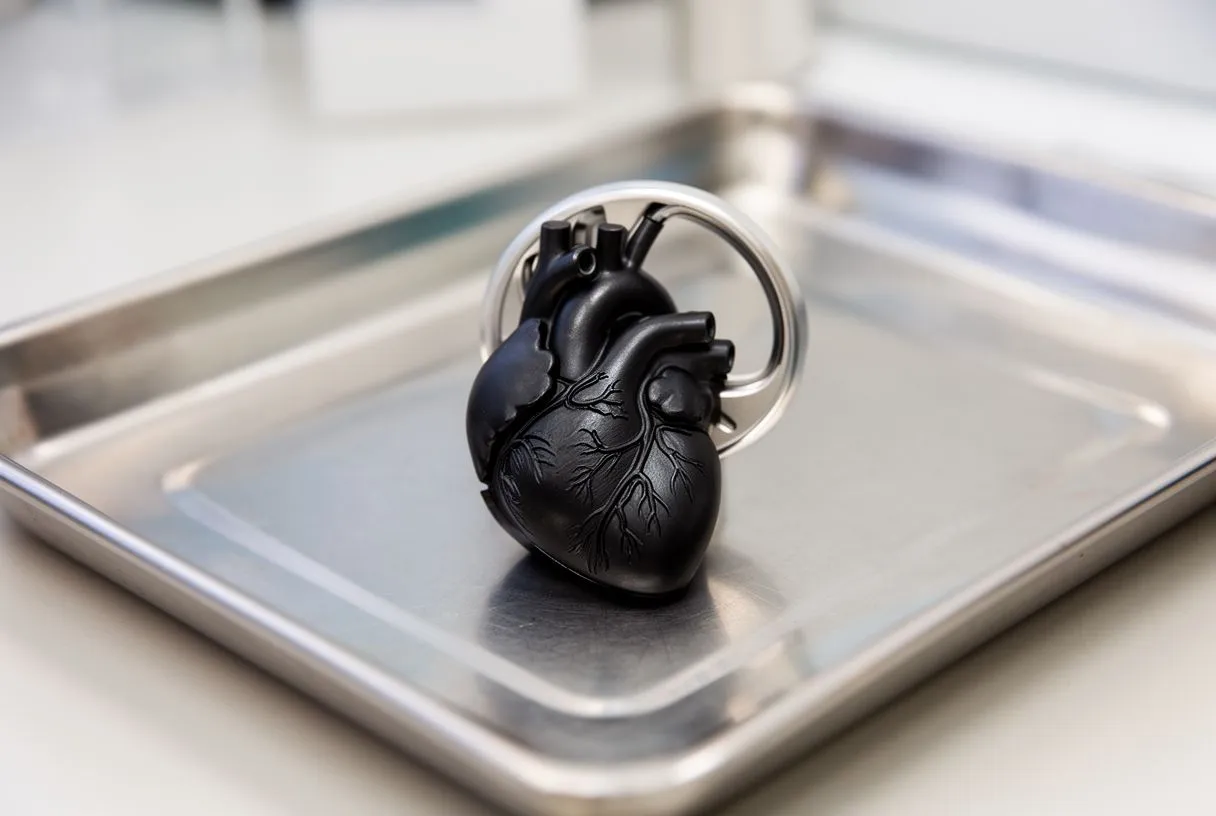
Surgical planning and modern technology: Preparing for heart surgery requires precise anatomical modeling. The Role of 3D Printing in Planning Complex Medical Procedures and Training of Medical Professionals-Cross-Sectional Multispecialty Review demonstrates how advanced imaging can create exact physical replicas of a patient's heart. This allows surgeons to practice complex valve repairs beforehand, significantly reducing operative time and complications for high-risk patients.
Heart Valve Problems Adults Face
Heart valve problems in adults predominantly affect the aortic and mitral valves, each presenting unique challenges. Aortic stenosis, the narrowing of the exit valve from the left ventricle, creates a high-pressure gradient that eventually exhausts the heart muscle. Patients often experience exertional chest pain, syncope, and severe breathlessness. Once these symptoms manifest, the condition becomes life-threatening and requires prompt mechanical correction to restore adequate blood flow.
Bridging interventions for high-risk patients: For patients too frail for immediate open-heart surgery, temporary procedures can provide relief. A balloon aortic valvuloplasty involves threading a catheter to the narrowed valve and inflating a small balloon to stretch the stiffened leaflets. While not a permanent fix, this can relieve severe symptoms temporarily while the patient prepares for a more definitive treatment.
Transcatheter valve replacement: The definitive treatment for many older adults is a transcatheter aortic valve replacement (TAVR). During this minimally invasive procedure, a compressed balloon-expandable valve is guided through a blood vessel to the heart and expanded into place, pushing the old valve aside. This approach dramatically reduces recovery time and offers a lifeline to patients who cannot tolerate traditional open surgery.
Heart Murmur Surgery Options Explained
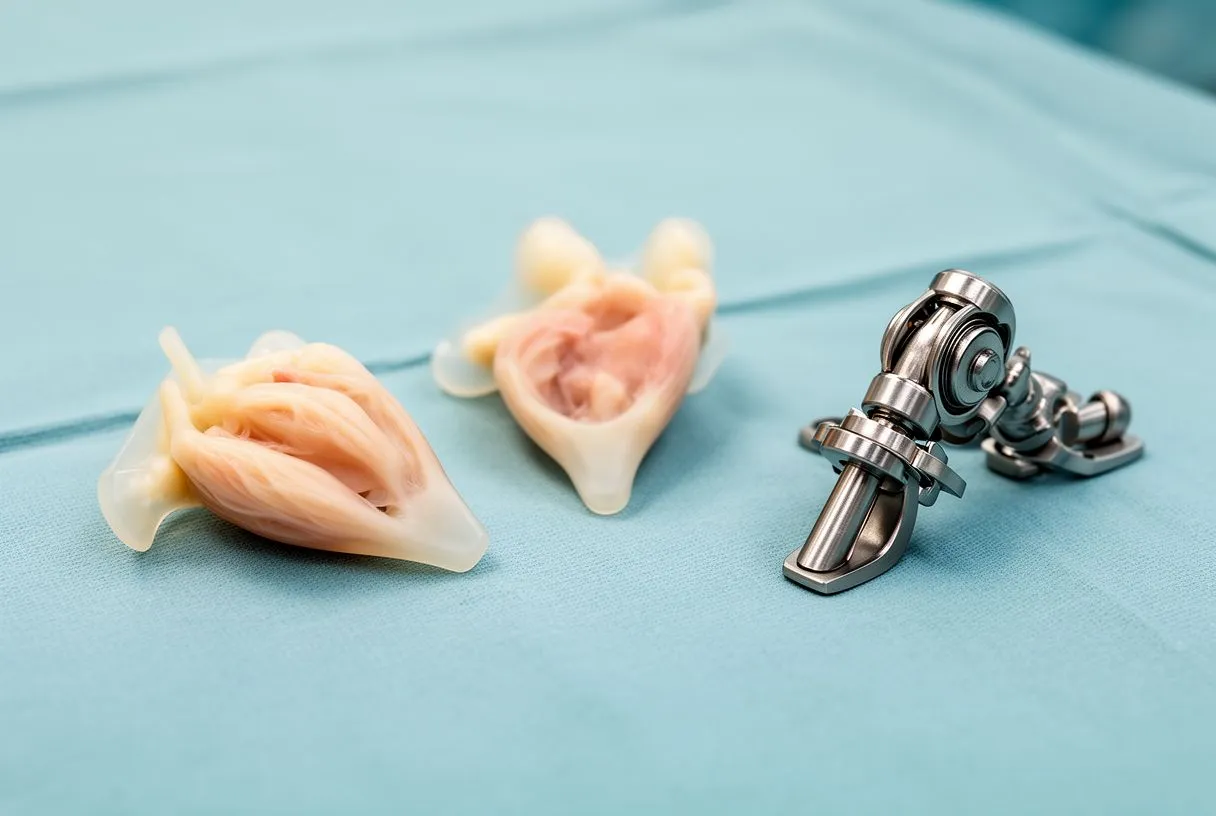
When surgical correction is necessary, the options range from repairing the existing valve to completely replacing it. Valve repair is often preferred for mitral regurgitation, preserving the patient's native tissue and avoiding the need for long-term blood thinners. Surgeons use specialized rings to tighten the valve opening, ensuring the leaflets close securely without leaking. This approach maintains the natural architecture of the heart and promotes better long-term function.
Replacement with biological or mechanical valves: In cases where repair is impossible, surgeons replace the damaged valve. Biological valves are made from cow or pig tissue and generally last ten to fifteen years, while mechanical valves last a lifetime but require strict anticoagulation therapy. Choosing between them depends on your age, lifestyle, and willingness to take daily blood thinners, a decision made carefully with your cardiac team.
Advanced surgical support techniques: Complex valve replacements often require specialized support. Surgeons may use an arterial graft to bypass blockages during the same operation, or an autograft like the Ross procedure, using the patient's own pulmonary valve to replace the aortic valve. In extreme cases of cardiac failure prior to surgery, Awake ECMO (Extracorporeal Membrane Oxygenation) can support the heart and lungs, stabilizing the patient while the surgical team prepares.
Heart Murmur Monitoring and Recovery
Recovering from heart valve surgery is a gradual process that requires patience and careful monitoring. The initial hospital stay usually lasts about a week, beginning in the intensive care unit where your heart rhythm and fluid balance are closely watched. Early mobilization is critical; nurses will help you sit up and walk within a day or two to prevent blood clots and promote lung expansion. Most patients feel significantly better within four to six weeks.
Post-operative medication management: Medications play a vital role in protecting your new valve. If you received a mechanical valve, taking Aspirin alongside prescribed anticoagulants like Warfarin is crucial to prevent clots from forming on the artificial material. Some patients require a temporary pacemaker if the heart's electrical system was irritated during surgery, and those with severe arrhythmias might be sent home with an Automated External Defibrillator for safety.
Maintaining your recovery requires a structured approach to follow-up care and lifestyle adjustments:
- Cardiac rehabilitation: Enrolling in a supervised exercise program helps safely rebuild cardiovascular strength and confidence.
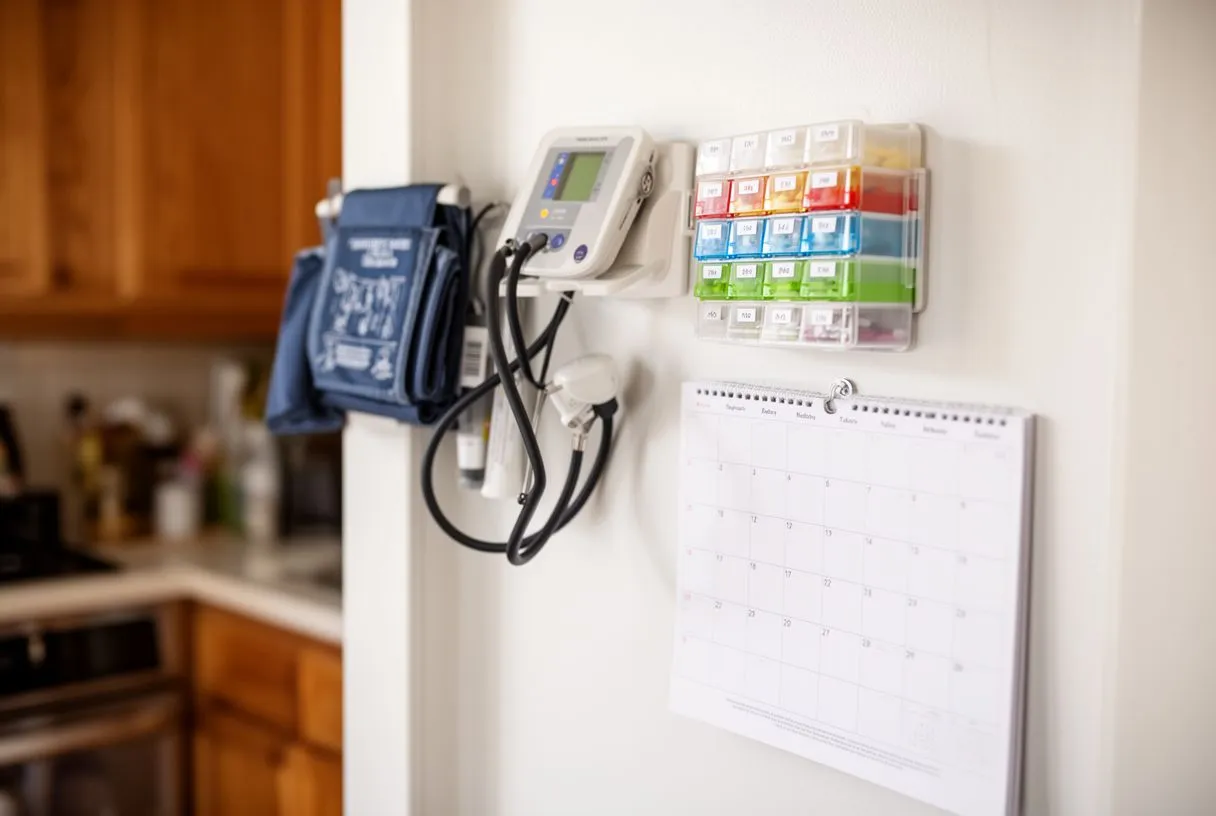
- Anticoagulation monitoring: Regular blood tests ensure your medication dose remains effective and safe over time.
- Dietary modifications: Adopting a heart-healthy diet low in saturated fats supports long-term vascular health.
- Imaging follow-ups: Annual echocardiograms check the structural integrity and function of your repaired or replaced valve.
Finding a Heart Murmur Specialist Guadalajara
Choosing the right medical team to address a heart murmur is perhaps the most important step in your treatment journey. For patients in Mexico or those traveling for specialized care, finding a center that balances clinical excellence with compassionate communication is essential. Dr Alejandro Molina and his team at Cirugía de Corazón serve patients across Guadalajara, Querétaro, and Hermosillo, offering comprehensive evaluations tailored to international standards.
Managing complex clinical scenarios: A skilled surgical team coordinates every aspect of your care, from pre-operative anticoagulation management using protocols derived from studies like ARISTOTLE, to precise intraoperative vascular access via an arterial cannula. This multidisciplinary approach ensures that whether you require a simple monitoring plan or a complex valve replacement, every detail is meticulously planned and executed to minimize risk.
If you or a loved one has been diagnosed with a heart murmur, do not let anxiety dictate your next steps. We encourage you to discuss your specific situation with a qualified cardiac team to understand your options fully. Booking a consultation allows specialists to review your imaging, evaluate your symptoms, and determine if your murmur requires simple monitoring or proactive treatment. Reach out to our clinic today to take control of your heart health.