


Heart Transplantation: Life After a New Heart
Life after heart transplantation brings new routines for medications, exercise and follow-up care.
For many people with end-stage heart failure, life after heart transplantation feels almost impossible to picture. You may have spent months breathless on a waiting list, and now the operation is behind you — yet you still have questions about everything from pills to parking. This guide walks through recovery, medications, monitoring, food, exercise, work and mood, in plain language, so you and your family know what the road ahead actually looks like. Nothing here replaces your own transplant team; every case is different. But knowing the usual pattern helps you spot what is normal and what deserves a phone call.
What Is Life After Heart Transplantation Really Like?
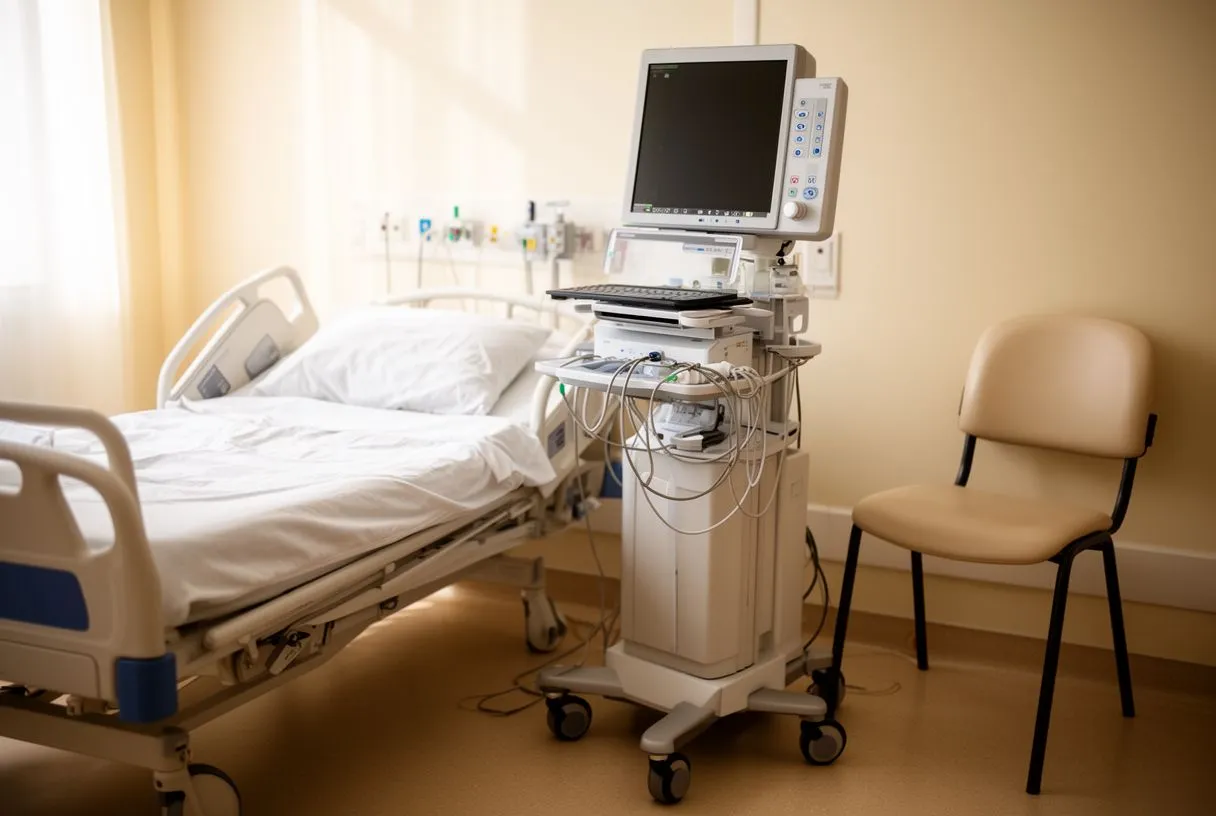
The first days in hospital. Heart transplantation is an operation where your failing heart is removed and a donor heart is placed in its chest cavity, with all major vessels reconnected. You wake up in an intensive care unit with a breathing tube still in place, monitoring wires on your chest, and a nurse checking your heart rhythm hour by hour. Most patients spend a few days in intensive care and one to two weeks in hospital before discharge.
What changes and what does not. The new heart beats with a different nerve supply than your original one — it does not respond to adrenaline the same way, so a fast walk may raise your pulse more slowly than before. You will not feel your new heart's natural warning signs the same way; instead, the rhythm is watched with routine tests. Emotionally, many patients describe the first weeks as a mix of gratitude, fear of rejection, and physical exhaustion, all of which are normal.
The overall picture. The honest summary is this: the surgery itself is the single hardest week, and the first six months are the most demanding period, because that is when monitoring is most intense and medications are being fine-tuned. After that, most recipients build toward a routine that looks surprisingly ordinary — with regular checkups, daily medication, and a permanent partnership with their transplant center. When we sit with a patient considering this operation, we take the time to explain exactly what the first months look like before anyone decides anything.
Heart Transplant Recovery Timeline: What to Expect in the First Months
Weeks 1 to 4: healing the chest. The sternum (breastbone) is divided during the operation and takes about six to eight weeks to knit back together. During this window you lift nothing heavier than a few kilos, avoid driving, and use a heart pillow to splint your chest when you cough or sneeze. Wound care is daily, and any redness, drainage, or separation at the incision is reported to the team immediately.
Months 2 to 6: the busiest testing period. This is the heart of the transplant recovery timeline months that matter most. You will attend frequent visits — often weekly at first — with blood tests, echocardiograms (ultrasound scans of the heart), and heart muscle biopsies, where a tiny sample is taken through a vein in your neck to check for rejection. Physical therapy continues, and you gradually build walking distance toward a full routine.
Months 6 to 12: settling into normal. By now the biopsy schedule stretches out, many restrictions lift, and your stamina returns. The American Heart Association notes that transplant recipients who follow their follow-up program carefully typically return to most everyday activities within the first year (American Heart Association). In early reviews, the wound and the patient's strength trajectory matter most — steady improvement, not a plateau, is the goal, and the rehabilitation plan may be adjusted when progress stalls.
A realistic warning. Recovery is not a straight line. A cold, a medication change, or a low-sodium week can leave you more tired than expected, and that does not mean something is wrong. The guideline is simple: expect gradual progress, report sudden changes, and never push through chest pain, breathlessness, or fever.
Heart Transplant Medication Management: Why Every Dose Matters
The anti-rejection core. Heart transplant medication management centers on immunosuppressants — drugs that deliberately dampen your immune system so it cannot attack the donor heart as foreign tissue. The usual combination includes a calcineurin inhibitor such as tacrolimus or cyclosporine, an antimetabolite such as mycophenolate, and a corticosteroid that is tapered over the first year. These are taken every day, often twice a day, for life.
Consistency is everything. Missing doses is the single most common avoidable cause of rejection episodes. Blood levels of these drugs sit in a narrow therapeutic window: too low and rejection becomes possible, too high and side effects and infections become more likely. So dosing is not guesswork — the team uses regular blood draws to adjust each patient's levels individually.
- Same time, every day: set alarms or use a weekly pill organizer; a missed dose should be reported to the team, not doubled on your own.
- Keep one list: carry a current medication list with doses and times, because many drugs interact with immunosuppressants.
Side effects you will hear about. Immunosuppressant side effects are real and manageable when they are monitored: tremor or headache with tacrolimus, swelling or gum changes, elevated cholesterol and blood pressure, and a higher risk of diabetes and skin cancers over time. None of these are reasons to skip doses — they are reasons to report them, because adjustments usually solve the problem.
Heart Transplant Rejection Signs: How to Spot Problems Early
Why rejection is expected and managed. Even with medication, the immune system can still mount attacks on the donor heart, so transplant programs schedule surveillance biopsies specifically to detect rejection before symptoms appear. The largest long-term transplant registry in the world, maintained by the International Society for Heart and Lung Transplantation, shows that the modern risk of serious rejection has fallen steadily — one reason survival keeps improving — and its 2016 listing criteria update reflects how much the field has refined patient selection and monitoring (The 2016 International Society for Heart Lung Transplantation listing criteria for heart transplantation: A 10-year update).
Heart transplant rejection signs to report. Acute rejection is often silent, which is exactly why biopsies exist. When symptoms do appear, they tend to be subtle and worth taking seriously:
- Fever and flu-like feeling: any temperature above the threshold your team gives you needs a same-day call.
- New breathlessness or fatigue: a decline you can feel, such as tiring on stairs you handled last week.
- Weight gain or swelling: more than two kilos in a couple of days, or new ankle swelling, can mean fluid retention.
- Palpitations or a racing pulse: the denervated heart may not warn you the usual way, so changes in rhythm matter.
What happens when rejection is found. Most rejection episodes are mild and caught early on biopsy. They are treated with a short course of higher-dose steroids or a temporary medication adjustment, and the majority resolve without long-term damage. A minority of patients carry specific pre-formed antibodies — pretransplant noncytotoxic HLA antibodies — which research has linked to a higher rate of adverse outcomes after transplant, a fact your team will have tested for before ever listing you (Occurrence of Fatal and Nonfatal Adverse Outcomes after Heart Transplantation in Patients with Pretransplant Noncytotoxic HLA Antibodies).
Heart Transplant Exercise Guidelines: Building Strength Safely
Start earlier than you think. Cardiac rehabilitation begins while you are still in the hospital, with seated movements and corridor walks. Heart transplant exercise guidelines all point the same way: the new heart benefits from training just like any heart, and muscle lost during months of illness only comes back through use.
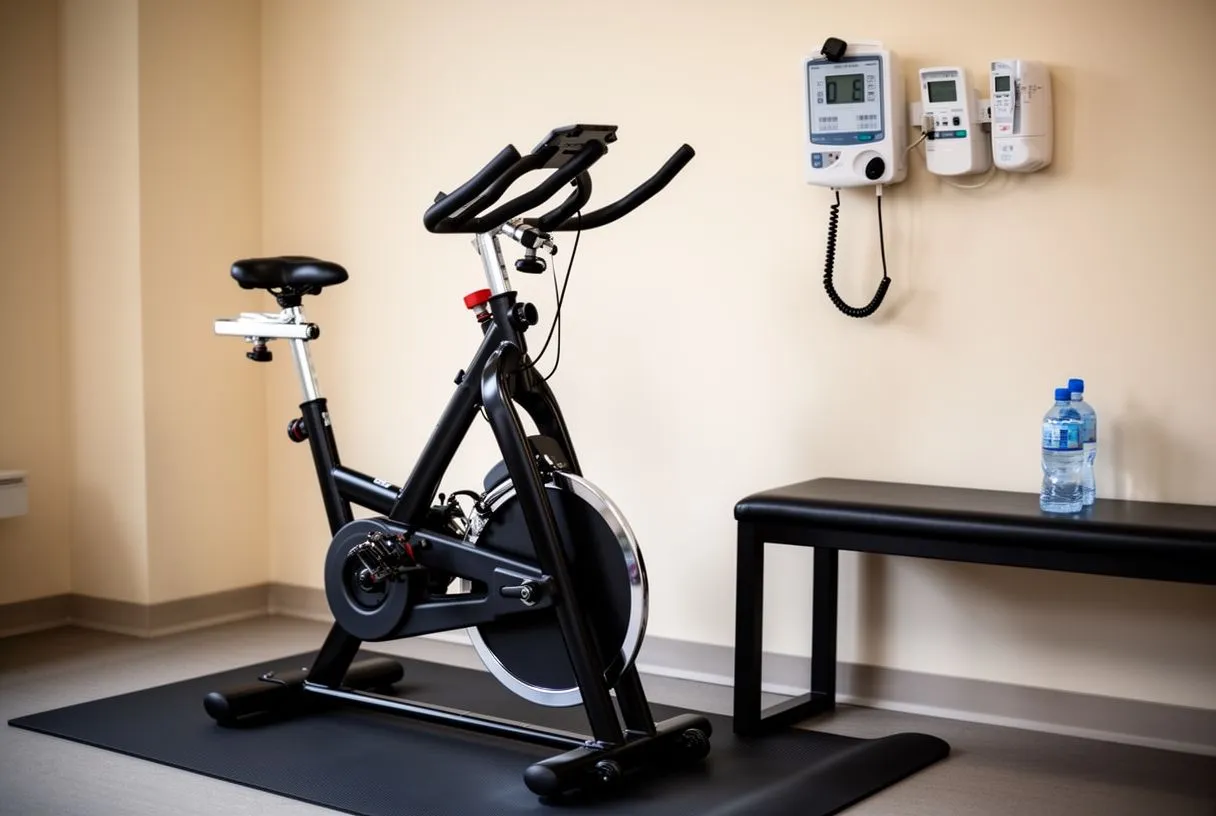
How exercise progresses. In the first weeks, walking is the main activity, starting at ten to fifteen minutes and building gradually. Formal rehabilitation programs — supervised sessions with a therapist, usually two to three times a week for several months — are strongly recommended, because they teach you how hard to push safely. Because the new heart does not respond to nerve signals the same way, your heart rate may rise more slowly during exercise, so many programs use perceived effort ("how hard does this feel?") rather than pulse targets alone.
Sensible long-term habits. Most recipients aim for thirty minutes of moderate activity on most days — brisk walking, cycling, swimming — once the team clears it. Contact sports and heavy competitive lifting are usually discouraged, mainly because of the sternum and the anticoagulation risk rather than the heart itself. We always tell our patients that the goal is a strong body around a new heart, not an athlete's heart; the exercise prescription is tailored case by case, and the final decision on how far to go is always theirs.
One caution worth repeating. If you feel chest pain, unusual breathlessness, dizziness, or a suddenly irregular pulse during activity, stop and call your team. It is far more likely to be nothing than something, but it is a call worth making.
Heart Transplant Diet Restrictions and Lifestyle Changes
Why diet matters more now. Heart transplant diet restrictions exist for two reasons: immunosuppressants interact with food and raise the risk of certain conditions, and a suppressed immune system is more vulnerable to germs carried in food. The rules sound strict at first and become routine within weeks.
What the food rules actually are. In the first weeks, raw or undercooked items are off the menu — raw fish and shellfish, raw eggs, unpasteurized dairy, deli meats, and unwashed produce. Grapefruit and pomegranate interact directly with tacrolimus and some other drugs and should be avoided, and salt is limited because steroids and fluid retention go hand in hand. A dietitian will usually give you a written plan; it is worth following it closely during the first months and then adjusting with your team.
Weight gain and other everyday changes. Weight gain is genuinely common after a transplant — steroids increase appetite, activity restrictions limit burning, and some medications cause fluid retention. Planning meals, weighing yourself regularly, and building in daily movement counteract this, but expect the number on the scale to move a few kilos before it settles. Coffee is generally fine in moderation once the team approves caffeine; the heart tolerates it, though some early post-op patients are asked to hold off temporarily because of rhythm monitoring.
The habits that protect the new heart. Heart transplant lifestyle changes go beyond food: never start smoking, limit alcohol, protect your skin from sun exposure (immunosuppression raises skin cancer risk), and treat every infection, however small, as something worth telling your team about. These are not restrictions for their own sake — they are the habits most strongly linked to keeping the transplant healthy for years.
Heart Transplant Follow-Up Care and Long-Term Monitoring
The first year is a rhythm. Heart transplant follow-up care is intense by design. Visits start weekly and stretch to every two or three weeks, then monthly, then every few months as you pass the one-year mark. Each visit includes blood work to track drug levels, kidney and liver function, cholesterol, and blood sugar — all the things immunosuppressants touch.
The tests that matter. The mainstays are the endomyocardial biopsy (checking for rejection) and the coronary angiogram or, increasingly, intravascular ultrasound (checking for transplant coronary artery disease — a narrowing of the donor heart's arteries that develops slowly and silently over years). Echocardiograms, ECGs, and regular dental screening also feature. Infection surveillance is part of the package: blood tests for viruses like cytomegalovirus, which can reactivate under immunosuppression.
Long-term care means a partnership. Beyond the first year, most patients settle into visits every three to six months, plus annual screening for skin cancer and bone density. Heart transplant long-term care depends entirely on the patient keeping appointments and reporting changes — the team can only act on what it can see. We encourage every one of our patients to keep a simple notebook of their weights, blood pressure readings, and questions between visits; it makes each consultation sharper and it makes subtle changes easier to catch.
How Does a Heart Transplant Affect Mental Health?
The emotional rollercoaster is normal. A heart transplant affects mental health for reasons that are medical, not personal: immunosuppressants and steroids can directly cause mood swings, anxiety, and sleep disturbance, while the experience of major surgery and the fear of rejection weigh on anyone. Some recipients also report feeling a strange emotional relationship with a heart that came from another person — gratitude, grief, and sometimes guilt toward the donor family.
What actually helps. Emotional support is not a luxury; it is part of the recovery plan. Transplant centers offer psychological counseling and peer support groups, and recipients who use them consistently report an easier first year. Family members need support too, because caregivers carry the medication schedule and the anxiety of the waiting period. A good transplant emotional support plan names who to call — a counselor, a peer group, a hospital psychologist — before a hard day arrives, not after.
When to seek help. If low mood, hopelessness, or anxiety persist for weeks, or if you notice changes in sleep or appetite you cannot explain, tell your team. Depression after transplant is common and treatable, and there is no weakness in asking. In our consultations, we make space for exactly these conversations — a question about fear or mood gets the same careful answer as a question about surgery, because the whole person, not just the heart, determines how the transplant turns out.

Quality of life, honestly. Most recipients describe a dramatic improvement in heart transplant quality of life within a year — going back to work, travel, grandchildren, and hobbies that breathlessness had taken away. That improvement is real and it is the reason the operation exists. It coexists with the discipline of medication and monitoring, and patients do best when they expect both.
Returning to Work, Travel and Daily Routines
Heart transplant returning to work. Most recipients who were working before return to work between three and six months after surgery, depending on the job. Desk roles come back first; physically demanding jobs may need modified duties or a later return, agreed with the rehabilitation team. The first return to work is tiring — plan a gradual ramp rather than full days immediately, and be honest with your employer about needing flexibility during the first year of frequent appointments.
Heart transplant travel restrictions. True heart transplant travel restrictions are lighter than most patients fear once the first months pass. The practical rules are: stay within reach of your center during the early period, travel with extra medication in carry-on luggage, carry your medical documentation, and know where the nearest transplant center is at your destination. International travel usually waits until the team is satisfied with your stability, and long trips in the first three months are generally discouraged.
Heart transplant dental care precautions. Heart transplant dental care precautions exist because the mouth is a gateway for bacteria into the bloodstream — a real risk when the immune system is suppressed. The rules are simple: see a dentist before transplant when possible, keep six-monthly checkups after, brush and floss daily, and tell your dentist you are on immunosuppressants. Invasive dental work may need antibiotic cover prescribed in coordination with your transplant team, and gum overgrowth from certain medications should be reported so the drug dose can be reviewed.
Getting back to ordinary life. Driving returns once the sternum has healed and you are off strong pain medication — usually six to eight weeks. Sexual activity is generally safe once you can climb two flights of stairs comfortably. The pattern to remember is that almost everything comes back, with the team setting the timing rather than you forcing it.
Heart Transplant Survival Rate and Quality of Life: What the Numbers Say
What the registry data shows. The heart transplant survival rate has improved steadily over four decades. International registry data shows that the majority of adult recipients are still alive at five years, with many living ten years or far longer, and that long-term survival depends heavily on rejection history, infection control, and the development of transplant coronary artery disease. The International Society for Heart and Lung Transplantation registry — the reference source the field uses — documents these trends across thousands of patients (The 2016 International Society for Heart Lung Transplantation listing criteria for heart transplantation: A 10-year update).
Why numbers alone do not tell your story. Registry averages are starting points, not predictions for an individual. Age at transplant, kidney function, antibody profile, cause of heart failure, and how faithfully medications are taken all shift the odds. A heart transplant patient story that matches yours in every detail does not exist — which is why your own team's assessment matters more than any headline statistic.
Choosing the right team for your situation. For anyone evaluating whether transplantation — or an alternative such as advanced heart-failure management — is right for them, the questions to ask are about volumes, follow-up structure, and who reviews the case. Every recommendation from our team is discussed by the full multidisciplinary group against international guidelines before it is presented, the patient receives a clear proposal with the alternatives, and the final decision is always theirs. Our first contact is a free video consultation: we get to know the patient, talk through the condition, and say which studies are still needed so nothing unnecessary is ordered.
Life after heart transplantation is not a return to the old normal — it is a new, well-mapped routine built around medication, monitoring, movement, and honest communication with your team. The first six months are demanding; the years after are where most recipients find the life the operation was meant to give them. If you or a family member are weighing this decision, bring your questions to a qualified cardiac team rather than deciding alone — a consultation is the safest place to find out what your own situation calls for.






