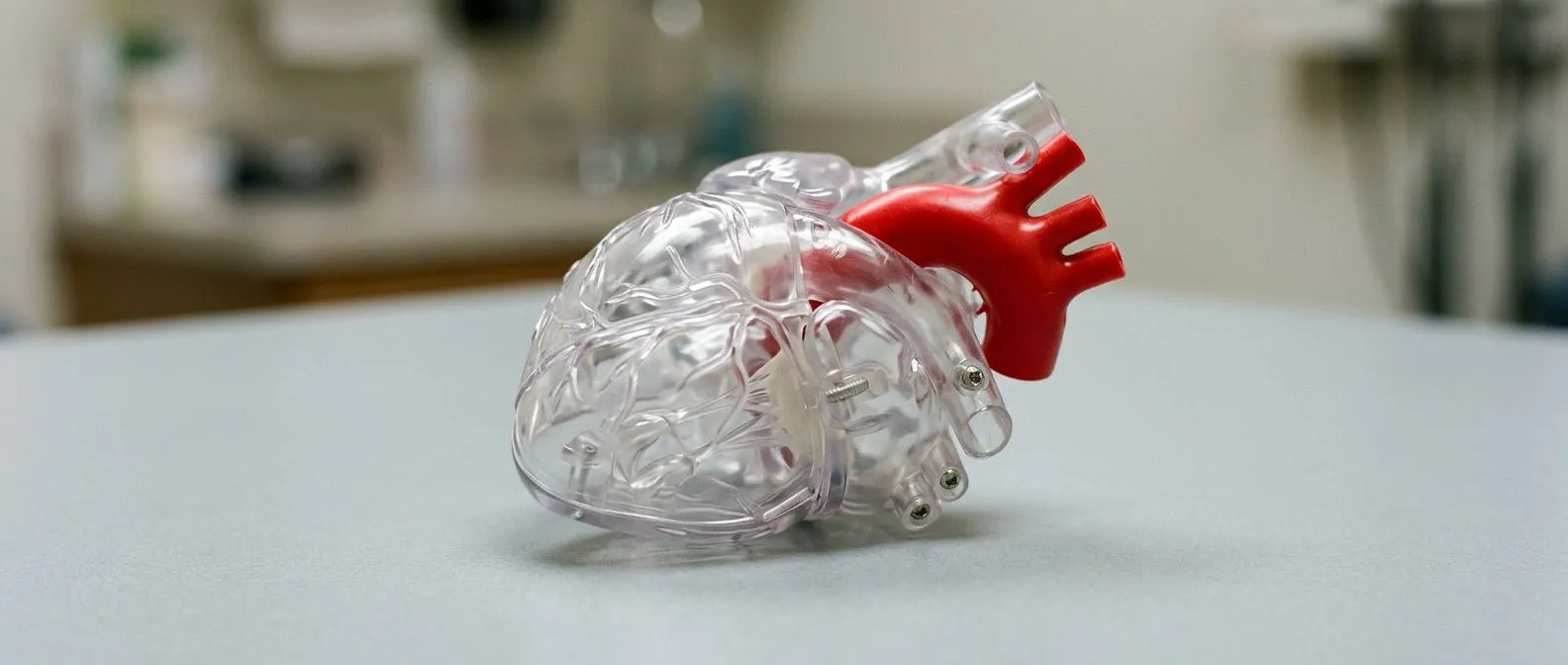
High Pulmonary Artery Pressure: Causes and Treatment
High pulmonary artery pressure explained by Guadalajara heart specialists.
High pulmonary artery pressure means the blood vessel that carries blood from the right side of your heart to your lungs is working under more strain than it should. Doctors call this condition pulmonary hypertension. It is not the same as the familiar blood pressure measured on your arm, and it often goes unnoticed for years because its early signs are easy to blame on ageing, weight or asthma. This guide explains what high pulmonary artery pressure really is, what causes it, how it is diagnosed, and what treatments exist today.
What Is High Pulmonary Artery Pressure?
The basic plumbing. The Pulmonary Artery is the large vessel that carries oxygen-poor blood from the right ventricle of your heart to your lungs, where it picks up oxygen. Normally this circuit is a low-pressure system — far lower than the pressure in the arteries that feed the rest of your body. When pressure in this circuit rises, the right ventricle must pump harder against resistance, and over time it can weaken and enlarge.
Why it matters. The lungs are delicate. Their vessels are thin-walled because they only need to push blood a short distance. When high pulmonary artery pressure develops, those walls thicken and stiffen, the vessel narrows, and less blood gets through. The result is less oxygen in the blood and a heart that tires more easily.
The five groups. Specialists classify pulmonary hypertension into five groups, depending on the underlying cause: pulmonary arterial hypertension (the vessels themselves), left heart disease, lung disease, chronic clots, and miscellaneous conditions. Knowing the group is essential, because treatment that helps one group can harm another. International guidelines such as the 2015 ESC/ERS Guidelines for the diagnosis and treatment of pulmonary hypertension set out this classification and how each form should be evaluated.
What Are the Symptoms of High Pulmonary Artery Pressure?
Early signs are subtle. Pulmonary hypertension symptoms often begin with breathlessness during activity — climbing stairs, walking uphill, carrying shopping. Because the heart initially compensates, many people dismiss this as being out of shape. Fatigue, chest discomfort and a racing or irregular heartbeat can also appear early.
Later warning signs. As the right ventricle struggles, fluid can back up. Look for:
- Swelling of the ankles, legs or abdomen
- Breathlessness that wakes you at night or appears at rest
- Fainting or near-fainting during exertion
- A bluish tint to the lips or fingertips
Why symptoms alone are not enough. None of these findings is specific to pulmonary hypertension. The same symptoms can come from heart failure, lung disease or anaemia. That is why a proper diagnostic workup, rather than self-diagnosis, is the only reliable way to know what is going on.
What Causes High Pulmonary Artery Pressure?
Left heart disease is the most common cause. Problems on the left side of the heart — a failing mitral valve, a stiff aortic valve, or long-standing high blood pressure — raise pressure in the left atrium. Blood backs up into the pulmonary veins, and this back-pressure transmits into the pulmonary circulation. Treating the left-sided problem often improves the lung pressures.
Lung disease and low oxygen. COPD, sleep apnoea and interstitial lung disease narrow the small pulmonary vessels, which raises Pulmonary Artery Pressure. Chronically low oxygen levels cause the vessels to constrict, so correcting the breathing problem is part of correcting the pressure.
Primary pulmonary hypertension. When no other cause is found — sometimes called primary pulmonary hypertension or Group 1 pulmonary arterial hypertension — the disease sits in the vessels themselves. It can be hereditary, linked to connective tissue conditions such as scleroderma, or appear without any obvious reason. It is rare, but it is also the form with the most specific medicines available.
Chronic clots and other causes. Old, unresolved pulmonary emboli can scar the lung arteries permanently. Congenital heart problems, including rare defects such as Total Anomalous Pulmonary Venous Drainage, where the Pulmonary Veins connect to the wrong chamber, can also drive elevated pulmonary artery pressure. In our practice, every case is reviewed by the multidisciplinary team against international practice guidelines before we recommend anything, because identifying the true cause changes the whole plan.
How Is Pulmonary Artery Pressure Measured?
The echo first. A pulmonary artery pressure test usually starts with an echocardiogram — an ultrasound of the heart. The machine estimates the pressure on the right side of the heart by measuring the speed of blood leaking backwards through the tricuspid valve. When the pulmonary artery systolic pressure is high on echo, it raises a flag, but an estimate is still an estimate.
The gold standard: right heart catheterisation. In this test, a thin, flexible catheter is threaded through a vein — usually in the wrist, groin or neck — into the pulmonary artery itself, where pressure is measured directly. Only this test can confirm pulmonary hypertension, identify which group it belongs to, and test how the vessels respond to medication. It takes a few hours, and most patients go home the same day.
What else gets checked. Pulmonary Function Tests measure how well your lungs move air and transfer oxygen, which helps separate lung disease from vessel disease. A Treadmill Test or a six-minute walk shows how far you can go before symptoms limit you — a number doctors track over time. We take the time in the consultation to explain in plain words what each study actually shows and which ones are still needed, so that no unnecessary tests are ordered.
Is Pulmonary Hypertension 20 or 25? The Numbers Explained
The threshold changed. For years, doctors used a cut-off of 25 mmHg mean pulmonary artery pressure. Updated definitions, endorsed by European and American guidelines, lowered the threshold to 20 mmHg measured directly at right heart catheterisation. Values between 21 and 24 mmHg are now considered borderline, and they deserve follow-up rather than dismissal.
Why the number is not the whole story. Pressure alone does not define the disease. Specialists also measure pulmonary vascular resistance — how hard the vessels resist blood flow — and how well the right ventricle is coping. Two patients with the same pressure can have very different outlooks depending on these factors.
What this means for you. If a report says "mild pulmonary hypertension" on an echo, do not panic and do not ignore it. Estimates can over-read or under-read the real pressure. The sensible next step is a conversation with a specialist team about whether direct measurement is needed.
What Tests Confirm a Pulmonary Hypertension Diagnosis?
A full workup, not one test. Pulmonary hypertension diagnosis is a process of elimination and confirmation. Because treatment depends entirely on the group, doctors must rule out each cause systematically. Our team, led by Dr Alejandro Molina with consulting rooms in Guadalajara, Querétaro and Hermosillo, reviews every suspected case together before deciding which studies will genuinely change the plan.
The usual sequence looks like this:
- Echocardiogram: the first, non-invasive estimate of pressure and a look at every valve
- Pulmonary Function Tests and sleep study: to detect lung disease and sleep apnoea
- Blood tests: Liver Function Tests, thyroid studies, HIV screening and connective-tissue markers, since these conditions travel with pulmonary arterial hypertension
- Chest imaging and CT angiography: to look for chronic clots or lung disease
- Right heart catheterisation: the definitive measurement that confirms or excludes the diagnosis
Additional studies where indicated. High-sensitivity troponin, a blood marker of heart muscle strain, can add information about how hard the right ventricle is working. In congenital cases, detailed imaging of the Pulmonary Artery and its branches maps the anatomy before any procedure. Each test answers a specific question; a good team orders only the ones that will.
Can Pulmonary Arterial Hypertension Be Reversed?
Honest answer: usually it is managed, not cured. For Group 1 pulmonary arterial hypertension, vessel changes in the lungs are generally not reversible once established. Modern medicines, however, can lower the pressure, slow the disease, and meaningfully improve symptoms and quality of life. Some patients remain stable for many years on treatment.
But the reverse is true for many other groups. When elevated pulmonary artery pressure comes from a left-sided valve problem, fixing the valve can bring lung pressures down substantially. The same applies when sleep apnoea is treated properly, when oxygen therapy corrects chronic low oxygen, or when clot-related obstruction is removed surgically in selected patients. In these situations, the pressure can genuinely improve or even normalise.
Why early diagnosis matters so much. The earlier the cause is found and treated, the more reversible the picture tends to be. Vessels that have only just begun to stiffen respond far better than vessels that have remodelled for years. This is the strongest argument for not sitting on a borderline result.
What Are the Treatment Options for High Pulmonary Artery Pressure?
Treat the cause first. For Group 2 (left heart disease), the answer is treating the heart: valve repair or replacement, medical therapy for heart failure, or blood pressure control. For Group 3, it is optimising lung treatment and oxygen. For chronic clots, specialised surgery or catheter-based techniques can remove or widen the obstructed vessels. We cover valve disease, coronary disease, the aorta and structural heart conditions, performing conventional, minimally invasive, robotic and transcatheter procedures — and we recommend the less invasive route only where the evidence supports it for that specific patient.
Targeted medicines for Group 1. Pulmonary arterial hypertension has several families of dedicated drugs — endothelin receptor antagonists, PDE-5 inhibitors, prostacyclin pathways and others. These act directly on the lung vessels to relax, dilate or slow their scarring. Doctors often combine them as the disease progresses, following a defined strategy.
Supportive measures that matter every day. How to lower pulmonary artery pressure is not only about drugs:
- Low-salt diet and careful fluid balance: reduces the load on the right ventricle
- Supervised, moderate exercise: safely improves stamina and heart function
- Treating sleep apnoea and quitting smoking: removes drivers of vessel constriction
- Vaccinations and infection prevention: chest infections are dangerous in this condition
Advanced and surgical options. Severe, refractory cases may need advanced therapies, including transplant evaluation in highly selected patients. In some situations related to heart defects, correcting the anatomy — for example closing a shunt — is the treatment that changes the pressure. Every recommendation we make comes with a clear proposal and the alternatives, and the final decision is always the patient's.
What Happens If Pulmonary Hypertension Is Not Treated?
The right ventricle wears out. Untreated high pulmonary artery pressure forces the right ventricle to pump against ever-stiffening vessels. It first thickens, then dilates, then fails. When that happens, fluid accumulates in the body, liver congestion develops, and the heart's rhythm can become unstable.
A hypertensive crisis can occur. A pulmonary hypertensive crisis is a sudden, dangerous spike in lung pressure, often triggered by surgery, infection or certain anaesthetic drugs. Blood flow through the lungs collapses, oxygen drops sharply, and it is a medical emergency that requires immediate specialist care. This is why any patient with known pulmonary hypertension must tell the surgical and anaesthesia team before any operation.
The enlarged artery question. People often ask what an enlarged pulmonary artery indicates. When the pulmonary artery dilates, it usually reflects long-standing pressure or high flow through it; a markedly dilated pulmonary artery can also compress neighbouring structures and warrants specialist review. Finding the reason is more important than the finding itself.
When Should You See a Pulmonary Hypertension Specialist?
Take an abnormal echo seriously. If any report mentions elevated pulmonary artery pressure, an enlarged right ventricle or "possible pulmonary hypertension", the right move is a specialist review — not a wait-and-see approach. Best doctor for pulmonary hypertension usually means a multidisciplinary team: a cardiologist, sometimes a pulmonologist, and a cardiac surgeon when structural heart disease may be involved.
Questions worth asking at your visit. Come with a list. Ask what your echo numbers mean, which group of pulmonary hypertension is suspected, whether right heart catheterisation is needed, and what would change if the pressure were confirmed. Ask about a second opinion before committing to any major procedure — a serious team welcomes it. We encourage second opinions and treat seeking one as a normal part of deciding about heart surgery, never as a betrayal.
How we work with patients. Our first contact is a free video consultation: we get to know the patient, talk through the condition, and say which studies are still needed so no unnecessary ones are ordered; a face-to-face visit at the consulting rooms follows when the patient decides to go ahead. Dr Molina trained in cardiothoracic surgery at the Universidad de Guadalajara, in cardiac, minimally invasive, robotic and structural surgery at the University of Montreal, and in structural cardiology and TAVR at CHU Bordeaux, and the team also trained at Jena, Bad Berka and Buffalo. Dr Molina performed the first robotic mitral valve repair in the Ángeles Health System and the first robotic heart surgery in Guadalajara.
Key takeaways. High pulmonary artery pressure is a serious finding but a manageable one when the cause is identified early. The right diagnosis group determines the right treatment; the wrong treatment can do harm. Bring your reports, ask your questions, and discuss your own situation with a qualified cardiac team before drawing conclusions from an echo report alone. Booking a consultation beats self-diagnosing every time.