Hypertension and Your Heart Valves: The Long-Term Strain
How high blood pressure strains your heart valves over time, plus prevention and treatment options.
What Is Hypertension Heart Damage?
Understanding hypertension heart damage begins with recognizing how the silent, constant force of high blood pressure affects your cardiovascular system. When blood pushes against the walls of your arteries at a higher-than-normal pressure over many years, it gradually alters the very structures of your heart. This guide will explain how high blood pressure impacts your heart valves, what long-term strain means for your overall health, and how working with a dedicated cardiac team can protect your future well-being.
The mechanics of cardiac strain: Your heart is a muscular pump designed to move blood efficiently throughout your body. According to BMJ, prolonged pressure forces the heart muscle to work significantly harder. Just like any muscle lifting a heavy weight, the heart thickens in response to this workload. While this might sound beneficial, a thickened heart muscle becomes stiff, making it harder for the heart to relax and fill with blood between beats.
Why high blood pressure is a silent threat: Hypertension rarely causes noticeable symptoms in its early stages, which is why it is often called the silent killer. The damage accumulates slowly over decades. By the time a person notices physical changes or discomfort, the underlying structural wear on the heart valves and chambers may already be advanced. Understanding this gradual process is the first step toward proactive heart care.
How Hypertension Heart Valves Are Affected
When we talk about hypertension heart valves, we are looking at the delicate structures that keep blood moving in the right direction. Your heart has four valves that open to let blood pass through and close tightly to prevent it from flowing backward. High blood pressure places extreme mechanical stress on these valves, particularly the aortic and mitral valves, accelerating their natural wear and tear.
Understanding aortic root enlargement: The aortic annulus is the sturdy ring-like base where the aortic valve attaches to the heart. Chronic high pressure can stretch this base over time. As the ring expands, the three leaflets of the valve can no longer meet perfectly in the center to form a tight seal. This leads to blood leaking backward into the heart, a condition known as valve regurgitation.
The connection to valve leakage: When a valve fails to close completely, the heart must pump extra blood with each beat to compensate for the backward leakage. This creates a vicious cycle: the leakage forces the heart to work harder, which raises the pressure inside the heart chamber, which in turn stretches the valve opening even further. Breaking this cycle requires careful medical management of the underlying blood pressure.
Long-Term Hypertension Effects on Cardiac Health
The long-term hypertension effects go beyond just the valves; they impact the entire architecture of the heart. Over years of unchecked high blood pressure, the left ventricle—the main pumping chamber—undergoes a remodeling process. This changes the size, shape, and function of the heart muscle, reducing its ability to supply the body with oxygen-rich blood.

Impact on the heart's outer layer: Even the adventitia, the tough outer connective tissue layer of your blood vessels, faces immense stress from constant high pressure. As this outer layer stretches and weakens, arteries become more susceptible to tearing or ballooning. This is particularly dangerous in the aorta, the body's largest artery, which carries blood directly from the heart to the rest of the body.
Systemic ripple effects: The strain on the heart does not happen in isolation. As the heart struggles to pump against high pressure, blood can back up into the lungs, causing fluid accumulation. This is the foundation of heart failure. Recognizing that hypertension is a systemic issue helps patients understand why treating the blood pressure, rather than just the symptoms, is so critical.
Types of Heart Valve Damage From High Blood Pressure
Heart valve damage hypertension can manifest in several distinct forms. The specific type of damage usually depends on which valve is affected and how the high pressure has altered its structure. Understanding these variations helps patients grasp why their symptoms might differ from others with similar blood pressure readings.
Aortic stenosis and regurgitation: High blood pressure accelerates the calcification of the aortic valve, a condition where calcium deposits build up on the valve leaflets. This thickens them and restricts their movement, leading to aortic stenosis, a narrowing of the valve opening. Alternatively, as mentioned earlier, the stretching of the valve base can cause aortic regurgitation, where blood leaks backward into the heart.
Connecting valve issues to other conditions: If a patient already suffers from anaemia, a condition where the blood lacks sufficient healthy red blood cells to carry adequate oxygen, the heart is already stressed. The combination of a leaking valve and anaemia forces the heart to pump faster and harder, exacerbating the physical strain. Addressing all overlapping health factors is essential for protecting the valves from further deterioration.
Signs of High Blood Pressure Heart Strain
Recognizing the signs of high blood pressure heart strain early can make a profound difference in your long-term outcomes. Because the heart compensates for damage for a long time, symptoms often appear only when the structural limits have been reached. Being attentive to these physical cues ensures you seek help before a crisis occurs.
- Shortness of breath: Often noticed first during physical activity or when lying flat in bed, this occurs when blood backs up into the lungs.
- Ankle swelling: Fluid retention happens when the heart struggles to pump efficiently, causing fluid to pool in the lower extremities.
- Dizziness and fatigue: Reduced cardiac output can leave you feeling constantly tired, weak, or lightheaded, especially upon exertion.

When symptoms become severe: As valve strain worsens, you might experience chest pain or palpitations, which feel like a fluttering or pounding in the chest. These symptoms indicate that the heart muscle is starving for oxygen or struggling to maintain a normal rhythm. Any sudden worsening of these signs warrants immediate medical evaluation.
Diagnosing Hypertension Heart Complications
Diagnosing hypertension heart complications requires a thorough evaluation by a cardiac specialist. Because the early stages are silent, routine check-ups are vital. Your doctor will look for physical signs of strain and use specialized tools to look directly at the heart's structure and function, ensuring an accurate diagnosis.
The role of imaging: An annual echocardiogram is often the most effective tool for monitoring heart health. This painless ultrasound test uses sound waves to create a moving picture of your heart, allowing doctors to see the valves in action, measure the thickness of the heart muscle, and check for any backward leakage of blood. It is a cornerstone of proactive cardiac care.
Learning from systemic stress responses: The medical community increasingly recognizes how severe systemic illnesses stress the heart and complicate cardiovascular care. For example, researchers studying severe respiratory viruses noted in their analysis of Clinical features of patients infected with 2019 novel coronavirus in Wuhan, China. that underlying cardiovascular conditions significantly impacted patient outcomes. This highlights the importance of maintaining a healthy baseline so your body can withstand unexpected systemic stressors.
Managing Hypertension Heart Health
Managing hypertension heart health is a lifelong commitment that combines lifestyle adjustments with careful medical oversight. The goal is to reduce the pressure inside your arteries so the heart muscle can relax and the valves are spared from excessive mechanical stress. This collaborative approach between patient and physician is the best defense against progressive damage.
Medication adherence: For many patients, lifestyle changes are not enough to safely lower blood pressure. Your doctor may prescribe medications, and taking them exactly as directed is crucial. If you have other cardiovascular risks, you might also need antiplatelet therapy, a treatment that helps prevent dangerous blood clots from forming in damaged or narrowed arteries. Never stop taking medications without consulting your doctor.

The importance of routine monitoring: Blood pressure fluctuates throughout the day, so checking it regularly at home helps your doctor understand your true averages. Keep a log of your readings and bring it to your appointments. This data empowers your cardiac team to adjust your treatment plan precisely, ensuring your heart valves are protected over the long term.
Heart Valve Disease Prevention Strategies
Heart valve disease prevention hinges on controlling the root causes of cardiovascular stress. While we cannot change our age or family history, we have significant control over lifestyle factors that influence blood pressure. Taking proactive steps today can delay or entirely prevent the structural wear that leads to valve failure.
- Balanced nutrition: A diet rich in fresh vegetables, whole grains, and low in sodium supports healthier, more flexible blood vessels.
- Consistent movement: Gentle daily walks help regulate blood pressure and strengthen the heart without overtaxing the valves.
- Smoking cessation: Quitting smoking protects the blood vessels from additional chemical stress and inflammation.
Understanding environmental factors: Environmental exposures play a significant role in cardiovascular health. For instance, a study titled Short-Term Effects of Nose-Only Cigarette Smoke Exposure on Glutathione Redox Homeostasis, Cytochrome P450 1A1/2 and Respiratory Enzyme Activities in Mice Tissues demonstrates how rapidly smoke exposure alters cellular functions and redox balance. These rapid changes underline why avoiding smoke is so critical for protecting your heart and blood vessels from compounded damage.
Treatment Options for Chronic High Blood Pressure
When prevention is not enough, various treatment options for chronic high blood pressure become necessary to protect the heart valves. Treatment plans are highly individualized, depending on the severity of the valve damage, the patient's overall health, and how well the blood pressure responds to medications.
When valves need repair: If high blood pressure has severely stretched the aortic diameter, the width of the main artery leaving the heart, or caused significant valve leakage, surgical intervention may be necessary. A surgeon might repair the valve or replace it entirely. The goal of these procedures is to restore normal blood flow and take the strain off the heart muscle.
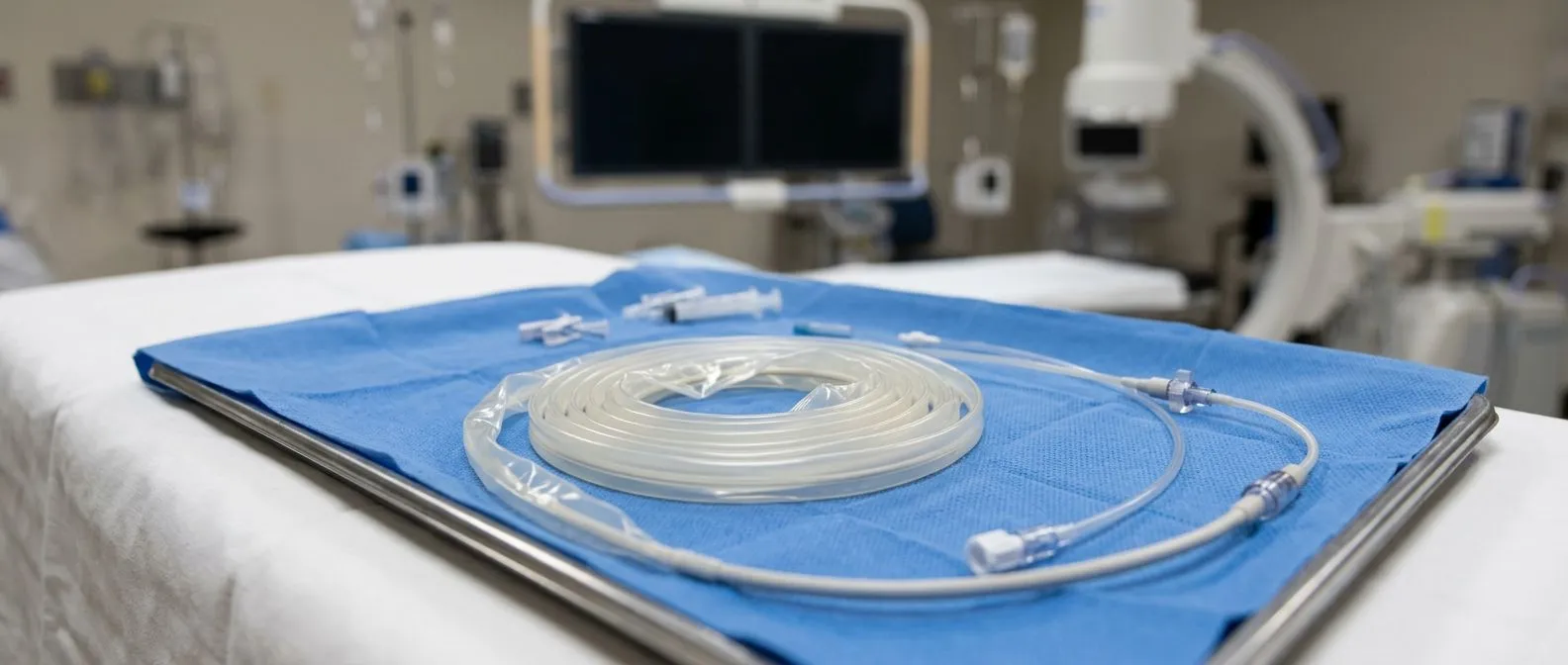
Minimally invasive solutions: For severe aortic valve disease, a transcatheter aortic valve replacement, commonly known as TAVR, may be an excellent option. This advanced procedure allows surgeons to replace a damaged valve by guiding a new valve through a catheter, usually inserted in the groin, without the need for open-heart surgery. It is a vital option for patients who might be at higher risk for traditional surgery.
When to Seek Expert Cardiac Care
Knowing when to seek expert cardiac care is vital for anyone with a history of high blood pressure. If you experience new shortness of breath, chest discomfort, or unexplained fatigue, these are clear signals that your heart needs professional attention. Early intervention can halt the progression of valve disease before it becomes a life-threatening emergency.
Building a partnership with your doctor: Heart health is not a solo journey. It requires a partnership with a dedicated cardiac team who understands the nuances of hypertension and structural heart disease. Dr Alejandro Molina and the team at Cirugía de Corazón are dedicated to providing personalized, compassionate care to patients across Guadalajara, Querétaro, and Hermosillo.
Booking a consultation: Do not wait for symptoms to become severe. We encourage you to discuss your own situation with a qualified cardiac team to understand your specific risks and options. Booking a consultation is the most important step you can take to protect your heart valves and ensure a healthy, active future. Please reach out today to schedule a comprehensive evaluation rather than self-diagnosing.