


Light-Headedness and Your Heart: Causes to Rule Out
Light-headedness heart causes can signal arrhythmia, valve problems, or worse.
That sudden wave of feeling faint — the room tilting, your vision narrowing, your legs going weak — is one of the most unsettling sensations a person can experience. When light-headedness strikes without an obvious cause, many people dismiss it as dehydration, a skipped meal, or simply standing up too quickly. But your heart may be sending a signal that deserves closer attention. This guide walks through the cardiac conditions that can produce light-headedness, what mechanisms are at work beneath the surface, and when this symptom warrants a prompt evaluation by a cardiac specialist rather than another glass of water.
What Are Light-Headedness Heart Causes You Shouldn't Ignore?
Your brain depends on a continuous, steady supply of oxygen-rich blood to keep you alert and upright. The heart is the pump that delivers that supply, pushing blood through your arteries with every beat. When the heart cannot maintain adequate blood flow to the brain — whether because it is beating too slowly, too rapidly, or too weakly — the brain is the first organ to let you know. The result is light-headedness: a sensation that you might pass out, often accompanied by a feeling of unease, blurred vision, or a need to sit down immediately.
Not every dizzy spell points to the heart. Dehydration, inner-ear disorders, anxiety, medication side effects, and low blood sugar can all produce similar sensations, which is why cardiac causes are sometimes missed or delayed. What separates heart-related light-headedness from more benign causes is the context in which it occurs and the company it keeps. The following warning signs warrant a closer look from a cardiac perspective:
- Dizziness with exertion: Light-headedness that appears when you walk, climb stairs, or carry groceries — and eases when you rest — suggests the heart cannot meet the extra demand.
- Dizziness with palpitations: A racing, fluttering, or skipping heartbeat paired with faintness often points to an arrhythmia that needs documentation on an electrocardiogram.
- Dizziness with chest pressure: Even vague chest tightness, jaw ache, or shoulder discomfort alongside dizziness can signal reduced blood flow to the heart muscle itself.
- Dizziness that ends in a faint: Losing consciousness — even briefly — and waking on the floor is never a normal event and should be investigated thoroughly.
The challenge for patients and clinicians alike is that these categories overlap. A person with a narrowed heart valve may feel dizzy during exertion, develop palpitations as a secondary effect, and eventually experience a fainting episode. Understanding the mechanisms behind each pattern helps you communicate what you are feeling to your cardiac team and helps them decide which tests will reveal the problem fastest.
How Does Low Blood Pressure Cause Light-Headedness?
Blood pressure is the force that pushes blood through your arteries and up to your brain. When that pressure drops — whether suddenly or gradually — the brain receives less oxygen and you feel light-headed. This is the most common non-structural cardiac mechanism for dizziness, and it sits at the intersection of the heart, the blood vessels, and the nervous system. Orthostatic hypotension, the medical term for a blood-pressure drop that occurs when you stand up, happens when the body cannot constrict blood vessels and raise heart rate quickly enough to counter gravity. For a few seconds or longer, blood pools in the legs and the brain runs short.
In many cases orthostatic hypotension is a standalone problem managed with hydration, compression stockings, or medication adjustments. But when low blood pressure is driven by a heart condition, the picture changes. Heart failure can lower cardiac output enough that standing becomes difficult. Certain arrhythmias prevent the heart from compensating for position changes. Valve disease can restrict forward flow so severely that the brain notices the deficit. The Mayo Clinic notes that persistent or worsening low blood pressure, especially when accompanied by chest pain, shortness of breath, or palpitations, warrants prompt medical evaluation rather than home remedies alone.
Medications deserve special attention here. Many cardiac drugs — beta-blockers, diuretics, ACE inhibitors, and others — are designed to lower blood pressure, and dosing them correctly is a balancing act. A dose that was right three months ago may become too much if you lose weight, become dehydrated, or develop a new arrhythmia. If you start feeling light-headed after a medication change or dose increase, do not simply stop the drug; contact your cardiac team so they can adjust the regimen safely and check whether an underlying condition has shifted.
Are Your Dizzy Spells Linked to an Arrhythmia?
An arrhythmia is any abnormality in the heart's rhythm — too fast, too slow, or simply irregular. The heart's electrical system normally fires a single, coordinated signal from the top chambers (the atrium, plural atria) down to the ventricles, producing a steady beat. When that signal goes awry, the heart may beat so rapidly that it cannot fill properly between contractions, or so slowly that not enough blood reaches the brain. Either extreme can produce light-headedness, and in some cases a full faint.
Atrial flutter and atrial fibrillation: These two rhythm disorders originate in the atrium and are among the most common arrhythmias that bring patients to a cardiologist. In atrial flutter, the upper chambers beat in a fast, organized circuit — often around 250 to 300 beats per minute — while the lower chambers follow at a fraction of that rate. Atrial fibrillation is more chaotic, with electrical signals scattering through the atrium in an uncoordinated fashion. Both can reduce cardiac output enough to cause dizziness, particularly when the ventricular rate is poorly controlled. Patients often describe a sudden, rapid fluttering in the chest followed by a wave of faintness.
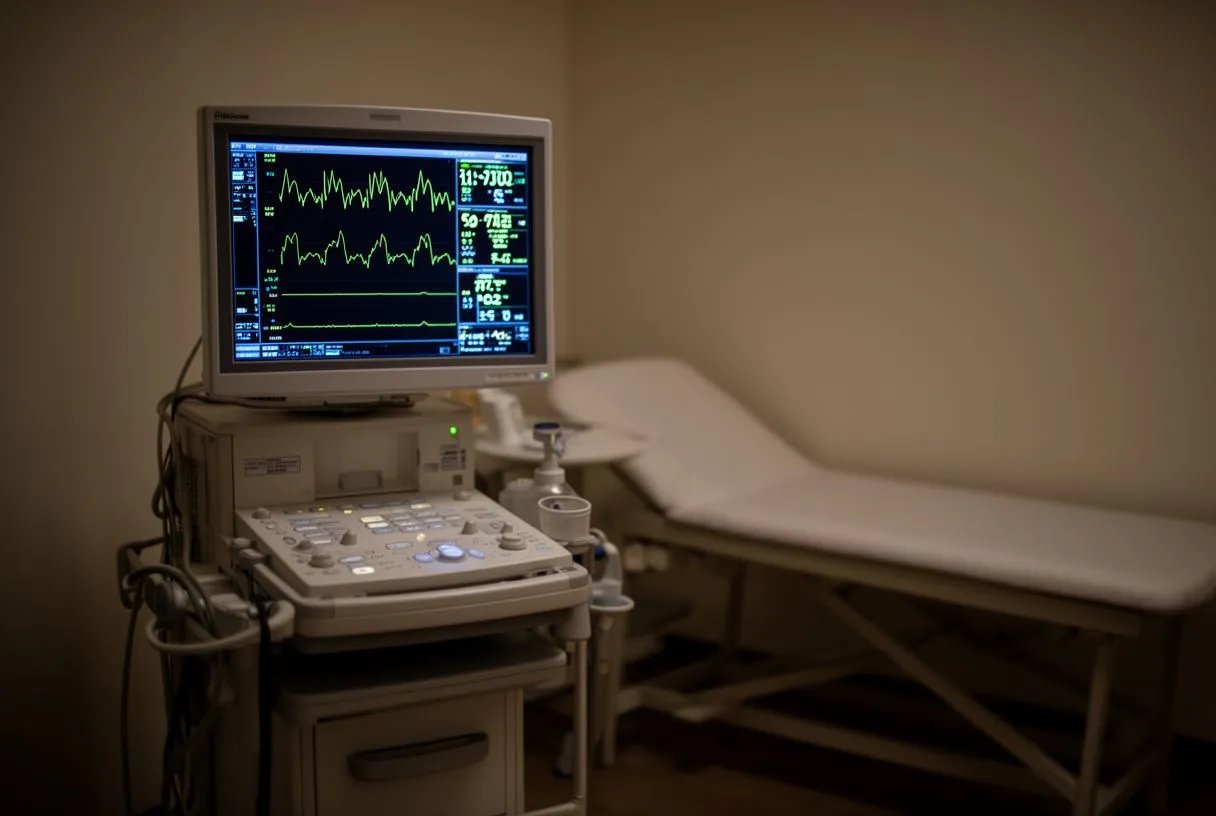
Not every arrhythmia is an emergency, but the combination of a very fast or very slow heart rate with light-headedness, chest discomfort, or loss of consciousness is. If you experience dizziness accompanied by a heart rate that feels far too fast, far too slow, or highly irregular — and especially if it does not resolve within a few minutes — seek medical attention. Documenting the rhythm during an episode is the single most valuable step you can take, which is why a Holter monitor or event recorder is often the next test your cardiologist recommends.
What Heart Valve Problems Trigger Light-Headedness?
The heart has four valves that open and close with each beat to keep blood flowing in one direction. When a valve becomes narrowed (stenosis) or leaky (regurgitation), the heart must work harder to move the same volume of blood. In severe cases the valve limits forward flow so much that the brain receives less blood than it needs, particularly during exertion. The result is exertional light-headedness — dizziness that appears when you are active and fades when you rest, a pattern that should always prompt a cardiac evaluation.
Aortic stenosis and the ascending aorta: The aortic valve sits at the exit of the left ventricle, the heart's main pumping chamber, and opens to send blood into the ascending aorta — the first segment of the body's largest artery. When this valve narrows, the ventricle struggles to push blood through the restricted opening. Classic symptoms include chest pain, breathlessness, and dizziness or fainting with effort. These symptoms indicate that the stenosis has become severe, and guidelines generally recommend valve replacement rather than continued monitoring at that stage. In some carefully selected patients, balloon aortic valvuloplasty — a catheter procedure that uses a small balloon to stretch the narrowed valve — may serve as a bridge or palliative measure, though it does not provide the durability of a valve replacement.
For patients with severe aortic stenosis who are at high or intermediate surgical risk, transcatheter aortic valve replacement (TAVR) offers a less invasive alternative to open surgery. During TAVR, a replacement valve — often a balloon-expandable valve mounted on a catheter — is guided to the diseased aortic valve position and deployed, pushing the old valve leaflets aside. The procedure can dramatically improve forward blood flow and, with it, resolve the dizziness and fainting that severe stenosis produces. Your cardiac team will assess your valve anatomy, overall health, and surgical risk to determine whether TAVR or surgical valve replacement offers the lowest risk for your situation.
Can Heart Failure Make You Feel Faint?
Heart failure does not mean the heart has stopped; it means the heart cannot pump with enough force or fill with enough blood to meet the body's demands. When cardiac output — the volume of blood the heart ejects each minute — falls below what the brain requires, light-headedness follows. This can happen at rest in advanced heart failure or only during exertion in earlier stages. The sensation may be subtle at first: a slight unsteadiness when walking, a need to pause on stairs, or a vague wooziness that you attribute to fatigue.
Heart failure dizziness often arrives with other signs that together paint a clearer picture. Breathlessness when lying flat, swelling in the ankles or legs, persistent fatigue, and a dry cough that worsens at night are common companions. When the heart's pumping function is significantly reduced, standing up from a chair or bed can drop blood pressure enough to cause a near-faint. This is not simply aging or being out of shape; it is a measurable problem with cardiac output that echocardiography and blood tests can help quantify.
Managing dizziness in heart failure is a team effort. Medications such as beta-blockers, ACE inhibitors, and diuretics improve heart function and reduce symptoms, but each can also lower blood pressure. Your cardiologist will adjust doses to find the balance between protecting the heart and keeping you upright. Monitoring your weight daily, watching for sudden swelling, and reporting new or worsening dizziness promptly allows your team to intervene before a small problem becomes a hospital admission. The goal is not to eliminate every medication that causes dizziness but to find the regimen that supports your heart without leaving you faint.

How Coronary Artery Disease Leads to Dizziness
Coronary artery disease develops when the arteries that supply the heart muscle itself become narrowed by atheromatous plaque — a buildup of cholesterol, inflammatory cells, and calcium in the artery wall. One of the key drivers of this process is apolipoprotein B, a protein that carries cholesterol particles into the artery wall and is now considered a more precise marker of cardiovascular risk than total cholesterol alone. When the coronary arteries cannot deliver enough blood to the heart muscle, the heart weakens, its rhythm may become unstable, and the brain receives less blood — producing dizziness as a downstream effect.
In some patients coronary artery disease presents not with classic crushing chest pain but with atypical infarction — a heart attack whose symptoms fall outside the expected pattern. Research has shown that stress-induced conditions such as takotsubo syndrome can mimic or accompany coronary events, and a study published as Takotsubo as Initial Manifestation of Non-Myopathic Cardiomyopathy Due to the Titin Variant c.1489G > T illustrates how a genetic predisposition can produce cardiac dysfunction that initially looks like something else entirely. These atypical presentations are one reason dizziness alone — especially when it is new, exertional, or paired with any chest discomfort — should not be dismissed without investigation.
Medications play a central role in managing coronary artery disease and preventing its progression. Aspirin reduces clot formation in narrowed arteries, statins lower apolipoprotein B levels and stabilize plaque, and blood-pressure medications reduce the mechanical stress on vulnerable vessel walls. None of these drugs eliminates existing plaque, but together they slow the disease and reduce the risk of a heart attack that could present with dizziness, breathlessness, or fainting as the first signal. If you have been prescribed these medications and are experiencing light-headedness, the answer is rarely to stop them on your own; it is to ask your team whether the dizziness is a side effect or a sign that the disease has changed.
What Is Cardiac Syncope and When Is It Dangerous?
Syncope is the medical term for a sudden, transient loss of consciousness — a faint. It happens when blood flow to the brain drops so abruptly and profoundly that the brain simply switches off for a few seconds. Most faints are vasovagal: a reflex triggered by pain, fear, standing too long, or the sight of blood, causing blood pressure and heart rate to drop together. These are common, usually benign, and do not require a cardiac workup beyond a basic history and examination. Cardiac syncope is different. It occurs when a heart problem — a severe arrhythmia, a blocked valve, or a massive drop in cardiac output — cuts blood flow to the brain without any warning reflex.
Several features make a faint more likely to be cardiac in origin and therefore more dangerous. Fainting during exertion, fainting while lying flat, a faint preceded by palpitations or chest pain, and a faint in someone with a history of heart disease all raise concern. A family history of sudden cardiac death or fainting at a young age is another red flag. In these scenarios the risk is not just the faint itself but the underlying condition that caused it — conditions that can, in the worst case, lead to cardiac arrest. An automated external defibrillator can be life-saving in public settings when a dangerous arrhythmia strikes, but the more important step is identifying the risk before that moment arrives.
If you or a family member has fainted, the question to ask is not only "Did they recover quickly?" but "What was the context?" A faint at the sight of blood after standing in a hot room is very different from a faint while swimming, climbing stairs, or sitting on the sofa. Your cardiac team will want to know exactly what happened before, during, and after the episode. Be prepared to describe whether there were warning symptoms, how long the loss of consciousness lasted, whether there was any twitching or confusion afterward, and whether the person has had any previous heart evaluations. This narrative is often more diagnostic than any single test.

Are Palpitations and Light-Headedness a Warning Sign Together?
Palpitations — the sensation that your heart is pounding, racing, skipping, or fluttering — are extremely common and frequently harmless. Many people notice them after caffeine, during stress, or when lying on their left side at night. But palpitations paired with light-headedness form a different clinical picture. The combination means that whatever rhythm the heart is in is not just noticeable but functionally significant: it is reducing blood flow enough to make the brain complain.
The most common cardiac cause of palpitations with dizziness is an intermittent arrhythmia that starts and stops on its own. Atrial fibrillation, atrial flutter, supraventricular tachycardia, and ventricular ectopy can all produce this pairing. In each case the heart spends some time in a rhythm that does not pump efficiently, and the patient feels both the irregular beat and the lightheadedness that results. The critical step is capturing the rhythm during an episode. A standard electrocardiogram taken when you feel fine will likely look normal, which is why a longer-term monitor is often necessary.
Tracking your symptoms at home can accelerate the diagnosis. Keep a simple log: what time did the episode start, what were you doing, how long did it last, did you feel the heartbeat as fast, slow, or irregular, and did you have any other symptoms such as chest pain, breathlessness, or sweating. Some patients find that a consumer-grade heart-rate watch or a finger-pulse oximeter can capture the rate during an episode, which is useful information even if it does not replace a clinical monitor. Bring this log to your consultation. Patterns in timing, triggers, and duration often point your cardiologist toward the right diagnosis faster than any single test in isolation.
When Does Light-Headedness Mean a Heart Attack?
A heart attack occurs when a coronary artery becomes completely blocked, usually by a blood clot forming on a ruptured plaque, cutting off blood supply to a portion of the heart muscle. The classic presentation — crushing central chest pain radiating to the left arm — is well known, but it is far from universal. Many heart attacks, particularly in women, older adults, and people with diabetes, present with subtler symptoms. Light-headedness, nausea, cold sweats, breathlessness, and a vague sense of doom can be the primary signals. Arm pain — not always the left arm — may accompany these symptoms, or it may be absent entirely.
Research on stress-induced cardiac syndromes has demonstrated how exercise or emotional stress can trigger acute cardiac dysfunction even in people without obstructive coronary disease. A case report titled Mid-Left Ventricular Ballooning Variant Takotsubo Syndrome Induced by Treadmill Exercise Stress Testing describes how a routine stress test provoked a form of takotsubo syndrome — a temporary weakening of the heart muscle — producing symptoms that could easily be mistaken for a simple faint or panic attack. This underscores a broader point: new or unexplained dizziness during or immediately after physical or emotional stress deserves evaluation, not dismissal, especially in people with cardiac risk factors.
If you experience sudden light-headedness accompanied by any of the following — chest pressure, tightness, or pain; pain radiating to the arm, jaw, neck, or back; sudden cold sweating; nausea or vomiting; or sudden severe breathlessness — treat it as a potential cardiac emergency. Do not drive yourself to the hospital. Call emergency services so that treatment can begin the moment help arrives. Minutes matter: the faster a blocked artery is reopened, the more heart muscle is saved. Waiting to see if it passes, taking antacids, or lying down to rest can cost heart muscle that cannot be recovered. When in doubt, it is always safer to be evaluated and told it was nothing than to stay home and discover it was something.
How Cardiologists Evaluate Light-Headedness Heart Causes
The evaluation of heart-related dizziness begins not with a test but with a conversation. Your cardiologist will ask about the character of the dizziness — is it a spinning sensation, a feeling of impending faint, or a vague wooziness? They will want to know the triggers, the duration, the frequency, and what other symptoms accompany it. A careful physical examination follows, including auscultation — listening to the heart with a stethoscope — to detect murmurs, irregular rhythms, or signs of heart failure. Blood pressure will be measured lying and standing, and your pulse will be assessed for rate and regularity. This initial assessment alone narrows the differential diagnosis significantly and determines which tests are worth ordering.
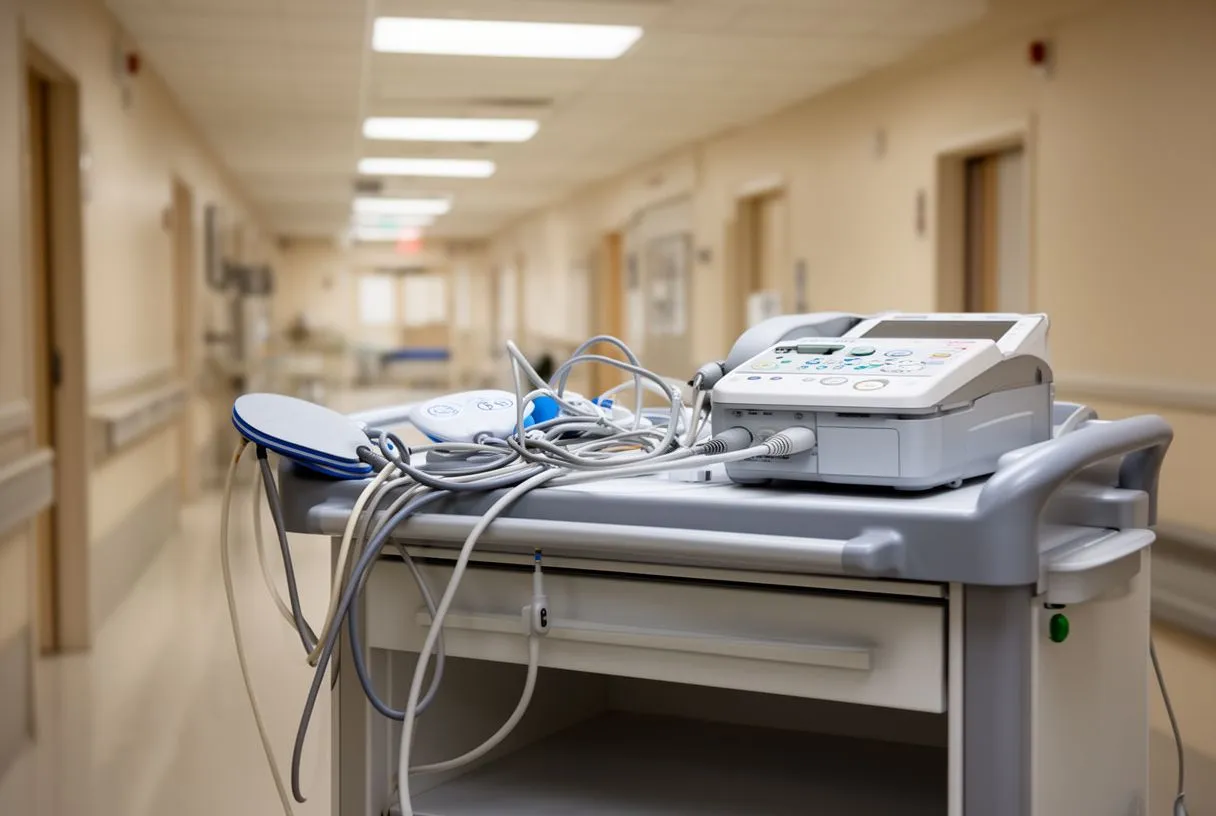
Beyond the history and examination, a structured workup typically includes several of the following studies, chosen based on the clinical picture:
- Electrocardiogram (ECG): Records the heart's electrical activity at a single point in time. Fast, painless, and often the first test performed in any cardiac evaluation.
- Echocardiogram: Uses ultrasound to visualize the heart's structure, valve function, and pumping strength. Essential for ruling out valve disease and heart failure.
- Holter or event monitor: Records the heart rhythm continuously for 24 hours to several weeks, capturing arrhythmias that come and go and that a one-time ECG would miss.
- Blood tests: Check for anemia, kidney function, electrolyte disturbances, and cardiac biomarkers that indicate heart muscle stress or damage.
- Stress test: Monitors the heart during exercise or pharmacological stress to reveal ischemia or exercise-induced arrhythmias that are absent at rest.
If you are experiencing recurrent or unexplained light-headedness — especially with any of the warning features discussed in this guide — the most important step is not self-diagnosis but professional evaluation. Dr Alejandro Molina and the team at Cirugía de Corazón see patients in Guadalajara, Querétaro, and Hermosillo, and a free video consultation can help clarify what your studies show and which are still needed. Every person's situation is unique, and the right next step is to discuss your specific symptoms, history, and concerns with a qualified cardiac team. Book a consultation rather than trying to piece together the answer on your own — the clarity that comes from a proper evaluation is worth far more than the reassurance of guessing that it is probably nothing.






