
Liver Function Tests Before Heart Surgery: Why They Matter
Liver function tests before surgery protect your heart procedure.
What Are Liver Function Tests Before Surgery
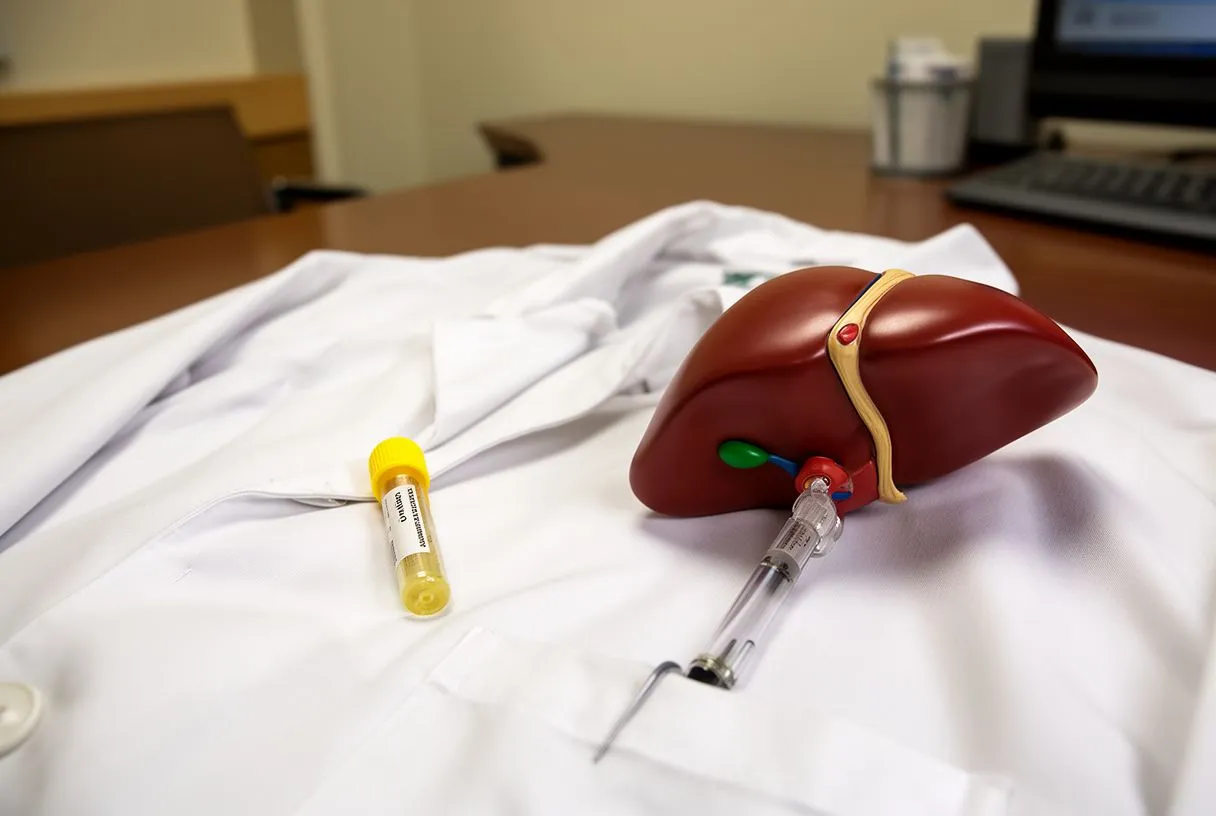
When you are preparing for heart surgery, your medical team will order a battery of blood tests to ensure your body is ready for the stresses of the operating room. Among these, liver function tests before surgery play a central role that many patients do not fully understand. These tests measure enzymes, proteins, and waste products that your liver produces or clears from your bloodstream. The results give your surgeon and anesthesiologist a window into how well your liver is working before they expose you to anesthesia, medications, and the physical demands of a cardiac procedure.
A standard liver panel includes several markers. ALT (alanine aminotransferase) and AST (aspartate aminotransferase) are enzymes that leak into the blood when liver cells are damaged. Alkaline phosphatase helps assess bile flow, while bilirubin measures how well your liver processes the byproduct of broken-down red blood cells. Albumin, a protein your liver synthesizes, indicates longer-term liver health and nutritional status. INR (international normalized ratio) reflects how well your liver produces clotting factors, which is essential information before any operation where bleeding control is critical.
What each marker reveals about surgical readiness: ALT and AST elevations can signal acute liver inflammation that may need to be addressed before proceeding. High bilirubin may indicate cholestasis, a condition where bile flow is reduced, and this can complicate how your body processes medications after surgery. Low albumin suggests your liver has not been functioning well over a period of weeks or months, which correlates with poorer wound healing and higher complication rates. An elevated INR means your blood is thinner than ideal for surgery, and your team may need to correct this before scheduling your operation.
Why Preoperative Liver Screening Matters for Cardiac Patients
The liver is the metabolic engine of your body. It processes nearly every medication you receive during and after surgery, from anesthetic agents that keep you unconscious to antibiotics that prevent infection. If your liver is not functioning at a reasonable capacity, those medications can accumulate to toxic levels, prolong recovery, and increase the risk of complications. Preoperative liver screening gives your team the data they need to adjust dosages, choose different drugs, or in some cases delay surgery until liver health improves. This is not a formality — it is a safety mechanism built into the surgical planning process.
For cardiac patients specifically, the relationship between heart and liver runs deeper than many realize. When the heart struggles to pump effectively, blood can back up into the liver, causing a condition called congestive hepatopathy. Over time, this pressure damages liver cells and distorts blood test results. Your surgeon needs to distinguish between liver damage caused by chronic heart failure and liver disease from other causes, because the surgical approach and postoperative care differ significantly. This is one reason your cardiac team, not just a general practitioner, reviews these results.

Cardiac-specific liver risks: Patients with long-standing heart failure often show mildly elevated liver enzymes that normalize after the heart is repaired. However, if the underlying problem is independent liver disease such as fatty liver or early cirrhosis, the surgical risk profile changes. Your team uses the pattern of enzyme elevations, imaging studies, and sometimes additional blood tests to tell these scenarios apart. According to Stanford Health Care, comprehensive preoperative assessment is essential for identifying patients who need modified surgical approaches.
Understanding these results empowers you as a patient. When you know what the numbers mean, you can ask informed questions and participate in decisions about timing, technique, and preparation. Rather than viewing liver function tests as another hurdle to clear, it helps to see them as a tool that protects you and helps your team plan the safest possible path forward.
How the Liver and Heart Work Together During Surgery
Your heart and liver are connected through a continuous loop of blood circulation. The heart pumps oxygen-rich blood to the liver through the hepatic artery, and the liver receives nutrient-rich blood from the intestines through the portal vein. During cardiac surgery, particularly when a cardiopulmonary bypass machine takes over the work of your heart and lungs, this carefully balanced circulation is temporarily altered. The bypass machine manages blood flow, but the liver still needs adequate perfusion to continue clearing toxins, metabolizing drugs, and producing proteins essential for recovery.
When blood flow patterns change during bypass, the liver can experience periods of reduced oxygen delivery. In most patients, this is well tolerated and the liver recovers quickly. However, if the liver was already stressed before surgery — due to medication effects, heart failure, or underlying liver disease — the added burden of bypass can tip the balance toward liver dysfunction. This is why your surgical team pays close attention to preoperative liver markers and monitors them carefully in the hours and days after your procedure. They watch for trends, not just single values, because a rising enzyme level after surgery can signal that the liver needs additional support.
Bypass-related liver considerations: Longer bypass times correlate with greater liver stress, so your surgeon aims to minimize the duration whenever possible. The temperature management strategy used during surgery also matters — mild hypothermia is protective but too much cooling can slow liver enzyme function. Your anesthesiologist selects medications that are gentler on the liver when preoperative tests show borderline results. This coordinated planning is what makes the difference between a routine recovery and one complicated by hepatic dysfunction.
What Liver Enzymes Tell Your Cardiac Surgeon
Liver enzymes are not just numbers on a lab report. Each one tells a specific story about what is happening inside your liver cells and bile ducts. Your cardiac surgeon reads these results with a particular lens, looking for patterns that suggest how your liver will handle the stress of surgery, the medications you will need, and the recovery process that follows.
ALT is the most liver-specific enzyme. When ALT is elevated, it points directly to liver cell injury. AST is less specific because it also exists in heart muscle, so an elevated AST after a heart event such as an atypical infarction can reflect cardiac damage rather than liver problems. Your surgeon looks at the ratio between ALT and AST to distinguish between liver and cardiac sources. Alkaline phosphatase elevation suggests bile flow problems, which can affect how your body processes certain medications used during and after surgery.
Reading the pattern, not just the numbers: A mild, isolated elevation in one enzyme is usually less concerning than a pattern showing multiple abnormalities. Your team also compares your current results to previous tests if available, because a stable mild elevation over months is handled differently from a sharp recent rise. Gamma-glutamyl transferase (GGT) is sometimes added to the panel to confirm whether alkaline phosphatase elevations originate from the liver or from bone, which matters for surgical planning.
These enzyme patterns also help your team anticipate medication choices. The liver metabolizes many of the drugs used in cardiac care, including blood thinners like Aspirin and medications that manage heart rhythm conditions such as Atrial Flutter. If liver enzymes suggest impaired metabolism, your team may select alternatives or adjust dosing schedules to prevent accumulation and toxicity.

Bilirubin and Albumin Levels in Cardiac Clearance
Beyond enzymes, bilirubin and albumin provide critical information about liver function that directly influences surgical planning. Bilirubin is a yellow pigment produced when old red blood cells are broken down. Your liver processes bilirubin and excretes it into bile. When this process is impaired, bilirubin builds up in the blood, which can cause jaundice and signal that the liver is struggling with clearance tasks.
Elevated bilirubin before surgery warrants investigation. If the cause is related to heart failure and blood backing up into the liver, correcting the cardiac problem may resolve the bilirubin elevation over time. If the cause is a bile duct obstruction or intrinsic liver disease, those issues may need to be addressed before heart surgery can proceed safely. Your team may order imaging studies such as an ultrasound to evaluate bile ducts and liver structure when bilirubin is meaningfully elevated.
Albumin as a long-term liver marker: Unlike enzymes that can change within hours, albumin reflects liver function over a longer period because the liver produces albumin steadily over weeks. A low albumin level suggests that your liver has been underperforming for some time, and it is also a marker of nutritional status. Poor nutrition and low albumin are linked to slower wound healing, higher infection rates, and longer hospital stays after cardiac surgery. When albumin is low, your team may recommend nutritional supplementation before scheduling surgery, giving your body the resources it needs to recover effectively. Research highlighted in discussions of Challenges in the Treatment of Chronic Wounds underscores how nutritional and metabolic status directly impacts healing outcomes.
How Cardiopulmonary Bypass Affects Liver Function
Cardiopulmonary bypass is one of the most remarkable technologies in modern medicine. It takes over the function of your heart and lungs during surgery, allowing your surgeon to work on a still, bloodless field. While this technology makes complex cardiac procedures possible, it also introduces changes in blood flow, pressure, and temperature that your liver must adapt to.
During bypass, blood is diverted from your heart and lungs through a machine that oxygenates it and returns it to your body. This alters the normal pulsatile flow that your organs are accustomed to, replacing it with a more continuous flow pattern. The liver, which is accustomed to receiving blood from both the hepatic artery and the portal vein, may experience shifts in perfusion. In the vast majority of patients, the liver handles this well. However, when preoperative liver tests show existing compromise, the bypass period adds stress that can lead to postoperative liver dysfunction.
Minimizing liver stress during bypass: Your surgical team employs several strategies to protect your liver during bypass. Shorter bypass times reduce the duration of altered perfusion. Careful blood pressure management ensures adequate liver blood flow. Temperature is controlled to balance the protective effects of mild cooling with the need for normal enzyme function. In cases where an Arterial Graft is being placed, or when working on the Ascending Aorta, the team coordinates the timing of bypass with liver protection in mind. For patients who require an Arterial Line for monitoring or an Arterial Cannula for bypass, these access points are managed to maintain stable circulation throughout.
Liver Cirrhosis and Cardiac Surgery Risk
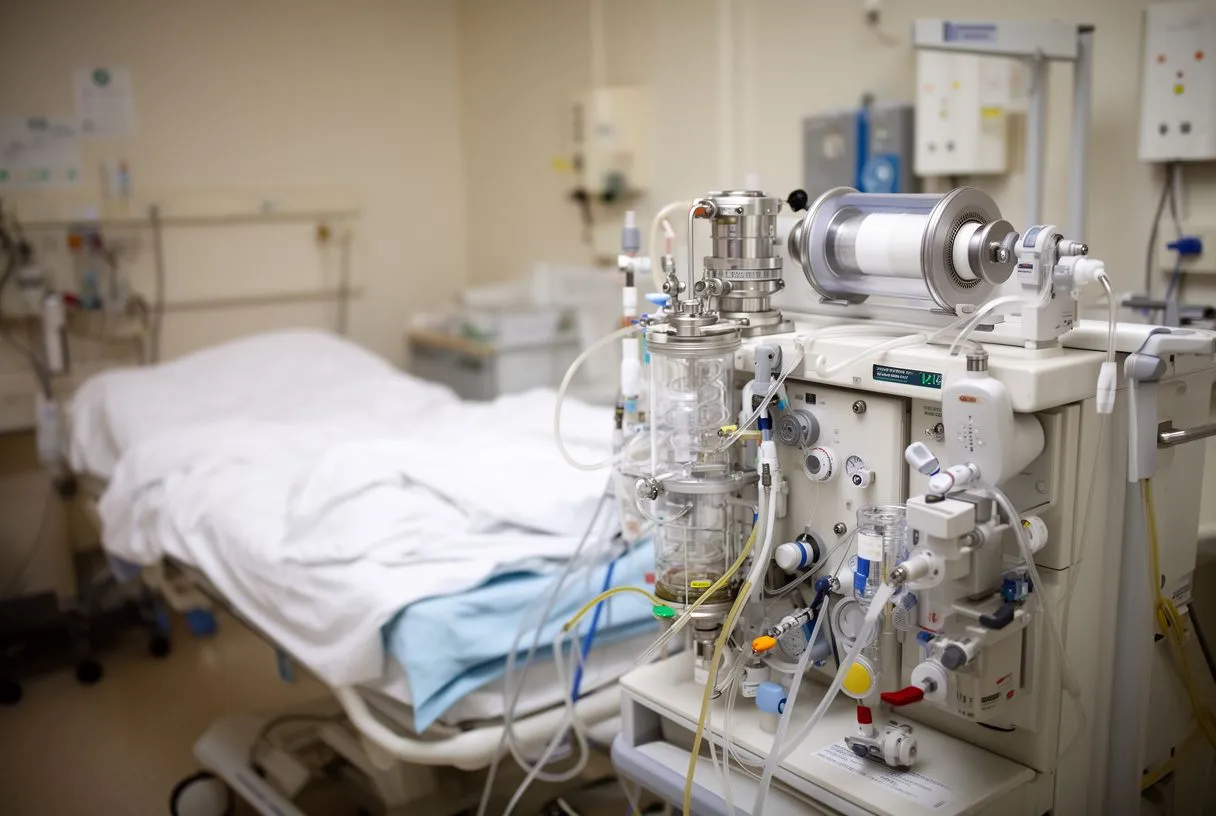
Cirrhosis is advanced scarring of the liver that fundamentally changes how the organ functions. When cirrhosis is present, the liver has reduced capacity to metabolize medications, produce clotting factors, and clear toxins. This creates a significantly more complex surgical environment, and your cardiac team needs to know about cirrhosis before planning any intervention.
The severity of cirrhosis is often described using scoring systems that combine lab values such as bilirubin, albumin, and INR with clinical findings. These scores help your team estimate surgical risk and decide whether heart surgery is advisable, whether it should be modified, or whether alternative treatments such as Balloon Angioplasty or transcatheter approaches should be considered instead of open surgery. The goal is always to choose the approach with the lowest risk for your specific situation, not to apply a one-size-fits-all solution.
Balancing cardiac need and liver risk: Some patients with mild cirrhosis can undergo cardiac surgery safely with careful planning and monitoring. Others with more advanced liver disease may face unacceptable risks from open surgery and may benefit from less invasive alternatives. For instance, a Balloon Aortic Valvuloplasty or a transcatheter valve approach using a Balloon-expandable Valve may be considered when traditional surgery carries too much risk. Your team weighs the urgency of the cardiac problem against the liver's ability to tolerate the procedure, and this decision is always individualized based on your complete medical picture.
Pre-op Liver Function Assessment: What to Expect
If you are wondering what the liver testing process looks like from a practical standpoint, here is what you can expect. Your cardiac team will order a liver panel as part of your preoperative workup, typically alongside other blood tests such as a complete blood count, kidney function tests, and clotting studies. The blood draw is straightforward and usually requires no special preparation, though your team may ask you to fast if other tests such as lipid panels are being drawn at the same time.
Results are typically available within a day, and your surgeon reviews them in the context of your full medical history. If results are within normal ranges, they confirm that your liver is ready for surgery and no further action is needed. If abnormalities appear, your team investigates the cause before proceeding. This investigation may involve additional blood tests, imaging studies such as a liver ultrasound, or in some cases a referral to a hepatologist for specialized evaluation. The purpose is not to create delays but to ensure that when surgery happens, it happens safely.
When further evaluation changes the plan: If the liver issue is related to your heart condition, such as congestion from heart failure, your surgeon may proceed with surgery knowing that liver function will likely improve once the cardiac problem is corrected. If the liver issue is independent and significant, your team may recommend treating the liver condition first, optimizing your nutritional status, or choosing a less invasive cardiac approach. In some scenarios, your own blood may be collected and stored for potential use during surgery — a process using Autologous Blood — which reduces reliance on donor blood and can be particularly valuable when liver clotting function is borderline.
Recovery When Liver Dysfunction Complicates Surgery
Most patients recover from heart surgery without significant liver complications. However, when preoperative liver tests showed borderline results or when bypass times were extended, your team monitors liver function closely in the postoperative period. They watch enzyme trends, bilirubin levels, and clotting markers to ensure the liver is recovering alongside the heart.
Postoperative liver dysfunction can manifest in several ways. Mild enzyme elevations are common and usually resolve within days as the liver recovers from the stress of surgery. More significant dysfunction may present as persistent jaundice, altered medication metabolism, or delayed clotting. Your team responds to these signs with supportive measures, which may include adjusting medications, providing nutritional support, and ensuring adequate blood flow to the liver as your heart recovers. In rare cases of severe dysfunction, a specialized intensive care approach is needed, and this is one reason your surgical center maintains the capability to manage complex postoperative scenarios.
Supporting liver recovery after surgery: Adequate nutrition is essential because the liver needs protein and energy to regenerate. Your team may work with nutrition specialists to ensure you are receiving the right balance of nutrients, particularly if your albumin was low before surgery. Medications are reviewed and adjusted based on how your liver is processing them, which is why dosing in the early recovery period may differ from what you took before surgery. Research on inflammatory responses in critical illness, including findings from studies such as Neuroinflammation: friend and foe for ischemic stroke, helps clinicians understand how systemic inflammation affects organ recovery and guides supportive care strategies across surgical specialties.
- Monitor trends: Single lab values matter less than the direction of change over days.
- Nutrition matters: Protein intake supports albumin production and liver regeneration.
- Medication review: Doses may shift as liver processing capacity changes post-surgery.
- Team coordination: Your cardiac surgeon, anesthesiologist, and sometimes a hepatologist work together.
When to Discuss Liver Tests With Your Cardiac Team
As a patient or family member, you are an active participant in the surgical planning process. Understanding your liver function tests before surgery empowers you to ask meaningful questions and make informed decisions alongside your medical team. You do not need to interpret the numbers yourself, but knowing what they represent helps you engage in conversations about timing, technique, and preparation.
If you have a history of liver concerns, even mild ones, mention them to your cardiac team early in the planning process. Conditions such as fatty liver disease, hepatitis exposure, or a family history of liver problems are relevant. Similarly, if you have noticed symptoms such as persistent fatigue, yellowing of the skin or eyes, or unexplained bruising, these may relate to liver function and should be discussed. Your team would rather have this information early so they can incorporate it into their planning rather than discovering it at the last minute.
Questions worth asking your surgeon: Consider asking whether your liver panel results are within normal ranges for someone preparing for heart surgery. Ask whether any abnormalities are related to your heart condition or are separate issues. If results are abnormal, ask what additional tests or preparations are recommended before surgery. These conversations build a collaborative relationship with your team and ensure that nothing is overlooked. Whether you are facing a valve replacement, a procedure involving the Atrium, or surgery to address an Atheromatous Plaque, the more your team knows about your complete health picture, the better they can tailor the approach to your needs. At Cirugía de Corazón, Dr Alejandro Molina and his team in Guadalajara, Querétaro, and Hermosillo are committed to this thorough, individualized approach for every patient.
- Bring your history: Share any prior liver diagnoses, medication sensitivities, or family history.
- Ask for clarity: Request plain-language explanations of what each marker means for your case.
- Plan together: Understand how liver results may influence timing, technique, and recovery expectations.
Ultimately, liver function tests before surgery are one piece of a comprehensive preoperative assessment designed to keep you safe. They are not a barrier but a bridge — connecting your overall health to the specific plan your cardiac team builds around you. If you are preparing for a heart procedure and have questions about your preoperative testing, the most valuable step you can take is to schedule a consultation with a qualified cardiac surgery team. They can review your individual situation, explain what your results mean for your specific procedure, and guide you through the decisions ahead with clarity and compassion.