Median Sternotomy Healing: A Week-by-Week Recovery Guide
Median sternotomy healing unfolds week by week after open heart surgery.
What Is Median Sternotomy Healing?
Median sternotomy healing is the critical biological process your body undergoes after a surgeon opens your chest to access the heart. During open heart procedures, the surgeon makes a vertical incision down the center of your chest and divides the sternum, or breastbone, to reach the heart and surrounding structures. Healing this bone requires patience, careful movement, and a structured recovery plan. At Cirugía de Corazón, Dr Alejandro Molina and our team emphasize that understanding this timeline helps patients and families approach recovery with confidence rather than fear. Your breastbone is a dense, protective shield, and reuniting it takes weeks of cellular activity.
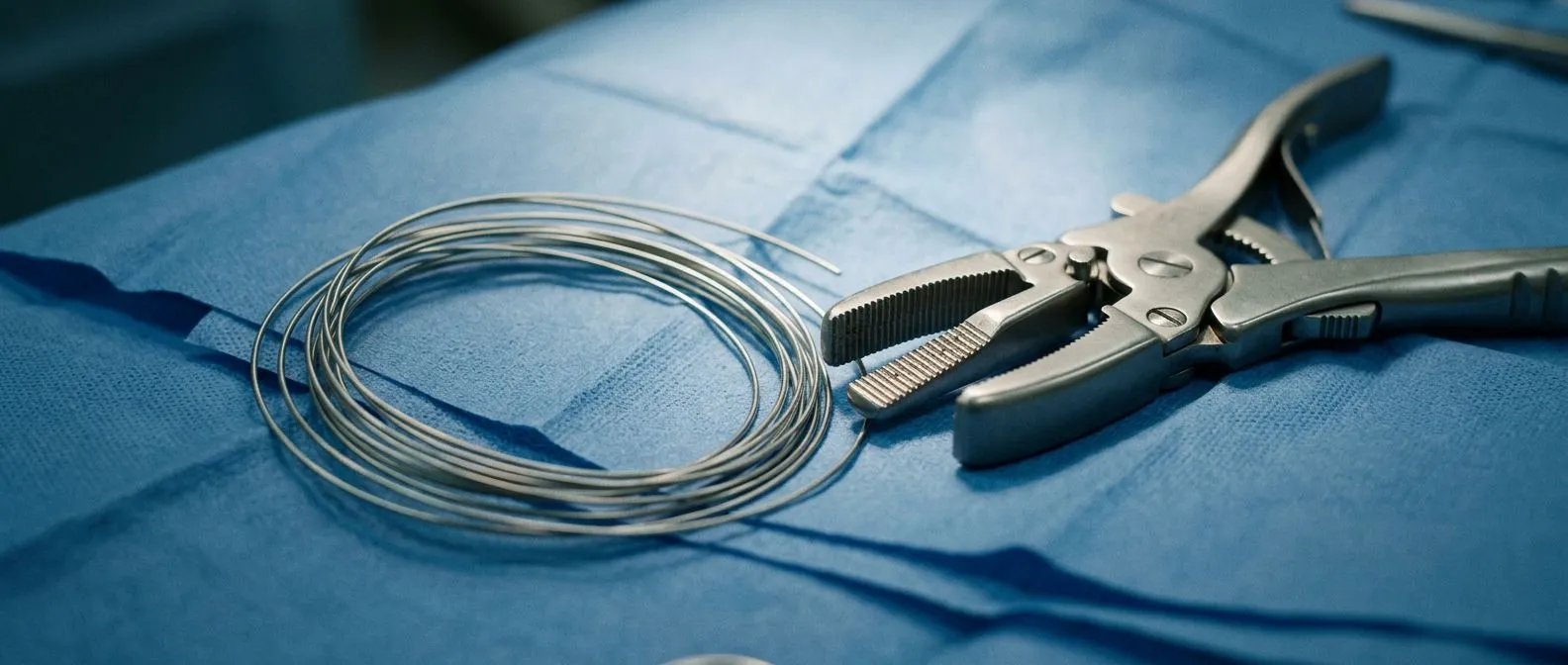
How the sternum is stabilized: After completing the cardiac repair—whether working on the Ascending Aorta or another heart structure—the surgeon closes the breastbone using strong stainless steel wires. These wires act like an internal cast, holding the bone fragments tightly together while the natural bone cells bridge the gap. Over the next few months, these cells weave a solid matrix, fusing the sternum back into a single, stable piece. You will likely feel these wires under your skin initially, but they rarely cause long-term discomfort.
This healing journey is not just about the bone. The surrounding muscles, cartilage, and skin must also recover from the trauma of surgery. Conditions treated through this approach vary widely. You might have surgery to bypass an Atheromatous Plaque in a coronary artery, repair a heart valve, or fix structural issues near the Atrium. Because the chest cavity is deeply involved, whole-body recovery takes time, and every milestone matters. Endovascular repair of traumatic aortic dissection represents another complex scenario where vascular health dictates recovery protocols, though traditional sternotomy remains the standard for many central cardiac repairs.
Median Sternotomy Recovery Timeline: Week 1
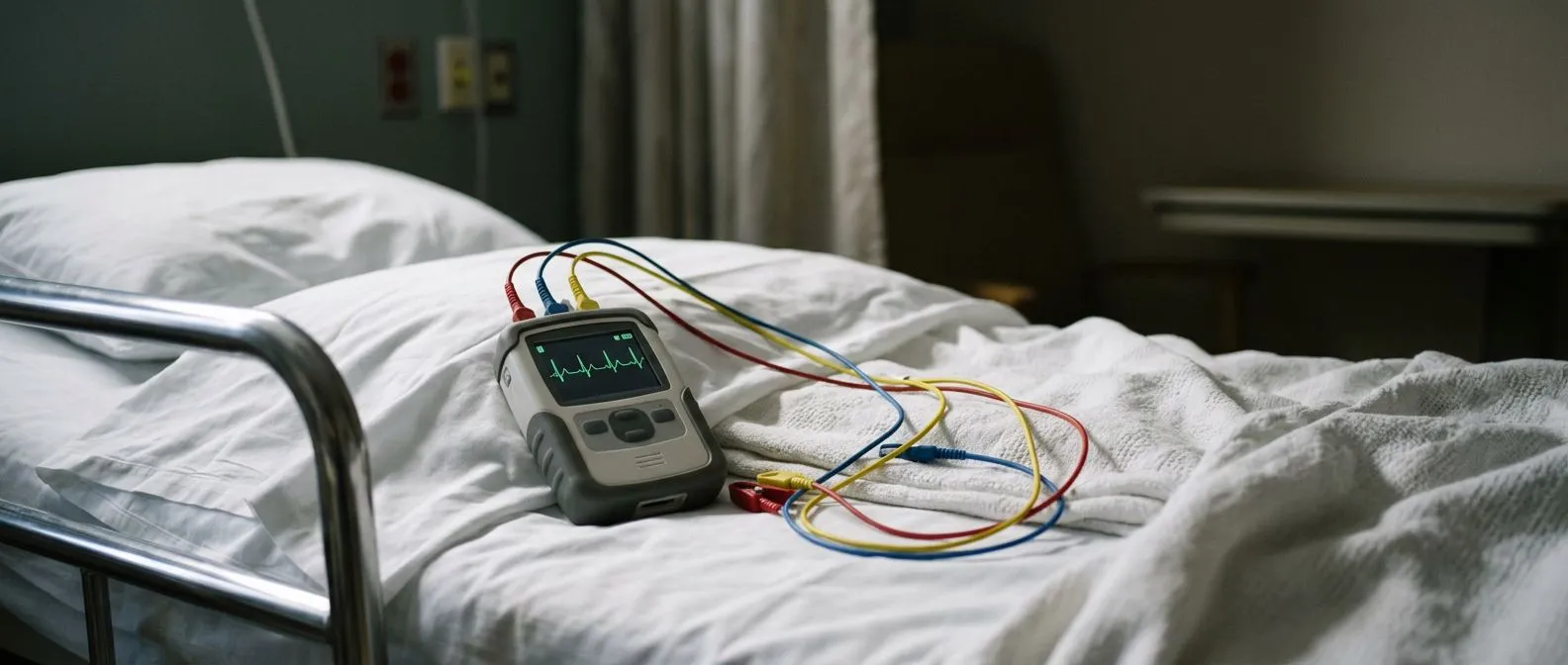
Days 1 to 3 in the hospital: The first few days after surgery are spent in the intensive care unit. You will have monitoring lines, such as an Arterial Line to track blood pressure continuously, and sometimes an Arterial Cannula if circulatory support like Awake ECMO was utilized. Your medical team will manage your pain aggressively to ensure you can take deep breaths and cough effectively, which prevents lung complications like pneumonia. During this time, you are heavily monitored, and your primary job is simply to rest and allow your body to begin the acute inflammatory healing phase.
By day three or four, most tubes are removed, and you will transfer to a standard hospital room. The focus shifts to gentle mobilization. Walking short distances with assistance helps prevent blood clots and promotes circulation. Your surgeon will likely start you on protective medications, such as Aspirin, to prevent clotting, while monitoring your heart rhythm for any irregularities like Atrial Flutter. Your nurses will help you practice safe ways to get out of bed without using your arms to push, protecting your chest.

Before you leave the hospital, the nursing staff reviews your discharge instructions. You will learn how to care for your incision, recognize warning signs, and manage your medications. This early phase of median sternotomy healing is heavily monitored because your chest is still highly vulnerable. You will go home with clear guidelines on weight limits and movement restrictions. It is completely normal to feel exhausted during this first week; your body is using immense amounts of energy to repair deep tissues.
How to Manage Sternotomy Pain Effectively
Pain management is a cornerstone of early recovery. It is normal to experience aching, sharp pains, or muscle spasms around your chest and shoulders during the first few weeks. The goal is not to eliminate all pain completely, but to keep it at a manageable level that allows you to breathe deeply, walk, and sleep comfortably. If pain is left untreated, you will naturally avoid taking deep breaths, which increases the risk of lung infections and slows your overall cardiovascular recovery. A proactive approach to discomfort is essential.
Medication and physical strategies: Your surgical team will prescribe a schedule of pain relievers. Take them exactly as directed, rather than waiting for the pain to become severe. In addition to medication, holding a firm pillow tightly against your chest when you need to cough or sneeze—often called "splinting"—provides external support to the healing bone and dramatically reduces discomfort. Gentle Arm Pain or shoulder stiffness is common, and light, supported movements help prevent frozen shoulder. Do not try to push through severe pain; adjust your activity level instead.
As the weeks pass, your need for prescription medications will decrease. You will transition to over-the-counter pain relievers. It is vital to communicate with your care team if your pain suddenly increases or changes in character, as this can indicate an issue with the bone or surrounding tissue. According to Verywell Health, consistent pain control directly correlates with faster physical mobilization and better recovery outcomes. Your comfort allows you to participate fully in the walking and breathing exercises required for proper healing.
Sternal Precautions After Heart Surgery
To protect the wires holding your breastbone together, you must follow sternal precautions for at least six to eight weeks. These are strict movement guidelines designed to prevent stress on the healing bone. Ignoring these precautions can lead to a condition where the bone shifts, delaying median sternotomy healing or requiring a second surgery to fix. The precautions are not just rules; they are biomechanical shields for your chest. Dr Alejandro Molina insists on strict adherence to these guidelines to ensure the lowest risk for your situation.
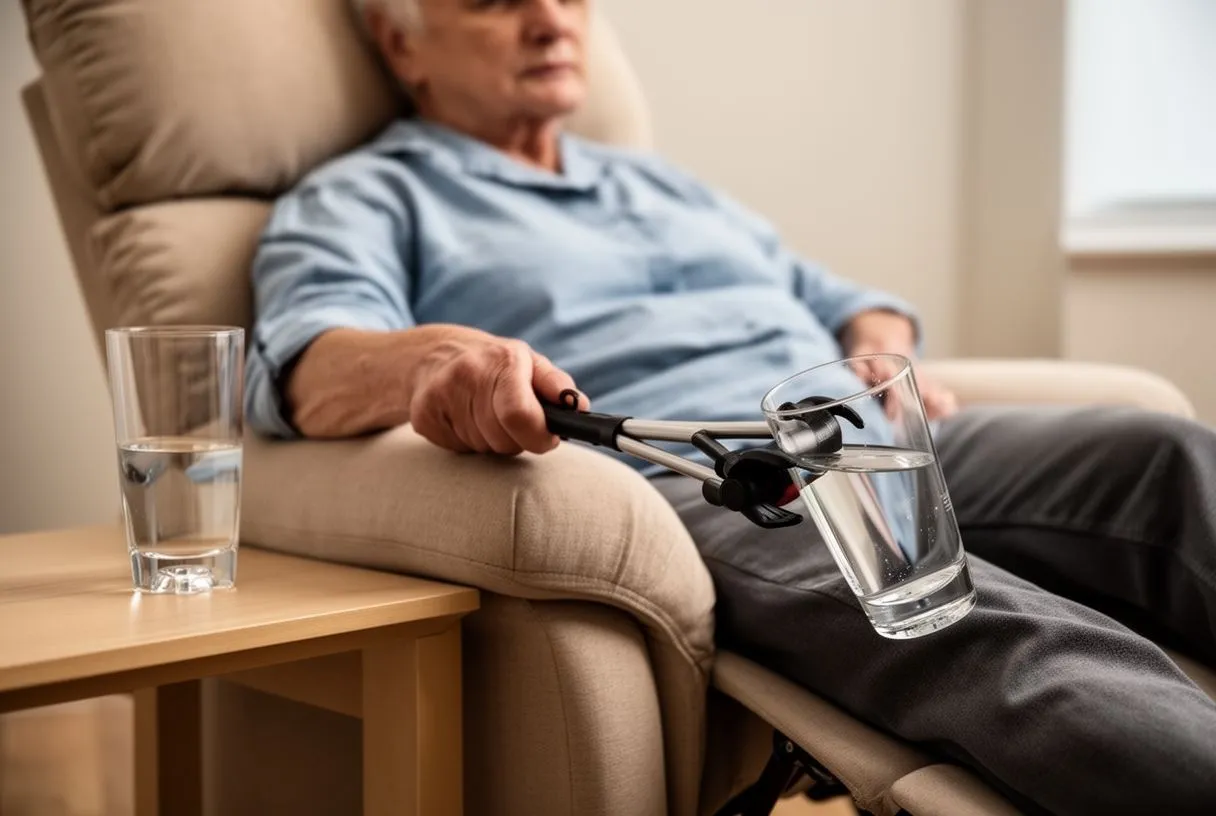
Daily movement rules: The most common rule is the weight limit. Do not lift, push, or pull anything heavier than 5 to 10 pounds. This includes avoiding heavy groceries, small children, and pets. You should also avoid twisting your torso or reaching both arms behind your back. When getting out of bed or a chair, use a "log roll" technique, keeping your shoulders and hips aligned and using your legs to push yourself up. This technique prevents torque on the sternum, keeping the bone edges perfectly aligned for cellular bridging.
Adapting your daily routine is essential. Place items you use frequently at waist level so you do not have to reach up or bend down. These precautions also apply to driving; you should not drive until your surgeon clears you, usually around six weeks, as sudden braking or turning could disrupt the bone. Patience during this restrictive phase pays off with a fully fused sternum. Remind yourself that these temporary limitations are an investment in a durable, long-term recovery.
Median Sternotomy Healing: Week 2 to 4 Milestones
Between weeks two and four, you will notice gradual improvements in your energy and mobility. The acute sharp pains from the first week begin to fade, replaced by a duller ache and general fatigue. This is the phase where many patients start to feel like they are turning a corner, but it is crucial to remember that the bone is still actively fusing. The internal wires are doing their job, but the biological union of the bone is far from complete. Overexerting yourself here can set your progress back significantly.
Cardiac rehab and walking: During this window, you may begin a formal cardiac rehabilitation program. Supervised walking is the primary exercise, helping to rebuild your cardiovascular stamina without stressing your chest. If you had an Autograft or received Autologous Blood during surgery, your body is actively rebuilding its reserves, so pacing yourself is key. To maximize your recovery during this month, focus on these core habits:
- Consistent walking: Walk on flat surfaces for 20 to 30 minutes daily, breaking it into shorter sessions if needed.
- Wound monitoring: Check your incision daily for redness, swelling, or drainage.
- Prioritized rest: Plan a nap or quiet rest period in the afternoon to combat afternoon fatigue.
You will have a follow-up appointment with your cardiac surgeon around the two-week mark. The team will check your incision, listen to your heart through Auscultation, and review your progress. They will look for signs of Atypical Infarction or other cardiac complications, though these are rare in this phase. This visit is your opportunity to ask questions about returning to light household chores or work. Your surgeon will validate your healing progress and adjust your restrictions based on your physical examination.
What Are the Signs of Sternal Wound Infection?
Infection is a rare but serious complication of open heart surgery. The sternal wound is deep, and an infection can affect the bone itself, a condition known as osteomyelitis. Knowing the warning signs allows for early intervention, which typically involves antibiotics and sometimes a minor procedure to clean the area. Because the wound is deep, superficial redness might look normal initially, but deep pain and systemic signs indicate a deeper problem. Vigilance is your best defense against wound complications.
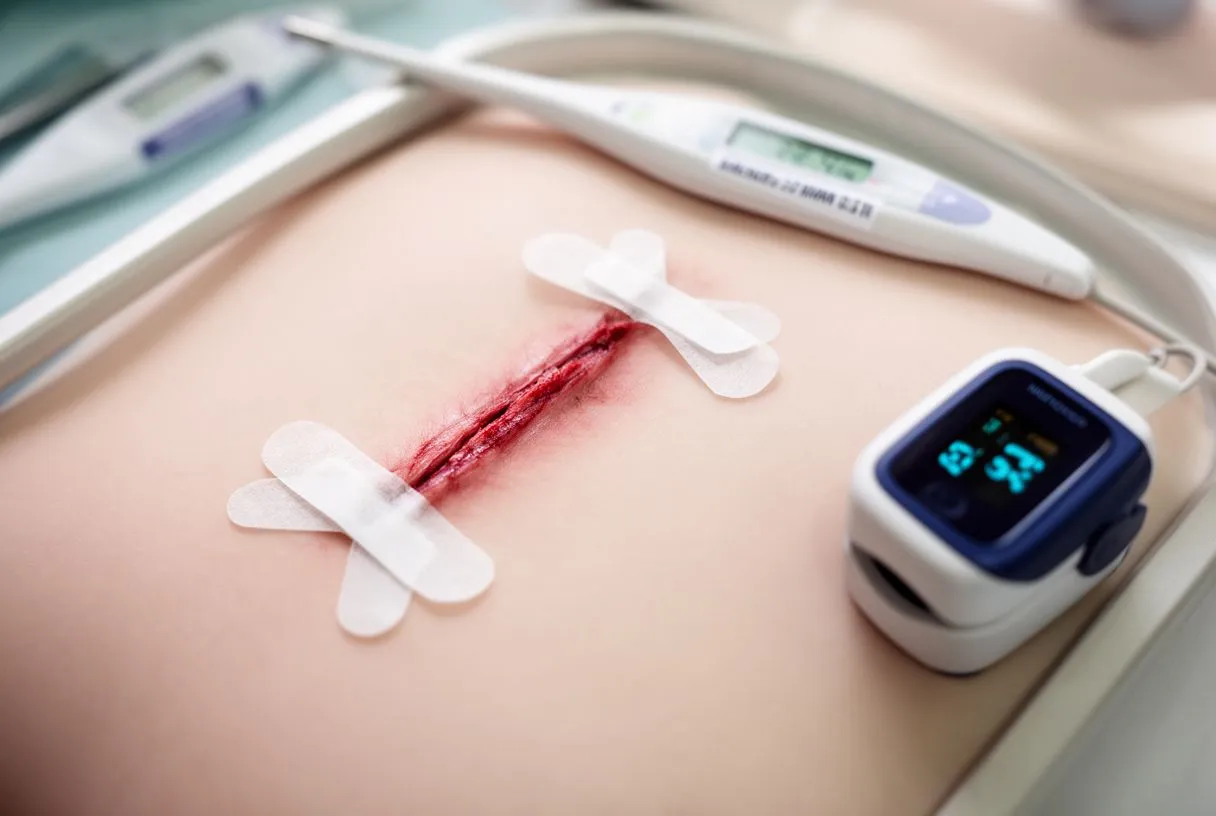
Visual and systemic symptoms: Check your incision daily using a mirror or asking a family member for help. Watch for increased redness spreading from the incision line, excessive swelling, or thick, foul-smelling drainage. Systemic signs of infection include a fever above 38°C (100.4°F), chills, or a sudden feeling of illness. If you notice any of these, contact your surgeon immediately. Do not wait to see if the symptoms improve on their own, as deep sternal infections require swift medical management.
Patients with certain risk factors, such as diabetes or those who underwent complex procedures like a Balloon Aortic Valvuloplasty prior to surgery, may have slightly different healing trajectories. However, the signs of infection remain standard across all patient profiles. Never apply ointments or home remedies to the wound without your surgeon's explicit approval, as this can trap bacteria. Keeping the area clean and dry, following your shower instructions exactly, is the most effective way to support proper tissue recovery.
Safe Sternotomy Recovery Exercises
Exercise after heart surgery looks very different from a traditional gym routine. The focus is on gentle, progressive cardiovascular conditioning rather than strength training. Safe sternotomy recovery exercises prioritize protecting the chest while encouraging blood flow to the healing tissues. Movement is medicine for your cardiovascular system, but it must be dosed correctly to avoid stressing your sternum. Your rehabilitation team will tailor a program specifically for your clinical situation.
Starting a rehab program: Walking is the foundation of your exercise plan. Start with short, slow walks around your home, gradually increasing the distance as you feel comfortable. Breathing exercises using an incentive spirometer remain crucial during the first month to keep your lungs fully expanded. If you had an Arterial Graft placed, ensuring good circulation through gentle movement helps the graft mature. Upper body resistance bands and weights are strictly forbidden during this phase to protect the healing bone.
As you approach the six-week mark, your cardiac rehab team may introduce stationary cycling with no resistance. You will avoid upper body exercises completely until your surgeon confirms the sternum has healed. Using an Automated External Defibrillator or participating in rigorous sports remains strictly off-limits until you are fully cleared and have completed advanced stress testing. The goal of these exercises is to build endurance safely, proving to your medical team that your heart and chest are ready for the next level of activity.
Median Sternotomy Healing: Months 1 to 3
Reaching the one-month milestone is a significant achievement. At this stage, the stainless steel wires have done their primary job, and the bone is structurally much more stable. You will likely be cleared to resume driving, return to work (if your job is not physically demanding), and lift slightly heavier objects. This phase of median sternotomy healing is marked by a return to independence and a noticeable decrease in surgical fatigue. However, your body is still remodeling the internal tissues, so pacing remains important.
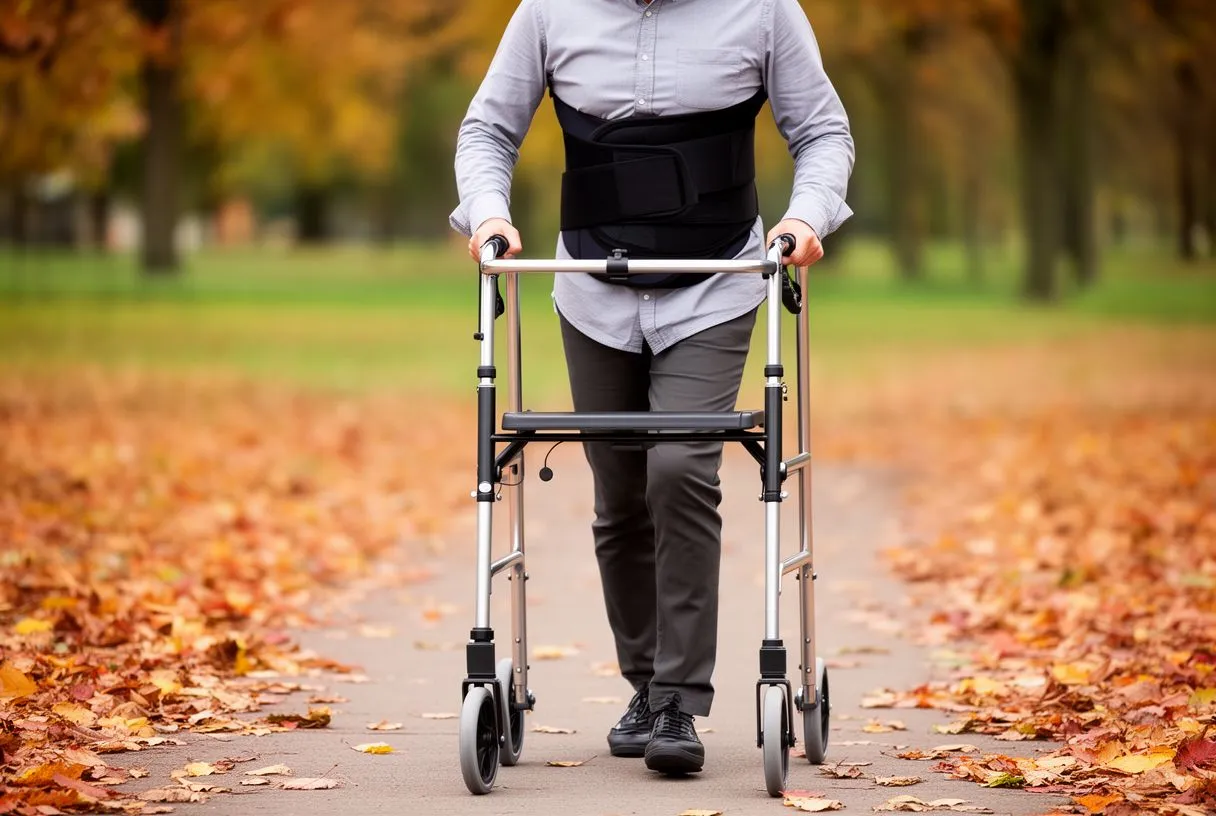
Regaining independence: Fatigue will still be present, but it will be less debilitating. You can expect to manage most of your daily activities independently. If you were taking medications to prevent arrhythmias, like those studied in the ARISTOTLE trial, your cardiologist might adjust your dosages based on your stable condition. Patients who require ongoing monitoring for lipid management, such as checking Apolipoprotein B levels, will integrate these tests into their routine cardiology visits. This continuity of care ensures your heart remains healthy as your chest continues to heal.
During months two and three, the scar will begin to fade from red to pale pink or white. The underlying tissue will feel less tender. This is also a time when some patients experience emotional shifts as the adrenaline of recovery fades. Connecting with support groups or speaking with a counselor is highly encouraged. Recent data, including a study on the Recovery of cardiovascular testing in Asia during the COVID-19 pandemic, highlights how consistent follow-up care is essential for long-term recovery. Mental health is a vital component of physical rehabilitation.
Caring for Your Median Sternotomy Scar
The visible scar from a median sternotomy is a permanent reminder of your journey, but with proper care, it can heal remarkably well. Scar care begins while the incision is still closing and continues for many months to improve its appearance and texture. Your skin is the largest organ in your body, and the collagen fibers it lays down to close the wound require guidance to remain flat and flexible. Proper scar management also reduces itching and sensitivity around the incision line.
Long-term skin maintenance: Once the scabs have fallen off and the skin is completely closed, usually around four weeks, you can begin gentle massage. Using a mild, unscented lotion, massage the scar in small circles for a few minutes each day. This helps break down dense collagen fibers, keeping the scar flat and flexible. Protect the scar from direct sunlight for the first year, as UV exposure can cause permanent hyperpigmentation. Wear sunscreen or a high-collared shirt when outdoors.
Even if you had a less invasive procedure in the past, such as a Balloon Angioplasty or a Balloon-expandable Valve placed via catheter, a chest scar from a sternotomy requires dedicated topical care. If the scar feels raised, itchy, or spreads beyond the original incision line, mention it to your surgeon. Sometimes, silicone sheets or gels are recommended to flatten hypertrophic scars.
When to Call Your Cardiac Surgeon
Navigating recovery means knowing the difference between normal healing quirks and red flags that require medical attention. While aches and fatigue are expected, certain symptoms warrant an immediate phone call to your surgical team or a visit to the emergency room. Your safety is paramount, and we encourage you to trust your instincts. If you feel that something is wrong, it is always appropriate to seek professional evaluation. Self-diagnosing at home can delay necessary interventions.
Red flag symptoms: Contact your doctor immediately if you experience any of the following warning signs:
- Fever: A temperature above 38°C (100.4°F) lasting more than a few hours, especially if accompanied by chills.
- Wound changes: Sudden separation of the incision edges, new pus, or excessive clear drainage.
- Cardiac symptoms: New or worsening shortness of breath, rapid palpitations, or chest pain that differs from your incisional pain.
Do not second-guess yourself if something feels wrong. It is always better to have a nurse or doctor evaluate your symptoms over the phone than to wait and risk a complication. At Cirugía de Corazón, Dr Alejandro Molina and our dedicated team are here to guide you through every step of your recovery. We encourage you to discuss your specific concerns and book a consultation to ensure your healing is on the right track, rather than self-diagnosing from home. Your peace of mind is a crucial part of your return to full health.